

Free Holston River Valley Travel Guide & Mobile App
Explore Holston River Valley with free travel guides. Discover regional history, expert tips, proposed trips, and audio guides on web or mobile app.


Explore Tennessee's Holston River Valley for Appalachian waterways, Cherokee history, reservoir recreation, historic towns and East Tennessee food.
Read more about Holston River Valley
Getting to and around Holston River Valley
How to get there
Transportation
Top city travel guides in Holston River Valley
The cities of Holston River Valley, and the easiest places to base yourself.

Swipe for more cities
Destinations in Holston River Valley
Resorts, valleys and scenic spots worth a trip of their own.

Swipe for more destinations
Best attractions in Holston River Valley
-
Park
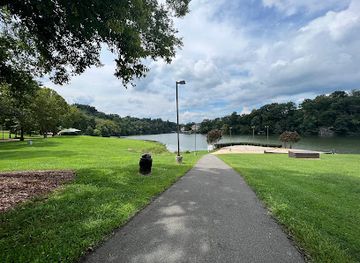
Steele Creek Park
Experience the natural beauty and recreational splendor of Steele Creek Park, a must-visit destination in Bristol, Tennessee.
-
Car racing track
Bristol Dragway
Discover the excitement of car racing at Bristol Dragway, where speed meets passion in a thrilling atmosphere for all motorsport enthusiasts.
-
Tourist attraction
Winged Deer Park
Experience nature's beauty and recreational bliss at Winged Deer Park in Johnson City, TN, where tranquility meets adventure.
-
Tourist attraction
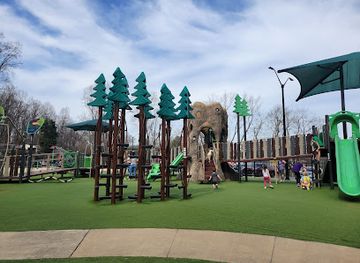
Rotary Park
Explore the serene beauty and community spirit of Rotary Park, a must-visit destination in Johnson City, TN, for relaxation and recreation.


Best landmarks in Holston River Valley
Long Island of the Holston near Kingsport is the valley's most important cultural landmark, representing a sacred Cherokee place as well as the river's later role in treaty-making and colonial expansion; access and interpretation should be approached respectfully because the modern setting does not convey the site's full historical meaning. Cherokee Dam is a major twentieth-century landmark, both an imposing piece of public infrastructure and the structure that created Cherokee Lake. In Rogersville, the historic town centre, churches and civic buildings preserve the appearance of an early Tennessee community shaped by river commerce and county government. Kingsport's Netherland Inn is a tangible reminder of the travellers and goods that moved through the valley before modern highways. At the southern end, the Holston's meeting with the French Broad at Knoxville is a geographical landmark: the two rivers form the Tennessee River, linking local history to the larger river system of the American Southeast. Reservoir vistas, wooded ridgelines and the broad bends of the Holston also function as the valley's defining natural landmarks.
-
Historical place
Andrew Johnson National Historic Site
Explore the legacy of Andrew Johnson at this historic site in Greeneville, TN, where history comes alive through engaging exhibits and tours.
-
Historical place museum
Marble Springs State Historic Site
Explore the rich history of Tennessee at Marble Springs State Historic Site, home of the first governor and a testament to early American life.
-
Historical place museum
Historic Ramsey House
Explore the rich history and stunning architecture of Ramsey House, a historical landmark and museum in Knoxville, Tennessee, perfect for all history enthusiasts.
-
Historical landmark
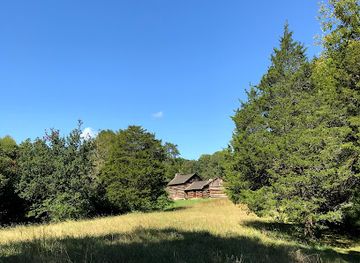
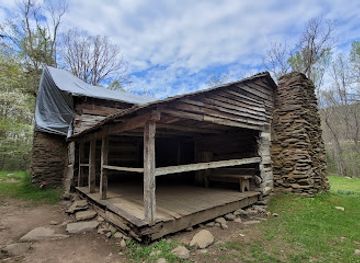
Walker Sisters Place
Discover the historic Walker Sisters Place in the Great Smoky Mountains, a glimpse into Appalachian life and rural heritage amidst stunning landscapes.


Explore Holston River Valley on the map
Plan your trip on one map. See where the top cities, national parks and sights are, and book hotels and experiences in a few clicks.
Best hotels in Holston River Valley
Best restaurants in Holston River Valley
Food in the Holston River Valley reflects East Tennessee's combination of farm country, Appalachian home cooking, river traditions and growing urban diversity. Barbecue, biscuits, country ham, fried chicken, beans, cornbread and seasonal vegetables remain familiar choices, while trout and other freshwater fish appear in restaurants closer to the river and reservoirs. Apples, tomatoes, pumpkins and other produce from eastern Tennessee farms are often found at seasonal stands and markets. Kingsport, Morristown and the Knoxville end of the valley offer the broadest selection of independent cafés, diners, breweries and contemporary restaurants; smaller communities are more likely to centre on family restaurants, bakeries and traditional country cooking. Local menus should not be treated as a single fixed cuisine: the valley shares much with the wider American South while expressing distinct Appalachian habits of preserving, baking and using seasonal ingredients. Farmers' markets and roadside produce stalls are useful places to discover regional food beyond restaurant dining.
-
Country food restaurant
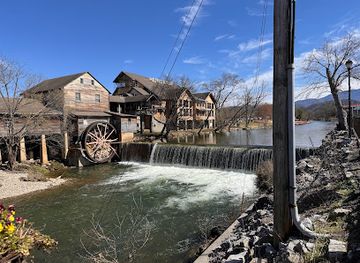
The Old Mill Restaurant
Experience authentic Southern comfort food at The Old Mill Restaurant in Pigeon Forge—where tradition meets flavor in every dish.
-
New American
Local Goat - New American Restaurant Pigeon Forge
Experience the essence of New American cuisine at Local Goat in Pigeon Forge - where every dish tells a story.
-
Diner
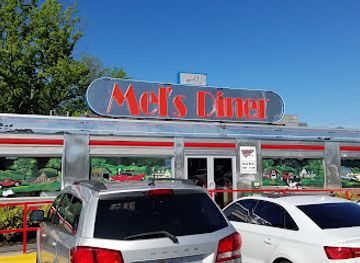
Mel's Classic Diner
Experience delicious American classics at Mel's Classic Diner in Pigeon Forge – where nostalgia meets great food!
-
Southern
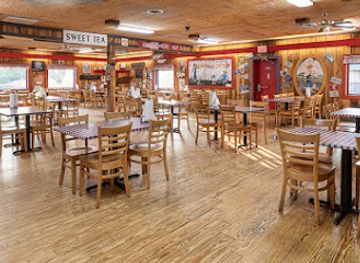
Huck Finn's Catfish
Discover authentic Southern cuisine at Huck Finn's Catfish in Pigeon Forge - where every meal feels like home.

Best bars in Holston River Valley
Evening life in the Holston River Valley is generally low-key and town-centred rather than built around a large club scene. Kingsport, Morristown and the Knoxville side of the corridor have the widest choice of breweries, bars, cafés with later hours, live-music venues and restaurants, while smaller communities tend to rely on traditional pubs, neighbourhood bars and occasional community performances. Breweries and taprooms may showcase Tennessee-made beer, but opening arrangements and entertainment schedules change, so checking directly before travelling is sensible. Around Cherokee Lake, evenings are more likely to involve a meal, a quiet drink or time at lakeside accommodation than a formal nightlife district. Knoxville offers the region's broadest urban programme of music and theatre, although much of its city-centre nightlife lies beyond the immediate Holston waterfront. Visitors should arrange transport in advance when staying in rural areas and should never drive after drinking.
-
River
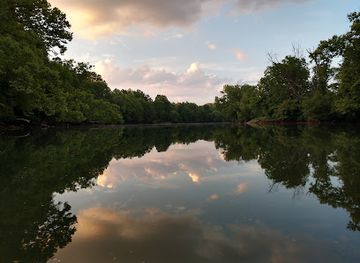
Holston River
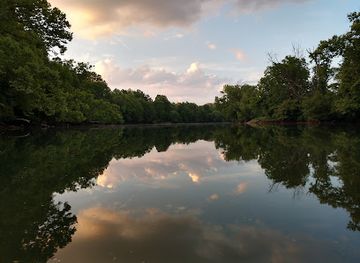
Experience the tranquility of Holston River in Tennessee, a picturesque retreat for nature lovers and adventure seekers, perfect for fishing, kayaking, and hiking.
Best nightclubs in Holston River Valley
Evening life in the Holston River Valley is generally low-key and town-centred rather than built around a large club scene. Kingsport, Morristown and the Knoxville side of the corridor have the widest choice of breweries, bars, cafés with later hours, live-music venues and restaurants, while smaller communities tend to rely on traditional pubs, neighbourhood bars and occasional community performances. Breweries and taprooms may showcase Tennessee-made beer, but opening arrangements and entertainment schedules change, so checking directly before travelling is sensible. Around Cherokee Lake, evenings are more likely to involve a meal, a quiet drink or time at lakeside accommodation than a formal nightlife district. Knoxville offers the region's broadest urban programme of music and theatre, although much of its city-centre nightlife lies beyond the immediate Holston waterfront. Visitors should arrange transport in advance when staying in rural areas and should never drive after drinking.
-
River
Holston River
Explore the tranquil beauty of Holston River in Tennessee, a perfect spot for fishing, kayaking, and enjoying nature's serenity.
Best shops in Holston River Valley
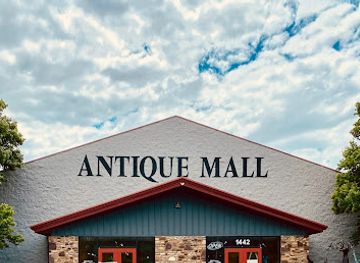
Shopping in the Holston River Valley is concentrated in the main towns, with practical retail, independent stores, antique shops, galleries and local food sellers providing more character than large-scale luxury shopping. Kingsport has the broadest upper-valley selection, while Rogersville is suited to browsing historic-town shops, antiques and locally made goods; Morristown serves as a commercial centre for the central valley. Farmers' markets and seasonal produce stands are useful for apples, tomatoes, preserves, baked goods and other East Tennessee products, although individual market days vary through the year. Galleries and craft outlets may offer pottery, woodwork, paintings, textiles and river- or Appalachian-themed gifts, but visitors should look for clear information about where an item was made rather than assuming every regional souvenir is locally produced. Larger shopping complexes and national chains are available around the principal towns, while rural areas generally offer a smaller selection of independent food, craft and antique retailers.
-
Outlet mall
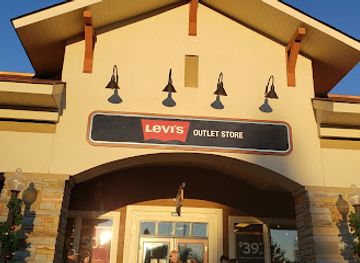
Tanger Outlets Sevierville
Discover unbeatable deals and a diverse selection of brand-name stores at Tanger Outlets Sevierville, the ultimate shopping experience in Tennessee.
-
Toy store
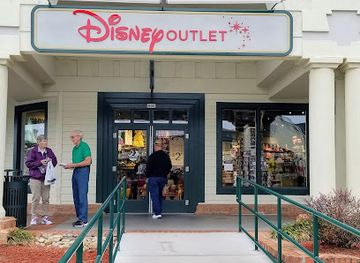
Disney Store
Discover the enchanting world of Disney at the Sevierville Store, featuring toys, clothes, collectibles, and magical experiences for all ages.
-
Discount store
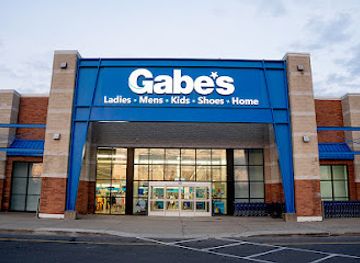
Gabe's
Explore Gabe's in Sevierville for unbeatable discounts on clothing, shoes, and home goods, perfect for every budget-conscious traveler.
-
Antique store
Green Olde Deal Antique Mall
Unearth unique antiques and collectibles at Green Olde Deal Antique Mall in Sevierville, TN - a treasure trove for vintage lovers.
Get your free copy of our complete guide to Holston River Valley, delivered straight to you.
Everything on this page, from attractions and restaurants to essentials and local phrases, in one PDF you can read offline, print or share.
Already have an account? Sign in
Your Holston River Valley guide is ready.
We'll send it to · Not you? Sign out

Getting your guide ready…
We are putting together a fresh copy of the Holston River Valley guide. This can take up to a minute.
This can take a few moments. If your browser asks, choose Allow so the download can start. You'll find the guide in your Downloads folder.
Nothing happened? Download it again
Sorry, the guide is taking longer than usual. Please try again in a minute, or get it by email instead.
Holston River Valley essentials
Currency and Payment
Safety
Emergency Situations
Do's and Don'ts
Local Tips
From Eve
Local phrases worth knowing
You don't need to get them perfect. A few words go a long way, and locals appreciate the effort.
Basics
| English | Local | Say it |
|---|---|---|
| Hello | Howdy | [Hau-dee] |
| Goodbye | See ya | [See yah] |
| Yes | Yep | [Yep] |
| No | Nope | [Nope] |
| Please/You're welcome | Please/You’re welcome | [Please/You’re welcome] |
| Thank you | Thank ya | [Thank yah] |
| Excuse me/Sorry | Excuse me/Sorry | [Excuse me/Sorry] |
| How are you? | How ya doin’? | [How yah doin’?] |
| Fine. And you? | I’m good. And you? | [I’m good. And you?] |
| Do you speak English? | Ya speakin' English? | [Ya speakin' English?] |
| I don't understand | I don’t get it | [I don’t get it] |
Eating & Drinking
| English | Local | Say it |
|---|---|---|
| I'd like to see the menu, please | Can I see the menu, please? | [Can I see the menu, please?] |
| I don't eat meat | I don’t eat meat | [I don’t eat meat] |
| Cheers! | Cheers! | [Cheers!] |
| I would like to pay, please | I’d like to settle up, please | [I’d like to settle up, please] |
Emergencies
| English | Local | Say it |
|---|---|---|
| Help! | Help! | [Help!] |
| Go away! | Leave me be! | [Leave me be!] |
| Call the Police! | Call the cops! | [Call the cops!] |
| Call a doctor! | Get a doc! | [Get a doc!] |
| I'm lost | I’m lost | [I’m lost] |
| I'm ill | I’m not feelin' well | [I’m not feelin' well] |
Shopping
| English | Local | Say it |
|---|---|---|
| I'd like to buy... | I wanna buy... | [I wanna buy...] |
| I'm just looking | I’m just browsing | [I’m just browsing] |
| How much is it? | How much is it? | [How much is it?] |
| That's too expensive | That’s a bit pricey | [That’s a bit pricey] |
| Can you lower the price? | Can ya knock down the price? | [Can ya knock down the price?] |
Time & Numbers
| English | Local | Say it |
|---|---|---|
| What time is it? | What time is it? | [What time is it?] |
| It's one o'clock | It’s one o’clock | [It’s one o’clock] |
| Half past (10) | Half past ten | [Half past ten] |
| Morning | Mornin' | [Mornin'] |
| Afternoon | Afternoon | [Afternoon] |
| Evening | Evenin' | [Evenin'] |
| Yesterday | Yesterday | [Yesterday] |
| Today | Today | [Today] |
| Tomorrow | Tomorrow | [Tomorrow] |
| 1 | One | [One] |
| 2 | Two | [Two] |
| 3 | Three | [Three] |
| 4 | Four | [Four] |
| 5 | Five | [Five] |
| 6 | Six | [Six] |
| 7 | Seven | [Seven] |
| 8 | Eight | [Eight] |
| 9 | Nine | [Nine] |
| 10 | Ten | [Ten] |
Transport & Directions
| English | Local | Say it |
|---|---|---|
| Where's a/the...? | Where's a...? | [Where's a...?] |
| What's the address? | What’s the address? | [What’s the address?] |
| Can you show me (on the map)? | Can ya show me on the map? | [Can ya show me on the map?] |
| When's the next (bus)? | When’s the next bus? | [When’s the next bus?] |
| A ticket (to ....) | A ticket to... | [A ticket to...] |
History of Holston River Valley
Cherokee Homeland and Long Island of the Holston
Before European settlement, the Holston Valley formed part of the homeland and political world of the Cherokee people. Long Island of the Holston, near present-day Kingsport, was a sacred Cherokee site associated with ceremony and diplomacy. The island and surrounding river country later became strategically important to colonial officials and settlers, but that later history should not obscure its Indigenous significance. Although modern development has altered the river landscape, Cherokee history remains essential to understanding the valley's place names, treaties, contested land claims and continuing cultural importance.
Early Frontier Communities in the Eighteenth Century
European-American settlement expanded along the Holston during the eighteenth century, encouraged by fertile bottomlands, navigable stretches of river and access to routes leading towards the Appalachian interior. Rogersville was established in the 1780s and became an early centre of government and commerce. Settlers, enslaved people, traders and Indigenous communities all shaped the frontier society, though they did not experience it equally. Roads, ferries, mills and farms gradually turned the river corridor into a linked settlement zone while increasing pressure on Cherokee land.
The Treaty of Holston, 1791
The Treaty of Holston was signed at Knoxville in 1791 between United States officials and Cherokee representatives. It addressed territorial boundaries, peace and federal authority at a time when the new republic was attempting to formalise relations with the Cherokee. The treaty did not end disputes over land or expansion; subsequent agreements and settler encroachment continued to transform the region. Its name gives the Holston Valley a direct connection to a major episode in the early United States' Indigenous diplomacy and expansion.
River Commerce, Farming and Regional Towns
During the nineteenth century, the Holston supported a mixed economy of farms, mills, ferries, timber activity and river commerce. Towns such as Rogersville and Kingsport developed as local trading and administrative centres, while Knoxville grew at the confluence of the Holston and French Broad. Steamboat navigation was never uniform along the entire river, as rapids, changing water levels and later dams affected movement, but the waterway remained important for settlement and trade. Churches, courthouses, stores and houses from this period survive in several communities.
Industrial Growth and Kingsport's Modernisation
The arrival of rail connections and improved roads helped connect Kingsport and other Holston communities with wider markets during the late nineteenth and early twentieth centuries. Kingsport developed a particularly strong industrial identity, with manufacturing and chemical production becoming major parts of its economy. Industry brought employment, population growth and civic investment, while also changing the river environment and the relationship between urban communities and the water. This industrial legacy remains visible in the scale, infrastructure and working character of the upper valley.
Cherokee Dam and the Tennessee Valley Authority
Cherokee Dam was constructed by the Tennessee Valley Authority during the Second World War and completed in 1941, creating Cherokee Lake on the Holston. The project provided flood control, electricity and a more regulated waterway, but it also submerged landscapes, altered communities and changed patterns of farming and transport. Today the reservoir supports boating, fishing and lakeside recreation, while the dam remains a reminder that twentieth-century modernisation reshaped both the economy and physical geography of the valley.
Postwar Change and Heritage Tourism
After the Second World War, highways, suburban development, modern industry and changing agriculture reduced the relative importance of river transport while strengthening links between valley towns and larger regional centres. Historic preservation, museums, public parks and outdoor recreation have since become important ways of interpreting the area's past and using its landscapes. Contemporary communities continue to balance industrial employment, rural land, reservoir tourism and cultural heritage, giving the Holston Valley a character that is neither wholly rural nor simply urban.
Holston River Valley in Photos
Browse through our photo collection highlighting the charm and character of the destination.
Neighbouring regions of Holston River Valley
The closest regions to Holston River Valley, if you have time for more than one.
-
-

-

-
-


Swipe for more regions
Explore more

Explore more of Tennessee
Discover Tennessee: A melting pot of music, history, and natural beauty, offering visitors an authentic taste of Southern hospitality and unforgettable experiences.
Explore Tennessee