

Free Knoxville Metropolitan Area Travel Guide & Mobile App
Explore Knoxville Metropolitan Area with free travel guides. Discover regional history, expert tips, proposed trips, and audio guides on web or mobile app.


Explore the Knoxville Metropolitan Area for Tennessee River scenery, Appalachian heritage, Oak Ridge history, lively food culture and outdoor recreation.
Read more about Knoxville Metropolitan Area
Getting to and around Knoxville Metropolitan Area
How to get there
Transportation
Top city travel guides in Knoxville Metropolitan Area
The cities of Knoxville Metropolitan Area, and the easiest places to base yourself.
-

-

-

-


Swipe for more cities
Destinations in Knoxville Metropolitan Area
Resorts, valleys and scenic spots worth a trip of their own.
-
-
-


Swipe for more destinations
Best attractions in Knoxville Metropolitan Area
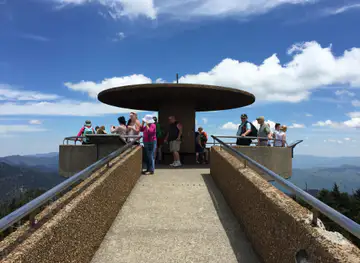
The metropolitan area offers a varied group of attractions rather than one concentrated sightseeing district. In Knoxville, the Tennessee Theatre, Knoxville Museum of Art, East Tennessee History Center, Market Square and the University of Tennessee campus provide cultural and historic points of interest, while Ijams Nature Center and the Knoxville Urban Wilderness bring woodland, wetlands, trails and quarry landscapes close to the city. The Tennessee River and its lakes support paddling, boating, fishing and riverside recreation. Oak Ridge has museums and historic resources devoted to the Manhattan Project, nuclear science and the city’s continuing research identity. Norris and Norris Dam introduce visitors to the Tennessee Valley Authority’s engineering and environmental legacy, with reservoir scenery and outdoor activities nearby. Maryville and Alcoa combine local history, greenways and foothill access, while rural sections of Loudon, Roane, Morgan, Campbell and Union counties offer farms, ridges, waterways and small-town landscapes. The Great Smoky Mountains National Park is a nearby regional draw but lies largely outside the metropolitan area and should be planned as a separate excursion.
-
Tourist attraction
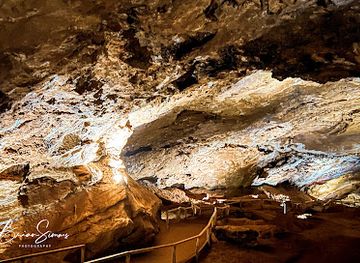
The Lost Sea Adventure
Explore the wonders of The Lost Sea Adventure in Sweetwater, Tennessee, where breathtaking underground lakes and stunning caves await your discovery.
-
Tourist attraction
Tuckaleechee Caverns
Discover the stunning underground beauty of Tuckaleechee Caverns, a must-visit natural wonder in Townsend, Tennessee, perfect for tourists and nature enthusiasts.
-
Park
World's Fair Park
Discover the beauty and culture of Knoxville at World's Fair Park, a vibrant green space filled with history, events, and stunning views.
-
Nature preserve
Ijams Nature Center
Explore the natural beauty of Ijams Nature Center in Knoxville, TN - a perfect blend of adventure, education, and tranquility.

Best landmarks in Knoxville Metropolitan Area
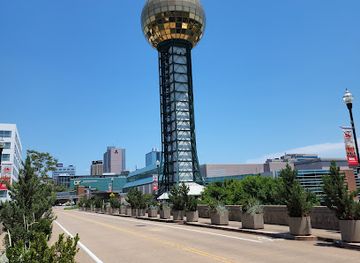
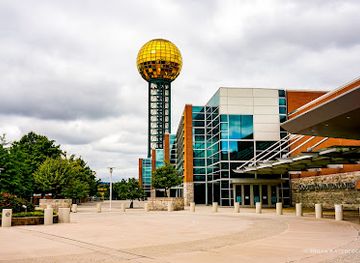
The Sunsphere in World’s Fair Park is Knoxville’s most recognisable landmark, a golden observation tower left from the 1982 World’s Fair and a prominent marker of the city’s modern history. The Tennessee Theatre on Gay Street is an important example of a restored 1920s atmospheric cinema and remains a major performing-arts venue. Downtown’s Market Square and the surrounding historic commercial streets illustrate Knoxville’s evolution from territorial capital and river town to contemporary regional centre. The Mabry-Hazen House and Ramsey House preserve different aspects of nineteenth-century domestic and architectural history. Outside the city, Norris Dam is a defining piece of twentieth-century infrastructure, linking the landscape to the Tennessee Valley Authority and the creation of Norris Lake. Oak Ridge’s scientific campus and museums represent the concealed wartime origins of the city, while House Mountain, the highest point in Knox County, provides a natural landmark above the surrounding ridges. The Tennessee River itself is an essential geographical landmark, shaping Knoxville’s parks, bridges, views and historic development.
-
Nature preserve
Ijams Nature Center
Experience the beauty of Ijams Nature Center, a captivating destination for nature lovers and adventure seekers in Knoxville, TN.
-
Historical landmark
Sunsphere
Experience the breathtaking views and rich history at the Sunsphere, Knoxville's iconic landmark and a symbol of the city's vibrant culture.
-
State park
Fort Loudoun State Historic Park
Experience the rich history and breathtaking nature at Fort Loudoun State Historic Park, a top tourist destination in Vonore, Tennessee.
-
Botanical garden
Knoxville Botanical Garden and Arboretum
Explore the enchanting Knoxville Botanical Garden and Arboretum, a serene retreat showcasing diverse flora, picturesque landscapes, and tranquil trails.



Explore Knoxville Metropolitan Area on the map
Plan your trip on one map. See where the top cities, national parks and sights are, and book hotels and experiences in a few clicks.
Best hotels in Knoxville Metropolitan Area
Best restaurants in Knoxville Metropolitan Area
Knoxville has the metropolitan area’s broadest dining scene, with independent restaurants, cafés, breweries and international kitchens concentrated around downtown, the Old City, Market Square and nearby neighbourhoods. East Tennessee food traditions appear in barbecue, biscuits, country ham, fried catfish, beans, seasonal vegetables and locally produced baked goods, although many contemporary restaurants reinterpret these influences rather than serving only traditional fare. Farmers’ markets and farm shops provide opportunities to find tomatoes, berries, apples, honey and other produce from the surrounding valleys. In Oak Ridge, Maryville, Clinton, Lenoir City and smaller towns, diners will find family restaurants, casual grills, cafés and locally oriented establishments alongside national chains. Rural inns and lakeside restaurants are useful for a slower meal outside Knoxville, while the area’s craft breweries and distilleries contribute to its modern drinks culture. Menus and availability vary considerably outside the main urban centres, so a car-based itinerary benefits from planning meal stops in advance.
-
Barbecue
Calhoun's On The River
Experience authentic Southern barbecue at Calhoun's On The River in Knoxville - where great food meets stunning riverside views.
-
American
Stock & Barrel
Discover culinary excellence at Stock & Barrel in Knoxville - where gourmet burgers meet vibrant American dining.
-
Steak
Connors Steak & Seafood
Experience culinary excellence at Connors Steak & Seafood in Knoxville—where every meal is a celebration of flavor and hospitality.
-
American
Cafe 4
Discover Knoxville's vibrant culinary scene at Cafe 4 - where delicious Southern cuisine meets artisanal cocktails.

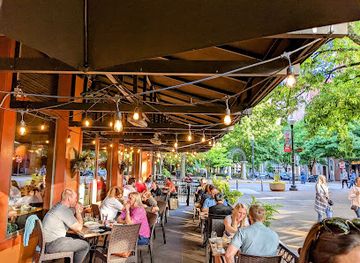
Best bars in Knoxville Metropolitan Area
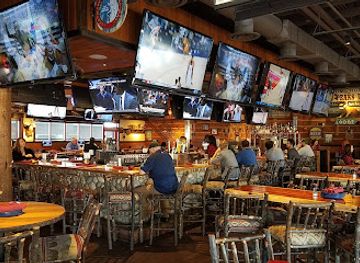
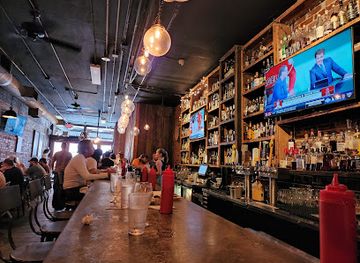
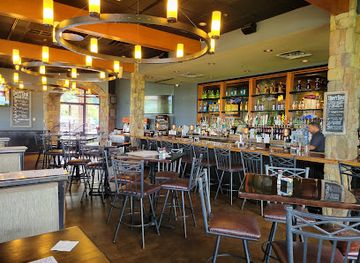
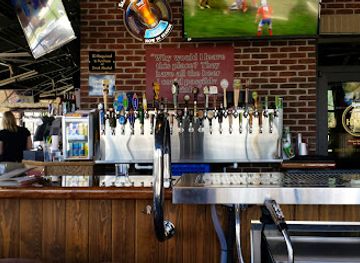
Evening life is concentrated in Knoxville, especially around Market Square, Gay Street, the Old City and nearby downtown streets. The scene includes traditional pubs, breweries, cocktail bars, live-music rooms, theatre audiences and restaurants that remain active after dark, with the University of Tennessee bringing a strong student and sporting dimension at certain times of year. The city has some dance and late-night venues, but the wider metropolitan area is not primarily a major clubbing destination. Oak Ridge, Maryville, Alcoa, Clinton and Lenoir City tend towards breweries, casual bars, restaurants and occasional live music rather than dense nightlife districts. In rural areas, evenings are generally quieter and organised around local restaurants, community events or lakeside hospitality. Check venue arrangements before travelling, as hours and entertainment programmes can change, especially outside Knoxville and during seasonal periods.
-
Sports bar
Twin Peaks
Experience the excitement of sports and savor delicious American cuisine at Twin Peaks, Knoxville's favorite sports bar and restaurant.
-
American
Stock & Barrel
Experience the ultimate burger and cocktail destination at Stock & Barrel in Knoxville's vibrant Market Square.
-
American
Lakeside Tavern
Experience the perfect blend of delicious American cuisine and breathtaking lakeside views at Lakeside Tavern in Knoxville.
-
Restaurant
Carolina Ale House - Knoxville
Discover Carolina Ale House in Knoxville, where delicious food meets vibrant sports bar energy in a welcoming atmosphere.
Best nightclubs in Knoxville Metropolitan Area
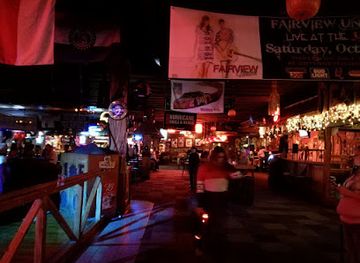
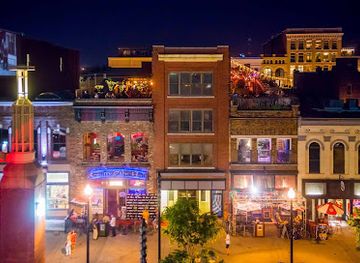
Evening life is concentrated in Knoxville, especially around Market Square, Gay Street, the Old City and nearby downtown streets. The scene includes traditional pubs, breweries, cocktail bars, live-music rooms, theatre audiences and restaurants that remain active after dark, with the University of Tennessee bringing a strong student and sporting dimension at certain times of year. The city has some dance and late-night venues, but the wider metropolitan area is not primarily a major clubbing destination. Oak Ridge, Maryville, Alcoa, Clinton and Lenoir City tend towards breweries, casual bars, restaurants and occasional live music rather than dense nightlife districts. In rural areas, evenings are generally quieter and organised around local restaurants, community events or lakeside hospitality. Check venue arrangements before travelling, as hours and entertainment programmes can change, especially outside Knoxville and during seasonal periods.
-
Night club
Cotton Eyed Joe
Discover the exhilarating nightlife at Cotton Eyed Joe, Knoxville's premier night club with dancing, drinks, and unforgettable events.
-
Bar
Scruffy City Hall
Experience live music, delicious pizza, and a vibrant atmosphere at Scruffy City Hall in Knoxville, the perfect spot for a fun night out.
-
Lounge
Radius Rooftop Lounge
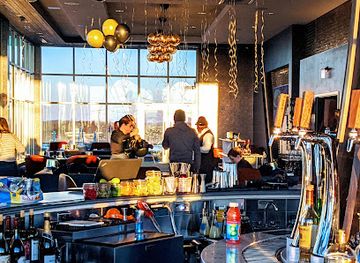
Discover Knoxville's vibrant skyline and creative cocktails at Radius Rooftop Lounge, the perfect destination for a memorable night out.
-
Lounge
Five Thirty Lounge
Experience the vibrant nightlife of Downtown Knoxville at Five Thirty Lounge, where unique cocktails and delicious bites await your arrival.

Best shops in Knoxville Metropolitan Area
-
Gift shop
Three Bears General Store
Discover a delightful blend of sweets, souvenirs, and fun at Three Bears General Store in Pigeon Forge, a must-visit for every traveler.
-
Shopping mall
West Town Mall
Experience Knoxville's premier shopping destination at West Town Mall, featuring top brands, delightful dining, and a vibrant atmosphere.
-
Visitor center
Cades Cove Visitor Center
Discover the beauty and history of Cades Cove at the Visitor Center, your starting point for adventure in the Great Smoky Mountains.
-
Shopping mall
The Village Shops
Explore The Village Shops in Gatlinburg for a unique shopping experience, featuring 27 boutiques and delightful dining options amidst stunning mountain scenery.


Get your free copy of our complete guide to Knoxville Metropolitan Area, delivered straight to you.
Everything on this page, from attractions and restaurants to essentials and local phrases, in one PDF you can read offline, print or share.
Already have an account? Sign in
Your Knoxville Metropolitan Area guide is ready.
We'll send it to · Not you? Sign out

Getting your guide ready…
We are putting together a fresh copy of the Knoxville Metropolitan Area guide. This can take up to a minute.
This can take a few moments. If your browser asks, choose Allow so the download can start. You'll find the guide in your Downloads folder.
Nothing happened? Download it again
Sorry, the guide is taking longer than usual. Please try again in a minute, or get it by email instead.
Knoxville Metropolitan Area essentials
Currency and Payment
Safety
Emergency Situations
Do's and Don'ts
Local Tips
From Eve
Local phrases worth knowing
You don't need to get them perfect. A few words go a long way, and locals appreciate the effort.
Basics
| English | Local | Say it |
|---|---|---|
| Hello | Hey there | [Hey thair] |
| Goodbye | See ya | [See ya] |
| Yes | Yep | [Yep] |
| No | Nope | [Nope] |
| Please/You're welcome | No problem | [No prob-lum] |
| Thank you | Thanks | [Thanks] |
| Excuse me/Sorry | Pardon me | [Pardon me] |
| How are you? | How ya doin'? | [How ya doin'?] |
| Fine. And you? | Good, and you? | [Good, an' you?] |
| Do you speak English? | You speakin' English? | [You speakin' English?] |
| I don't understand | I ain't followin' | [I ain't followin'] |
Eating & Drinking
| English | Local | Say it |
|---|---|---|
| I'd like to see the menu, please | Can I see the menu? | [Can I see the menu?] |
| I don't eat meat | I don't do meat | [I don't do meat] |
| Cheers! | Cheers! | [Cheers!] |
| I would like to pay, please | Can I get the check? | [Can I get the check?] |
Emergencies
| English | Local | Say it |
|---|---|---|
| Help! | Help! | [Help!] |
| Go away! | Leave me alone! | [Leave me alone!] |
| Call the Police! | Call 911! | [Call 911!] |
| Call a doctor! | Get a doc! | [Get a doc!] |
| I'm lost | I'm turned around | [I'm turned around] |
| I'm ill | I ain't feelin' good | [I ain't feelin' good] |
Shopping
| English | Local | Say it |
|---|---|---|
| I'd like to buy... | I wanna buy... | [I wanna buy...] |
| I'm just looking | Just lookin' | [Just lookin'] |
| How much is it? | What’s it cost? | [What’s it cost?] |
| That's too expensive | That’s too pricey | [That’s too pricey] |
| Can you lower the price? | Can you knock it down? | [Can you knock it down?] |
Time & Numbers
| English | Local | Say it |
|---|---|---|
| What time is it? | What time ya got? | [What time ya got?] |
| It's one o'clock | It's one | [It's one] |
| Half past (10) | Half past ten | [Half past ten] |
| Morning | Mornin' | [Mornin'] |
| Afternoon | Afternoon | [Afternoon] |
| Evening | Evenin' | [Evenin'] |
| Yesterday | Yesterday | [Yesterday] |
| Today | Today | [Today] |
| Tomorrow | Tomorrow | [Tomorrow] |
| 1 | One | [One] |
| 2 | Two | [Two] |
| 3 | Three | [Three] |
| 4 | Four | [Four] |
| 5 | Five | [Five] |
| 6 | Six | [Six] |
| 7 | Seven | [Seven] |
| 8 | Eight | [Eight] |
| 9 | Nine | [Nine] |
| 10 | Ten | [Ten] |
Transport & Directions
| English | Local | Say it |
|---|---|---|
| Where's a/the...? | Where's the nearest...? | [Where's the nearest...?] |
| What's the address? | What’s the address? | [What’s the address?] |
| Can you show me (on the map)? | Can you point it out? | [Can you point it out?] |
| When's the next (bus)? | When's the next bus? | [When's the next bus?] |
| A ticket (to ....) | A ticket to... | [A ticket to...] |
History of Knoxville Metropolitan Area
Indigenous Homelands and the Tennessee River Valley
The metropolitan area lies within a landscape shaped for centuries by Indigenous peoples, including the Cherokee, whose historic homeland extended across much of East Tennessee and the southern Appalachians. Earlier Mississippian communities left archaeological evidence elsewhere in the Tennessee Valley, while river corridors supported movement, trade and settlement. European-American expansion altered these patterns through treaties, warfare and forced removal. The region’s later roads, towns and reservoirs largely follow older geographical routes defined by the Tennessee River, its tributaries and the surrounding ridges.
Colonial Frontier and the Founding of Knoxville
Knoxville was established in 1791 as the capital of the Southwest Territory and named for Henry Knox, George Washington’s Secretary of War. The town grew around James White’s Fort at a strategic position near the Tennessee River and became Tennessee’s first capital after statehood in 1796. Although the capital later moved to Nashville, Knoxville retained importance as a political, commercial and river-port centre. Early settlement also brought conflict and displacement for Indigenous communities, a history that remains essential to understanding East Tennessee’s development.
River Commerce, Railways and Industrial Growth
During the nineteenth century, Knoxville expanded through river trade, timber, agriculture and regional commerce. Railways connected the city more directly with markets beyond East Tennessee and encouraged the growth of warehouses, mills and manufacturing. Neighbouring communities developed around ironworking, quarrying, farming and transport routes, while Maryville, Clinton and other towns became local service centres. Much of the built environment in central Knoxville, including older commercial streets and residential districts, reflects this transition from frontier settlement to an industrialising regional city.
The Civil War and East Tennessee’s Divided Allegiances
East Tennessee was politically divided during the American Civil War, with substantial Unionist sentiment in a state that joined the Confederacy. Knoxville’s strategic position made it a military objective, and the city endured occupation, fortification and fighting. The 1863 Siege of Knoxville, including the assault on Fort Sanders, was a major episode in the region’s wartime history. Surviving sites and historic markers illustrate how the conflict affected civilians, transport routes and communities across the wider metropolitan area.
The Tennessee Valley Authority and Norris Dam
The creation of the Tennessee Valley Authority in 1933 transformed the region through flood control, electricity generation, navigation and economic development. Norris Dam, completed on the Clinch River in the 1930s, created Norris Lake and required the relocation of communities and the planning of a new model town, Norris. The project became a visible expression of New Deal public works and reshaped the landscape of Anderson and neighbouring counties. Reservoirs, hydroelectric infrastructure and planned communities remain part of the area’s physical and social history.
Oak Ridge and the Manhattan Project
Oak Ridge was built in secrecy during the Second World War as one of the principal sites of the Manhattan Project. Scientists and workers developed and operated facilities connected with uranium enrichment, helping produce material for the atomic bomb. The wartime city was carefully controlled and largely absent from public maps, then emerged after 1945 as a centre for national laboratories and scientific research. The American Museum of Science and Energy and other local historical resources explain this complicated legacy, including both technological achievement and the moral consequences of nuclear warfare.
The 1982 World’s Fair and Knoxville’s Urban Renewal
Knoxville hosted the 1982 World’s Fair, formally the International Energy Exposition, which focused on energy and attracted international attention to the city. Its most visible legacy is the Sunsphere in World’s Fair Park, while the event also stimulated investment in downtown infrastructure and public spaces. In the decades since, central Knoxville has developed a stronger arts, food and cultural economy, supported by the University of Tennessee, riverfront improvements and the reuse of historic buildings. The metropolitan area now combines industrial and scientific traditions with a growing visitor economy.
Knoxville Metropolitan Area in Photos
Browse through our photo collection highlighting the charm and character of the destination.
Neighbouring regions of Knoxville Metropolitan Area
The closest regions to Knoxville Metropolitan Area, if you have time for more than one.
-
-

-

-

-


Swipe for more regions
Explore more

Explore more of Tennessee
Discover Tennessee: A melting pot of music, history, and natural beauty, offering visitors an authentic taste of Southern hospitality and unforgettable experiences.
Explore Tennessee