

Free Great Smoky Mountains Travel Guide & Mobile App
Explore Great Smoky Mountains with free travel guides. Discover regional history, expert tips, proposed trips, and audio guides on web or mobile app.


Explore Tennessee's Great Smoky Mountains for forested trails, Appalachian heritage, scenic drives, wildlife and welcoming mountain towns.
Read more about Great Smoky Mountains
Getting to and around Great Smoky Mountains
How to get there
Transportation
Top city travel guides in Great Smoky Mountains
The cities of Great Smoky Mountains, and the easiest places to base yourself.
-

-

-

-


Swipe for more cities
Destinations in Great Smoky Mountains
Resorts, valleys and scenic spots worth a trip of their own.
-

-
-


Swipe for more destinations
Best attractions in Great Smoky Mountains
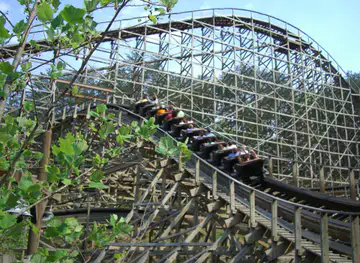
The principal attraction is Great Smoky Mountains National Park, where scenic drives, historic settlements, waterfalls, wildlife habitats and an extensive trail network provide varied ways to enter the landscape. Cades Cove combines an eleven-mile loop road with preserved farms, churches, cemeteries and mountain views, while Roaring Fork Motor Nature Trail offers a closer look at historic homes and wooded streams. Newfound Gap Road crosses the main crest, and the Clingmans Dome area provides access to the park's highest elevations, subject to seasonal road conditions. Laurel Falls and Abrams Falls are well-known walking destinations, though popularity can mean crowded trailheads. Outside the park, the Tennessee gateways broaden the offer: Dollywood in Pigeon Forge combines rides, live entertainment and Appalachian-themed interpretation, while Townsend provides access to the Great Smoky Mountains Heritage Center and quieter western approaches. The Foothills Parkway, rivers, horseback-riding operations, zip-line courses and family attractions add further options, but the character of each experience varies sharply between protected forest, small mountain communities and the commercial corridor around Pigeon Forge.
-
Tourist attraction
Great Smoky Mountains National Park
Explore the natural wonders and rich heritage of Great Smoky Mountains National Park, a premier destination for outdoor enthusiasts and nature lovers.
-
Tourist attraction
The Island in Pigeon Forge
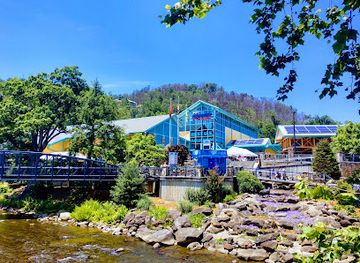
Explore The Island in Pigeon Forge: A thrilling blend of amusement rides, shopping, and dining set in the stunning Smoky Mountains.
-
 Tourist attraction
Dollywood
Experience the thrill of Dollywood, a unique amusement park that combines rides, entertainment, and rich Appalachian culture in the heart of the Smoky Mountains.
-
Aquarium
Ripley's Aquarium of the Smokies
Explore underwater wonders at Ripley's Aquarium of the Smokies in Gatlinburg, TN, where aquatic life comes to life through immersive exhibits and engaging experiences.

Best landmarks in Great Smoky Mountains
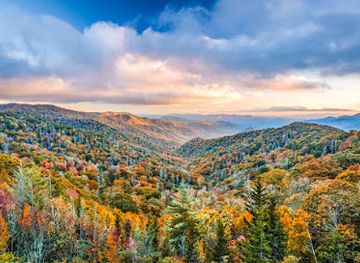
Clingmans Dome is the region's most recognisable high-elevation landmark, with its distinctive observation tower and broad views across the ridges on clear days; the summit lies on the Tennessee–North Carolina boundary, while the access road from Tennessee is seasonally closed to vehicles. Newfound Gap, also on the state line, is a major mountain pass and a historic crossing point on US 441, marked by the Appalachian Trail and expansive ridge scenery. In Cades Cove, the Primitive Baptist, Methodist and Missionary Baptist churches, alongside preserved cabins, barns and mills, form a coherent cultural landscape rather than isolated monuments. The Oconaluftee Mountain Farm Museum is on the North Carolina side of the park and is not part of Tennessee's visitor area, so Tennessee-focused itineraries are better served by Cades Cove and Roaring Fork's historic buildings. Outside the park, the Great Smoky Mountains Heritage Center in Townsend interprets regional communities and craft traditions, while the Foothills Parkway is a significant scenic engineering landmark with elevated views over the western foothills.
-
Museum
Alcatraz East Crime Museum
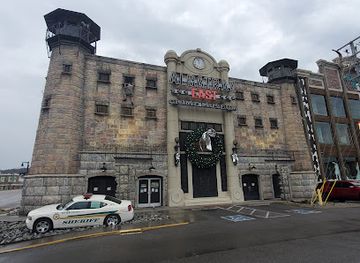
Explore the captivating history of crime and justice at Alcatraz East Crime Museum in Pigeon Forge, TN, where stories of infamous criminals come to life.
-
Tourist attraction
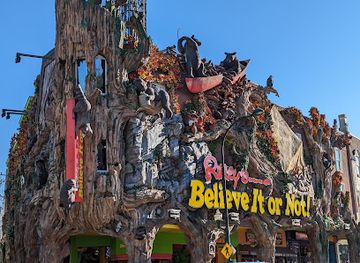
Ripley's Believe It or Not!
Discover the bizarre and extraordinary at Ripley's Believe It or Not! in Gatlinburg, a unique tourist attraction for all ages.
-
Escape room center
The Escape Game Pigeon Forge
Discover the thrill of team-based puzzles and immersive adventures at The Escape Game Pigeon Forge, the ultimate escape room experience in Tennessee.
-
Tourist attraction
The Sinks
Experience the serene beauty of The Sinks, a stunning waterfall in the Great Smoky Mountains, perfect for hiking and nature exploration.
Explore Great Smoky Mountains on the map
Plan your trip on one map. See where the top cities, national parks and sights are, and book hotels and experiences in a few clicks.
Best hotels in Great Smoky Mountains
Best restaurants in Great Smoky Mountains
Dining ranges from casual Southern cooking and barbecue to pancake houses, family restaurants, country inns and more contemporary kitchens in Gatlinburg, Pigeon Forge, Sevierville and Townsend. Appalachian influences appear in dishes and ingredients such as cornbread, beans, greens, trout, fried chicken, biscuits, seasonal produce and apple-based desserts, although menus also reflect the wider American South rather than a single narrowly defined cuisine. Pigeon Forge and Sevierville have a large concentration of family-oriented restaurants and buffet-style dining, while Gatlinburg offers varied options in a compact tourist centre. Townsend's restaurants and cafés tend to have a quieter setting near the Little River and western park entrance. Local farm products, regional preserves, craft beverages and baked goods are useful additions to a self-catering trip, particularly when bought from established farm shops or markets. In the national park itself, food choices are limited, so visitors should plan meals and carry suitable provisions for longer drives or hikes.
-
Country food restaurant
The Old Mill Restaurant
Experience authentic Southern cuisine at The Old Mill Restaurant in Pigeon Forge - where tradition meets taste in every bite.
-
American
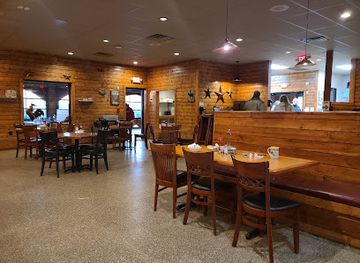
Local Goat - New American Restaurant Pigeon Forge
Discover culinary excellence at Local Goat - New American Restaurant in Pigeon Forge with fresh local ingredients and creative dishes.
-
Diner
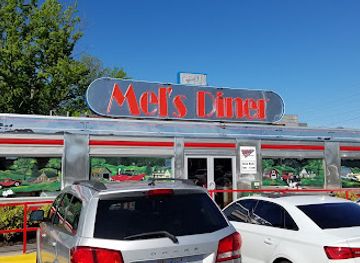
Mel's Classic Diner
Experience classic American comfort food at Mel's Classic Diner in Pigeon Forge – where nostalgia meets deliciousness.
-
Restaurant
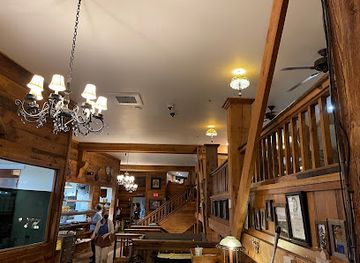
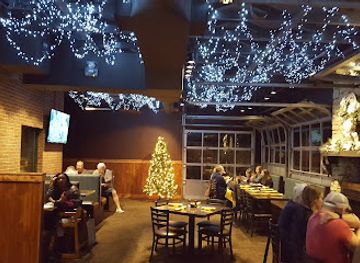
Ole Red
Discover Gatlinburg's vibrant dining scene at Ole Red—where Southern cuisine meets live music in a lively atmosphere.
Best bars in Great Smoky Mountains
Evening life is concentrated in Gatlinburg, Pigeon Forge and Sevierville rather than in the national park or smaller rural communities. Gatlinburg has the broadest mix of pubs, bars, breweries, casual live-music venues and restaurants within walking distance of its central strip, while Pigeon Forge's evenings often revolve around theatres, dinner shows, family entertainment and resort facilities. Sevierville provides additional restaurants and bars along its commercial roads, and Townsend generally has a slower evening rhythm centred on locally owned restaurants, occasional music and traditional mountain hospitality. Nightclubs are not the defining feature of the region, and many visitors spend evenings at accommodation, around a fire where permitted, or preparing for an early trail start. Alcohol service and transport options vary, so arrange a safe return rather than assuming that rural taxis or late public transport will be available.
-
American
Local Goat - New American Restaurant Pigeon Forge
Discover the vibrant culinary scene at Local Goat in Pigeon Forge, where New American cuisine meets locally sourced ingredients for an unforgettable dining experience.
-
Restaurant
Ole Red
Experience the heart of Gatlinburg at Ole Red, where Southern cuisine meets live music in a vibrant atmosphere.
-
American
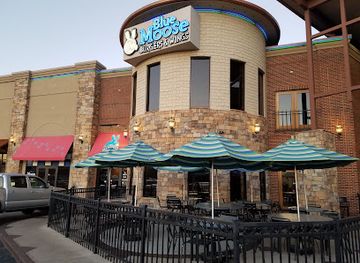
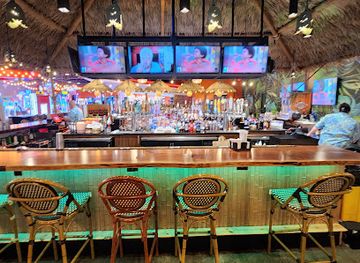
Blue Moose Burgers & Wings
Savor the flavor of America at Blue Moose Burgers & Wings, the ultimate destination for burgers and wings in Pigeon Forge, TN.
-
American
Downtown Flavortown
Explore Downtown Flavortown – A Culinary Haven in Pigeon Forge for Authentic American Flavors and Festive Atmosphere.

Best nightclubs in Great Smoky Mountains
Evening life is concentrated in Gatlinburg, Pigeon Forge and Sevierville rather than in the national park or smaller rural communities. Gatlinburg has the broadest mix of pubs, bars, breweries, casual live-music venues and restaurants within walking distance of its central strip, while Pigeon Forge's evenings often revolve around theatres, dinner shows, family entertainment and resort facilities. Sevierville provides additional restaurants and bars along its commercial roads, and Townsend generally has a slower evening rhythm centred on locally owned restaurants, occasional music and traditional mountain hospitality. Nightclubs are not the defining feature of the region, and many visitors spend evenings at accommodation, around a fire where permitted, or preparing for an early trail start. Alcohol service and transport options vary, so arrange a safe return rather than assuming that rural taxis or late public transport will be available.
-
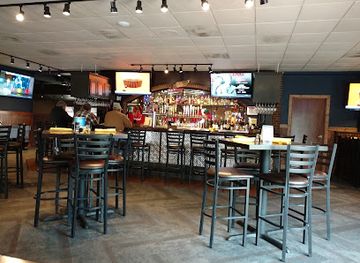
Bar
Ole Red
Discover Ole Red in Gatlinburg: A lively bar and restaurant offering Southern cuisine, live music, and an unforgettable atmosphere for every visitor.
-
American
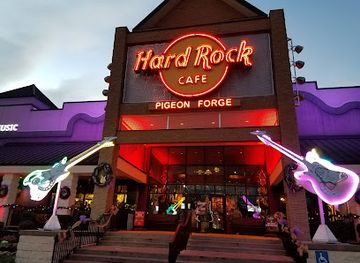
Hard Rock Cafe
Dive into a rock 'n' roll experience at Hard Rock Cafe in Pigeon Forge, where American cuisine meets iconic music memorabilia in an unforgettable atmosphere.
-
Pub
The Fox & Parrot Tavern
Experience a slice of Britain in Gatlinburg at The Fox & Parrot Tavern, where delicious food and a warm atmosphere await.
-
Sports bar
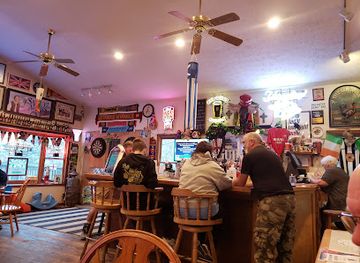
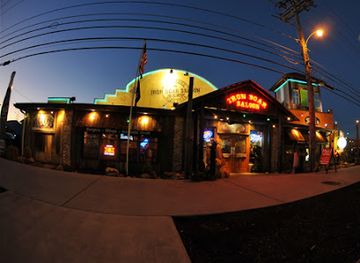
Iron Boar Saloon
Experience the ultimate sports bar at Iron Boar Saloon in Pigeon Forge, with delicious food, refreshing drinks, and a vibrant atmosphere.

Best shops in Great Smoky Mountains
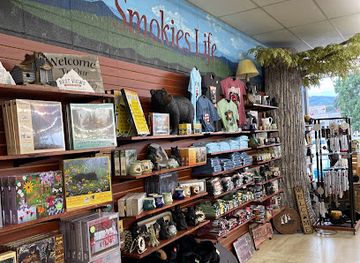
Shopping is most extensive in Gatlinburg, Pigeon Forge and Sevierville, where pedestrian streets, outlet retail, galleries, souvenir shops and specialist stores cater to a large visitor economy. Gatlinburg has a particularly visible craft tradition, with galleries and studios offering woodwork, pottery, paintings, leather goods and other Appalachian-inspired work, although visitors should distinguish locally made items from mass-produced souvenirs. Pigeon Forge and Sevierville are stronger for branded retail, outlet shopping, attraction merchandise and practical holiday purchases. Townsend has a smaller, more locally scaled selection of galleries, craft shops, books and regional foods. Useful take-home products include preserves, honey, baked goods, locally made crafts and illustrations of the mountain landscape. Markets and independent businesses can have seasonal or limited hours, so treat shopping as part of a town visit rather than expecting extensive retail services inside Great Smoky Mountains National Park.
-
Gift shop
Three Bears General Store
Experience the charm of Three Bears General Store - a delightful shopping and entertainment destination in Pigeon Forge, TN, perfect for all ages.
-
Shopping mall
The Village Shops
Discover unique shops, delightful dining, and stunning mountain views at The Village Shops in Gatlinburg, Tennessee.
-
Gift shop
MoonPie General Store and the Original Book Warehouse
Discover the charm of MoonPie General Store in Pigeon Forge, a family-friendly destination for unique gifts, books, and local crafts.
-
Gift shop
Moon Pie General Store and Original Book Warehouse
Explore the Moon Pie General Store for an unforgettable blend of gifts, books, and local charm in the heart of Pigeon Forge, Tennessee.

Get your free copy of our complete guide to Great Smoky Mountains, delivered straight to you.
Everything on this page, from attractions and restaurants to essentials and local phrases, in one PDF you can read offline, print or share.
Already have an account? Sign in
Your Great Smoky Mountains guide is ready.
We'll send it to · Not you? Sign out

Getting your guide ready…
We are putting together a fresh copy of the Great Smoky Mountains guide. This can take up to a minute.
This can take a few moments. If your browser asks, choose Allow so the download can start. You'll find the guide in your Downloads folder.
Nothing happened? Download it again
Sorry, the guide is taking longer than usual. Please try again in a minute, or get it by email instead.
Great Smoky Mountains essentials
Currency and Payment
Safety
Emergency Situations
Do's and Don'ts
Local Tips
From Eve
Local phrases worth knowing
You don't need to get them perfect. A few words go a long way, and locals appreciate the effort.
Basics
| English | Local | Say it |
|---|---|---|
| Hello | Howdy | [Hao-dee] |
| Goodbye | See you later | [See ya lay-ter] |
| Yes | Yep | [Yep] |
| No | Nope | [Nope] |
| Please/You're welcome | Please/No problem | [Pleez/No prob-lum] |
| Thank you | Thank ya | [Thank ya] |
| Excuse me/Sorry | Pardon me/Sorry 'bout that | [Pardon me/Sor-ree 'bout that] |
| How are you? | How ya doin'? | [How ya doin'?] |
| Fine. And you? | I'm good. How 'bout you? | [I'm good. How 'bout ya?] |
| Do you speak English? | Do ya talk English? | [Do ya talk English?] |
| I don't understand | I ain't catchin' on | [I ain't catchin' on] |
Eating & Drinking
| English | Local | Say it |
|---|---|---|
| I'd like to see the menu, please | Can I see the menu, please? | [Can I see the menu, pleez?] |
| I don't eat meat | I don't eat no meat | [I don't eat no meat] |
| Cheers! | Cheers! | [Cheers!] |
| I would like to pay, please | I'd like to settle up, please | [I'd like to settle up, pleez] |
Emergencies
| English | Local | Say it |
|---|---|---|
| Help! | Help! | [Help!] |
| Go away! | Shoo! | [Shoo!] |
| Call the Police! | Call the cops! | [Call the cops!] |
| Call a doctor! | Get a doctor! | [Get a doctor!] |
| I'm lost | I'm turned around | [I'm turned around] |
| I'm ill | I ain't feelin' good | [I ain't feelin' good] |
Shopping
| English | Local | Say it |
|---|---|---|
| I'd like to buy... | I wanna buy... | [I wanna buy...] |
| I'm just looking | I'm just browsin' | [I'm just browsin'] |
| How much is it? | What's the price? | [What's the price?] |
| That's too expensive | That's a bit high | [That's a bit high] |
| Can you lower the price? | Can ya bring down the price? | [Can ya bring down the price?] |
Time & Numbers
| English | Local | Say it |
|---|---|---|
| What time is it? | What time ya got? | [What time ya got?] |
| It's one o'clock | It's one o'clock | [It's one o'clock] |
| Half past (10) | Half past ten | [Half past ten] |
| Morning | Mornin' | [Mornin'] |
| Afternoon | Afternoon | [Afternoon] |
| Evening | Evenin' | [Evenin'] |
| Yesterday | Yesterday | [Yesterday] |
| Today | Today | [Today] |
| Tomorrow | Tomorrow | [Tomorrow] |
| 1 | One | [One] |
| 2 | Two | [Two] |
| 3 | Three | [Three] |
| 4 | Four | [Four] |
| 5 | Five | [Five] |
| 6 | Six | [Six] |
| 7 | Seven | [Seven] |
| 8 | Eight | [Eight] |
| 9 | Nine | [Nine] |
| 10 | Ten | [Ten] |
Transport & Directions
| English | Local | Say it |
|---|---|---|
| Where's a/the...? | Where's a/the...? | [Where's a/the...?] |
| What's the address? | What's the addy? | [What's the addy?] |
| Can you show me (on the map)? | Can ya show me on the map? | [Can ya show me on the map?] |
| When's the next (bus)? | When's the next bus? | [When's the next bus?] |
| A ticket (to ....) | A ticket to... | [A ticket to...] |
History of Great Smoky Mountains
Cherokee Homelands and Earlier Settlement
The Great Smoky Mountains form part of the historic homeland of the Cherokee people, whose communities used the valleys, ridges and river corridors for settlement, travel, hunting and cultivation. Cherokee place names and enduring cultural connections remain important to the wider southern Appalachian region. European-American settlement expanded during the eighteenth and nineteenth centuries, gradually transforming valley floors into small farms and communities. The landscape visitors see today therefore reflects both long Indigenous histories and later settlement, rather than an untouched wilderness without human associations.
European-American Mountain Communities
During the nineteenth century, families established farms and small settlements in mountain coves on the Tennessee side, including Cades Cove and the Roaring Fork area. They cultivated corn and other crops, raised livestock, operated mills and built churches, schools and homes from locally available materials. Many surviving structures are modest but historically valuable because they reveal the practical organisation of Appalachian life. When the national park was created, residents were displaced or their property was acquired, leaving historic buildings and fields as visible reminders of communities that had occupied these valleys for generations.
Timber, Mills and the Logging Era
By the late nineteenth and early twentieth centuries, commercial logging had become a major force in the southern Appalachians. Railways and logging roads enabled companies to remove large quantities of timber from valleys and slopes, and sawmills operated in communities around the mountains. Logging altered forests and caused concern among conservationists who feared that steep terrain would suffer lasting damage. Remnants of this period survive in old roads, mill sites and altered woodland patterns, while the park's later conservation policies allowed many forests to regenerate.
The Creation of Great Smoky Mountains National Park
The movement to establish a national park gained strength in the early twentieth century through the work of conservationists, local supporters and state authorities in Tennessee and North Carolina. Land acquisition was complicated by private ownership and established communities, but the federal government formally dedicated Great Smoky Mountains National Park in 1934. The park became a major expression of the United States conservation movement, protecting a large mountain ecosystem while also preserving selected cultural landscapes and historic structures.
Civilian Conservation Corps and Park Infrastructure
During the 1930s, the Civilian Conservation Corps played a significant role in developing the park's roads, trails, bridges, buildings and recreational facilities as part of the New Deal's employment and public-works programmes. Their work shaped the practical visitor infrastructure still used today, including carefully engineered routes through steep terrain and structures designed to harmonise with the mountain environment. The period also reinforced the park's role as both a conservation landscape and a publicly accessible destination.
Tourism, Heritage and the Modern Mountain Economy
Improved roads and the growing popularity of automobile travel transformed the Tennessee side of the mountains after the Second World War. Gatlinburg, Pigeon Forge and Sevierville expanded as resort and entertainment centres, while Townsend developed a less intensive tourism identity linked to the park's western entrance. Attractions such as Dollywood helped establish Pigeon Forge as a major family-visitor destination, while the national park continued to draw travellers for hiking, scenery and wildlife. Today the region balances a substantial tourism economy with conservation, historic interpretation and pressure from heavy seasonal visitation.
Great Smoky Mountains in Photos
Browse through our photo collection highlighting the charm and character of the destination.
Neighbouring regions of Great Smoky Mountains
The closest regions to Great Smoky Mountains, if you have time for more than one.
-

-

-

-

-


Swipe for more regions
Explore more

Explore more of Tennessee
Discover Tennessee: A melting pot of music, history, and natural beauty, offering visitors an authentic taste of Southern hospitality and unforgettable experiences.
Explore Tennessee