

Free Tennessee River Valley Travel Guide & Mobile App
Explore Tennessee River Valley with free travel guides. Discover regional history, expert tips, proposed trips, and audio guides on web or mobile app.


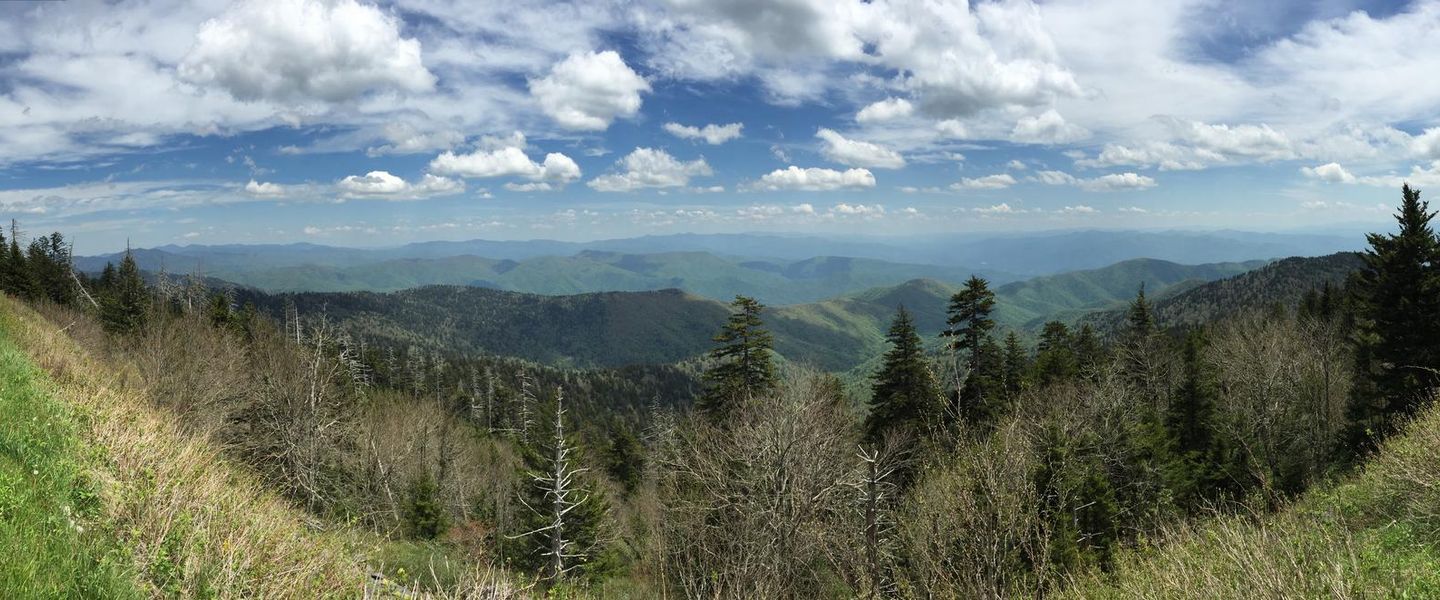


Explore Tennessee River Valley waterways, Appalachian foothills, historic towns, Chattanooga and Knoxville, boating, trails and Southern food.
Read more about Tennessee River Valley
Getting to and around Tennessee River Valley
How to get there
Transportation
Top city travel guides in Tennessee River Valley
The cities of Tennessee River Valley, and the easiest places to base yourself.
-

-

-

-

-


Swipe for more cities
Destinations in Tennessee River Valley
Resorts, valleys and scenic spots worth a trip of their own.
-
-
-

-


Swipe for more destinations
Best attractions in Tennessee River Valley
The Tennessee River Valley's attractions follow the water rather than forming a single compact circuit. Knoxville combines the Tennessee Riverpark, waterfront trails, the Sunsphere and the Tennessee Theatre with museums, galleries and the nearby natural setting of Ijams Nature Center. Chattanooga has the region's strongest concentration of visitor facilities, including the Tennessee Aquarium, riverfront parks, the Walnut Street Bridge and museums devoted to art, local history and the Civil War. Outside the cities, Fort Loudoun State Historic Park near Vonore interprets an eighteenth-century frontier fort, while Sequoyah Birthplace Memorial explores Cherokee history. The chain of reservoirs offers boating, fishing, kayaking and wildlife watching, with state parks such as Harrison Bay and Paris Landing providing access to different lake landscapes. Pickwick Landing and Reelfoot-adjacent western routes bring a more rural character, although Reelfoot Lake itself lies outside the Tennessee River corridor. Scenic drives, marinas, golf courses, campgrounds and walking trails broaden the choice, while the valley's working dams and navigation infrastructure provide an insight into the engineered landscape that made modern river recreation possible.
-
Stadium
Neyland Stadium
Discover Neyland Stadium, a colossal venue of college football excitement and rich history in the heart of Knoxville, Tennessee.
-
Escape room center
The Escape Game Nashville (Opry Mills)
Discover the excitement of teamwork and problem-solving at The Escape Game Nashville, where every room is an adventure waiting to be unlocked.
-
Performing arts theater
Tennessee Theatre
Explore the Tennessee Theatre in Knoxville—an exquisite destination for performing arts lovers and a historic gem reflecting the city's vibrant culture.
-
Visitor center
TVA Fontana Dam Visitors Center
Discover the TVA Fontana Dam Visitors Center in North Carolina: An educational experience amidst breathtaking Appalachian beauty and hydropower history.


Best landmarks in Tennessee River Valley
The Tennessee River itself is the valley's defining landmark, but its most recognisable built features show how history and engineering have altered the waterway. Knoxville's Sunsphere, created for the 1982 World's Fair, rises above World’s Fair Park and remains a distinctive city symbol. Chattanooga's Walnut Street Bridge crosses the river as a prominent pedestrian link between downtown and the North Shore, while the city's riverfront reflects decades of civic redevelopment. Fort Loudoun State Historic Park near Vonore preserves the setting and reconstructed structures of the eighteenth-century British fort. The dams at Fort Loudoun, Watts Bar, Chickamauga, Nickajack, Pickwick and Kentucky are functional landmarks of the Tennessee Valley Authority era, creating the broad lakes that define much of the modern landscape. Around Chattanooga and Knoxville, Civil War earthworks, monuments and cemeteries mark the strategic importance of the corridor. In western Tennessee, the open shores and long bays of Kentucky Lake and Pickwick Lake provide a contrasting natural landmark: a managed river landscape that appears broad and lake-like while retaining its role in the Tennessee River navigation system.
-
State park
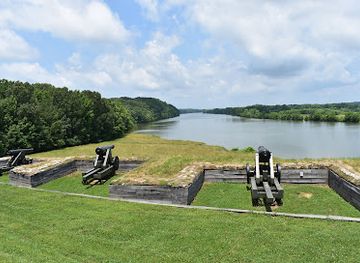
Sycamore Shoals State Historic Park
Experience the historical significance and natural beauty of Sycamore Shoals State Historic Park in Elizabethton, Tennessee, a perfect destination for history lovers and nature enthusiasts.
-
Historical landmark
Fort Donelson National Battlefield-Tennessee
Discover the historical significance and natural beauty of Fort Donelson National Battlefield, a must-visit site for history lovers in Tennessee.
-
State park
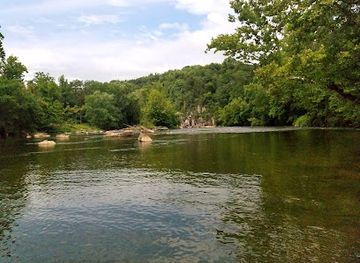
Red Clay State Historic Park
Explore Red Clay State Historic Park, a serene haven steeped in Cherokee history, rich landscapes, and engaging trails perfect for nature lovers and history enthusiasts alike.
-
History museum
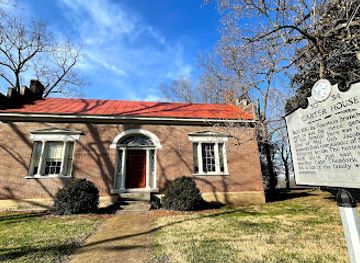
Carter House
Explore the rich history of the Civil War at Carter House, a cherished museum and landmark in Franklin, Tennessee, where stories come alive.

Explore Tennessee River Valley on the map
Plan your trip on one map. See where the top cities, national parks and sights are, and book hotels and experiences in a few clicks.
Best hotels in Tennessee River Valley
Best restaurants in Tennessee River Valley
Dining in the Tennessee River Valley moves between traditional Southern cooking and increasingly diverse urban restaurant scenes. Knoxville and Chattanooga offer the broadest choice, from cafés and food halls to contemporary restaurants using regional produce, while smaller river and lake communities are more likely to centre on family restaurants, barbecue places, diners and marina eateries. Tennessee barbecue, biscuits, cornbread, country ham, fried catfish and freshwater fish are familiar regional flavours, and menus often reflect the agricultural country surrounding the valley. Farmers' markets and farm stands provide seasonal fruit, vegetables, preserves and baked goods, particularly in warmer months. Craft breweries are prominent in the two larger cities, while rural restaurants may place greater emphasis on generous portions and informal service. Lake destinations can be seasonal, so do not assume every waterside business operates throughout the year. Tipping for table service is customary in the United States, and sales tax is added to displayed prices.
-
Country food restaurant
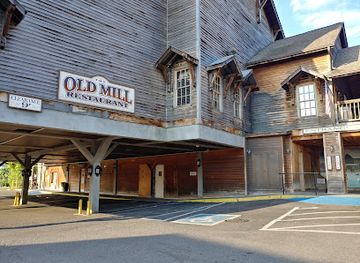
The Old Mill Restaurant
Discover authentic Southern cuisine at The Old Mill Restaurant in Pigeon Forge, where tradition meets stunning riverside views.
-
American
Applewood Farmhouse Restaurant
Experience authentic Southern flavors at Applewood Farmhouse Restaurant in Sevierville, TN – where family dining meets delicious American cuisine.
-
American
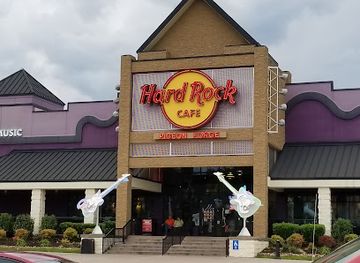
Hard Rock Cafe
Savor delicious American cuisine amidst rock 'n' roll history at Hard Rock Cafe Pigeon Forge.
-
Steak
STK Steakhouse
Discover the perfect blend of modern elegance and exquisite cuisine at STK Steakhouse in Nashville's bustling Gulch neighborhood.

Best bars in Tennessee River Valley
Evening life is concentrated in Knoxville and Chattanooga, where historic downtown streets, university districts and redeveloped riverfront areas contain pubs, breweries, cocktail bars, restaurants, live-music rooms and theatre venues. Knoxville's music and student culture create a busier late-evening scene, while Chattanooga combines craft drinks, music, dining and cultural events with a generally compact downtown. Outside these centres, nightlife is more often based around traditional pubs, casual bars, restaurants, breweries and occasional live music than dedicated nightclubs. Lake towns may become noticeably quieter outside summer weekends, and smaller communities often close earlier. Distilleries and breweries offer tastings where licensed, but alcohol is not the only focus of the region's evening culture: riverfront walks, performances, sporting events and local restaurants are equally important. Licensing rules and last-service times vary by venue and locality, so check locally rather than relying on assumptions about opening arrangements.
-
American
Hard Rock Cafe
Discover the ultimate American dining experience at Hard Rock Cafe in Pigeon Forge, where great food meets rock 'n' roll spirit.
-
Steak
STK Steakhouse
Experience the perfect blend of fine dining and vibrant ambiance at STK Steakhouse in Nashville, a culinary gem for steak lovers.
-
American
Lakeside Tavern
Experience the perfect blend of American cuisine and picturesque lakeside views at Lakeside Tavern.
-
Steak
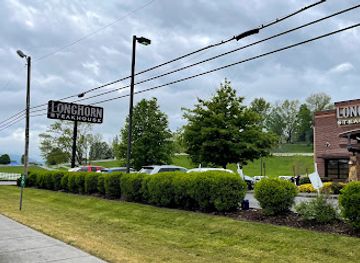
LongHorn Steakhouse
Discover the ultimate steak dining experience at LongHorn Steakhouse in Sevierville, TN - where flavor meets family-friendly fun.

Best nightclubs in Tennessee River Valley
Evening life is concentrated in Knoxville and Chattanooga, where historic downtown streets, university districts and redeveloped riverfront areas contain pubs, breweries, cocktail bars, restaurants, live-music rooms and theatre venues. Knoxville's music and student culture create a busier late-evening scene, while Chattanooga combines craft drinks, music, dining and cultural events with a generally compact downtown. Outside these centres, nightlife is more often based around traditional pubs, casual bars, restaurants, breweries and occasional live music than dedicated nightclubs. Lake towns may become noticeably quieter outside summer weekends, and smaller communities often close earlier. Distilleries and breweries offer tastings where licensed, but alcohol is not the only focus of the region's evening culture: riverfront walks, performances, sporting events and local restaurants are equally important. Licensing rules and last-service times vary by venue and locality, so check locally rather than relying on assumptions about opening arrangements.
-
Night club
Cotton Eyed Joe
Discover Knoxville's nightlife at Cotton Eyed Joe, a vibrant club offering dancing, drinks, and unforgettable experiences in a lively atmosphere.
-
Night club
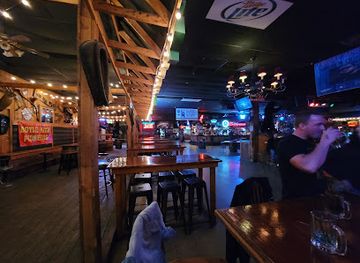
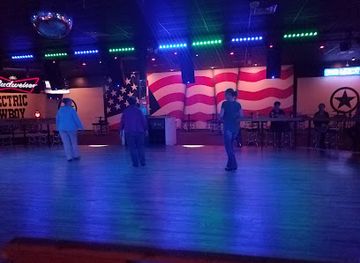
Electric Cowboy Clarksville
Experience the vibrant nightlife at Electric Cowboy Clarksville, where dancing and fun come together in an unforgettable atmosphere!
-
Night club
Eros Knoxville
Experience the vibrant nightlife at Eros Knoxville, a top nightclub and event venue in Downtown Knoxville, where themed nights and excitement await.
-
Night club
Southbound bar and Nightclub
Discover the heartbeat of Knoxville's nightlife at Southbound Bar and Nightclub, where vibrant energy meets unforgettable entertainment.


Best shops in Tennessee River Valley
-
Gift shop
Three Bears General Store
Discover a delightful blend of sweets, souvenirs, and fun at Three Bears General Store in Pigeon Forge, a must-visit for every traveler.
-
Shopping mall
West Town Mall
Experience Knoxville's premier shopping destination at West Town Mall, featuring top brands, delightful dining, and a vibrant atmosphere.
-
State park
Fall Creek Falls State Park
Explore the grandeur of Fall Creek Falls State Park, Tennessee's natural gem, featuring majestic waterfalls, lush forests, and endless outdoor adventures for all.
-
Visitor center
Cades Cove Visitor Center
Discover the beauty and history of Cades Cove at the Visitor Center, your starting point for adventure in the Great Smoky Mountains.




Get your free copy of our complete guide to Tennessee River Valley, delivered straight to you.
Everything on this page, from attractions and restaurants to essentials and local phrases, in one PDF you can read offline, print or share.
Already have an account? Sign in
Your Tennessee River Valley guide is ready.
We'll send it to · Not you? Sign out

Getting your guide ready…
We are putting together a fresh copy of the Tennessee River Valley guide. This can take up to a minute.
This can take a few moments. If your browser asks, choose Allow so the download can start. You'll find the guide in your Downloads folder.
Nothing happened? Download it again
Sorry, the guide is taking longer than usual. Please try again in a minute, or get it by email instead.
Tennessee River Valley essentials
Currency and Payment
Safety
Emergency Situations
Do's and Don'ts
Local Tips
From Eve
Local phrases worth knowing
You don't need to get them perfect. A few words go a long way, and locals appreciate the effort.
Basics
| English | Local | Say it |
|---|---|---|
| Hello | Howdy | [Ha-dee] |
| Goodbye | See ya | [See ya] |
| Yes | Yep | [Yep] |
| No | Nope | [Nope] |
| Please/You're welcome | Please/No problem | [Pleez/No prob-lem] |
| Thank you | Thank ya | [Thank ya] |
| Excuse me/Sorry | Pardon me/Sorry 'bout that | [Pardon me/Sor-ree 'bout that] |
| How are you? | How ya doin'? | [How ya doin'?] |
| Fine. And you? | I'm good. How 'bout you? | [I'm gud. How 'bout you?] |
| Do you speak English? | You speakin' English? | [You speakin' English?] |
| I don't understand | I ain't got a clue | [I ain't got a clew] |
Eating & Drinking
| English | Local | Say it |
|---|---|---|
| I'd like to see the menu, please | Can I see the menu, please? | [Can I see the menu, pleez?] |
| I don't eat meat | I don't eat no meat | [I don't eat no meet] |
| Cheers! | Cheers! | [Cheers!] |
| I would like to pay, please | I'd like to settle up, please | [I'd like to set-tle up, pleez] |
Emergencies
| English | Local | Say it |
|---|---|---|
| Help! | Help! | [Help!] |
| Go away! | Get on outta here! | [Get on outta here!] |
| Call the Police! | Call the cops! | [Call the cops!] |
| Call a doctor! | Get a doctor here! | [Get a doc-tor here!] |
| I'm lost | I'm lost | [I'm lost] |
| I'm ill | I'm feelin' poorly | [I'm feelin' poorly] |
Shopping
| English | Local | Say it |
|---|---|---|
| I'd like to buy... | I wanna buy... | [I wanna buy...] |
| I'm just looking | Just browsin' | [Just browsin'] |
| How much is it? | How much's this? | [How much's this?] |
| That's too expensive | That's too high | [That's too high] |
| Can you lower the price? | Can ya knock down the price? | [Can ya knock down the price?] |
Time & Numbers
| English | Local | Say it |
|---|---|---|
| What time is it? | What time's it? | [What time's it?] |
| It's one o'clock | It's one o'clock | [It's one o'clock] |
| Half past (10) | Half past ten | [Half past ten] |
| Morning | Mornin' | [Mornin'] |
| Afternoon | Afternoon | [Afternoon] |
| Evening | Evenin' | [Evenin'] |
| Yesterday | Yesterday | [Yesterday] |
| Today | Today | [Today] |
| Tomorrow | Tomorrow | [Tomorrow] |
| 1 | One | [One] |
| 2 | Two | [Two] |
| 3 | Three | [Three] |
| 4 | Four | [Four] |
| 5 | Five | [Five] |
| 6 | Six | [Six] |
| 7 | Seven | [Seven] |
| 8 | Eight | [Eight] |
| 9 | Nine | [Nine] |
| 10 | Ten | [Ten] |
Transport & Directions
| English | Local | Say it |
|---|---|---|
| Where's a/the...? | Where's a...? | [Where's a...?] |
| What's the address? | What's the address? | [What's the address?] |
| Can you show me (on the map)? | Can you point it out? | [Can you point it out?] |
| When's the next (bus)? | When's the next bus? | [When's the next bus?] |
| A ticket (to ....) | One ticket to... | [One ticket to...] |
History of Tennessee River Valley
Indigenous Homelands and River Trade
The Tennessee River Valley has long been an important corridor for Indigenous peoples, whose communities used the river, tributaries and fertile terraces for travel, farming, hunting and exchange. Cherokee influence was particularly strong in eastern Tennessee, while the river connected different societies across the Southeast. European colonisation brought disease, warfare, land pressure and treaties that displaced Indigenous communities. The valley's modern landscape still includes places associated with Cherokee history, including the Sequoyah Birthplace Memorial near present-day Vonore.
Fort Loudoun and the Eighteenth-Century Frontier
Fort Loudoun, built by the British in the 1750s on the Little Tennessee River, reflected imperial competition and the importance of alliances with the Cherokee. The fort became involved in deteriorating relations during the Anglo-Cherokee War and was abandoned after a difficult siege. Reconstructed Fort Loudoun State Historic Park near Vonore now interprets this turbulent period, when diplomacy, trade and military power were reshaping the southern Appalachian frontier.
Settlement, Statehood and River Communities
After the American Revolution, settlers expanded through the Tennessee Valley, establishing farms, ferries, mills and commercial towns along the river and its tributaries. Knoxville, founded in 1791, became an important political and trading centre in East Tennessee. River transport supported the movement of timber, agricultural goods and manufactured products, although navigation was interrupted by shoals, seasonal water levels and rapids. These early settlements created the network of towns that later benefited from improved roads, railways and navigation infrastructure.
Civil War Control of the River Corridor
The Tennessee River was strategically important during the American Civil War because it offered a route for moving troops and supplies into the interior. Chattanooga, at the junction of major rail and river routes, became the focus of campaigns in 1863, including the battles for Lookout Mountain and Missionary Ridge. Knoxville was also involved in the East Tennessee campaign. Fortifications, cemeteries and preserved battlefields around the two cities make the valley a significant destination for Civil War history.
Dams, Navigation and the Tennessee Valley Authority
The Tennessee Valley Authority was created in 1933 during the New Deal to address flooding, improve navigation, generate electricity and support economic development across the Tennessee Valley. Its dams transformed the river into a connected system of navigation lakes, including Fort Loudoun, Watts Bar, Chickamauga, Nickajack, Pickwick and Kentucky Lake in Tennessee. The programme brought major changes to communities, farms and river ecology, while enabling modern recreation, industry and transport.
A Modern River Economy
During the twentieth and twenty-first centuries, the valley's economy diversified beyond agriculture and river shipping. Manufacturing, universities, healthcare, tourism and outdoor recreation became especially important in Knoxville and Chattanooga, while smaller communities developed around marinas, lakeside homes, state parks and seasonal travel. Environmental restoration and river stewardship have also gained importance as residents and visitors balance navigation, hydropower, wildlife habitat, fishing and the pressures of growing waterfront development.
Tennessee River Valley in Photos
Browse through our photo collection highlighting the charm and character of the destination.
Neighbouring regions of Tennessee River Valley
The closest regions to Tennessee River Valley, if you have time for more than one.
-

-

-

-

-


Swipe for more regions
Explore more

Explore more of Tennessee
Discover Tennessee: A melting pot of music, history, and natural beauty, offering visitors an authentic taste of Southern hospitality and unforgettable experiences.
Explore Tennessee