

Free Johnson City Travel Guide & Mobile App
Plan your Johnson City trip with Evendo. Get free guides to top attractions, restaurants, hotels, and bars. Web access or download the mobile app.


Johnson City, Tennessee blends Appalachian history, railway heritage, outdoor trails, museums, university culture and welcoming southern dining in the Tri-Cities.
Appalachian Setting and Southern Character
Johnson City lies in north-east Tennessee, where the ridges and valleys of the southern Appalachian Mountains shape both the landscape and the pace of daily life. The city is part of the Tri-Cities region, alongside Kingsport and Bristol, and serves as a centre for East Tennessee State University, healthcare, commerce and the arts. Its compact downtown combines restored early twentieth-century buildings with independent restaurants, cafés, breweries, galleries and public spaces, while the wider city opens towards wooded slopes, greenways and mountain views.Read more about Johnson City
Railway Heritage and Cultural Life
Nature at the City Edge
When is the best time to visit Johnson City?
Best: May, September–October · 21–28°C| Month | High (°C) | Rainfall (mm) |
|---|---|---|
| January | 8 | 91 |
| February | 10 | 93 |
| March | 16 | 115 |
| April | 21 | 97 |
| May (best) | 26 | 114 |
| June | 30 | 108 |
| July | 32 | 106 |
| August | 32 | 96 |
| September (best) | 28 | 92 |
| October (best) | 21 | 77 |
| November | 15 | 89 |
| December | 9 | 85 |
Getting to and around Johnson City
How to get there
Transportation
Best attractions in Johnson City
Johnson City's attractions combine local history, university culture and accessible outdoor recreation. Downtown, Founders Park provides a landscaped setting for public events beside the historic commercial core, while the Tweetsie Trail follows a former railway route towards Elizabethton as a walking and cycling corridor. The Reece Museum at East Tennessee State University interprets regional history, art and Appalachian culture through changing exhibitions. Tipton-Haynes State Historic Site, south of the centre, preserves an early nineteenth-century house and grounds associated with the settlement period. Buffalo Mountain Park adds forest trails and elevated views, and Winged Deer Park opens onto the Boone Lake shoreline. Just beyond the city in Gray, the Gray Fossil Site and Hands On! Discovery Center present fossil science and interactive learning, making them especially appealing to families and visitors interested in the area's deep geological past.
-
Tourist attraction
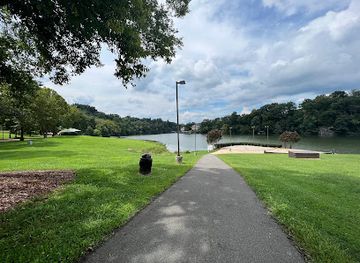
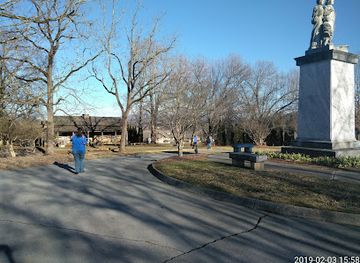
Winged Deer Park
Experience the natural splendor of Winged Deer Park, a stunning park in Johnson City, TN, perfect for outdoor activities, picnics, and wildlife watching.
25 min drive · 8.4 km from city centre
-
Tourist attraction
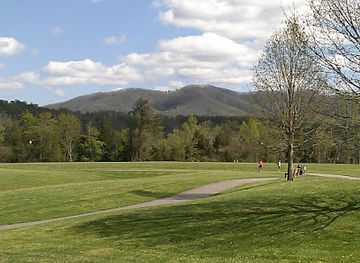
Rotary Park
Explore the serene beauty and community spirit of Rotary Park, a must-visit destination in Johnson City, TN, for relaxation and recreation.
8 min drive · 2.7 km from city centre
-
Tourist attraction
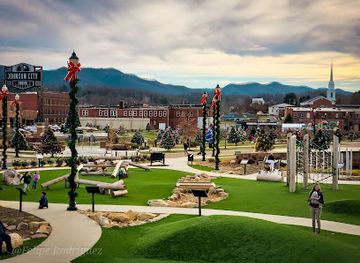
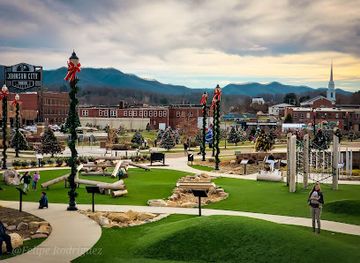
Founders Park
Experience the tranquility and cultural charm of Founders Park in Johnson City, TN—your perfect urban escape.
1 min walk · 0.1 km from city centre
-
Tourist attraction
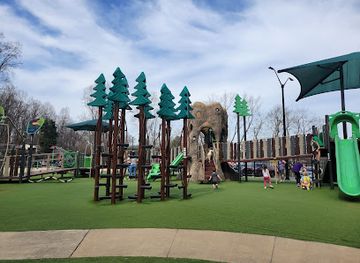
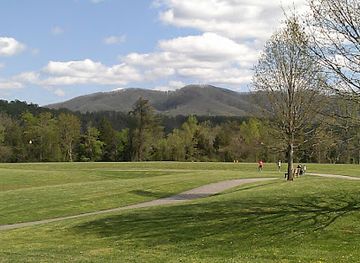
Willow Springs Park
Discover the serene beauty of Willow Springs Park, a family-friendly destination in Johnson City, TN, perfect for outdoor enthusiasts and nature lovers.
16 min drive · 5.4 km from city centre
Best landmarks in Johnson City
Johnson City's landmarks reveal its development from a railway settlement into an Appalachian educational and commercial centre. The Downtown Johnson City Historic District preserves a concentration of brick commercial buildings and civic architecture from the late nineteenth and early twentieth centuries, when rail transport drove urban growth. The historic Carnegie Hotel, built in the early twentieth century and associated with the city's educational and civic history, remains one of the best-known buildings near East Tennessee State University. Tipton-Haynes State Historic Site represents an earlier settlement period through its historic house and grounds, while the campus of East Tennessee State University expresses the importance of higher education to the modern city. The former railway alignment now used by the Tweetsie Trail is a landscape landmark rather than a single monument, linking present-day recreation with the infrastructure that shaped Johnson City's economy.
-
Park
Winged Deer Park
Discover the beauty of Winged Deer Park in Johnson City, TN - a serene retreat for nature lovers and outdoor enthusiasts alike, perfect for family fun.
25 min drive · 8.4 km from city centre
-
Park
Founders Park
Explore Founders Park in Johnson City, a beautiful urban oasis featuring art, nature, and vibrant community events perfect for tourists.
1 min walk · 0.1 km from city centre
-
Park
Willow Springs Park
Explore the serene beauty of Willow Springs Park, a perfect getaway for nature lovers in Johnson City, TN with stunning landscapes and recreational activities.
16 min drive · 5.4 km from city centre
-
Amusement center
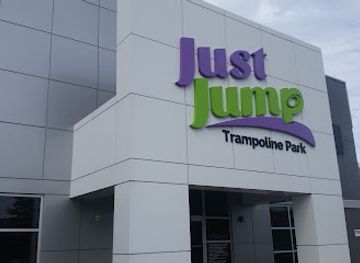
Just Jump Trampoline Park
Experience the thrill of jumping at Just Jump Trampoline Park, a top family-friendly amusement center in Johnson City, TN.
14 min drive · 4.5 km from city centre
Explore Johnson City on the map
Plan your Johnson City trip on one map. See where the top attractions, landmarks, restaurants, bars and hotels are, find what's near where you're staying, and book hotels and experiences in a few clicks.
Best hotels in Johnson City
Best restaurants in Johnson City
Johnson City's dining scene reflects the culinary habits of East Tennessee, where Southern cooking, Appalachian ingredients and contemporary small-city restaurants meet. Menus commonly draw on biscuits, cornbread, fried chicken, smoked meats, beans, greens and seasonal produce, while local cooks reinterpret these traditions through modern American plates, vegetarian dishes and craft-focused cafés. Downtown and the nearby university area contain the broadest concentration of independent restaurants, coffee shops, breweries and casual eateries, with additional choices along the major commercial corridors. The Johnson City Farmers Market provides a seasonal connection to growers, bakers and makers from the surrounding countryside, although its exact schedule varies. Regional foodways are also visible in preserves, apple products, country ham and baked goods, while the wider Tri-Cities area adds international restaurants and contemporary dining without displacing the area's Southern foundations.
-
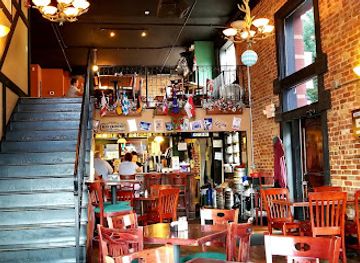
German
Freiberg's
Experience authentic German flavors at Freiberg's in Johnson City – where hearty dishes meet a cozy atmosphere.
4 min walk · 0.3 km from city centre
-
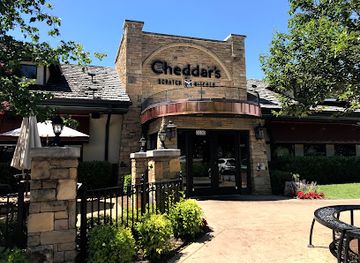
Traditional American
Cheddar's Scratch Kitchen
Experience the essence of Southern hospitality at Cheddar's Scratch Kitchen in Johnson City – where comfort food meets quality ingredients.
18 min drive · 6.1 km from city centre
-
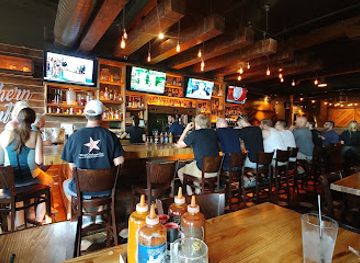
Barbecue
Southern Craft BBQ
Experience authentic Southern barbecue at Southern Craft BBQ in Johnson City - where flavor meets tradition in every bite.
4 min walk · 0.3 km from city centre
-
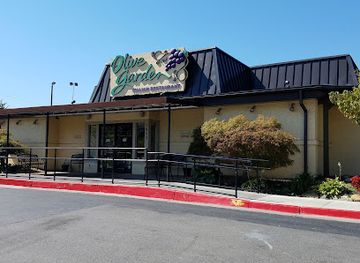
Italian
Olive Garden Italian Restaurant
Savor authentic Italian cuisine at Olive Garden in Johnson City - perfect for families and food lovers alike!
9 min drive · 3.1 km from city centre
Best bars in Johnson City
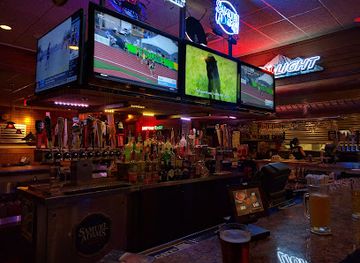
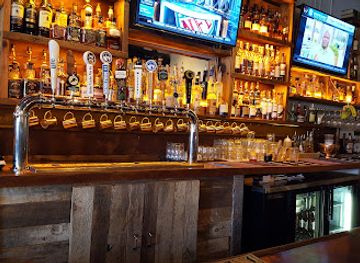
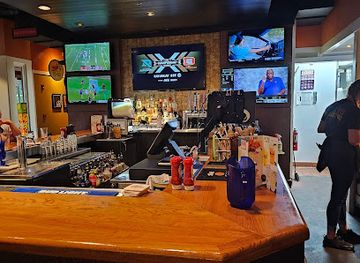
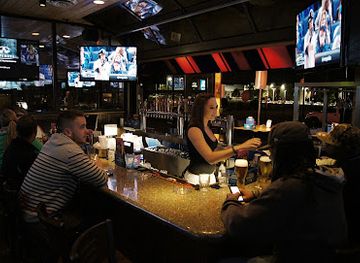
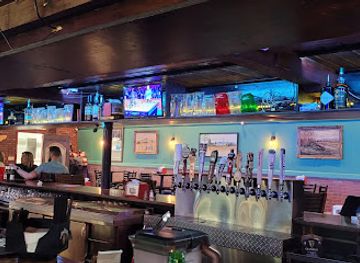
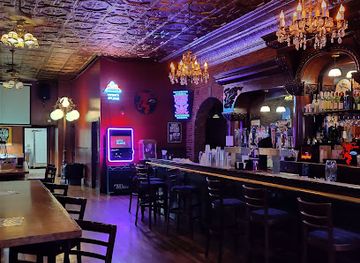
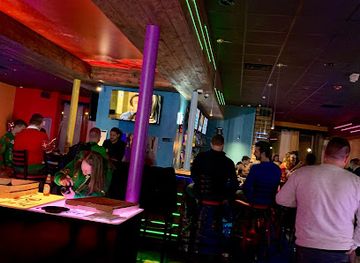
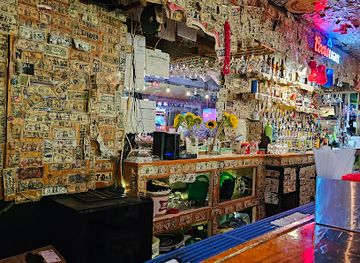
Evenings in Johnson City are centred more on live music, craft drinks, restaurants and community events than on a large nightclub district. Downtown is the main area for relaxed bars, breweries and venues hosting touring performers, local bands and university-connected audiences, with activity often gathering around Founders Park and nearby streets. Craft beer has a visible place in the local social scene, reflecting East Tennessee's wider brewery culture, while cocktail bars and informal pubs provide quieter alternatives. East Tennessee State University contributes lectures, theatre, concerts and other evening programming, and seasonal downtown events may bring outdoor music into public spaces. The nightlife is generally approachable and regional rather than intense, with a car or ride service useful when moving between downtown, the university area and outlying venues.
-
American
Smokey Bones Johnson City
Discover Smokey Bones in Johnson City, where mouth-watering BBQ, vibrant atmosphere, and exceptional service create an unforgettable dining experience.
9 min drive · 3.1 km from city centre
-
Steak
Label Restaurant
Discover the vibrant flavors of American cuisine at Label Restaurant, a steak lover's paradise in Johnson City, TN.
3 min walk · 0.2 km from city centre
-
Bar
Chili's Grill & Bar
Experience the vibrant flavors of American and Tex-Mex cuisine at Chili's Grill & Bar, a must-visit spot in Johnson City for food lovers.
18 min drive · 6.1 km from city centre
-
Restaurant
Kickback Jack's Johnson City
Experience the lively atmosphere and flavorful cuisine at Kickback Jack's, a top dining destination in Johnson City, Tennessee.
16 min drive · 5.5 km from city centre
Best nightclubs in Johnson City
Evenings in Johnson City are centred more on live music, craft drinks, restaurants and community events than on a large nightclub district. Downtown is the main area for relaxed bars, breweries and venues hosting touring performers, local bands and university-connected audiences, with activity often gathering around Founders Park and nearby streets. Craft beer has a visible place in the local social scene, reflecting East Tennessee's wider brewery culture, while cocktail bars and informal pubs provide quieter alternatives. East Tennessee State University contributes lectures, theatre, concerts and other evening programming, and seasonal downtown events may bring outdoor music into public spaces. The nightlife is generally approachable and regional rather than intense, with a car or ride service useful when moving between downtown, the university area and outlying venues.
-
Sports bar
Numan's Cafe & Sports Bar
Discover Numan's Cafe & Sports Bar in Johnson City: Your go-to spot for delicious food, live sports, and vibrant socializing.
5 min walk · 0.4 km from city centre
-
Grill
Capone's
Experience the lively nightlife and delicious grill at Capone's in Johnson City, where great food meets unforgettable fun.
5 min walk · 0.4 km from city centre
-
Lounge
Wonderland Lounge N Grill
Discover Wonderland Lounge N Grill, a lively spot in Johnson City, TN, blending delicious grill cuisine with vibrant nightlife.
4 min walk · 0.3 km from city centre
-
Bar
The Crow Bar
Experience the vibrant nightlife of Johnson City at The Crow Bar, where fun, affordable drinks, and live entertainment await every night.
15 min drive · 4.9 km from city centre
Best shops in Johnson City
Shopping in Johnson City ranges from independent downtown businesses to practical suburban retail, with the strongest sense of place found in local boutiques, galleries, cafés and specialist shops around the historic centre and university area. The Johnson City Farmers Market, held seasonally, brings together regional produce, baked goods, preserves, crafts and prepared food, offering a direct connection with the surrounding agricultural communities. Visitors may also find Appalachian-inspired artwork, locally made gifts, pottery, textiles and music-related merchandise through independent retailers and craft sellers, although stock changes by season. Johnson City Mall and larger commercial corridors provide conventional national-chain shopping, while nearby Kingsport and Bristol broaden the regional choice. The most distinctive purchases tend to be small-scale food products and handmade items rather than mass-produced souvenirs.
-
Shopping mall
The Mall at Johnson City
Discover an exceptional shopping experience at The Mall at Johnson City, featuring diverse stores, delicious dining, and family-friendly entertainment.
11 min drive · 3.5 km from city centre
-
Discount store
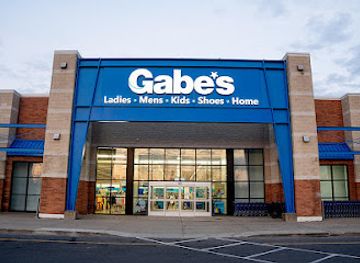
Gabe's
Shop at Gabe's in Johnson City, TN for unbeatable discounts on men's, women's, and children's clothing and footwear.
12 min drive · 4.1 km from city centre
-
Gift shop
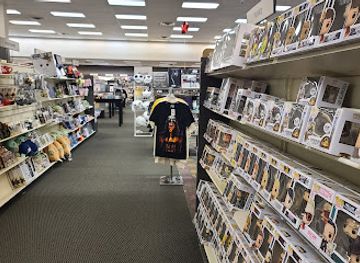
Books-A-Million
Discover a world of books, collectibles, and more at Books-A-Million in Johnson City, where every visit is a new adventure for readers and collectors.
11 min drive · 3.8 km from city centre
-
Discount store
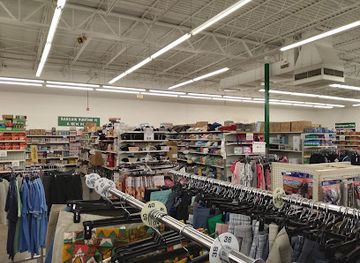
Bargain Hunt
Discover unbeatable savings and a treasure trove of unique products at Bargain Hunt in Johnson City, the ultimate discount shopping destination.
19 min drive · 6.3 km from city centre
Get your free copy of our complete guide to Johnson City, delivered straight to you.
Everything on this page, from attractions and restaurants to essentials and local phrases, in one PDF you can read offline, print or share.
Already have an account? Sign in
Your Johnson City guide is ready.
We'll send it to · Not you? Sign out

Getting your guide ready…
We are putting together a fresh copy of the Johnson City guide. This can take up to a minute.
This can take a few moments. If your browser asks, choose Allow so the download can start. You'll find the guide in your Downloads folder.
Nothing happened? Download it again
Sorry, the guide is taking longer than usual. Please try again in a minute, or get it by email instead.
Johnson City essentials
Currency and Payment
Safety
Emergency Situations
Do's and Don'ts
Local Tips
From Eve
Local phrases worth knowing
You don't need to get them perfect. A few words go a long way, and locals appreciate the effort.
Basics
| English | Local | Say it |
|---|---|---|
| Hello | Howdy | [HAW-dee] |
| Goodbye | See ya | [SEE yuh] |
| Yes | Yep | [YEP] |
| No | Nah | [NAH] |
| Please/You're welcome | Please | [PLEEZ] |
| Thank you | Thank ya | [THANK yuh] |
| Excuse me/Sorry | Sorry | [SOR-ee] |
| How are you? | How y'all doin'? | [HOW y'all DOIN'] |
| Fine. And you? | Fine. How 'bout you? | [FINE. HOW 'bout yuh?] |
| Do you speak English? | Ya speak English? | [Yuh speak ING-lish?] |
| I don't understand | I ain't gettin' ya | [I AIN'T GET-tin' yuh] |
Eating & Drinking
| English | Local | Say it |
|---|---|---|
| I'd like to see the menu, please | Can I see the menu? | [Can I SEE the MENU?] |
| I don't eat meat | I don't eat meat | [I don't eat MEAT] |
| Cheers! | Cheers! | [CHEERS] |
| I would like to pay, please | Can I pay now? | [Can I PAY now?] |
Emergencies
| English | Local | Say it |
|---|---|---|
| Help! | Help! | [Help!] |
| Go away! | Git! | [Git!] |
| Call the Police! | Call the cops! | [Call the COPS!] |
| Call a doctor! | Call a doc! | [Call a DOC!] |
| I'm lost | I'm lost | [I'm lost] |
| I'm ill | I'm sick | [I'm sick] |
Shopping
| English | Local | Say it |
|---|---|---|
| I'd like to buy... | I wanna buy... | [I WAN-na buy...] |
| I'm just looking | Just lookin' | [Just LOOK-in'] |
| How much is it? | How much? | [How MUCH?] |
| That's too expensive | That's too much | [That's too much] |
| Can you lower the price? | Can ya lower it? | [Can yuh LOWER it?] |
Time & Numbers
| English | Local | Say it |
|---|---|---|
| What time is it? | What time is it? | [What time is it?] |
| It's one o'clock | It's one | [It's one] |
| Half past (10) | Half past ten | [Half past ten] |
| Morning | Morning | [Morning] |
| Afternoon | Afternoon | [Afternoon] |
| Evening | Evening | [Evening] |
| Yesterday | Yesterday | [Yesterday] |
| Today | Today | [Today] |
| Tomorrow | Tomorrow | [Tomorrow] |
| 1 | One | [One] |
| 2 | Two | [Two] |
| 3 | Three | [Three] |
| 4 | Four | [Four] |
| 5 | Five | [Five] |
| 6 | Six | [Six] |
| 7 | Seven | [Seven] |
| 8 | Eight | [Eight] |
| 9 | Nine | [Nine] |
| 10 | Ten | [Ten] |
Transport & Directions
| English | Local | Say it |
|---|---|---|
| Where's a/the...? | Where's the...? | [Where's the...?] |
| What's the address? | What's the address? | [What's the address?] |
| Can you show me (on the map)? | Can you show me? | [Can you show me?] |
| When's the next (bus)? | When's the next bus? | [When's the next bus?] |
| A ticket (to ....) | A ticket to... | [A ticket to...] |
History of Johnson City
Cherokee Homeland and Early Settlement
The Johnson City area formed part of the wider homeland and travel landscape of the Cherokee before Euro-American settlement expanded through East Tennessee. The region's valleys, waterways and mountain passes supported movement, hunting and trade, while later roads followed routes through the Appalachian terrain. The city's name derives from Henry Johnson, who established a station and trading post in the mid-nineteenth century. This settlement developed near important transport routes and helped create the nucleus of the community later known as Johnson City. As elsewhere in the region, this history must be understood alongside the forced removal of Cherokee people under United States expansion and the continuing presence of Native heritage across the southern Appalachians.
Railways Shape a New Town
Johnson City grew rapidly after rail connections reached the settlement in the nineteenth century. The East Tennessee and Virginia Railroad helped link the area with Knoxville, Bristol and markets beyond the mountains, while the narrow-gauge East Tennessee and Western North Carolina Railroad later connected Johnson City with Elizabethton and Cranberry, North Carolina. Railways brought passengers, freight, businesses and investment, transforming a small settlement into a regional centre. Johnson City was incorporated in 1869, and its commercial core developed around the movement of trains and goods. The former railway corridor now remembered by the Tweetsie Trail offers a tangible reminder of the transport network that influenced the city's early urban form.
Commerce and Civic Development
During the late nineteenth and early twentieth centuries, Johnson City expanded as a commercial and administrative centre for the surrounding Appalachian valleys. Downtown buildings, banks, shops and civic institutions reflected the prosperity created by rail transport, timber, agriculture and regional trade. The city's growth also brought new schools, churches and public services, while its streets became a meeting place for residents from nearby rural communities. Much of the historic downtown fabric dates from this period of expansion, when brick commercial architecture and formal civic buildings gave Johnson City a more substantial urban identity. The surviving streetscape provides a visual record of the transition from a railway settlement to a regional Tennessee city.
Education and Healthcare Take Root
Education and healthcare became central to Johnson City's modern identity during the twentieth century. East Tennessee State University developed from earlier teacher-training institutions and grew into a major university with programmes serving the Appalachian region, including medicine and the health sciences. The Quillen College of Medicine, established in the 1970s, strengthened Johnson City's role as a centre for medical education and specialist healthcare. This institutional growth brought students, professionals and new cultural activity to the city, while the university's Appalachian Studies and arts programmes helped preserve and interpret the region's traditions. Johnson City's economy and public life today remain strongly influenced by these educational and medical institutions.
A Contemporary Appalachian Centre
In recent decades, Johnson City has invested in the renewal of its downtown, public spaces and cultural infrastructure while retaining connections with the surrounding mountains. The restoration and adaptation of older commercial buildings have supported independent businesses, restaurants, galleries and entertainment venues. Projects such as Founders Park and the Tweetsie Trail have reworked former industrial or railway spaces as places for recreation and community events. East Tennessee State University continues to bring an international and youthful presence, while local museums and heritage organisations interpret the area's past. The result is a city whose contemporary character combines university life, healthcare, small-business energy and long-standing Appalachian connections.
Johnson City in Photos
Browse through our photo collection highlighting the charm and character of the destination.
Cities near Johnson City
The closest cities to Johnson City, if you have time for more than one stop.
-

-

-

-

-


Swipe for more cities
Explore more

Explore more of Tennessee
Discover Tennessee: A melting pot of music, history, and natural beauty, offering visitors an authentic taste of Southern hospitality and unforgettable experiences.
Explore Tennessee