

Free Pigeon Forge Travel Guide & Mobile App
Plan your Pigeon Forge trip with Evendo. Get free guides to top attractions, restaurants, hotels, and bars. Web access or download the mobile app.


Discover Pigeon Forge: A family-friendly destination offering natural beauty, thrilling attractions, and rich cultural experiences in the heart of the Smoky Mountains.
Read more about Pigeon Forge
When is the best time to visit Pigeon Forge?
Best: April–May, September · 21–26°C| Month | High (°C) | Rainfall (mm) |
|---|---|---|
| January | 8 | 91 |
| February | 10 | 91 |
| March | 16 | 107 |
| April (best) | 21 | 97 |
| May (best) | 26 | 117 |
| June | 29 | 112 |
| July | 31 | 137 |
| August | 30 | 127 |
| September (best) | 26 | 107 |
| October | 20 | 91 |
| November | 14 | 97 |
| December | 9 | 102 |
Getting to and around Pigeon Forge
How to get there
Transportation
Best attractions in Pigeon Forge
Pigeon Forge, Tennessee, offers a unique blend of natural beauty, entertainment, and history that will captivate visitors of all ages. From the stunning views of the Great Smoky Mountains National Park to the thrilling rides and shows at Dollywood theme park, there is something for everyone to enjoy. Explore the rich history of the area at the Titanic Museum Attraction or the Old Mill Square, and don't miss out on the variety of dining and shopping options along the bustling Parkway. Whether you're seeking outdoor adventures, family-friendly fun, or a relaxing getaway, Pigeon Forge has it all.
-
Tourist attraction
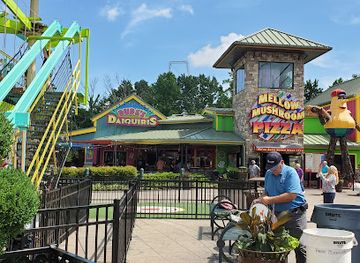
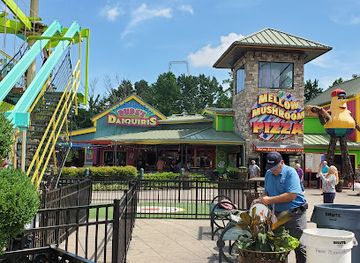
The Island in Pigeon Forge
Experience the magic of The Island in Pigeon Forge, where thrilling rides, unique shops, and delightful dining come together for an unforgettable family adventure.
6 min drive · 2.2 km from city centre
-
Tourist attraction
The Island in Pigeon Forge
Discover endless fun at The Island in Pigeon Forge, a premier destination for shopping, dining, and amusement rides perfect for all ages.
6 min drive · 2.2 km from city centre
-
Tourist attraction
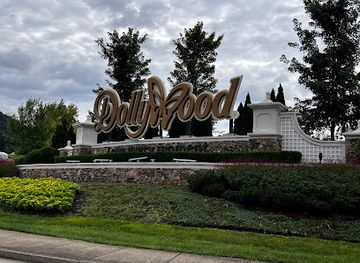
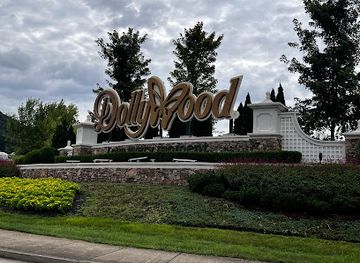
Dollywood
Discover the magic of Dollywood, where thrilling rides, captivating performances, and Appalachian culture come together for an unforgettable experience.
7 min drive · 2.2 km from city centre
-
Tourist attraction
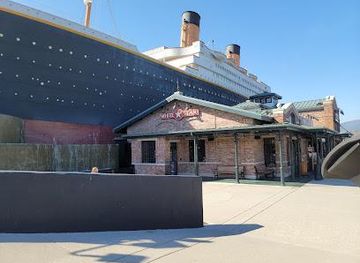
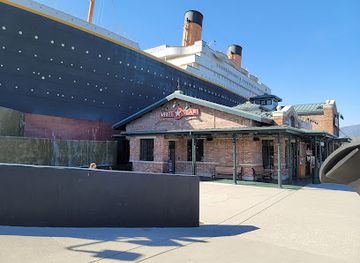
TITANIC Museum Attraction
Explore the TITANIC Museum Attraction in Pigeon Forge, a captivating journey through the life and legacy of the world's most famous ship.
13 min drive · 4.2 km from city centre

Best landmarks in Pigeon Forge
Pigeon Forge, Tennessee offers visitors a unique blend of history, culture, and entertainment. From the iconic Dollywood theme park, showcasing thrilling rides and live music performances, to the educational Titanic Museum Attraction, where guests can step back in time and experience the grandeur of the infamous ship, there is something for everyone. The Old Mill Square provides a charming glimpse into the city's past with its historic grist mill and quaint shops, while the Great Smoky Mountains National Park offers stunning natural beauty and outdoor adventures. Whether you're a history buff, thrill-seeker, or nature lover, Pigeon Forge has a landmark to captivate your interest.
-
Amusement park
The Island in Pigeon Forge
Explore The Island in Pigeon Forge, a vibrant amusement park with thrilling rides, unique shops, and delicious dining options, perfect for families and tourists alike.
6 min drive · 2.2 km from city centre
-
Amusement park
Dollywood
Experience the thrill of rides, the charm of Southern culture, and live entertainment at Dollywood, the ultimate amusement park in Pigeon Forge, Tennessee.
7 min drive · 2.2 km from city centre
-
Dinner theater
Dolly Parton's Stampede
Discover the enchantment of Dolly Parton's Stampede, where dinner meets dazzling entertainment in the heart of Pigeon Forge, Tennessee.
15 min walk · 1.2 km from city centre
-
Museum
TITANIC Museum Attraction
Discover the Titanic Museum Attraction in Pigeon Forge, TN, where history and storytelling come alive through interactive exhibits and authentic artifacts.
13 min drive · 4.2 km from city centre
Explore Pigeon Forge on the map
Plan your Pigeon Forge trip on one map. See where the top attractions, landmarks, restaurants, bars and hotels are, find what's near where you're staying, and book hotels and experiences in a few clicks.
Best hotels in Pigeon Forge
Best restaurants in Pigeon Forge
Pigeon Forge offers a diverse dining scene that caters to every taste and budget. From classic Southern comfort food to international cuisine, visitors can indulge in a variety of culinary delights. Whether you're in the mood for a hearty barbecue feast, fresh seafood, or gourmet burgers, Pigeon Forge has it all. The city also boasts charming cafes, bakeries, and ice cream parlors for those looking for a quick bite or sweet treat. With a mix of family-friendly restaurants, upscale dining options, and cozy diners, Pigeon Forge has something for everyone to enjoy during their visit.
-
Country food restaurant
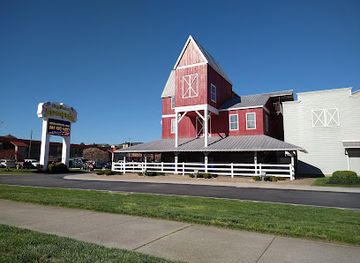
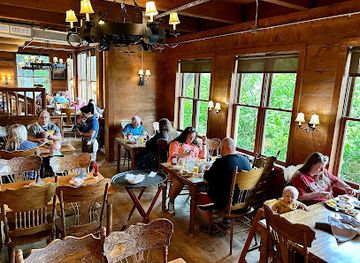
The Old Mill Restaurant
Discover Southern comfort food at The Old Mill Restaurant in Pigeon Forge - where tradition meets taste.
1 min walk · 0.1 km from city centre
-
American
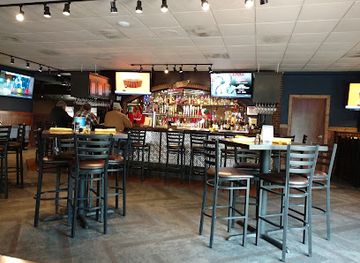
Local Goat - New American Restaurant Pigeon Forge
Discover Local Goat in Pigeon Forge: where innovative New American cuisine meets Southern hospitality in a vibrant setting.
12 min drive · 3.9 km from city centre
-
Diner
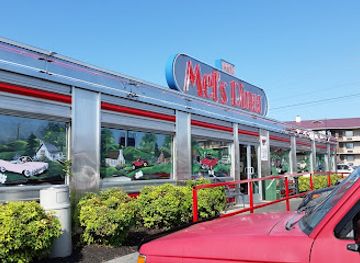
Mel's Classic Diner
Savor delicious American classics in a nostalgic setting at Mel's Classic Diner – a true Pigeon Forge gem!
8 min drive · 2.7 km from city centre
-
Southern
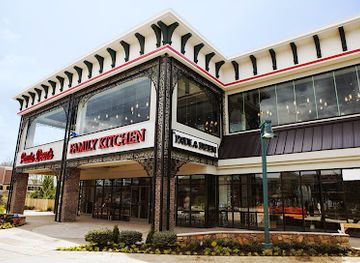
Paula Deen's Family Kitchen
Savor authentic Southern cuisine at Paula Deen's Family Kitchen in Pigeon Forge – where every meal is a celebration of home-cooked comfort food.
7 min drive · 2.2 km from city centre
Best bars in Pigeon Forge
Pigeon Forge's nightlife scene offers a unique blend of entertainment options for visitors, ranging from lively bars to exciting nightclubs. With a variety of live music venues, karaoke bars, and dance floors, there is something for everyone to enjoy after the sun sets. Whether you're looking to unwind with a cocktail, show off your dance moves, or simply soak in the vibrant atmosphere, Pigeon Forge has a little bit of everything to make your night out memorable.
-
American
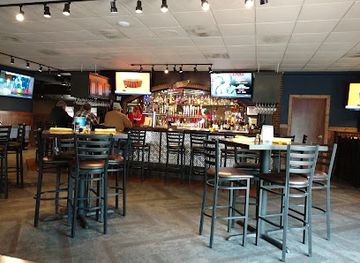
Local Goat - New American Restaurant Pigeon Forge
Discover Local Goat in Pigeon Forge, where New American cuisine meets local flavors for an unforgettable dining experience.
12 min drive · 3.9 km from city centre
-
American
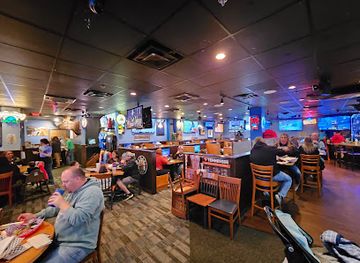
Blue Moose Burgers & Wings
Experience the best of American cuisine at Blue Moose Burgers & Wings in Pigeon Forge, where mouthwatering burgers and wings await every food lover.
10 min drive · 3.2 km from city centre
-
American
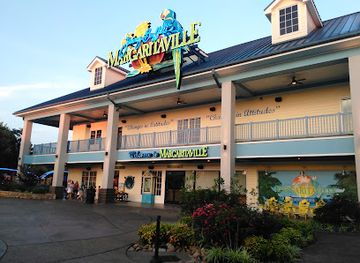
Margaritaville - Pigeon Forge
Experience the laid-back vibes and delicious American cuisine at Margaritaville Pigeon Forge, where every meal feels like a vacation.
6 min drive · 2.1 km from city centre
-
American
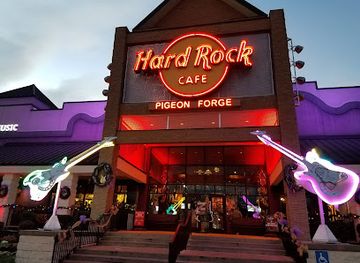
Hard Rock Cafe
Dive into a rock and roll experience at Hard Rock Cafe Pigeon Forge, where American cuisine meets legendary music memorabilia.
14 min drive · 4.5 km from city centre
Best nightclubs in Pigeon Forge
Pigeon Forge's nightlife scene offers a unique blend of entertainment options for visitors, ranging from lively bars to exciting nightclubs. With a variety of live music venues, karaoke bars, and dance floors, there is something for everyone to enjoy after the sun sets. Whether you're looking to unwind with a cocktail, show off your dance moves, or simply soak in the vibrant atmosphere, Pigeon Forge has a little bit of everything to make your night out memorable.
-
Restaurant
TGI Fridays
Experience the vibrant ambiance and delectable American cuisine at TGI Fridays in Pigeon Forge, a must-visit dining destination for travelers.
6 min drive · 2.0 km from city centre
-
Sports bar
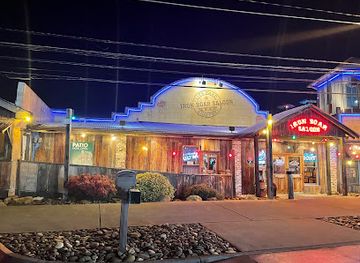
Iron Boar Saloon
Experience the vibrant atmosphere of Iron Boar Saloon in Pigeon Forge, where delicious Mexican cuisine meets the thrill of sports entertainment.
8 min drive · 2.8 km from city centre
-
Pub
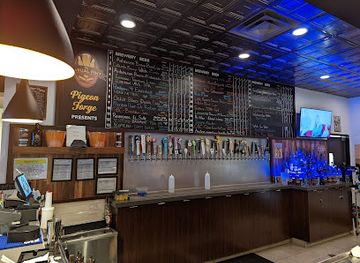
The Casual Pint
Experience the best of local craft beers and delicious pub food in a cozy setting at The Casual Pint in Pigeon Forge, Tennessee.
17 min walk · 1.4 km from city centre
-
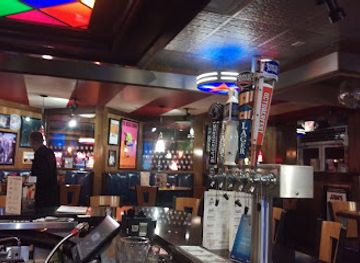
Night club
Funky Budha
Discover the lively nightlife at Funky Budha, a unique club, lounge, and hookah experience in Pigeon Forge, Tennessee.
16 min walk · 1.3 km from city centre

Best shops in Pigeon Forge
Pigeon Forge boasts a vibrant shopping scene that caters to all interests and budgets. From quaint boutiques and craft shops showcasing local artisans' work to outlet malls with famous brand names, visitors can find a variety of unique souvenirs and gifts to take back home. The charming Old Mill Square offers a glimpse into the city's history while browsing through specialty shops and enjoying delicious treats. The Island in Pigeon Forge is a must-visit destination with a mix of retail stores, restaurants, and entertainment options all in one place. Whether you're looking for handmade crafts, trendy fashion, or specialty food items, Pigeon Forge has something for everyone to enjoy.
-
Gift shop
Three Bears General Store
Explore Three Bears General Store: A vibrant shopping destination in Pigeon Forge, TN, offering unique gifts, delicious treats, and family fun.
5 min drive · 1.7 km from city centre
-
Shopping mall
The Shops at the Square
Discover unique shops, delightful dining, and entertainment at The Shops at the Square in Pigeon Forge, Tennessee.
9 min drive · 2.9 km from city centre
-
Shopping mall
The Shops of Pigeon Forge
Discover an unforgettable shopping adventure at The Shops of Pigeon Forge, where endless retail options meet delicious dining and family-friendly entertainment.
8 min drive · 2.8 km from city centre
-
Gift shop
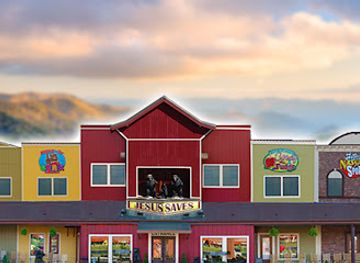
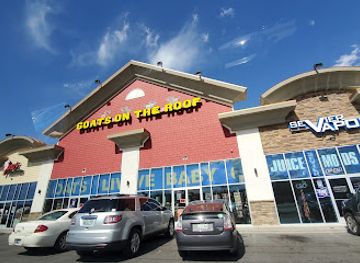
Goats On The Roof
Explore the whimsical Goats On The Roof gift shop in Pigeon Forge, offering unique souvenirs and a delightful atmosphere for all ages.
8 min drive · 2.5 km from city centre
Get your free copy of our complete guide to Pigeon Forge, delivered straight to you.
Everything on this page, from attractions and restaurants to essentials and local phrases, in one PDF you can read offline, print or share.
Already have an account? Sign in
Your Pigeon Forge guide is ready.
We'll send it to · Not you? Sign out

Getting your guide ready…
We are putting together a fresh copy of the Pigeon Forge guide. This can take up to a minute.
This can take a few moments. If your browser asks, choose Allow so the download can start. You'll find the guide in your Downloads folder.
Nothing happened? Download it again
Sorry, the guide is taking longer than usual. Please try again in a minute, or get it by email instead.
Pigeon Forge essentials
Currency and Payment
Safety
Emergency Situations
Do's and Don'ts
Local Tips
From Eve
Local phrases worth knowing
You don't need to get them perfect. A few words go a long way, and locals appreciate the effort.
Basics
| English | Local | Say it |
|---|---|---|
| Hello | Howdy | [haw-dee] |
| Goodbye | See ya later | [see ya lay-ter] |
| Yes | Yessir | [yes-sir] |
| No | Nah | [nah] |
| Please/You're welcome | Please and thank ya kindly | [pleez and thank ya kine-lee] |
| Thank you | Thank ya | [thank ya] |
| Excuse me/Sorry | Pardon me | [par-dun me] |
| How are you? | How y'all doin'? | [how yawl doin] |
| Fine. And you? | Doin' good. How 'bout you? | [doin good. how bout you] |
| Do you speak English? | Y'all speak English? | [yawl speak ing-lish] |
| I don't understand | I ain't catchin' on | [i aint ketch-in on] |
Eating & Drinking
| English | Local | Say it |
|---|---|---|
| I'd like to see the menu, please | Can I check out the menu, please | [can eye check out the menu pleez] |
| I don't eat meat | I don't do meat | [i dont do meat] |
| Cheers! | Bottoms up! | [bottoms up] |
| I would like to pay, please | I reckon I'll pay now, please | [i reckon ill pay now pleez] |
Emergencies
| English | Local | Say it |
|---|---|---|
| Help! | Lord have mercy! | [lord have mercy] |
| Go away! | Git! | [git] |
| Call the Police! | Ring up the law! | [ring up the law] |
| Call a doctor! | Get a doc on the line! | [get a doc on the line] |
| I'm lost | I'm all turned around | [im all turned around] |
| I'm ill | I'm feelin' poorly | [im feelin poorly] |
Shopping
| English | Local | Say it |
|---|---|---|
| I'd like to buy... | I'm fixin' to purchase... | [im fixin to purchase] |
| I'm just looking | Jus' browsin' | [jus browsin] |
| How much is it? | What's the damage? | [whats the dam-ij] |
| That's too expensive | That'll break the bank | [thatll break the bank] |
| Can you lower the price? | Can ya do any better on the price? | [can ya do any better on the price] |
Time & Numbers
| English | Local | Say it |
|---|---|---|
| What time is it? | What's the time of day? | [whats the time of day] |
| It's one o'clock | It's one | [its one] |
| Half past (10) | Half past ten | [half past ten] |
| Morning | Mornin' | [mornin] |
| Afternoon | Afternoon | [afternoon] |
| Evening | Evenin' | [evenin] |
| Yesterday | Yest'day | [yest-day] |
| Today | Today | [today] |
| Tomorrow | Tomorra | [tomorra] |
| 1 | One | [wun] |
| 2 | Two | [too] |
| 3 | Three | [three] |
| 4 | Four | [four] |
| 5 | Five | [five] |
| 6 | Six | [six] |
| 7 | Seven | [seven] |
| 8 | Eight | [eight] |
| 9 | Nine | [nine] |
| 10 | Ten | [ten] |
Transport & Directions
| English | Local | Say it |
|---|---|---|
| Where's a/the...? | Where's the... | [wheres the] |
| What's the address? | What's the street? | [whats the street] |
| Can you show me (on the map)? | Can ya point it out (on the map)? | [can ya point it out on the map] |
| When's the next (bus)? | When's the next bus comin'? | [whens the next bus comin] |
| A ticket (to ....) | A ticket for... | [a ticket for] |
History of Pigeon Forge
Early Settlement and Cherokee Influence
Before European settlers arrived, the area now known as Pigeon Forge was inhabited by the Cherokee people. The region was rich with natural resources and served as an important hunting ground. European settlers began to arrive in the late 1700s, bringing with them new customs and ways of life that would forever change the landscape and culture of the region.
Establishment of Pigeon Forge
Pigeon Forge was officially established in the early 1800s. The name 'Pigeon Forge' comes from an iron forge built by Isaac Love in 1817, situated along the Little Pigeon River. The forge became a pivotal point for local industry, producing iron goods for the growing community. The river itself was named after the now-extinct passenger pigeons that were once abundant in the area.
The Civil War Era
During the Civil War, Pigeon Forge, like much of Tennessee, found itself divided between Union and Confederate loyalties. The region saw minimal direct conflict, but many local men joined both sides of the war effort. The area's iron forge and mills contributed to the war by producing supplies for both the Union and Confederate armies.
The Rise of Tourism
Tourism in Pigeon Forge began to take off in the mid-20th century. The establishment of the Great Smoky Mountains National Park in 1934 drew visitors to the area, and Pigeon Forge capitalized on this influx of tourists. The construction of U.S. Route 441 in the 1950s made the area more accessible, leading to the development of a variety of tourist attractions, from amusement parks to dinner theaters.
Dollywood and Modern Attractions
One of the most significant developments in Pigeon Forge's modern history was the opening of Dollywood in 1986. Country music legend Dolly Parton partnered with Herschend Family Entertainment to create a theme park that celebrates Appalachian culture and history. Dollywood has since become one of the most visited attractions in the region, drawing millions of visitors each year and spurring further development in the area.
Cultural Heritage and Festivals
Pigeon Forge is known for its rich cultural heritage, which is celebrated through various festivals and events. The town hosts annual events such as the Smoky Mountain Harvest Festival and Winterfest, showcasing local crafts, music, and traditions. These events draw tourists from around the world and play a significant role in preserving the unique Appalachian culture of the region.
Pigeon Forge in Photos
Browse through our photo collection highlighting the charm and character of the destination.
Cities near Pigeon Forge
The closest cities to Pigeon Forge, if you have time for more than one stop.
-

-

-

-

-


Swipe for more cities
Explore more

Explore more of Tennessee
Discover Tennessee: A melting pot of music, history, and natural beauty, offering visitors an authentic taste of Southern hospitality and unforgettable experiences.
Explore Tennessee