

Free Clarksville Travel Guide & Mobile App
Plan your Clarksville trip with Evendo. Get free guides to top attractions, restaurants, hotels, and bars. Web access or download the mobile app.


Clarksville, Tennessee blends Cumberland River scenery, Civil War heritage, Austin Peay culture, museums, local food and sightseeing near Nashville.
A River City with Deep Roots
Clarksville stands in northern Tennessee beside the Cumberland River, close to the Kentucky border and within easy reach of Nashville. Founded in 1785 and named for Revolutionary War figure George Rogers Clark, it grew from a frontier settlement into a tobacco-trading and river port community. The river remains central to the city's identity, while historic districts, mature streets and surviving nineteenth-century buildings reveal the shape of earlier Clarksville.Read more about Clarksville
Historic Streets and Cultural Life
River Landscapes and Outdoor Space
When is the best time to visit Clarksville?
Best: May, September–October · 23–29°C| Month | High (°C) | Rainfall (mm) |
|---|---|---|
| January | 7 | 84 |
| February | 10 | 84 |
| March | 16 | 115 |
| April | 21 | 117 |
| May (best) | 27 | 130 |
| June | 32 | 105 |
| July | 34 | 116 |
| August | 33 | 103 |
| September (best) | 29 | 104 |
| October (best) | 23 | 92 |
| November | 16 | 106 |
| December | 9 | 108 |
Getting to and around Clarksville
How to get there
Transportation
Best attractions in Clarksville
Clarksville's principal attractions range from cultural institutions to wooded outdoor spaces. The Customs House Museum and Cultural Center, housed in a grand former federal building downtown, combines regional history, art and changing exhibitions. The Roxy Regional Theatre adds live drama and music to the historic core, while Downtown Commons provides a landscaped setting for public events. At Dunbar Cave State Park, trails and cave-related interpretation reveal a limestone landscape just beyond the centre; seasonal cave access is subject to park arrangements. Fort Defiance Civil War Park preserves earthworks above the Cumberland and Red rivers and offers a clear view of the city's strategic geography. The Clarksville Greenway provides a quieter way to experience wooded corridors on foot or by bicycle, and Austin Peay State University's campus contributes galleries, performances and collegiate atmosphere. Together, these sites show Clarksville through its river commerce, military history, arts scene and surrounding landscape.
-
Tourist attraction
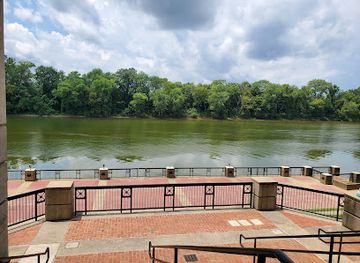
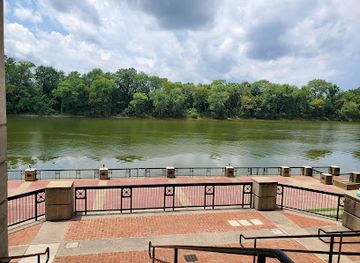
McGregor Park & Cumberland Riverwalk
Experience the tranquil beauty of McGregor Park & Cumberland Riverwalk, an urban oasis in Clarksville, Tennessee, perfect for families and nature lovers.
11 min walk · 0.9 km from city centre
-
Tourist attraction
McGregor Park & Cumberland Riverwalk
Discover the scenic beauty and recreational fun at McGregor Park & Cumberland Riverwalk in Clarksville, Tennessee, a perfect spot for outdoor enthusiasts and families.
11 min walk · 0.9 km from city centre
-
Tourist attraction
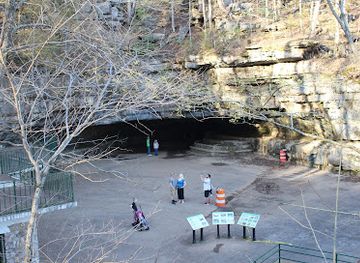
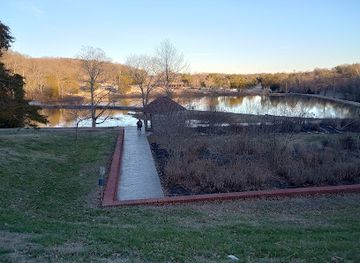
Dunbar Cave State Park
Discover the captivating charm of Dunbar Cave State Park in Clarksville, TN, where history meets breathtaking natural beauty.
21 min drive · 7.0 km from city centre
-
Rest stop
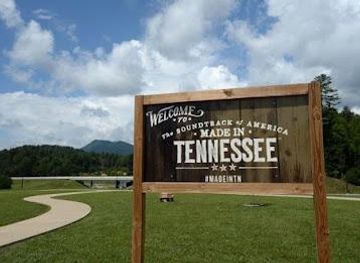
Tennessee Welcome Center
Discover the Tennessee Welcome Center in Clarksville, your essential stop for local insights and a comfortable break during your travels.
32 min drive · 12 km from city centre

Best landmarks in Clarksville
Clarksville's landmarks reflect its river-port origins, wartime importance and civic development. The Customs House Museum occupies a notable nineteenth-century federal building whose elaborate exterior signals the commercial confidence created by river trade and tobacco. Fort Defiance Civil War Park preserves a Confederate earthwork site on a bluff above the Cumberland and Red rivers, giving the landscape both military and geographical significance. The Smith-Trahern Mansion, an impressive nineteenth-century residence, represents the architectural ambitions of prosperous local families and is associated with the city's preservation work. Downtown's historic commercial buildings and public spaces provide a broader streetscape rather than a single monument, while the Roxy Regional Theatre occupies a former cinema building with a long connection to local performance. Austin Peay State University's historic campus adds an educational landmark, linking Clarksville's twentieth-century growth with its present cultural life.
-
American
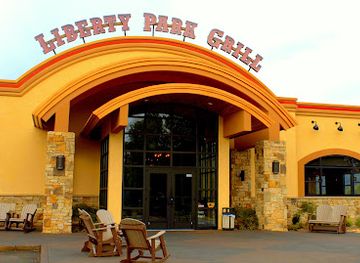
Liberty Park Grill
Discover Liberty Park Grill - a lakeside gem in Clarksville, TN, offering delicious American cuisine and a vibrant bar atmosphere for an unforgettable dining experience.
8 min drive · 2.6 km from city centre
-
Park
McGregor Park & Cumberland Riverwalk
Experience the natural beauty and rich history at McGregor Park & Cumberland Riverwalk in Clarksville, Tennessee, a perfect getaway for outdoor enthusiasts.
11 min walk · 0.9 km from city centre
-
State park
Dunbar Cave State Park
Discover the breathtaking beauty and rich history of Dunbar Cave State Park in Clarksville, Tennessee, where nature and adventure await.
21 min drive · 7.0 km from city centre
-
Brewpub
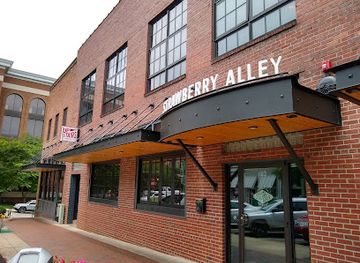
Strawberry Alley Ale Works
Experience the best of Clarksville at Strawberry Alley Ale Works, where craft beer meets delicious American cuisine in a vibrant brewpub atmosphere.
18 min walk · 1.5 km from city centre
Explore Clarksville on the map
Plan your Clarksville trip on one map. See where the top attractions, landmarks, restaurants, bars and hotels are, find what's near where you're staying, and book hotels and experiences in a few clicks.
Best hotels in Clarksville
Best restaurants in Clarksville
Clarksville's dining scene reflects Middle Tennessee's fondness for barbecue, fried catfish, burgers, biscuits and homestyle Southern cooking, with newer cafés and internationally influenced restaurants adding variety. Downtown is the main area for independent dining, coffee and casual evening meals, while Wilma Rudolph Boulevard and other commercial corridors contain a broader range of everyday restaurants. Barbecue traditions favour slow-cooked meat and regional sauces, and locally made desserts, baked goods and comfort-food plates are common parts of the culinary landscape. Farmers' markets and seasonal community markets provide opportunities to encounter Tennessee produce, preserves and prepared foods when operating. The city's university population supports inexpensive, informal places to eat, while the surrounding rural area keeps farm-to-table language and regional ingredients present without defining every menu. Dining is generally relaxed, with table-service tipping customary in restaurants where staff wait on guests.
-
Restaurant
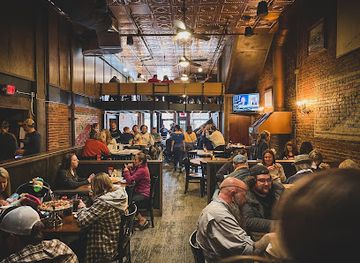
Blackhorse Pub & Brewery Clarksville
Savor craft brews and delicious pub fare at Blackhorse Pub & Brewery in Clarksville – a true taste of local flavor.
5 min drive · 1.6 km from city centre
-
Traditional American
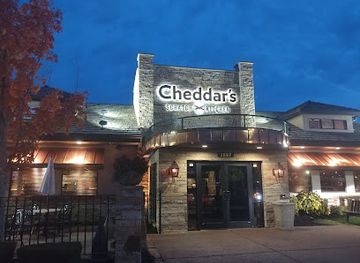
Cheddar's Scratch Kitchen
Experience authentic Southern comfort food at Cheddar's Scratch Kitchen in Clarksville – where every meal is made from scratch with love.
28 min drive · 9.5 km from city centre
-
Steak
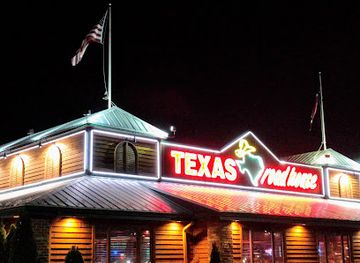
Texas Roadhouse
Experience mouthwatering steaks and Southern hospitality at Texas Roadhouse in Clarksville—where every meal is a celebration of flavor.
28 min drive · 9.2 km from city centre
-
American
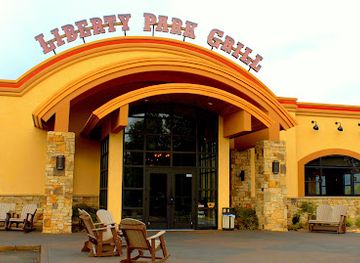
Liberty Park Grill
Experience delicious American cuisine at Liberty Park Grill in Clarksville, TN - where good food meets great company.
8 min drive · 2.6 km from city centre
Best bars in Clarksville
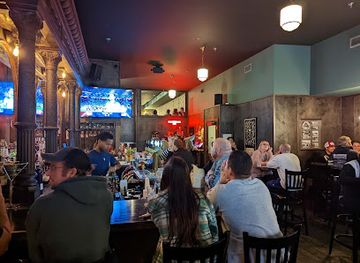
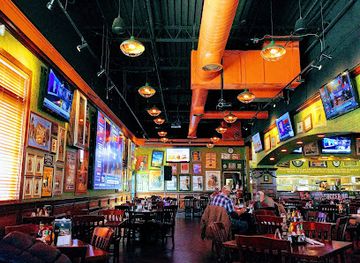
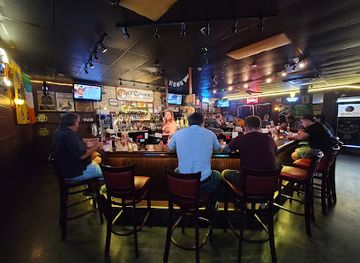
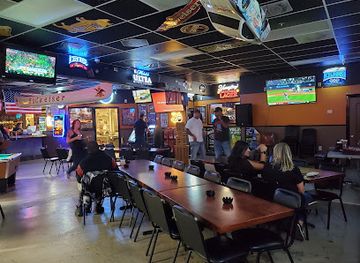
Clarksville's evening scene is concentrated rather than sprawling, with downtown providing the clearest mix of bars, taprooms, casual gathering places and live entertainment. Local breweries and beer-focused venues sit alongside restaurants with evening service, while music may range from acoustic performances to regional rock and country acts. The Roxy Regional Theatre offers a cultural alternative to bar-centred nightlife, presenting stage productions and other performances in the historic centre. Austin Peay State University brings occasional collegiate events and a younger audience, although the city does not have the dense club district associated with larger Tennessee destinations. Outside downtown, nightlife is more dispersed along major commercial roads and is easiest to reach by car or pre-arranged ride. Visitors should carry accepted identification, respect venue policies and plan transport before drinking, particularly because Clarksville is geographically spread out.
-
Bar
Blackhorse Pub & Brewery Clarksville
Discover the flavors of Clarksville at Blackhorse Pub & Brewery, where crafted beers and delicious food create the perfect dining experience.
5 min drive · 1.6 km from city centre
-
Pub
Tilted Kilt Pub and Eatery Clarksville, TN
Discover the lively Tilted Kilt Pub and Eatery in Clarksville, TN, where delicious food meets a spirited sports atmosphere.
28 min drive · 9.5 km from city centre
-
Bar
O'Connor's Pub
Experience the heart of Irish hospitality at O'Connor's Pub in Clarksville, where great food, live music, and unforgettable nights await.
33 min drive · 13 km from city centre
-
Pub
Tippers Neighborhood Pub Inc
Experience the lively atmosphere of Tippers Neighborhood Pub Inc in Clarksville, where friendly service meets delicious food and a great selection of drinks.
31 min drive · 11 km from city centre
Best nightclubs in Clarksville
Clarksville's evening scene is concentrated rather than sprawling, with downtown providing the clearest mix of bars, taprooms, casual gathering places and live entertainment. Local breweries and beer-focused venues sit alongside restaurants with evening service, while music may range from acoustic performances to regional rock and country acts. The Roxy Regional Theatre offers a cultural alternative to bar-centred nightlife, presenting stage productions and other performances in the historic centre. Austin Peay State University brings occasional collegiate events and a younger audience, although the city does not have the dense club district associated with larger Tennessee destinations. Outside downtown, nightlife is more dispersed along major commercial roads and is easiest to reach by car or pre-arranged ride. Visitors should carry accepted identification, respect venue policies and plan transport before drinking, particularly because Clarksville is geographically spread out.
-
Bar
Night Deposit
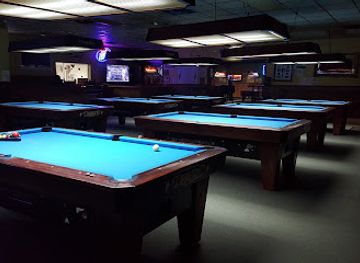
Experience the vibrant nightlife at Night Deposit, a lively bar in Clarksville, perfect for enjoying drinks, pool games, and local culture.
17 min walk · 1.4 km from city centre
-
Bar
Poor Man's Country Club
Discover the live music and vibrant atmosphere at Poor Man's Country Club, a top destination for affordable drinks in Clarksville, Tennessee.
18 min drive · 5.9 km from city centre
-
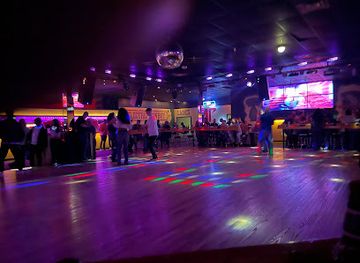
Night club
Electric Cowboy Clarksville
Discover the electrifying nightlife at Electric Cowboy Clarksville, a vibrant night club and bar perfect for a memorable evening out.
14 min walk · 1.1 km from city centre
-
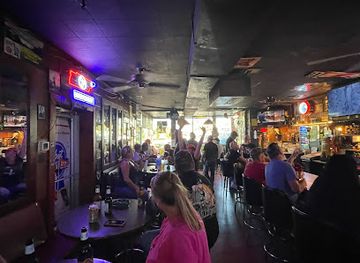
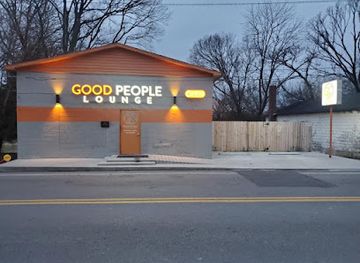
Lounge
Good People Lounge
Experience vibrant nightlife at Good People Lounge in Clarksville, TN, where handcrafted cocktails and live music create an unforgettable atmosphere.
8 min drive · 2.8 km from city centre
Best shops in Clarksville
Shopping in Clarksville is divided between modern commercial corridors and a smaller independent presence in the centre. Governor's Square Mall and the shops along Wilma Rudolph Boulevard provide mainstream retail, department-store-style shopping and everyday services, while Downtown Commons and nearby streets are better suited to locally owned boutiques, gifts, cafés and occasional pop-up events. The Clarksville Downtown Market, held seasonally when scheduled, brings regional makers, food producers and small businesses into a central community setting. Visitors may find Tennessee food products, handmade goods, artwork, vintage items and locally themed souvenirs rather than a single craft associated exclusively with Clarksville. Antique and specialist shopping is scattered through the wider city, so a car is useful for browsing beyond downtown. Market dates, participating traders and seasonal opening patterns can change, making local event information important.
-
Shopping mall
Governor's Square Mall
Discover an unparalleled shopping experience at Governor's Square Mall in Clarksville, TN, with diverse stores, dining, and entertainment for all ages.
30 min drive · 10 km from city centre
-
Shopping mall
Shoppes at Peachers Mill
Discover the ultimate shopping experience at The Shoppes at Peachers Mill, a vibrant destination with diverse stores and delicious dining options.
31 min drive · 11 km from city centre
-
Shopping mall
Austin Square Shopping Center Entrance
Discover the lively atmosphere of Austin Square Shopping Center in Clarksville, Tennessee, where shopping meets dining and entertainment.
27 min drive · 9.1 km from city centre
-
Shopping mall
Tradewinds North Shopping Center
Explore the vibrant Tradewinds North Shopping Center in Clarksville, TN—your ultimate shopping and dining destination in the heart of Tennessee.
17 min drive · 5.6 km from city centre

Get your free copy of our complete guide to Clarksville, delivered straight to you.
Everything on this page, from attractions and restaurants to essentials and local phrases, in one PDF you can read offline, print or share.
Already have an account? Sign in
Your Clarksville guide is ready.
We'll send it to · Not you? Sign out

Getting your guide ready…
We are putting together a fresh copy of the Clarksville guide. This can take up to a minute.
This can take a few moments. If your browser asks, choose Allow so the download can start. You'll find the guide in your Downloads folder.
Nothing happened? Download it again
Sorry, the guide is taking longer than usual. Please try again in a minute, or get it by email instead.
Clarksville essentials
Currency and Payment
Safety
Emergency Situations
Do's and Don'ts
Local Tips
From Eve
Local phrases worth knowing
You don't need to get them perfect. A few words go a long way, and locals appreciate the effort.
Basics
| English | Local | Say it |
|---|---|---|
| Hello | Howdy | [ˈhaʊ.di] |
| Goodbye | See ya | [siː jə] |
| Yes | Yep | [jɛp] |
| No | Nah | [nɑː] |
| Please/You're welcome | Please/No problem | [pliːz/nəʊ ˈprɒbləm] |
| Thank you | Thanks | [θæŋks] |
| Excuse me/Sorry | Pardon me/My bad | [ˈpɑːrdn mi/maɪ bæd] |
| How are you? | How y'all doin'? | [haʊ jɔːl ˈduːɪn] |
| Fine. And you? | Fine. How 'bout y'all? | [faɪn haʊ 'baʊt jɔːl] |
| Do you speak English? | Ya speak English? | [jə spiːk ˈɪŋɡlɪʃ] |
| I don't understand | I ain't gettin' it | [aɪ eɪnt ˈɡɛtɪn ɪt] |
Eating & Drinking
| English | Local | Say it |
|---|---|---|
| I'd like to see the menu, please | Can I check out the menu, please | [kæn aɪ ˈtʃɛk aʊt ðə ˈmɛnjuː pliːz] |
| I don't eat meat | I don't do meat | [aɪ doʊnt duː mit] |
| Cheers! | Cheers! | [ʧɪrz] |
| I would like to pay, please | I'll take the check, please | [aɪl teɪk ðə tʃɛk pliːz] |
Emergencies
| English | Local | Say it |
|---|---|---|
| Help! | Help! | [hɛlp] |
| Go away! | Git! | [ɡɪt] |
| Call the Police! | Call the cops! | [kɔl ðə kɒps] |
| Call a doctor! | Get me a doc! | [ɡɛt miː ə dɑk] |
| I'm lost | I'm turned around | [aɪm tɜrnd əˈraʊnd] |
| I'm ill | I'm feelin' sick | [aɪm ˈfilɪn sɪk] |
Shopping
| English | Local | Say it |
|---|---|---|
| I'd like to buy... | I'm lookin' to purchase... | [aɪm ˈlʊkɪn tuː ˈpɜːrtʃəs] |
| I'm just looking | I'm just browsin' | [aɪm ʤʌst ˈbraʊsɪn] |
| How much is it? | How much does it run? | [haʊ mʌʧ ˈdʌz ɪt rʌn] |
| That's too expensive | That's a bit steep | [ðæts ə bɪt stip] |
| Can you lower the price? | Can ya drop it down some? | [kæn jə drɑp ɪt daʊn sʌm] |
Time & Numbers
| English | Local | Say it |
|---|---|---|
| What time is it? | What's the time? | [wɑːts ðə taɪm] |
| It's one o'clock | It's one | [ɪts wʌn] |
| Half past (10) | Ten-thirty | [tɛn-ˈθɜːrti] |
| Morning | Mornin' | [ˈmɔrnɪn] |
| Afternoon | Afternoon | [ˌæftərˈnuːn] |
| Evening | Evenin' | [ˈiːvnɪn] |
| Yesterday | Yest'day | [ˈjɛstdi] |
| Today | Today | [təˈdeɪ] |
| Tomorrow | Tomorrah | [təˈmɒrə] |
| 1 | One | [wʌn] |
| 2 | Two | [tuː] |
| 3 | Three | [θriː] |
| 4 | Four | [fɔːr] |
| 5 | Five | [faɪv] |
| 6 | Six | [sɪks] |
| 7 | Seven | [ˈsɛvən] |
| 8 | Eight | [eɪt] |
| 9 | Nine | [naɪn] |
| 10 | Ten | [tɛn] |
Transport & Directions
| English | Local | Say it |
|---|---|---|
| Where's a/the...? | Where's the...? | [wɛərz ðə] |
| What's the address? | Where's it at? | [wɛərz ɪt æt] |
| Can you show me (on the map)? | Can ya point it out (on the map)? | [kæn jə pɔɪnt ɪt aʊt ɒn ðə mæp] |
| When's the next (bus)? | When's the next (bus)? | [wɛnz ðə nɛkst] |
| A ticket (to ....) | A ticket (to ....) | [ə ˈtɪkɪt tuː] |
History of Clarksville
Native Landscapes Before Clarksville
Long before the modern city emerged, the Cumberland River valley supported Native communities whose presence is reflected in archaeological sites, travel routes and the region's enduring relationship with the river. Indigenous peoples used the waterways and fertile terraces for movement, trade, hunting and settlement. European-American expansion later altered these landscapes through treaties, warfare and displacement, as settlers and land speculators moved into Middle Tennessee. The river corridor's strategic value was already established by the time Revolutionary War veterans began forming the settlement that became Clarksville.
Foundation beside the Cumberland
Clarksville was founded in 1785 by Revolutionary War veterans who received land grants in the Cumberland region. The settlement was named after George Rogers Clark, the frontier military commander and elder brother of explorer William Clark. Its position near the junction of the Cumberland and Red rivers helped it develop as a trading centre, while the surrounding land attracted farmers and merchants. Clarksville was incorporated in 1795, and its early growth illustrates the wider transformation of Middle Tennessee from a contested frontier into an organised network of towns, farms and river communities.
Tobacco, River Commerce and Growth
During the nineteenth century, Clarksville became closely associated with dark-fired tobacco, a product cured over smoky fires that acquired a distinctive flavour and travelled through regional markets. Warehouses, merchants and river traffic connected the town with the wider Cumberland trade, bringing commercial prosperity as well as social change. Buildings in and around downtown preserve traces of this period, although the economic system depended on enslaved labour and the inequalities of the antebellum South. Clarksville's position on the river also encouraged links with Nashville and communities farther west.
Civil War Occupation and Fort Defiance
The Civil War disrupted Clarksville's commercial life and placed its river crossings at military importance. Union forces occupied the city in 1862, and Fort Defiance was established by Confederate troops on a bluff overlooking the Cumberland and Red rivers before the occupation. The earthworks at Fort Defiance Civil War Park remain among the clearest physical reminders of the period. The war brought military control, displacement and economic damage, while emancipation and post-war reconstruction gradually reshaped local institutions and the city's social order.
Reconstruction and Civic Institutions
After the Civil War, Clarksville rebuilt its commercial and civic life while adapting to changing agricultural markets and the decline of river trade as rail and road transport became increasingly important. Schools, churches, businesses and municipal institutions expanded during the late nineteenth and early twentieth centuries. The town's surviving mansions, commercial buildings and public structures reflect this era of civic confidence. African American residents also created enduring religious, educational and business institutions despite segregation and discrimination, contributing substantially to Clarksville's cultural history.
A Modern City with Military and University Connections
The twentieth century brought new layers of identity through education, industry and the nearby military presence at Fort Campbell, whose main post lies across the Kentucky state line. Austin Peay State University, established in 1927, became a major educational and cultural institution in Clarksville. Roads and suburban development expanded the city beyond its historic core, while museums, restored buildings and heritage parks preserved elements of its earlier story. Today, Clarksville combines the scale of a growing regional city with visible reminders of its river port, tobacco, Civil War and university past.
Clarksville in Photos
Browse through our photo collection highlighting the charm and character of the destination.
Cities near Clarksville
The closest cities to Clarksville, if you have time for more than one stop.
-

-

-
-

-


Swipe for more cities
Explore more

Explore more of Tennessee
Discover Tennessee: A melting pot of music, history, and natural beauty, offering visitors an authentic taste of Southern hospitality and unforgettable experiences.
Explore Tennessee