

Free Phu Kradueng Travel Guide & Mobile App
Explore Phu Kradueng with free travel guides. Discover regional history, expert tips, proposed trips, and audio guides on web or mobile app.


Phu Kradueng in Loei offers forest trekking, sandstone viewpoints, cool-season camping and the distinctive flavours of north-eastern Thailand.
Read more about Phu Kradueng
When is the best time to visit Phu Kradueng?
Best: December–February · 27–30°C| Month | High (°C) | Rainfall (mm) |
|---|---|---|
| January (best) | 28 | 5 |
| February (best) | 30 | 10 |
| March | 33 | 20 |
| April | 35 | 40 |
| May | 33 | 100 |
| June | 33 | 150 |
| July | 31 | 200 |
| August | 31 | 200 |
| September | 31 | 150 |
| October | 30 | 100 |
| November | 28 | 40 |
| December (best) | 27 | 10 |
Getting to and around Phu Kradueng
How to get there
Transportation
Best attractions in Phu Kradueng
Phu Kradueng’s attractions are concentrated in and around Phu Kradueng National Park, whose main appeal is the transition from lowland road and forest to a high sandstone plateau. The ascent is itself the central activity, leading through changing woodland to the summit camping area. Once above the escarpment, visitors can walk to viewpoints such as Pha Nok Aen and Pha Lom Sak, explore open grassland around Wang Kwang and reach waterfalls and streams whose character changes with the seasons. The plateau is also a place for dawn walks, birdwatching and quiet observation of forest and meadow habitats, although wildlife should be viewed at a distance. The district outside the park offers a slower rural experience of Loei Province, with local food, markets, farms and small communities rather than a dense collection of purpose-built attractions. Outdoor visitors should plan around the park’s seasonal closure, walking distances and weather. Phu Kradueng is not a destination for fast sightseeing: its attractions are connected by trails, and a meaningful visit depends on allowing time for the climb, the plateau and the return journey.
-
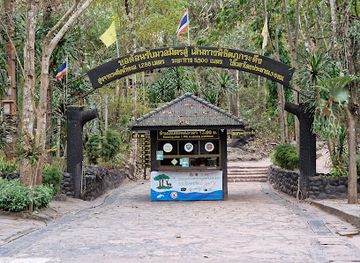
Phu Kradueng National Park
Discover the natural beauty and exhilarating hiking experiences at Phu Kradueng National Park, a highlight of Thailand's stunning landscapes.
-
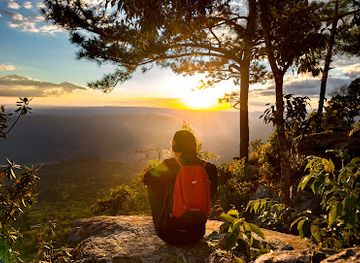
Lomsak Cliff
Discover the breathtaking views and natural beauty of Lomsak Cliff in Phu Kradueng National Park, a must-visit destination for nature enthusiasts.
-
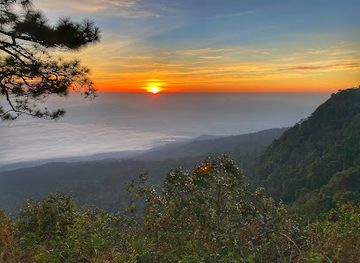
Nok Aen Cliff
Discover the breathtaking beauty of Nok Aen Cliff in Phu Kradueng National Park, a perfect spot for sunrise views and nature lovers.
-
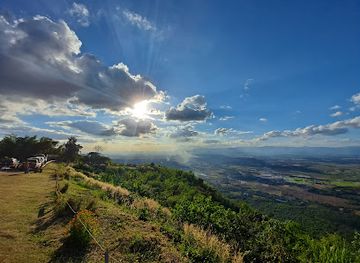
Tat Mok National Park
Discover the breathtaking landscapes, diverse wildlife, and cultural heritage at Tat Mok National Park in Phetchabun, Thailand.
Best landmarks in Phu Kradueng
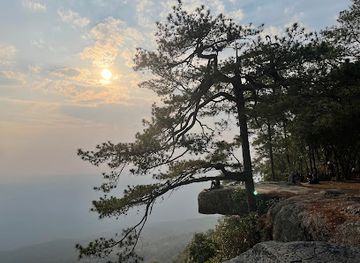
Phu Kradueng’s defining landmark is the elevated sandstone plateau protected by Phu Kradueng National Park, a distinctive landform rising above the surrounding country of Loei. The mountain’s summit landscape is marked by escarpments, pine woodland, grassland and exposed rock rather than monumental architecture. Pha Lom Sak is the best-known natural feature, projecting from the plateau as a dramatic viewpoint and a visual symbol of the park. Pha Nok Aen is another significant escarpment, especially associated with sunrise over the lower landscape. Wang Kwang meadow provides a broad open contrast to the surrounding forest and forms a familiar reference point for visitors camping on the plateau. The long trail from the park entrance to the summit is also part of the mountain’s identity: there is no road shortcut to these landmarks. Their importance is geographical and ecological as much as scenic, representing the highland environment that led to the area’s national-park protection and continuing appeal to Thai trekkers.
-
National park
Phu Kradueng National Park
Explore the breathtaking landscapes and diverse wildlife at Phu Kradueng National Park, Thailand's premier destination for hiking and nature adventures.
-
National park
Nam Nao National Park
Discover the breathtaking landscapes and diverse wildlife of Nam Nao National Park, a true haven for nature lovers in Thailand's Phetchabun province.
-
Park
Hin Pha Ngam Park
Discover the stunning landscapes and vibrant flora at Hin Pha Ngam Park, a serene escape in Loei, Thailand's natural paradise.
-
Tourist attraction
Lomsak Cliff
Discover the stunning vistas and rich biodiversity at Lomsak Cliff in Phu Kradueng National Park, a must-visit destination for nature lovers and adventure seekers.
Explore Phu Kradueng on the map
Plan your trip on one map. See where the top cities, national parks and sights are, and book hotels and experiences in a few clicks.
Best hotels in Phu Kradueng
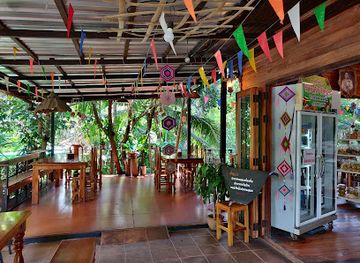
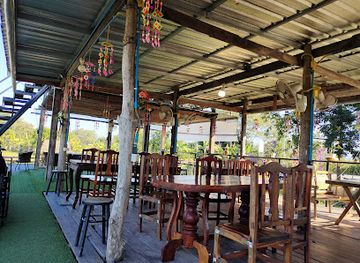
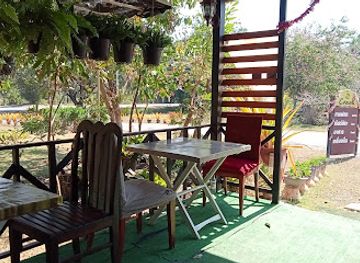
Best restaurants in Phu Kradueng
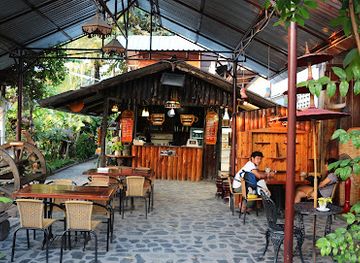
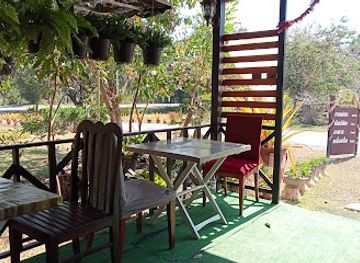
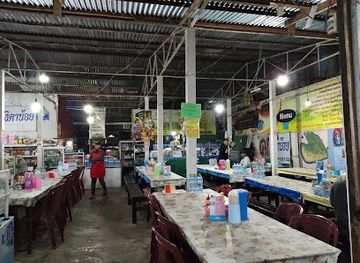
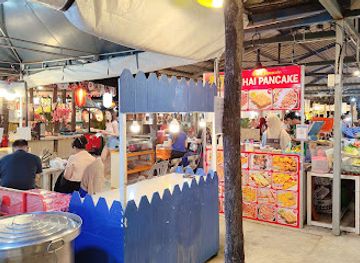
Dining in Phu Kradueng is informal and closely connected with the food culture of Isan and Loei. Small restaurants, market stalls and local eateries commonly serve sticky rice with grilled chicken or pork, som tam, spicy minced-meat salads, herbal soups and stir-fried dishes, alongside familiar Thai staples. In the district, meals are generally practical and affordable rather than elaborate, with flavours that may be strongly spicy, sour, salty or herbaceous; visitors can request milder seasoning. Food available near the national park and on the plateau is geared towards trekkers, so choices are simpler and supplies more limited than in a major city. Carrying snacks and water is sensible, while rubbish should be taken to designated collection points. Regional produce and rice-based dishes are more representative of the area’s everyday food traditions than a single signature speciality. Guesthouses and local restaurants provide opportunities to eat at an unhurried pace, and asking for a dish prepared in the local style can reveal the connection between Phu Kradueng and the broader culinary identity of north-eastern Thailand.
-
Restaurant
Jae Kim
Discover authentic Thai flavors at Jae Kim in Phu Kradueng District – a culinary haven surrounded by nature's beauty.
-
Restaurant
The Platform
Discover the flavors of Thailand at The Platform - A charming restaurant and café nestled in Phu Kradueng District offering local delicacies.
-
Restaurant
เดอะ ครีก วิลล่า The creek villa ที่พัก ร้านอาหาร คาเฟ่ และของฝาก
Experience serene dining and cozy accommodations at The Creek Villa in Phu Kradueng District, where nature meets culinary delight.
-
Cafe
ChompooMameaw
Discover ChompooMameaw: A delightful café in Phu Kradueng serving authentic Thai flavors amidst stunning natural beauty.

Best bars in Phu Kradueng
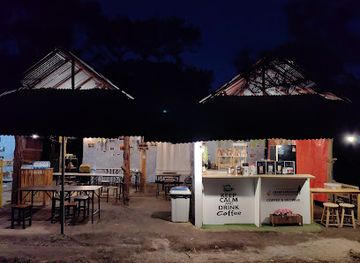
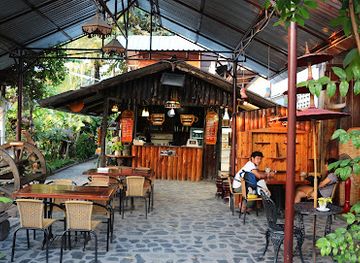
Phu Kradueng has little in the way of conventional nightlife, and evening activity centres on local restaurants, small cafés, informal beer gardens and simple gatherings in the district rather than nightclubs. The town can be quiet after dinner, particularly outside the main trekking season. Visitors staying near the national park generally spend the evening preparing for an early ascent, eating at basic establishments or enjoying the cooler air rather than seeking a late-night entertainment district. Alcohol is not permitted in the national park where park regulations prohibit it, and visitors should follow current ranger guidance. The social atmosphere is more rural and local than that of Thailand’s major tourist centres, with conversation, food and occasional music providing the main evening experience. Those wanting a wider choice of bars, live music or late venues will find more options in larger cities outside the Phu Kradueng region, but travelling there and back is not practical as part of a short mountain visit.
-
Restaurant
Jae Kim
Experience authentic Thai cuisine at Jae Kim Restaurant in Phu Kradueng District, a culinary haven for adventurous travelers.
-
Restaurant
The Platform
Discover the flavors of Phu Kradueng at The Platform, a delightful restaurant and café offering a cozy atmosphere and diverse menu in the heart of Loei Province.
-
Restaurant
ส่วง
Discover the flavors of Thailand at Suwang, a charming restaurant in Loei offering authentic dishes in a welcoming atmosphere.
-
เดอะ ครีก วิลล่า The creek villa ที่พัก ร้านอาหาร คาเฟ่ และของฝาก
Experience the tranquility of The Creek Villa, a perfect blend of dining, accommodation, and local culture in Phu Kradueng, Thailand.
Best nightclubs in Phu Kradueng
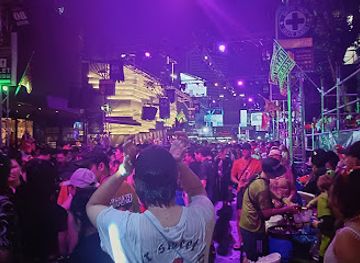
Phu Kradueng has little in the way of conventional nightlife, and evening activity centres on local restaurants, small cafés, informal beer gardens and simple gatherings in the district rather than nightclubs. The town can be quiet after dinner, particularly outside the main trekking season. Visitors staying near the national park generally spend the evening preparing for an early ascent, eating at basic establishments or enjoying the cooler air rather than seeking a late-night entertainment district. Alcohol is not permitted in the national park where park regulations prohibit it, and visitors should follow current ranger guidance. The social atmosphere is more rural and local than that of Thailand’s major tourist centres, with conversation, food and occasional music providing the main evening experience. Those wanting a wider choice of bars, live music or late venues will find more options in larger cities outside the Phu Kradueng region, but travelling there and back is not practical as part of a short mountain visit.
-
Night club
Illuzion Phuket
Immerse yourself in the vibrant nightlife of Phuket at Illuzion, where unforgettable parties and world-class entertainment await.
-
Night club
Route66
Discover Route66, a premier night club in Bangkok featuring vibrant music, exquisite cocktails, and unforgettable nightlife experiences.
-
ONYX
Discover the electric atmosphere and vibrant nightlife at ONYX, Bangkok's premier night club for unforgettable parties and entertainment.
-
Night club
Venti Nightclub
Experience the heartbeat of Bangkok nightlife at Venti Nightclub, where the music is loud, the drinks are flowing, and the fun never stops.



Best shops in Phu Kradueng
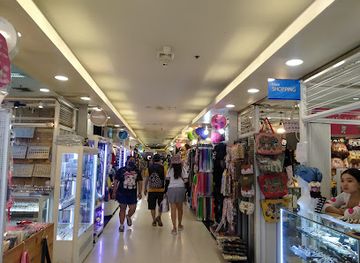
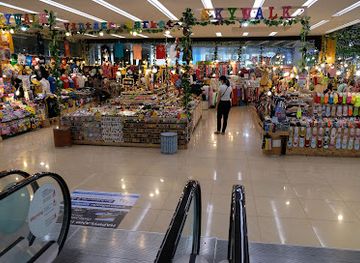
Shopping in Phu Kradueng is modest and practical, centred on the district town, local markets, small shops and food stalls rather than large retail complexes. Visitors can buy snacks, fruit, drinks, basic trekking supplies and simple meals before entering the national park, where choice becomes limited and prices or availability may vary with the season. Local food products and packaged snacks make more useful souvenirs than generic resort merchandise, while small rural shops provide a glimpse of everyday commerce in Loei. Travellers should carry cash for market purchases and avoid assuming that village vendors accept cards. The region is not primarily a craft-shopping destination, and its strongest retail character lies in locally prepared food, agricultural produce and supplies for mountain trips. Buying from small businesses in the district can support the communities that provide transport, accommodation and services connected with the park, provided that purchases are made without encouraging the removal of protected plants, wildlife or natural materials.
-
Shopping mall
The Platinum Fashion Mall
Explore Bangkok's ultimate shopping destination at The Platinum Fashion Mall, where style meets unbeatable prices in a vibrant atmosphere.
-
National park
Phu Kradueng National Park
Explore Phu Kradueng National Park: A breathtaking natural wonder in Thailand with stunning views, diverse wildlife, and unforgettable hiking experiences.
-
Market
Ao Nang Landmark Night Market
Discover the bustling Ao Nang Landmark Night Market, where local culture, delicious street food, and vibrant shopping come together in a lively atmosphere.
-
Shopping mall
Happyland Center
Discover shopping, dining, and entertainment at Happyland Center in Bangkok – a vibrant hub for tourists and locals alike.
Get your free copy of our complete guide to Phu Kradueng, delivered straight to you.
Everything on this page, from attractions and restaurants to essentials and local phrases, in one PDF you can read offline, print or share.
Already have an account? Sign in
Your Phu Kradueng guide is ready.
We'll send it to · Not you? Sign out

Getting your guide ready…
We are putting together a fresh copy of the Phu Kradueng guide. This can take up to a minute.
This can take a few moments. If your browser asks, choose Allow so the download can start. You'll find the guide in your Downloads folder.
Nothing happened? Download it again
Sorry, the guide is taking longer than usual. Please try again in a minute, or get it by email instead.
Phu Kradueng essentials
Currency and Payment
Safety
Emergency Situations
Do's and Don'ts
Local Tips
From Eve
Local phrases worth knowing
You don't need to get them perfect. A few words go a long way, and locals appreciate the effort.
Basics
| English | Local | Say it |
|---|---|---|
| Hello | สวัสดี | [sawasdee] |
| Goodbye | ลาก่อน | [laa-gorn] |
| Yes | ใช่ | [chai] |
| No | ไม่ | [mai] |
| Please/You're welcome | กรุณา/ยินดีต้อนรับ | [karuna/yindi ton rap] |
| Thank you | ขอบคุณ | [khob khun] |
| Excuse me/Sorry | ขอโทษ | [kho thot] |
| How are you? | คุณสบายดีไหม? | [khun sa-baai dii mai?] |
| Fine. And you? | สบายดี แล้วคุณล่ะ? | [sa-baai dii laeo khun la?] |
| Do you speak English? | คุณพูดภาษาอังกฤษได้ไหม? | [khun phut phasa angkrit dai mai?] |
| I don't understand | ฉันไม่เข้าใจ | [chan mai khao jai] |
Eating & Drinking
| English | Local | Say it |
|---|---|---|
| I'd like to see the menu, please | ขอดูเมนูหน่อย | [kho duu menu noi] |
| I don't eat meat | ฉันไม่กินเนื้อ | [chan mai gin nuea] |
| Cheers! | ชนแก้ว! | [chon kaew!] |
| I would like to pay, please | ฉันอยากจ่ายเงิน | [chan yak jaai ngoen] |
Emergencies
| English | Local | Say it |
|---|---|---|
| Help! | ช่วยด้วย! | [chuai duay!] |
| Go away! | ไปให้พ้น! | [bpai hai pon!] |
| Call the Police! | เรียกตำรวจ! | [riak tamruat!] |
| Call a doctor! | เรียกหมอ! | [riak mor!] |
| I'm lost | ฉันหลงทาง | [chan long thaang] |
| I'm ill | ฉันป่วย | [chan bpuaai] |
Shopping
| English | Local | Say it |
|---|---|---|
| I'd like to buy... | ฉันอยากซื้อ... | [chan yak seu...] |
| I'm just looking | ฉันแค่ดู | [chan kae duu] |
| How much is it? | ราคาเท่าไหร่? | [raakha thao rai?] |
| That's too expensive | แพงเกินไป | [phaeng gern bpai] |
| Can you lower the price? | ลดราคาได้ไหม? | [lot raakha dai mai?] |
Time & Numbers
| English | Local | Say it |
|---|---|---|
| What time is it? | ตอนนี้กี่โมง? | [ton nii gii mong?] |
| It's one o'clock | ตอนนี้หนึ่งโมง | [ton nii neung mong] |
| Half past (10) | สิบโมงครึ่ง | [sip mong khreung] |
| Morning | เช้า | [chao] |
| Afternoon | บ่าย | [baai] |
| Evening | เย็น | [yen] |
| Yesterday | เมื่อวาน | [meu-waan] |
| Today | วันนี้ | [wan nii] |
| Tomorrow | วันพรุ่งนี้ | [wan phrung nii] |
| 1 | หนึ่ง | [neung] |
| 2 | สอง | [song] |
| 3 | สาม | [sarm] |
| 4 | สี่ | [si] |
| 5 | ห้า | [haa] |
| 6 | หก | [hok] |
| 7 | เจ็ด | [jet] |
| 8 | แปด | [bpaaet] |
| 9 | เก้า | [kao] |
| 10 | สิบ | [sip] |
Transport & Directions
| English | Local | Say it |
|---|---|---|
| Where's a/the...? | ที่ไหนมี...? | [thi nai mee...?] |
| What's the address? | ที่อยู่คืออะไร? | [thi yuu khue arai?] |
| Can you show me (on the map)? | ช่วยชี้ให้ดู (บนแผนที่) ได้ไหม? | [chuai chii hai duu (bon phaen thi) dai mai?] |
| When's the next (bus)? | รถบัสคันถัดไปเมื่อไหร่? | [rot bas khan that bpai meu rai?] |
| A ticket (to ....) | ตั๋ว (ไป....) | [tuaa (bpai....)] |
History of Phu Kradueng
The Sandstone Highland and Early Settlement
Phu Kradueng’s physical history begins with the sandstone plateau and escarpments that distinguish it from the surrounding lowlands. The high ground, forest and seasonal watercourses shaped how people used the area, while communities in the wider Loei region depended historically on farming, forest products and local trade. The mountain’s isolation helped preserve a landscape different from the settled plains below. Although Phu Kradueng is better known for natural than monumental archaeology, its history is inseparable from the long relationship between upland forests, village communities and the agricultural settlements around the mountain.
Loei and the Wider Isan Frontier
The district formed part of the cultural zone of north-eastern Thailand, commonly known as Isan, whose communities have long maintained close linguistic and culinary links with neighbouring areas of Laos. Loei’s position among uplands, river valleys and routes across the north-east gave it a frontier character within the Thai kingdom. Administration became more closely integrated into the modern Thai state during the nineteenth and early twentieth centuries, as provincial boundaries, roads and government services developed. These changes connected Phu Kradueng’s rural communities more firmly with Loei and the national economy.
Agriculture and Village Economies
For much of the modern period, the lower country around Phu Kradueng was shaped by small-scale agriculture, especially rice cultivation and mixed rural production. Access to forests and upland resources also influenced household economies, although changing conservation rules later restricted many traditional uses within protected areas. Villages around the mountain developed services for travellers gradually rather than through large-scale resort construction. Local markets, food stalls, transport services and guesthouses remain important parts of the district’s visitor economy.
Phu Kradueng National Park, Established 1962
Phu Kradueng National Park was established in 1962, making it one of Thailand’s early national parks. Protection placed the plateau’s forests, grasslands, waterfalls and wildlife within a national conservation framework. It also created the basis for organised trekking and camping, with trails, ranger facilities and visitor rules replacing more informal access. The park’s importance lies not only in scenery but in protecting a high-elevation ecological island within a more intensively used agricultural region.
The Rise of Domestic Trekking
Phu Kradueng became especially important in Thailand’s domestic travel culture as trekking and overnight camping gained popularity. The mountain’s long ascent, summit viewpoints and cool weather offered a physically demanding alternative to lowland sightseeing. Generations of Thai visitors have treated the climb as a memorable personal challenge, while park staff and local service providers developed systems for carrying supplies and supporting visitors on the plateau. This history explains why the destination can feel culturally significant to Thai travellers even though its attractions are primarily natural.
Conservation and Managed Access
Contemporary Phu Kradueng is defined by the balance between public access and environmental protection. Seasonal closure allows the park to manage visitor pressure during difficult weather and ecological recovery periods, while restrictions on fires, litter, wildlife disturbance and off-trail walking protect the plateau. Tourism remains concentrated around the established route and camping area rather than spread indiscriminately across the mountain. The district’s future as a destination depends on maintaining that balance while ensuring that nearby communities continue to benefit from visitors.
Phu Kradueng in Photos
Browse through our photo collection highlighting the charm and character of the destination.
Neighbouring regions of Phu Kradueng
The closest regions to Phu Kradueng, if you have time for more than one.
-

-

-

-

-


Swipe for more regions
Explore more
Explore more of Thailand
Discover Thailand: A land of diverse landscapes, rich culture, and warm hospitality, where ancient traditions blend seamlessly with modern attractions.
Explore Thailand