

Free Northeastern Thailand (Isan) Travel Guide & Mobile App
Explore Northeastern Thailand (Isan) with free travel guides. Discover regional history, expert tips, proposed trips, and audio guides on web or mobile app.


Explore Isan’s Khmer sanctuaries, Mekong towns, prehistoric sites, forest parks and distinctive northeastern Thai food across a vast plateau.
Read more about Northeastern Thailand (Isan)
When is the best time to visit Northeastern Thailand (Isan)?
Best: December–February · 28–32°C| Month | High (°C) | Rainfall (mm) |
|---|---|---|
| January (best) | 30 | 5 |
| February (best) | 32 | 10 |
| March | 35 | 19 |
| April | 37 | 65 |
| May | 35 | 150 |
| June | 33 | 160 |
| July | 32 | 170 |
| August | 32 | 180 |
| September | 32 | 170 |
| October | 31 | 130 |
| November | 30 | 50 |
| December (best) | 28 | 10 |
Getting to and around Northeastern Thailand (Isan)
How to get there
Transportation
Top city travel guides in Northeastern Thailand (Isan)
The cities of Northeastern Thailand (Isan), and the easiest places to base yourself.
-
-

-

-

-

-


Swipe for more cities
Destinations in Northeastern Thailand (Isan)
Resorts, valleys and scenic spots worth a trip of their own.
-

-

-

-


Swipe for more destinations
Best attractions in Northeastern Thailand (Isan)
Isan’s attractions range from prehistoric archaeology and Khmer architecture to forest parks, Mekong scenery and lively provincial markets. Ban Chiang Archaeological Site and its museum near Udon Thani introduce an important prehistoric settlement and metalworking tradition, while Phimai Historical Park, Phanom Rung and Muang Tam preserve different expressions of Khmer religious and political architecture. Nature is equally important: Pha Taem National Park offers cliff-top views over the Mekong, sandstone formations and ancient rock paintings, while the highlands and forests around Loei, Chaiyaphum and Nakhon Ratchasima provide hiking, viewpoints and seasonal waterfalls. The region’s towns add museums, temples, fresh markets and contemporary cafés rather than a single concentrated sightseeing district. Nong Khai and other Mekong communities are suited to riverside walks and borderland landscapes, while local festivals, mor lam performances and temple fairs reveal living culture beyond formal monuments. Because attractions are widely distributed, the best itineraries usually focus on one corridor or province instead of treating the whole northeast as a compact circuit.
-
Tourist attraction
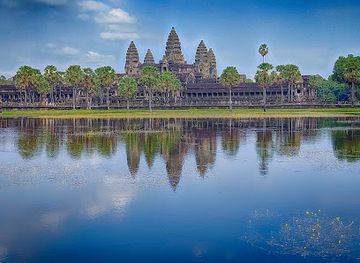
Angkor Wat
Discover the wonders of Angkor Wat, the world’s largest religious monument and a masterpiece of Khmer architecture in Cambodia.
-
Tourist attraction
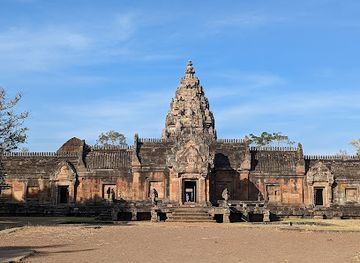
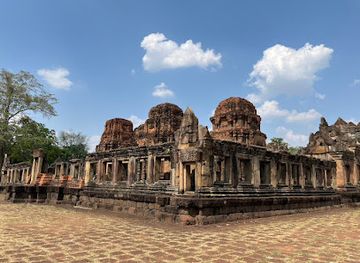
Phanom Rung Historical Park
Discover the majestic Phanom Rung Historical Park, an ancient Khmer temple complex surrounded by stunning natural beauty in Thailand's Isaan region.
-
Buddhist temple
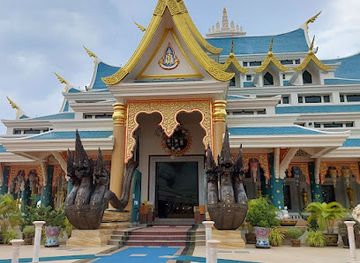
Wat Pa Phu Kon
Discover the tranquil beauty and spiritual serenity of Wat Pa Phu Kon, a stunning Buddhist temple in Udon Thani, Thailand.
-
Tourist attraction
Prasat Muang Tam
Explore the stunning Prasat Muang Tam, a historical landmark in Thailand showcasing exquisite Khmer architecture and serene landscapes.
Best landmarks in Northeastern Thailand (Isan)
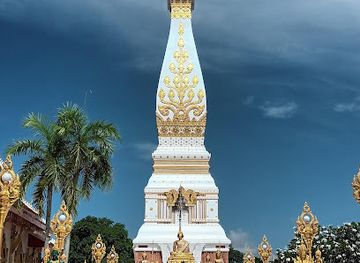
Phimai Historical Park in Nakhon Ratchasima is one of Isan’s most important architectural landmarks, with a major sandstone sanctuary whose aligned gateway and terraces reflect its connection to the Khmer world. In Buriram, Phanom Rung stands on an extinct volcanic ridge and is noted for its elevated approach, carved lintels and carefully composed temple complex; nearby Muang Tam has a lower, more enclosed arrangement around ponds and sanctuaries. Ban Chiang’s archaeological remains and museum mark a different kind of landmark, preserving the memory of prehistoric settlement rather than monumental stone architecture. Along the eastern edge, Pha Taem’s sandstone cliffs form a natural and cultural landmark above the Mekong, with prehistoric paintings on sheltered rock surfaces. The Mekong itself is a defining geographical landmark, particularly around Nong Khai, Nakhon Phanom, Mukdahan and Ubon Ratchathani, where riverfront promenades, escarpments and changing light establish the region’s borderland character.
-
Buddhist temple
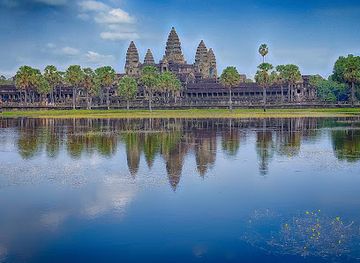
Angkor Wat
Discover the grandeur of Angkor Wat, a breathtaking UNESCO World Heritage site showcasing the brilliance of ancient Khmer architecture in Cambodia.
-
Buddhist temple
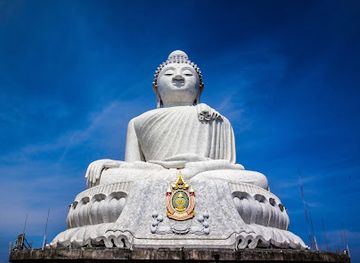
The Big Buddha, Phuket
Discover tranquility and breathtaking views at Phuket's iconic Big Buddha, a spiritual landmark and cultural treasure of Thailand.
-
National park
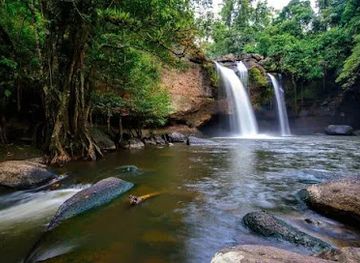
Khao Yai National Park
Discover the breathtaking landscapes and diverse wildlife of Khao Yai National Park, a must-visit destination for nature lovers and adventure seekers in Thailand.
-
Buddhist temple
Wat Phrathat Phanom Woramahawihan
Discover the spiritual heart of Nakhon Phanom at Wat Phrathat Phanom Woramahawihan, a breathtaking Buddhist temple steeped in rich history and tradition.
Explore Northeastern Thailand (Isan) on the map
Plan your trip on one map. See where the top cities, national parks and sights are, and book hotels and experiences in a few clicks.
Best hotels in Northeastern Thailand (Isan)
Best restaurants in Northeastern Thailand (Isan)
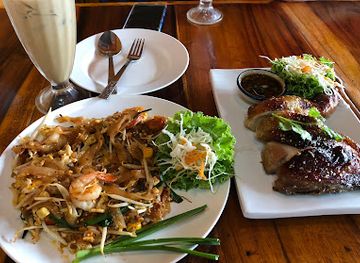
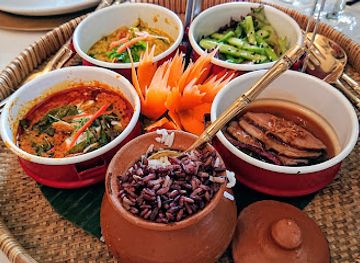
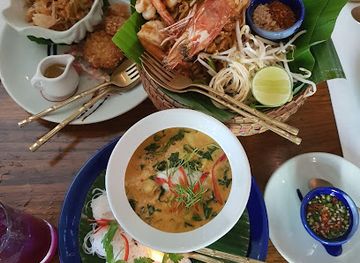
Eating is one of the clearest ways to understand Isan, whose cuisine is now popular throughout Thailand but has its strongest everyday expression in northeastern markets and family-run eateries. Sticky rice is the customary accompaniment to dishes such as som tam, larb, nam tok, grilled chicken and spicy herb relishes, while pla ra, fermented fish, provides a distinctive savoury depth in many preparations. Recipes vary by province and household, with Khmer and Lao influences especially noticeable in parts of the southern and Mekong-facing northeast. Khon Kaen, Udon Thani, Nakhon Ratchasima and Ubon Ratchathani offer the broadest choice of restaurants, cafés and modern interpretations, while smaller towns are excellent for morning markets, grilled meats, noodle shops and simple rice dishes. Vegetarian visitors should explain their requirements clearly, as fish sauce, shrimp paste and fermented fish are common ingredients. Local fruit, grilled bananas, sweet snacks and regional rice products provide useful alternatives between larger meals.
-
Thai
Northeast
Discover authentic Northeastern Thai flavors at Northeast Restaurant in Bangkok - a culinary gem celebrating Isaan cuisine.
-
Thai
Blue Elephant Bangkok Sathorn Cooking School & Restaurant
Experience authentic Thai cuisine at Blue Elephant Bangkok Sathorn – where culinary tradition meets modern elegance.
-
Thai
Blue Elephant Phuket Cooking School & Restaurant
Discover authentic Thai cuisine at Blue Elephant Phuket – where cooking classes meet exquisite dining in an enchanting setting.
-
Restaurant
Natural Restaurant
Experience authentic Thai cuisine at Natural Restaurant in Phuket, where fresh ingredients meet traditional flavors in a serene setting.
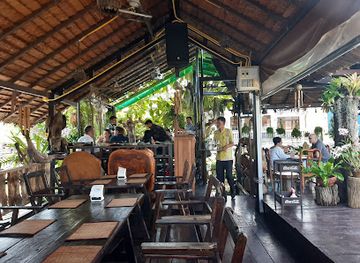
Best bars in Northeastern Thailand (Isan)
Nightlife in Isan is generally sociable and local rather than dominated by large club districts. Provincial capitals such as Khon Kaen, Udon Thani, Nakhon Ratchasima and Ubon Ratchathani have the widest choice of beer bars, karaoke rooms, cafés, live-music venues and restaurants that stay open into the evening. University areas can have a younger atmosphere, while riverside towns such as Nong Khai favour relaxed restaurants and bars with views across or along the Mekong. Mor lam and luk thung, a popular Thai country music style, are important parts of regional entertainment and may be heard at concerts, festivals and local venues. Smaller towns usually centre their evening life on markets, family restaurants, temple fairs and modest pubs rather than nightclubs. Opening arrangements and venue status change frequently, so accommodation staff or local listings are more reliable than old guidebooks.
-
Plaza
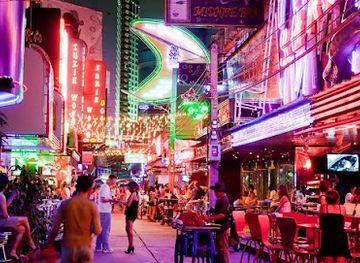
Nana Plaza
Explore Nana Plaza, Bangkok's vibrant nightlife hub, where bars and go-go clubs offer an unforgettable experience filled with energy and excitement.
-
Bar
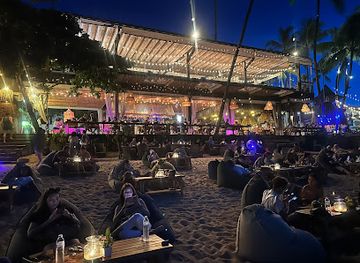
Coco Tam’s
Experience the vibrant nightlife and exquisite beachfront dining at Coco Tam's, a premier bar and restaurant in Ko Samui, Thailand.
-
Bar
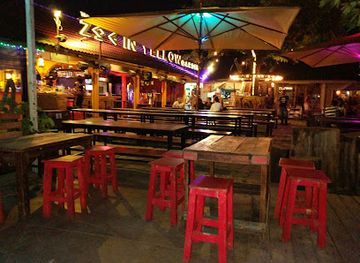
Zoe in Yellow
Experience the vibrant nightlife at Zoe in Yellow, Chiang Mai's premier bar and nightclub, where music, drinks, and fun come together.
-
Bar
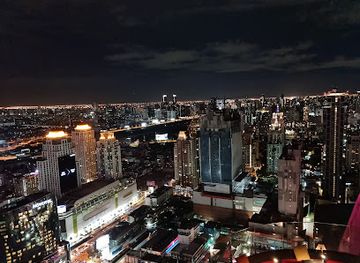
Red Sky
Experience breathtaking views and exquisite dining at Red Sky, Bangkok's top rooftop bar and restaurant, where culinary excellence meets skyline splendor.
Best nightclubs in Northeastern Thailand (Isan)
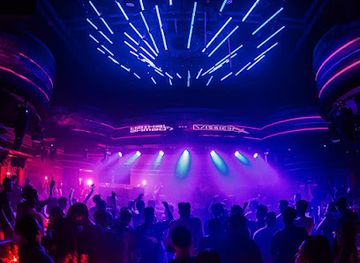
Nightlife in Isan is generally sociable and local rather than dominated by large club districts. Provincial capitals such as Khon Kaen, Udon Thani, Nakhon Ratchasima and Ubon Ratchathani have the widest choice of beer bars, karaoke rooms, cafés, live-music venues and restaurants that stay open into the evening. University areas can have a younger atmosphere, while riverside towns such as Nong Khai favour relaxed restaurants and bars with views across or along the Mekong. Mor lam and luk thung, a popular Thai country music style, are important parts of regional entertainment and may be heard at concerts, festivals and local venues. Smaller towns usually centre their evening life on markets, family restaurants, temple fairs and modest pubs rather than nightclubs. Opening arrangements and venue status change frequently, so accommodation staff or local listings are more reliable than old guidebooks.
-
Night club
Illuzion Phuket
Immerse yourself in the electrifying nightlife of Illuzion Phuket, a top nightclub known for its vibrant atmosphere and world-class DJs.
-
Night club
Club Insomnia
Discover the vibrant nightlife at Club Insomnia, Pattaya's top destination for unforgettable parties and electrifying music.
-
Disco club
RAAS CLUB PATTAYA
Dive into the pulsating nightlife at RAAS Club Pattaya, where music meets excitement on Walking Street.
-
Night club
Venti Nightclub
Discover the electrifying vibe of Venti Nightclub, a premier nightlife hotspot in Bangkok where unforgettable nights and dancing await.


Best shops in Northeastern Thailand (Isan)
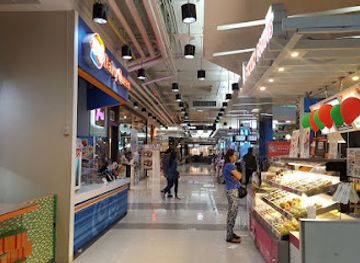
Shopping in Isan is rooted in fresh markets, provincial high streets and locally made goods rather than concentrated luxury retail. Khon Kaen, Udon Thani, Nakhon Ratchasima and Ubon Ratchathani have the broadest selection of department stores, modern shopping complexes and independent cafés, while smaller towns are better for morning markets and everyday regional produce. Silk is particularly associated with the northeast, with weaving traditions found in several provinces; visitors should ask about the origin, materials and care of a piece rather than assuming every textile is locally made. Markets also sell sticky rice baskets, ceramics, woven bags, dried foods, chilli pastes, fermented products and seasonal fruit. In Mekong towns, riverside markets may offer Lao-influenced snacks and household goods, though stock varies. Buy respectfully from craftspeople where possible, avoid purchasing protected wildlife or antiquities, and remember that archaeological objects from historic sites should never be removed.
-
Shopping mall
Central Udon
Discover a world of shopping, dining, and entertainment at Central Udon, the ultimate destination for tourists in Udon Thani.
-
Shopping mall
TUKCOM LANDMARK Udon Thani
Explore the dynamic TUKCOM LANDMARK in Udon Thani, where shopping, dining, and entertainment converge for an unforgettable experience.
-
Shopping mall
Premium Outlet
Discover unbeatable deals and a wide variety of brands at Udon Thani's Premium Outlet, the ultimate shopping destination for tourists.
-
Shopping mall
Ruen Thai Souvenirs
Explore Ruen Thai Souvenirs in Phuket, where authentic Thai crafts and local delicacies come together to create a unique shopping experience.

Get your free copy of our complete guide to Northeastern Thailand (Isan), delivered straight to you.
Everything on this page, from attractions and restaurants to essentials and local phrases, in one PDF you can read offline, print or share.
Already have an account? Sign in
Your Northeastern Thailand (Isan) guide is ready.
We'll send it to · Not you? Sign out

Getting your guide ready…
We are putting together a fresh copy of the Northeastern Thailand (Isan) guide. This can take up to a minute.
This can take a few moments. If your browser asks, choose Allow so the download can start. You'll find the guide in your Downloads folder.
Nothing happened? Download it again
Sorry, the guide is taking longer than usual. Please try again in a minute, or get it by email instead.
Northeastern Thailand (Isan) essentials
Currency and Payment
Safety
Emergency Situations
Do's and Don'ts
Local Tips
From Eve
Local phrases worth knowing
You don't need to get them perfect. A few words go a long way, and locals appreciate the effort.
Basics
| English | Local | Say it |
|---|---|---|
| Hello | สวัสดี | [sawasdee] |
| Goodbye | ลาก่อน | [laa gorn] |
| Yes | ใช่ | [chai] |
| No | ไม่ | [mai] |
| Please/You're welcome | กรุณา/ยินดีต้อนรับ | [karuna/yindi ton rap] |
| Thank you | ขอบคุณ | [khob khun] |
| Excuse me/Sorry | ขอโทษ | [kho thot] |
| How are you? | สบายดีไหม? | [sabai dee mai?] |
| Fine. And you? | สบายดี แล้วคุณ? | [sabai dee laeo khun?] |
| Do you speak English? | คุณพูดภาษาอังกฤษได้ไหม? | [khun phut phasa angkrit dai mai?] |
| I don't understand | ฉันไม่เข้าใจ | [chan mai khao jai] |
Eating & Drinking
| English | Local | Say it |
|---|---|---|
| I'd like to see the menu, please | ขอเมนูหน่อย | [kho menu noi] |
| I don't eat meat | ฉันไม่กินเนื้อ | [chan mai gin nuea] |
| Cheers! | ชนแก้ว! | [chon kaew!] |
| I would like to pay, please | ขอชำระเงินหน่อย | [kho chamra ngoen noi] |
Emergencies
| English | Local | Say it |
|---|---|---|
| Help! | ช่วยด้วย! | [chuai duay!] |
| Go away! | ไปให้พ้น! | [bpai hai pon!] |
| Call the Police! | โทรเรียกตำรวจ! | [tho riak tamruat!] |
| Call a doctor! | โทรเรียกหมอ! | [tho riak mor!] |
| I'm lost | ฉันหลงทาง | [chan long thang] |
| I'm ill | ฉันป่วย | [chan puai] |
Shopping
| English | Local | Say it |
|---|---|---|
| I'd like to buy... | ฉันอยากซื้อ... | [chan yak seu...] |
| I'm just looking | ฉันแค่ดู | [chan kae du] |
| How much is it? | ราคาเท่าไหร่? | [rakha thao rai?] |
| That's too expensive | แพงเกินไป | [paeng koen bpai] |
| Can you lower the price? | ลดราคาได้ไหม? | [lot rakha dai mai?] |
Time & Numbers
| English | Local | Say it |
|---|---|---|
| What time is it? | กี่โมงแล้ว? | [gee mong laeo?] |
| It's one o'clock | โมงหนึ่ง | [mong neung] |
| Half past (10) | สิบโมงครึ่ง | [sip mong khrung] |
| Morning | เช้า | [chao] |
| Afternoon | บ่าย | [bai] |
| Evening | ค่ำ | [kham] |
| Yesterday | เมื่อวาน | [meu waan] |
| Today | วันนี้ | [wan nee] |
| Tomorrow | พรุ่งนี้ | [prung nee] |
| 1 | หนึ่ง | [neung] |
| 2 | สอง | [song] |
| 3 | สาม | [sam] |
| 4 | สี่ | [si] |
| 5 | ห้า | [ha] |
| 6 | หก | [hok] |
| 7 | เจ็ด | [jet] |
| 8 | แปด | [paet] |
| 9 | เก้า | [kao] |
| 10 | สิบ | [sip] |
Transport & Directions
| English | Local | Say it |
|---|---|---|
| Where's a/the...? | ที่ไหนมี...? | [thi nai mee...?] |
| What's the address? | ที่อยู่คืออะไร? | [thi yoo kheu arai?] |
| Can you show me (on the map)? | ช่วยชี้ให้หน่อย (บนแผนที่)? | [chuai chee hai noi (bon phaen thi)?] |
| When's the next (bus)? | รถบัสคันถัดไปเมื่อไหร่? | [rot bas khan that bpai meu rai?] |
| A ticket (to ....) | ตั๋วไป... | [tua bpai...] |
History of Northeastern Thailand (Isan)
Prehistoric Ban Chiang and Early Metalworking
Ban Chiang, in Udon Thani province, is one of the most important archaeological sites in mainland Southeast Asia. Excavations revealed evidence of settled communities, pottery production, agriculture and metalworking extending over a long prehistoric period. Its burials and artefacts helped reshape understanding of early societies on the Khorat Plateau, although interpretations of exact dates and the development of bronze technology have been refined over time. The site and its museum provide an accessible introduction to the region’s deep human history and demonstrate that Isan was not a peripheral landscape but part of wider prehistoric networks.
Dvaravati Communities and Early Buddhism
From the first millennium CE, communities across the Khorat Plateau participated in cultural networks commonly associated with Dvaravati, a broad tradition of Buddhist art and settlement in central and northeastern Thailand. Archaeological remains include moated settlements, religious foundations, boundary stones and distinctive stone sculpture. The period was not a single unified kingdom, but it established patterns of agriculture, trade and Buddhist practice that influenced later societies. Objects and sites in provinces such as Roi Et, Maha Sarakham and Nakhon Ratchasima preserve traces of these early communities.
Khmer Rule and the Stone Sanctuaries
Between roughly the ninth and thirteenth centuries, much of the Khorat Plateau was connected to the Khmer political and religious world centred on Angkor. Roads, reservoirs and sanctuaries linked important settlements, while Hindu and later Buddhist beliefs shaped temple design. Phimai in Nakhon Ratchasima, Phanom Rung and Muang Tam in Buriram, and other regional sanctuaries preserve this architectural legacy. Their sandstone lintels, gateways and elevated plans show how Isan occupied an important position between the Khmer heartland and the territories farther west.
Lan Xang, Siam and the Mekong Frontier
The Mekong districts of present-day Isan developed through shifting relationships with Lao kingdoms, especially Lan Xang, and later with Siam. Towns such as Nong Khai, Nakhon Phanom and Ubon Ratchathani were shaped by river trade, migration, religious links and political competition. Lao-speaking communities became deeply established across the plateau, while administrative integration with Siam expanded during the nineteenth century. Modern national borders, formalised through agreements involving Siam and French Indochina, divided communities that had long shared cultural and economic connections across the Mekong.
Nineteenth-Century Administration and Migration
During the nineteenth and early twentieth centuries, Bangkok strengthened administrative control over northeastern territories. New provincial structures, taxation and official appointments reduced the autonomy of local rulers and brought Isan more firmly into the Siamese state. Population movement from the east bank of the Mekong, including migration following political upheavals and changing border arrangements, contributed to the region’s Lao cultural foundations. Roads, railways and government institutions later expanded state presence, while local communities retained distinct speech, ritual and food traditions.
Railways, Rice and the Modern Plateau
The arrival of railways and improved roads connected Isan more closely with Bangkok and other parts of Thailand. Agriculture remained central, particularly rice cultivation, but the region also experienced migration for work, changing land use and the growth of provincial towns. Nakhon Ratchasima became a major gateway to the northeast, while Khon Kaen, Udon Thani and Ubon Ratchathani developed as administrative, educational and commercial centres. The modern landscape still reflects this combination of expansive rural districts and increasingly urban provincial capitals.
The Cold War and Contemporary Isan
During the Cold War, northeastern Thailand was strategically important because of its proximity to Laos and the wider Indochinese conflicts. Road building, military infrastructure and development programmes altered many rural areas, while political and social tensions affected communities across the region. Since the late twentieth century, Isan has also become known for labour migration, lively local media, university expansion and the national influence of its cuisine and music. Contemporary Isan balances rapid urban change with strong village, religious and agricultural traditions.
Northeastern Thailand (Isan) in Photos
Browse through our photo collection highlighting the charm and character of the destination.
Neighbouring regions of Northeastern Thailand (Isan)
The closest regions to Northeastern Thailand (Isan), if you have time for more than one.
-

-

-

-

-


Swipe for more regions
Explore more
Explore more of Thailand
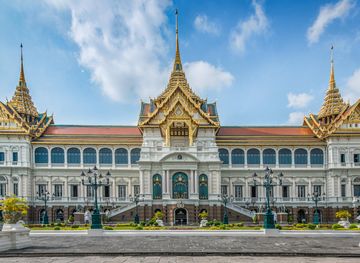
Discover Thailand: A land of diverse landscapes, rich culture, and warm hospitality, where ancient traditions blend seamlessly with modern attractions.
Explore Thailand