

Free Mekong River Region Travel Guide & Mobile App
Explore Mekong River Region with free travel guides. Discover regional history, expert tips, proposed trips, and audio guides on web or mobile app.


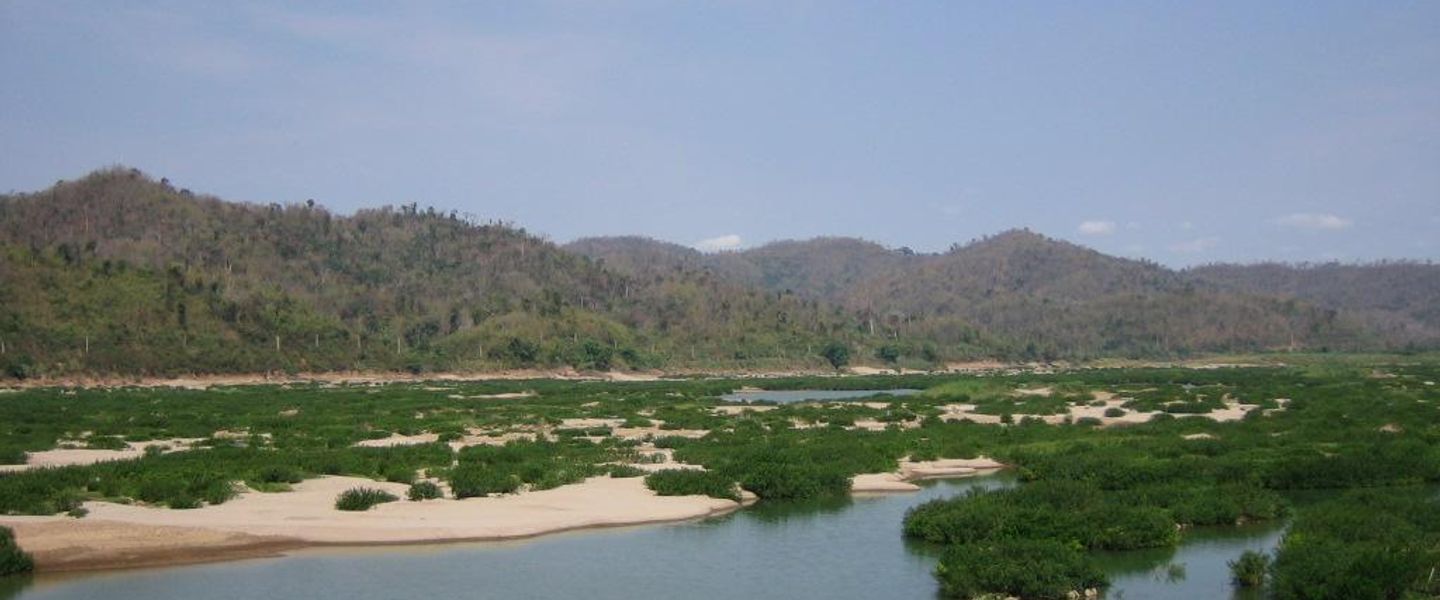


Discover the serene beauty and cultural richness of Thailand's Mekong River Region, where nature, tradition, and history converge.
Read more about Mekong River Region
When is the best time to visit Mekong River Region?
Best: December–February · 28–32°C| Month | High (°C) | Rainfall (mm) |
|---|---|---|
| January (best) | 30 | 7 |
| February (best) | 32 | 10 |
| March | 35 | 22 |
| April | 36 | 45 |
| May | 35 | 150 |
| June | 34 | 180 |
| July | 33 | 190 |
| August | 33 | 210 |
| September | 33 | 240 |
| October | 32 | 140 |
| November | 30 | 40 |
| December (best) | 28 | 15 |
Getting to and around Mekong River Region
How to get there
Transportation
Top city travel guides in Mekong River Region
The cities of Mekong River Region, and the easiest places to base yourself.
-
-

-

-

-

-


Swipe for more cities
Destinations in Mekong River Region
Resorts, valleys and scenic spots worth a trip of their own.
-

-

-

-


Swipe for more destinations
Best attractions in Mekong River Region
The Mekong River Region in Thailand is a captivating blend of natural beauty and cultural heritage, offering visitors a chance to explore lush landscapes, ancient temples, and vibrant local markets. Imagine cruising along the mighty Mekong River as you pass by picturesque fishing villages and verdant rice paddies, or trekking through the stunning Phu Phan Mountains, where you can discover hidden waterfalls and caves. History enthusiasts will be enchanted by the centuries-old Khmer ruins at Phanom Rung, while those seeking a taste of local life can immerse themselves in the bustling night markets of Nakhon Phanom, sampling delicious street food and handcrafted souvenirs. The region is also home to the unique Indochinese architecture of Chiang Khan, where wooden houses line the riverfront, offering a nostalgic glimpse into a bygone era. Whether you're an adventure seeker or a culture buff, the Mekong River Region promises an unforgettable journey through one of Thailand's most enchanting areas.
-
Tourist attraction
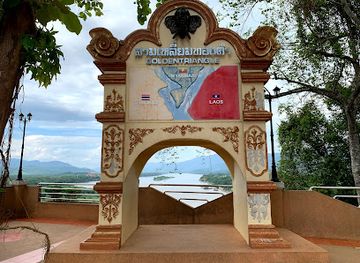
The Golden Triangle
Discover the Golden Triangle: Where Thailand, Laos, and Myanmar Meet in a Tapestry of Culture and Scenic Beauty.
-
Monument
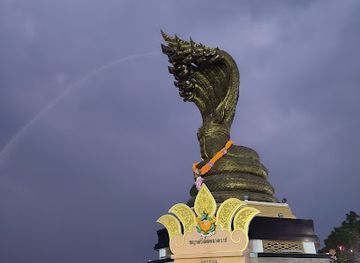
Naga Monument
Discover the Naga Monument in Nakhon Phanom, a stunning tribute to local folklore along the scenic Mekong River, perfect for cultural exploration.
-
Tourist attraction
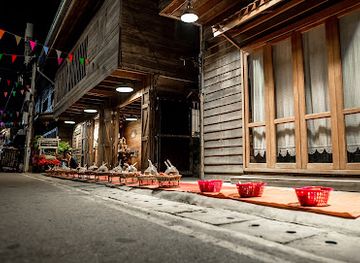
Chiang Khan Walking Street
Experience the vibrant culture, delicious street food, and stunning riverside views at Chiang Khan Walking Street, a must-visit destination in Thailand.
-
Tourist attraction
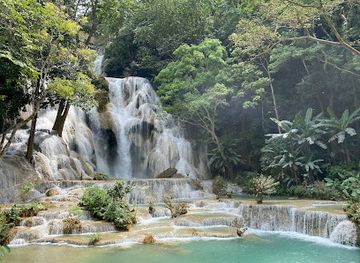
Kuang Si Waterfall
Experience the breathtaking beauty of Kuang Si Waterfall in Laos, where nature's wonders come alive amidst stunning turquoise pools and cascading falls.
Best landmarks in Mekong River Region
The Mekong River Region in Thailand is a treasure trove of cultural and natural wonders, offering visitors an array of unforgettable experiences. Marvel at the ancient Khmer ruins of Phanom Rung, where intricately carved sandstone structures transport you back to the 10th century. Explore the bustling riverside markets of Chiang Khan, renowned for their vibrant atmosphere and traditional Thai crafts. Discover the serene beauty of Wat Phra That Phanom, a revered Buddhist temple that dates back over 1,500 years and features a stunning golden chedi. Cruise along the mighty Mekong River itself, taking in breathtaking views of lush landscapes, rugged mountains, and tranquil fishing villages. For nature enthusiasts, the Pha Taem National Park offers prehistoric rock paintings and panoramic views of the river, while the Si Phan Don archipelago, known as the '4,000 Islands,' promises idyllic boat rides and encounters with the rare Irrawaddy dolphin. Each landmark in the Mekong River Region provides a unique glimpse into the rich tapestry of history, culture, and natural beauty that defines this captivating part of Thailand.
-
Castle
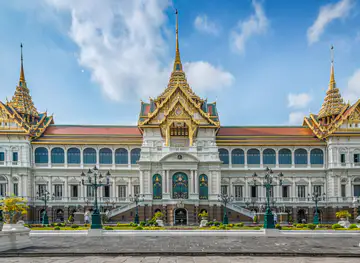
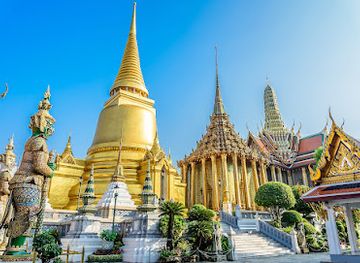
The Grand Palace
Discover the splendor of The Grand Palace in Bangkok, a cultural landmark showcasing Thailand's royal history and exquisite architecture.
-
Buddhist temple
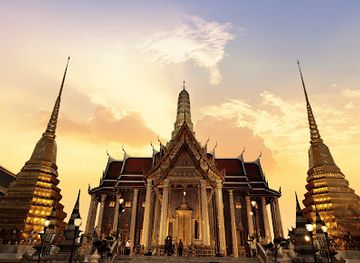
The Temple of the Emerald Buddha
Discover the spiritual heart of Thailand at the Temple of the Emerald Buddha, a breathtaking masterpiece of culture and devotion in Bangkok.
-
Tourist attraction
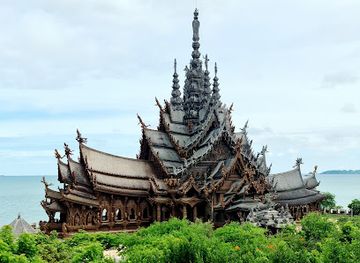
Sanctuary of Truth
Explore the Sanctuary of Truth in Pattaya, a stunning wooden temple embodying art, culture, and spirituality, perfect for every tourist's itinerary.
-
Buddhist temple
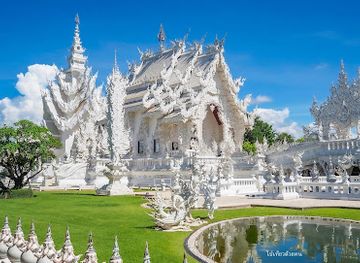
Wat Rong Khun - White Temple
Experience the breathtaking artistry of Wat Rong Khun, Thailand's iconic White Temple, where spirituality meets contemporary creativity.
Explore Mekong River Region on the map
Plan your trip on one map. See where the top cities, national parks and sights are, and book hotels and experiences in a few clicks.
Best hotels in Mekong River Region
Best restaurants in Mekong River Region
The Mekong River Region in Thailand offers an unparalleled culinary adventure that blends tradition with tantalizing flavors. Expect to be greeted by bustling night markets where the aroma of freshly grilled river fish and sizzling meats fills the air, and street vendors serve up spicy papaya salads and silky coconut milk curries. Dine riverside at charming eateries, savoring dishes like Laap (a spicy minced meat salad) and Tom Yam Pla (spicy fish soup), all while enjoying the picturesque views of the Mekong River. Traditional Isaan cuisine, renowned for its bold and zesty flavors, takes center stage here, with ingredients sourced directly from the fertile lands and waters of the region. Whether you're a food enthusiast or a casual diner, the Mekong River Region promises a rich tapestry of tastes and experiences that reflect the vibrant culture and history of northeastern Thailand.
-
Asian Fusion
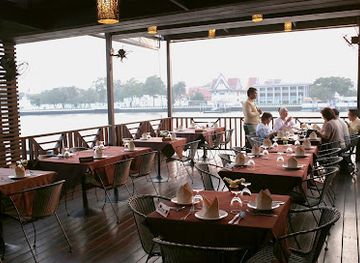
The Deck by Arun Residence
Experience exquisite Asian fusion cuisine with breathtaking river views at The Deck by Arun Residence in Bangkok.
-
Restaurant
EAT ME RESTAURANT
Experience exquisite dining and innovative cocktails at EAT ME RESTAURANT in Bangkok's vibrant Silom district.
-
Thai
Heon Luangprabang
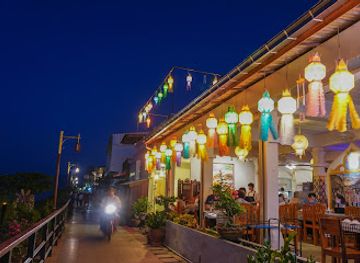
Discover authentic Thai flavors at Heon Luangprabang while enjoying breathtaking views of the Mekong River in Chiang Khan.
-
Vegan
On’s Thai-Issan Vegan
Discover authentic vegan Thai cuisine at On’s Thai-Issan Vegan in Kanchanaburi - where flavor meets health.


Best bars in Mekong River Region
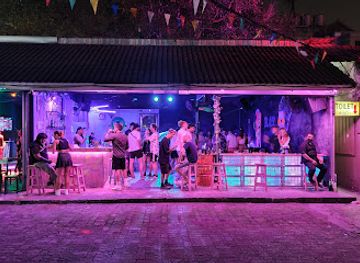
The nightlife scene along the Mekong River Region in Thailand is a captivating blend of vibrant local culture and scenic beauty. Visitors can expect lively riverside bars offering panoramic views of the Mekong, where they can enjoy exotic cocktails while watching the sunset over the water. Traditional Thai music and dance performances add a cultural flair, creating a unique atmosphere that blends relaxation and festivity. Night markets come alive with an array of street food, local crafts, and live entertainment, providing a sensory feast that extends well into the night. For those looking to immerse themselves in local traditions, there are intimate venues featuring traditional Isaan music and dance, ensuring an authentic experience. The towns along the Mekong, such as Nong Khai and Chiang Khan, offer a charming mix of laid-back and lively spots, making the nightlife an essential part of the travel experience in this enchanting region.
-
Bar
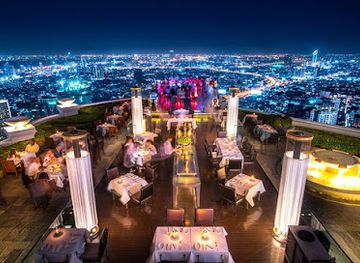
Sky Bar
Experience breathtaking views and exquisite cocktails at Sky Bar, Bangkok's iconic rooftop destination, perfect for unforgettable evenings.
-
Night club
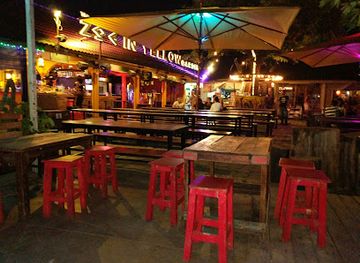
Zoe in Yellow
Discover the vibrant nightlife of Chiang Mai at Zoe in Yellow, where great music, delicious cocktails, and unforgettable memories await.
-
Restaurant
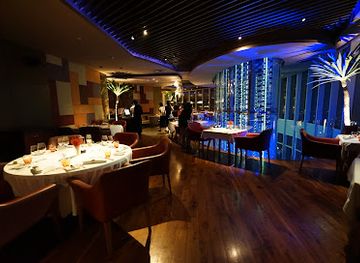
Red Sky
Experience culinary excellence and breathtaking views at Red Sky, Bangkok's premier rooftop restaurant and bar.
-
Cocktail bar
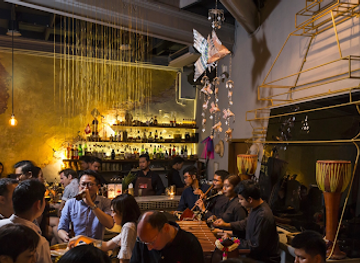
TEP BAR - Cultural Bar of Thailand
Explore the vibrant culture of Thailand at TEP BAR, where traditional flavors meet modern cocktail artistry in the heart of Bangkok.
Best nightclubs in Mekong River Region
The nightlife scene along the Mekong River Region in Thailand is a captivating blend of vibrant local culture and scenic beauty. Visitors can expect lively riverside bars offering panoramic views of the Mekong, where they can enjoy exotic cocktails while watching the sunset over the water. Traditional Thai music and dance performances add a cultural flair, creating a unique atmosphere that blends relaxation and festivity. Night markets come alive with an array of street food, local crafts, and live entertainment, providing a sensory feast that extends well into the night. For those looking to immerse themselves in local traditions, there are intimate venues featuring traditional Isaan music and dance, ensuring an authentic experience. The towns along the Mekong, such as Nong Khai and Chiang Khan, offer a charming mix of laid-back and lively spots, making the nightlife an essential part of the travel experience in this enchanting region.
-
Disco club
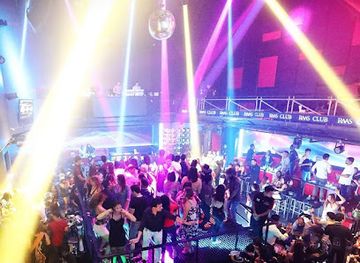
RAAS CLUB PATTAYA
Dive into the electrifying nightlife at RAAS Club Pattaya, a top disco club on Walking Street offering an unforgettable party experience.
-
Night club
Venti Nightclub
Dance the night away at Venti Nightclub, Bangkok's premier nightlife destination, featuring vibrant music and an electrifying atmosphere.
-
Night club
BlackLight CNX
Discover the exhilarating nightlife at BlackLight CNX in Chiang Mai, where vibrant music and an electric atmosphere await you.
-
Night club
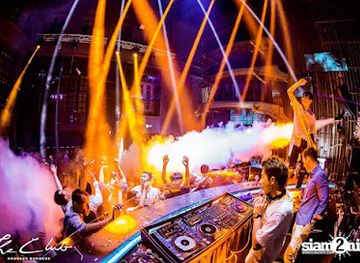
The Club
Discover the ultimate nightlife experience at The Club on Khaosan Road, where the beats never stop and the fun is limitless.

Best shops in Mekong River Region
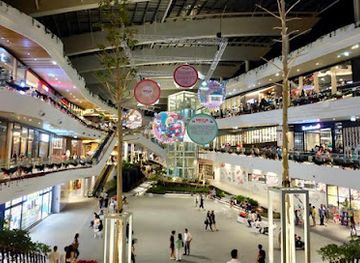
The shopping scene in the Mekong River Region of Thailand offers a captivating blend of traditional and modern experiences that are sure to enthrall any visitor. Wander through bustling local markets like the Tha Sadet Market in Nong Khai, where you can find an eclectic array of goods ranging from vibrant textiles and handcrafted souvenirs to exotic spices and fresh produce. Floating markets along the river provide a unique shopping adventure, allowing you to purchase goods directly from boats while soaking in the scenic beauty of the river. For those seeking contemporary items, urban centers like Udon Thani boast modern shopping malls and boutiques that showcase both local and international brands. The region's night markets are a sensory delight, filled with tantalizing street food, artisanal crafts, and live performances, making them a must-visit for any traveler looking to immerse themselves in the local culture and bring home a piece of the Mekong's charm.
-
Shopping mall
Megabangna
Discover the ultimate shopping experience at Megabangna, Thailand's bustling mall with diverse shops, dining, and entertainment options.
-
Shopping mall
The Platinum Fashion Mall
Discover the ultimate shopping experience at The Platinum Fashion Mall in Bangkok, where fashion meets affordability in a vibrant atmosphere.
-
Art center
River City Bangkok
Experience the vibrant fusion of art and shopping at River City Bangkok, your cultural hub in the heart of the city.
-
Shopping mall
Imperial World Samrong
Explore a world of shopping, dining, and entertainment at Imperial World Samrong, the premier shopping mall in Samut Prakan, Thailand.

Get your free copy of our complete guide to Mekong River Region, delivered straight to you.
Everything on this page, from attractions and restaurants to essentials and local phrases, in one PDF you can read offline, print or share.
Already have an account? Sign in
Your Mekong River Region guide is ready.
We'll send it to · Not you? Sign out

Getting your guide ready…
We are putting together a fresh copy of the Mekong River Region guide. This can take up to a minute.
This can take a few moments. If your browser asks, choose Allow so the download can start. You'll find the guide in your Downloads folder.
Nothing happened? Download it again
Sorry, the guide is taking longer than usual. Please try again in a minute, or get it by email instead.
Mekong River Region essentials
Currency and Payment
Safety
Emergency Situations
Do's and Don'ts
Local Tips
From Eve
Local phrases worth knowing
You don't need to get them perfect. A few words go a long way, and locals appreciate the effort.
Basics
| English | Local | Say it |
|---|---|---|
| Hello | สวัสดี | [sawasdee] |
| Goodbye | ลาก่อน | [laa-gon] |
| Yes | ใช่ | [chai] |
| No | ไม่ | [mai] |
| Please/You're welcome | โปรด/ยินดี | [bproht/yindi] |
| Thank you | ขอบคุณ | [khob khun] |
| Excuse me/Sorry | ขอโทษ | [khor thot] |
| How are you? | คุณสบายดีไหม | [khun sabai dee mai] |
| Fine. And you? | สบายดี แล้วคุณล่ะ | [sabai dee laeo khun la] |
| Do you speak English? | คุณพูดภาษาอังกฤษได้ไหม | [khun phood phasa angkrit dai mai] |
| I don't understand | ผม/ฉันไม่เข้าใจ | [phom/chan mai khao jai] |
Eating & Drinking
| English | Local | Say it |
|---|---|---|
| I'd like to see the menu, please | ขอดูเมนูหน่อยได้ไหม | [khor du menu noi dai mai] |
| I don't eat meat | ผม/ฉันไม่กินเนื้อ | [phom/chan mai gin neua] |
| Cheers! | ชนแก้ว! | [chon kaew] |
| I would like to pay, please | ขอชำระเงินหน่อย | [khor chamra nguen noi] |
Emergencies
| English | Local | Say it |
|---|---|---|
| Help! | ช่วยด้วย! | [chuay duay] |
| Go away! | ไปไกลๆ! | [bpai glai-glai] |
| Call the Police! | เรียกตำรวจ! | [riak tamruat] |
| Call a doctor! | เรียกหมอ! | [riak mor] |
| I'm lost | ผม/ฉันหลงทาง | [phom/chan long thang] |
| I'm ill | ผม/ฉันป่วย | [phom/chan bpuay] |
Shopping
| English | Local | Say it |
|---|---|---|
| I'd like to buy... | ผม/ฉันอยากซื้อ... | [phom/chan yak seu] |
| I'm just looking | แค่ดูอยู่ | [khae du yuu] |
| How much is it? | ราคาเท่าไหร่ | [ra-kha thao rai] |
| That's too expensive | แพงเกินไป | [phaeng gern bpai] |
| Can you lower the price? | ลดราคาได้ไหม | [lot ra-kha dai mai] |
Time & Numbers
| English | Local | Say it |
|---|---|---|
| What time is it? | ตอนนี้กี่โมง | [ton nee gee mong] |
| It's one o'clock | ตอนนี้หนึ่งโมง | [ton nee neung mong] |
| Half past (10) | สิบโมงครึ่ง | [sip mong khrung] |
| Morning | เช้า | [chao] |
| Afternoon | บ่าย | [bai] |
| Evening | เย็น | [yen] |
| Yesterday | เมื่อวาน | [meu-wan] |
| Today | วันนี้ | [wan nee] |
| Tomorrow | พรุ่งนี้ | [prung-nee] |
| 1 | หนึ่ง | [neung] |
| 2 | สอง | [song] |
| 3 | สาม | [sam] |
| 4 | สี่ | [si] |
| 5 | ห้า | [ha] |
| 6 | หก | [hok] |
| 7 | เจ็ด | [jet] |
| 8 | แปด | [paet] |
| 9 | เก้า | [kao] |
| 10 | สิบ | [sip] |
Transport & Directions
| English | Local | Say it |
|---|---|---|
| Where's a/the...? | ที่ไหนมี...? | [thi nai mee] |
| What's the address? | ที่อยู่คืออะไร? | [thi yuu kheu arai] |
| Can you show me (on the map)? | ช่วยชี้ให้ดูได้ไหม? | [chuay chee hai du dai mai] |
| When's the next (bus)? | รถบัสคันถัดไปเมื่อไหร่? | [rot bus khan that bpai meu rai] |
| A ticket (to ....) | ตั๋ว (ไป....) | [tua (bpai....)] |
History of Mekong River Region
The Ancient Kingdom of Lan Xang
The Mekong River Region in Thailand was once part of the ancient kingdom of Lan Xang, which existed from the 14th to the 18th century. Lan Xang, which means 'Land of a Million Elephants,' was a powerful and prosperous kingdom that played a significant role in the cultural and religious development of the region. The Mekong River served as a vital trade route, facilitating the exchange of goods and cultural practices between the people of Lan Xang and their neighbors.
French Colonial Influence
In the late 19th century, the Mekong River Region became a focal point of interest for French colonial powers. The French aimed to expand their influence in Southeast Asia and sought to use the Mekong River as a navigable route into China. Although their attempts to navigate the river were ultimately unsuccessful, the region experienced significant changes due to French exploration and eventual colonization. This period left an indelible mark on the architecture, administration, and cultural landscape of the region.
The Indochina Wars
During the 20th century, the Mekong River Region was deeply affected by the Indochina Wars, including the Vietnam War. The river acted as a strategic and logistical artery for various military operations. The conflict brought devastation and displacement to the local populations, but it also highlighted the resilience and adaptability of the communities living along the Mekong. Today, remnants of these historical events can still be seen in the form of war memorials and museums.
The Cultural Tapestry
The Mekong River Region is a melting pot of cultures due to its historical significance as a trade route and its proximity to Laos, Cambodia, and Vietnam. The region boasts a rich tapestry of ethnic groups, including the Tai, Lao, Khmer, and Hmong people. Each group has contributed to the area's diverse cultural landscape through unique traditions, languages, and crafts. Festivals, traditional dances, and local cuisine reflect this cultural diversity and are integral to the region's identity.
Wat Phra That Phanom
One of the most revered religious sites in the Mekong River Region is Wat Phra That Phanom, a Buddhist temple located in Nakhon Phanom Province. The temple is believed to enshrine a breastbone relic of the Buddha, making it a significant pilgrimage site for Buddhists. The stupa, which dates back to the 16th century, has been rebuilt and restored multiple times, reflecting the enduring spiritual importance of the site to the local community and visitors alike.
The Naga Fireballs Phenomenon
The Naga Fireballs, also known as Mekong lights, are a mysterious phenomenon occurring along the Mekong River, particularly in the Nong Khai Province. These glowing orbs are said to rise from the river and float into the sky, usually during the end of Buddhist Lent in October. While scientific explanations vary, local folklore attributes the fireballs to the mythical Naga serpent. This event draws thousands of spectators and is a significant cultural and spiritual occurrence for the local people.
Mekong River Region in Photos
Browse through our photo collection highlighting the charm and character of the destination.
Neighbouring regions of Mekong River Region
The closest regions to Mekong River Region, if you have time for more than one.
-

-

-

-

-


Swipe for more regions
Explore more
Explore more of Thailand
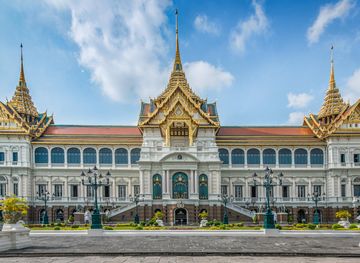
Discover Thailand: A land of diverse landscapes, rich culture, and warm hospitality, where ancient traditions blend seamlessly with modern attractions.
Explore Thailand