

Andros Island, The Bahamas Travel Guide
Discover Andros Island in The Bahamas: a haven for divers, nature lovers, and cultural explorers, boasting untouched natural beauty and rich heritage.
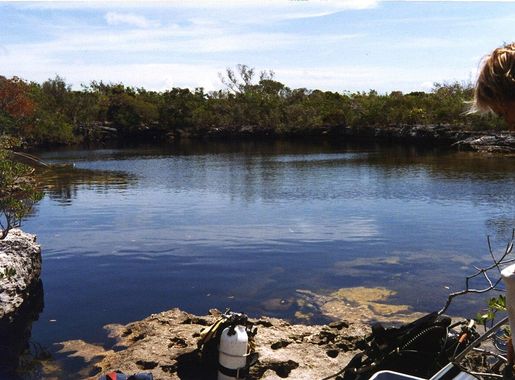
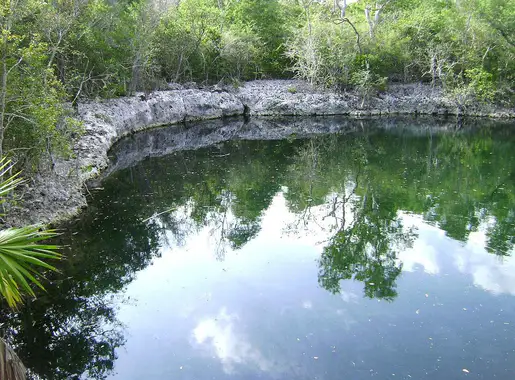
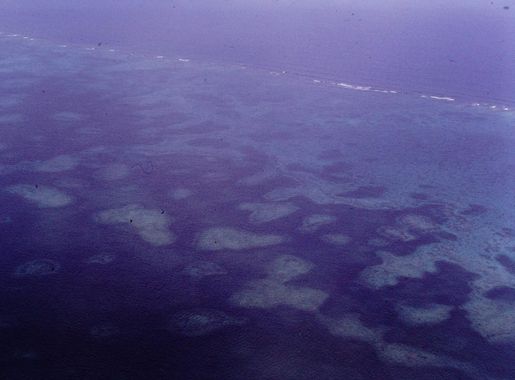
Andros Island, the largest island in The Bahamas, is a paradise for nature lovers. Known for its expansive blue holes, lush pine forests, and vibrant marine life, Andros offers a unique blend of adventure and tranquility. The island is home to the third-largest barrier reef in the world, making it a top destination for divers and snorkelers. Its underwater caves and diverse coral formations are a haven for underwater exploration. Beyond its underwater allure, Andros Island boasts a rich cultural heritage. The island is dotted with small, charming settlements where visitors can experience the warm hospitality of the Bahamian people. Local artisans showcase traditional crafts, including straw weaving and wood carving, providing a glimpse into the island's cultural fabric. The annual crab festival is a highlight, celebrating the island's culinary and musical traditions. Nature enthusiasts will find plenty to explore on land as well. Andros is crisscrossed by dozens of creeks and waterways, perfect for kayaking and bird-watching. The island's national parks, such as Blue Holes National Park and West Side National Park, protect its unique ecosystems and are ideal for hiking and wildlife spotting. With its pristine beaches, untouched natural beauty, and rich cultural experiences, Andros Island is a true gem in The Bahamas.

Know before you go
Hi, I'm Eve. Here are a few practical things to know before exploring Andros Island.
- Visit the blue holes early in the morning to avoid crowds and enjoy the serene environment.
- Pack reef-safe sunscreen to protect the marine life during your diving and snorkeling adventures.
- Explore local eateries to taste fresh seafood, especially the famous Andros crab dishes.
- Rent a kayak to explore the island's creeks and waterways, offering a unique perspective on its natural beauty.
- Bring insect repellent, particularly if you plan to hike in the national parks.
Explore Andros Island: Things to Do, Places to Eat, Hotels & More
Handpicked recommendations for top attractions, local dining, accommodations, and more

Best attractions in Andros Island
Top-rated picks
Best Attractions

Dolphin Cay Atlantis
Experience the magic of marine life at Dolphin Cay Atlantis, where adventure meets animal conservation in a breathtaking tropical paradise.

West Side National Park
Discover the untouched beauty of West Side National Park, a pristine natural escape on Andros Island, perfect for adventurers and nature lovers.

Botanical Gardens
Discover Nassau's Botanical Gardens, a serene oasis filled with vibrant plant life and tranquil pathways, perfect for nature lovers and peace seekers alike.

Yamacraw Beach
Discover the tranquility of Yamacraw Beach, a stunning retreat in Nassau, Bahamas, perfect for relaxation, adventure, and breathtaking views.


Best restaurants in Andros Island
Top-rated picks
Best Restaurants

Brigadier's Restaurant
Experience authentic Bahamian cuisine at Brigadier's Restaurant in Hard Bargain—where every dish tells a story of flavor and tradition.

Golden Conch
Experience authentic Bahamian cuisine at Golden Conch in Andros Town - where family-friendly dining meets island charm.

Clinger’s Bar & Grill
Experience authentic Bahamian flavors at Clinger's Bar & Grill in Andros Town – where every meal tells a story.

Best bars in Andros Island
Top-rated picks
Best Bars

Oh Andros
Discover the authentic flavors of the Bahamas at Oh Andros, a beloved restaurant in Nassau offering a taste of local culinary traditions and hospitality.

Da Daiquiri Shack
Discover Nassau's vibrant bar scene at Da Daiquiri Shack, where refreshing drinks and a lively atmosphere await every visitor.

The Swimming Pig Gastropub
Experience the vibrant atmosphere of The Swimming Pig Gastropub, where local flavors meet international cuisine in the heart of Nassau.

Bon Vivants
Experience the elegance of Bon Vivants, a premier bar in Nassau offering a chic atmosphere and expertly crafted cocktails that capture the essence of the Bahamas.

Best nightclubs in Andros Island
Top-rated picks
Best Nightclubs

Xscape Lounge & Nightclub
Experience the vibrant nightlife at Xscape Lounge & Nightclub in Nassau, where exceptional cocktails, great music, and unforgettable parties await you.

Sammy's Bar and Grill
Discover authentic Bahamian flavors at Sammy's Bar and Grill, the perfect dining spot in Andros Town for food lovers.

Aura Nightclub
Aura Nightclub offers an unforgettable nightlife experience in Paradise Island, featuring world-class DJs, stunning decor, and vibrant energy.

Club Colors
Experience the vibrant nightlife of Andros Island at Club Colors, where locals and tourists unite for unforgettable moments.

Best shops in Andros Island
Top-rated picks
Best Shops

Crystal Court Shops
Experience luxury shopping at Crystal Court Shops in Paradise Island, with an array of high-end boutiques and delightful dining options.

West Side National Park
Explore the natural wonders of West Side National Park, a serene sanctuary of biodiversity and breathtaking landscapes on Andros Island.

Blue Holes National Park
Explore the breathtaking Blue Holes National Park, a natural treasure in the Bahamas with stunning blue holes and rich biodiversity.

Androsia Factory
Discover the vibrant world of Bahamian textiles at Androsia Factory, where craftsmanship meets culture in the heart of Andros Town.

Explore Andros Island on the Map
A handpicked selection of must-see spots in Andros Island, mapped for you.
Andros Island Essentials
-
Andros Island is accessible via the Andros Town International Airport (ASD) located in Andros Town. Direct flights are available from Nassau, the capital of The Bahamas. Alternatively, you can take a ferry from Nassau to Andros Island; the journey typically takes about 2 to 3 hours. Private boat charters and sea planes are also viable options for reaching the island.
-
Transportation on Andros Island includes rental cars, taxis, and bicycles. Rental cars are available at the airport and in major towns like Andros Town and Fresh Creek. Taxis are also readily available and can be hired for short trips or day tours. Bicycles are a popular choice for exploring smaller areas and beaches. Public transportation is limited, so renting a vehicle is often the most convenient option.
-
The official currency of The Bahamas is the Bahamian Dollar (BSD), which is pegged to the US Dollar (USD) at a 1:1 ratio. Both currencies are widely accepted. Credit cards are accepted in most hotels, restaurants, and shops, but it's advisable to carry cash for smaller establishments and local markets. ATMs are available in Andros Town and other major settlements.
-
Andros Island is generally safe for tourists, but it's important to take standard precautions. Avoid walking alone at night in isolated areas and keep an eye on your belongings in crowded places. There are no specific high-crime areas targeting tourists, but it's always best to stay vigilant. Ensure your accommodation has adequate security measures.
-
In case of emergency, dial 911 for immediate assistance. Andros Town has medical facilities and clinics to handle minor health issues. For more serious medical emergencies, patients may need to be airlifted to Nassau. It is recommended to have travel insurance that covers medical emergencies. Pharmacies are available in major towns for over-the-counter medications.
-
Fashion: Do dress casually and comfortably, but avoid overly revealing clothing in public places. Religion: Do respect local customs and traditions. If visiting a church, dress modestly and behave respectfully. Public Transport: Do be patient and courteous. Public transport is limited, so plan your trips accordingly. Greetings: Do greet people warmly; a simple 'hello' or 'good day' is appreciated. Eating & Drinking: Do try local dishes and seafood. Don’t refuse food or drink offered by locals, as it is considered impolite.
-
To experience Andros Island like a local, visit the local fish markets and sample fresh seafood. Engage with the friendly locals who are often willing to share stories and tips about the island. Participate in community events and festivals to immerse yourself in the local culture. Don't miss exploring the Blue Holes, unique underwater caves that are a hallmark of Andros Island.
When is the best time to visit Andros Island?
Useful Local Phrases for Andros Island
You don't need to speak the language perfectly. Even learning a few simple words can make conversations warmer—and locals usually appreciate the effort.
— Eve

Here are the phrases I use most often in Andros Island. Try a few—you'll be surprised how far they go! 😊
❤️
-
- HelloHey
[Hey] - GoodbyeGoodbye
[Goodbye] - YesYes
[Yes] - NoNo
[No] - Please/You're welcomePlease
[Please] - Thank youThank you
[Thank you] - Excuse me/SorrySorry
[Sorry] - How are you?How you doing?
[How you doing?] - Fine. And you?I good. And you?
[I good. And you?] - Do you speak English?You speak English?
[You speak English?] - I don't understandI don't get it
[I don't get it]
- HelloHey
-
- I'd like to see the menu, pleaseI wan' see the menu
[I wan' see the menu] - I don't eat meatI don't eat meat
[I don't eat meat] - Cheers!Cheers!
[Cheers!] - I would like to pay, pleaseI wan' pay, please
[I wan' pay, please]
- I'd like to see the menu, pleaseI wan' see the menu
-
- Help!Help!
[Help!] - Go away!Go 'way!
[Go 'way!] - Call the Police!Call the Police!
[Call the Police!] - Call a doctor!Call a doctor!
[Call a doctor!] - I'm lostI lost
[I lost] - I'm illI sick
[I sick]
- Help!Help!
-
- I'd like to buy...I wan' buy...
[I wan' buy...] - I'm just lookingI jus' lookin'
[I jus' lookin'] - How much is it?How much dis?
[How much dis?] - That's too expensiveDat too much
[Dat too much] - Can you lower the price?Can you drop de price?
[Can you drop de price?]
- I'd like to buy...I wan' buy...
-
- What time is it?What time it be?
[What time it be?] - It's one o'clockIt one o'clock
[It one o'clock] - Half past (10)Half ten
[Half ten] - MorningMornin'
[Mornin'] - AfternoonAfternoon
[Afternoon] - EveningEvenin'
[Evenin'] - YesterdayYestaday
[Yestaday] - TodayToday
[Today] - TomorrowTomorra
[Tomorra] - 1One
[One] - 2Two
[Two] - 3T'ree
[T'ree] - 4Four
[Four] - 5Five
[Five] - 6Six
[Six] - 7Seven
[Seven] - 8Eight
[Eight] - 9Nine
[Nine] - 10Ten
[Ten]
- What time is it?What time it be?
-
- Where's a/the...?Where de...?
[Where de...?] - What's the address?Wat the address be?
[Wat the address be?] - Can you show me (on the map)?Can you show me (on de map)?
[Can you show me (on de map)?] - When's the next (bus)?When de next (bus)?
[When de next (bus)?] - A ticket (to ....)A ticket (to ....)
[A ticket (to ....)]
- Where's a/the...?Where de...?
History of Andros Island
-
Long before European contact, Andros Island was inhabited by the Lucayan people, part of the larger Taíno culture. These indigenous people were skilled fishermen, farmers, and navigators. The Lucayans lived in harmony with the natural environment, leaving behind artifacts such as pottery and tools that provide a glimpse into their daily lives and spiritual practices.
-
Andros Island was first encountered by European explorers in the late 15th century. Christopher Columbus is believed to have passed by the island during his voyages. However, the island remained largely untouched by European colonization efforts for several centuries due to its dense forests, swamps, and the relative lack of natural harbors.
-
During the 17th and 18th centuries, Andros Island became a refuge for pirates and privateers. The island's secluded coves and intricate waterways provided perfect hiding spots for these seafarers. Legendary pirates such as Henry Morgan and Blackbeard are rumored to have used Andros as a base for their operations in the Caribbean.
-
Following the American Revolutionary War, many Loyalists who remained faithful to the British Crown fled to the Bahamas, including Andros Island. These settlers brought with them enslaved Africans, who were forced to work on the plantations that the Loyalists established. The influence of these early settlers is still evident in the island’s architecture and place names.
-
In the late 19th and early 20th centuries, Andros Island became known for its thriving sponge industry. Sponging was a major economic activity, and the island's waters were rich with high-quality sponges. Many local families depended on this industry for their livelihood until it declined due to overharvesting and the introduction of synthetic sponges.
-
Andros Island is famous for its blue holes—underwater sinkholes that are rich in marine life and geological formations. These natural wonders have been the subject of numerous scientific studies and have also played a role in the island's folklore. They were historically considered sacred by the Lucayan people and continue to be a source of fascination for visitors and researchers alike.
-
Today, Andros Island is known for its natural beauty and vibrant culture. The island is home to the Androsia Batik Factory, which produces colorful, hand-dyed fabrics that are a symbol of Bahamian artistry. Andros is also celebrated for its annual Crab Festival, showcasing the island's culinary traditions and community spirit.
Cities in Andros Island
Browse our curated selection of top destinations, scenic points, and must-visit spots in the area.


Neighbouring destination travel guides
Browse our curated selection of top destinations, scenic points, and must-visit spots in the area.


Your all‑in‑one travel companion app
Explore expert travel guides, compare and book tours, experiences, hotels, and more—all from the palm of your hand. Download now for seamless trip planning wherever your wanderlust takes you.


Explore More of Andros
Looking beyond Andros Island? Discover Andros for broader travel guides, local hot-spots, and regional highlights.
Explore AndrosExplore More of The Bahamas

Looking beyond Andros Island? Discover The Bahamas for broader travel guides, local hot-spots, and regional highlights.
Explore The BahamasAndros Island in Photos
Browse through our photo collection highlighting the charm and character of the destination.




Andros Island: The Untamed Beauty of The Bahamas
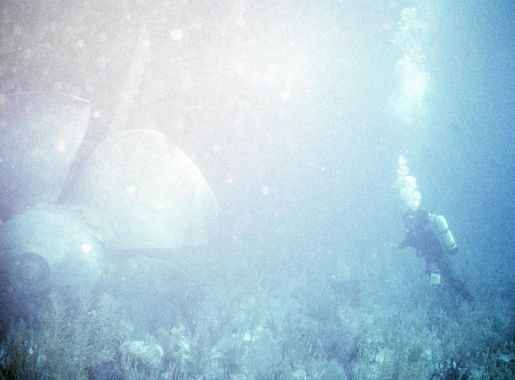
Andros Island, the largest island in The Bahamas, is a paradise for nature lovers. Known for its expansive blue holes, lush pine forests, and vibrant marine life, Andros offers a unique blend of adventure and tranquility. The island is home to the third-largest barrier reef in the world, making it a top destination for divers and snorkelers. Its underwater caves and diverse coral formations are a haven for underwater exploration. Beyond its underwater allure, Andros Island boasts a rich cultural heritage. The island is dotted with small, charming settlements where visitors can experience the warm hospitality of the Bahamian people. Local artisans showcase traditional crafts, including straw weaving and wood carving, providing a glimpse into the island's cultural fabric. The annual crab festival is a highlight, celebrating the island's culinary and musical traditions. Nature enthusiasts will find plenty to explore on land as well. Andros is crisscrossed by dozens of creeks and waterways, perfect for kayaking and bird-watching. The island's national parks, such as Blue Holes National Park and West Side National Park, protect its unique ecosystems and are ideal for hiking and wildlife spotting. With its pristine beaches, untouched natural beauty, and rich cultural experiences, Andros Island is a true gem in The Bahamas.