

Free Andros Town Travel Guide & Mobile App
Plan your Andros Town trip with Evendo. Get free guides to top attractions, restaurants, hotels, and bars. Web access or download the mobile app.


Andros Town, Bahamas offers blue holes, reef diving, bonefishing, mangrove wetlands and authentic island culture beyond the country's busy resort centres.
Island Character
Andros Town is a small settlement on North Andros, the largest and least densely developed island in The Bahamas. Rather than a resort centre, it is a practical gateway to an extraordinary landscape of pine forests, mangrove wetlands, tidal creeks and shallow flats. The town and nearby communities offer a slower, more locally rooted experience, with modest shops, roadside eateries, churches and settlements spread along the Queen's Highway.Read more about Andros Town
Reefs, Blue Holes and Wetlands
Local Culture and Island Life
When is the best time to visit Andros Town?
Best: January–March · 25°C| Month | High (°C) | Rainfall (mm) |
|---|---|---|
| January (best) | 25 | 75 |
| February (best) | 25 | 70 |
| March (best) | 25 | 75 |
| April | 26 | 70 |
| May | 27 | 60 |
| June | 29 | 50 |
| July | 30 | 40 |
| August | 30 | 40 |
| September | 30 | 45 |
| October | 30 | 60 |
| November | 28 | 70 |
| December | 27 | 75 |
Getting to and around Andros Town
How to get there
Transportation
Best attractions in Andros Town
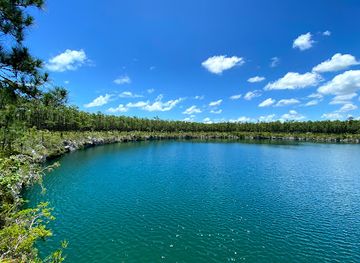
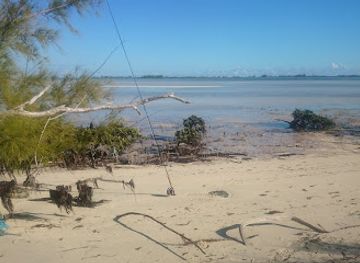
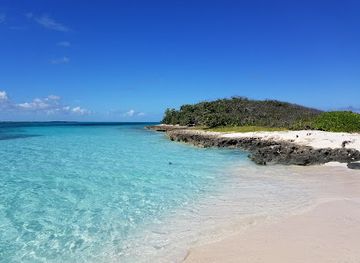
Andros Town's attractions are primarily natural and community-based rather than monumental. The Andros Barrier Reef, offshore from the island's eastern side, draws divers and snorkellers to coral habitats, walls and clear Bahamian water, while local guides organise outings suited to changing sea conditions. Inland, North Andros's blue holes provide a geological counterpoint, with freshwater caverns and forest-fringed pools found within a wider protected landscape. The tidal creeks and mangrove flats around Fresh Creek offer opportunities for boating, birdwatching and bonefishing, and Morgan's Bluff presents a working harbour rather than a polished marina. Visitors interested in local culture can seek out Androsia batik and learn about the craft's island-inspired patterns. The settlements themselves reward unhurried exploration, with churches, small shops, roadside food and boat activity providing a sense of everyday North Andros life.
-
Tourist attraction
Captain Bill's Blue Hole
Explore the breathtaking beauty of Captain Bill's Blue Hole in the Bahamas, where adventure meets tranquility in a stunning natural setting.
23 min drive · 7.6 km from city centre
-
National reserve
Crab Replenishment Reserve
Explore the Crab Replenishment Reserve in Andros, a national treasure dedicated to the conservation of marine life and natural beauty in the Bahamas.
20 min drive · 6.7 km from city centre
-
Park
Love Hill Community Park
Discover the tranquility of Love Hill Community Park, a serene retreat in Hard Bargain perfect for relaxation and family-friendly outings.
16 min drive · 5.3 km from city centre
-
National park
Andros South Marine Park
Explore the breathtaking Andros South Marine Park, a paradise of vibrant marine life and stunning natural beauty in the Bahamas.
7 min drive · 2.4 km from city centre
Best landmarks in Andros Town
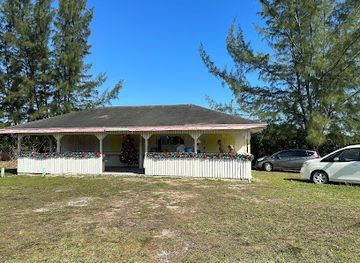
The most representative landmarks around Andros Town are tied to landscape and working island life. The Andros Barrier Reef is a defining natural landmark offshore, expressing the island's connection to one of the region's major marine ecosystems. Inland blue holes mark the porous limestone geology of North Andros and carry both ecological and cultural significance, although individual sites vary in accessibility. Fresh Creek is an important geographic and community reference, its waterways linking settlement life with mangroves and the sea, while Morgan's Bluff remains associated with harbour activity and maritime movement. The Queen's Highway, extending between North Andros settlements, functions as the island's principal civic and practical spine. Local churches, simple homes, boatyards and community buildings are modest in scale, but together they represent the settlement pattern and social history that distinguish Andros Town from the resort architecture of Nassau and many smaller Bahamian islands.
-
National park
Captain Bill's Blue Hole
Discover the enchanting Captain Bill's Blue Hole, a spectacular natural wonder in the Bahamas perfect for diving, snorkeling, and exploring stunning marine life.
23 min drive · 7.6 km from city centre
-
Clothing store
Androsia Factory
Discover the vibrant artistry of the Bahamas at Androsia Factory, where tradition meets creativity in stunning batik textiles.
9 min walk · 0.7 km from city centre
-
National reserve
Crab Replenishment Reserve
Explore the stunning Crab Replenishment Reserve in Andros, Bahamas—an eco-tourism paradise filled with unique wildlife and breathtaking natural beauty.
20 min drive · 6.7 km from city centre
-
Public beach
Small Hope Resort
Experience the tranquility and beauty of Small Hope Resort, a perfect Bahamian getaway for beach lovers and adventure seekers.
9 min drive · 3.1 km from city centre


Explore Andros Town on the map
Plan your Andros Town trip on one map. See where the top attractions, landmarks, restaurants, bars and hotels are, find what's near where you're staying, and book hotels and experiences in a few clicks.
Best hotels in Andros Town
Best restaurants in Andros Town
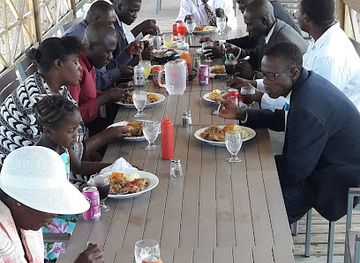
Dining around Andros Town is informal and closely tied to the sea. Conch, grouper, snapper, lobster when in season and other locally caught fish commonly appear alongside peas and rice, macaroni and cheese, fried plantain, fresh salad and johnnycake. Small restaurants, takeaway counters and home-style eateries may serve meals according to the day's catch and the community's rhythm, while provisions and simple snacks are available from local shops. Conch salad, prepared with citrus, onion and peppers, is a familiar Bahamian speciality, although recipes and availability vary. The food culture reflects both African and Caribbean heritage and the practical realities of an island supplied through Nassau and local fishing. Fresh Creek and the settlements along the Queen's Highway are more useful for finding food than remote beaches or blue-hole sites, so visitors should plan meals and supplies around transport and opening patterns.
-
Restaurant
Brigadier's Restaurant
Experience authentic Bahamian cuisine at Brigadier's Restaurant in Hard Bargain – where every meal is a celebration of local flavors.
13 min drive · 4.3 km from city centre
-
Restaurant
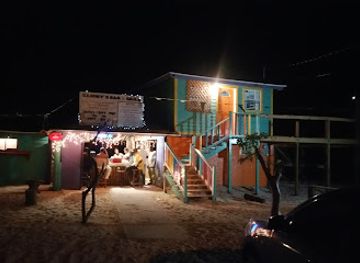
Sammy's Bar and Grill
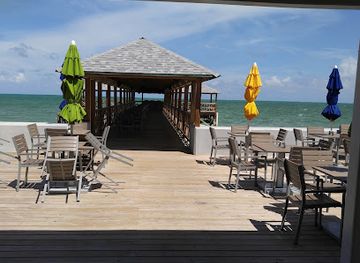
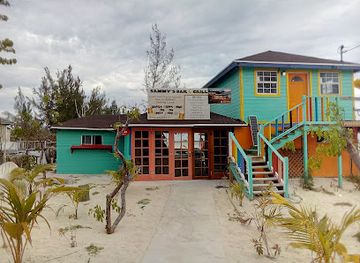
Experience authentic Bahamian flavors at Sammy's Bar and Grill in Andros Town—where great food meets stunning island views.
5 min drive · 1.7 km from city centre
-
Family-friendly
Golden Conch
Experience delicious Bahamian cuisine at Golden Conch, the perfect family-friendly restaurant on beautiful Andros Island.
2 min walk · 0.2 km from city centre
-
Restaurant
Mackey Hall
Discover authentic Bahamian flavors at Mackey Hall, the perfect dining destination in Andros Town.
9 min drive · 2.9 km from city centre

Best bars in Andros Town
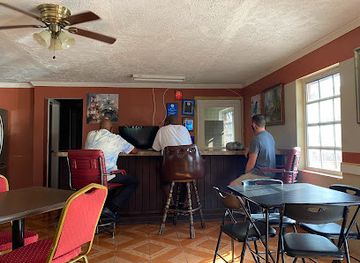
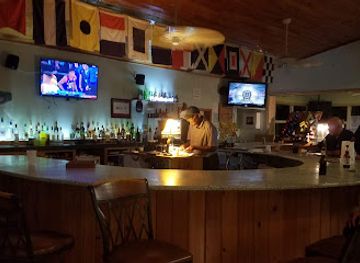
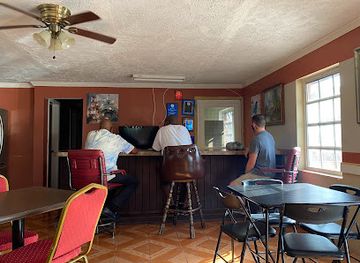
Nightlife in Andros Town is subdued and community-oriented rather than centred on large clubs. Evening options generally revolve around small local bars, casual restaurants, music, conversation and occasional community gatherings, with the pace shaped by settlement size and transport distances. Nassau-style concentrations of late-night venues, rooftop bars and international entertainment should not be expected. Some accommodation providers and tour businesses may arrange informal gatherings or evening meals, but availability is seasonal and locally dependent. The island's most distinctive after-dark experiences are often quiet ones: listening to music with residents, seeing a clear sky away from settlement lights or joining a community event when one is taking place. Visitors should arrange transport in advance, avoid walking unfamiliar roads late at night and show discretion around private gatherings, churches and residential areas.
-
Restaurant
Sammy's Bar and Grill
Experience the vibrant flavors of Bahamian cuisine at Sammy's Bar and Grill, Andros Town's favorite dining spot for tourists and locals alike.
5 min drive · 1.7 km from city centre
-
Bar
The Beach House
Experience the vibrant atmosphere of The Beach House in Andros Town, where refreshing cocktails and stunning ocean views await you.
11 min drive · 3.6 km from city centre
-
Bar
Thousand Fathoms Club
Experience the vibrant nightlife at the Thousand Fathoms Club in Andros Town, where local flavors and lively entertainment meet in a tropical paradise.
9 min drive · 3.1 km from city centre
-
Family-friendly
Golden Conch
Experience authentic Bahamian cuisine at Golden Conch, a family-friendly restaurant in Andros Island, where every dish tells a story.
2 min walk · 0.2 km from city centre


Best nightclubs in Andros Town
Nightlife in Andros Town is subdued and community-oriented rather than centred on large clubs. Evening options generally revolve around small local bars, casual restaurants, music, conversation and occasional community gatherings, with the pace shaped by settlement size and transport distances. Nassau-style concentrations of late-night venues, rooftop bars and international entertainment should not be expected. Some accommodation providers and tour businesses may arrange informal gatherings or evening meals, but availability is seasonal and locally dependent. The island's most distinctive after-dark experiences are often quiet ones: listening to music with residents, seeing a clear sky away from settlement lights or joining a community event when one is taking place. Visitors should arrange transport in advance, avoid walking unfamiliar roads late at night and show discretion around private gatherings, churches and residential areas.
-
Restaurant
Brigadier's Restaurant
Discover the flavors of the Bahamas at Brigadier's Restaurant in Hard Bargain, offering a delightful menu and warm hospitality for every visitor.
13 min drive · 4.3 km from city centre
-
Restaurant
Sammy's Bar and Grill
Discover the flavors of the Bahamas at Sammy's Bar and Grill, a vibrant restaurant in Andros Town offering local and international cuisine.
5 min drive · 1.7 km from city centre
-
Bar
Thousand Fathoms Club
Explore the lively nightlife at Thousand Fathoms Club in Andros Town, where vibrant music and refreshing drinks await every traveler.
9 min drive · 3.1 km from city centre
Best shops in Andros Town
Shopping in Andros Town is modest, practical and locally expressive. Small shops along the main road provide everyday provisions, drinks and basic supplies, while craft outlets and community sellers offer more distinctive purchases. Androsia batik is the island's best-known craft tradition, recognised for hand-produced textiles and bold patterns inspired by the Bahamian environment; availability varies, so visitors should look for legitimate local sources and ask about the work's provenance. Fresh seafood, handmade items and island-themed goods may also appear through local businesses or community events, rather than in a concentrated market district. There is no large shopping quarter comparable with Nassau's commercial areas, and brand selection is limited. Carrying cash is sensible for small purchases, while visitors should avoid buying shells, coral or protected marine material and should pack fragile textiles carefully for the journey home.
-
Supermarket
Andros Distributors
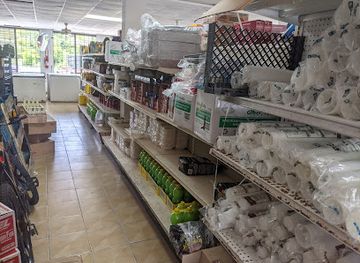
Explore authentic Bahamian flavors at Andros Distributors, your one-stop supermarket in Andros Town, Bahamas.
4 min walk · 0.3 km from city centre
-
Clothing store
Androsia Factory
Discover the vibrant art of Bahamian textiles at Androsia Factory – a must-visit for unique souvenirs and cultural experiences.
9 min walk · 0.7 km from city centre
-
Home goods store
DJ's Hardware Store
Explore DJ's Hardware Store on Andros Island for quality home goods, local crafts, and a taste of island life.
18 min walk · 1.5 km from city centre
-
Grocery store
Gaitor's Variety Store & Deli
Discover authentic Bahamian culture at Gaitor's Variety Store & Deli—your go-to spot for local products and delicious deli treats in Andros Town.
2 min walk · 0.2 km from city centre


Get your free copy of our complete guide to Andros Town, delivered straight to you.
Everything on this page, from attractions and restaurants to essentials and local phrases, in one PDF you can read offline, print or share.
Already have an account? Sign in
Your Andros Town guide is ready.
We'll send it to · Not you? Sign out

Getting your guide ready…
We are putting together a fresh copy of the Andros Town guide. This can take up to a minute.
This can take a few moments. If your browser asks, choose Allow so the download can start. You'll find the guide in your Downloads folder.
Nothing happened? Download it again
Sorry, the guide is taking longer than usual. Please try again in a minute, or get it by email instead.
Andros Town essentials
Currency and Payment
Safety
Emergency Situations
Do's and Don'ts
Local Tips
From Eve
Local phrases worth knowing
You don't need to get them perfect. A few words go a long way, and locals appreciate the effort.
Basics
| English | Local | Say it |
|---|---|---|
| Hello | Hello | [Heh-loh] |
| Goodbye | Goodbye | [Gud-bye] |
| Yes | Yes | [Yehs] |
| No | No | [Noh] |
| Please/You're welcome | Please/You're welcome | [Pleez/Yo-ah welcome] |
| Thank you | Thank you | [Thank yoo] |
| Excuse me/Sorry | Excuse me/Sorry | [Eks-kyoos mee/Saw-ree] |
| How are you? | How are you? | [How ahr yoo?] |
| Fine. And you? | Fine. And you? | [Fyn. And yoo?] |
| Do you speak English? | Do you speak English? | [Doo yoo speek Ing-lish?] |
| I don't understand | I don't understand | [I dohnt und-er-stahnd] |
Eating & Drinking
| English | Local | Say it |
|---|---|---|
| I'd like to see the menu, please | I'd like to see the menu, please | [I'd lyke to see the men-yoo, pleez] |
| I don't eat meat | I don't eat meat | [I dohnt eet meet] |
| Cheers! | Cheers! | [Chee-ers!] |
| I would like to pay, please | I would like to pay, please | [I wood lyke to pay, pleez] |
Emergencies
| English | Local | Say it |
|---|---|---|
| Help! | Help! | [Help!] |
| Go away! | Go away! | [Go uh-way!] |
| Call the Police! | Call the Police! | [Kahl the Po-lees!] |
| Call a doctor! | Call a doctor! | [Kahl a dok-tor!] |
| I'm lost | I'm lost | [I'm lost] |
| I'm ill | I'm ill | [I'm il] |
Shopping
| English | Local | Say it |
|---|---|---|
| I'd like to buy... | I'd like to buy... | [I'd lyke to buy...] |
| I'm just looking | I'm just looking | [I'm just look-ing] |
| How much is it? | How much is it? | [How much iz it?] |
| That's too expensive | That's too expensive | [That's too ex-pen-siv] |
| Can you lower the price? | Can you lower the price? | [Can yoo loh-er the price?] |
Time & Numbers
| English | Local | Say it |
|---|---|---|
| What time is it? | What time is it? | [What tahym iz it?] |
| It's one o'clock | It's one o'clock | [It's wun o'clock] |
| Half past (10) | Half past (10) | [Haf past (10)] |
| Morning | Morning | [Morn-ing] |
| Afternoon | Afternoon | [Af-ter-noon] |
| Evening | Evening | [Ee-ven-ing] |
| Yesterday | Yesterday | [Yes-ter-day] |
| Today | Today | [Toh-day] |
| Tomorrow | Tomorrow | [Toh-mor-row] |
| 1 | 1 | [Wun] |
| 2 | 2 | [Too] |
| 3 | 3 | [Tree] |
| 4 | 4 | [For] |
| 5 | 5 | [Fahyv] |
| 6 | 6 | [Siks] |
| 7 | 7 | [Sev-en] |
| 8 | 8 | [Ayt] |
| 9 | 9 | [Nyn] |
| 10 | 10 | [Tehn] |
Transport & Directions
| English | Local | Say it |
|---|---|---|
| Where's a/the...? | Where's a/the...? | [Where's uh/the...?] |
| What's the address? | What's the address? | [What's the uh-dress?] |
| Can you show me (on the map)? | Can you show me (on the map)? | [Can yoo show mee (on the map)?] |
| When's the next (bus)? | When's the next (bus)? | [When's the nekst (bus)?] |
| A ticket (to ....) | A ticket (to ....) | [Uh tik-et (to ....)] |
History of Andros Town
Lucayan Settlement and Early Contact
Before European colonisation, Andros was inhabited by Lucayan communities whose lives were shaped by fishing, shellfish gathering, travel by canoe and the resources of the island's wetlands and coastal waters. Spanish voyages reached the Bahamian archipelago in the late fifteenth century, bringing disease, enslavement and almost complete disruption to Lucayan society. By the early colonial period, the islands had been drawn into European imperial competition, although Andros remained comparatively sparsely settled. The island's broad interior, difficult waterways and scattered communities helped preserve a different character from the more concentrated ports of New Providence and other Bahamian islands.
British Rule and Loyalist Migration
The Bahamas became a British colony in the seventeenth century, and British influence shaped the political and religious institutions that later developed on Andros. After the American Revolution, Loyalists and enslaved people who accompanied them migrated to the Bahamas, contributing to the growth of new settlements and plantation activity. Andros did not become a major plantation island on the scale of some Caribbean colonies, partly because of its terrain and limited transport links, but agriculture, fishing and small-scale commerce developed along the coast. The social and cultural foundations of modern Andros emerged from the interaction of African heritage, British colonial administration and older island traditions.
Fishing, Farming and Maritime Communities
During the nineteenth and early twentieth centuries, Andros communities relied on fishing, subsistence farming, boatbuilding and the movement of goods between settlements. Fresh Creek and other coastal locations became useful centres for local trade, while the island's creeks and channels connected inland resources with the sea. Commercial sponging was important in parts of The Bahamas before the industry declined because of disease and changing markets. These livelihoods encouraged a dispersed settlement pattern rather than the dense urban form found in Nassau. The working relationship between households, boats, wetlands and the sea remains visible around Andros Town and Morgan's Bluff.
War, Communications and Modern Change
The twentieth century brought improved roads, air links and communications, gradually connecting Andros more closely with Nassau and the wider Bahamian economy. The island also acquired strategic importance during the Second World War and the Cold War through military and communications installations, though these did not transform Andros into a large urban centre. Improved transport supported fishing, farming and tourism while also making it easier for residents to travel for education and employment. Andros Town today reflects this layered development: a small administrative and service settlement within a much larger island landscape whose communities remain separated by distance, wetlands and waterways.
Conservation and Living Heritage
In recent decades, attention has increasingly focused on protecting Andros's wetlands, blue holes, mangroves, forests and surrounding reef systems. National-park designations and conservation work recognise the ecological importance of the island's freshwater caves, tidal habitats and marine environment, while local guides and fishers continue to provide practical knowledge of these places. Craft traditions such as Androsia batik offer another expression of island identity, combining contemporary design with local imagery. Modern Andros Town therefore sits within a continuing history in which environmental stewardship, small-scale livelihoods and community traditions are as important to the island's identity as formal monuments.
Andros Town in Photos
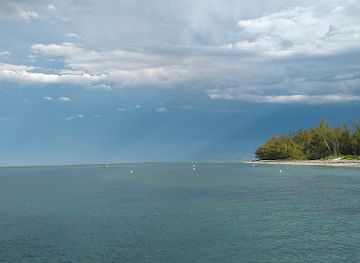
Browse through our photo collection highlighting the charm and character of the destination.
Cities near Andros Town
The closest cities to Andros Town, if you have time for more than one stop.
-

-
-

-

-


Swipe for more cities
Explore more

Explore more of The Bahamas
Discover The Bahamas: A Caribbean getaway with stunning beaches, vibrant culture, and endless adventures. Perfect for relaxation, exploration, and unforgettable memories.
Explore The Bahamas