

Free Freeport Travel Guide & Mobile App
Plan your Freeport trip with Evendo. Get free guides to top attractions, restaurants, hotels, and bars. Web access or download the mobile app.


Freeport, Grand Bahama, pairs Atlantic beaches and Lucayan heritage with nature reserves, Port Lucaya dining, watersports and easy island sightseeing.
A Planned City by the Atlantic
Freeport occupies a broad stretch of Grand Bahama’s southwestern coast, where pale limestone, pine woodland and clear Atlantic water define the landscape. Unlike Nassau, whose character grew from centuries of colonial development, Freeport is a comparatively modern planned city. Its origins lie in the Hawksbill Creek Agreement of 1955, which established the Grand Bahama Port Authority and encouraged the development of a free-trade area, deep-water harbour and new urban centre. The result is a destination with wide roads, low-rise districts and a distinctly spacious feel rather than a tightly packed historic core.Read more about Freeport
Beaches, Markets and Island Life
Pine Forests and Coastal Wetlands
When is the best time to visit Freeport?
Best: January–March · 27–28°C| Month | High (°C) | Rainfall (mm) |
|---|---|---|
| January (best) | 27 | 50 |
| February (best) | 27 | 40 |
| March (best) | 28 | 40 |
| April | 29 | 50 |
| May | 29 | 80 |
| June | 30 | 130 |
| July | 31 | 170 |
| August | 31 | 180 |
| September | 31 | 150 |
| October | 31 | 120 |
| November | 30 | 70 |
| December | 29 | 60 |
Getting to and around Freeport
How to get there
Transportation
Best attractions in Freeport
Freeport’s attractions range from coastal leisure to ecological exploration. Port Lucaya Marketplace is the city’s best-known visitor quarter, with brightly painted buildings, craft stalls, restaurants and access to the marina and boat excursions. Garden of the Groves provides landscaped paths through tropical plantings, ponds and shaded woodland, while the Rand Nature Center introduces Grand Bahama’s pine forests, coppice and native birdlife. The beaches around Lucaya and Taino Beach offer broad sand and calm-water recreation, although conditions vary with weather and season. East of Freeport, Lucayan National Park protects mangroves, coastal forest and one of the world’s longest known underwater cave systems, with Gold Rock Beach forming a celebrated stretch of shoreline nearby. Boat trips, snorkelling and dolphin encounters are also associated with the surrounding waters, but operators and conditions vary, so excursions should be assessed locally rather than treated as fixed attractions.
-
Botanical garden
Garden of the Groves
Experience the natural beauty and tranquility of the Garden of the Groves, a stunning botanical garden in Freeport, Bahamas, perfect for nature lovers and peace seekers.
28 min drive · 9.5 km from city centre
-
Tourist attraction
Paradise Cove Beach Resort - The Red Bar
Experience the ultimate tropical escape at Paradise Cove Beach Resort - The Red Bar, where breathtaking views and exhilarating adventures await.
41 min drive · 21 km from city centre
-
National park
Lucayan National Park
Explore the breathtaking beauty of Lucayan National Park, a natural paradise in the Bahamas featuring pristine beaches, lush ecosystems, and captivating underwater caves.
47 min drive · 27 km from city centre
-
Beach
Taino Beach
Experience the beauty of Taino Beach, a tropical paradise in the Bahamas, offering pristine sands, clear waters, and vibrant local culture.
12 min drive · 3.9 km from city centre


Best landmarks in Freeport
Freeport’s principal landmarks express its modern, planned origins rather than a preserved colonial townscape. The Grand Bahama Port Authority and the harbour represent the development model created by the 1955 Hawksbill Creek Agreement, which transformed the island’s southwest into a port and commercial centre. Port Lucaya’s marina and colourful marketplace have become recognisable symbols of the city’s tourism economy, even though their significance is primarily social and contemporary. At the Rand Nature Center, pathways and interpretive displays give public form to the importance of Grand Bahama’s pine and coppice ecosystems. Garden of the Groves is another established city landmark, known for its landscaped tropical setting and water features. Beyond Freeport, Lucayan National Park and its cave system provide the most powerful connection to the island’s Indigenous, geological and environmental history; they should be understood as nearby Grand Bahama landmarks rather than central-city monuments.
-
Port
Freeport Cruise Port
Experience the vibrant culture and stunning beauty of Freeport Cruise Port, your gateway to the Bahamas' unique shopping, dining, and adventure.
31 min drive · 11 km from city centre
-
Shopping mall
Port Lucaya Marketplace
Experience the vibrant culture of Freeport at Port Lucaya Marketplace - a shopping paradise with dining and entertainment options for every traveler.
6 min drive · 1.9 km from city centre
-
Amusement park
Pirate's Cove Zipline and Water Park
Discover the excitement of ziplining and the joy of water fun at Pirate's Cove Zipline and Water Park in Freeport, Bahamas.
11 min drive · 3.7 km from city centre
-
Resort hotel
Taino Beach Resort and Clubs
Discover Taino Beach Resort and Clubs, where luxury meets the stunning natural beauty of Grand Bahama Island for an unforgettable vacation experience.
8 min drive · 2.7 km from city centre


Explore Freeport on the map
Plan your Freeport trip on one map. See where the top attractions, landmarks, restaurants, bars and hotels are, find what's near where you're staying, and book hotels and experiences in a few clicks.
Best hotels in Freeport
Best restaurants in Freeport
Freeport’s food culture reflects Bahamian seafood, island produce and the practical influence of a port with international connections. Conch appears in salads, fritters and cracked conch, while fresh fish, lobster when in season, peas and rice, plantain and johnnycake are familiar features of local cooking. Around Port Lucaya and the resort districts, visitors find a mixture of Bahamian restaurants, casual grills, cafés and international menus, with the marina adding a relaxed waterfront setting. Smaller local eateries offer a more everyday atmosphere, and fish-fry traditions elsewhere on Grand Bahama provide music and communal dining when scheduled. Pigeon peas, citrus, spicy sauces and tropical drinks add character to the island table. Menus and seafood availability can change with weather and supply, so asking what is locally caught often gives a better sense of the day’s cooking than choosing only familiar resort dishes.
-
Restaurant
Banana Bay
Experience vibrant Caribbean cuisine at Banana Bay in Freeport - where delicious flavors meet stunning views.
27 min drive · 8.9 km from city centre
-
Greek
Zorba's Greek Restaurant
Experience authentic Greek cuisine at Zorba's Greek Restaurant in Freeport’s vibrant Port Lucaya Marketplace.
6 min drive · 1.9 km from city centre
-
Restaurant
The Stoned Crab Restaurant
Discover The Stoned Crab Restaurant in Grand Bahama: where fresh seafood meets stunning beach views for an unforgettable dining experience.
11 min drive · 3.7 km from city centre
-
Restaurant
Flying Fish GastroBar
Discover culinary excellence at Flying Fish GastroBar in Freeport - where fresh seafood meets Bahamian flair in a stunning waterfront setting.
6 min drive · 2.1 km from city centre


Best bars in Freeport
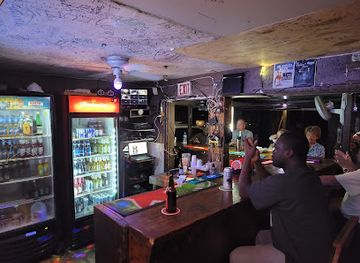
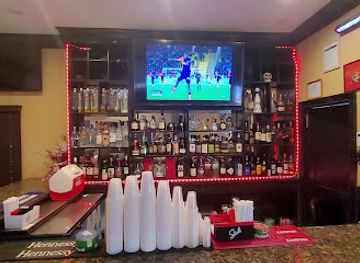
Freeport’s evening life is concentrated around Port Lucaya, the marina and resort properties rather than spread through a dense downtown entertainment district. Waterfront bars and restaurants provide space for rum-based drinks, Bahamian beer, live music and relaxed conversation, while hotel lounges tend to offer quieter evenings and occasional performances. Port Lucaya Marketplace may host music, dancing or cultural entertainment, although the programme varies. The nightlife is generally sociable and unhurried, with activity shaped by cruise arrivals, resort occupancy and the season rather than by a large permanent club scene. Visitors can also encounter local rake-and-scrape, a Bahamian musical tradition built around rhythmic percussion and string instruments, in cultural performances or informal venues. Use established transport after dark, particularly when returning from the marina or resort areas to accommodation outside the main visitor districts.
-
Pub
Rum Runners
Discover the lively atmosphere and delicious flavors at Rum Runners in Freeport, Bahamas – a must-visit pub for tourists seeking entertainment and local cuisine.
6 min drive · 1.9 km from city centre
-
Bar
Two Dollar Bar
Discover the lively Two Dollar Bar in Freeport, where affordable drinks meet vibrant atmosphere and delicious local cuisine in a unique Bahamian setting.
9 min drive · 3.0 km from city centre
-
Bar
Sabor Restaurant & Bar
Discover the vibrant flavors of the Bahamas at Sabor Restaurant & Bar, where culinary delights and stunning views create the perfect dining experience.
6 min drive · 2.0 km from city centre
-
Bar
Bones Bar
Discover the vibrant atmosphere of Bones Bar in Freeport, where tropical drinks and stunning views create unforgettable moments.
6 min drive · 2.1 km from city centre


Best nightclubs in Freeport
Freeport’s evening life is concentrated around Port Lucaya, the marina and resort properties rather than spread through a dense downtown entertainment district. Waterfront bars and restaurants provide space for rum-based drinks, Bahamian beer, live music and relaxed conversation, while hotel lounges tend to offer quieter evenings and occasional performances. Port Lucaya Marketplace may host music, dancing or cultural entertainment, although the programme varies. The nightlife is generally sociable and unhurried, with activity shaped by cruise arrivals, resort occupancy and the season rather than by a large permanent club scene. Visitors can also encounter local rake-and-scrape, a Bahamian musical tradition built around rhythmic percussion and string instruments, in cultural performances or informal venues. Use established transport after dark, particularly when returning from the marina or resort areas to accommodation outside the main visitor districts.
-
Bar
Two Dollar Bar
Discover the vibrant nightlife of Freeport at Two Dollar Bar, where affordable drinks and a lively atmosphere await you.
9 min drive · 3.0 km from city centre
-
Bar
Playaz Lounge
Experience the vibrant nightlife of Freeport at Playaz Lounge, where lively music and refreshing cocktails create unforgettable nights.
11 min drive · 3.7 km from city centre
-
Bar
No Holds Bar
Discover the lively atmosphere and refreshing cocktails at No Holds Bar in Freeport, where nightlife comes alive with live music and great vibes.
12 min drive · 4.0 km from city centre
-
Bar
Club Liquid
Dive into the heart of Freeport's nightlife at Club Liquid, the ultimate bar for music, dancing, and unforgettable memories.
5 min walk · 0.4 km from city centre


Best shops in Freeport
Shopping in Freeport is centred on Port Lucaya Marketplace, where brightly coloured arcades accommodate Bahamian crafts, resort clothing, jewellery, souvenirs, artwork and food stalls beside the marina. The atmosphere is informal and visitor-oriented, with local straw work, wood carvings, shell-based designs and island-themed gifts appearing alongside imported goods. Smaller shops in the resort districts and commercial areas provide everyday necessities, spirits, clothing and beach equipment, while independent artisans may sell work through markets or cultural events rather than permanent galleries. Conch shells, coral and wildlife products should be approached carefully: removing natural material from beaches or protected areas is inappropriate, and some items may be restricted for export. For a more meaningful purchase, look for clearly identified Bahamian-made crafts, locally produced food products or artwork that reflects Grand Bahama’s landscapes and maritime culture.
-
Shopping mall
Port Lucaya Marketplace
Experience the vibrant culture, shopping, and fine dining at the iconic Port Lucaya Marketplace in Freeport, Bahamas.
6 min drive · 1.9 km from city centre
-
Shopping mall
The Lucaya Shopping Centr
Discover the vibrant shopping experience at The Lucaya Shopping Centre, where local culture meets international retail in Freeport, Bahamas.
3 min walk · 0.3 km from city centre
-
Supermarket
Stop n' Shop
Explore an array of fresh produce and local flavors at Stop n' Shop, the heart of grocery shopping in Freeport, Bahamas.
11 min drive · 3.7 km from city centre
-
Shopping mall
RayVin Mall
Experience shopping like never before at RayVin Mall in Freeport, where vibrant stores and diverse dining options await every visitor.
12 min drive · 3.9 km from city centre


Get your free copy of our complete guide to Freeport, delivered straight to you.
Everything on this page, from attractions and restaurants to essentials and local phrases, in one PDF you can read offline, print or share.
Already have an account? Sign in
Your Freeport guide is ready.
We'll send it to · Not you? Sign out

Getting your guide ready…
We are putting together a fresh copy of the Freeport guide. This can take up to a minute.
This can take a few moments. If your browser asks, choose Allow so the download can start. You'll find the guide in your Downloads folder.
Nothing happened? Download it again
Sorry, the guide is taking longer than usual. Please try again in a minute, or get it by email instead.
Freeport essentials
Currency and Payment
Safety
Emergency Situations
Do's and Don'ts
Local Tips
From Eve
Local phrases worth knowing
You don't need to get them perfect. A few words go a long way, and locals appreciate the effort.
Basics
| English | Local | Say it |
|---|---|---|
| Hello | Hey | [hey] |
| Goodbye | Goodbye | [good-bye] |
| Yes | Yes | [yes] |
| No | No | [no] |
| Please/You're welcome | Please/You're welcome | [pleez/yur wel-kum] |
| Thank you | Thank you | [thank yu] |
| Excuse me/Sorry | Excuse me/Sorry | [iks-kyoos mee/sor-ree] |
| How are you? | How you doin'? | [how yu doo-in] |
| Fine. And you? | Irie. And you? | [eye-ree. and yu] |
| Do you speak English? | You speak English? | [yu speek ing-glish] |
| I don't understand | I don't get it | [eye dont get it] |
Eating & Drinking
| English | Local | Say it |
|---|---|---|
| I'd like to see the menu, please | Menu, please | [men-yoo, pleez] |
| I don't eat meat | I don't eat meat | [eye dont eet meet] |
| Cheers! | Cheers! | [cheers] |
| I would like to pay, please | Check, please | [chek, pleez] |
Emergencies
| English | Local | Say it |
|---|---|---|
| Help! | Help! | [help] |
| Go away! | Go 'way! | [go way] |
| Call the Police! | Call da Police! | [kawl da po-leece] |
| Call a doctor! | Call a doc! | [kawl a dok] |
| I'm lost | I lost | [eye lost] |
| I'm ill | I sick | [eye sik] |
Shopping
| English | Local | Say it |
|---|---|---|
| I'd like to buy... | I wanna buy... | [eye wanna buy] |
| I'm just looking | I just lookin' | [eye just lookin] |
| How much is it? | How much dis? | [how much dis] |
| That's too expensive | Too much money | [too much mun-ee] |
| Can you lower the price? | Lower the price? | [loh-er the prys] |
Time & Numbers
| English | Local | Say it |
|---|---|---|
| What time is it? | What time is it? | [what time is it] |
| It's one o'clock | It's one o'clock | [its one o-clock] |
| Half past (10) | Half ten | [haff ten] |
| Morning | Morning | [morn-in] |
| Afternoon | Afternoon | [af-ter-noon] |
| Evening | Evening | [ee-ven-ing] |
| Yesterday | Yesterday | [yes-tur-day] |
| Today | Today | [to-day] |
| Tomorrow | Tomorrow | [to-mor-row] |
| 1 | 1 | [one] |
| 2 | 2 | [two] |
| 3 | 3 | [three] |
| 4 | 4 | [four] |
| 5 | 5 | [five] |
| 6 | 6 | [six] |
| 7 | 7 | [seven] |
| 8 | 8 | [eight] |
| 9 | 9 | [nine] |
| 10 | 10 | [ten] |
Transport & Directions
| English | Local | Say it |
|---|---|---|
| Where's a/the...? | Where's the...? | [wheres the] |
| What's the address? | What's the address? | [whats the ad-dress] |
| Can you show me (on the map)? | Show me (on the map) | [show me on the map] |
| When's the next (bus)? | When's the next bus? | [whens the next bus] |
| A ticket (to ....) | Ticket (to ....) | [ticket to] |
History of Freeport
Lucayan Life Before Freeport
Long before the modern city, Grand Bahama was inhabited by Lucayan people, an Indigenous Taíno-speaking society whose settlements depended on fishing, shellfish, farming and movement between the islands of the Bahamian archipelago. The island’s caves, coastal wetlands and shallow banks formed part of this wider environment. European arrival in the late fifteenth century brought disease, enslavement and disruption, and the Lucayan population was largely removed to Hispaniola within a few decades. Lucayan National Park preserves some of the clearest physical reminders of this earlier history, including burial evidence and the island’s extensive underwater cave system, which records the geological and human story of Grand Bahama beneath the landscape encountered by visitors today.
Colonial Grand Bahama and Maritime Trade
During the colonial era, Grand Bahama remained less densely settled than New Providence and Eleuthera, partly because its thin soils, pine forests and exposed coastline offered fewer advantages for plantation agriculture. The island nevertheless occupied a strategic position in the Bahamian chain, and its surrounding waters became associated with fishing, wrecking and maritime trade. British control was formalised in the seventeenth century, while later communities combined farming, boatbuilding and seafaring with subsistence activity. These earlier patterns help explain why modern Grand Bahama developed around ports, roads and coastal commerce rather than around a large colonial capital or a concentrated historic town.
The Hawksbill Creek Agreement
Freeport’s defining transformation began in 1955 when the Bahamian government entered into the Hawksbill Creek Agreement with American industrialist Wallace Groves. The arrangement created the Grand Bahama Port Authority and granted extensive development and tax concessions intended to attract investment. A deep-water harbour, industrial facilities, roads and planned residential areas followed, turning a lightly populated part of Grand Bahama into a new economic centre. The name Freeport reflected its proposed role as a free-trade and shipping hub. This planned origin distinguishes the city from Nassau, whose urban form evolved gradually from a colonial settlement.
Tourism and Port Lucaya’s Rise
As the harbour and industrial economy expanded, tourism became increasingly important to Freeport’s identity. Hotels, marinas, golf facilities, shops and entertainment venues were developed to serve visitors drawn by Grand Bahama’s beaches and offshore waters. Port Lucaya emerged as the principal resort and leisure district, linking accommodation, restaurants, retail and excursions around a marina and marketplace. The city’s economy consequently became closely connected to cruise travel, resort tourism, marine services and international commerce. Rather than replacing the port’s industrial role entirely, tourism added a second public face to Freeport, one centred on coastal recreation and the cultural presentation of Bahamian food, music and craft.
Storms, Renewal and Modern Freeport
Freeport’s low-lying position has made it vulnerable to hurricanes and storm surge, and severe storms have repeatedly damaged infrastructure, homes, resorts and port facilities. Hurricane Dorian, which struck Grand Bahama in 2019, caused catastrophic destruction in parts of the island and left a lasting mark on the community and economy. Recovery has involved rebuilding, restoring tourism facilities and reassessing the resilience of coastal development. Contemporary Freeport therefore combines the legacy of a planned port city with the environmental realities of a low limestone island. Its nature reserves, beaches and neighbourhoods remain central to the city’s appeal, while hurricane recovery continues to influence its social and economic landscape.
Freeport in Photos
Browse through our photo collection highlighting the charm and character of the destination.
Cities near Freeport
The closest cities to Freeport, if you have time for more than one stop.
-

-

-

-

-


Swipe for more cities
Explore more

Explore more of The Bahamas
Discover The Bahamas: A Caribbean getaway with stunning beaches, vibrant culture, and endless adventures. Perfect for relaxation, exploration, and unforgettable memories.
Explore The Bahamas