

Free Lucaya Travel Guide & Mobile App
Plan your Lucaya trip with Evendo. Get free guides to top attractions, restaurants, hotels, and bars. Web access or download the mobile app.


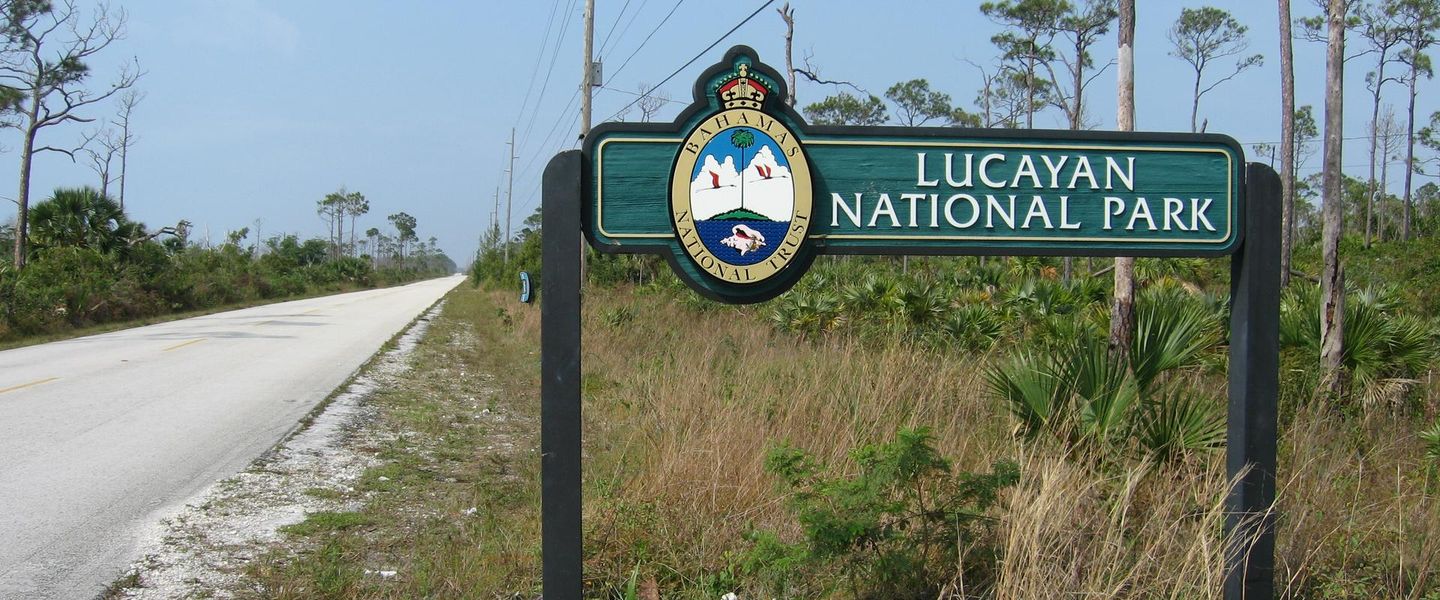


Lucaya, The Bahamas, pairs powdery beaches and turquoise water with Lucayan heritage, Port Lucaya dining, nature reserves and easy Grand Bahama excursions.
Coastal Character
Lucaya occupies a bright stretch of Grand Bahama where pale sand, clear shallows and low coastal vegetation shape the landscape. Often experienced together with neighbouring Freeport, it is centred on resort accommodation, waterside recreation and the Port Lucaya Marketplace, while quieter beaches and mangrove-fringed waterways lie beyond the main visitor areas. The setting feels spacious rather than urban, with Atlantic breezes, brilliant water and long horizons defining the rhythm of the day.Read more about Lucaya
History and Island Culture
Water, Nature and Exploration
When is the best time to visit Lucaya?
Best: February–April · 26–27°C| Month | High (°C) | Rainfall (mm) |
|---|---|---|
| January | 26 | 50 |
| February (best) | 26 | 40 |
| March (best) | 26 | 40 |
| April (best) | 27 | 30 |
| May | 29 | 30 |
| June | 31 | 30 |
| July | 32 | 30 |
| August | 32 | 30 |
| September | 32 | 30 |
| October | 30 | 40 |
| November | 28 | 50 |
| December | 26 | 50 |
Getting to and around Lucaya
How to get there
Transportation
Best attractions in Lucaya
Lucaya's central visitor focus is Port Lucaya Marketplace, where colourful buildings, harbour views, shops, restaurants and occasional entertainment create an easy introduction to Grand Bahama. Taino Beach offers broad sand and calm-looking shallows, with watersports and boat excursions available in the surrounding area. For a stronger connection with the island's past, Lucayan National Park lies east of Lucaya and combines coastal scenery with archaeological remains and access to one of the world's longest known underwater cave systems. In the wider Freeport area, Garden of the Groves provides landscaped paths, tropical planting and tranquil water features, while Rand Nature Center interprets Grand Bahama's native habitats. Dolphin encounters, snorkelling trips, fishing charters and glass-bottom or sightseeing cruises reveal the marine environment beyond the shore. These attractions make Lucaya less a conventional city break than a base for combining resort life, nature, archaeology and time on the water.
-
Tourist attraction
Rand Nature Center
Discover the beauty of the Bahamas at Rand Nature Center, a tranquil nature preserve perfect for wildlife lovers and those seeking peace in nature.
10 min walk · 0.8 km from city centre
-
Tourist attraction
St. John's Jubilee Cathedral
Explore the architectural beauty and cultural significance of St. John's Jubilee Cathedral, a must-visit destination in Freeport, Bahamas.
11 min walk · 0.8 km from city centre
-
 Park
Gladstone 'Moon' McPhee Park
Explore the serene landscapes of Gladstone 'Moon' McPhee Park in Freeport, a perfect destination for relaxation and outdoor adventures.
10 min walk · 0.8 km from city centre


Best landmarks in Lucaya
Port Lucaya Marketplace is Lucaya's most recognisable built landmark, its pastel façades and harbour-facing layout representing the district's planned resort identity rather than colonial-era architecture. The nearby Count Basie Square, named after the American jazz musician, functions as a setting for music, dancing and public events. Lucayan National Park is a landmark of a different kind: its caves, coastal ecosystems and archaeological remains connect the modern resort district with the island's Indigenous past. In the wider Freeport area, the Grand Bahama Port Authority's planned urban environment reflects the twentieth-century origins of the city-region under the Hawksbill Creek development. The Garden of the Groves is also culturally significant as a landscaped attraction associated with Grand Bahama's tourism era. Together, these places show Lucaya through commerce, performance, natural history and the planned development that distinguishes the island from older Bahamian settlements.
-
Nature preserve
Rand Nature Center
Discover the natural beauty and tranquility of Rand Nature Center, a must-visit nature preserve in Freeport, Grand Bahama, ideal for nature lovers and eco-tourists.
10 min walk · 0.8 km from city centre

Explore Lucaya on the map
Plan your Lucaya trip on one map. See where the top attractions, landmarks, restaurants, bars and hotels are, find what's near where you're staying, and book hotels and experiences in a few clicks.
Best hotels in Lucaya
Best restaurants in Lucaya
Dining in Lucaya centres on seafood, waterfront settings and the relaxed social atmosphere of Port Lucaya Marketplace. Conch, the large marine mollusc central to Bahamian cooking, appears raw as conch salad or cooked in fritters, while fresh fish, lobster when in season, peas and rice, and spicy sauces reflect the country's maritime pantry and regional influences. Restaurants range from casual counters and takeaway kitchens to sit-down venues overlooking the marina, with international menus alongside Bahamian dishes. Fish fries and informal local gatherings elsewhere on Grand Bahama offer a more community-oriented setting, though locations and schedules can change. Breakfast cafés, bakeries and bars add lighter options, while resort restaurants provide familiar international fare. Dining is generally unhurried, and menus may reflect the day's catch, seasonal supply and the practical realities of island transport.
-
Restaurant
Out da Sea
Discover the taste of the Bahamas at Out da Sea in Freeport - where fresh seafood meets island hospitality in a vibrant setting.
16 min walk · 1.3 km from city centre
-
Restaurant
BBQ Grill
Discover mouthwatering grilled delights at BBQ Grill in Freeport - a culinary gem offering authentic local flavors in a vibrant setting.
16 min walk · 1.3 km from city centre
-
Restaurant
Buckets Restaurant & Pub
Experience vibrant Bahamian flavors at Buckets Restaurant & Pub in Freeport - a must-visit for food lovers seeking authentic Caribbean cuisine.
13 min walk · 1.0 km from city centre


Best nightclubs in Lucaya
After dark, Lucaya's social life is concentrated around Port Lucaya's marina, restaurants and bars rather than a large club district. Visitors may find live Bahamian music, casual dancing, sports bars, rum-based drinks and outdoor seating, with evenings often shaped by resort entertainment and the current seasonal programme. The atmosphere can range from quiet harbour drinks to lively gatherings featuring local musicians, Junkanoo-influenced rhythms or Caribbean standards. Freeport provides additional restaurants, bars and occasional performances, but Grand Bahama's nightlife is generally more dispersed and relaxed than that of Nassau. Some venues cater principally to resort guests, while others attract local residents and seasonal visitors. Taxi arrangements are important when moving between districts at night, and visitors should confirm current entertainment schedules locally because opening patterns and performances vary.
-
Bar
Club Liquid
Experience the vibrant nightlife of Freeport at Club Liquid, a premier destination for dancing, drinks, and unforgettable memories.
16 min walk · 1.3 km from city centre

Get your free copy of our complete guide to Lucaya, delivered straight to you.
Everything on this page, from attractions and restaurants to essentials and local phrases, in one PDF you can read offline, print or share.
Already have an account? Sign in
Your Lucaya guide is ready.
We'll send it to · Not you? Sign out

Getting your guide ready…
We are putting together a fresh copy of the Lucaya guide. This can take up to a minute.
This can take a few moments. If your browser asks, choose Allow so the download can start. You'll find the guide in your Downloads folder.
Nothing happened? Download it again
Sorry, the guide is taking longer than usual. Please try again in a minute, or get it by email instead.
Lucaya essentials
Currency and Payment
Safety
Emergency Situations
Do's and Don'ts
Local Tips
From Eve
Local phrases worth knowing
You don't need to get them perfect. A few words go a long way, and locals appreciate the effort.
Basics
| English | Local | Say it |
|---|---|---|
| Hello | Hey | [Hey] |
| Goodbye | Goodbye | [Goodbye] |
| Yes | Yes | [Yes] |
| No | No | [No] |
| Please/You're welcome | Plis | [Plis] |
| Thank you | Tank yu | [Tank yu] |
| Excuse me/Sorry | Sari | [Sari] |
| How are you? | How you doin'? | [How you doin'?] |
| Fine. And you? | I good. And you? | [I good. And you?] |
| Do you speak English? | Yu spik Inglish? | [Yu spik Inglish?] |
| I don't understand | I don' get it | [I don' get it] |
Eating & Drinking
| English | Local | Say it |
|---|---|---|
| I'd like to see the menu, please | Lemme see de menu, plis | [Lemme see de menu, plis] |
| I don't eat meat | I don' eat meat | [I don' eat meat] |
| Cheers! | Cheers! | [Cheers!] |
| I would like to pay, please | I wan pay, plis | [I wan pay, plis] |
Emergencies
| English | Local | Say it |
|---|---|---|
| Help! | Help! | [Help!] |
| Go away! | Go 'way! | [Go 'way!] |
| Call the Police! | Call de Police! | [Call de Police!] |
| Call a doctor! | Call a doctah! | [Call a doctah!] |
| I'm lost | I los | [I los] |
| I'm ill | I sick | [I sick] |
Shopping
| English | Local | Say it |
|---|---|---|
| I'd like to buy... | I wan buy... | [I wan buy...] |
| I'm just looking | I jus lookin' | [I jus lookin'] |
| How much is it? | How much dis is? | [How much dis is?] |
| That's too expensive | Dat too much money | [Dat too much money] |
| Can you lower the price? | Can yu drop de price? | [Can yu drop de price?] |
Time & Numbers
| English | Local | Say it |
|---|---|---|
| What time is it? | What time it is? | [What time it is?] |
| It's one o'clock | It one o'clock | [It one o'clock] |
| Half past (10) | Hal pass (10) | [Hal pass (10)] |
| Morning | Mornin' | [Mornin'] |
| Afternoon | Afternoon | [Afternoon] |
| Evening | Evenin' | [Evenin'] |
| Yesterday | Yestaday | [Yestaday] |
| Today | Today | [Today] |
| Tomorrow | Tamara | [Tamara] |
| 1 | 1 | [1] |
| 2 | 2 | [2] |
| 3 | 3 | [3] |
| 4 | 4 | [4] |
| 5 | 5 | [5] |
| 6 | 6 | [6] |
| 7 | 7 | [7] |
| 8 | 8 | [8] |
| 9 | 9 | [9] |
| 10 | 10 | [10] |
Transport & Directions
| English | Local | Say it |
|---|---|---|
| Where's a/the...? | Where de...? | [Where de...?] |
| What's the address? | Wat de address is? | [Wat de address is?] |
| Can you show me (on the map)? | Can yu show me (on de map)? | [Can yu show me (on de map)?] |
| When's the next (bus)? | When de next (bus) is? | [When de next (bus) is?] |
| A ticket (to ....) | A tickit (to ....) | [A tickit (to ....)] |
History of Lucaya
The Lucayan People
Before European arrival, Grand Bahama was inhabited by Lucayan communities, a Taíno-related people who lived by fishing, farming and gathering the resources of the islands and surrounding sea. Their settlements formed part of a wider network linking the Bahamian archipelago with Hispaniola, Cuba and other Caribbean territories. Lucayan National Park, east of Lucaya, preserves one of the most important places for understanding this early history, including evidence of habitation and access to an extensive underwater cave system. The Lucayan population suffered catastrophic decline after European contact through disease, enslavement and forced relocation during the sixteenth century. Their legacy remains central to the island's identity, even though much of the visible built environment today belongs to a far later period.
European Colonisation and the Plantations
European settlement in The Bahamas expanded after the disappearance of the Lucayan population, although Grand Bahama remained comparatively lightly populated for long periods. The islands became associated with British colonial rule, maritime trade, fishing, small-scale agriculture and the activities of privateers and wreckers. Grand Bahama's thin soils, pine forests and exposure to hurricanes limited the development of large plantation societies found elsewhere in the Caribbean, but small settlements and farms continued along the coast. British administration shaped the legal and cultural framework that later became part of the independent Commonwealth of The Bahamas. The island's scattered communities and dependence on the sea helped preserve a practical, outward-looking island culture.
Freeport and the Hawksbill Creek Agreement
The modern history of Lucaya is closely connected with the creation of Freeport. In 1955, the Bahamian government granted the Hawksbill Creek Agreement to American financier Wallace Groves, allowing the development of a large free-trade and industrial area on Grand Bahama. Planned streets, port facilities, housing and commercial districts grew around what became Freeport, introducing an urban model unlike the older settlements of the archipelago. The project attracted investment, workers and new residents, while its tax and development arrangements made Grand Bahama a major experiment in post-war Caribbean economic planning. Lucaya emerged alongside this transformation as a purpose-built resort and residential district serving the island's expanding tourism economy.
Tourism Takes Root
From the 1960s onwards, Grand Bahama developed a substantial visitor economy based on beaches, boating, fishing, diving and resort accommodation. Lucaya was planned as a tourism-focused district with hotels, landscaped residential areas, marinas and leisure facilities, complementing Freeport's commercial and industrial functions. This period brought improved transport links and created employment in hospitality, construction, retail and marine services. Port Lucaya became an important visitor centre, combining shops, restaurants and harbour activity in a setting designed for holiday life. The resort landscape also reflected wider changes in The Bahamas, where international tourism increasingly shaped employment, investment and the presentation of Bahamian culture.
A Contemporary Bahamian Resort Community
Today, Lucaya forms part of the wider Grand Bahama destination rather than an isolated historic town. Its identity rests on the interaction between planned resort development, local communities, marine environments and the archaeological landscape of the island. Tourism has faced interruptions from hurricanes, economic pressures and wider disruptions to international travel, yet beaches, nature attractions and maritime activities remain fundamental to the local economy. The contrast between modern accommodation districts and sites such as Lucayan National Park gives visitors a concise view of Grand Bahama's development: an island shaped first by Indigenous settlement and colonial history, then by ambitious twentieth-century planning and an enduring relationship with the sea.
Lucaya in Photos
Browse through our photo collection highlighting the charm and character of the destination.
Cities near Lucaya
The closest cities to Lucaya, if you have time for more than one stop.
-

-

-

-

-


Swipe for more cities
Explore more

Explore more of The Bahamas
Discover The Bahamas: A Caribbean getaway with stunning beaches, vibrant culture, and endless adventures. Perfect for relaxation, exploration, and unforgettable memories.
Explore The Bahamas