

Free Kombo Central Travel Guide & Mobile App
Explore Kombo Central with free travel guides. Discover regional history, expert tips, proposed trips, and audio guides on web or mobile app.


Explore Kombo Central in The Gambia for Brikama’s woodcraft, Mandinka culture, Makasutu’s forest landscapes and everyday regional life.
Read more about Kombo Central
When is the best time to visit Kombo Central?
Best: December–February · 30–31°C| Month | High (°C) | Rainfall (mm) |
|---|---|---|
| January (best) | 30 | 0 |
| February (best) | 31 | 0 |
| March | 32 | 0 |
| April | 33 | 0 |
| May | 34 | 0 |
| June | 35 | 2 |
| July | 33 | 90 |
| August | 33 | 210 |
| September | 32 | 160 |
| October | 33 | 60 |
| November | 31 | 15 |
| December (best) | 30 | 0 |
Getting to and around Kombo Central
How to get there
Transportation
Top city travel guides in Kombo Central
The cities of Kombo Central, and the easiest places to base yourself.
-

-


Swipe for more cities
Best attractions in Kombo Central
Kombo Central’s attractions combine cultural discovery with woodland landscapes rather than relying on a concentration of monumental buildings. Brikama is the district’s principal visitor centre, known for woodcarving, drums, masks and other craftwork produced in workshops and sold through local markets. A visit is more informative when arranged as a conversation with craftspeople or a guided walk through the trading areas. Makasutu Culture Forest provides the district’s best-known nature experience, with forest paths, palms, wetlands and opportunities for birdwatching and cultural interpretation. Its character changes with the seasons, and guided access is useful for understanding the environment and local conservation work. Beyond these headline experiences, the district offers a view of everyday Gambian life through agricultural settlements, roadside produce stalls, mosques and small community markets. Outdoor visits should be planned with water, sun protection and suitable footwear. Travellers seeking beaches, larger resort facilities or the country’s principal urban museums will need to continue beyond Kombo Central into neighbouring districts or the Greater Banjul area.
-
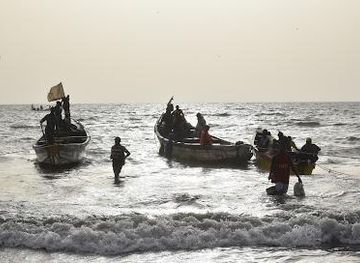
Tanji Fishing Center 🎣 bass
Experience the authentic fishing culture of The Gambia at Tanji Fishing Center, a vibrant hub of local life and community.
-
National forest
Nyambai Forest Park
Discover the serene beauty and biodiversity of Nyambai Forest Park in Brikama, Gambia, a tranquil escape for nature lovers and wildlife enthusiasts.
-
 Garden
Naff Center Farm
Explore the serene landscapes of Naff Center Farm in Kasa Kunta, a tranquil garden haven for nature lovers and relaxation seekers.

Best landmarks in Kombo Central
Brikama’s most recognisable landmarks are cultural and urban rather than monumental. Its craft quarter and market areas express the town’s role as a major commercial centre and as one of The Gambia’s best-known places for woodcarving and drum-making. The changing streetscape, busy transport routes and workshops provide a tangible picture of a town where traditional skills meet modern trade. Makasutu Culture Forest is the district’s principal natural landmark, distinguished by its mixture of woodland, palms, wetlands and waterways in a landscape close to the expanding settlements of the Kombo area. The forest is significant not only for its scenery and birdlife but also for the way it links conservation with cultural interpretation. Across Kombo Central, mosques, compounds, large baobabs and village roads form a less formal but important landscape of local identity. These places are best approached respectfully: some are active religious or private spaces rather than public monuments, and photography should never be assumed to be permitted.
-
Museum
Brikama Craft Market
Discover the heart of Gambian culture at Brikama Craft Market, where vibrant craftsmanship meets the spirit of community.
-
National park
Makasutu
Discover the serene landscapes and rich biodiversity of Makasutu National Park, a hidden gem in The Gambia perfect for nature lovers and adventurers.
-
Historical landmark
Tanji Bridge
Explore the enchanting Tanji Bridge, a historical landmark offering stunning coastal views and an authentic taste of local culture in Tanjeh.

Explore Kombo Central on the map
Plan your trip on one map. See where the top cities, national parks and sights are, and book hotels and experiences in a few clicks.
Best hotels in Kombo Central
Best restaurants in Kombo Central
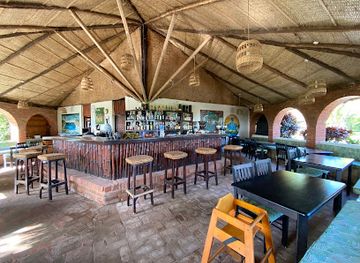
Dining in Kombo Central is centred on Gambian home-style cooking, market food, cafés and informal restaurants rather than a dense fine-dining scene. Brikama is the best place to look for rice-based meals served with fish, chicken or meat, as well as peanut-based sauces, beans, vegetables and grilled foods. Seafood is more strongly associated with the coastal districts, but fish is widely eaten throughout the country and may appear on local menus. Street-side vendors and small eateries offer practical meals such as benachin, a seasoned one-pot rice dish, and breakfast foods including bread, porridge or eggs. Fresh mangoes, oranges and other seasonal produce are commonly sold in markets, while attaya, the strongly brewed and sweetened green tea shared socially across The Gambia, is part of everyday hospitality. Larger hotels and organised cultural venues may provide broader international menus, but visitors should expect service to be relaxed and availability to depend on the day’s supplies.
-
Restaurant
Mo2 Jamaican Bar & Restaurant Gambia (Mosiah's)
Experience authentic Jamaican cuisine at Mo2 Jamaican Bar & Restaurant in Serrekunda - a must-visit culinary destination in The Gambia.
-
Restaurant
Rainbow Beach Bar And Lodge
Experience delightful Gambian cuisine and stunning ocean views at Rainbow Beach Bar And Lodge - A true gem on the coast.
-
Restaurant
Happy Corner
Discover the flavors of Gambia at Happy Corner – where exceptional cuisine meets warm hospitality in How Ba.
-
Restaurant
Chosaan Bar and Restaurant Brufut Location
Experience Gambian hospitality at Chosaan Bar and Restaurant in Brufut – where delicious food meets vibrant live music along the coast.


Best bars in Kombo Central
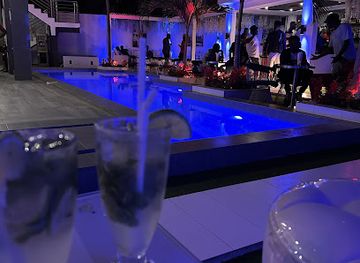
Kombo Central’s evening life is concentrated in Brikama and is more closely associated with local restaurants, tea gatherings, informal social spaces and occasional live music than with a large nightclub circuit. Attaya circles and small cafés provide a familiar setting for conversation, while bars and restaurants may become busier at weekends or during special events. Music and drumming are important cultural forms, but performances are not necessarily scheduled every evening, so organised cultural programmes should be checked in advance. Alcohol is available in some licensed venues, although The Gambia’s Muslim majority means that drinking should not be assumed to be part of every social setting. Travellers staying in rural parts of the district will find evenings quieter, with limited transport after dark; arranging a return journey before going out is sensible.
-
Restaurant
Poco Loco Beachbar Gambia
Experience the vibrant atmosphere and delicious flavors at Poco Loco Beachbar in Serrekunda, Gambia's tropical haven for food and fun.
-
Restaurant
Mo2 Jamaican Bar & Restaurant Gambia (Mosiah's)
Discover the vibrant Caribbean flavors at Mo2 Jamaican Bar & Restaurant in Gambia, where authentic Jamaican cuisine meets lively ambiance.
-
Bar
Solomon’s Beach Bar & Restaurant
Experience the vibrant atmosphere at Solomon’s Beach Bar & Restaurant, where delicious cuisine meets stunning ocean views in Serrekunda, Gambia.
-
Bar
Calypso bar & restaurant
Discover the flavors of Gambia at Calypso Bar & Restaurant in Bakau, where local cuisine meets stunning coastal views.


Best nightclubs in Kombo Central
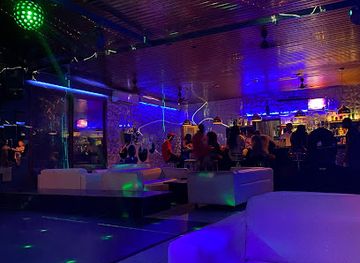
Kombo Central’s evening life is concentrated in Brikama and is more closely associated with local restaurants, tea gatherings, informal social spaces and occasional live music than with a large nightclub circuit. Attaya circles and small cafés provide a familiar setting for conversation, while bars and restaurants may become busier at weekends or during special events. Music and drumming are important cultural forms, but performances are not necessarily scheduled every evening, so organised cultural programmes should be checked in advance. Alcohol is available in some licensed venues, although The Gambia’s Muslim majority means that drinking should not be assumed to be part of every social setting. Travellers staying in rural parts of the district will find evenings quieter, with limited transport after dark; arranging a return journey before going out is sensible.
-
Night club
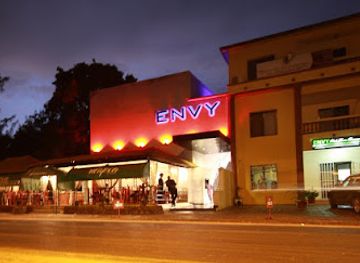
Envy Night Club
Experience the vibrant nightlife at Envy Night Club in Serrekunda, where music, cocktails, and energy meet for an unforgettable evening.
-
Night club
Aquarius Nightclub
Dive into the electrifying nightlife at Aquarius Nightclub in Serrekunda, where vibrant music and lively crowds create unforgettable memories.
-
Night club
ONYX
Discover the electrifying nightlife at ONYX, Serrekunda's premier night club offering vibrant music and a lively atmosphere.
-
Night club
Club Lava Gambia
Dive into the vibrant nightlife of Senegambia at Club Lava Gambia – where music, drinks, and unforgettable experiences await.

Best shops in Kombo Central
Shopping in Kombo Central is led by Brikama’s markets, craft workshops and independent stalls rather than department stores or luxury retail. The town is particularly associated with carved wooden objects, drums, masks, stools, furniture and decorative pieces, with quality and finish varying between workshops. Visitors should compare examples, establish whether an item is genuinely handmade and agree the price before payment; large carvings may require careful planning for transport overseas. Market stalls also sell clothing, household goods, fruit, vegetables and other everyday products used by local residents. Small quantities of local tea, spices, woven items and packaged foods can make practical souvenirs, while directly purchasing from craftspeople can provide a clearer connection with the work. Formal shopping centres and international brands are more readily found outside the district in the wider urban area, so Kombo Central is best suited to market browsing, craft buying and discovering regional products.
-
Market
Serekunda Market
Experience the vibrant culture and local flavors at Serekunda Market, the heart of shopping in Serrekunda, Gambia.
-
Shopping mall
Tropic Shopping Centre
Experience the vibrant shopping and dining scene at Tropic Shopping Centre in Serrekunda, where culture meets modern retail.
-
Museum
Brikama Craft Market
Experience the vibrant culture and artisan craftsmanship at Brikama Craft Market, a must-visit for tourists exploring The Gambia.
-
Shopping mall
The Village Shopping and Dining Centre
Explore The Village Shopping and Dining Centre in Serrekunda for a unique blend of shopping, dining, and Gambian culture in one vibrant location.


Get your free copy of our complete guide to Kombo Central, delivered straight to you.
Everything on this page, from attractions and restaurants to essentials and local phrases, in one PDF you can read offline, print or share.
Already have an account? Sign in
Your Kombo Central guide is ready.
We'll send it to · Not you? Sign out

Getting your guide ready…
We are putting together a fresh copy of the Kombo Central guide. This can take up to a minute.
This can take a few moments. If your browser asks, choose Allow so the download can start. You'll find the guide in your Downloads folder.
Nothing happened? Download it again
Sorry, the guide is taking longer than usual. Please try again in a minute, or get it by email instead.
Kombo Central essentials
Currency and Payment
Safety
Emergency Situations
Do's and Don'ts
Local Tips
From Eve
Local phrases worth knowing
You don't need to get them perfect. A few words go a long way, and locals appreciate the effort.
Basics
| English | Local | Say it |
|---|---|---|
| Hello | Naka | [Nah-kah] |
| Goodbye | Tawfay | [Tow-fay] |
| Yes | Aye | [Eye] |
| No | Nay | [Nay] |
| Please/You're welcome | Nyaama | [Nyah-mah] |
| Thank you | Jerejef | [Jair-eh-jef] |
| Excuse me/Sorry | Soo far | [Soo far] |
| How are you? | Naka sa? | [Nah-kah sah?] |
| Fine. And you? | Fii. A naa? | [Fee. Ah nah?] |
| Do you speak English? | Mbe wuleng English? | [M-bay woo-leng English?] |
| I don't understand | Mbe nyunaa | [M-bay nyoo-nah] |
Eating & Drinking
| English | Local | Say it |
|---|---|---|
| I'd like to see the menu, please | Mbe faal see menu, nyaama | [M-bay fall see men-oo, nyah-mah] |
| I don't eat meat | Mbe nyunaa nyi | [M-bay nyoo-nah nee] |
| Cheers! | A jaara | [Ah jah-rah] |
| I would like to pay, please | Mbe faal pay, nyaama | [M-bay fall pay, nyah-mah] |
Emergencies
| English | Local | Say it |
|---|---|---|
| Help! | Jemoo! | [Jem-oh!] |
| Go away! | Taw fula! | [Tow foo-lah!] |
| Call the Police! | Faal Police! | [Fall Po-lees!] |
| Call a doctor! | Faal doctor! | [Fall doc-tor!] |
| I'm lost | Mbe tan | [M-bay tahn] |
| I'm ill | Mbe jooloo | [M-bay joo-loo] |
Shopping
| English | Local | Say it |
|---|---|---|
| I'd like to buy... | Mbe faal buy... | [M-bay fall buy...] |
| I'm just looking | Mbe kan see | [M-bay kahn see] |
| How much is it? | Naka baaxu? | [Nah-kah bahx-oo?] |
| That's too expensive | O yeeyaa baaxu | [Oh yay-yah bahx-oo] |
| Can you lower the price? | Mbe na faal baaxu? | [M-bay nah fall bahx-oo?] |
Time & Numbers
| English | Local | Say it |
|---|---|---|
| What time is it? | Naka time? | [Nah-kah time?] |
| It's one o'clock | Naka koto | [Nah-kah koh-toh] |
| Half past (10) | Half past (10) | [Half past (10)] |
| Morning | Baat | [Baht] |
| Afternoon | Ngumu | [Ngoo-moo] |
| Evening | Faat | [Faht] |
| Yesterday | Tawt | [Towt] |
| Today | Jummah | [Joo-mah] |
| Tomorrow | Tawt baa | [Towt bah] |
| 1 | Koto | [Koh-toh] |
| 2 | Duo | [Doo-oh] |
| 3 | Tati | [Tah-tee] |
| 4 | Nayi | [Nigh-ee] |
| 5 | Jowi | [Jo-wee] |
| 6 | Jowi jowi | [Jo-wee jo-wee] |
| 7 | Nayi jowi | [Nigh-ee jo-wee] |
| 8 | Nayi nayi | [Nigh-ee nigh-ee] |
| 9 | Duo jowi | [Doo-oh jo-wee] |
| 10 | Duo nayi | [Doo-oh nigh-ee] |
Transport & Directions
| English | Local | Say it |
|---|---|---|
| Where's a/the...? | Naka a/the...? | [Nah-kah ah/the...?] |
| What's the address? | Naka address? | [Nah-kah ad-dress?] |
| Can you show me (on the map)? | Mbe na faal show (on the map)? | [M-bay nah fall show (on the map)?] |
| When's the next (bus)? | Naka next (bus)? | [Nah-kah next (bus)?] |
| A ticket (to ...) | A ticket (to ...) | [A ticket (to ...)] |
History of Kombo Central
Early settlement and the Mandinka world
The Kombo area formed part of the wider Mandinka political and trading world that developed around the Gambia River and the region’s established routes between the coast and the interior. Settlement was influenced by access to seasonal farmland, woodland and water, while social and political ties connected communities across present-day administrative boundaries. Oral history remains important in understanding local origins, family relationships and traditions, although accounts may differ between communities. The district’s present-day Mandinka cultural influence is therefore part of a much older regional history rather than a recent development.
Kombo kingdoms and coastal trade
Before European colonial rule, Kombo was associated with local kingdoms and chiefly authorities whose influence extended across the southern side of the Gambia estuary and adjoining coastal areas. Trade in agricultural produce, livestock and forest products linked inland communities with coastal markets. European traders and later colonial officials encountered an already organised political and commercial landscape. The exact boundaries and authority of historical Kombo did not correspond neatly to the modern district, but this earlier history helps explain the region’s long-standing connections between inland settlements, the coast and the river.
Islamic learning and changing communities
Islam spread gradually through networks of scholars, traders, families and local leaders, becoming an important influence on social life in Kombo. Islamic practice developed alongside older cultural forms rather than erasing every existing custom, and mosques, Qur’anic learning and religious festivals became visible parts of community life. The area’s population has also long included communities with different linguistic and cultural backgrounds, including Mandinka, Fula and Wolof people. This layered history can still be seen in local naming, family connections, settlement patterns and religious institutions.
Colonial rule and the expansion of Bathurst
British colonial administration was centred on Bathurst, now Banjul, on St Mary’s Island, while the surrounding mainland districts remained predominantly rural. Kombo supplied agricultural produce and labour to the colonial capital and became increasingly connected to it through roads, transport routes and commercial exchange. Colonial boundaries and administrative systems reshaped older local authorities without eliminating them. Although Bathurst itself lies outside Kombo Central, its economic and political importance helped establish the enduring relationship between the district and the wider urban area.
Independence and the rise of Brikama
The Gambia became independent from Britain in 1965, and the post-independence period brought substantial changes to Kombo Central. Brikama expanded as an administrative, market and transport centre, serving settlements across the West Coast Region. Improved roads and population growth encouraged movement between the district, the Greater Banjul area and the coast. Agriculture remained important, but construction, commerce, transport and services became increasingly significant sources of income as the region became more closely integrated into the national economy.
Craft, tourism and environmental conservation
During the late twentieth and early twenty-first centuries, Brikama’s reputation for woodcarving, drums and other crafts became part of The Gambia’s visitor economy. At the same time, conservation and cultural initiatives developed around wooded landscapes such as Makasutu Culture Forest, giving greater attention to habitats, traditional knowledge and community-based tourism. These developments reflect a wider shift in Kombo Central from a chiefly rural hinterland to a rapidly changing district where craft production, environmental protection, farming and urban growth now exist alongside one another.
Neighbouring regions of Kombo Central
The closest regions to Kombo Central, if you have time for more than one.
-

-

-

-

-


Swipe for more regions
Explore more

Explore more of The Gambia
Discover The Gambia: a treasure trove of cultural richness, stunning beaches, and diverse wildlife. An unforgettable journey awaits you in Africa's Smiling Coast.
Explore The Gambia