

Free Kombo East Travel Guide & Mobile App
Explore Kombo East with free travel guides. Discover regional history, expert tips, proposed trips, and audio guides on web or mobile app.


Kombo East offers rural Gambian landscapes, village life, agricultural traditions and easy access to the wider West Coast Region.
Read more about Kombo East
When is the best time to visit Kombo East?
Best: December–February · 30–31°C| Month | High (°C) | Rainfall (mm) |
|---|---|---|
| January (best) | 30 | 0 |
| February (best) | 31 | 1 |
| March | 32 | 2 |
| April | 34 | 5 |
| May | 35 | 11 |
| June | 35 | 50 |
| July | 34 | 100 |
| August | 33 | 200 |
| September | 33 | 150 |
| October | 33 | 40 |
| November | 32 | 2 |
| December (best) | 30 | 1 |
Getting to and around Kombo East
How to get there
Transportation
Top city travel guides in Kombo East
The cities of Kombo East, and the easiest places to base yourself.

Swipe for more cities
Best attractions in Kombo East
Kombo East is not a conventional sightseeing district with a dense concentration of ticketed attractions; its appeal lies in seeing the rural setting behind The Gambia’s better-known coastal resorts. Visitors can explore cultivated landscapes, village roads, seasonal wetlands and the everyday movement between farms, compounds, small shops and transport stops. With prior arrangement, a locally led visit can provide context about farming, family life, religious practice and the history of the wider Kombo area, although visitors should respect privacy and ask before taking photographs. Birdwatching may be rewarding in suitable rural habitats, particularly during the wetter months and the broader dry-season migratory period, but the district should not be approached as a guaranteed wildlife-viewing site. Short excursions can be combined with the services and markets of nearby Brikama in Kombo Central, while major reserves and coastal attractions elsewhere in the West Coast Region should be labelled as separate destinations rather than absorbed into Kombo East. The most satisfying itineraries allow time for unplanned roadside observations, conversations arranged through local contacts and the changing appearance of the countryside between dry and rainy seasons.
-
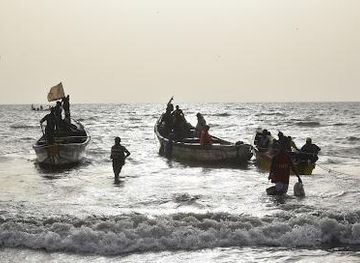
Fish processing
Tanji Fishing Center 🎣 bass
Explore the vibrant Tanji Fishing Center for an authentic glimpse into Gambian fishing culture, local cuisine, and breathtaking coastal views.
-
National forest
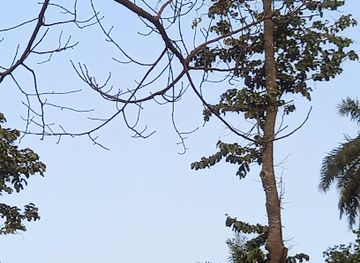
Pirang-Bonto community forest park
Explore the tranquil beauty of Pirang-Bonto Community Forest Park, a national forest in The Gambia rich in wildlife and local culture.
-
Garden
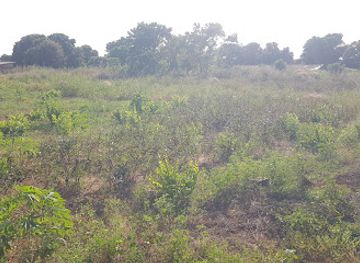
Conteh Kunda(B & S garden)
Discover the tranquility of Conteh Kunda in Faraba Banta, a serene garden oasis perfect for relaxation and unwinding in nature's embrace.
-
 State park
Bamakuno Forest Park
Explore Bamakuno Forest Park, a tranquil state park in Kafuta, featuring scenic trails, diverse wildlife, and serene picnic spots amidst lush greenery.
Best landmarks in Kombo East
Kombo East’s most significant landmarks are generally communal and landscape-based rather than monumental. The district’s village mosques, family compounds, roadside meeting places and cultivated plots express the relationship between faith, kinship, farming and settlement that defines much of rural Kombo. Traditional compounds may contain several generations of a family, but they are private homes and should only be visited by invitation or through a locally arranged introduction. The district’s broad laterite roads and low-lying agricultural scenery are also reminders of its connection to the wider Kombo hinterland, where rural production historically supported markets and the colonial groundnut economy. No single castle, cathedral or nationally prominent monument defines Kombo East; its historic importance is better understood through the continuing regional identity of Kombo and the evolution of its villages. Visitors seeking major named heritage and nature landmarks should treat sites elsewhere in the West Coast Region as separate excursions, not as attractions within this district.
-
National park
Makasutu
Discover the tranquility and natural beauty of Makasutu National Park, a haven for wildlife and cultural experiences in The Gambia.
-
Lodge
Tumani Tenda Camp
Experience the beauty and tranquility of Tumani Tenda Camp, where nature and comfort blend seamlessly for an unforgettable getaway in The Gambia.
-
National forest
Farasutu Forest
Discover the tranquil beauty of Farasutu Forest in Kuloro, Gambia, a national forest rich in biodiversity and perfect for nature lovers.
-
Fishing pier
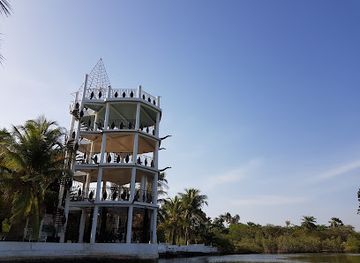
Bonto Tenda
Discover the serene beauty of Bonto Tenda, a picturesque fishing pier in Tunjina, perfect for relaxation and enjoying the scenic Gambian coastline.
Explore Kombo East on the map
Plan your trip on one map. See where the top cities, national parks and sights are, and book hotels and experiences in a few clicks.
Best hotels in Kombo East
Best restaurants in Kombo East
Dining in Kombo East is primarily local and informal, with small eateries, roadside vendors and family-run cooking rather than a concentrated restaurant scene. Common Gambian dishes include benachin, a seasoned one-pot rice meal; domoda, often prepared with a groundnut sauce; and rice served with fish, chicken or meat. Tapalapa bread, grilled meat, beans, seasonal vegetables and fresh fruit may also appear, while attaya, the strong green tea traditionally prepared in stages, is a familiar social drink. Menus vary with supply and may be limited in smaller settlements, so visitors travelling beyond the main roads should carry water and plan meals in advance. Brikama, in neighbouring Kombo Central, offers a broader choice of everyday restaurants and market food, while larger hotels and international dining are more concentrated towards the urban and coastal areas outside the district. Eating locally is best done with patience, clean hands or the provided utensils, and sensitivity to communal dining customs.
-
Restaurant
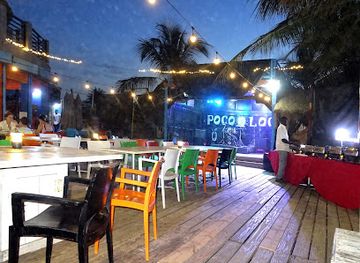
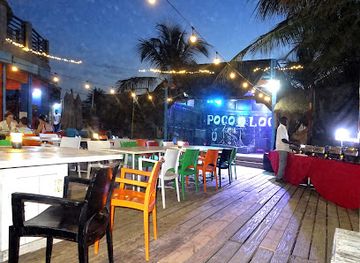
Poco Loco Beachbar Gambia
Experience beachside bliss at Poco Loco Beachbar in Serrekunda, Gambia – where great food meets breathtaking ocean views.
-
Restaurant
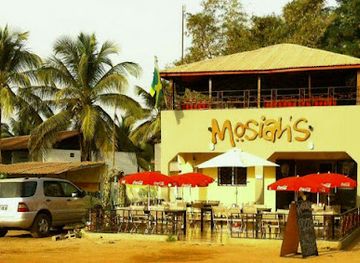
Mo2 Jamaican Bar & Restaurant Gambia (Mosiah's)
Discover the vibrant tastes of Jamaica at Mo2 Jamaican Bar & Restaurant in Serrekunda—an unforgettable culinary adventure awaits.
-
Italian
Gusto Italian Resto &bar
Savor authentic Italian cuisine at Gusto Italian Resto & Bar – your culinary oasis in The Gambia.
-
Restaurant
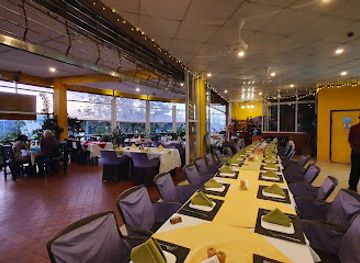
Vineyard Restaurant
Discover authentic Gambian flavors at Vineyard Restaurant in Serrekunda - where every dish tells a story.

Best bars in Kombo East
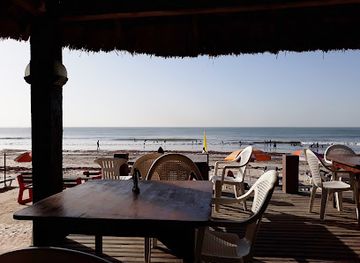
Kombo East has little of the organised nightlife associated with the coastal tourism belt. Evening life is more likely to centre on local tea gatherings, family visits, modest cafés, informal food stalls and neighbourhood drinking places than on dedicated nightclubs. Some establishments may serve beer or spirits, but alcohol is not central to every community and visitors should avoid assuming that a rural settlement follows resort-area customs. Brikama, outside the district in neighbouring Kombo Central, provides a wider selection of evening venues and transport connections, while larger nightlife choices are found closer to the urban and coastal centres. After dark, travel should be arranged in advance because roadside lighting and late public transport are limited. Live music and cultural performances can occur across The Gambia, but dates and locations change, so current local information is essential rather than relying on a fixed event calendar.
-
Restaurant
Poco Loco Beachbar Gambia
Discover the vibrant atmosphere and delicious cuisine at Poco Loco Beachbar in Serrekunda, a must-visit destination on your Gambian adventure.
-
Restaurant
Mo2 Jamaican Bar & Restaurant Gambia (Mosiah's)
Explore the vibrant culinary scene at Mo2 Jamaican Bar & Restaurant, where authentic Jamaican flavors meet Gambian hospitality.
-
Bar
Solomon’s Beach Bar & Restaurant
Experience the perfect blend of delicious cuisine, refreshing drinks, and stunning ocean views at Solomon’s Beach Bar & Restaurant in Serrekunda, The Gambia.
-
Bar
Calypso bar & restaurant
Discover the vibrant flavors and relaxing ambiance of Calypso Bar & Restaurant in Bakau, where every meal feels like a tropical getaway.


Best nightclubs in Kombo East
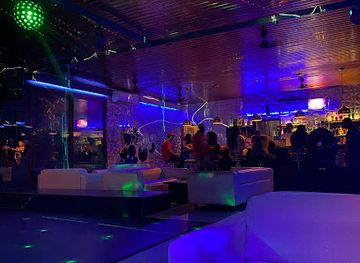
Kombo East has little of the organised nightlife associated with the coastal tourism belt. Evening life is more likely to centre on local tea gatherings, family visits, modest cafés, informal food stalls and neighbourhood drinking places than on dedicated nightclubs. Some establishments may serve beer or spirits, but alcohol is not central to every community and visitors should avoid assuming that a rural settlement follows resort-area customs. Brikama, outside the district in neighbouring Kombo Central, provides a wider selection of evening venues and transport connections, while larger nightlife choices are found closer to the urban and coastal centres. After dark, travel should be arranged in advance because roadside lighting and late public transport are limited. Live music and cultural performances can occur across The Gambia, but dates and locations change, so current local information is essential rather than relying on a fixed event calendar.
-
Night club
Envy Night Club
Experience the electrifying nightlife of Serrekunda at Envy Night Club, where vibrant music and stylish ambiance create unforgettable moments.
-
Night club
Aquarius Nightclub
Dive into the vibrant nightlife of The Gambia at Aquarius Nightclub, where music and fun come alive in a spectacular setting.
-
Night club
ONYX
Discover the pulse of Serrekunda's nightlife at ONYX, where vibrant music and unforgettable moments await every night.
-
Motel
Kunta Kinteh Roots Camp
Experience the rich cultural legacy of Kunta Kinteh at this unique Roots Camp in Albadarr, where history and hospitality unite.


Best shops in Kombo East
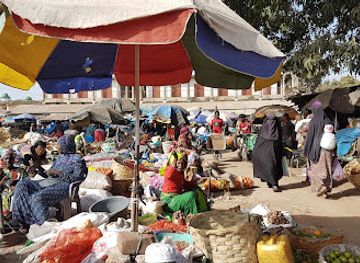
Shopping in Kombo East is practical and local, centred on small village shops, roadside stalls and periodic market activity rather than large retail complexes. Visitors may find fresh produce, groundnuts, fruit, bread, prepared food, household necessities and modest locally made goods, with availability varying by settlement and season. For a broader market experience, Brikama in neighbouring Kombo Central is the nearest major commercial centre commonly used by residents and visitors, offering more extensive everyday trading and access to crafts associated with the wider region. Good purchases from the Gambian countryside include packaged groundnuts, locally produced food items and small craft goods bought directly from makers where possible. Carry dalasi in small denominations and ask prices politely before buying; bargaining may be customary in some markets but should remain friendly and proportionate. Large-scale souvenir shopping, imported goods and specialist galleries are more readily found in the capital and coastal tourist areas outside Kombo East.
-
Market
Serekunda Market
Discover the vibrant colors, flavors, and culture of Serekunda Market, an essential stop for travelers seeking an authentic Gambian experience.
-
Shopping mall
Tropic Shopping Centre
Discover the Tropic Shopping Centre in Serrekunda, Gambia - a vibrant shopping destination blending local charm with international brands and delightful dining.
-
Souvenir store
TOP-SHOP
Explore the vibrant art and handicrafts of The Gambia at TOP-SHOP, your go-to souvenir store in Senegambia.
-
Grocery store
E.E. Minimarket
Experience local life at E.E. Minimarket in Brikama, where fresh produce, local flavors, and friendly service await every visitor.
Get your free copy of our complete guide to Kombo East, delivered straight to you.
Everything on this page, from attractions and restaurants to essentials and local phrases, in one PDF you can read offline, print or share.
Already have an account? Sign in
Your Kombo East guide is ready.
We'll send it to · Not you? Sign out

Getting your guide ready…
We are putting together a fresh copy of the Kombo East guide. This can take up to a minute.
This can take a few moments. If your browser asks, choose Allow so the download can start. You'll find the guide in your Downloads folder.
Nothing happened? Download it again
Sorry, the guide is taking longer than usual. Please try again in a minute, or get it by email instead.
Kombo East essentials
Currency and Payment
Safety
Emergency Situations
Do's and Don'ts
Local Tips
From Eve
Local phrases worth knowing
You don't need to get them perfect. A few words go a long way, and locals appreciate the effort.
Basics
| English | Local | Say it |
|---|---|---|
| Hello | Naka | [Nah-kah] |
| Goodbye | Naka sa | [Nah-kah sah] |
| Yes | Waaw | [Wah-w] |
| No | Ayi | [Ah-yee] |
| Please/You're welcome | Jamm rekk | [Jahm rekk] |
| Thank you | Jërëjëf | [Juh-reh-jef] |
| Excuse me/Sorry | Naa laa | [Nah lah] |
| How are you? | Naka jëm? | [Nah-kah jerm] |
| Fine. And you? | Jamm. Naka la? | [Jahm. Nah-kah lah?] |
| Do you speak English? | Dama jàng English? | [Dah-ma jahng English?] |
| I don't understand | Maa laa jëm | [Mah lah jerm] |
Eating & Drinking
| English | Local | Say it |
|---|---|---|
| I'd like to see the menu, please | Naa laa jàng menu, jamm rekk | [Nah lah jahng men-oo, jahm rekk] |
| I don't eat meat | Maa laa njaay | [Mah lah n-jah-yee] |
| Cheers! | Jamm ak jamm! | [Jahm ak jahm!] |
| I would like to pay, please | Naa laa pay, jamm rekk | [Nah lah pay, jahm rekk] |
Emergencies
| English | Local | Say it |
|---|---|---|
| Help! | Aydou! | [Ah-y-doo!] |
| Go away! | Dëgg! | [Duhg!] |
| Call the Police! | Naw la Police! | [Nah-w lah Po-lees!] |
| Call a doctor! | Naw la doktor! | [Nah-w lah dok-tor!] |
| I'm lost | Maa laa yokk | [Mah lah yokk] |
| I'm ill | Maa laa jëm ci jamm | [Mah lah jerm chee jahm] |
Shopping
| English | Local | Say it |
|---|---|---|
| I'd like to buy... | Naa laa jox... | [Nah lah jog...] |
| I'm just looking | Maa laa jàng | [Mah lah jahng] |
| How much is it? | Naka jëm? | [Nah-kah jerm?] |
| That's too expensive | Dama jëm bu baax | [Dah-ma jerm boo bahx] |
| Can you lower the price? | Naka laa jott? | [Nah-kah lah jot?] |
Time & Numbers
| English | Local | Say it |
|---|---|---|
| What time is it? | Naka lu jëm? | [Nah-kah loo jerm?] |
| It's one o'clock | Lu jëm benn | [Loo jerm ben] |
| Half past (10) | Maatu (10) | [Mah-tu (10)] |
| Morning | Suba | [Soo-bah] |
| Afternoon | Njumte | [Njum-teh] |
| Evening | Gëj | [Gehj] |
| Yesterday | Daj | [Dahj] |
| Today | Benn jëm | [Ben jerm] |
| Tomorrow | Benn jëm ci jamm | [Ben jerm chee jahm] |
| 1 | Benn | [Ben] |
| 2 | Ñaar | [N-yaar] |
| 3 | Taal | [Tahl] |
| 4 | Ñett | [N-ett] |
| 5 | Jarro | [Jah-roh] |
| 6 | Jox | [Jox] |
| 7 | Juut | [Juut] |
| 8 | Gëj | [Gehj] |
| 9 | Dëgg | [Duhg] |
| 10 | Fukk | [Fook] |
Transport & Directions
| English | Local | Say it |
|---|---|---|
| Where's a/the...? | Naka ...? | [Nah-kah ...?] |
| What's the address? | Naka lox? | [Nah-kah lox?] |
| Can you show me (on the map)? | Naka laa waxal ma (ci map)? | [Nah-kah lah wahk-al mah (chee map)?] |
| When's the next (bus)? | Naka jëm (bus) bu jëkk? | [Nah-kah jerm (bus) boo jehk?] |
| A ticket (to ....) | Bittik (ci ...) | [Bee-tik (chee ...)] |
History of Kombo East
Early Senegambian settlement and agriculture
The wider Kombo area has been occupied for centuries by farming and trading communities connected to the larger Senegambian cultural region. Agriculture, especially the cultivation of grains and later groundnuts, encouraged settled village life, while local routes linked inland communities with the River Gambia and the Atlantic-facing settlements. Written evidence for many individual villages is limited, but the continuing importance of family compounds, oral histories and agricultural land reflects long patterns of occupation rather than a recently created frontier.
The historic Kombo kingdoms
Kombo was historically associated with several Mandinka-speaking political communities and kingdoms on the southern bank of the Gambia River and around the peninsula. Authority was exercised through ruling families, village leaders and networks of allegiance rather than through the modern district boundaries used today. The name Kombo therefore carries a historical meaning broader than contemporary Kombo East. Local traditions, place names and social relationships still preserve elements of this pre-colonial political geography.
Islamic influence and regional exchange
Islam became deeply established in Senegambia through trade, scholarship, clerical networks and family connections, developing over many generations rather than through a single event. In the Kombo area, Islamic practice exists alongside older social customs and the religious diversity found across The Gambia. Trade routes also encouraged movement between farming settlements, market centres and the coast. This combination helped shape the languages, education, family structures and public religious life visible in modern Kombo East.
Colonial rule and the groundnut economy
British colonial rule in The Gambia developed around the river, the port of Bathurst, now Banjul, and a wider commercial system that exported agricultural products. Groundnuts became especially important in the nineteenth and twentieth centuries, linking rural producers with merchants, transport routes and overseas markets. Although Kombo East was not an industrial centre, rural communities were affected by colonial taxation, changing land use and the commercialisation of farming. Many present-day roads and settlement patterns reflect these longer economic connections.
Independence and the modern Gambian state
The Gambia became independent from Britain in 1965, and the former colonial territory was reorganised through national and local administrative systems. Kombo East is a modern district within this framework, rather than a separate historic country or kingdom. Independence brought new schools, roads, public services and political institutions, while older village authorities and family networks remained important in daily life. The district’s present identity combines national citizenship with the enduring regional identity of Kombo.
Urban expansion and rural change
Since the late twentieth century, population growth around Banjul, Kanifing and the coastal tourism belt has increased pressure on land and transport corridors across the wider Kombo area. Rural districts such as Kombo East have experienced changing patterns of migration, construction, commerce and farming. At the same time, agriculture remains significant and many households maintain strong links with villages even when relatives work in urban centres or abroad. The district’s contemporary character is therefore shaped by both rural continuity and the outward spread of the urban economy.
Neighbouring regions of Kombo East
The closest regions to Kombo East, if you have time for more than one.
-

-
-

-

-


Swipe for more regions
Explore more

Explore more of The Gambia
Discover The Gambia: a treasure trove of cultural richness, stunning beaches, and diverse wildlife. An unforgettable journey awaits you in Africa's Smiling Coast.
Explore The Gambia