

Jarra West, The Gambia Travel Guide
Discover Jarra West, The Gambia's hidden treasure, where cultural richness, natural beauty, and tranquil landscapes offer an authentic and unforgettable experience.
Jarra West, a serene district located on the southern banks of the River Gambia, offers an authentic Gambian experience far removed from the bustling tourists spots. This destination is perfect for those seeking tranquility, cultural immersion, and natural beauty. One of the highlights of Jarra West is its rich cultural heritage. You can explore traditional villages where the locals are eager to share their customs and folklore. The district is also home to several historical sites, including ancient baobab trees and old colonial buildings that whisper tales of the past. Nature lovers will find Jarra West a paradise. The lush landscape, marked by rolling hills and verdant forests, provides ample opportunities for hiking and birdwatching. The nearby River Gambia adds to the scenic beauty, offering peaceful boat rides and the chance to see diverse wildlife, including monkeys and exotic birds. Visiting Jarra West is not complete without tasting the local cuisine. Fresh fish from the river, delicious domoda (peanut stew), and refreshing baobab juice are just a few of the culinary delights awaiting you. The district's markets are also a great place to shop for unique handicrafts, ensuring you bring a piece of Jarra West back home.

Know before you go
Hi, I'm Eve. Here are a few practical things to know before exploring Jarra West.
- Visit during the dry season (November to May) for the best weather conditions.
- Hire a local guide to fully appreciate the cultural and historical sites.
- Bring insect repellent, especially if you plan to explore the forests or go on a boat ride.
- Try local dishes at village eateries for an authentic culinary experience.
- Respect local customs and dress modestly, especially when visiting villages and religious sites.
Top City Travel Guides in Jarra West
The cities of Jarra West, and the easiest places to base yourself.

Explore Jarra West: Things to Do, Places to Eat, Hotels & More
Handpicked recommendations for top attractions, local dining, accommodations, and more

Top Attractions & Sightseeing in Jarra West


Best landmarks in Jarra West
Top-rated picks
Best Landmarks

Kachikally Crocodile Pool
Explore the unique Kachikally Crocodile Pool in Bakau, where nature and Gambian culture intertwine, offering a thrilling encounter with Nile crocodiles.

Fathala Wildlife Reserve - Safari Senegal Accommodation
Experience the thrill of wildlife encounters at Fathala Wildlife Reserve, a premier safari destination in Senegal with comfortable lodge accommodations.
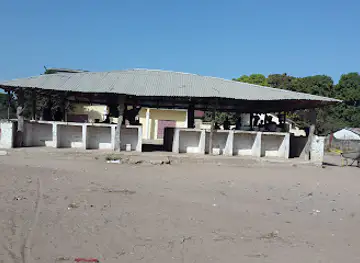
Bijilo National Park
Explore the wonders of Bijilo National Park, a tranquil retreat filled with diverse wildlife and lush landscapes in The Gambia.

Bijilo Monkey Park
Experience the natural beauty and playful wildlife at Bijilo Monkey Park, an unforgettable animal park in The Gambia, ideal for nature lovers and adventure seekers.

Best restaurants in Jarra West
Top-rated picks
Best Restaurants

John Raymond'S Beach Bar And Restaurant
Discover the vibrant flavors and stunning views at John Raymond's Beach Bar and Restaurant in Serrekunda.

Mo2 Jamaican Bar & Restaurant Gambia (Mosiah's)
Discover authentic Jamaican flavors at Mo2 Jamaican Bar & Restaurant in The Gambia – where every meal is a celebration!

Dreams bar en restaurant
Experience authentic Gambian cuisine and vibrant atmosphere at Dreams Bar and Restaurant in Serrekunda.

Bendula Bar
Experience authentic Gambian cuisine at Bendula Bar in Janjanbureh - where every meal tells a story.

Best bars in Jarra West
Top-rated picks
Best Bars

John Raymond'S Beach Bar And Restaurant
Discover the vibrant flavors of The Gambia at John Raymond's Beach Bar and Restaurant, where delicious food meets stunning coastal views.

Mo2 Jamaican Bar & Restaurant Gambia (Mosiah's)
Savor the vibrant flavors of Jamaica at Mo2 Jamaican Bar & Restaurant in Serrekunda, Gambia, where authentic Caribbean cuisine meets lively ambiance.

Reo's Bar and Restaurant
Discover the lively spirit of Gambia at Reo's Bar and Restaurant, where local cuisine meets a vibrant atmosphere in Serrekunda.

Justice Bar & Restaurant
Experience the vibrant flavors of Gambia at Justice Bar & Restaurant in Serrekunda, a true culinary delight for every traveler.

Best nightclubs in Jarra West
Top-rated picks
Best Nightclubs

Envy Night Club
Dive into the vibrant nightlife of Serrekunda at Envy Night Club, where music, dance, and unforgettable experiences await.

Jamaica Jamaica restaurant and night club
Immerse yourself in the vibrant flavors and lively atmosphere of Jamaica Jamaica Restaurant and Night Club in Serrekunda, perfect for food and fun.

Aquarius Nightclub
Dive into the electrifying nightlife at Aquarius Nightclub in Serrekunda, where music, dance, and vibrant energy come together for an unforgettable experience.

Ningki Nangka Bar & Night Club
Join the vibrant nightlife at Ningki Nangka Bar & Night Club in Serrekunda, where music, dance, and great company come together for an unforgettable experience.

Best shops in Jarra West
Top-rated picks
Best Shops

Halabaid Trading Enterprises paradise supermarket
Discover the flavors of The Gambia at Halabaid Trading Enterprises, a vibrant supermarket on the Trans-Gambia Highway in Farafenni.

Soma Super Market
Explore local flavors and everyday essentials at Soma Super Market, a vibrant grocery store in the heart of Soma, Gambia.

Soma Saremawdou Market
Discover the heart of Gambia at Soma Saremawdou Market, where local culture, cuisine, and crafts come together in a vibrant atmosphere.

JSF- Horticulture Garden Kaiaf Ward LRR
Experience the tranquil beauty of JSF- Horticulture Garden in Kaiaf, Gambia - a lush paradise of native flora and serene pathways.

Explore Jarra West on the Map
A handpicked selection of must-see spots in Jarra West, mapped for you.
Jarra West Essentials
-
Jarra West is located in the Lower River Division of The Gambia. The closest international airport is Banjul International Airport, approximately 150 kilometers away. From the airport, you can take a taxi or arrange for a private transfer to Jarra West. The journey by road typically takes around 3 to 4 hours. Public buses and minibuses (locally known as 'gélé-gélé') are also available for a more affordable, albeit slower, option.
-
Within Jarra West, local taxis and gélé-gélé are the most common forms of transportation. Walking is also a feasible option for short distances. For travelers looking to explore the surrounding areas, renting a car can provide greater flexibility. Ensure that you arrange for a reliable driver or familiarize yourself with local driving conditions if you choose to drive yourself.
-
The official currency of The Gambia is the Gambian Dalasi (GMD). While credit cards are accepted in some hotels and larger establishments, it's advisable to carry cash, especially for smaller shops and local markets. ATMs are available in larger towns, but it is wise to withdraw sufficient cash before heading to more rural areas like Jarra West.
-
Jarra West is generally considered safe for tourists. However, as with any travel destination, it is important to take standard precautions. Avoid walking alone at night in unfamiliar areas and keep an eye on your belongings in crowded places. There are no specific high-crime areas targeting tourists, but it's always best to stay vigilant and aware of your surroundings.
-
In case of emergency, dial 117 for police assistance and 116 for medical emergencies. The nearest medical facilities are located in Soma, which is approximately 20 kilometers away. It is highly recommended to have travel insurance that covers medical emergencies. For minor health issues, there are pharmacies in the area where you can purchase over-the-counter medications.
-
Fashion: Do dress modestly, particularly when visiting religious or cultural sites. Avoid wearing revealing clothing. Religion: Do respect local customs and traditions. Always remove your shoes when entering a mosque. Public Transport: Do be respectful and offer your seat to elderly passengers. Don't eat or drink on public transport. Greetings: Do greet people with a handshake, and use the right hand for giving and receiving items. Eating & Drinking: Do try local dishes and accept food offerings graciously. Don't refuse hospitality, as it is considered impolite.
-
To experience Jarra West like a local, visit the weekly markets where you can buy fresh produce and local crafts. Engage with locals; they are often friendly and eager to share their culture and history. Don’t miss the opportunity to participate in local festivals and traditional ceremonies, which offer a deep insight into the community’s way of life. For a unique experience, consider taking a guided tour along the River Gambia, which offers scenic views and a chance to see local wildlife.
When is the best time to visit Jarra West?
Useful Local Phrases for Jarra West
You don't need to speak the language perfectly. Even learning a few simple words can make conversations warmer—and locals usually appreciate the effort.
— Eve

Here are the phrases I use most often in Jarra West. Try a few—you'll be surprised how far they go! 😊
❤️
-
- HelloNaka
[Nah-kah] - GoodbyeJaama
[Jah-mah] - YesAye
[Eye] - NoNaa
[Nah] - Please/You're welcomeJërëjëf
[Jair-eh-jef] - Thank youJërëjëf
[Jair-eh-jef] - Excuse me/SorryNdaam
[N-dahm] - How are you?Naka, naani?
[Nah-kah, nah-nee?] - Fine. And you?Njaay. Naka, naani?
[Jah-ee. Nah-kah, nah-nee?] - Do you speak English?Ndanka eŋglish?
[N-dahn-kah ehng-lish?] - I don't understandNaa jëfandikoo
[Nah jeh-fahn-dee-koh]
- HelloNaka
-
- I'd like to see the menu, pleaseNaa jëm menu, jërëjëf
[Nah j-em men-oo, jair-eh-jef] - I don't eat meatNaa jëfandikoo nyam
[Nah jeh-fahn-dee-koh nyam] - Cheers!Ndaani!
[N-dah-nee!] - I would like to pay, pleaseNaa jëfandikoo sër, jërëjëf
[Nah jeh-fahn-dee-koh ser, jair-eh-jef]
- I'd like to see the menu, pleaseNaa jëm menu, jërëjëf
-
- Help!Baal!
[Bah-al!] - Go away!Dool!
[Doh-l!] - Call the Police!Sëf Police!
[Sef Poh-lees!] - Call a doctor!Sëf doktoor!
[Sef doh-ktoor!] - I'm lostNaa jëfandikoo
[Nah jeh-fahn-dee-koh] - I'm illNaa jëfandikoo
[Nah jeh-fahn-dee-koh]
- Help!Baal!
-
- I'd like to buy...Naa jëm ...
[Nah j-em ...] - I'm just lookingNaa jëm gëj
[Nah j-em geh-y] - How much is it?Naka, lëf?
[Nah-kah, luhf?] - That's too expensiveNaa sañse jëfandi
[Nah sahn-seh jeh-fan-dee] - Can you lower the price?Aye, ndanka jëfandikoo lëf?
[Eye, n-dahn-kah jeh-fahn-dee-koh luhf?]
- I'd like to buy...Naa jëm ...
-
- What time is it?Naka, njëw?
[Nah-kah, n-jew?] - It's one o'clockNaka, jëf 1
[Nah-kah, jeh-f 1] - Half past (10)Fank 10
[Fahnk 10] - MorningNjaay
[Jah-ee] - AfternoonDaan
[Dahn] - EveningJëf
[Jehf] - YesterdayTëw
[Teh-w] - TodayNjaay
[Jah-ee] - TomorrowNdaay
[N-dah-ee] - 1Keen
[Keen] - 2Doo
[Doo] - 3Tallo
[Tah-loh] - 4Nje
[N-jay] - 5Jango
[Jan-go] - 6Jango jëf
[Jan-go jeh-f] - 7Jango tati
[Jan-go tah-tee] - 8Jango njaay
[Jan-go jah-ee] - 9Jango doo
[Jan-go doo] - 10Jango ten
[Jan-go ten]
- What time is it?Naka, njëw?
-
- Where's a/the...?Naka ...?
[Nah-kah ...?] - What's the address?Naka, lëf adires?
[Nah-kah, luhf ah-deer-es?] - Can you show me (on the map)?Aye, ndanka jëfandikoo (na map)?
[Eye, n-dahn-kah jeh-fahn-dee-koh (na map)?] - When's the next (bus)?Naka, njëw neex (bus)?
[Nah-kah, n-jew nayx (bus)?] - A ticket (to ....)A ticket (to ...)
[A ticket (to ...)]
- Where's a/the...?Naka ...?
History of Jarra West
-
Jarra West, situated along the southern bank of the Gambia River, has a rich history that dates back to ancient times. It is believed to have been inhabited by indigenous tribes such as the Mandinka, who were part of the larger Mali Empire around the 13th century. The region's strategic location made it a vital point for trade routes, facilitating the exchange of goods such as gold, salt, and ivory.
-
The 15th century marked the arrival of European explorers and traders, most notably the Portuguese. They were soon followed by the British and French, who were drawn to the region's lucrative trade opportunities. Jarra West, like much of The Gambia, became a focal point of European colonial ambitions. The British ultimately established control over the area in the 19th century, integrating it into their colonial empire.
-
Jarra West, like many parts of West Africa, was profoundly affected by the Transatlantic Slave Trade. The region became one of the many points where enslaved Africans were captured and transported to the Americas. This dark period in its history left a lasting impact on the social and cultural fabric of the community, an echo of which can still be felt today.
-
Throughout the colonial period, the people of Jarra West, like many Gambians, resisted foreign domination. Leaders and local communities engaged in various forms of resistance, from armed conflict to diplomatic negotiations. The struggle for independence gained momentum in the mid-20th century, culminating in The Gambia's independence from British rule in 1965. Jarra West played its part in this national movement, contributing to the broader narrative of self-determination and freedom.
-
Jarra West boasts a vibrant cultural heritage, characterized by traditional music, dance, and festivals. The Mandinka culture, with its rich oral traditions and folklore, continues to thrive. The region is also known for its craftmanship, particularly in weaving and pottery. Visitors can immerse themselves in the local culture by participating in community festivals, visiting local markets, and engaging with the artisans who keep these traditions alive.
-
Present-day Jarra West is a blend of its historical past and modern development. While the area retains its cultural and historical significance, it has also embraced contemporary advancements. The local economy is largely based on agriculture, with groundnuts being a major crop. Efforts to promote eco-tourism and sustainable development are also underway, making Jarra West a fascinating destination for those interested in history, culture, and natural beauty.
Neighbouring Regions of Jarra West
The closest regions to Jarra West, if you have time for more than one.




Your all‑in‑one travel companion app
Explore expert travel guides, compare and book tours, experiences, hotels, and more—all from the palm of your hand. Download now for seamless trip planning wherever your wanderlust takes you.


Explore More of The Gambia

Looking beyond Jarra West? Discover The Gambia for broader travel guides, local hot-spots, and regional highlights.
Explore The GambiaJarra West in Photos
Browse through our photo collection highlighting the charm and character of the destination.

Jarra West: The Unspoiled Gem of The Gambia
Jarra West, a serene district located on the southern banks of the River Gambia, offers an authentic Gambian experience far removed from the bustling tourists spots. This destination is perfect for those seeking tranquility, cultural immersion, and natural beauty. One of the highlights of Jarra West is its rich cultural heritage. You can explore traditional villages where the locals are eager to share their customs and folklore. The district is also home to several historical sites, including ancient baobab trees and old colonial buildings that whisper tales of the past. Nature lovers will find Jarra West a paradise. The lush landscape, marked by rolling hills and verdant forests, provides ample opportunities for hiking and birdwatching. The nearby River Gambia adds to the scenic beauty, offering peaceful boat rides and the chance to see diverse wildlife, including monkeys and exotic birds. Visiting Jarra West is not complete without tasting the local cuisine. Fresh fish from the river, delicious domoda (peanut stew), and refreshing baobab juice are just a few of the culinary delights awaiting you. The district's markets are also a great place to shop for unique handicrafts, ensuring you bring a piece of Jarra West back home.