

Upper Baddibu, The Gambia Travel Guide
Discover Upper Baddibu: A hidden gem in The Gambia, offering rich cultural heritage, historical sites, and stunning natural landscapes perfect for birdwatching and exploration.
Upper Baddibu, nestled in the heart of The Gambia, is a region rich with cultural heritage and natural beauty. Known for its warm and welcoming locals, this destination offers an authentic Gambian experience away from the usual tourist trails. Explore the traditional villages where you can witness the daily lives of the Mandinka people and learn about their customs and traditions. The area is also home to several historical sites, including ancient stone circles and old colonial buildings, which provide a glimpse into The Gambia's past. Nature lovers will be delighted by the lush landscapes and the abundance of birdlife in Upper Baddibu. The region's proximity to the River Gambia makes it a prime spot for birdwatching, with many rare and exotic species to be seen. Don't miss the chance to take a boat trip along the river, where you can enjoy the serene surroundings and perhaps spot some wildlife along the banks.

Know before you go
Hi, I'm Eve. Here are a few practical things to know before exploring Upper Baddibu.
- Engage with the locals to learn about Mandinka culture and traditions.
- Bring binoculars for birdwatching along the River Gambia.
- Visit the ancient stone circles for a taste of The Gambia's history.
- Take a boat trip on the River Gambia for serene and picturesque views.
- Carry insect repellent, as the lush environment can attract mosquitoes.
Top City Travel Guides in Upper Baddibu
The cities of Upper Baddibu, and the easiest places to base yourself.


Destinations in Upper Baddibu
Resorts, valleys and scenic spots worth a trip of their own.

Explore Upper Baddibu: Things to Do, Places to Eat, Hotels & More
Handpicked recommendations for top attractions, local dining, accommodations, and more

Top Attractions & Sightseeing in Upper Baddibu
Top-rated picks
Best Attractions
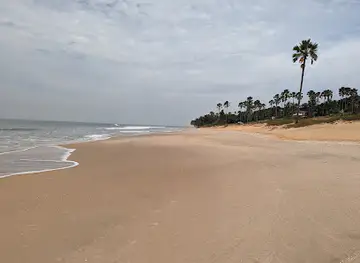
Serrekunda Beach
Experience the enchanting beauty of Serrekunda Beach, where golden sands meet azure waters and local culture thrives along the Gambian coast.

Upper Baddibu Mosque
Explore the architectural beauty and spiritual essence of Upper Baddibu Mosque in Kani, Gambia, a serene haven reflecting rich cultural heritage.

Illiassa Women’s Garden
Explore Illiassa Women’s Garden in Jumansari Ba for a unique blend of beauty, culture, and empowerment through nature.

Best landmarks in Upper Baddibu
Top-rated picks
Best Landmarks

Kachikally Crocodile Pool
Explore Kachikally Crocodile Pool in Bakau, a captivating blend of wildlife and cultural heritage in the heart of The Gambia.
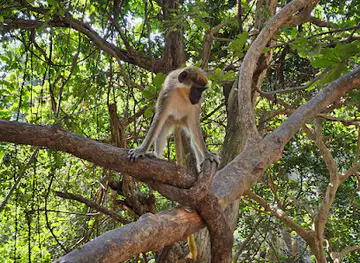
Bijilo National Park
Discover the wildlife haven of Bijilo National Park in Gambia, a perfect blend of nature, adventure, and relaxation for every traveler.

Serekunda Market
Discover the heart of Gambian culture at Serekunda Market, a vibrant marketplace filled with local crafts, fresh produce, and an authentic shopping experience.

Banjul International Airport
Banjul International Airport is your gateway to The Gambia, blending comfort and convenience while connecting you to a vibrant African experience.

Best restaurants in Upper Baddibu
Top-rated picks
Best Restaurants

Poco Loco Beachbar Gambia
Experience the vibrant beach culture at Poco Loco Beachbar in Serrekunda - where delicious cuisine meets stunning ocean views.

John Raymond'S Beach Bar And Restaurant
Experience culinary bliss at John Raymond's Beach Bar & Restaurant in Serrekunda, where local flavors meet stunning ocean views.

Mo2 Jamaican Bar & Restaurant Gambia (Mosiah's)
Savor the authentic taste of Jamaica at Mo2 Jamaican Bar & Restaurant in Serrekunda - A must-visit culinary destination for tourists!

Darboe's Bar and Restaurant
Discover authentic Gambian cuisine at Darboe's Bar and Restaurant in Serrekunda—where flavor meets hospitality.

Best bars in Upper Baddibu
Top-rated picks
Best Bars

Poco Loco Beachbar Gambia
Discover the vibrant atmosphere, delicious cuisine, and stunning beach views at Poco Loco Beachbar in Serrekunda, Gambia.

John Raymond'S Beach Bar And Restaurant
Experience the best of Gambian dining at John Raymond's Beach Bar and Restaurant, where fresh seafood meets stunning ocean views.

Solomon’s Beach Bar & Restaurant
Discover the vibrant beach culture at Solomon’s Beach Bar & Restaurant in Serrekunda, where delicious cuisine meets breathtaking ocean views.

Calypso bar & restaurant
Experience the vibrant flavors and tropical ambiance at Calypso Bar & Restaurant in Bakau, the perfect spot for relaxation and great food.

Best nightclubs in Upper Baddibu
Top-rated picks
Best Nightclubs

Envy Night Club
Experience the electrifying nightlife at Envy Night Club, Serrekunda's premier destination for dancing, drinks, and unforgettable memories.

Aquarius Nightclub
Dive into the vibrant nightlife of Serrekunda at Aquarius Nightclub, where music, dance, and joy come together for an unforgettable experience.

Ningki Nangka Bar & Night Club
Dive into the vibrant nightlife of Serrekunda at Ningki Nangka Bar & Night Club, where music, dance, and culture blend for an unforgettable experience.

ONYX
Discover ONYX, the ultimate night club in Serrekunda, where music, dance, and culture converge for an unforgettable night out.

Best shops in Upper Baddibu
Top-rated picks
Best Shops

MEDIB RESOURCING
Explore Medib Resourcing in Keur Ayip for a comprehensive range of quality hardware supplies, perfect for all your DIY and construction needs.

TOP-SHOP
Explore the vibrant world of Gambian artistry at TOP-SHOP, your ultimate destination for unique souvenirs and handcrafted treasures.

Halabaid Trading Enterprises paradise supermarket
Explore Halabaid Trading Enterprises: A vibrant supermarket in Farafenni, offering a delightful selection of local and international grocery items.

Soma Saremawdou Market
Discover local treasures and vibrant culture at Soma Saremawdou Market, a bustling hub in the heart of Soma, Gambia.

Explore Upper Baddibu on the Map
A handpicked selection of must-see spots in Upper Baddibu, mapped for you.
Upper Baddibu Essentials
-
Upper Baddibu is situated in the North Bank Region of The Gambia. The closest international airport is Banjul International Airport, approximately 60 kilometers away. From the airport, you can hire a taxi or use a pre-arranged shuttle service to travel to Upper Baddibu. The journey typically takes around 1.5 to 2 hours by road. Public minibuses, known locally as 'gele-gele', also operate from Banjul to Upper Baddibu, offering a more affordable but less comfortable option.
-
Within Upper Baddibu, local transportation options include taxis, minibuses (gele-gele), and motorbike taxis (locally known as 'Jakarta'). Taxis are relatively inexpensive and can be hired for short trips or the entire day. Gele-gele are a common mode of transport for locals and are an economical choice for getting around, although they can be crowded. For a more adventurous experience, you can rent a bicycle to explore the area at your own pace.
-
The official currency in The Gambia is the Gambian Dalasi (GMD). Credit cards are accepted in some hotels and larger establishments, but cash is preferred, especially in smaller shops and rural areas. ATMs are available in larger towns, but it is advisable to carry sufficient cash when traveling to more remote areas like Upper Baddibu. Foreign currency can be exchanged at banks and authorized exchange bureaus.
-
Upper Baddibu is generally safe for tourists, but it is important to take common-sense precautions. Avoid walking alone at night and be cautious with your belongings in crowded places. Petty theft and pickpocketing can occur, especially in busy markets. There are no specific high-crime areas targeting tourists in Upper Baddibu, but it is always best to stay vigilant and aware of your surroundings.
-
In case of emergency, dial 117 for police assistance or 116 for medical emergencies. The nearest medical facilities are located in the larger towns within the North Bank Region. It is recommended to have travel insurance that covers medical emergencies. For minor health issues, there are local pharmacies where you can purchase over-the-counter medications. Keep a list of emergency contacts and the location of the nearest embassy or consulate.
-
Fashion: Do dress modestly, especially in rural areas and when visiting religious sites. Avoid wearing revealing clothing. Religion: Do respect local customs and traditions. Always remove your shoes before entering mosques. Public Transport: Do be respectful and give up your seat to elderly passengers. Don’t eat or drink on public transport. Greetings: Do greet people with a friendly handshake and a smile. Use the local greeting 'As-Salaam-Alaikum' (Peace be upon you). Eating & Drinking: Do try local dishes and accept food offerings graciously. Don’t refuse hospitality, as it is considered impolite.
-
To experience Upper Baddibu like a local, visit the weekly markets where you can buy fresh produce and traditional Gambian goods. Engage with locals, as they are often friendly and willing to share stories about the area’s history and culture. Attend a local festival or cultural event to immerse yourself in the vibrant traditions of the region. Don't miss visiting the historic sites and natural attractions, such as the Wassu Stone Circles and the River Gambia National Park.
When is the best time to visit Upper Baddibu?
Useful Local Phrases for Upper Baddibu
You don't need to speak the language perfectly. Even learning a few simple words can make conversations warmer—and locals usually appreciate the effort.
— Eve

Here are the phrases I use most often in Upper Baddibu. Try a few—you'll be surprised how far they go! 😊
❤️
-
- HelloNaka
[Nah-kah] - GoodbyeNjaam
[Njahm] - YesAye
[Ih] - NoNaa
[Nah] - Please/You're welcomeJara
[Jah-rah] - Thank youMaa ngoni
[Mah ngoh-nee] - Excuse me/SorryBaal
[Bah-l] - How are you?Nanga def?
[Nahn-gah def?] - Fine. And you?Nanga def, nanka?
[Nahn-gah def, nahn-kah?] - Do you speak English?Wanta English?
[Wahn-tah English?] - I don't understandMaa doo yaa ko
[Mah doo yah koh]
- HelloNaka
-
- I'd like to see the menu, pleaseMaa jara menu
[Mah jah-rah menu] - I don't eat meatMaa doo jaara nyam
[Mah doo jah-rah nyam] - Cheers!Nyaam
[Nyan] - I would like to pay, pleaseMaa jara nyi, jara
[Mah jah-rah nee, jah-rah]
- I'd like to see the menu, pleaseMaa jara menu
-
- Help!Baal!
[Bah-l!] - Go away!Njaam!
[Njahm!] - Call the Police!Baal police!
[Bah-l police!] - Call a doctor!Baal doktor!
[Bah-l doktor!] - I'm lostMaa jaa lew
[Mah jah lehw] - I'm illMaa jaa sick
[Mah jah sick]
- Help!Baal!
-
- I'd like to buy...Maa jara buy...
[Mah jah-rah buy...] - I'm just lookingMaa jara lew
[Mah jah-rah lehw] - How much is it?Fii nyaa?
[Fee nyah?] - That's too expensiveFii jaa bopp
[Fee jah bop] - Can you lower the price?Naa yahi fiyoo?
[Nah yah-hee fee-yoh?]
- I'd like to buy...Maa jara buy...
-
- What time is it?Fii naat?
[Fee naht?] - It's one o'clockFii jom
[Fee johm] - Half past (10)Jahsa (10)
[Jah-sah (10)] - MorningFajir
[Fah-jeer] - AfternoonKhiw
[Kee-w] - EveningDaan
[Dahn] - YesterdayBaal
[Bah-l] - TodayNanga
[Nahn-gah] - TomorrowNaw
[Nahw] - 1Koo
[Koo] - 2Gee
[Gee] - 3Tee
[Tee] - 4Naa
[Nah] - 5Joo
[Joo] - 6Laa
[Lah] - 7Saa
[Sah] - 8Faa
[Fah] - 9Naa
[Nah] - 10Ten
[Ten]
- What time is it?Fii naat?
-
- Where's a/the...?Fii ...?
[Fee ...?] - What's the address?Fii address?
[Fee address?] - Can you show me (on the map)?Naa yahi me (on the map)?
[Nah yah-hee meh (on the map)?] - When's the next (bus)?Fii fiyoo (bus)?
[Fee fee-yoh (bus)?] - A ticket (to ....)Ticket (to ...)
[Ticket (to ...)]
- Where's a/the...?Fii ...?
History of Upper Baddibu
-
Upper Baddibu, located in the North Bank Division of The Gambia, was part of the ancient Kingdom of Niumi. This kingdom was a significant player in the trans-Saharan trade networks, known for trading gold, ivory, and other goods with North African and European merchants. The Kingdom of Niumi was one of the earliest documented regions in The Gambia, dating back to the 13th century.
-
In the 19th century, Upper Baddibu came under British colonial rule, like much of The Gambia. The area was strategically important due to its proximity to the River Gambia, a crucial waterway for trade and transportation. The British established trading posts along the river, which facilitated the export of peanuts and other goods. These colonial encounters significantly impacted the local culture and economy.
-
The Soninke-Marabout Wars, which took place in the late 19th century, were a series of conflicts between the Soninke traditionalists and the Muslim Marabouts. Upper Baddibu was one of the battlegrounds for these wars, reflecting the region's complex socio-political landscape. These conflicts were pivotal in shaping the religious and cultural dynamics of the area.
-
Upper Baddibu, like the rest of The Gambia, gained independence from British colonial rule on February 18, 1965. The post-independence era saw significant efforts in nation-building and development. The area has since evolved, balancing traditional practices with modern advancements, and continues to play a vital role in the country's agricultural sector, particularly in peanut farming.
-
Upper Baddibu is rich in cultural heritage and traditions. The region is home to various ethnic groups, including the Mandinka, Fula, and Wolof, each contributing to the cultural mosaic. Traditional music, dance, and ceremonies are integral to community life. The area is also known for its vibrant markets, where locals sell handmade crafts, textiles, and local produce, reflecting the region's artisanal expertise.
-
The architecture of Upper Baddibu is a testament to its historical and cultural evolution. Traditional mud-brick houses with thatched roofs coexist with colonial-era buildings. Some notable landmarks include old trading posts and historical mosques, which offer a glimpse into the region's past. These structures are not only architectural marvels but also serve as cultural touchstones for the local community.
Neighbouring Regions of Upper Baddibu
The closest regions to Upper Baddibu, if you have time for more than one.



Your all‑in‑one travel companion app
Explore expert travel guides, compare and book tours, experiences, hotels, and more—all from the palm of your hand. Download now for seamless trip planning wherever your wanderlust takes you.


Explore More of The Gambia

Looking beyond Upper Baddibu? Discover The Gambia for broader travel guides, local hot-spots, and regional highlights.
Explore The GambiaUpper Baddibu in Photos
Browse through our photo collection highlighting the charm and character of the destination.


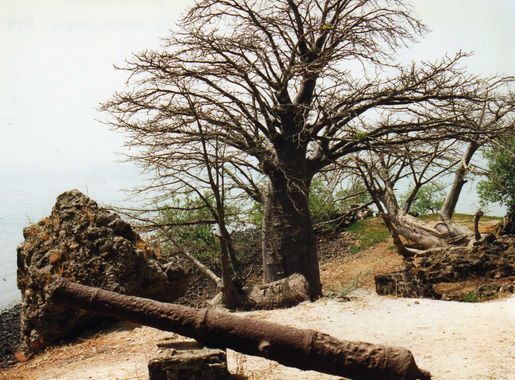
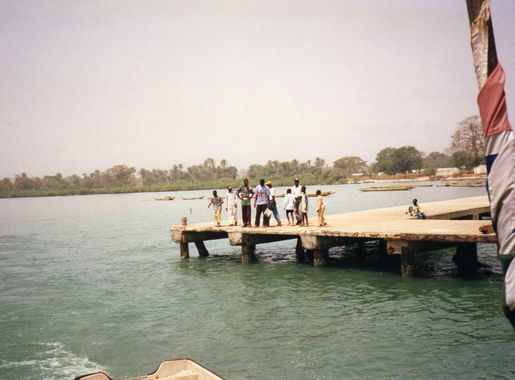
The Untouched Beauty of Upper Baddibu
Upper Baddibu, nestled in the heart of The Gambia, is a region rich with cultural heritage and natural beauty. Known for its warm and welcoming locals, this destination offers an authentic Gambian experience away from the usual tourist trails. Explore the traditional villages where you can witness the daily lives of the Mandinka people and learn about their customs and traditions. The area is also home to several historical sites, including ancient stone circles and old colonial buildings, which provide a glimpse into The Gambia's past. Nature lovers will be delighted by the lush landscapes and the abundance of birdlife in Upper Baddibu. The region's proximity to the River Gambia makes it a prime spot for birdwatching, with many rare and exotic species to be seen. Don't miss the chance to take a boat trip along the river, where you can enjoy the serene surroundings and perhaps spot some wildlife along the banks.