

Free Kombo North Travel Guide & Mobile App
Explore Kombo North with free travel guides. Discover regional history, expert tips, proposed trips, and audio guides on web or mobile app.


Kombo North combines Gambian beaches, coastal dining, local markets and easy access to the wider landscapes of western The Gambia.
Read more about Kombo North
When is the best time to visit Kombo North?
Best: December–February · 31–33°C| Month | High (°C) | Rainfall (mm) |
|---|---|---|
| January (best) | 31 | 0 |
| February (best) | 33 | 0 |
| March | 35 | 0 |
| April | 36 | 1 |
| May | 36 | 5 |
| June | 32 | 15 |
| July | 31 | 25 |
| August | 31 | 33 |
| September | 32 | 25 |
| October | 33 | 11 |
| November | 33 | 3 |
| December (best) | 32 | 0 |
Getting to and around Kombo North
How to get there
Transportation
Top city travel guides in Kombo North
The cities of Kombo North, and the easiest places to base yourself.
-

-
-

-

-

-


Swipe for more cities
Destinations in Kombo North
Resorts, valleys and scenic spots worth a trip of their own.
-

-


Swipe for more destinations
Best attractions in Kombo North
Kombo North’s attractions are primarily coastal, cultural and everyday rather than concentrated in a single monumental site. The Atlantic-facing areas around Kotu and Kololi offer sandy beaches, hotel pools, beach walks and opportunities to observe fishing activity, although surf and currents require care. Restaurants, craft stalls and informal entertainment provide a social counterpoint to the quieter stretches of coast. Inland, Sukuta and neighbouring settlements give visitors a closer view of contemporary Gambian commerce, roadside markets, workshops and residential life when explored respectfully with local assistance. Birdwatching is rewarding across the wider Kombo landscape, particularly around gardens, wet patches and wooded areas, though the best-known formal reserves lie beyond Kombo North and should be visited as separate excursions. Visitors interested in culture can arrange music, dance or community-based experiences through reputable local guides, while food tours introduce grilled fish, rice dishes, fruit and West African snacks. The district is most rewarding when its coastal tourism economy is considered alongside the villages, transport routes and growing suburbs that support it.
-
Market
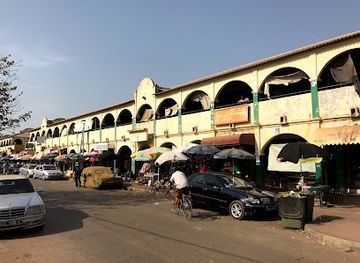
Albert Market
Explore the vibrant Albert Market in Banjul, where local culture, crafts, and cuisine come alive in a colorful and bustling marketplace.
-
Boat rental service
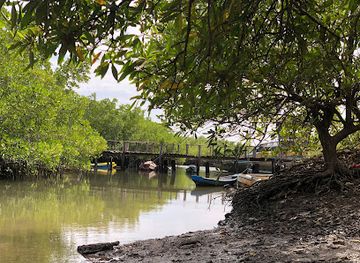
Lamin Lodge
Experience the beauty of The Gambia at Lamin Lodge, your gateway to boat rentals, local dining, and unforgettable tours in a serene setting.
-
Historical landmark
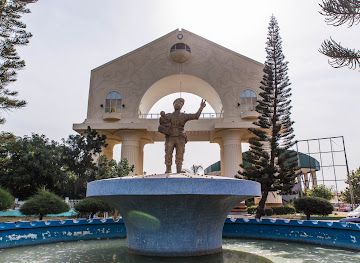
Arch 22
Explore Arch 22 in Banjul, a historical landmark offering breathtaking views and a rich insight into Gambian culture and history.
-
Museum
National Museum Of The Gambia
Uncover the rich heritage of The Gambia at the National Museum, an essential destination for culture and history enthusiasts in Banjul.


Best landmarks in Kombo North
Kombo North’s most recognisable landmarks are linked to its coastline, roads and changing settlement pattern rather than to a single grand historic structure. The Atlantic shore around Kotu and Kololi provides the district’s clearest natural reference point, with wide sandy beaches and a horizon that has long shaped local fishing and the modern tourism economy. The coastal hotel belt, although relatively recent, is also a visible marker of The Gambia’s shift towards international winter tourism. Inland, the settlements and busy junctions around Sukuta show the expansion of the Kombo peninsula, where newer housing, shops and transport routes meet older village landscapes and cultivated plots. Mosques, churches, compounds and roadside market spaces are important community landmarks, but they should be approached as living places rather than photographed as scenery without permission. The district does not contain the country’s best-known colonial monuments or major wildlife reserves; those are found in other parts of the Greater Banjul and West Coast areas. Its significance lies instead in the close juxtaposition of beach, urban growth, local commerce and rural traces.
-
Tourist attraction
Senegambia Craft Market
Discover the colorful Senegambia Craft Market, where local artisans bring Gambian culture to life through vibrant crafts and authentic souvenirs.
-
National park
Bijilo National Park
Discover the lush landscapes and diverse wildlife of Bijilo National Park, a tranquil escape in The Gambia for nature lovers and adventure seekers alike.
-
Animal park
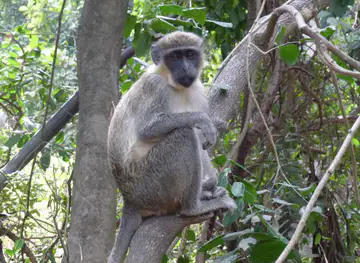
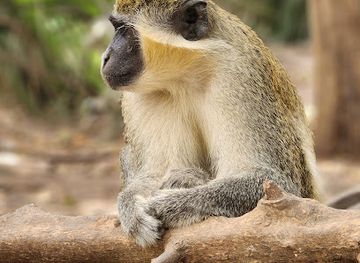
Bijilo Monkey Park
Discover the vibrant wildlife of Bijilo Monkey Park, a serene animal park in Gambia offering unforgettable encounters with playful monkeys and rich biodiversity.
-
Market
Albert Market
Explore the vibrant Albert Market in Banjul, where local culture, delicious street food, and unique crafts await every traveler.
Explore Kombo North on the map
Plan your trip on one map. See where the top cities, national parks and sights are, and book hotels and experiences in a few clicks.
Best hotels in Kombo North
Best restaurants in Kombo North
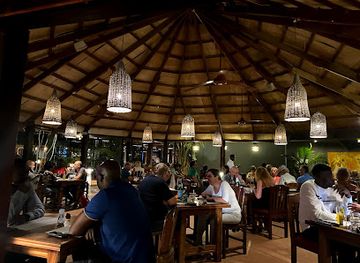
Dining in Kombo North ranges from hotel restaurants and coastal cafés to local eateries, takeaway counters and roadside grills. Fish is prominent near the Atlantic, commonly served with rice, chips, salad or spicy sauces, while benachin, a one-pot rice dish, domoda with groundnut sauce and yassa-style preparations are widely encountered in Gambian cooking. Fresh mangoes, papayas, oranges and other seasonal produce are sold by roadside vendors and in markets. Restaurants in Kotu and Kololi often combine Gambian dishes with international menus, reflecting the district’s large visitor economy, whereas smaller local establishments tend to offer simpler meals at more modest prices. Tea, coffee, soft drinks and fruit juices are common, and locally produced drinks may be available alongside imported beverages. Visitors should choose busy, well-kept food outlets, carry cash for smaller purchases and allow extra time when a dish is cooked to order. Dining customs are generally relaxed, but modest dress away from the beach is considerate.
-
Restaurant
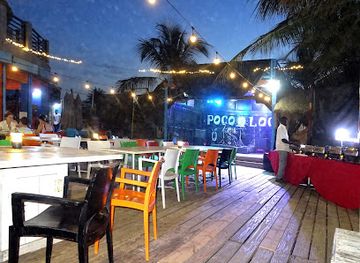
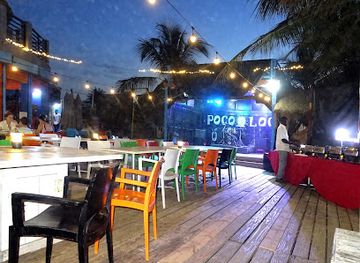
Poco Loco Beachbar Gambia
Experience delightful cuisine and breathtaking ocean views at Poco Loco Beachbar in Serrekunda, Gambia - a must-visit destination for travelers.
-
Restaurant
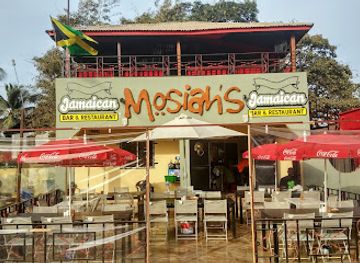
Mo2 Jamaican Bar & Restaurant Gambia (Mosiah's)
Savor the taste of Jamaica at Mo2 Jamaican Bar & Restaurant in Gambia - where vibrant flavors meet warm hospitality.
-
Italian
Gusto Italian Resto &bar
Experience authentic Italian flavors at Gusto Italian Resto & Bar in Senegambia – where every meal feels like a vacation.
-
Restaurant
Vineyard Restaurant
Experience the vibrant flavors of Gambia at Vineyard Restaurant - where local meets global in a cozy atmosphere.

Best bars in Kombo North
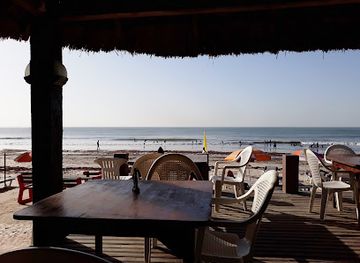
Evening life in Kombo North is concentrated around the coastal visitor belt, especially the restaurant and hotel areas near Kotu and Kololi, rather than spread evenly across the district. Hotel bars, beach venues and casual restaurants provide places for drinks, conversation and occasional live music, with activity often increasing during the main winter tourism season. Local bars and neighbourhood spots serve residents and may have a more informal atmosphere, while some venues host Gambian music or West African performers. Nightclubs exist within the wider coastal resort scene, but the scale and opening arrangements of individual venues can change, so current information should be confirmed locally. Inland Sukuta and other residential communities generally offer quieter evenings centred on food, family visits and small local businesses. Visitors should use recognised taxis after dark, avoid walking alone on poorly lit roads and remember that enjoying Gambian music, food and conversation does not require heavy drinking.
-
Restaurant
Poco Loco Beachbar Gambia
Experience the vibrant atmosphere and delicious flavors at Poco Loco Beachbar in Serrekunda, Gambia's ultimate beachside destination.
-
Restaurant
Mo2 Jamaican Bar & Restaurant Gambia (Mosiah's)
Experience the vibrant flavors of Jamaica at Mo2 Jamaican Bar & Restaurant in Serrekunda, Gambia – a true culinary adventure awaits!
-
Bar
Solomon’s Beach Bar & Restaurant
Experience the essence of Gambian cuisine and stunning ocean views at Solomon’s Beach Bar & Restaurant, a top spot for relaxation and local flavors.
-
Bar
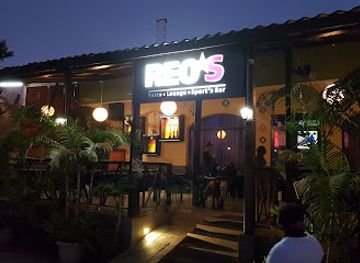
Reo's Bar and Restaurant
Experience the vibrant atmosphere of Reo's Bar and Restaurant in Serrekunda, where delicious food, refreshing drinks, and lively entertainment come together.

Best nightclubs in Kombo North
Evening life in Kombo North is concentrated around the coastal visitor belt, especially the restaurant and hotel areas near Kotu and Kololi, rather than spread evenly across the district. Hotel bars, beach venues and casual restaurants provide places for drinks, conversation and occasional live music, with activity often increasing during the main winter tourism season. Local bars and neighbourhood spots serve residents and may have a more informal atmosphere, while some venues host Gambian music or West African performers. Nightclubs exist within the wider coastal resort scene, but the scale and opening arrangements of individual venues can change, so current information should be confirmed locally. Inland Sukuta and other residential communities generally offer quieter evenings centred on food, family visits and small local businesses. Visitors should use recognised taxis after dark, avoid walking alone on poorly lit roads and remember that enjoying Gambian music, food and conversation does not require heavy drinking.
-
Boat rental service
Lamin Lodge
Discover adventure and relaxation at Lamin Lodge, your go-to destination for boat rentals, dining, and unforgettable experiences in Lamin.
-
Night club
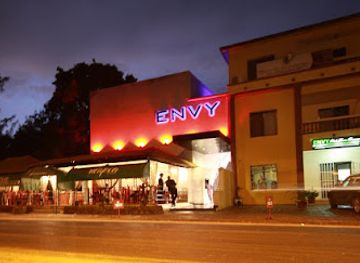
Envy Night Club
Experience the vibrant nightlife at Envy Night Club in Serrekunda, where music, dance, and cocktails come together for an unforgettable evening.
-
Night club
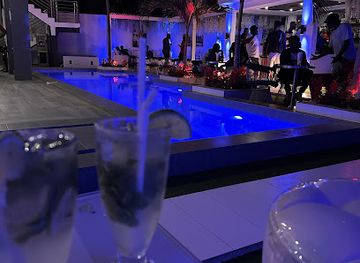
Aquarius Nightclub
Dive into the vibrant nightlife of Serrekunda at Aquarius Nightclub, where music, dance, and camaraderie come alive in the heart of Gambia.
-
Night club
ONYX
Discover the vibrant nightlife of Serrekunda at ONYX, a premier nightclub known for its electrifying atmosphere and unforgettable experiences.

Best shops in Kombo North
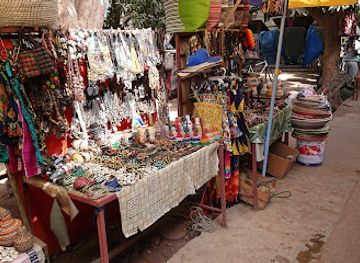
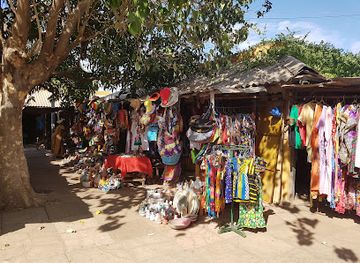
Shopping in Kombo North is practical and local in character, with small shops, roadside stalls, market areas and craft sellers serving both residents and visitors. Coastal areas around Kotu and Kololi offer woven goods, carved objects, jewellery, clothing, fabrics and souvenirs, although prices are usually negotiable and visitors should bargain politely rather than aggressively. Inland settlements such as Sukuta provide a more everyday selection of groceries, fruit, household goods, clothing and phone services. Gambian fabrics, baskets, woodwork and locally made decorative items make more meaningful purchases than mass-produced souvenirs, while groundnuts, spices, dried foods and fruit can introduce visitors to the country’s food culture when packed and transported responsibly. Larger supermarkets and hotel shops may accept cards, but market traders generally require dalasi cash. Check the quality and origin of crafts, avoid buying protected wildlife products or old cultural artefacts of uncertain provenance, and ask sellers about fair prices before committing to a purchase.
-
Tourist attraction
Senegambia Craft Market
Explore the vibrant Senegambia Craft Market, where local artisans showcase their unique crafts and authentic Gambian culture awaits you!
-
Market
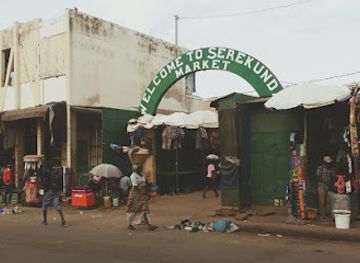
Serekunda Market
Experience the vibrant energy of Serekunda Market, a cultural and shopping haven in The Gambia where local traditions and modern commerce intertwine.
-
Market
Albert Market
Discover the vibrant culture of Banjul at Albert Market, a bustling hub of local crafts, fresh produce, and authentic Gambian life.
-
Tourist attraction
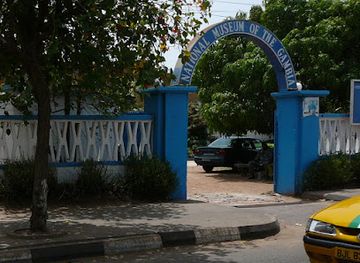
National Museum of the Gambia
Explore Gambia's vibrant culture and history at the National Museum of the Gambia, a must-visit attraction for all tourists.
Get your free copy of our complete guide to Kombo North, delivered straight to you.
Everything on this page, from attractions and restaurants to essentials and local phrases, in one PDF you can read offline, print or share.
Already have an account? Sign in
Your Kombo North guide is ready.
We'll send it to · Not you? Sign out

Getting your guide ready…
We are putting together a fresh copy of the Kombo North guide. This can take up to a minute.
This can take a few moments. If your browser asks, choose Allow so the download can start. You'll find the guide in your Downloads folder.
Nothing happened? Download it again
Sorry, the guide is taking longer than usual. Please try again in a minute, or get it by email instead.
Kombo North essentials
Currency and Payment
Safety
Emergency Situations
Do's and Don'ts
Local Tips
From Eve
Local phrases worth knowing
You don't need to get them perfect. A few words go a long way, and locals appreciate the effort.
Basics
| English | Local | Say it |
|---|---|---|
| Hello | Naka | [Nah-kah] |
| Goodbye | Ndey | [N-day] |
| Yes | Aye | [Eye] |
| No | Naa | [Nah] |
| Please/You're welcome | Jama | [Jah-mah] |
| Thank you | Jerejef | [Je-reh-jef] |
| Excuse me/Sorry | Sori | [So-ree] |
| How are you? | Naka sa? | [Nah-kah sah?] |
| Fine. And you? | Jama. Naka sa? | [Jah-ma. Nah-kah sah?] |
| Do you speak English? | Naa jango English? | [Nah jang-oh English?] |
| I don't understand | Naa jango na | [Nah jang-oh nah] |
Eating & Drinking
| English | Local | Say it |
|---|---|---|
| I'd like to see the menu, please | Naa jango menu, jama | [Nah jang-oh menu, jah-ma] |
| I don't eat meat | Naa jango nyam | [Nah jang-oh nyam] |
| Cheers! | Sakalaba! | [Sah-kah-lah-bah] |
| I would like to pay, please | Naa jango pay, jama | [Nah jang-oh pay, jah-ma] |
Emergencies
| English | Local | Say it |
|---|---|---|
| Help! | Nde! | [N-day!] |
| Go away! | Nde mum! | [N-day moom!] |
| Call the Police! | Nde jango Police! | [N-day jang-oh Police!] |
| Call a doctor! | Nde jango doctor! | [N-day jang-oh doctor!] |
| I'm lost | Naa jango galle | [Nah jang-oh gahl-leh] |
| I'm ill | Naa jango sick | [Nah jang-oh sick] |
Shopping
| English | Local | Say it |
|---|---|---|
| I'd like to buy... | Naa jango buy... | [Nah jang-oh buy...] |
| I'm just looking | Naa jango fo | [Nah jang-oh fo] |
| How much is it? | Naka kodo? | [Nah-kah koh-doh?] |
| That's too expensive | Naa kodo la | [Nah koh-doh lah] |
| Can you lower the price? | Naa jango kodo la? | [Nah jang-oh koh-doh lah?] |
Time & Numbers
| English | Local | Say it |
|---|---|---|
| What time is it? | Naka jango time? | [Nah-kah jang-oh time?] |
| It's one o'clock | Naka jango one | [Nah-kah jang-oh one] |
| Half past (10) | Half past ten | [Half past ten] |
| Morning | Jang | [Jang] |
| Afternoon | Ginna | [Ginn-ah] |
| Evening | Dindin | [Din-din] |
| Yesterday | Dindin la | [Din-din lah] |
| Today | Dindin jango | [Din-din jang-oh] |
| Tomorrow | Dindin kodo | [Din-din koh-doh] |
| 1 | Kuno | [Koo-no] |
| 2 | Duo | [Doo-oh] |
| 3 | Tati | [Tah-tee] |
| 4 | Ney | [Nay] |
| 5 | Jain | [Jah-een] |
| 6 | Jango | [Jang-oh] |
| 7 | Sati | [Sah-tee] |
| 8 | Sey | [Say] |
| 9 | Jin | [Jin] |
| 10 | Jango | [Jang-oh] |
Transport & Directions
| English | Local | Say it |
|---|---|---|
| Where's a/the...? | Naka a/the...? | [Nah-kah ah/the...?] |
| What's the address? | Naka jango address? | [Nah-kah jang-oh address?] |
| Can you show me (on the map)? | Naa jango fo (on the map)? | [Nah jang-oh fo (on the map)?] |
| When's the next (bus)? | Naka jango next (bus)? | [Nah-kah jang-oh next (bus)?] |
| A ticket (to ....) | A ticket (to ....) | [A ticket (to ....)] |
History of Kombo North
Early Settlement and the Kombo Area
The wider Kombo peninsula has been inhabited for centuries by communities connected through farming, fishing, trade and regional political networks. Its sandy soils, coastal access and position near the mouth of the Gambia River helped settlements participate in exchange between the coast and the riverine interior. The name Kombo refers to a historic geographical and political area rather than a single modern town, and its boundaries and administrative meaning have changed over time. In present-day Kombo North, the continuing pattern of village settlement, cultivated plots and expanding roads reflects this long relationship between rural land and access to coastal markets.
European Trade on the Gambia Coast
From the fifteenth century onwards, Portuguese and later other European traders entered the Gambia River system, seeking gold, ivory, wax, hides and enslaved people. Coastal and riverine commerce brought foreign goods and new political pressures to local societies, although European influence was uneven away from trading points. The Kombo area’s proximity to the Atlantic and the river made it part of this wider commercial world. The consequences included the growth of long-distance trade, intensified conflict and the disruption of communities through the transatlantic slave trade, whose legacy remains part of the history of The Gambia.
Nineteenth-Century British Expansion
During the nineteenth century, Britain consolidated its control over the Gambia River and surrounding settlements, gradually replacing the earlier pattern of competing European trading interests. The colonial administration centred on Bathurst, now Banjul, while authority over the surrounding Kombo districts developed through treaties, military pressure and administrative reorganisation. Kombo North was therefore shaped by its proximity to the colonial port and capital, even though much of the area retained village-based agriculture and local authority. Roads, taxation, mission activity and commercial links began to tie the peninsula more closely to the colonial economy.
Agriculture, Trade and the Colonial Hinterland
For much of the colonial period, communities around Kombo combined subsistence farming with market production and small-scale trade. Groundnuts became particularly important in the Gambian economy, while rice, vegetables, fruit and livestock supported local consumption. Roads connecting villages with Bathurst and market centres encouraged movement of produce and people. The coastal belt also acquired growing importance as a recreation and residential area for colonial officials and urban residents. These economic patterns established the contrast still visible today between productive or residential inland settlements and the more service-oriented coastal strip.
Independence and National Change, 1965 Onwards
The Gambia became independent from Britain in 1965, and the Kombo region subsequently experienced rapid demographic and economic change. Greater Banjul, Serrekunda and surrounding districts expanded as people moved towards employment, education, commerce and public services. New roads, schools, housing and businesses gradually affected settlements that had previously been more rural in character. Kombo North’s present landscape, with busy transport routes beside older village areas and newer residential development, reflects this post-independence growth rather than a single planned transformation.
The Rise of Coastal Tourism
Tourism began to develop significantly along The Gambia’s Atlantic coast in the late twentieth century, helped by winter sun, English-language links and the accessibility of the coastal resorts from Banjul International Airport. Parts of the Kombo area became associated with hotels, guesthouses, restaurants, craft stalls and seasonal employment. This brought new income and international connections, but also increased pressure on land, beaches, roads and water supplies. In Kombo North, tourism now exists alongside long-established communities and a rapidly changing metropolitan fringe, making the district a useful place to observe contemporary economic transition.
Neighbouring regions of Kombo North
The closest regions to Kombo North, if you have time for more than one.
-

-

-
-

-


Swipe for more regions
Explore more

Explore more of The Gambia
Discover The Gambia: a treasure trove of cultural richness, stunning beaches, and diverse wildlife. An unforgettable journey awaits you in Africa's Smiling Coast.
Explore The Gambia