

Free Kanifing Travel Guide & Mobile App
Explore Kanifing with free travel guides. Discover regional history, expert tips, proposed trips, and audio guides on web or mobile app.


Explore Kanifing’s Atlantic beaches, Bakau traditions, Serekunda markets, urban culture and coastal dining in The Gambia’s metropolitan heart.
Read more about Kanifing
When is the best time to visit Kanifing?
Best: November–January · 28–30°C| Month | High (°C) | Rainfall (mm) |
|---|---|---|
| January (best) | 28 | 0 |
| February | 30 | 0 |
| March | 32 | 0 |
| April | 33 | 1 |
| May | 33 | 3 |
| June | 32 | 20 |
| July | 30 | 60 |
| August | 30 | 90 |
| September | 30 | 60 |
| October | 31 | 30 |
| November (best) | 30 | 2 |
| December (best) | 29 | 0 |
Getting to and around Kanifing
How to get there
Transportation
Top city travel guides in Kanifing
The cities of Kanifing, and the easiest places to base yourself.
-
-

-

-


Swipe for more cities
Destinations in Kanifing
Resorts, valleys and scenic spots worth a trip of their own.
-

-


Swipe for more destinations
Best attractions in Kanifing
Kanifing’s attractions combine coastal leisure, urban culture and living heritage rather than being concentrated in one formal sightseeing quarter. Bakau’s Kachikally Crocodile Pool is the municipality’s signature cultural site, where protected crocodiles share a sacred setting associated with local fertility traditions. The surrounding area also offers craft stalls, fishing activity and an opportunity to see a long-established town beyond the hotel districts. Serekunda’s markets provide a more everyday attraction: visitors find clothing, produce, household goods and informal food businesses within one of the country’s busiest commercial environments. Along the Atlantic coast, Kotu, Fajara and Kololi offer sandy beaches, hotel gardens, beachfront dining and areas suited to relaxed walks, although conditions and access vary by season and frontage. The municipality’s restaurants, music venues and small cultural businesses add to its visitor offer, while nearby Banjul can be visited as a separate excursion for national museums and colonial-era sights. Kanifing is best experienced through contrasts between its resort areas, working neighbourhoods, markets and community landmarks.
-
Tourist attraction
Kachikally Crocodile Pool
Explore the enchanting Kachikally Crocodile Pool in Bakau, where you can witness and interact with revered crocodiles in a peaceful natural setting.
-
Tourist attraction
Senegambia Craft Market
Explore the Senegambia Craft Market for unique souvenirs, local crafts, and an immersive cultural experience in Serrekunda, Gambia.
-
National park
Bijilo National Park
Explore Bijilo National Park, Gambia's lush oasis of wildlife and nature, perfect for adventure seekers and nature lovers alike.
-
Market
Serekunda Market
Explore the vibrant heart of The Gambia at Serekunda Market - a sensory feast of culture, cuisine, and community.


Best landmarks in Kanifing
Kachikally Crocodile Pool in Bakau is Kanifing’s most recognisable cultural landmark. Its protected crocodiles and sacred associations connect the site with local beliefs and fertility traditions, making it more than a conventional wildlife attraction. The pool’s setting, mature vegetation and nearby community life provide a strong contrast with the municipality’s busy roads and hotel development. Bakau’s fishing environment is another important visual marker, reflecting the continuing economic and social significance of the Atlantic coast. Serekunda Market is a landmark of a different kind: it is a major urban commercial centre whose crowded streets, stalls and transport connections express Kanifing’s role within the Greater Banjul Area. Along the coast, the beaches of Kotu, Fajara and Kololi form a broad natural landmark, even though their appearance changes with tides, erosion, development and seasonal weather. Kanifing’s built form is also significant, with compounds, shops, mosques, schools, hotels and busy junctions illustrating the transition from older settlements to a metropolitan municipality. Banjul’s historic landmarks are nearby but lie outside Kanifing and should be treated as a separate capital-city visit.
-
Tourist attraction
Kachikally Crocodile Pool
Discover the captivating Kachikally Crocodile Pool in Bakau, a unique blend of wildlife encounters and cultural heritage in The Gambia.
-
 Resort hotel
Coco Ocean Resort & Spa Hotel
Experience the luxury of Coco Ocean Resort & Spa, where tropical beauty meets exceptional hospitality in Bijilo, Gambia.
-
National park
Bijilo National Park
Explore the lush landscapes and vibrant wildlife of Bijilo National Park, Gambia's natural retreat perfect for nature lovers and adventure seekers.
-
Animal park
Bijilo Monkey Park
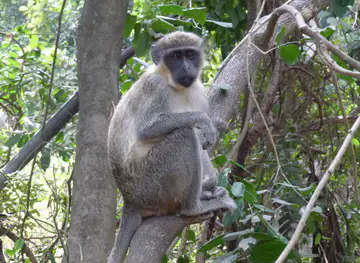
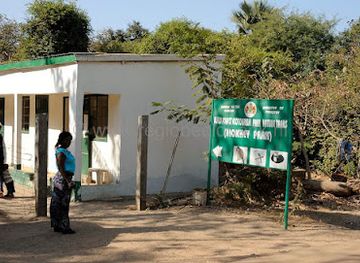
Explore Bijilo Monkey Park in Serrekunda, a wildlife sanctuary full of playful monkeys, lush greenery, and serene walking trails perfect for families and nature lovers alike.


Explore Kanifing on the map
Plan your trip on one map. See where the top cities, national parks and sights are, and book hotels and experiences in a few clicks.
Best hotels in Kanifing
Best restaurants in Kanifing
Dining in Kanifing ranges from family-run Gambian eateries and neighbourhood cafés to hotel restaurants, beachfront dining rooms and internationally oriented venues. Local dishes commonly include benachin, a seasoned rice dish; yassa, usually prepared with a sharp onion and citrus sauce; and domoda, a peanut-based stew. Fish is widely available in this coastal municipality, while grilled meats, Senegalese specialities, sandwiches and West African snacks broaden the choice. Kotu, Kololi, Fajara and Bakau have the greatest concentration of restaurants aimed at visitors, but Serekunda and other busy districts offer a more everyday view of local eating. Fresh juices, attaya tea and tropical fruit are common refreshments, and small stalls may sell bread, grilled foods or snacks according to the time of day. Menus, supplies and opening arrangements can change seasonally, particularly during the rainy period, so asking locally is useful. Visitors should choose busy establishments with good food turnover and take sensible care with unwashed produce and untreated water.
-
Restaurant
Poco Loco Beachbar Gambia
Discover paradise at Poco Loco Beachbar Gambia - where delicious cuisine meets breathtaking ocean views for an unforgettable tropical escape.
-
Restaurant
John Raymond'S Beach Bar And Restaurant
Experience authentic Gambian cuisine with breathtaking views at John Raymond's Beach Bar and Restaurant in Serrekunda.
-
Restaurant
Paradiso Restaurant
Experience authentic Gambian cuisine blended with international flavors at Paradiso Restaurant in Serrekunda.
-
Restaurant
Scala Restaurant
Experience authentic Gambian flavors at Scala Restaurant in Serrekunda, where delightful dishes meet warm hospitality.


Best bars in Kanifing
Kanifing has the Gambia’s broadest concentration of evening entertainment, although its nightlife is varied rather than uniform. Kololi and the Senegambia area have the largest selection of bars, restaurants, live-music venues and late-evening entertainment, while Kotu, Bakau and Fajara offer more relaxed hotel bars, beach venues and local establishments. Serekunda’s evening life is often centred on food stalls, tea gatherings, restaurants and community activity rather than purpose-built clubs. Live West African music, dance performances and football screenings are common features of the visitor scene, but schedules and venues change. Some establishments are strongly seasonal, with greater activity during the main tourism period. Dress codes are usually informal but may be more conservative outside resort areas. Visitors should arrange a reliable taxi for late journeys, keep valuables secure and remember that enjoying Kanifing after dark does not need to revolve around alcohol: restaurants, music, cafés and evening walks in populated areas are also part of the local rhythm.
-
Restaurant
Poco Loco Beachbar Gambia
Discover the perfect blend of relaxation and entertainment at Poco Loco Beachbar in Serrekunda, Gambia, where the beach meets vibrant culture.
-
Restaurant
John Raymond'S Beach Bar And Restaurant
Discover the vibrant culinary delights and stunning sunsets at John Raymond's Beach Bar and Restaurant in Serrekunda, The Gambia.
-
Restaurant
Mo2 Jamaican Bar & Restaurant Gambia (Mosiah's)
Discover the essence of Jamaican cuisine at Mo2 Jamaican Bar & Restaurant in Gambia, where flavor and culture come alive.
-
Bar
Solomon’s Beach Bar & Restaurant
Experience the vibrant flavors and stunning views at Solomon’s Beach Bar & Restaurant in Serrekunda, the perfect coastal getaway.


Best nightclubs in Kanifing
Kanifing has the Gambia’s broadest concentration of evening entertainment, although its nightlife is varied rather than uniform. Kololi and the Senegambia area have the largest selection of bars, restaurants, live-music venues and late-evening entertainment, while Kotu, Bakau and Fajara offer more relaxed hotel bars, beach venues and local establishments. Serekunda’s evening life is often centred on food stalls, tea gatherings, restaurants and community activity rather than purpose-built clubs. Live West African music, dance performances and football screenings are common features of the visitor scene, but schedules and venues change. Some establishments are strongly seasonal, with greater activity during the main tourism period. Dress codes are usually informal but may be more conservative outside resort areas. Visitors should arrange a reliable taxi for late journeys, keep valuables secure and remember that enjoying Kanifing after dark does not need to revolve around alcohol: restaurants, music, cafés and evening walks in populated areas are also part of the local rhythm.
-
Hotel
Kunta Kinteh Beach Complex
Discover the vibrant atmosphere and stunning scenery at Kunta Kinteh Beach Complex, your perfect getaway in The Gambia.
-
Bar
Solomon’s Beach Bar & Restaurant
Discover the flavors of the coast at Solomon’s Beach Bar & Restaurant, where delicious cuisine meets stunning beach views in Serrekunda.
-
Italian
Gusto Italian Resto &bar
Savor authentic Italian cuisine at Gusto Italian Resto & Bar, where delightful flavors and a warm atmosphere await in Serrekunda.
-
Resort hotel
Ngala Lodge
Discover luxury and tranquility at Ngala Lodge, a premier resort hotel in Bakau offering fine dining, wellness, and stunning ocean views.


Best shops in Kanifing
Shopping in Kanifing is strongest in its markets, roadside commercial areas and craft centres rather than in large luxury retail complexes. Serekunda Market is the principal place to browse clothing, fabrics, footwear, fresh produce, household goods and everyday necessities, while Bakau and the coastal districts have stalls and small shops aimed at visitors. Craft traders commonly offer carved wood items, woven goods, jewellery, textiles and paintings, but quality and prices vary, so compare products and bargain politely where appropriate. Supermarkets and convenience shops in the hotel areas are useful for travellers’ supplies, drinks and imported goods. Regional food products, including spices, tea, dried ingredients and locally made snacks, can make practical souvenirs when packed and labelled appropriately. Independent boutiques and galleries are more common around the coastal tourism belt than in the central market districts. Carry small dalasi notes, check the condition of goods before paying and remember that market shopping is part of Kanifing’s working urban life, not merely a staged visitor experience.
-
Hotel
Senegambia Beach Hotel
Discover the idyllic charm of Senegambia Beach Hotel, where luxury meets the beauty of The Gambia's stunning coastline.
-
Resort hotel
Coco Ocean Resort & Spa Hotel
Experience unparalleled luxury and serene relaxation at Coco Ocean Resort & Spa in Bijilo, Gambia, a perfect getaway for discerning travelers.
-
Tourist attraction
Senegambia Craft Market
Discover unique Gambian crafts at the Senegambia Craft Market, where vibrant culture meets local artistry in a lively shopping experience.
-
Market
Serekunda Market
Explore the vibrant Serekunda Market for a taste of Gambian culture, shopping, and local delicacies in a lively atmosphere.


Get your free copy of our complete guide to Kanifing, delivered straight to you.
Everything on this page, from attractions and restaurants to essentials and local phrases, in one PDF you can read offline, print or share.
Already have an account? Sign in
Your Kanifing guide is ready.
We'll send it to · Not you? Sign out

Getting your guide ready…
We are putting together a fresh copy of the Kanifing guide. This can take up to a minute.
This can take a few moments. If your browser asks, choose Allow so the download can start. You'll find the guide in your Downloads folder.
Nothing happened? Download it again
Sorry, the guide is taking longer than usual. Please try again in a minute, or get it by email instead.
Kanifing essentials
Currency and Payment
Safety
Emergency Situations
Do's and Don'ts
Local Tips
From Eve
Local phrases worth knowing
You don't need to get them perfect. A few words go a long way, and locals appreciate the effort.
Basics
| English | Local | Say it |
|---|---|---|
| Hello | Naka | [Nah-kah] |
| Goodbye | Tawdu | [Taw-doo] |
| Yes | Aye | [Eye] |
| No | Nay | [Nay] |
| Please/You're welcome | Jerejef | [Je-reh-jef] |
| Thank you | Jerejef | [Je-reh-jef] |
| Excuse me/Sorry | Bokkala | [Bok-kah-lah] |
| How are you? | Naka jeng? | [Nah-kah jeng?] |
| Fine. And you? | Maa jeng. A ne jeng? | [Mah jeng. Ah nay jeng?] |
| Do you speak English? | Naka tigi ingilisi? | [Nah-kah tee-gee in-gee-lee-see?] |
| I don't understand | Maa nyaa jeng | [Mah nyah jeng] |
Eating & Drinking
| English | Local | Say it |
|---|---|---|
| I'd like to see the menu, please | Maa nyi janga menu, jerejef | [Mah nee yang-gah men-oo, je-reh-jef] |
| I don't eat meat | Maa nyaa nyam | [Mah nyah nyam] |
| Cheers! | Nda | [N-dah] |
| I would like to pay, please | Maa nyi janga pay, jerejef | [Mah nee yang-gah pay, je-reh-jef] |
Emergencies
| English | Local | Say it |
|---|---|---|
| Help! | Sama! | [Sah-mah!] |
| Go away! | Hawya! | [Hah-wyah!] |
| Call the Police! | Tigi Police! | [Tee-gee Po-lees!] |
| Call a doctor! | Tigi doktor! | [Tee-gee dok-tor!] |
| I'm lost | Maa nyaa fow | [Mah nyah foe] |
| I'm ill | Maa nyaa wal | [Mah nyah wahl] |
Shopping
| English | Local | Say it |
|---|---|---|
| I'd like to buy... | Maa nyi janga buy... | [Mah nee yang-gah buy...] |
| I'm just looking | Maa nyi jang | [Mah nee yang] |
| How much is it? | Naka da biko? | [Nah-kah dah bee-koh?] |
| That's too expensive | Da biko tu | [Dah bee-koh too] |
| Can you lower the price? | Naka tigi biko fa? | [Nah-kah tee-gee bee-koh fah?] |
Time & Numbers
| English | Local | Say it |
|---|---|---|
| What time is it? | Naka time da? | [Nah-kah time dah?] |
| It's one o'clock | Da nyi one | [Dah nee one] |
| Half past (10) | Half past (10) | [Half past (10)] |
| Morning | Daw | [Dahw] |
| Afternoon | Funda | [Fun-dah] |
| Evening | Guddey | [Goo-deh] |
| Yesterday | Faa | [Fah] |
| Today | Bok | [Bok] |
| Tomorrow | Bok gu | [Bok goo] |
| 1 | Kow | [Kow] |
| 2 | Jung | [Jung] |
| 3 | Tati | [Tah-tee] |
| 4 | Nayi | [Nah-yee] |
| 5 | Jeng | [Jeng] |
| 6 | Jeng gu | [Jeng goo] |
| 7 | Jeng jeng | [Jeng jeng] |
| 8 | Jeng nyi | [Jeng nee] |
| 9 | Jeng nai | [Jeng nai] |
| 10 | Jeng foor | [Jeng fohr] |
Transport & Directions
| English | Local | Say it |
|---|---|---|
| Where's a/the...? | Naka a/the...? | [Nah-kah ah/the...?] |
| What's the address? | Naka address da? | [Nah-kah ad-dress dah?] |
| Can you show me (on the map)? | Naka tigi janga (on the map)? | [Nah-kah tee-gee yang-gah (on the map)?] |
| When's the next (bus)? | Naka when da next (bus)? | [Nah-kah when dah next (bus)?] |
| A ticket (to ....) | A ticket (to ....) | [A ticket (to ....)] |
History of Kanifing
Kombo’s early settlements and coastal traditions
The area now occupied by Kanifing formed part of the broader Kombo region, a historically interconnected landscape of villages, farms, waterways and coastal communities. Its people participated in local agriculture, fishing and trade long before the modern municipality existed. Oral traditions and sacred places, including Kachikally in Bakau, preserve memories of older social and spiritual systems. The region’s location near the mouth of the Gambia River and the Atlantic coast encouraged contact between communities from the interior, neighbouring Senegal and maritime traders.
Islamic scholarship and regional trade
Islam spread through the Senegambian region over many centuries, becoming central to religious, educational and social life in settlements around present-day Kanifing. Muslim teachers, traders and families helped connect Kombo with wider networks extending along the Gambia River and across present-day Senegal. These links influenced naming, architecture, festivals, learning and commercial exchange. Kanifing’s contemporary urban communities remain religiously diverse, but Islamic institutions and practices continue to form an important part of the municipality’s cultural landscape.
European commerce and the colonial capital
European powers competed for influence along the Gambia River from the early modern period, while British control eventually centred on Bathurst, now Banjul, founded on St Mary’s Island in the nineteenth century. Although Bathurst lies outside Kanifing, its administrative and commercial importance affected the settlements on the mainland opposite it. Roads, river crossings, wage employment and trade gradually drew the wider Kombo area into the orbit of the colonial capital, laying foundations for the urban expansion that later reached Bakau and Serekunda.
Independence and the growth of Serekunda
The Gambia became independent from Britain in 1965, and the decades that followed brought marked population growth around Banjul and the mainland settlements of the Greater Banjul Area. Serekunda developed into the country’s largest urban centre, absorbing and connecting older villages and expanding neighbourhoods. Government offices, schools, transport routes, markets and private businesses increasingly concentrated across the mainland. Kanifing’s later municipal identity reflects this transformation from a collection of settlements into a major urban district within the independent Gambian state.
Tourism and the Atlantic coast
From the late twentieth century, international tourism expanded along the coastal belt around Bakau, Fajara, Kotu and Kololi. Hotels, restaurants, craft businesses and tour services created new employment and linked Kanifing more closely to European seasonal travel markets. Tourism brought investment and international visibility, but it also produced pressure on beaches, wetlands, roads and local services. The municipality’s present character reflects this coexistence between established communities, a large visitor economy and rapidly changing urban development.
Kanifing as a metropolitan municipality
Kanifing Municipal Council emerged as part of the Gambia’s effort to administer the expanding urban area outside Banjul. Its districts now include some of the country’s most populous and commercially active neighbourhoods. Municipal life combines formal planning with dense informal commerce, community institutions, schools, religious centres and transport networks. The result is a region that functions as a major part of the national capital area while retaining distinct local identities in places such as Bakau, Fajara, Serekunda, Kotu and Kololi.
Kanifing in Photos
Browse through our photo collection highlighting the charm and character of the destination.
Neighbouring regions of Kanifing
The closest regions to Kanifing, if you have time for more than one.
-

-

-
-

-


Swipe for more regions
Explore more

Explore more of The Gambia
Discover The Gambia: a treasure trove of cultural richness, stunning beaches, and diverse wildlife. An unforgettable journey awaits you in Africa's Smiling Coast.
Explore The Gambia