
Kombo South, The Gambia Travel Guide
Discover Kombo South in The Gambia: Pristine beaches, lush nature reserves, and vibrant culture await in this serene coastal paradise.
Kombo South, a serene coastal area in The Gambia, is a haven for those looking to escape the hustle and bustle. This picturesque location is known for its stunning beaches, lush landscapes, and rich cultural heritage. The charming villages and friendly locals add to its unique appeal, making it a must-visit destination for travelers seeking an authentic African experience. The beaches in Kombo South are some of the most beautiful in The Gambia. The golden sands stretch for miles, offering a perfect spot to relax and soak up the sun. The azure waters are ideal for swimming, and the gentle waves make it a great place for water sports like kayaking and sailing. Don't miss the chance to explore the vibrant marine life through snorkeling or diving. Beyond the beaches, Kombo South is home to several nature reserves and parks. These green spaces provide a sanctuary for various wildlife, including monkeys, exotic birds, and reptiles. A visit to the Tanji Bird Reserve or the Bijilo Forest Park offers an opportunity to witness these creatures in their natural habitat and enjoy the tranquility of the surroundings. The cultural richness of Kombo South is evident in its local markets, traditional music, and dance performances. The area is dotted with small villages where you can interact with the locals and learn about their way of life. The Gambian cuisine, with its flavorful dishes and fresh ingredients, is another highlight that visitors should not miss.

Know before you go
Hi, I'm Eve. Here are a few practical things to know before exploring Kombo South.
- Visit the Tanji Bird Reserve early in the morning for the best bird-watching experience.
- Try the local seafood at one of the beachside restaurants for a fresh and delicious meal.
- Bring cash, as many local markets and small shops do not accept credit cards.
- Respect local customs and dress modestly when visiting villages and cultural sites.
- Hire a local guide to explore the nature reserves for a more informative and safe experience.
Top City Travel Guides in Kombo South
The cities of Kombo South, and the easiest places to base yourself.


Destinations in Kombo South
Resorts, valleys and scenic spots worth a trip of their own.

Explore Kombo South: Things to Do, Places to Eat, Hotels & More
Handpicked recommendations for top attractions, local dining, accommodations, and more

Top Attractions & Sightseeing in Kombo South
Top-rated picks
Best Attractions

The Gambian Reptiles Farm
Explore The Gambian Reptiles Farm for an unforgettable journey into the fascinating world of reptiles, perfect for families and wildlife enthusiasts alike.

Tanji Fishing Center 🎣 bass
Discover the authentic Gambian fishing culture at Tanji Fishing Center, where the ocean's bounty meets local traditions and vibrant community life.

Tanje Village Museum
Experience the heart of Gambian culture at Tanje Village Museum, where tradition, history, and wildlife intertwine in an engaging setting.

Bijol Islands
Explore the serene Bijol Islands, a hidden paradise in Gambia with stunning beaches, vibrant marine life, and breathtaking natural beauty.

Best landmarks in Kombo South
Top-rated picks
Best Landmarks

Senegambia Beach Hotel
Discover the charm of The Gambia at Senegambia Beach Hotel, where luxury meets the beauty of nature's seaside treasures.

Kachikally Crocodile Pool
Discover the enchanting Kachikally Crocodile Pool in Bakau, Gambia, where tradition meets nature in a serene wildlife sanctuary.

Coco Ocean Resort & Spa Hotel
Experience luxury and tranquility at Coco Ocean Resort & Spa in Bijilo, Gambia, where stunning views and top-notch amenities await you.

Senegambia Craft Market
Explore the cultural heart of The Gambia at Senegambia Craft Market, where local artisans present their stunning creations in a lively atmosphere.

Best restaurants in Kombo South
Top-rated picks
Best Restaurants

Mo2 Jamaican Bar & Restaurant Gambia (Mosiah's)
Savor authentic Jamaican cuisine at Mo2 Jamaican Bar & Restaurant in Gambia - where vibrant flavors meet lively ambiance.

Rainbow Beach Bar And Lodge
Experience Gambian hospitality at Rainbow Beach Bar And Lodge - where great food meets stunning ocean views.

Paradise Beach Club Gambia
Experience vibrant dining with stunning beach views at Paradise Beach Club Gambia - a culinary hotspot in Serrekunda.

3 Chicks & A Grill
Experience authentic Gambian flavors at 3 Chicks & A Grill on Senegambia Strip—where delicious cuisine meets vibrant nightlife.

Best bars in Kombo South
Top-rated picks
Best Bars

Solomon’s Beach Bar & Restaurant
Experience the vibrant flavors and stunning views at Solomon’s Beach Bar & Restaurant, the perfect coastal retreat in Serrekunda, Gambia.
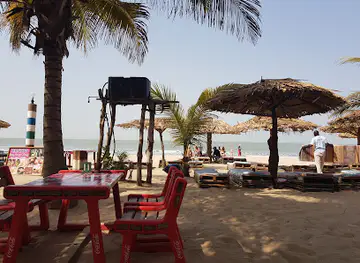
Rainbow Beach Bar And Lodge
Experience the vibrant culture and stunning views at Rainbow Beach Bar and Lodge, a perfect dining destination for every traveler in The Gambia.

GT's Bar & Restaurant
Discover the vibrant flavors and lively ambiance at GT's Bar & Restaurant in Serrekunda, where local culture meets great dining and nightlife.

Smile Gambia Beach Bar
Discover the vibrant atmosphere and stunning views at Smile Gambia Beach Bar, where relaxation meets delicious food and drinks on Brufut's beautiful shores.

Best nightclubs in Kombo South
Top-rated picks
Best Nightclubs

Envy Night Club
Dive into the heart of Serrekunda's nightlife at Envy Night Club, where energy, music, and unforgettable moments collide.

Aquarius Nightclub
Discover the energetic nightlife at Aquarius Nightclub in Serrekunda, where music, dance, and vibrant culture come together for an unforgettable experience.

Ningki Nangka Bar & Night Club
Discover the lively nightlife at Ningki Nangka Bar & Night Club in Serrekunda, where music, dancing, and good times await you.

ONYX
Experience the vibrant nightlife of Serrekunda at ONYX, where music, dance, and culture come alive until dawn.

Best shops in Kombo South
Top-rated picks
Best Shops

Serekunda Market
Explore the vibrant Serekunda Market, where Gambian culture comes alive with colorful crafts, fresh produce, and delicious local cuisine.

The Gambian Reptiles Farm
Discover the enchanting world of reptiles at The Gambian Reptiles Farm in Kartong, a unique attraction for nature lovers and families.

Brikama Craft Market
Discover the vibrant artistry and rich cultural heritage of The Gambia at Brikama Craft Market, a true treasure trove for travelers.

The Village Shopping and Dining Centre
Explore the vibrant shopping and dining scene at The Village Shopping and Dining Centre in Serrekunda, where local culture meets modern retail.

Explore Kombo South on the Map
A handpicked selection of must-see spots in Kombo South, mapped for you.
Kombo South Essentials
-
Kombo South is located in the Western Region of The Gambia. The nearest international airport is Banjul International Airport, approximately 35 kilometers away. From the airport, you can take a taxi or arrange for a hotel transfer to reach Kombo South. The journey typically takes around 45 minutes by road.
-
Within Kombo South, transportation options include taxis, shared vans (locally known as 'Gele Gele'), and private car hires. Taxis are readily available and are a convenient way to get around. Gele Gele is an affordable option for short distances but may be crowded. Renting a car provides the flexibility to explore the area at your own pace, but be aware that road conditions can vary.
-
The official currency in The Gambia is the Gambian Dalasi (GMD). Credit cards are accepted in some hotels, restaurants, and shops, but it is advisable to carry cash, especially in smaller establishments and rural areas. ATMs are available in Kombo South, but it is wise to withdraw sufficient cash in larger towns to ensure you have enough funds.
-
Kombo South is generally safe for tourists, but it is important to exercise standard precautions. Avoid walking alone at night in unfamiliar areas, and keep an eye on your belongings in crowded places. Be cautious in areas such as Sanyang Beach and Tanji Village, where petty crimes targeting tourists have been reported. Always stay vigilant and aware of your surroundings.
-
In case of emergency, dial 117 for police assistance and 116 for medical emergencies. The nearest medical facilities are located in Brikama, which is a short drive from Kombo South. It is recommended to have travel insurance that covers medical emergencies. For minor health issues, there are pharmacies in the area where you can purchase over-the-counter medications.
-
Fashion: Do dress modestly, especially when visiting religious sites. Avoid wearing revealing clothing. Religion: Do respect local customs and traditions. When visiting mosques, dress conservatively and remove your shoes. Public Transport: Do be respectful and give up your seat to elderly passengers. Don't eat or drink on public transport. Greetings: Do greet people with a handshake and a smile. It is customary to ask about someone's well-being before starting a conversation. Eating & Drinking: Do try local delicacies and accept food offerings graciously. Don't refuse hospitality, as it is considered impolite.
-
To experience Kombo South like a local, visit the bustling markets such as Tanji Fish Market, where you can buy fresh seafood and local crafts. Engage with the locals; they are often friendly and willing to share stories about their culture and traditions. Participate in local events and festivals to immerse yourself in the vibrant Gambian culture. Don't miss visiting popular sites such as Sanyang Beach, known for its stunning sunsets.
When is the best time to visit Kombo South?
Useful Local Phrases for Kombo South
You don't need to speak the language perfectly. Even learning a few simple words can make conversations warmer—and locals usually appreciate the effort.
— Eve

Here are the phrases I use most often in Kombo South. Try a few—you'll be surprised how far they go! 😊
❤️
-
- HelloNaka
[Nah-kah] - GoodbyeJaama
[Jah-mah] - YesAye
[Eye] - NoNaa
[Nah] - Please/You're welcomeNyo ko
[Nyoh koh] - Thank youJerejef
[Jey-reh-jef] - Excuse me/SorryBismi Allah
[Bis-mee Al-lah] - How are you?Nanga def?
[Nahn-gah dehf] - Fine. And you?Bene. Naka la?
[Beh-neh. Nah-kah lah?] - Do you speak English?Nyo jango English?
[Nyoh jan-goh English?] - I don't understandMaa janga
[Mah jahng-ah]
- HelloNaka
-
- I'd like to see the menu, pleaseNyo ko jango menu
[Nyoh koh jan-goh meh-noo] - I don't eat meatMaa janga nyam
[Mah jahng-ah nyahm] - Cheers!Nyo ko jango!
[Nyoh koh jan-goh!] - I would like to pay, pleaseNyo ko jango pay
[Nyoh koh jan-goh pay]
- I'd like to see the menu, pleaseNyo ko jango menu
-
- Help!Yaye!
[Yah-yeh!] - Go away!Jang!
[Jahng!] - Call the Police!Loomo Police!
[Loh-moh Po-lees!] - Call a doctor!Loomo doctoor!
[Loh-moh dock-toor!] - I'm lostMaa janga
[Mah jahng-ah] - I'm illMaa janga wuli
[Mah jahng-ah woo-lee]
- Help!Yaye!
-
- I'd like to buy...Nyo ko buy...
[Nyoh koh buy...] - I'm just lookingMaa jango
[Mah jahng-oh] - How much is it?Naka lu?
[Nah-kah loo?] - That's too expensiveOko na fo
[Oh-koh nah fo] - Can you lower the price?Nyo ko ra price?
[Nyoh koh rah price?]
- I'd like to buy...Nyo ko buy...
-
- What time is it?Naka time?
[Nah-kah time?] - It's one o'clockOko koto
[Oh-koh koh-toh] - Half past (10)Half past (10)
[Half past (10)] - MorningNdey
[N-dey] - AfternoonNdey jango
[N-dey jahng-oh] - EveningNdey fula
[N-dey foo-lah] - YesterdayKono
[Koh-noh] - TodayNdey
[N-dey] - TomorrowNdey jango
[N-dey jahng-oh] - 1Koto
[Koh-toh] - 2Jow
[Joh-w] - 3Tala
[Tah-lah] - 4Nge
[Ngeh] - 5Jah
[Jah] - 6Jowt
[Joh-wt] - 7Jowt koto
[Joh-wt koh-toh] - 8Jowt jow
[Joh-wt joh-w] - 9Jowt tala
[Joh-wt tah-lah] - 10Jowt nge
[Joh-wt ngeh]
- What time is it?Naka time?
-
- Where's a/the...?Naka a/the...?
[Nah-kah ah/the...?] - What's the address?Naka address?
[Nah-kah ah-dress?] - Can you show me (on the map)?Nyo ko jango (on the map)?
[Nyoh koh jan-goh (on the map)?] - When's the next (bus)?Naka next (bus)?
[Nah-kah next (bus)?] - A ticket (to ....)A ticket (to ....)
[A ticket (to ....)]
- Where's a/the...?Naka a/the...?
History of Kombo South
-
Kombo South, part of the Kombo region in The Gambia, is home to early settlements that date back several centuries. The area was originally inhabited by the Jola people, an ethnic group known for their rich traditions and close connection to the land. The Jola practiced subsistence farming, fishing, and palm wine tapping. Their cultural heritage, including music, dance, and folklore, remains an integral part of the community's identity today.
-
The colonial era brought significant changes to Kombo South. In the late 19th century, the British established control over The Gambia, including the Kombo region. This period saw the introduction of new administrative structures, the English language, and Christianity. The British influence is still evident in many aspects of life in Kombo South, from the education system to architectural styles found in older buildings.
-
Kombo South played a role in the dark history of the Trans-Atlantic Slave Trade. The region was part of the trade routes where enslaved Africans were captured and transported to the coast, to be shipped across the Atlantic. Sites like the village of Gunjur bear silent witness to this tragic period, with oral histories and local landmarks serving as reminders of the past.
-
Following The Gambia's independence from British rule in 1965, Kombo South experienced a period of significant development. The government focused on improving infrastructure, healthcare, and education in the region. The construction of roads, schools, and clinics has helped transform Kombo South into a vibrant and growing community, attracting both local and international visitors.
-
In recent years, Kombo South has become a hub for ecotourism and conservation initiatives. The region is home to several natural reserves and parks, such as the Gunjur Village Museum and the Tanji Bird Reserve. These efforts aim to preserve the unique biodiversity and promote sustainable tourism practices. Visitors to Kombo South can enjoy birdwatching, cultural tours, and eco-friendly accommodations, all while contributing to the local economy and conservation projects.
-
Kombo South is renowned for its vibrant cultural festivals and events. The annual Gunjur Cultural Festival showcases traditional music, dance, and crafts, bringing together communities from across the region. These festivals provide a unique opportunity for visitors to immerse themselves in the local culture, witness traditional ceremonies, and engage with the hospitable people of Kombo South.
Neighbouring Regions of Kombo South
The closest regions to Kombo South, if you have time for more than one.


Your all‑in‑one travel companion app
Explore expert travel guides, compare and book tours, experiences, hotels, and more—all from the palm of your hand. Download now for seamless trip planning wherever your wanderlust takes you.


Explore More of The Gambia

Looking beyond Kombo South? Discover The Gambia for broader travel guides, local hot-spots, and regional highlights.
Explore The Gambia