

Argyle Waterfall Travel Guide - Free Web & App
Your ultimate guide to Argyle Waterfall. Discover top landmarks, proposed trips, and local tips. Free on the web or via the Evendo companion app.


Argyle Waterfall in Tobago, Trinidad and Tobago, offers a rainforest walk, 54-metre cascade, river pools and a calm eastern-island nature escape.
Rainforest and River
Argyle Waterfall lies in the foothills of Tobago’s Main Ridge, near Roxborough on the island’s quieter eastern side. The cascade is formed by the Courland River, which descends through forested terrain in a series of falls, the highest dropping about 54 metres. Its setting is more important than the waterfall alone: the route follows a tropical river corridor shaded by trees, with pools, rocks and dense vegetation creating a cool contrast to Tobago’s sunlit beaches.Read more about Argyle Waterfall
A Gateway to Tobago’s Natural Heritage
Roxborough and the Eastern Landscape
When is the best time to visit Argyle Waterfall?
Best: May–July · 31°C| Month | High (°C) | Rainfall (mm) |
|---|---|---|
| January | 30 | 150 |
| February | 30 | 120 |
| March | 31 | 100 |
| April | 31 | 90 |
| May (best) | 31 | 80 |
| June (best) | 31 | 70 |
| July (best) | 31 | 70 |
| August | 31 | 80 |
| September | 31 | 90 |
| October | 31 | 100 |
| November | 31 | 120 |
| December | 30 | 130 |
Getting to and around Argyle Waterfall
How to get there
Transportation
Best attractions in Argyle Waterfall
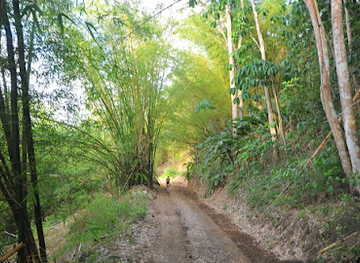
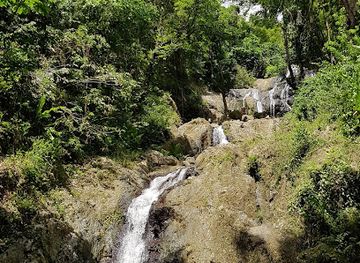
The principal attraction is the forest route beside the Courland River, which leads to Argyle Waterfall and its succession of cascades, pools and shaded viewpoints. The main fall drops about 54 metres, while the surrounding woodland provides the atmosphere of the Main Ridge rather than a manicured park. Visitors may encounter tropical birds and other forest life, although sightings depend on weather, season and patience. Roxborough, the nearest town, gives the excursion a local eastern-Tobago context, and the approach roads pass through a rural landscape of villages, cultivated land and forested hills. Argyle is also well placed for exploring Tobago’s wider eastern side, including the landscapes around the Main Ridge and Atlantic-facing settlements, but these should be treated as separate outings rather than assumed extensions of the waterfall site. The attraction is compact, making it suitable for a half-day nature visit when combined with driving, walking or other planned activities elsewhere on the island.
-
Tourist attraction
Galera Point Lighthouse
Discover the tranquility and stunning views at Galera Point Lighthouse, a historic landmark on Trinidad's northeastern coast.
-
Tourist attraction
Genesis Nature Park & Art Gallery
Discover the serene beauty of Genesis Nature Park & Art Gallery, where nature meets creativity in Goodwood, Trinidad.
-
Tourist attraction
Concordia Estate Tobago
Explore the natural beauty and rich heritage of Concordia Estate Tobago, a must-visit tourist attraction in the heart of the island.
-
Tourist attraction
Arnos Vale Bay
Experience the tranquility and natural beauty of Arnos Vale Bay, a must-visit destination in Tobago for relaxation and adventure.
Best landmarks in Argyle Waterfall
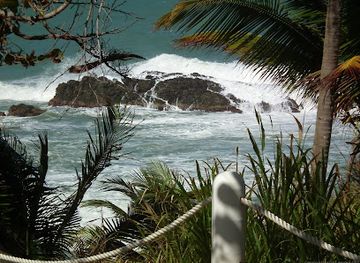
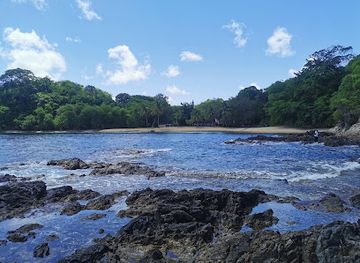
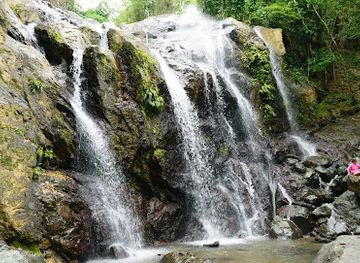
Argyle Waterfall is the defining natural landmark, with the Courland River descending through rainforest to form one of Tobago’s best-known inland cascades. Its height of roughly 54 metres gives the main fall visual prominence, while the river pools and smaller drops explain why the site is experienced as a sequence of water features rather than a single viewpoint. The wider Main Ridge is an equally important landmark in geographical and conservation terms: its forested uplands shape eastern Tobago’s watersheds and preserve a substantial area of the island’s natural character. Roxborough provides the principal human landmark nearby, representing the settled and agricultural eastern side of Tobago. Together, the waterfall, river corridor, protected ridge and rural settlement express the relationship between the island’s rainforest interior and its long-established communities.
-
Nature preserve
Argyle Falls
Explore the enchanting Argyle Falls in Roxborough, Trinidad - a natural paradise of cascading waterfalls and vibrant ecosystems that captivates every visitor.
Explore Argyle Waterfall on the map
Plan your trip on one map. See where the top attractions, landmarks, restaurants and hotels are, and book hotels and experiences in a few clicks.
Best hotels in Argyle Waterfall
Best restaurants in Argyle Waterfall
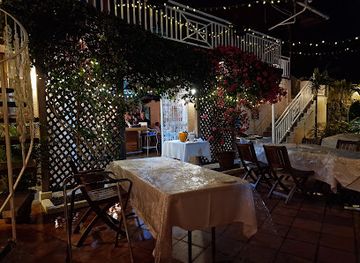
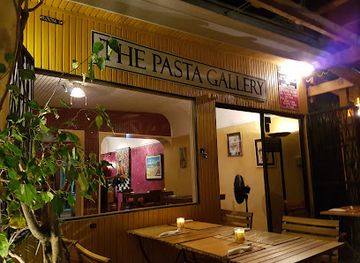
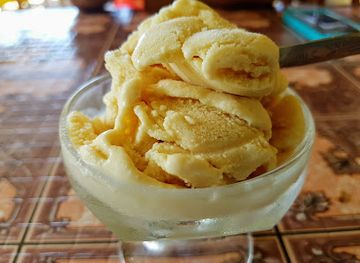
Dining around Argyle Waterfall is concentrated in Roxborough and other eastern Tobago settlements rather than at the cascade itself. Visitors can look for small local eateries, cafés and takeaway counters serving Trinidad and Tobago favourites such as pelau, roti, provisions, stewed meats, fried fish and other Creole-influenced dishes, with menus varying by day and business. Fresh ingredients reflect the island’s farming and fishing traditions, while roadside fruit and drinks can provide simple refreshments during a rural drive. The larger concentration of restaurants is around Scarborough and the south-western resort area, so visitors making a full-day journey towards Argyle may find it sensible to eat before setting out or carry water and a light snack. Because rural opening patterns and payment methods can vary, check locally rather than assuming that a particular establishment will be operating when you arrive.
-
Nature preserve
Argyle Falls
Experience the breathtaking beauty of Argyle Falls, a serene nature preserve in Roxborough offering stunning waterfalls and lush landscapes.
-
Restaurant
Seahorse Restaurant & Bar
Experience exquisite dining at Seahorse Restaurant & Bar in Black Rock, Tobago - where Caribbean flavors meet stunning ocean views.
-
Restaurant
Waves Restaurant + Bar
Experience exquisite Caribbean flavors at Waves Restaurant + Bar in Black Rock – where every meal is accompanied by stunning ocean views.
-
Italian
The Pasta Gallery Tobago
Experience authentic Italian cuisine at The Pasta Gallery Tobago, where every dish is crafted with passion and fresh local ingredients.


Best bars in Argyle Waterfall
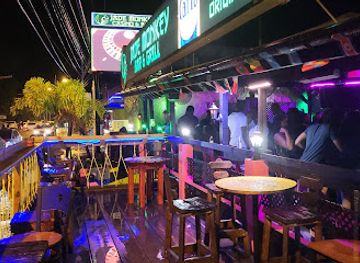
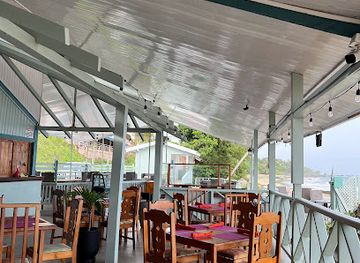
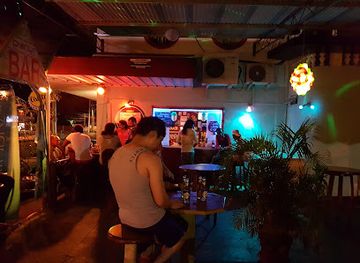
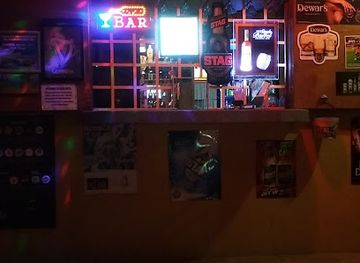
Argyle Waterfall itself has no nightlife scene, and evenings in eastern Tobago are generally quiet once visitors have left the forest. Roxborough and nearby villages may offer modest rum shops, local bars or informal social spaces where residents meet, but these are community venues rather than a concentrated entertainment district. More developed evening options, including hotel bars and occasional music or cultural events, are usually found around Scarborough, Crown Point and the south-western resort areas, outside the immediate waterfall setting. Visitors should expect Tobago’s evening culture to be relaxed and locally paced, with availability varying by day and season. Organising transport in advance is particularly important for anyone staying near Argyle who plans to return from entertainment elsewhere on the island.
-
Grill
Jade Monkey Casino Bar and Grill
Discover the lively Jade Monkey Casino Bar and Grill in Crown Point, where delicious food meets vibrant entertainment for an unforgettable experience.
-
Bar
Waves Restaurant + Bar
Experience the flavors of Tobago at Waves Restaurant + Bar, where stunning beach views meet exquisite Caribbean cuisine.
-
Bar
Barcode
Discover Barcode in Scarborough – a must-visit bar and restaurant offering exceptional cuisine, vibrant nightlife, and stunning views in Tobago.
-
Bar
Chill Out Bar
Experience the vibrant nightlife at Chill Out Bar in Crown Point, where great drinks and lively entertainment await every visitor.

Best nightclubs in Argyle Waterfall
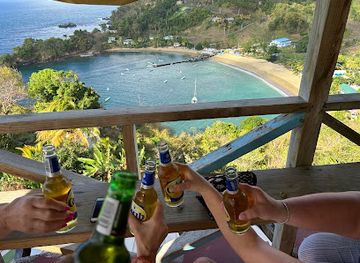
Argyle Waterfall itself has no nightlife scene, and evenings in eastern Tobago are generally quiet once visitors have left the forest. Roxborough and nearby villages may offer modest rum shops, local bars or informal social spaces where residents meet, but these are community venues rather than a concentrated entertainment district. More developed evening options, including hotel bars and occasional music or cultural events, are usually found around Scarborough, Crown Point and the south-western resort areas, outside the immediate waterfall setting. Visitors should expect Tobago’s evening culture to be relaxed and locally paced, with availability varying by day and season. Organising transport in advance is particularly important for anyone staying near Argyle who plans to return from entertainment elsewhere on the island.
-
Nature preserve
Argyle Falls
Experience the natural beauty and tranquility of Argyle Falls, a stunning nature preserve and tourist attraction in Roxborough, Trinidad.
-
Bar
Glasgow Bar
Discover Glasgow Bar in Tobago: A lively hub for cold drinks, friendly service, and vibrant local culture in the heart of Parlatuvier.
-
Bar
Mike's Off Shore Bar
Discover the tropical charm of Mike's Off Shore Bar in Charlotteville, where unforgettable sunsets and flavorful cocktails await your arrival.
-
Bar
Sunshine Bar
Discover Sunshine Bar in Tobago - a vibrant beachfront bar offering refreshing cocktails and a laid-back atmosphere for the perfect tropical escape.
Best shops in Argyle Waterfall
Shopping at Argyle Waterfall is limited and focused on the visitor entrance or small-scale rural businesses rather than a permanent retail district. Depending on current arrangements, visitors may find refreshments, locally made souvenirs or nature-related items, but availability should not be assumed. Roxborough is the nearest useful place for everyday provisions and locally sourced goods, while Scarborough has Tobago’s broadest concentration of shops, supermarkets, markets and services. Regional products may include tropical fruit, foodstuffs, crafts and small artworks reflecting Tobago’s agricultural and cultural traditions, although the selection differs between businesses and seasons. Visitors seeking gifts should allow time in the larger towns rather than relying on the waterfall stop, and should carry cash for small vendors where card facilities may be unavailable.
-
Supermarket
Pablo's Supermarket
Discover the flavors of Tobago at Pablo's Supermarket, your local hub for fresh produce and authentic island ingredients.
-
Shopping mall
Argyle Waterfall Craft Shop.
Explore authentic Trinidadian crafts and unique handmade treasures at Argyle Waterfall Craft Shop in Roxborough.
-
Grocery store
Farm Yard
Explore Tobago's vibrant local flavors at Farm Yard, the essential grocery store for tourists seeking authentic culinary experiences.
-
 Grocery store
M.I. Super Market
Discover local flavors and culinary treasures at M.I. Super Market in Argyle, Trinidad and Tobago, your go-to grocery store for fresh produce and unique finds.


Get your free copy of our complete guide to Argyle Waterfall, delivered straight to you.
Everything on this page, from attractions and restaurants to essentials and local phrases, in one PDF you can read offline, print or share.
Already have an account? Sign in
Your Argyle Waterfall guide is ready.
We'll send it to · Not you? Sign out

Getting your guide ready…
We are putting together a fresh copy of the Argyle Waterfall guide. This can take up to a minute.
This can take a few moments. If your browser asks, choose Allow so the download can start. You'll find the guide in your Downloads folder.
Nothing happened? Download it again
Sorry, the guide is taking longer than usual. Please try again in a minute, or get it by email instead.
Argyle Waterfall essentials
Currency and Payment
Safety
Emergency Situations
Do's and Don'ts
Local Tips
From Eve
Local phrases worth knowing
You don't need to get them perfect. A few words go a long way, and locals appreciate the effort.
Basics
| English | Local | Say it |
|---|---|---|
| Hello | Bonjour | [Bon-zhoor] |
| Goodbye | Au revoir | [O reh-vwar] |
| Yes | Wi | [Wee] |
| No | Non | [Non] |
| Please/You're welcome | S'il vous plaît/De rien | [Seel voo pleh/Dee ryen] |
| Thank you | Merci | [Mehr-see] |
| Excuse me/Sorry | Excusez-moi/Désolé | [Ex-kew-zay mwa/Day-zo-lay] |
| How are you? | Comment ça va? | [Koh-mohn sah vah?] |
| Fine. And you? | Bien. Et vous? | [Byen. Ay voo?] |
| Do you speak English? | Parlez-vous anglais? | [Par-lay voo ahn-glay?] |
| I don't understand | Je ne comprends pas | [Zhuh nuh kohm-prohn pah] |
Eating & Drinking
| English | Local | Say it |
|---|---|---|
| I'd like to see the menu, please | Je voudrais voir le menu, s'il vous plaît | [Zhuh voo-dray vwahr luh meh-noo, seel voo pleh] |
| I don't eat meat | Je ne mange pas de viande | [Zhuh nuh mahnzh pah duh vyand] |
| Cheers! | Santé! | [Sahn-tay] |
| I would like to pay, please | Je voudrais payer, s'il vous plaît | [Zhuh voo-dray pay-ay, seel voo pleh] |
Emergencies
| English | Local | Say it |
|---|---|---|
| Help! | Au secours! | [O seh-coor] |
| Go away! | Allez-vous en! | [Ah-lay vooz ahn] |
| Call the Police! | Appelez la police! | [Ah-puh-lay lah poh-lees] |
| Call a doctor! | Appelez un médecin! | [Ah-puh-lay uh may-duh-sahn] |
| I'm lost | Je suis perdu | [Zhuh swee pair-doo] |
| I'm ill | Je suis malade | [Zhuh swee mah-lahd] |
Shopping
| English | Local | Say it |
|---|---|---|
| I'd like to buy... | Je voudrais acheter... | [Zhuh voo-dray zah-shey...] |
| I'm just looking | Je regarde juste | [Zhuh ruh-gard zhust] |
| How much is it? | Combien ça coûte? | [Kohn-byen sah koot?] |
| That's too expensive | C'est trop cher | [Say troh shay] |
| Can you lower the price? | Pouvez-vous baisser le prix? | [Poo-vay voo bay-say luh pree?] |
Time & Numbers
| English | Local | Say it |
|---|---|---|
| What time is it? | Quelle heure est-il? | [Kell err ay-il?] |
| It's one o'clock | Il est une heure | [Eel ay ern err] |
| Half past (10) | Dix et demie | [Dee ay duh-mee] |
| Morning | Matin | [Ma-taan] |
| Afternoon | Après-midi | [Ah-pray mee-dee] |
| Evening | Soir | [Swah] |
| Yesterday | Hier | [Yair] |
| Today | Aujourd'hui | [Oh-zhoor-dwee] |
| Tomorrow | Demain | [Duh-mahn] |
| 1 | Un | [Ehn] |
| 2 | Deux | [Duh] |
| 3 | Trois | [Twa] |
| 4 | Quatre | [Kat] |
| 5 | Cinq | [Sank] |
| 6 | Six | [Sees] |
| 7 | Sept | [Set] |
| 8 | Huit | [Wheat] |
| 9 | Neuf | [Nuff] |
| 10 | Dix | [Dee] |
Transport & Directions
| English | Local | Say it |
|---|---|---|
| Where's a/the...? | Où est... | [Oo ay...] |
| What's the address? | Quelle est l'adresse? | [Kell ay lah-dress] |
| Can you show me (on the map)? | Pouvez-vous me montrer (sur la carte)? | [Poo-vay voo muh mohn-tray (soor lah kart)] |
| When's the next (bus)? | Quand est le prochain (bus)? | [Kahn ay luh proh-shahn (bus)] |
| A ticket (to ....) | Un billet (pour ....) | [Ehn bee-yay (poor)] |
History of Argyle Waterfall
The Main Ridge Forest
Argyle Waterfall is part of the landscape of Tobago’s Main Ridge, a mountainous spine of rainforest that has long shaped the island’s climate, rivers and settlement patterns. The Main Ridge Forest Reserve was established in 1776 under British colonial rule and is widely regarded as one of the earliest legally protected rainforest reserves in the world. Its protection reflected practical concerns about maintaining rainfall and water supplies as well as an early recognition of the value of forested uplands. The Courland River, which feeds Argyle Waterfall, is one of the waterways descending from this elevated interior towards Tobago’s eastern coast.
Indigenous and Colonial Tobago
Before European colonisation, Tobago was inhabited and visited by Indigenous peoples whose activities were closely connected with the island’s forests, rivers and coasts. European powers subsequently contested the island, and Tobago changed hands repeatedly before becoming firmly associated with Britain. Colonial settlement expanded through plantations and estate agriculture, particularly in coastal and lower-lying areas, while the rugged forested interior remained less intensively developed. The waterfall’s setting therefore preserves an environmental contrast between the cultivated landscapes of historic Tobago and the upland rainforest that continued to regulate streams such as the Courland River.
Plantations, Villages and Rural Change
Tobago’s plantation economy was based on crops including sugar, cotton and later other forms of agriculture, with estates, roads and villages gradually altering parts of the island. Eastern Tobago retained a strongly rural character, and settlements such as Roxborough developed as local service centres for surrounding farming communities. The region’s agricultural history remains visible in cultivated slopes and village life, although the forested Main Ridge has continued to provide a contrasting backdrop. This relationship between agriculture, settlement and protected woodland helps explain why Argyle is experienced as part of a wider cultural landscape rather than as an isolated natural feature.
From Local Waterway to Visitor Attraction
Argyle Waterfall became increasingly recognised as a nature attraction as Tobago’s visitor economy developed beyond its beaches and coastal resorts. Access improvements and visitor facilities have made the cascade easier to reach while keeping the principal experience focused on a short walk through the forest. Contemporary visits also form part of Tobago’s wider interest in ecotourism and environmental stewardship, particularly around the Main Ridge and its watersheds. The waterfall’s significance consequently rests on both recreation and conservation: continued enjoyment depends on protecting the river, vegetation and surrounding habitats from careless use.
Argyle Waterfall in Photos
Browse through our photo collection highlighting the charm and character of the destination.
Cities in Argyle Waterfall
The towns and cities of Argyle Waterfall, and the easiest places to base yourself.

Swipe for more cities
Neighbouring destination travel guides
The closest destinations to Argyle Waterfall, if you have time for more than one.
-

-

-

-

-


Swipe for more destinations
Explore more

Explore more of St. Paul
St Paul, Trinidad, offers a rural base for exploring eastern landscapes, local food, forested hills, wetlands and the communities beyond the urban corridor.
Explore St. Paul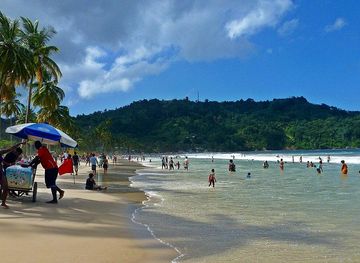
Explore more of Trinidad and Tobago
Discover Trinidad and Tobago: A Caribbean paradise where vibrant culture meets stunning natural beauty, offering unique experiences from lively festivals to serene beaches.
Explore Trinidad and Tobago