

Free Mayaro Travel Guide & Mobile App
Explore Mayaro with free travel guides. Discover regional history, expert tips, proposed trips, and audio guides on web or mobile app.


Mayaro, Trinidad and Tobago, combines long Atlantic beaches, fishing villages, wetlands, local food and the quieter landscapes of the island’s east.
Read more about Mayaro
When is the best time to visit Mayaro?
Best: January–March · 30–31°C| Month | High (°C) | Rainfall (mm) |
|---|---|---|
| January (best) | 30 | 75 |
| February (best) | 31 | 65 |
| March (best) | 31 | 55 |
| April | 32 | 65 |
| May | 32 | 75 |
| June | 33 | 85 |
| July | 33 | 95 |
| August | 33 | 105 |
| September | 33 | 115 |
| October | 32 | 105 |
| November | 32 | 95 |
| December | 31 | 85 |
Getting to and around Mayaro
How to get there
Transportation
Top city travel guides in Mayaro
The cities of Mayaro, and the easiest places to base yourself.

Swipe for more cities
Best attractions in Mayaro
Mayaro’s attractions are primarily landscape-based and community-rooted. The long Atlantic beach is the central draw, offering space for walking, sea views, family recreation and observation of the changing coastal light rather than a concentrated resort experience. Fishing activity, coconut palms and small settlements add everyday character along the shoreline. Inland, the eastern lowlands contain rivers, agricultural areas and wetland habitats that are best explored with local knowledge, particularly after rain or during periods of high water. The wider Nariva wetland environment, north of the immediate Mayaro coast, can be approached as a wildlife excursion from the area but requires careful planning and should not be treated as a self-guided urban attraction. Guayaguayare provides insight into the region’s working coast and petroleum history, while Ortoire and other rural communities offer slower-paced views of south-eastern Trinidad. Outdoor interests include birdwatching, photography, beach walking, fishing-related experiences and nature observation. Formal museums and large family attractions are limited, so the strongest itinerary combines the shore with local food, village roads, riverside landscapes and an arranged nature visit. Visitors should respect private land, industrial boundaries and environmentally sensitive areas.
-
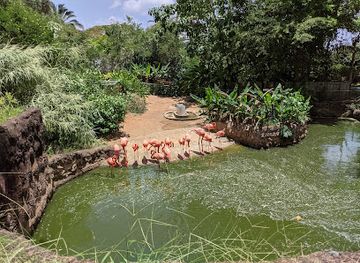
Zoo
Emperor Valley Zoo
Discover the vibrant wildlife and lush landscapes of Emperor Valley Zoo in Port of Spain, a must-visit destination for nature enthusiasts.
-
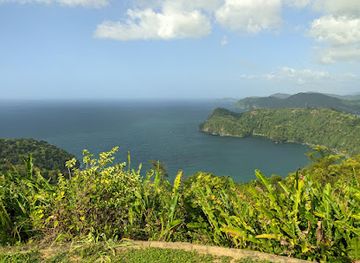
Vista point
Maracas Lookout
Discover the stunning vistas and vibrant scenery of Trinidad at Maracas Lookout, a must-visit destination for every traveler.
-
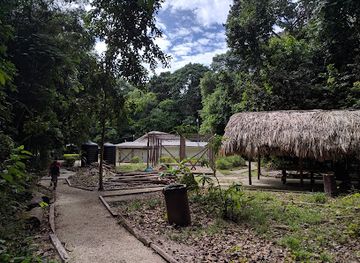
Park
Cleaver Woods Park
Experience the lush tranquility of Cleaver Woods Park, a hidden gem in D'Abadie perfect for nature lovers and outdoor enthusiasts.
-
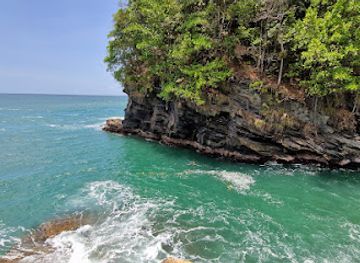
Historical landmark
Fort Abercromby
Explore Fort Abercromby, a historic landmark in Trinidad, where rich history meets stunning coastal views, perfect for every traveler.
Best landmarks in Mayaro
Mayaro Beach is the region’s most recognisable physical landmark: its extended Atlantic frontage, coconut-lined views and open horizon define the public image of the south-eastern coast. The beach is significant not because of monumental architecture but because it remains a social and recreational landscape used by local communities and visitors. The coastline around Guayaguayare forms another important marker, where maritime activity and petroleum infrastructure reveal the economic history of south-eastern Trinidad. Rivers and wetlands provide less conspicuous but equally important geographical landmarks, particularly the waterways and low-lying environments linking the Mayaro coast with the wider Nariva landscape. These habitats explain the region’s birdlife, agricultural patterns and vulnerability to flooding. The rural roads between Mayaro, Ortoire and the southern settlements are themselves useful interpretive routes, showing the contrast between coconut groves, villages, open fields and industrial sites. Mayaro has relatively few grand civic monuments or castle-like buildings; its identity is expressed through the scale of the shore, working coastal settlements and the meeting of natural wetland systems with modern energy infrastructure.
-
Park
San Fernando Hill
Discover breathtaking views and peaceful nature at San Fernando Hill, a must-visit park in Trinidad perfect for relaxation and outdoor activities.
-
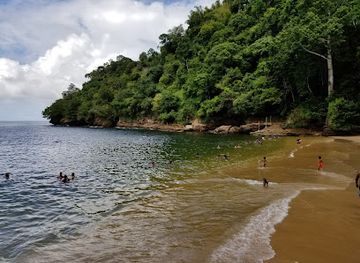
Park
Chaguaramas Boardwalk
Discover the beauty and vibrancy of Chaguaramas Boardwalk, a picturesque coastal retreat in Trinidad perfect for leisure, adventure, and local culture.
-
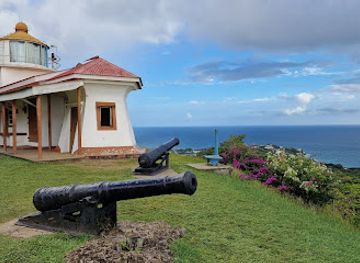
Historical landmark
Fort King George
Discover the rich history and breathtaking views at Fort King George, Tobago's iconic historical landmark and museum.
-
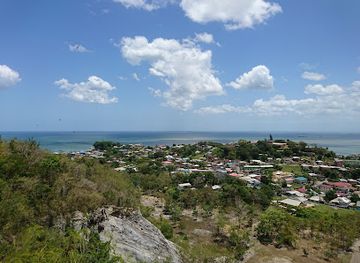
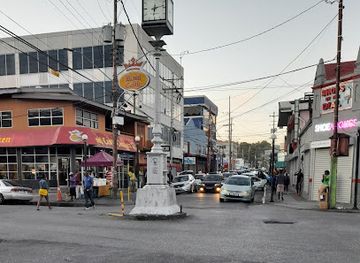
Historical landmark
The Arima Dial
Explore the Arima Dial: A historical landmark in Trinidad that showcases the island's rich cultural heritage and vibrant community spirit.
Explore Mayaro on the map
Plan your trip on one map. See where the top cities, national parks and sights are, and book hotels and experiences in a few clicks.
Best hotels in Mayaro
Best restaurants in Mayaro
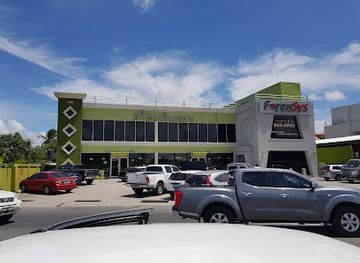
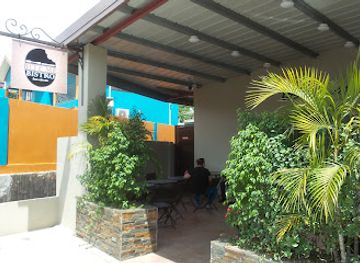
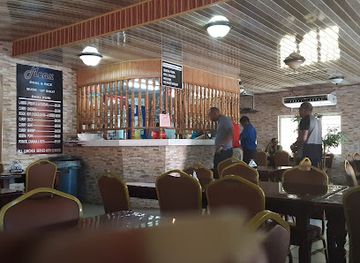
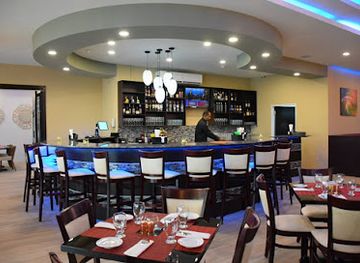
Dining in Mayaro is informal and closely connected to Trinidad and Tobago’s broader Creole, Indo-Trinidadian and coastal food traditions. Look for roti, doubles, bake and shark-style fried breads, pelau, provision dishes, stewed meats, grilled chicken and seasonal fruit, while seafood may appear through local vendors and small restaurants when supplies permit. Fish, shrimp and other marine ingredients reflect the coast, but availability varies and should not be assumed at every establishment. Roadside stalls and family-run eateries are often more representative of local eating habits than formal dining rooms, while cafés and casual restaurants serve residents, beach visitors and workers from the surrounding communities. Coconut features in the region’s visual and agricultural identity and may appear in cooking, drinks and sweets. For a wider choice, shop in larger south-eastern settlements before heading to quieter coastal areas. Ask about preparation times, payment methods and current menus, as smaller businesses may operate according to local supply and demand rather than fixed tourist schedules.
-
Restaurant
Abraham's Grill Hut
Experience authentic Trinidadian cuisine at Abraham's Grill Hut in Charlieville—delicious grilled dishes served with warmth and hospitality.
-
Restaurant
Bite Me Bistro
Experience authentic Trinidadian cuisine at Bite Me Bistro in Saint Augustine, where every dish tells a story and every sip delights.
-
Restaurant
Wing's Restaurant and Bar
Experience authentic Trinidadian cuisine at Wing's Restaurant and Bar in Tunapuna - home to delicious roti and refreshing drinks.
-
Family-friendly
Ohana Restaurant
Experience authentic Trinidadian cuisine at Ohana Restaurant in Chaguanas - perfect for families and food lovers seeking delicious local flavors.
Best bars in Mayaro
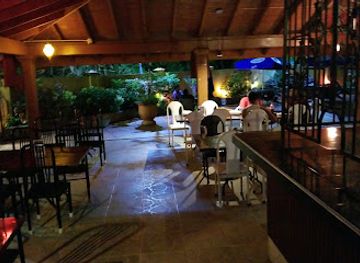
Mayaro’s evening life is modest and locally oriented rather than built around a large club district. Socialising commonly centres on rum shops, neighbourhood bars, casual restaurants and occasional music or community gatherings, with the busiest periods often linked to weekends and public holidays. The beach and coastal road may be lively during daytime outings, but visitors should not expect a continuous seafront nightlife strip. Some establishments offer Trinidadian drinks, beer, rum-based cocktails and food alongside conversation and music, while larger entertainment options are more likely to be found in the wider south-eastern towns than in the quieter beach settlements. Nightlife can change seasonally and by venue, so ask accommodation providers about current arrangements rather than relying on old listings. Keep transport plans simple after dark, use reputable taxis or a designated driver, and remember that enjoying Mayaro’s evenings can mean a relaxed meal or local gathering rather than late-night clubbing.
-
Restaurant
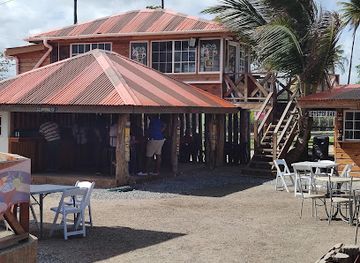
The Ranch Mayaro
Discover authentic Caribbean cuisine at The Ranch Mayaro, where local flavors meet a warm, inviting atmosphere along the stunning Mayaro coastline.
-
Bar
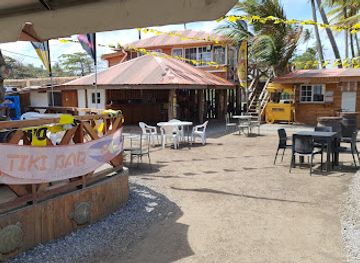
Tiki Bar
Experience the vibrant atmosphere and tropical delights of Tiki Bar in Lower Manzanilla, where every sip feels like a vacation.
-
Restaurant
Darryl's Famous Foods
Discover the rich culinary heritage of Trinidad at Darryl's Famous Foods, where local flavors meet exceptional hospitality.
-
Barbecue
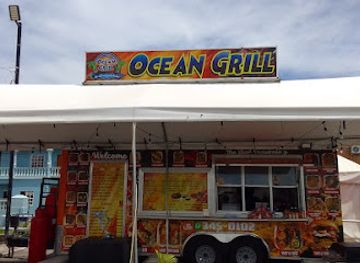
Ocean Grill
Experience the authentic flavors of the Caribbean at Ocean Grill, a premier barbecue destination in Mayaro, Trinidad.
Best nightclubs in Mayaro
Mayaro’s evening life is modest and locally oriented rather than built around a large club district. Socialising commonly centres on rum shops, neighbourhood bars, casual restaurants and occasional music or community gatherings, with the busiest periods often linked to weekends and public holidays. The beach and coastal road may be lively during daytime outings, but visitors should not expect a continuous seafront nightlife strip. Some establishments offer Trinidadian drinks, beer, rum-based cocktails and food alongside conversation and music, while larger entertainment options are more likely to be found in the wider south-eastern towns than in the quieter beach settlements. Nightlife can change seasonally and by venue, so ask accommodation providers about current arrangements rather than relying on old listings. Keep transport plans simple after dark, use reputable taxis or a designated driver, and remember that enjoying Mayaro’s evenings can mean a relaxed meal or local gathering rather than late-night clubbing.
-
Night club
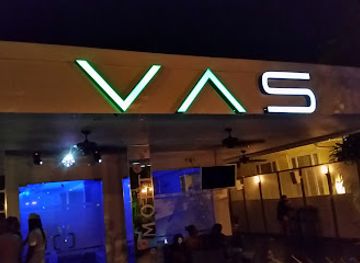
VAS Lounge
Discover the electrifying nightlife at VAS Lounge in Port of Spain, where music, dance, and excitement come together for an unforgettable experience.
-
Bar
Tiki Bar
Experience the vibrant atmosphere of Tiki Bar in Lower Manzanilla, where delicious cocktails and local entertainment await you.
-
Night club
The Lazy Lizard
Experience the vibrant nightlife at The Lazy Lizard, a premier night club in Endeavour, perfect for dancing and enjoying local culture.
-
Night club
Ibiza Night Club & Lounge
Immerse yourself in the electrifying atmosphere of Ibiza Night Club & Lounge, the ultimate nightlife destination in Trinidad.


Best shops in Mayaro
Shopping in Mayaro is practical and community-focused, with small supermarkets, groceries, pharmacies, market-style vendors and independent shops serving residents and beach visitors. The best local purchases are generally edible or modest: seasonal fruit, snacks, baked goods, spices and Trinidadian pantry products, subject to availability. Roadside vendors may sell fresh produce or prepared food, but locations and trading days can vary, so ask locally rather than expecting a permanent tourist market. Small shops in the main settlement are more useful for provisions than for specialist souvenirs, while craft and art choices are limited compared with Trinidad’s larger urban centres. Visitors interested in regional products can look for coconut-based foods, pepper sauces, preserves and locally made snacks, checking labels and packaging before transport. Guayaguayare and neighbouring south-eastern communities have their own everyday commercial character, but none should be portrayed as a major retail district. Carry cash for informal purchases and support independent vendors without photographing stalls or people without permission.
-
Supermarket
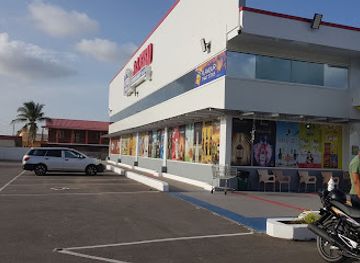
S & S Persad Supermarket
Discover local flavors and essentials at S & S Persad Supermarket in Mayaro, the perfect shopping spot for tourists exploring Trinidad.
-
Grocery store
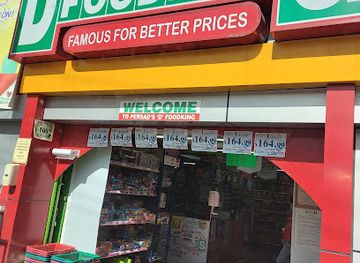
Persad's D' Food King
Explore the vibrant flavors of Trinidad at Persad's D' Food King, your go-to grocery store for local produce and authentic culinary finds.
-
Ice Cream
Roadside, Mayaro Village
Discover the delightful flavors of Mayaro Village's favorite ice cream shop, where tropical treats await every visitor.
-
Grocery store
Crossroads Mini Mart
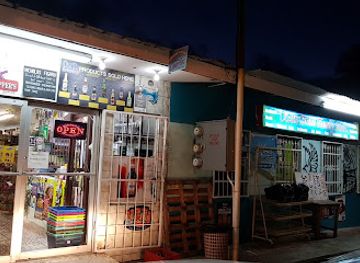
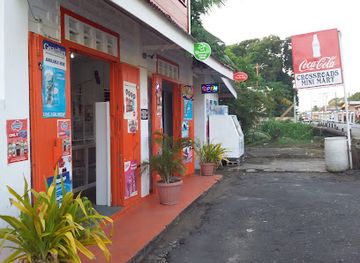
Explore Crossroads Mini Mart in Mayaro for a taste of local flavors and convenient shopping while enjoying the beautiful Trinidad coast.
Get your free copy of our complete guide to Mayaro, delivered straight to you.
Everything on this page, from attractions and restaurants to essentials and local phrases, in one PDF you can read offline, print or share.
Already have an account? Sign in
Your Mayaro guide is ready.
We'll send it to · Not you? Sign out

Getting your guide ready…
We are putting together a fresh copy of the Mayaro guide. This can take up to a minute.
This can take a few moments. If your browser asks, choose Allow so the download can start. You'll find the guide in your Downloads folder.
Nothing happened? Download it again
Sorry, the guide is taking longer than usual. Please try again in a minute, or get it by email instead.
Mayaro essentials
Currency and Payment
Safety
Emergency Situations
Do's and Don'ts
Local Tips
From Eve
Local phrases worth knowing
You don't need to get them perfect. A few words go a long way, and locals appreciate the effort.
Basics
| English | Local | Say it |
|---|---|---|
| Hello | Hello | [Heh-loh] |
| Goodbye | Bye | [Bai] |
| Yes | Yes | [Yes] |
| No | No | [No] |
| Please/You're welcome | Pleas/No problem | [Pleez/Noh proh-blem] |
| Thank you | Thank you | [Thank yuh] |
| Excuse me/Sorry | Excuse me/Sorry | [Ex-kyoos meh/Soh-ree] |
| How are you? | How yuh doin’? | [How yuh doin’?] |
| Fine. And you? | I good. And yuh? | [Ay good. And yuh?] |
| Do you speak English? | Yuh does speak English? | [Yuh dez speek Ing-lish?] |
| I don't understand | I eh understand | [Ay eh un-der-stand] |
Eating & Drinking
| English | Local | Say it |
|---|---|---|
| I'd like to see the menu, please | Ah would like to see the menu, please | [Ah wud laik to see de men-yu, pleez] |
| I don't eat meat | Ah eh eat meat | [Ah eh eet meet] |
| Cheers! | Cheers! | [Cheers!] |
| I would like to pay, please | Ah would like to pay, please | [Ah wud laik to pey, pleez] |
Emergencies
| English | Local | Say it |
|---|---|---|
| Help! | Help! | [Help!] |
| Go away! | Go away! | [Go away!] |
| Call the Police! | Call de Police! | [Call de Po-lees!] |
| Call a doctor! | Call a doctor! | [Call a dok-tah!] |
| I'm lost | Ah lost | [Ah lost] |
| I'm ill | Ah sick | [Ah sik] |
Shopping
| English | Local | Say it |
|---|---|---|
| I'd like to buy... | Ah would like to buy... | [Ah wud laik to bai...] |
| I'm just looking | Ah jus looking | [Ah jus luk-ing] |
| How much is it? | How much it cost? | [How much it cost?] |
| That's too expensive | Dat too expensive | [Dat too ex-pen-siv] |
| Can you lower the price? | Yuh could lower de price? | [Yuh kud loh-er de prais?] |
Time & Numbers
| English | Local | Say it |
|---|---|---|
| What time is it? | Wha time it is? | [Wha taim it is?] |
| It's one o'clock | It one o'clock | [It wan o'clock] |
| Half past (10) | Half past ten | [Half past ten] |
| Morning | Mornin’ | [Mornin’] |
| Afternoon | Afternoon | [Afternoon] |
| Evening | Evening | [Evening] |
| Yesterday | Yesterday | [Yes-ter-day] |
| Today | Today | [To-day] |
| Tomorrow | Tomorrow | [To-morrow] |
| 1 | One | [Won] |
| 2 | Two | [Too] |
| 3 | Three | [Tree] |
| 4 | Four | [For] |
| 5 | Five | [Fahiv] |
| 6 | Six | [Siks] |
| 7 | Seven | [Sev-en] |
| 8 | Eight | [Ait] |
| 9 | Nine | [Nain] |
| 10 | Ten | [Ten] |
Transport & Directions
| English | Local | Say it |
|---|---|---|
| Where's a/the...? | Wha de...? | [Wha de...?] |
| What's the address? | Wha de address? | [Wha de ad-dres?] |
| Can you show me (on the map)? | Yuh could show meh (on de map)? | [Yuh kud sho meh (on de map)?] |
| When's the next (bus)? | Wha time de next (bus)? | [Wha taim de next (bus)?] |
| A ticket (to ....) | A ticket (to ...) | [A tik-it (to ...)] |
History of Mayaro
Indigenous settlement and the eastern lowlands
Long before European colonisation, Trinidad was occupied by Indigenous peoples whose movements connected the island’s rivers, wetlands, forests and coastlines. The Mayaro area’s low-lying terrain and access to the sea formed part of this wider eastern landscape. Archaeological evidence from Trinidad demonstrates long histories of Indigenous settlement and exchange, although the surviving record is uneven and does not always allow individual communities to be assigned confidently to a modern locality. The region’s waterways and coastal resources nevertheless help explain why the south-east was used and traversed before the arrival of European powers.
Spanish rule and the colonial frontier
Trinidad remained under Spanish rule from the late fifteenth century until the British capture of the island in 1797. Compared with the more intensively settled western plains, the south-eastern coast was relatively remote, with forests, wetlands and difficult overland communications limiting colonial development. Spanish influence survives in the island’s broader place-name and settlement history, while the eventual British takeover brought Trinidad more firmly into the commercial and administrative system of the British Caribbean. Mayaro’s later development was shaped by this transition from a sparsely connected eastern margin to an agricultural and coastal district.
Plantations, estates and emancipation
During the nineteenth century, plantation agriculture reshaped parts of Trinidad, with sugar and other crops cultivated through systems that depended first on enslaved labour and later on indentured and wage labour. Mayaro’s coastal and inland lands supported estates, coconut cultivation and small farming, although the district did not become as densely industrialised as some western sugar areas. Emancipation in 1834, followed by the end of apprenticeship in 1838, transformed labour relations across the island. The resulting communities, farms and transport links contributed to the social landscape from which modern Mayaro developed.
Coconut cultivation and coastal communities
Coconut growing became particularly associated with parts of Trinidad’s eastern and south-eastern coast, where palms suited the sandy shoreline and warm climate. It supported estate agriculture, copra production and local commerce, while fishing and small-scale farming remained important alongside it. Although markets and agricultural practices changed over time, the coconut landscape still helps define Mayaro visually. The region’s scattered settlements and long beach also reflect a history in which daily life was connected to coastal resources rather than concentrated in a single large urban centre.
The rise of petroleum in south-eastern Trinidad
Petroleum exploration and production altered the economic geography of south-eastern Trinidad during the twentieth century. Guayaguayare became associated with oil activity, linking the Mayaro area to the wider national petroleum industry that helped transform Trinidad and Tobago’s economy. Roads, employment patterns and local services were affected by the industry, while industrial infrastructure appeared alongside older fishing, farming and coconut-growing activities. The coexistence of energy production, wetlands, villages and open coastline remains one of the defining historical contrasts of the region.
Mayaro in independent Trinidad and Tobago
After Trinidad and Tobago gained independence in 1962, Mayaro continued to develop as a south-eastern coastal community within the national administrative and economic framework. Improved roads and private vehicle ownership made the beach more accessible to residents from other parts of Trinidad, especially for family outings and public holidays, while the area retained a lower-density character than the west. Contemporary Mayaro therefore reflects several overlapping legacies: Indigenous and colonial landscapes, post-emancipation settlement, coconut cultivation, fishing, petroleum and the continuing importance of the coast as a shared public space.
Mayaro in Photos
Browse through our photo collection highlighting the charm and character of the destination.
Neighbouring regions of Mayaro
The closest regions to Mayaro, if you have time for more than one.
-

-

-

-

-


Swipe for more regions
Explore more
Explore more of Trinidad and Tobago
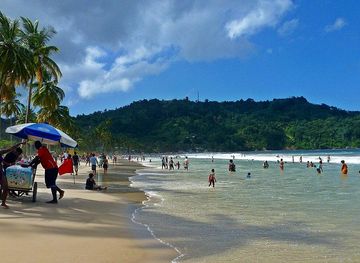
Discover Trinidad and Tobago: A Caribbean paradise where vibrant culture meets stunning natural beauty, offering unique experiences from lively festivals to serene beaches.
Explore Trinidad and Tobago