

Free Caroni Travel Guide & Mobile App
Explore Caroni with free travel guides. Discover regional history, expert tips, proposed trips, and audio guides on web or mobile app.


Explore Caroni in central Trinidad for mangrove wildlife, sugar heritage, Indo-Trinidadian culture, markets and memorable riverside landscapes.
Read more about Caroni
When is the best time to visit Caroni?
Best: January–March · 30–31°C| Month | High (°C) | Rainfall (mm) |
|---|---|---|
| January (best) | 30 | 50 |
| February (best) | 31 | 40 |
| March (best) | 31 | 50 |
| April | 32 | 60 |
| May | 32 | 80 |
| June | 32 | 150 |
| July | 31 | 150 |
| August | 31 | 150 |
| September | 31 | 170 |
| October | 31 | 180 |
| November | 31 | 150 |
| December | 30 | 80 |
Getting to and around Caroni
How to get there
Transportation
Top city travel guides in Caroni
The cities of Caroni, and the easiest places to base yourself.
-

-

-
-
-
-


Swipe for more cities
Destinations in Caroni
Resorts, valleys and scenic spots worth a trip of their own.

Swipe for more destinations
Best attractions in Caroni
Caroni's attractions are concentrated in three overlapping landscapes: tidal wetland, former sugar country and densely settled central-Trinidad communities. The Caroni Swamp is the region's leading nature experience, with guided boat trips through mangrove channels to observe scarlet ibis, herons, egrets, kingfishers and other wildlife. The best-known excursions are often timed for the evening roost, but the wetland's ecological importance extends beyond that spectacle. Cultural visits can include the Temple in the Sea at Waterloo, nearby religious sites and communities shaped by Indian indentureship. Chaguanas offers markets, food stalls, commercial activity and practical access to the central plain, while surrounding villages reveal a less formal side of the region through local festivals, places of worship and everyday food culture. Former cane-growing areas, rivers, drainage landscapes and coastal settlements provide context for the history of agriculture and environmental change. Outdoor activity is generally guided and low-impact rather than based on extensive public hiking infrastructure; birdwatching, photography and boat observation are the principal pursuits. Visitors should allow time for traffic and arrange independent cultural visits in advance.
-
Tourist attraction
Palmiste Park
Experience the lush landscapes and serene atmosphere of Palmiste Park in San Fernando, a tranquil oasis perfect for relaxation and exploration.
-
La Vega Estate
Explore the enchanting La Vega Estate, a lush nature preserve in Trinidad, where beautiful gardens meet tranquility and natural beauty.
-
Park
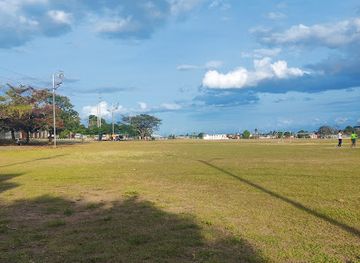
Aranguez Savannah
Explore the lush landscapes and vibrant atmosphere of Aranguez Savannah, a serene oasis in San Juan for relaxation and recreation.
-
Tourist attraction
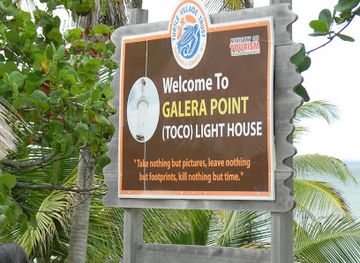
Galera Point Lighthouse
Discover Galera Point Lighthouse on Trinidad's coast: A historic lighthouse offering stunning views and a glimpse into maritime heritage.

Best landmarks in Caroni
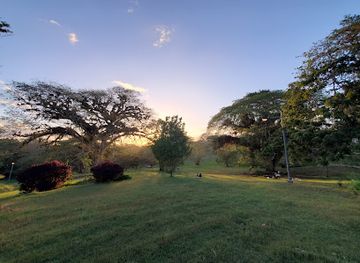
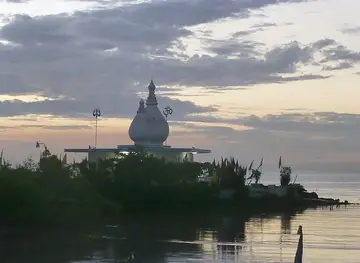
The Temple in the Sea at Waterloo is Caroni's most recognisable cultural landmark. Standing beside the Gulf of Paria, it commemorates the determination of Sewdass Sadhu and the wider Indo-Trinidadian community to establish a place of Hindu worship under the constraints of colonial society. Its rebuilt structure and waterfront setting make it significant both architecturally and historically. The Caroni Swamp is a landmark on a different scale: its mangroves, tidal waterways and bird habitat form one of central Trinidad's defining natural landscapes, with the scarlet ibis providing a powerful national symbol. The Caroni River and its surrounding plain explain the region's agricultural geography and the importance of drainage and waterways to settlement. In Chaguanas and neighbouring villages, temples, mosques, churches and civic buildings reflect the area's religious plurality, while remnants of the former sugar landscape survive in roads, estate names, field patterns and community memories. These places are best understood together, as evidence of Caroni's transformation from plantation countryside to a densely inhabited and economically diverse part of Trinidad.
-
Shopping mall
Trincity Mall
Discover Trincity Mall, the ultimate shopping destination in Trinidad and Tobago, where retail, dining, and entertainment come together for an unforgettable experience.
-
Movie theater
Caribbean Cinemas
Discover Caribbean Cinemas in Trinidad, where the latest films meet comfortable seating and a vibrant shopping atmosphere.
-
International airport
Piarco International Airport
Discover the warmth and vibrancy of Trinidad and Tobago at Piarco International Airport, your first stop in this Caribbean paradise.
-
Park
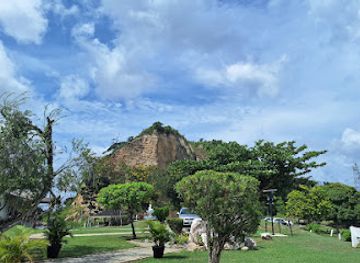
San Fernando Hill
Discover the breathtaking views and cultural heritage at San Fernando Hill, a serene park in Trinidad perfect for relaxation and exploration.

Explore Caroni on the map
Plan your trip on one map. See where the top cities, national parks and sights are, and book hotels and experiences in a few clicks.
Best hotels in Caroni
Best restaurants in Caroni
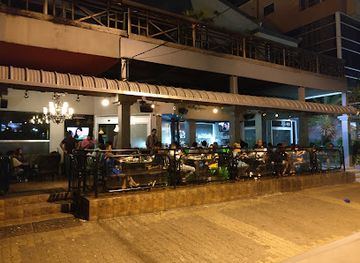
Eating in Caroni is closely connected with the wider food culture of central Trinidad, where Indo-Trinidadian, Afro-Trinidadian, Creole and cosmopolitan influences meet. Chaguanas and surrounding communities are especially useful for doubles, a chickpea-filled bara snack, as well as roti, curry, aloo pies, pholourie, corn soup and other inexpensive street foods. Village shops, bakeries and roadside vendors may offer sada roti with choka, pelau and locally seasoned savoury items, while established restaurants provide Chinese, Indian, Caribbean and international cooking. Fresh produce from the central plains appears in markets and home-style kitchens, and fish is available in communities linked to the Gulf of Paria, although the region is not solely a seafood destination. Ask whether pepper sauces are optional and check ingredients carefully if you have allergies. Restaurant service ranges from informal counter dining and takeaway to family restaurants and occasional more polished venues, with opening arrangements varying by business.
-
Restaurant
Town Restaurant & Bar
Experience authentic Trinidadian cuisine at Town Restaurant & Bar in Port of Spain - a vibrant eatery celebrating local flavors.
-
Restaurant
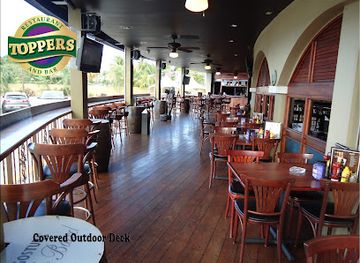
Toppers Restaurant & Bar
Discover Toppers Restaurant & Bar in Valsayn for an unforgettable culinary experience with local flavors and vibrant atmosphere.
-
Italian
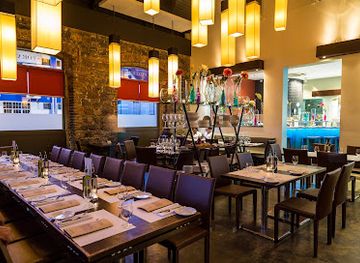
Buzo Osteria Italiana
Savor authentic Italian cuisine in the heart of Port of Spain at Buzo Osteria Italiana - where every dish tells a story.
-
Restaurant
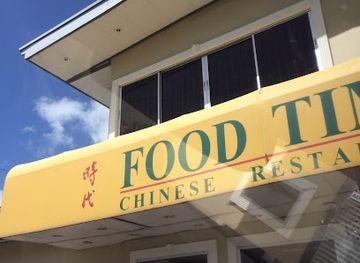
Food Time
Experience authentic Trinidadian cuisine at Food Time in Arouca – where delicious meets affordable.
Best bars in Caroni
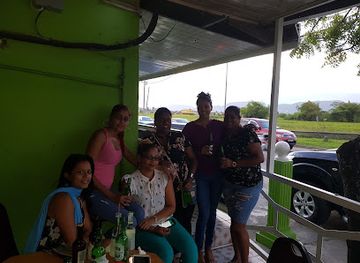
Caroni's evening life is more social and local than club-centred. In Chaguanas and larger central-Trinidad settlements, bars, rum shops, restaurants and casual lounges provide places for conversation, music and televised sport, while smaller communities tend to wind down earlier. Live entertainment may appear in restaurants, community venues and seasonal cultural events, but programmes and opening arrangements are changeable. The region is not known for a concentrated nightclub district, and visitors seeking late-night dancing usually need to check current local listings or travel towards larger urban centres outside Caroni. The traditional rum shop has cultural importance as an informal meeting place, but it is not a necessary part of experiencing the region; non-alcoholic drinks, food stalls and evening social gatherings are also common. Arrange transport before drinking, particularly where accommodation is outside a town centre.
-
Sports bar
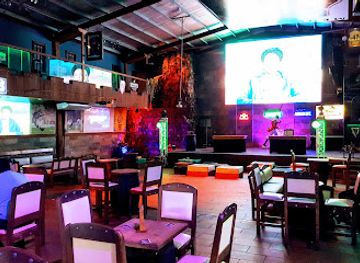
Hutt Shutts
Experience the thrill of live sports at Hutt Shutts, Tacarigua's premier sports bar, with delicious food and drinks in a vibrant setting.
-
Bar
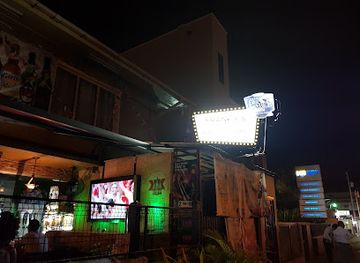
Frankie’s Bar
Discover the lively atmosphere of Frankie’s Bar, a popular gathering spot in Port of Spain, perfect for enjoying drinks and local culture.
-
Bar
Bruse Bar
Discover the lively atmosphere of Bruse Bar in Curepe, Trinidad, where locals and tourists meet for great drinks and memorable experiences.
-
Bar
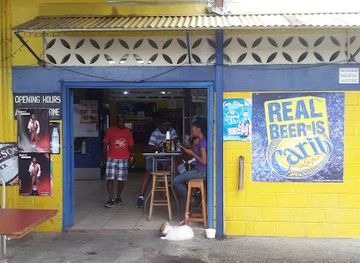
Kamachie's Bar
Experience the vibrant atmosphere and local culture at Kamachie's Bar in Kelly Village, the perfect spot for relaxation and socializing.
Best nightclubs in Caroni
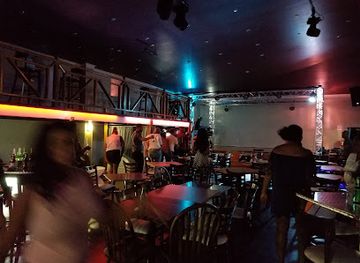
Caroni's evening life is more social and local than club-centred. In Chaguanas and larger central-Trinidad settlements, bars, rum shops, restaurants and casual lounges provide places for conversation, music and televised sport, while smaller communities tend to wind down earlier. Live entertainment may appear in restaurants, community venues and seasonal cultural events, but programmes and opening arrangements are changeable. The region is not known for a concentrated nightclub district, and visitors seeking late-night dancing usually need to check current local listings or travel towards larger urban centres outside Caroni. The traditional rum shop has cultural importance as an informal meeting place, but it is not a necessary part of experiencing the region; non-alcoholic drinks, food stalls and evening social gatherings are also common. Arrange transport before drinking, particularly where accommodation is outside a town centre.
-
Night club
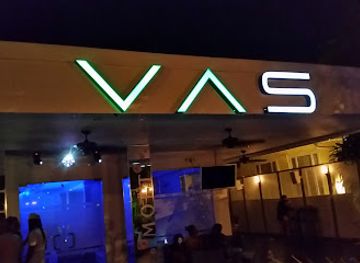
VAS Lounge
Experience the electrifying nightlife at VAS Lounge in Port of Spain, where vibrant music and delicious cocktails create the perfect party atmosphere.
-
Night club
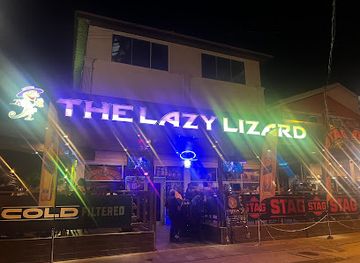
The Lazy Lizard
Experience vibrant nightlife at The Lazy Lizard, Endeavour's ultimate night club for dancing, drinks, and unforgettable memories.
-
Night club
Rush Sports Bar and Night Club
Immerse yourself in the vibrant nightlife at Rush Sports Bar and Night Club in Tacarigua, where sports, music, and excitement come together.
-
Lounge
Lounge 102
Experience the vibrant nightlife at Lounge 102 in Arima, where creative cocktails and a lively atmosphere come together for an unforgettable evening.

Best shops in Caroni
Chaguanas is Caroni's main shopping centre, combining supermarkets, pharmacies, clothing shops, electronics retailers, services and informal food sellers. Its markets and roadside stalls are useful for fresh fruit, vegetables, spices, snacks and everyday Trinidadian ingredients rather than for a specialised souvenir tradition. Smaller communities around Carapichaima, Felicity and Waterloo have local shops, bakeries and vendors where visitors can buy provisions and sample prepared foods. For gifts, look for Trinidadian pepper sauces, cocoa products, packaged spices, rum-based products where legally available, handmade religious items and locally produced foodstuffs, checking labelling and luggage rules before purchase. Independent craft and art offerings may be found through cultural events or individual makers rather than a single permanent craft district. Retail hours, market activity and individual stalls can vary, so it is sensible to carry cash and avoid assuming that every small vendor accepts cards.
-
Grocery store
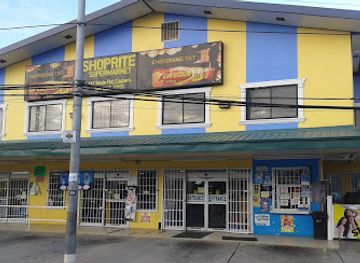
Caparo Shoprite
Discover local flavors and essentials at Caparo Shoprite, a grocery store in Caparo Valley offering diverse products for all your culinary adventures.
-
Grocery store
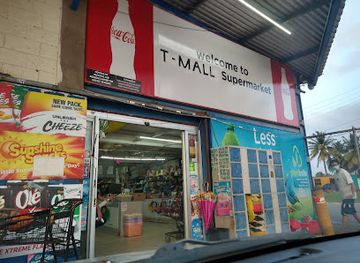
T-Mall Supermarket
Explore T-Mall Supermarket in Trinidad for a rich selection of local and international grocery items, reflecting the vibrant culture of the region.
-
Boutique
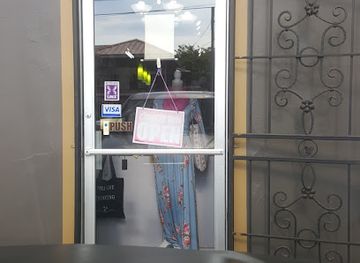
The Chic Ideas Shop Limited
Explore The Chic Ideas Shop Limited in Chaguanas for unique, handmade treasures that showcase the vibrant culture and artistry of Trinidad and Tobago.
-
Home goods store
Frozen Christmas Shop
Explore a magical holiday experience at the Frozen Christmas Shop, where festive spirit and unique decorations await in Arouca.

Get your free copy of our complete guide to Caroni, delivered straight to you.
Everything on this page, from attractions and restaurants to essentials and local phrases, in one PDF you can read offline, print or share.
Already have an account? Sign in
Your Caroni guide is ready.
We'll send it to · Not you? Sign out

Getting your guide ready…
We are putting together a fresh copy of the Caroni guide. This can take up to a minute.
This can take a few moments. If your browser asks, choose Allow so the download can start. You'll find the guide in your Downloads folder.
Nothing happened? Download it again
Sorry, the guide is taking longer than usual. Please try again in a minute, or get it by email instead.
Caroni essentials
Currency and Payment
Safety
Emergency Situations
Do's and Don'ts
Local Tips
From Eve
Local phrases worth knowing
You don't need to get them perfect. A few words go a long way, and locals appreciate the effort.
Basics
| English | Local | Say it |
|---|---|---|
| Hello | Hello | [Heh-loh] |
| Goodbye | Bye | [Bai] |
| Yes | Yes | [Yes] |
| No | No | [No] |
| Please/You're welcome | Please | [Pleez] |
| Thank you | Thank you | [Tank yuh] |
| Excuse me/Sorry | Excuse me | [Ex-kyoos meh] |
| How are you? | How yuh dey? | [Hao yuh dey?] |
| Fine. And you? | I good. And yuh? | [Aye good. And yuh?] |
| Do you speak English? | Yuh does speak English? | [Yuh deh speek English?] |
| I don't understand | Ah eh understand | [Ah eh un-der-stand] |
Eating & Drinking
| English | Local | Say it |
|---|---|---|
| I'd like to see the menu, please | I want to see the menu, please | [I want to si deh menu, pleez] |
| I don't eat meat | Ah eh eat meat | [Ah eh eet meet] |
| Cheers! | Cheers! | [Cheers!] |
| I would like to pay, please | I want to pay, please | [I want to pey, pleez] |
Emergencies
| English | Local | Say it |
|---|---|---|
| Help! | Help! | [Help!] |
| Go away! | Go way! | [Go wei!] |
| Call the Police! | Call de Police! | [Call deh Po-lees!] |
| Call a doctor! | Call a doctor! | [Call a docta!] |
| I'm lost | Ah lost | [Ah lost] |
| I'm ill | Ah sick | [Ah sik] |
Shopping
| English | Local | Say it |
|---|---|---|
| I'd like to buy... | I want to buy... | [I want to bai...] |
| I'm just looking | Ah just looking | [Ah jast luking] |
| How much is it? | How much it cost? | [How much it cost?] |
| That's too expensive | Dat too expensive | [Dat too expen-siv] |
| Can you lower the price? | Yuh could lower de price? | [Yuh cud lo-er deh praice?] |
Time & Numbers
| English | Local | Say it |
|---|---|---|
| What time is it? | Wha time it is? | [Wha taym it is?] |
| It's one o'clock | It one o'clock | [It wan o'clock] |
| Half past (10) | Half past ten | [Half past ten] |
| Morning | Mornin' | [Mornin'] |
| Afternoon | Afternoon | [Afternoon] |
| Evening | Evenin' | [Evenin'] |
| Yesterday | Yesterday | [Yes-ter-day] |
| Today | Today | [To-day] |
| Tomorrow | Tomorrow | [To-morrow] |
| 1 | One | [Won] |
| 2 | Two | [Too] |
| 3 | Three | [Tree] |
| 4 | Four | [For] |
| 5 | Five | [Fai] |
| 6 | Six | [Siks] |
| 7 | Seven | [Sev-en] |
| 8 | Eight | [Ait] |
| 9 | Nine | [Nain] |
| 10 | Ten | [Ten] |
Transport & Directions
| English | Local | Say it |
|---|---|---|
| Where's a/the...? | Wha place deh? | [Wha pleis deh?] |
| What's the address? | Wha de address? | [Wha deh ad-res?] |
| Can you show me (on the map)? | Yuh can show me (on de map)? | [Yuh kan sho me (on deh map)?] |
| When's the next (bus)? | When de next bus comin'? | [When deh next bus comin'?] |
| A ticket (to ....) | One ticket (to ....) | [One ti-ket (to ....)] |
History of Caroni
Indigenous Settlement and the Caroni Landscape
Before European colonisation, central Trinidad was inhabited by Indigenous communities who used the island's rivers, wetlands and fertile plains for fishing, hunting, cultivation and travel. The Caroni River and the connected coastal wetlands formed an important ecological corridor between the interior and the Gulf of Paria. Much of the archaeological record is fragmentary, but shell deposits, artefacts and place-name evidence demonstrate long-standing human engagement with Trinidad's forests, waterways and coastal environments. The landscape later encountered by European settlers was therefore not empty land, but a lived environment with established knowledge of its seasons and resources.
Spanish Rule and Plantation Expansion
Spanish colonial rule established Trinidad within a wider Caribbean system of settlement, mission activity and plantation agriculture. From the late eighteenth century, immigration and investment increased, while sugar, cocoa and other crops became increasingly important. The flat lands around the Caroni River were attractive for cultivation but demanded extensive drainage and labour. Estate development altered waterways, vegetation and settlement patterns, laying the foundations for the plantation geography that shaped central Trinidad for much of the nineteenth and twentieth centuries.
Emancipation, Indentureship and New Communities
After the abolition of slavery in the British Caribbean, plantation owners sought new labour supplies. Indian indentured workers began arriving in Trinidad in 1845, and many worked on central Trinidad's sugar estates before establishing villages and independent livelihoods after indentureship ended in 1917. Their descendants helped make Caroni a major centre of Indo-Trinidadian culture, with Hindu temples, Muslim institutions, distinctive food traditions and festivals. African Trinidadian communities and migrants from other parts of the Caribbean and the wider world also contributed to the region's social and cultural development.
Sugar Estates and the Caroni Industry
Sugar became the defining commercial industry of the central plains. Estates relied on field labour, cane railways, factories, drainage works and tightly organised villages, creating an economic system that connected Caroni to ports and international markets. The state-owned Caroni Limited emerged as the principal symbol of the modern industry after nationalisation in 1975. Its operations supported many families and shaped the region's political and cultural identity, even as mechanisation, market pressures and changing economic priorities weakened the sector.
The Temple in the Sea and Religious Heritage
The Temple in the Sea at Waterloo is one of Caroni's most meaningful cultural landmarks. The original temple was built in the early twentieth century by Sewdass Sadhu, an Indian immigrant and former indentured labourer, who carried materials out into the sea and reclaimed a site for worship. Although the original structure was later lost, a rebuilt temple and associated cultural complex preserve the story. Its significance extends beyond architecture: it represents religious continuity, community effort and the struggle of Indo-Trinidadian people to create institutions in a colonial society.
Caroni Swamp and Environmental Awareness
The coastal wetland at the mouth of the Caroni River remained important for fishing, drainage and wildlife even as surrounding lands were cultivated and urbanised. During the twentieth century, growing recognition of its ecological value helped establish protected management arrangements and organised nature tourism. The swamp became especially associated with the scarlet ibis, Trinidad and Tobago's national bird, which feeds in the wetland and returns to communal roosts. Today, the area illustrates both the environmental pressures created by development and the importance of conserving mangroves, tidal channels and bird habitat.
The End of Large-Scale Sugar
Trinidad and Tobago's government closed most of the country's remaining sugar operations in 2003, bringing a decisive end to the industrial system that had dominated Caroni for generations. The change affected employment, land use and community identity across central Trinidad. Former cane lands have since been used or debated for housing, agriculture, infrastructure, commerce and conservation. The legacy remains visible in family histories, estate names, food traditions and the social geography of villages, while Chaguanas and other centres have developed increasingly diversified commercial economies.
Caroni in Photos
Browse through our photo collection highlighting the charm and character of the destination.
Neighbouring regions of Caroni
The closest regions to Caroni, if you have time for more than one.
-
-

-
-

-


Swipe for more regions
Explore more
Explore more of Trinidad and Tobago
Discover Trinidad and Tobago: A Caribbean paradise where vibrant culture meets stunning natural beauty, offering unique experiences from lively festivals to serene beaches.
Explore Trinidad and Tobago