

Free Nariva Travel Guide & Mobile App
Explore Nariva with free travel guides. Discover regional history, expert tips, proposed trips, and audio guides on web or mobile app.


Explore Nariva in eastern Trinidad for wetlands, wildlife, forest trails, rural communities and the wide Atlantic beaches of Mayaro.
Read more about Nariva
When is the best time to visit Nariva?
Best: January–March · 30–31°C| Month | High (°C) | Rainfall (mm) |
|---|---|---|
| January (best) | 30 | 60 |
| February (best) | 30 | 50 |
| March (best) | 31 | 50 |
| April | 31 | 60 |
| May | 31 | 90 |
| June | 32 | 160 |
| July | 31 | 210 |
| August | 31 | 210 |
| September | 31 | 190 |
| October | 31 | 190 |
| November | 31 | 160 |
| December | 30 | 90 |
Getting to and around Nariva
How to get there
Transportation
Best attractions in Nariva
Nariva’s attractions are defined by nature and landscape rather than by a dense concentration of monuments. The Nariva Swamp is the principal draw, with freshwater marsh, swamp forest, mangroves, waterways and palms creating habitat for birds, fish and threatened wildlife. Guided boat or canoe outings, where properly organised, can reveal a very different side of Trinidad, but access to sensitive areas should be arranged in advance. Bush Bush Wildlife Sanctuary offers protected forest within the wider wetland environment, although it is not a casual, unrestricted park visit. The coast provides a contrasting experience: Mayaro’s long beach is suited to walking, relaxation and sea views, while the eastern coastal road passes rural scenery and small communities. Around Biche and Rio Claro, visitors can arrange forest-focused excursions and observe the transition from lowland wetland to the wooded interior. Agriculture, roadside produce stalls and village life are also part of the regional experience, while birdwatching, photography and quiet landscape observation are more appropriate here than a packed sightseeing schedule.
-
Beach
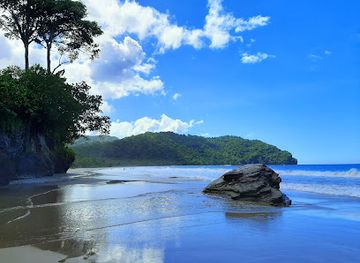
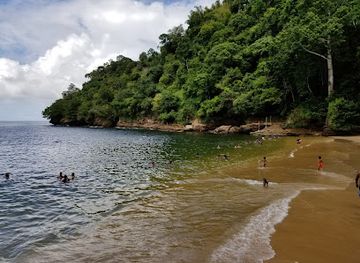
Las Cuevas Beach
Experience the serene beauty of Las Cuevas Beach in Trinidad - a perfect blend of golden sands, turquoise waters, and lush surroundings for your tropical getaway.
-
Tourist attraction
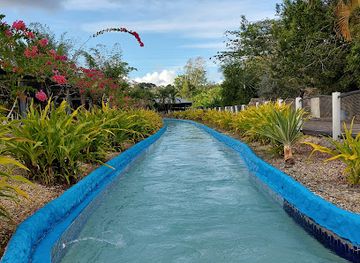
Harry's Water Park
Dive into adventure and make lasting memories at Harry's Water Park, a premier water attraction in Rio Claro, Trinidad and Tobago.
-
Wildlife refuge
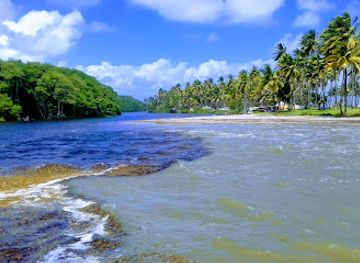
Nariva Swamp
Experience the breathtaking biodiversity and serene landscapes of Nariva Swamp, a premier wildlife refuge in Trinidad for nature lovers and adventure seekers.
-
Hiking area
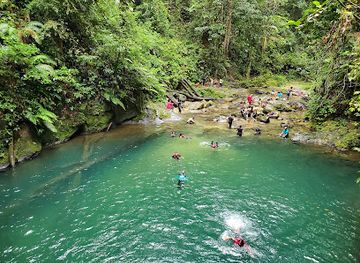
Rio Seco Waterfall
Experience the breathtaking beauty of Rio Seco Waterfall, a tranquil oasis in Trinidad perfect for hiking, swimming, and nature exploration.
Best landmarks in Nariva
The Nariva Swamp is the region’s defining natural landmark, a vast lowland wetland whose open marshes, palm stands and forested sections distinguish eastern Trinidad from the more settled west. Its international conservation status gives the landscape importance beyond its scenic value, while the waterways and flooded forests explain the region’s distinctive ecology. Bush Bush Wildlife Sanctuary is another significant protected place, representing the forested habitats within the wider Nariva system and the continuing effort to safeguard native wildlife. On the coast, the long Atlantic shore at Mayaro is the most recognisable public landscape, combining broad sands with coconut palms and a strong connection to local leisure and settlement. The transition from wetland to forest around Biche and Rio Claro is also geographically important, marking the route from low-lying eastern plains towards Trinidad’s interior hills. Rural roads, drainage channels and agricultural clearings complete a landscape whose landmarks are environmental and communal as much as architectural.
-
Park
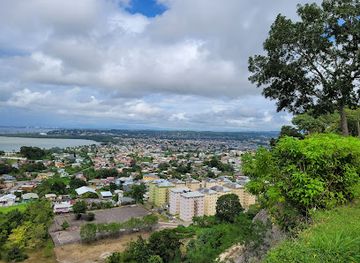
San Fernando Hill
Explore the natural beauty and stunning views of San Fernando Hill, a tranquil park and essential tourist attraction in Trinidad.
-
Park
Chaguaramas Boardwalk
Discover the charm of Chaguaramas Boardwalk in Trinidad, a scenic retreat offering stunning views, diverse dining, and vibrant local culture.
-
Historical landmark
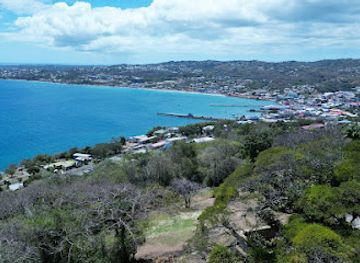
Fort King George
Explore Fort King George, a historical treasure in Tobago, where colonial history meets breathtaking views of the Caribbean Sea.
-
National park
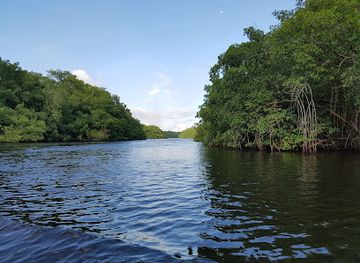
Caroni Bird Sanctuary
Experience the enchanting Caroni Bird Sanctuary, a tropical paradise in Trinidad, teeming with vibrant birdlife and lush mangroves.
Explore Nariva on the map
Plan your trip on one map. See where the top cities, national parks and sights are, and book hotels and experiences in a few clicks.
Best hotels in Nariva
Best restaurants in Nariva
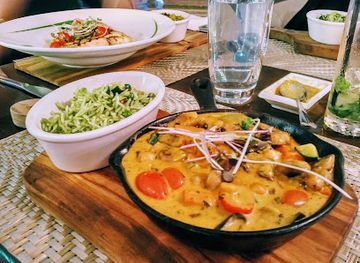
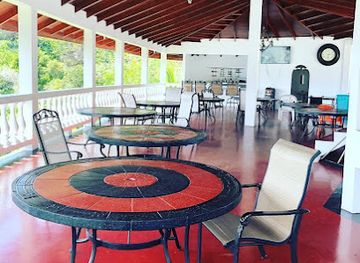
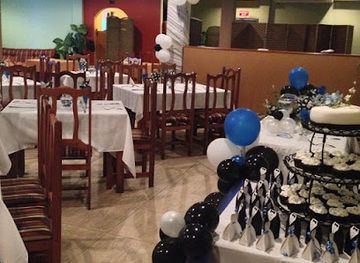
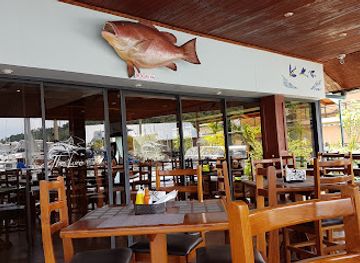
Eating in Nariva is largely a local, informal experience, centred on family-run establishments, roadside vendors, cafés and small restaurants in places such as Rio Claro and Mayaro. Trinidad and Tobago’s wider culinary traditions are well represented, including roti, doubles, pelau, callaloo, fried fish, provision dishes and richly seasoned chicken or seafood. Along the coast, fish and other seafood may feature prominently, while agricultural communities contribute fresh fruit, vegetables and seasonal produce. Coconut, cassava, plantain and pigeon peas are familiar ingredients in home cooking across the country, though recipes vary from one household to another. Breakfast stalls and takeaway counters can be useful for travellers setting out early, but opening patterns in rural areas are less predictable than in Port of Spain. In Mayaro, dining has a more coastal and holiday-oriented character; inland, meals are more closely tied to everyday community life. Carry snacks and water when entering wetland or forest areas, where food outlets are sparse.
-
Restaurant
Krave
Discover Krave: A top-tier restaurant in San Fernando offering delightful Caribbean and international cuisine in a vibrant setting.
-
Seafood
Richard's Bake & Shark
Experience authentic Trinidadian cuisine at Richard's Bake & Shark—home of the famous bake and shark amidst stunning beach views.
-
Restaurant
Canboulay
Discover the vibrant flavors of Trinidad at Canboulay – where delicious cuisine meets lively Caribbean culture.
-
Restaurant
Sails Restaurant & Pub
Experience exquisite dining at Sails Restaurant & Pub in Trinidad – where local flavors meet stunning waterfront views.
Best bars in Nariva
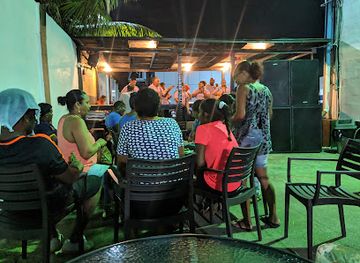
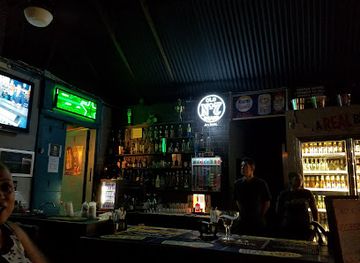
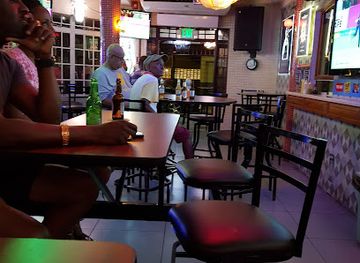
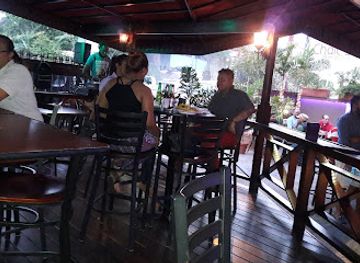
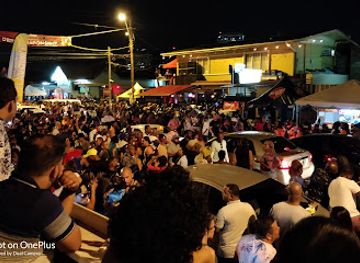
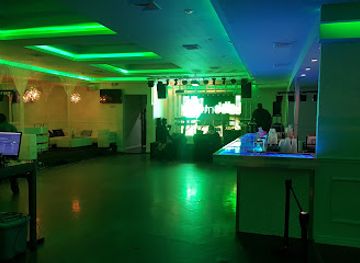
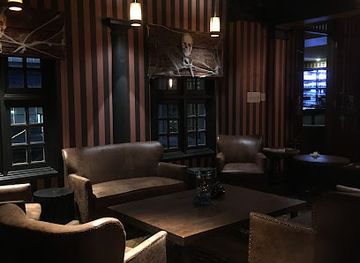
Nariva does not have a concentrated nightclub scene, and evening life is usually based around rum shops, local bars, restaurants, social clubs and community gatherings rather than purpose-built entertainment districts. Mayaro can become livelier during holiday periods and weekends, with informal seaside activity and venues serving residents and visitors, while Rio Claro provides more practical evening options for the inland communities. In smaller villages, establishments may close earlier and entertainment can depend on local events or live music rather than a fixed programme. Trinidad and Tobago’s drinks culture includes rum, beer and locally influenced cocktails, but visitors should not assume that alcohol is central to every evening. Arrange transport before drinking, particularly on the coastal roads and in rural districts, and rely on locally confirmed information for current venues and events.
-
Bar
The MiniBar
Experience the vibrant nightlife at The MiniBar in Arima, where refreshing drinks and local culture blend seamlessly for an unforgettable evening.
-
Pub
Brooklyn Bar
Discover the vibrant atmosphere of Brooklyn Bar in Port of Spain, where local culture meets a lively pub experience.
-
Bar
Nari's on D’Avenue
Experience the vibrant nightlife of San Juan at Nari's on D’Avenue, where exquisite drinks and a lively atmosphere await.
-
Bar
Chait's Bar & Grill
Discover the vibrant flavors and lively atmosphere at Chait's Bar & Grill in Preysal, a must-visit destination for food lovers and night owls alike.
Best nightclubs in Nariva
Nariva does not have a concentrated nightclub scene, and evening life is usually based around rum shops, local bars, restaurants, social clubs and community gatherings rather than purpose-built entertainment districts. Mayaro can become livelier during holiday periods and weekends, with informal seaside activity and venues serving residents and visitors, while Rio Claro provides more practical evening options for the inland communities. In smaller villages, establishments may close earlier and entertainment can depend on local events or live music rather than a fixed programme. Trinidad and Tobago’s drinks culture includes rum, beer and locally influenced cocktails, but visitors should not assume that alcohol is central to every evening. Arrange transport before drinking, particularly on the coastal roads and in rural districts, and rely on locally confirmed information for current venues and events.
-
Bar
The Avenue Pub House
Discover the vibrant nightlife of Port of Spain at The Avenue Pub House, where delicious drinks and lively atmosphere await.
-
Night club
VAS Lounge
Dive into the vibrant nightlife at VAS Lounge, Port of Spain's premier night club, where music and energy come alive.
-
Night club
Ibiza Night Club & Lounge
Ibiza Night Club & Lounge: Your ultimate destination for an electrifying nightlife experience in Port of Spain, Trinidad.
-
Night club
Siam Nightclub
Siam Nightclub: Discover the Heartbeat of Port of Spain's Nightlife with Unforgettable Music and Dance Experiences.

Best shops in Nariva
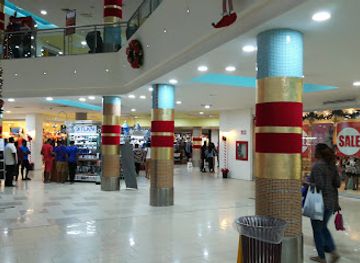
Shopping in Nariva is practical and locally focused rather than centred on large retail complexes. Rio Claro is the principal inland place for everyday supplies, pharmacies, groceries and small independent businesses, while Mayaro combines basic services with shops serving residents and beach visitors. Roadside stalls are useful for seasonal fruit, vegetables, coconut products and other agricultural goods, although produce and locations vary with the time of year. Small markets and food vendors offer a more direct connection with local commerce than formal souvenir shops. Visitors may find locally made snacks, preserves, pepper sauces and craft items, but availability is not guaranteed and packaging or transport should be considered in the tropical heat. For a broader range of branded goods, specialist crafts and shopping centres, travellers generally need to go outside Nariva towards Trinidad’s larger urban areas. Buy responsibly, avoid products made from protected wildlife or plants, and ask vendors about unfamiliar produce before carrying it into protected areas.
-
Shopping mall
Trincity Mall
Discover Trincity Mall: Your go-to shopping haven in Trinidad with a mix of local and international brands, dining, and entertainment experiences.
-
Shopping mall
Shoppes of Maraval
Discover a vibrant shopping experience at the Shoppes of Maraval, where fashion meets local culture in the heart of Port of Spain.
-
 Boutique
The Chic Ideas Shop Limited
Explore the vibrant fashion scene at The Chic Ideas Shop Limited, a boutique offering unique styles and local designs in Chaguanas.
-
Souvenir store
Khemlani's Souvenir Shop
Discover unique Trinidadian treasures at Khemlani's Souvenir Shop located in the vibrant heart of Port of Spain.

Get your free copy of our complete guide to Nariva, delivered straight to you.
Everything on this page, from attractions and restaurants to essentials and local phrases, in one PDF you can read offline, print or share.
Already have an account? Sign in
Your Nariva guide is ready.
We'll send it to · Not you? Sign out

Getting your guide ready…
We are putting together a fresh copy of the Nariva guide. This can take up to a minute.
This can take a few moments. If your browser asks, choose Allow so the download can start. You'll find the guide in your Downloads folder.
Nothing happened? Download it again
Sorry, the guide is taking longer than usual. Please try again in a minute, or get it by email instead.
Nariva essentials
Currency and Payment
Safety
Emergency Situations
Do's and Don'ts
Local Tips
From Eve
Local phrases worth knowing
You don't need to get them perfect. A few words go a long way, and locals appreciate the effort.
Basics
| English | Local | Say it |
|---|---|---|
| Hello | Hola | [O-la] |
| Goodbye | Bye | [Bye] |
| Yes | Yea | [Yea] |
| No | No | [No] |
| Please/You're welcome | Please/No problem | [Please/No prob-lem] |
| Thank you | Thank you | [Thank you] |
| Excuse me/Sorry | Excuse me/Sorry | [Ex-cuse me/Sor-ry] |
| How are you? | How yuh doing? | [How yuh do-ing?] |
| Fine. And you? | Good. And you? | [Good. And you?] |
| Do you speak English? | Yuh does speak English? | [Yuh does speak English?] |
| I don't understand | I eh understand | [I eh un-der-stand] |
Eating & Drinking
| English | Local | Say it |
|---|---|---|
| I'd like to see the menu, please | Could I see the menu, please? | [Could I see de menu, please?] |
| I don't eat meat | I doh eat meat | [I doh eat meat] |
| Cheers! | Cheers! | [Cheers!] |
| I would like to pay, please | I would like to pay, please | [I would like to pay, please] |
Emergencies
| English | Local | Say it |
|---|---|---|
| Help! | Help! | [Help!] |
| Go away! | Go way! | [Go way!] |
| Call the Police! | Call de Police! | [Call de Po-lice!] |
| Call a doctor! | Call a doctor! | [Call a doc-tor!] |
| I'm lost | I lost | [I lost] |
| I'm ill | I sick | [I sick] |
Shopping
| English | Local | Say it |
|---|---|---|
| I'd like to buy... | I want to buy... | [I wan' to buy...] |
| I'm just looking | I just browsing | [I just brows-ing] |
| How much is it? | How much dat? | [How much dat?] |
| That's too expensive | Dat too high | [Dat too high] |
| Can you lower the price? | Yuh could lower de price? | [Yuh could low-er de price?] |
Time & Numbers
| English | Local | Say it |
|---|---|---|
| What time is it? | What time it is? | [What time it is?] |
| It's one o'clock | It one o'clock | [It one o'clock] |
| Half past (10) | Half past ten | [Half past ten] |
| Morning | Morning | [Morning] |
| Afternoon | Afternoon | [Afternoon] |
| Evening | Evening | [Evening] |
| Yesterday | Yesterday | [Yes-ter-day] |
| Today | Today | [To-day] |
| Tomorrow | Tomorrow | [To-mor-row] |
| 1 | 1 | [1] |
| 2 | 2 | [2] |
| 3 | 3 | [3] |
| 4 | 4 | [4] |
| 5 | 5 | [5] |
| 6 | 6 | [6] |
| 7 | 7 | [7] |
| 8 | 8 | [8] |
| 9 | 9 | [9] |
| 10 | 10 | [10] |
Transport & Directions
| English | Local | Say it |
|---|---|---|
| Where's a/the...? | Where de...? | [Where de...?] |
| What's the address? | Wha de address? | [Wha de ad-dress?] |
| Can you show me (on the map)? | Yuh could show me (on de map)? | [Yuh could show me (on de map)?] |
| When's the next (bus)? | When de next (bus)? | [When de next (bus)?] |
| A ticket (to ....) | A ticket (to ....) | [A tick-et (to ....)] |
History of Nariva
Indigenous Settlement and the Eastern Wetlands
Long before European colonisation, Indigenous communities used the forests, rivers and coastal environments of eastern Trinidad for fishing, hunting, gathering and travel. The Nariva wetlands formed part of a wider network of waterways and forest resources rather than an isolated wilderness. Archaeological evidence elsewhere in Trinidad demonstrates longstanding Indigenous occupation, although many wetland sites remain difficult to investigate because of waterlogged ground and dense vegetation. Place names and surviving cultural knowledge preserve fragments of this earlier history, while the landscape itself still reveals why the eastern lowlands were valuable for subsistence and movement.
Spanish Rule and Plantation Expansion
Trinidad remained under Spanish rule until 1797, but large-scale agricultural change accelerated late in the eighteenth century as French settlers and other migrants established estates under Spanish encouragement. European crops, plantation landholding and enslaved African labour transformed parts of the island. Eastern Trinidad was less densely developed than the western plantation belt, yet its forests and lowlands became increasingly connected to the colonial economy through roads, estates and coastal transport. The period laid foundations for the mixed agricultural landscape later visible around Nariva, Mayaro and the interior settlements.
Emancipation, Indentureship and Rural Communities
The abolition of slavery in the British Caribbean changed labour arrangements across Trinidad during the nineteenth century. After emancipation, Indian indentured workers were brought to Trinidad from 1845 onwards, contributing new agricultural skills, religious practices, foods and family networks. People of African, Indian, European and mixed heritage shaped the rural communities of eastern Trinidad in different ways. Small farming, estate work, fishing and local trade developed alongside plantation agriculture, giving the Nariva area a social character that cannot be explained by a single colonial background.
Cocoa, Coconut and Agricultural Development
Agriculture became central to the economy of eastern Trinidad during the nineteenth and early twentieth centuries. Cocoa and coffee were grown in suitable upland areas, while coconut and other crops were important in the coastal lowlands. Rice cultivation and drainage projects also altered parts of the Nariva landscape, although wetland conditions repeatedly limited large-scale attempts to control water. Roads and later motor transport connected communities such as Rio Claro and Mayaro more closely with the rest of Trinidad, while local produce continued to move through small markets and roadside trading.
Forestry, Oil and Changing Rural Economies
Forestry and the wider growth of Trinidad’s petroleum economy influenced eastern communities during the twentieth century, even where extraction and industrial activity were concentrated elsewhere. Timber, agriculture, public works and energy-related employment contributed to changing patterns of settlement and mobility. Rio Claro became an important service centre for the interior, while Mayaro developed as a coastal community with links to fishing, agriculture and later tourism. These economic changes brought improved connections but also increased pressure on forests, wetlands and coastal environments.
Nariva Swamp Conservation
Growing recognition of the Nariva Swamp’s ecological importance led to stronger protection of its wetland habitats during the late twentieth century. The swamp became Trinidad and Tobago’s first Ramsar wetland of international importance in 1993. Conservation work has focused on maintaining freshwater marshes, swamp forest, mangrove areas and the wildlife that depends on them, including the West Indian manatee. Protection has sometimes had to be balanced with farming, fishing, water management and the needs of nearby communities, making Nariva an important example of the practical challenges of conserving a lived-in tropical landscape.
Nariva in Photos
Browse through our photo collection highlighting the charm and character of the destination.
Neighbouring regions of Nariva
The closest regions to Nariva, if you have time for more than one.
-

-

-

-

-



Swipe for more regions
Explore more
Explore more of Trinidad and Tobago
Discover Trinidad and Tobago: A Caribbean paradise where vibrant culture meets stunning natural beauty, offering unique experiences from lively festivals to serene beaches.
Explore Trinidad and Tobago