

Free St. John Travel Guide & Mobile App
Explore St. John with free travel guides. Discover regional history, expert tips, proposed trips, and audio guides on web or mobile app.


St John, Tobago offers rural scenery, local food and a quieter base for exploring the island’s forests, villages and Caribbean coast.
Read more about St. John
When is the best time to visit St. John?
Best: February–April · 28–29°C| Month | High (°C) | Rainfall (mm) |
|---|---|---|
| January | 29 | 65 |
| February (best) | 28 | 49 |
| March (best) | 29 | 37 |
| April (best) | 29 | 49 |
| May | 30 | 98 |
| June | 30 | 162 |
| July | 30 | 182 |
| August | 30 | 200 |
| September | 30 | 177 |
| October | 30 | 150 |
| November | 29 | 185 |
| December | 29 | 106 |
Getting to and around St. John
How to get there
Transportation
Top city travel guides in St. John
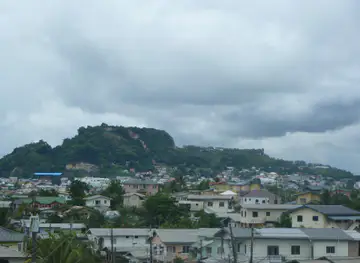
The cities of St. John, and the easiest places to base yourself.
-

-
-

-


Swipe for more cities
Destinations in St. John
Resorts, valleys and scenic spots worth a trip of their own.

Swipe for more destinations
Best attractions in St. John
St John’s appeal lies chiefly in its rural setting and its position within Tobago’s wider network of villages, forests and coastal communities. Visitors can explore the settlement and surrounding countryside at an unhurried pace, observing small gardens, tropical vegetation and the everyday landscape of inland Tobago. Short drives lead towards a broader choice of beaches, viewpoints, rainforest walks and village food stops, although these experiences are spread across the island rather than concentrated in St John itself. Tobago’s Main Ridge rainforest, protected as one of the Caribbean’s important forest reserves, provides opportunities for guided nature walks and birdwatching in the wider island context, while coastal areas offer swimming, snorkelling and boat excursions where conditions permit. Historic churches, former estate landscapes and older village centres add cultural interest, particularly for travellers willing to explore beyond the resort belt. There are few formal attractions in St John, so visitors should regard the area as a base for scenic drives, local encounters and nature-focused excursions, arranging transport and checking access conditions before setting out.
-
Tourist attraction
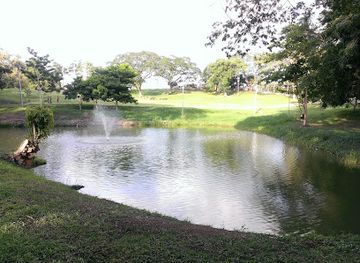
Palmiste Park
Explore Palmiste Park: A serene escape in San Fernando with lush greenery, recreational activities, and a perfect setting for relaxation.
-
National park
San Fernando Hill
Discover the stunning vistas and rich history of San Fernando Hill, a must-visit national park and tourist attraction in Trinidad.
-
IMAX theater
CinemaONE IMAX
Discover an unforgettable cinematic experience at CinemaONE IMAX, Port of Spain's premier destination for immersive movie entertainment.
-
Performing arts theater
Queen's Hall
Discover the vibrant arts scene at Queen's Hall in Port of Spain, a premier performance venue showcasing Trinidad and Tobago's cultural richness.


Best landmarks in St. John
St John’s most defining landmark is its rural landscape rather than a single monumental building. The village setting, cultivated plots and winding roads convey the inland character of Tobago and contrast with the island’s seafront resort areas. In the wider Tobago context, the forested Main Ridge is an important natural landmark whose elevated green slopes have shaped the island’s environmental identity and watershed. Older churches, village cemeteries and surviving estate-related landscapes around Tobago provide quieter reminders of colonial settlement, plantation agriculture and the transition to post-emancipation communities, although individual sites should be identified locally before visiting. Scarborough’s historic Fort King George is a significant Tobago landmark, but it lies outside St John and should be treated as a separate excursion rather than a local monument. The lasting visual impression of St John comes from the relationship between homes, gardens, roads and vegetation: a lived-in countryside that reveals how much of Tobago remains distinct from its principal tourist centres.
-
Park
Palmiste Park
Explore Palmiste Park in San Fernando, Trinidad: a tranquil oasis of lush greenery and recreational activities for nature enthusiasts and families.
-
Park
San Fernando Hill
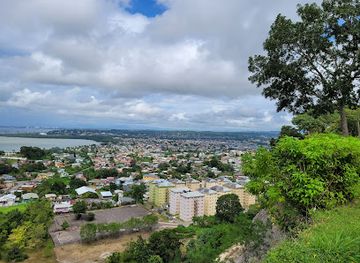
Discover the enchanting San Fernando Hill, a picturesque park in Trinidad offering breathtaking views and a tranquil escape for all visitors.
-
Catholic church
Mount St. Benedict Abbey
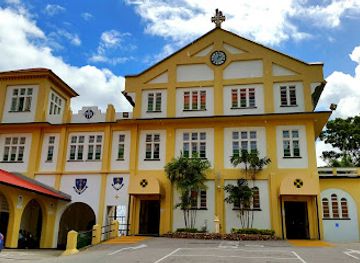
Discover the serene beauty and spiritual heritage of Mount St. Benedict Abbey, a historic gem nestled in the hills of Trinidad.
-
Park
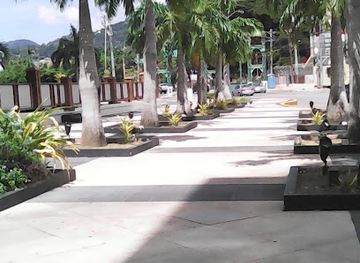
Chaguaramas Boardwalk
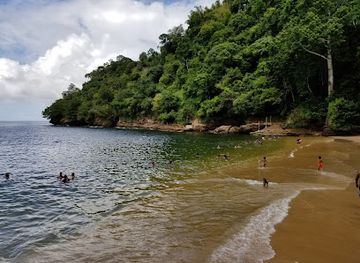
Explore the breathtaking Chaguaramas Boardwalk in Trinidad, a picturesque destination for relaxation, recreation, and local culture.
Explore St. John on the map
Plan your trip on one map. See where the top cities, national parks and sights are, and book hotels and experiences in a few clicks.
Best hotels in St. John
Best restaurants in St. John
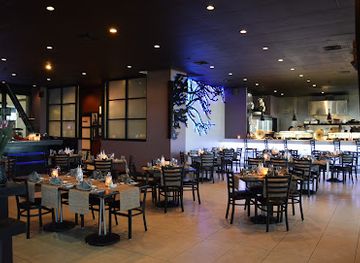
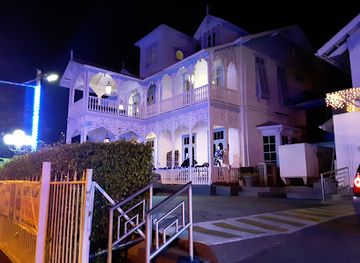
Dining in St John is likely to be modest and locally focused, with the most character found in home-style cooking, small eateries and roadside food rather than a concentrated restaurant scene. Tobago’s culinary traditions draw on African, Indigenous, European and Indian influences, with fish, chicken, rice, plantain, cassava, breadfruit, callaloo and seasoned stews appearing in different combinations. Crab and dumplings are strongly associated with Tobago, though availability varies by season and location. Fresh fruit, local provisions and simple snacks can often be found through shops, vendors or markets in larger settlements. For more choice, visitors generally travel towards Scarborough or the island’s coastal communities outside St John, where restaurants, cafés and hotel dining rooms are more numerous. Ask about ingredients and preparation when buying from small vendors, and remember that rural food service may operate during limited daytime or evening periods rather than to a predictable metropolitan timetable.
-
Grill
Castro's
Discover the flavors of Trinidad at Castro's Grill in Arima – where every dish tells a story.
-
Italian
Buzo Osteria Italiana
Experience authentic Italian cuisine at Buzo Osteria Italiana in Port of Spain – where every meal is a celebration of flavor and tradition.
-
Japanese
Samurai Restaurant
Discover the authentic taste of Japan at Samurai Restaurant – a must-visit destination for sushi and teppanyaki enthusiasts in Port of Spain.
-
Restaurant
Jenny's on the Boulevard
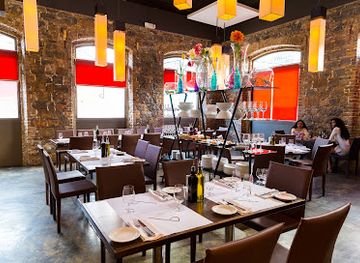
Experience culinary excellence at Jenny's on the Boulevard - where local flavors meet international cuisine in Port of Spain.

Best bars in St. John
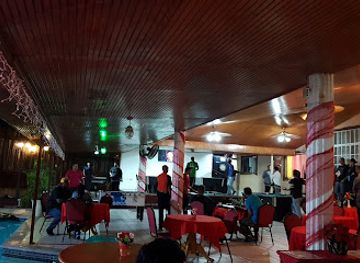
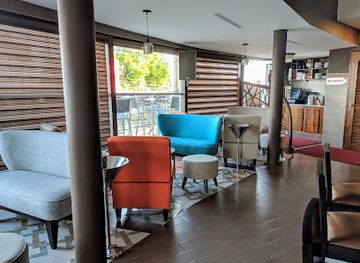
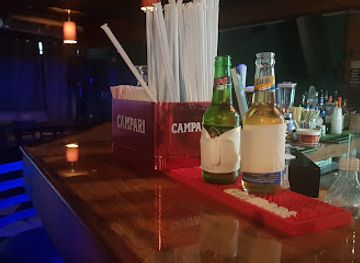
St John has no widely recognised nightclub district, and evening life is more likely to centre on quiet conversation, home-based gatherings, small local bars or meals arranged through accommodation. The atmosphere is rural rather than resort-oriented, with nightlife depending on the day of the week and the community calendar. Visitors seeking live music, a wider selection of bars or later evenings generally travel to Scarborough or the better-known coastal resorts elsewhere in Tobago, all outside St John. Traditional rum drinks and locally produced beers may appear alongside familiar international options, but alcohol is not necessary to appreciate the area. Arrange a safe return journey before going out, especially when roads are dark, winding or unfamiliar, and ask residents or hosts about current venues rather than relying on outdated online listings.
-
Grill
Nick's Gyros Restaurant and Bar
Experience authentic flavors and vibrant atmosphere at Nick's Gyros Restaurant and Bar in Phillipine, where every meal is a delightful adventure.
-
Lounge
Tantra Pub & Lounge
Discover the vibrant nightlife at Tantra Pub & Lounge in Debe, where delicious drinks and live music create an unforgettable experience.
-
Grill
Infinity Bar & Lounge
Discover the vibrant flavors and lively ambiance at Infinity Bar & Lounge in San Fernando, a perfect culinary destination for tourists.
-
Bar
4Play Bar
Discover the electrifying nightlife and vibrant atmosphere at 4Play Bar in San Fernando, Trinidad, where unforgettable nights unfold.

Best nightclubs in St. John
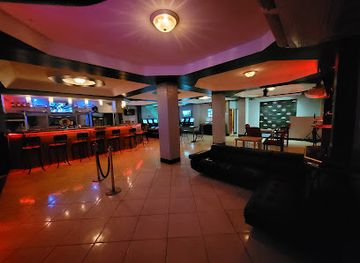
St John has no widely recognised nightclub district, and evening life is more likely to centre on quiet conversation, home-based gatherings, small local bars or meals arranged through accommodation. The atmosphere is rural rather than resort-oriented, with nightlife depending on the day of the week and the community calendar. Visitors seeking live music, a wider selection of bars or later evenings generally travel to Scarborough or the better-known coastal resorts elsewhere in Tobago, all outside St John. Traditional rum drinks and locally produced beers may appear alongside familiar international options, but alcohol is not necessary to appreciate the area. Arrange a safe return journey before going out, especially when roads are dark, winding or unfamiliar, and ask residents or hosts about current venues rather than relying on outdated online listings.
-
Night club
VAS Lounge
Discover the vibrant nightlife of Port of Spain at VAS Lounge, where great music and an electric atmosphere await you.
-
Lounge
Lounge 102
Discover the vibrant nightlife at Lounge 102, a premier cocktail bar in Arima, offering delicious drinks and live music for an unforgettable experience.
-
Night club
Ibiza Night Club & Lounge
Discover the electrifying atmosphere and unforgettable nights at Ibiza Night Club & Lounge, the heart of Port of Spain's nightlife.
-
Night club
Siam Nightclub
Discover the heart of Trinidad's nightlife at Siam Nightclub, where music and dance come alive in a vibrant, electrifying atmosphere.



Best shops in St. John
Shopping in St John is primarily practical and local, with small shops supplying everyday groceries, drinks and household necessities rather than a large retail selection. Visitors looking for a broader choice should travel to Scarborough, outside St John, where supermarkets, pharmacies, markets and independent businesses serve as Tobago’s main commercial resources. Regional purchases can include tropical fruit, spices, sauces, handmade craft items, woven goods, paintings and packaged foods, depending on the season and the seller. Farmers’ stalls and informal vendors may offer provisions such as plantain, cassava or breadfruit, but availability is variable. Buy directly from legitimate sellers, ask permission before photographing stalls and carry reusable bags where possible. St John is better suited to discovering everyday island produce and small-scale commerce than to luxury retail or extensive souvenir shopping.
-
Shopping mall
C3 Centre
Explore the vibrant C3 Centre in San Fernando: your one-stop destination for shopping, dining, and entertainment.
-
Shopping mall
The Falls at Westmall
Discover a vibrant shopping experience at The Falls at Westmall in Trinidad, where culture meets modern retail in a stunning setting.
-
Shopping mall
Gulf City Mall
Experience shopping, dining, and entertainment at Gulf City Mall, Trinidad's ultimate shopping destination with something for everyone.
-
Record store
The Burg Vintage Shop
Explore a treasure trove of vintage vinyl at The Burg Vintage Shop in Port of Spain, your gateway to Trinidad's rich musical heritage.




Get your free copy of our complete guide to St. John, delivered straight to you.
Everything on this page, from attractions and restaurants to essentials and local phrases, in one PDF you can read offline, print or share.
Already have an account? Sign in
Your St. John guide is ready.
We'll send it to · Not you? Sign out

Getting your guide ready…
We are putting together a fresh copy of the St. John guide. This can take up to a minute.
This can take a few moments. If your browser asks, choose Allow so the download can start. You'll find the guide in your Downloads folder.
Nothing happened? Download it again
Sorry, the guide is taking longer than usual. Please try again in a minute, or get it by email instead.
St. John essentials
Currency and Payment
Safety
Emergency Situations
Do's and Don'ts
Local Tips
From Eve
Local phrases worth knowing
You don't need to get them perfect. A few words go a long way, and locals appreciate the effort.
Basics
| English | Local | Say it |
|---|---|---|
| Hello | Hello | [Heh-loh] |
| Goodbye | Goodbye | [Good-bye] |
| Yes | Yes | [Yes] |
| No | No | [No] |
| Please/You're welcome | Please/You welcome | [Pleez/You wel-com] |
| Thank you | Thank you | [Thank you] |
| Excuse me/Sorry | Excuse me/Sorry | [Ex-cuse me/Sor-ree] |
| How are you? | How yuh doing? | [How yuh do-in?] |
| Fine. And you? | Good. And yuh? | [Good. And yuh?] |
| Do you speak English? | Yuh does speak English? | [Yuh does speek In-glish?] |
| I don't understand | I eh understand | [I eh un-der-stand] |
Eating & Drinking
| English | Local | Say it |
|---|---|---|
| I'd like to see the menu, please | I would like to see the menu, please | [I wud laik to see de menu, pleez] |
| I don't eat meat | I eh eat meat | [I eh eet meat] |
| Cheers! | Cheers! | [Cheers!] |
| I would like to pay, please | I would like to pay, please | [I wud laik to pay, pleez] |
Emergencies
| English | Local | Say it |
|---|---|---|
| Help! | Help! | [Help!] |
| Go away! | Go away! | [Go a-way!] |
| Call the Police! | Call de Police! | [Call de Po-leese!] |
| Call a doctor! | Call a doctor! | [Call a doc-tor!] |
| I'm lost | I lost | [I lost] |
| I'm ill | I sick | [I sik] |
Shopping
| English | Local | Say it |
|---|---|---|
| I'd like to buy... | I would like to buy... | [I wud laik to buy...] |
| I'm just looking | I just looking | [I just look-in] |
| How much is it? | How much is dat? | [How much is dat?] |
| That's too expensive | Dat too expensive | [Dat too ex-pen-siv] |
| Can you lower the price? | Yuh can lower de price? | [Yuh can low-er de price?] |
Time & Numbers
| English | Local | Say it |
|---|---|---|
| What time is it? | Wha time it? | [Wha time it?] |
| It's one o'clock | It one o'clock | [It one o'clock] |
| Half past (10) | Half past ten | [Half past ten] |
| Morning | Morning | [Morning] |
| Afternoon | Afternoon | [Afternoon] |
| Evening | Evening | [Evening] |
| Yesterday | Yesterday | [Yes-ter-day] |
| Today | Today | [To-day] |
| Tomorrow | Tomorrow | [To-morrow] |
| 1 | 1 | [1] |
| 2 | 2 | [2] |
| 3 | 3 | [3] |
| 4 | 4 | [4] |
| 5 | 5 | [5] |
| 6 | 6 | [6] |
| 7 | 7 | [7] |
| 8 | 8 | [8] |
| 9 | 9 | [9] |
| 10 | 10 | [10] |
Transport & Directions
| English | Local | Say it |
|---|---|---|
| Where's a/the...? | Wha de...? | [Wha de...?] |
| What's the address? | Wha de address? | [Wha de ad-dress?] |
| Can you show me (on the map)? | Yuh could show me (on de map)? | [Yuh could show me (on de map)?] |
| When's the next (bus)? | When next (bus)? | [When next (bus)?] |
| A ticket (to ....) | A ticket (to....) | [A ticket (to....)] |
History of St. John
Indigenous Tobago before European colonisation
Tobago was inhabited by Indigenous peoples before European settlement, with the island forming part of wider networks linking the Lesser Antilles and the South American mainland. Archaeological evidence across Tobago indicates long periods of Indigenous occupation, fishing, farming and movement between coastal and inland environments. Although St John is not primarily an archaeological destination, its rural setting belongs to the same landscape shaped by these earlier communities, whose presence predates the plantations and colonial villages that later transformed the island.
Dutch and Courlander settlement, seventeenth century
Tobago attracted competing European powers during the seventeenth century, including Dutch settlers and colonists from Courland, a duchy in present-day Latvia. These ventures were vulnerable to rivalry, disease and changing imperial priorities, but they established the pattern of Tobago as a contested Caribbean possession. The island’s later place names, estate lands and fragmented settlement history reflect this succession of colonial projects, even in inland communities such as St John.
British rule and plantation agriculture
Britain consolidated control of Tobago during the eighteenth century, and plantation agriculture became central to the island’s economy. Sugar, cotton and other crops were cultivated through a system dependent on enslaved African labour, with estates occupying fertile coastal and valley lands. St John’s surrounding rural landscape should be understood against this wider plantation history: roads, land divisions and settlement patterns developed through an economy that connected inland production areas with ports and coastal shipping points.
Emancipation and the transformation of rural society
The abolition of slavery in the British Empire during the 1830s changed Tobago’s social and economic structure, although formerly enslaved people continued to face restricted access to land and limited employment opportunities. Plantation production declined over time, and provision farming, fishing, small-scale cultivation and local trade became increasingly important to rural communities. The dispersed homes, gardens and agricultural plots around St John reflect the long transition from plantation dependence towards more varied forms of village life.
Tobago’s union with Trinidad, 1889
Tobago was administratively united with Trinidad in 1889, a decision that altered the island’s political and economic relationship with its larger neighbour. Tobago retained a distinct island identity, but public administration, trade and infrastructure were increasingly organised within a single colony. The union remains important context for visitors: St John is part of the island of Tobago while also belonging to the sovereign Republic of Trinidad and Tobago, whose national institutions and currency apply across both islands.
Autonomy, tourism and environmental protection
Trinidad and Tobago became independent in 1962, and Tobago later gained a measure of internal administrative autonomy through the Tobago House of Assembly. During the twentieth century, tourism expanded around Tobago’s beaches and coastal settlements, while conservation efforts helped protect the island’s rainforest and waters. St John has remained less resort-oriented than the principal coastal centres, allowing rural livelihoods, village connections and a quieter landscape to remain central to its contemporary character.
St. John in Photos
Browse through our photo collection highlighting the charm and character of the destination.
Neighbouring regions of St. John
The closest regions to St. John, if you have time for more than one.
-

-

-

-

-


Swipe for more regions
Explore more
Explore more of Trinidad and Tobago
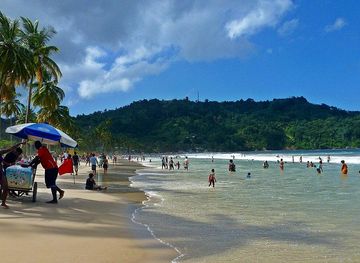
Discover Trinidad and Tobago: A Caribbean paradise where vibrant culture meets stunning natural beauty, offering unique experiences from lively festivals to serene beaches.
Explore Trinidad and Tobago