

Free Penal-Debe Travel Guide & Mobile App
Explore Penal-Debe with free travel guides. Discover regional history, expert tips, proposed trips, and audio guides on web or mobile app.


Explore Penal-Debe: A Cultural and Culinary Gem in Southern Trinidad and Tobago
Read more about Penal-Debe
When is the best time to visit Penal-Debe?
Best: February–April · 31–32°C| Month | High (°C) | Rainfall (mm) |
|---|---|---|
| January | 31 | 75 |
| February (best) | 31 | 60 |
| March (best) | 31 | 50 |
| April (best) | 32 | 60 |
| May | 32 | 75 |
| June | 32 | 150 |
| July | 31 | 200 |
| August | 31 | 225 |
| September | 32 | 200 |
| October | 31 | 175 |
| November | 31 | 150 |
| December | 30 | 100 |
Getting to and around Penal-Debe
How to get there
Transportation
Top city travel guides in Penal-Debe
The cities of Penal-Debe, and the easiest places to base yourself.
-
-


Swipe for more cities
Best attractions in Penal-Debe
Nestled in the heart of Trinidad and Tobago, Penal-Debe is a vibrant region brimming with cultural richness and natural beauty. Visitors can explore the iconic Debe Market, famed for its tantalizing street food including doubles and aloo pies that offer an authentic taste of local cuisine. The Siparia Fête celebrates the region's diverse heritage with colorful parades and lively music, providing a unique glimpse into the local culture. Nature enthusiasts can revel in the serene landscapes of the Oropouche Lagoon, home to numerous species of birds and wildlife. Historical sites like the San Francique Hindu Temple and the Penal Rock Road Shiva Mandir offer a deep dive into the spiritual and architectural history of the area. Whether you're seeking culinary delights, cultural festivities, or tranquil natural escapes, Penal-Debe promises an unforgettable experience for every traveler.
-
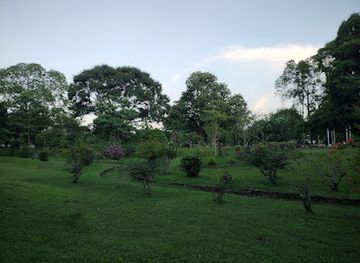
Botanical garden
Royal Botanic Gardens
Explore the Royal Botanic Gardens in Port of Spain, Trinidad, a lush botanical paradise offering diverse flora and serene pathways for nature lovers.
-
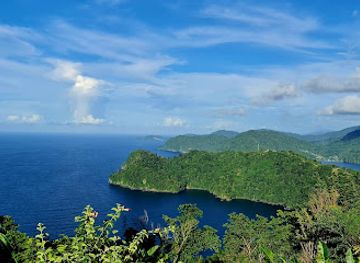
Vista point
Maracas Lookout
Discover the stunning beauty of Maracas Lookout, a premier vista point in Trinidad offering breathtaking views and authentic local cuisine.
-
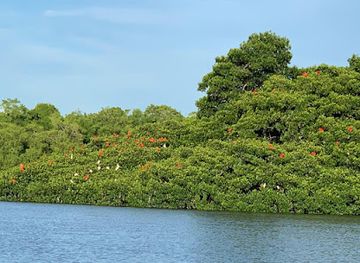
National park
Caroni Bird Sanctuary
Explore the breathtaking Caroni Bird Sanctuary in Trinidad, a haven for birdwatchers and nature lovers with stunning landscapes and rich biodiversity.
-
Park
Skinner Park
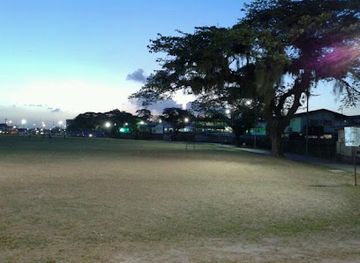
Explore the lush greenery and vibrant culture of Skinner Park in San Fernando - a perfect urban retreat for relaxation and fun.
Best landmarks in Penal-Debe
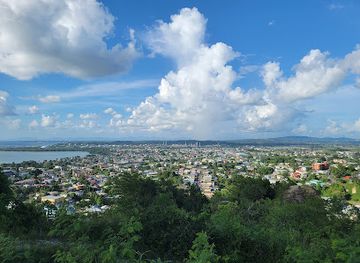
Penal-Debe in Trinidad and Tobago is a captivating blend of cultural and natural attractions that beckon visitors to explore its vibrant tapestry. The area is renowned for the San Fernando Hill, offering panoramic views of the Southern Plains and the Gulf of Paria, perfect for nature lovers and photographers alike. History enthusiasts will revel in the captivating artifacts and stories at the Indian Caribbean Museum in Waterloo, reflecting the rich Indo-Trinidadian heritage. The Debe Doubles Strip is a must-visit for food lovers, serving up the island’s most famous street food, doubles, amidst a lively and colorful atmosphere. For those seeking spiritual solace, the stunning Sri Dattatreya Yoga Centre, with its serene ambiance and majestic Hanuman Murti statue, provides a tranquil escape. Lastly, the annual Hosay Festival in St. James is a vibrant explosion of music, dance, and traditional Tadjah parades that celebrate the area’s multicultural fabric. Whether you are an avid historian, a foodie, or a nature enthusiast, Penal-Debe offers a diverse array of experiences that will leave you enchanted.
-
Park
Palmiste Park
Explore Palmiste Park: A serene oasis in San Fernando, Trinidad, perfect for relaxation, family outings, and nature appreciation.
-
Park
San Fernando Hill
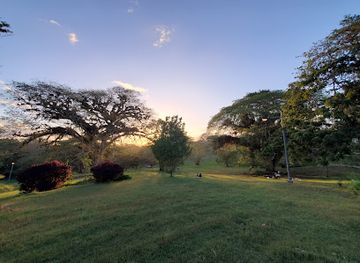
Experience breathtaking views and tranquility at San Fernando Hill, a beautiful park in Trinidad that showcases the island's natural charm.
-
Park
Chaguaramas Boardwalk
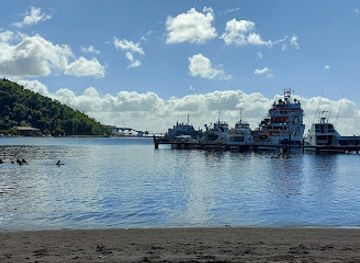
Explore the vibrant Chaguaramas Boardwalk, where stunning coastal views meet lively activities and local cuisine in Trinidad.
-
Historical landmark
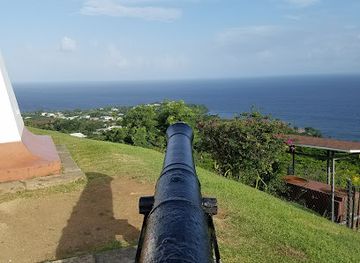
Fort King George
Explore Fort King George in Tobago - a stunning historical landmark offering breathtaking views and rich cultural heritage.
Explore Penal-Debe on the map
Plan your trip on one map. See where the top cities, national parks and sights are, and book hotels and experiences in a few clicks.
Best hotels in Penal-Debe
Best restaurants in Penal-Debe
Penal-Debe in Trinidad and Tobago offers a vibrant and eclectic dining scene that is a feast for the senses. Here, visitors can savor the unique flavors of Indo-Trinidadian cuisine, with its rich blend of Indian spices and Caribbean influences. From the bustling street food vendors selling doubles, aloo pies, and pholourie to cozy family-run restaurants serving up hearty portions of curry goat, dhal, and roti, the area promises a culinary adventure. Don't miss the chance to try local favorites such as buss up shut, a type of shredded roti, or the decadent sweet treats like jalebi and gulab jamun. Seafood lovers can indulge in fresh catch dishes, prepared with local flair, reflecting the area's coastal heritage. The dining experience in Penal-Debe is not just about the food but also about the warm hospitality and the vibrant, multicultural atmosphere that makes every meal memorable.
-
Restaurant
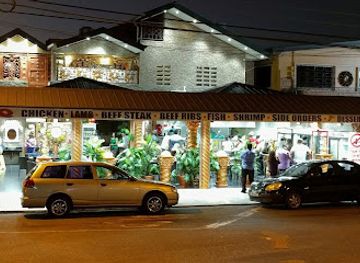
BBQ Kings
Experience mouthwatering barbecue delights at BBQ Kings in San Fernando - a culinary destination for meat lovers seeking authentic Trinidadian flavors.
-
Restaurant
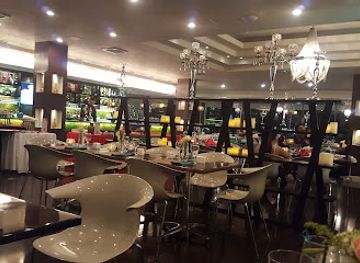
Krave
Discover exquisite flavors at Krave, San Fernando’s top restaurant offering a blend of local and international cuisine in a vibrant setting.
-
Asian
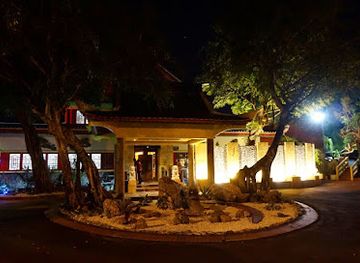
Soong's Great Wall Restaurant
Experience the vibrant flavors of Asia at Soong's Great Wall Restaurant in San Fernando – where every dish tells a story.
-
Restaurant
The Rig
Discover the vibrant flavors of Trinidad at The Rig, where modern dining meets traditional Caribbean cuisine.
Best bars in Penal-Debe
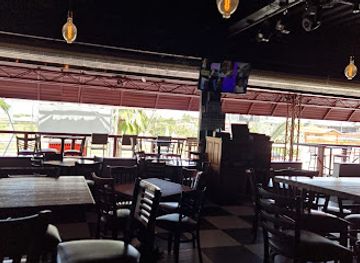
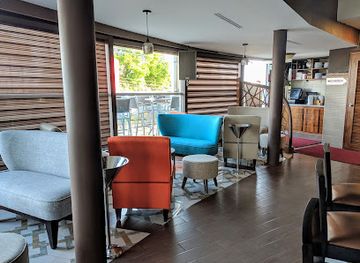
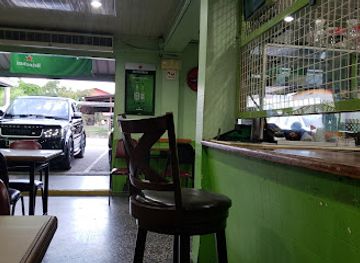
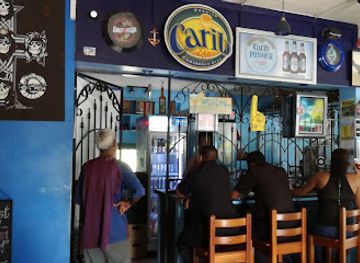
Penal-Debe's nightlife scene is a captivating blend of local culture and vibrant energy that promises an unforgettable experience for visitors. As the sun sets, the area comes alive with lively bars and clubs where the pulsating beats of soca and chutney music fill the air. Traditional rum shops offer a cozy, authentic atmosphere where you can sip on local favorites like puncheon rum and Carib beer while mingling with friendly locals. For those seeking a more energetic night out, the bustling nightclubs feature both local and international DJs spinning tracks that keep the dance floors packed until the early hours. Street food vendors are plentiful, providing delicious late-night snacks like doubles and roti, so you can refuel and keep the party going. Whether you're looking to dance the night away or enjoy a laid-back evening with new friends, Penal-Debe's nightlife offers something for everyone.
-
Lounge
Tantra Pub & Lounge
Discover the lively atmosphere of Tantra Pub & Lounge in Debe, where great food, drinks, and entertainment come together for an unforgettable night out.
-
Bar
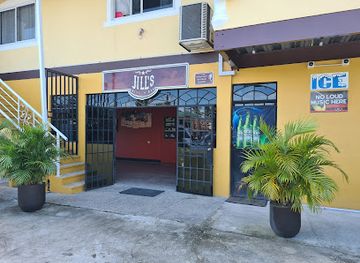
Jill's Bar
Discover the lively spirit of Jill's Bar in Penal, where great drinks and vibrant atmosphere meet local culture.
-
Bar
Harrilal & Son Restaurant & Bar
Experience the vibrant flavors of Trinidad at Harrilal & Son Restaurant & Bar, where local cuisine meets a welcoming atmosphere.
-
Bar
Electrick Blue Restaurant & Bar
Discover the vibrant flavors of Trinidad and Tobago at Electrick Blue Restaurant & Bar - where cuisine meets a lively atmosphere.
Best nightclubs in Penal-Debe
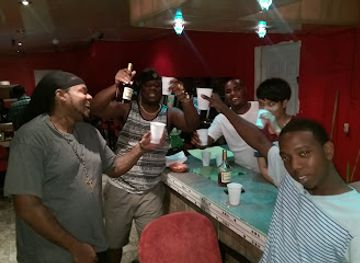
Penal-Debe's nightlife scene is a captivating blend of local culture and vibrant energy that promises an unforgettable experience for visitors. As the sun sets, the area comes alive with lively bars and clubs where the pulsating beats of soca and chutney music fill the air. Traditional rum shops offer a cozy, authentic atmosphere where you can sip on local favorites like puncheon rum and Carib beer while mingling with friendly locals. For those seeking a more energetic night out, the bustling nightclubs feature both local and international DJs spinning tracks that keep the dance floors packed until the early hours. Street food vendors are plentiful, providing delicious late-night snacks like doubles and roti, so you can refuel and keep the party going. Whether you're looking to dance the night away or enjoy a laid-back evening with new friends, Penal-Debe's nightlife offers something for everyone.
-
Lounge
Tantra Pub & Lounge
Discover the vibrant nightlife at Tantra Pub & Lounge in Debe, Trinidad, where delicious drinks and lively entertainment await you.
-
Night club
Ibiza Night Club & Lounge
Experience the vibrant nightlife at Ibiza Night Club & Lounge, where music and excitement come alive in Port of Spain.
-
Bar
Club J's Bar and Lounge
Discover the vibrant nightlife at Club J's Bar and Lounge in Penal, a perfect spot for drinks and socializing amidst lively local culture.
-
Bar
Xora Bar & Lounge
Experience the vibrant nightlife at Xora Bar & Lounge in Debe, where delightful cocktails and live entertainment create unforgettable memories.


Best shops in Penal-Debe
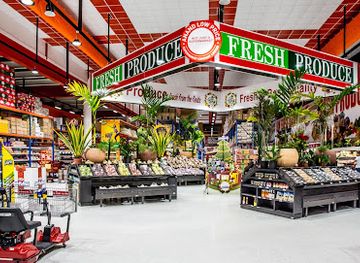
Penal-Debe's shopping scene is a vibrant tapestry of local culture and flavors, offering visitors a unique blend of traditional markets and modern conveniences. Wander through bustling bazaars where the air is thick with the aroma of exotic spices and fresh produce, and discover handcrafted goods that tell the story of the area's rich heritage. Small, family-owned shops brim with colorful textiles, artisanal jewelry, and unique souvenirs you won't find anywhere else. For a taste of the local cuisine, indulge in street food stalls serving up mouthwatering delicacies like doubles and pholourie. The area also features a number of modern retail centers where you can find everything from fashionable clothing to electronic gadgets. Whether you're hunting for a one-of-a-kind keepsake or simply soaking in the lively atmosphere, shopping in Penal-Debe promises an unforgettable experience.
-
Shopping mall
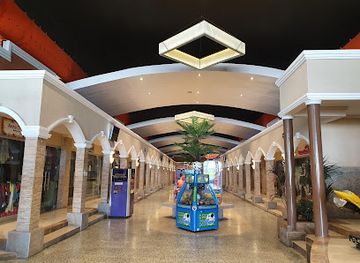
South Haven Shopping Centre
Experience shopping like never before at South Haven Shopping Centre, where local charm meets global brands in Debe, Trinidad.
-
Grocery store
Anand Low Price Supermarket
Explore Anand Low Price Supermarket, your one-stop shop for local flavors and everyday essentials in Debe, Trinidad.
-
Farmers' market
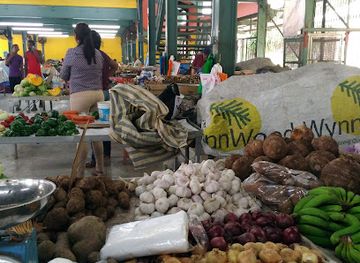
Penal Market
Discover the vibrant flavors and local culture at Penal Market, a must-visit farmers' market in Trinidad for fresh produce and unique delicacies.
-
Supermarket
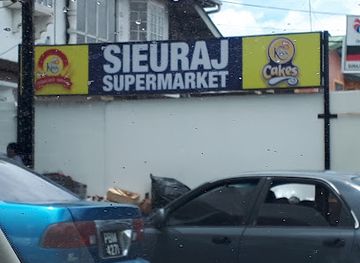
Sieuraj Supermarket
Explore the rich flavors of Trinidad at Sieuraj Supermarket, where local products and friendly service create a unique shopping experience.
Get your free copy of our complete guide to Penal-Debe, delivered straight to you.
Everything on this page, from attractions and restaurants to essentials and local phrases, in one PDF you can read offline, print or share.
Already have an account? Sign in
Your Penal-Debe guide is ready.
We'll send it to · Not you? Sign out

Getting your guide ready…
We are putting together a fresh copy of the Penal-Debe guide. This can take up to a minute.
This can take a few moments. If your browser asks, choose Allow so the download can start. You'll find the guide in your Downloads folder.
Nothing happened? Download it again
Sorry, the guide is taking longer than usual. Please try again in a minute, or get it by email instead.
Penal-Debe essentials
Currency and Payment
Safety
Emergency Situations
Do's and Don'ts
Local Tips
From Eve
Local phrases worth knowing
You don't need to get them perfect. A few words go a long way, and locals appreciate the effort.
Basics
| English | Local | Say it |
|---|---|---|
| Hello | Hello | [Heh-lo] |
| Goodbye | Bye | [Bye] |
| Yes | Yes | [Yes] |
| No | No | [No] |
| Please/You're welcome | Please/You welcome | [Pleez/You wel-kum] |
| Thank you | Thank you | [Thank you] |
| Excuse me/Sorry | Excuse me/Sorry | [Ex-kyoos me/Saw-ree] |
| How are you? | How yuh doing? | [How yuh do-in?] |
| Fine. And you? | I good. And yuh? | [I gud. And yuh?] |
| Do you speak English? | Yuh speak English? | [Yuh speek Ing-lish?] |
| I don't understand | I eh understand | [I eh un-der-stand] |
Eating & Drinking
| English | Local | Say it |
|---|---|---|
| I'd like to see the menu, please | Ah want to see the menu, please | [Ah want to see de men-yoo, pleez] |
| I don't eat meat | Ah eh eat meat | [Ah eh eet meet] |
| Cheers! | Cheers! | [Cheers] |
| I would like to pay, please | Ah want to pay, please | [Ah want to pay, pleez] |
Emergencies
| English | Local | Say it |
|---|---|---|
| Help! | Help! | [Help] |
| Go away! | Go way! | [Go way] |
| Call the Police! | Call de Police! | [Call de Po-lees] |
| Call a doctor! | Call a doctor! | [Call a dok-ta] |
| I'm lost | Ah lost | [Ah lost] |
| I'm ill | Ah sick | [Ah sik] |
Shopping
| English | Local | Say it |
|---|---|---|
| I'd like to buy... | Ah want to buy... | [Ah want to buy...] |
| I'm just looking | Ah just looking | [Ah just luk-ing] |
| How much is it? | How much it cost? | [How much it kost?] |
| That's too expensive | Dat too expensive | [Dat too ex-pen-siv] |
| Can you lower the price? | Yuh could lower the price? | [Yuh cud low-er de prys?] |
Time & Numbers
| English | Local | Say it |
|---|---|---|
| What time is it? | What time it is? | [What time it is?] |
| It's one o'clock | It one o'clock | [It one o-clock] |
| Half past (10) | Half past ten | [Half past ten] |
| Morning | Morning | [Morn-ing] |
| Afternoon | Afternoon | [Af-ter-noon] |
| Evening | Evening | [Eve-ning] |
| Yesterday | Yesterday | [Yes-ter-day] |
| Today | Today | [To-day] |
| Tomorrow | Tomorrow | [To-mor-row] |
| 1 | One | [One] |
| 2 | Two | [Two] |
| 3 | Three | [Three] |
| 4 | Four | [Four] |
| 5 | Five | [Five] |
| 6 | Six | [Six] |
| 7 | Seven | [Seven] |
| 8 | Eight | [Eight] |
| 9 | Nine | [Nine] |
| 10 | Ten | [Ten] |
Transport & Directions
| English | Local | Say it |
|---|---|---|
| Where's a/the...? | Where de...? | [Where de...?] |
| What's the address? | Wha de address? | [Wha de ad-dress?] |
| Can you show me (on the map)? | Yuh could show me (on de map)? | [Yuh cud show me (on de map)?] |
| When's the next (bus)? | When de next (bus)? | [When de next (bus)?] |
| A ticket (to ....) | One ticket (to ....) | [One ti-ket (to ....)] |
History of Penal-Debe
The Early Settlement of Penal-Debe
Penal-Debe, located in the southern part of Trinidad, was originally inhabited by indigenous peoples before the arrival of European colonizers. The area saw a mix of Amerindian tribes who thrived on the natural resources of the land. Their presence is still felt today through various archaeological sites and cultural remnants.
Colonial Era and Sugar Plantations
During the 18th and 19th centuries, Penal-Debe became part of the broader colonial project in Trinidad and Tobago. The fertile land attracted European settlers who established sugar plantations, utilizing enslaved Africans for labor. This period significantly altered the demographic and cultural landscape of the area.
The Arrival of East Indian Indentured Laborers
After the abolition of slavery in 1834, the British colonial administration sought new labor sources. East Indian indentured laborers were brought to Trinidad from 1845 onwards to work on the plantations. Penal-Debe became a significant settlement area for these laborers, who brought their own rich traditions, religious practices, and cuisine, profoundly shaping the local culture.
The Establishment of the Oil Industry
In the 20th century, the discovery and exploitation of oil reserves in southern Trinidad, including Penal-Debe, led to economic transformation. The oil industry attracted workers from different parts of the country and abroad, contributing to the area's growth and modernization.
Cultural Festivals and Celebrations
Penal-Debe is renowned for its vibrant cultural festivals, reflecting its diverse heritage. Notable events include Divali, celebrated with grandeur in the predominantly Hindu community, and Hosay, a Shia Muslim observance. These festivals offer a unique glimpse into the area's communal spirit and cultural amalgamation.
Modern Growth and Development
In recent decades, Penal-Debe has seen considerable development, with improvements in infrastructure, education, and healthcare. The University of Trinidad and Tobago established its southern campus in the area, contributing to educational opportunities and economic growth. Despite modernization, the region maintains its historical charm and cultural richness.
The Influence of Local Cuisine
Penal-Debe is famous for its local cuisine, which reflects its multicultural roots. Dishes like roti, doubles, and curry crab and dumplings are popular among locals and visitors alike. Food fairs and markets are common, offering an immersive experience into the culinary traditions of the area.
Natural Attractions and Eco-Tourism
The region boasts several natural attractions, including the Oropouche Lagoon and the Debe Saltwater Swamp. These areas are rich in biodiversity and offer opportunities for bird watching, hiking, and eco-tourism. Efforts are ongoing to preserve these natural habitats while promoting sustainable tourism.
Penal-Debe in Photos
Browse through our photo collection highlighting the charm and character of the destination.
Neighbouring regions of Penal-Debe
The closest regions to Penal-Debe, if you have time for more than one.
-

-

-

-

-


Swipe for more regions
Explore more
Explore more of Trinidad and Tobago
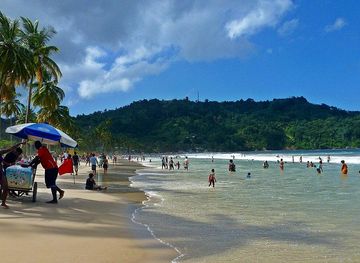
Discover Trinidad and Tobago: A Caribbean paradise where vibrant culture meets stunning natural beauty, offering unique experiences from lively festivals to serene beaches.
Explore Trinidad and Tobago