
Couva-Tabaquite-Talparo, Trinidad and Tobago Travel Guide
Discover the Heart of Trinidad: Couva-Tabaquite-Talparo offers a blend of nature, history, and culture in a serene Caribbean setting.
Nestled in the heart of Trinidad, Couva-Tabaquite-Talparo is a district that offers a delightful mix of nature, culture, and history. From lush green cocoa estates to bustling local markets, this region is a haven for those seeking a genuine Caribbean experience. Explore the rich history of Couva, known for its sugar cane plantations and vibrant heritage. Visit the Indian Caribbean Museum to discover the stories of the Indian community in Trinidad. For those who love nature, the Caroni Swamp is a must-visit. Home to the beautiful Scarlet Ibis, this swamp offers a unique bird-watching experience. Tabaquite is a gem for adventure seekers. The stunning Tamana Caves are perfect for spelunking enthusiasts, while the nearby rivers and waterfalls provide ideal spots for hiking and picnicking. Don’t miss the chance to visit the historic Caparo Valley Brasso Railway Station, a relic of the past that tells the story of Trinidad’s railway history. Talparo, with its serene landscapes, is perfect for a relaxing getaway. Enjoy the peaceful countryside and visit local farms to experience the agricultural life of Trinidad. The friendly locals will make you feel at home, sharing stories and traditions that have been passed down through generations.

Know before you go
Hi, I'm Eve. Here are a few practical things to know before exploring Couva-Tabaquite-Talparo.
- Visit the Caroni Swamp in the late afternoon to see the Scarlet Ibis return to their roosts.
- Wear comfortable shoes and bring a flashlight when exploring the Tamana Caves.
- Try local delicacies at the Couva market for an authentic taste of Trinidad.
- Hire a local guide for a more informative tour of the Indian Caribbean Museum.
- Check the weather before planning a hike in Tabaquite to avoid the rainy season.
Top City Travel Guides in Couva-Tabaquite-Talparo
The cities of Couva-Tabaquite-Talparo, and the easiest places to base yourself.



Explore Couva-Tabaquite-Talparo: Things to Do, Places to Eat, Hotels & More
Handpicked recommendations for top attractions, local dining, accommodations, and more

Top Attractions & Sightseeing in Couva-Tabaquite-Talparo
Top-rated picks
Best Attractions
Browse the full guide
All Attractions

Five Islands Water & Amusement Park
Experience a thrilling day of fun at Five Islands Water & Amusement Park, where adventure meets relaxation on the beautiful Chagville Beach.

Harry's Water Park
Experience endless summer fun at Harry's Water Park, where thrilling water slides and relaxation await every visitor in Trinidad!

The Arima Dial
Discover the charm and cultural significance of The Arima Dial, a historical landmark in the heart of Trinidad's vibrant Arima town.

Skallywag Bay
Discover the thrill of adventure and fun-filled experiences at Skallywag Bay, the ultimate theme park in Chaguramas, Trinidad.

Best landmarks in Couva-Tabaquite-Talparo
Top-rated picks
Best Landmarks
Browse the full guide
All Landmarks

Fort King George
Discover the captivating history and stunning views at Fort King George, Tobago's premier historical landmark, steeped in colonial charm and natural beauty.

Harry's Water Park
Experience fun and adventure at Harry's Water Park, Trinidad's premier water attraction for families and thrill-seekers.

Tobago
Explore the pristine beaches, lush rainforests, and vibrant culture of Tobago, a Caribbean paradise that offers adventure and relaxation for every traveler.

La Vega Estate
Discover the serene beauty of La Vega Estate, Trinidad’s premier nature preserve, ideal for relaxation and adventure amidst lush landscapes.

Best restaurants in Couva-Tabaquite-Talparo
Top-rated picks
Best Restaurants
Browse the full guide
All Restaurants

Krave
Experience exquisite dining at Krave in San Fernando—where Trinidad's culinary traditions meet modern flair.

Abraham's Grill Hut
Experience authentic Caribbean flavors at Abraham's Grill Hut in Charlieville – where every bite tells a story.

Food Time
Discover authentic Trinidadian flavors at Food Time, Arouca's beloved eatery offering delicious meals at affordable prices.

Touch n Taste
Discover authentic Trinidadian flavors at Touch n Taste - a vibrant restaurant in Couva offering delicious dishes made from local ingredients.

Best bars in Couva-Tabaquite-Talparo
Top-rated picks
Best Bars
Browse the full guide
All Bars

Chait's Bar & Grill
Discover the vibrant tastes of the Caribbean at Chait's Bar & Grill, a must-visit dining destination in Preysal.

Nice Place Bar
Discover the lively ambiance of Nice Place Bar in Carapichaima, where great drinks and friendly faces create unforgettable memories.

La Penca Bar & Grill
Experience the vibrant flavors and lively atmosphere at La Penca Bar & Grill, a top destination for delicious grilled dishes in Freeport.

Samkiss Bar
Experience the lively spirit of Carapichaima at Samkiss Bar, where friendly service meets affordable drinks in a vibrant atmosphere.

Best nightclubs in Couva-Tabaquite-Talparo
Top-rated picks
Best Nightclubs
Browse the full guide
All Nightclubs

The Lazy Lizard
Discover the vibrant atmosphere and exciting nightlife at The Lazy Lizard, Endeavour's premier nightclub for a memorable night out.

Phoenix Bar
Discover the lively Phoenix Bar in Chaguanas, where great drinks and vibrant atmosphere create unforgettable memories.

Savana Recreation Club
Experience the vibrant atmosphere and local charm at Savana Recreation Club in Couva, a perfect spot for relaxation, drinks, and socializing.

Rush Sports Bar and Night Club
Experience the vibrant nightlife at Rush Sports Bar and Night Club in Tacarigua, where sports meet entertainment in a lively atmosphere.

Best shops in Couva-Tabaquite-Talparo
Top-rated picks
Best Shops
Browse the full guide
All Shops

Atlantic Plaza
Explore Atlantic Plaza, Couva's premier shopping destination, featuring diverse stores, delightful dining, and a vibrant local atmosphere.

Couva Shopping Complex
Experience shopping, dining, and local culture at the Couva Shopping Complex - a vibrant hub for tourists and locals.

Couva Market
Experience the vibrant colors and tastes of the Caribbean at Couva Market, where local culture and fresh produce come alive.

Kootis Couture
Explore Kootis Couture in Couva for unique formal wear and bridal styles that redefine elegance and sophistication.

Explore Couva-Tabaquite-Talparo on the Map
A handpicked selection of must-see spots in Couva-Tabaquite-Talparo, mapped for you.
Couva-Tabaquite-Talparo Essentials
-
Couva-Tabaquite-Talparo is located in the central region of Trinidad and Tobago. The nearest international airport is Piarco International Airport in Piarco, which is about 30-40 kilometers away. From the airport, you can rent a car, take a taxi, or use a ridesharing service to reach Couva-Tabaquite-Talparo. Public buses and private shuttle services are also available but may be less convenient.
-
Transportation within Couva-Tabaquite-Talparo can be managed through a variety of means. Taxis and ridesharing services are readily available and relatively affordable. Public buses and 'maxi taxis' (shared minibuses) operate on fixed routes and are an economical option for getting around. Renting a car provides the most flexibility, especially if you plan to explore the more rural areas. Bicycles can be rented in some parts of the region for a more eco-friendly mode of travel.
-
The official currency in Trinidad and Tobago is the Trinidad and Tobago Dollar (TTD). Credit and debit cards are widely accepted in hotels, restaurants, and larger shops, but it is advisable to carry some cash, especially if you plan to visit smaller establishments or rural areas. ATMs are available in major towns and cities, but it's a good idea to withdraw sufficient cash before heading into less populated regions.
-
While Couva-Tabaquite-Talparo is generally safe for tourists, it is important to take standard precautions. Avoid walking alone at night in unfamiliar areas and be cautious in more isolated regions. Petty theft can occur, so keep an eye on your belongings in crowded places. Some areas with higher crime rates targeting tourists include certain parts of Couva and surrounding towns. Always stay aware of your surroundings and use reputable transportation services.
-
In case of an emergency, dial 999 for police assistance, 990 for the fire department, and 811 for medical emergencies. There are local police stations and medical facilities available in the region. It's advisable to have travel insurance that covers medical emergencies. Pharmacies are accessible in major towns for minor health issues and over-the-counter medications.
-
Fashion: Do dress modestly, especially in rural areas and religious sites. Avoid overly revealing clothing. Religion: Do respect local customs and traditions. Remove your shoes and cover your head when visiting religious sites. Public Transport: Do be respectful and give up your seat to elderly passengers. Avoid eating and drinking on public transport. Greetings: Do greet people with a friendly 'Good morning' or 'Good afternoon.' Handshakes are common. Eating & Drinking: Do try local foods and drinks. When offered a meal, accept graciously. Avoid refusing hospitality as it may be considered impolite.
-
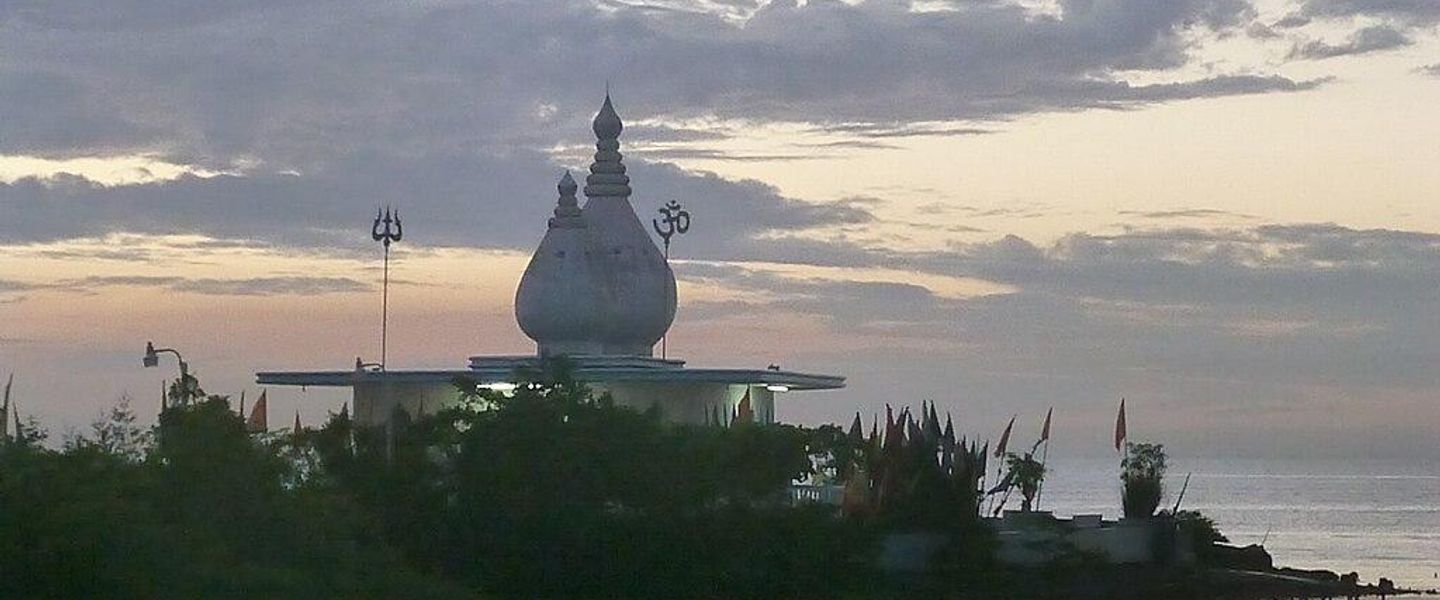
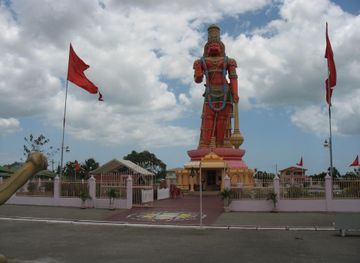
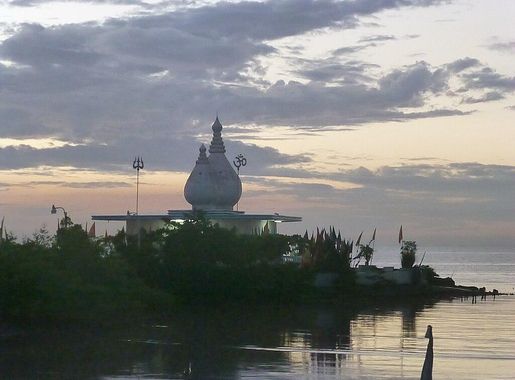
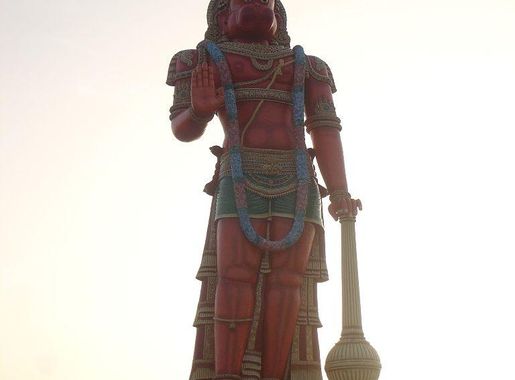
To experience Couva-Tabaquite-Talparo like a local, visit the Couva Market or the Tabaquite Farmers' Market for fresh produce and local goods. Engage with the locals, who are often friendly and eager to share stories about their community. Don't miss visiting the Temple in the Sea at Waterloo and the nearby Hanuman Murti, both of which offer insights into the region's rich cultural tapestry. For a unique experience, explore the natural beauty of the Central Range or take a hike through the lush forests of the Tamana Caves.
When is the best time to visit Couva-Tabaquite-Talparo?
Useful Local Phrases for Couva-Tabaquite-Talparo
You don't need to speak the language perfectly. Even learning a few simple words can make conversations warmer—and locals usually appreciate the effort.
— Eve

Here are the phrases I use most often in Couva-Tabaquite-Talparo. Try a few—you'll be surprised how far they go! 😊
❤️
-
- HelloHello
[Heh-loh] - GoodbyeGoodbye
[Good-bye] - YesYes
[Yes] - NoNo
[No] - Please/You're welcomePlease/You welcome
[Pleez/Yooh wel-kum] - Thank youThank you
[Thank yuh] - Excuse me/SorryExcuse me/Sorry
[Ex-kyoos meh/Sor-ee] - How are you?How yuh doing?
[How yuh do-in?] - Fine. And you?I good. And you?
[I gud. And yuh?] - Do you speak English?Yuh does speak English?
[Yuh dez speek In-glish?] - I don't understandI eh understand
[I eh un-der-stand]
- HelloHello
-
- I'd like to see the menu, pleaseI would like to see the menu, please
[I wud laik to see de men-yu, pleez] - I don't eat meatI eh eat meat
[I eh eet meet] - Cheers!Cheers!
[Cheerz!] - I would like to pay, pleaseI would like to pay, please
[I wud laik to pay, pleez]
- I'd like to see the menu, pleaseI would like to see the menu, please
-
- Help!Help!
[Help!] - Go away!Go away!
[Go away!] - Call the Police!Call de Police!
[Call de Po-lees!] - Call a doctor!Call a doctor!
[Call a dok-tah!] - I'm lostI lost
[I lost] - I'm illI sick
[I sik]
- Help!Help!
-
- I'd like to buy...I would like to buy...
[I wud laik to bai...] - I'm just lookingI just looking
[I jus luk-ing] - How much is it?How much it cost?
[How much it cost?] - That's too expensiveDat too expensive
[Dat too expen-siv] - Can you lower the price?Yuh could lower de price?
[Yuh kud low-er de prys?]
- I'd like to buy...I would like to buy...
-
- What time is it?Wha time it is?
[Wha taim it is?] - It's one o'clockIt one o'clock
[It wan o'clock] - Half past (10)Half past ten
[Half past ten] - MorningMorning
[Morn-ing] - AfternoonAfternoon
[Af-ter-noon] - EveningEvening
[Eve-ning] - YesterdayYesterday
[Yes-ter-day] - TodayToday
[To-day] - TomorrowTomorrow
[To-mor-row] - 11
[1] - 22
[2] - 33
[3] - 44
[4] - 55
[5] - 66
[6] - 77
[7] - 88
[8] - 99
[9] - 1010
[10]
- What time is it?Wha time it is?
-
- Where's a/the...?Wha de...?
[Wha de...?] - What's the address?Wha de address?
[Wha de ad-dress?] - Can you show me (on the map)?Yuh could show me (on de map)?
[Yuh kud sho me (on de map)?] - When's the next (bus)?When next (bus)?
[When next (bus)?] - A ticket (to ....)A ticket (to ...)
[A tik-it (to ...)]
- Where's a/the...?Wha de...?
History of Couva-Tabaquite-Talparo
-
Long before the arrival of European explorers, the area now known as Couva-Tabaquite-Talparo was inhabited by the indigenous Amerindian tribes, particularly the Arawaks and Caribs. These tribes lived off the land, fishing in the coastal areas and farming in the fertile valleys. Evidence of their presence can still be found in various archaeological sites, including pottery and tools.
-
The arrival of Spanish colonizers in the late 15th century marked the beginning of significant changes for the region. However, it was during the British colonial period that Couva-Tabaquite-Talparo saw the establishment of large sugar plantations. The fertile soil and favorable climate made it an ideal location for sugar cane cultivation. The labor force was initially composed of African slaves who were later replaced by indentured laborers from India after the abolition of slavery in 1834.
-
In the late 19th and early 20th centuries, the region diversified its agricultural output with the introduction of cocoa plantations. The Couva-Tabaquite-Talparo area became one of the key producers of high-quality cocoa beans in Trinidad and Tobago. This period saw the establishment of numerous cocoa estates, contributing significantly to the local economy and culture.
-
Following the abolition of slavery, British colonial authorities began importing indentured laborers from India to work on the plantations. This led to the significant Indian diaspora in Trinidad and Tobago, particularly in the Couva-Tabaquite-Talparo region. The Indian community brought with them their rich cultural traditions, including festivals like Diwali and Eid, as well as culinary influences that continue to shape the local culture today.
-
The discovery of oil in the early 20th century marked a new chapter in the history of Couva-Tabaquite-Talparo. The area became a hub for the burgeoning oil industry, leading to rapid industrialization and economic growth. This period saw the construction of infrastructure such as roads, schools, and hospitals, transforming the region into a modern, industrious community.
-
Couva-Tabaquite-Talparo is renowned for its vibrant cultural festivals that reflect its diverse heritage. Phagwa (Holi), Hosay, and Carnival are celebrated with great enthusiasm, each bringing the community together in a colorful display of music, dance, and traditional rituals. These festivals offer a glimpse into the rich tapestry of cultural influences that define the region.
-
In recent years, there has been a growing awareness of the need to preserve the natural beauty and biodiversity of Couva-Tabaquite-Talparo. Efforts have been made to protect areas like the Gran Couva Forest, which is home to a variety of flora and fauna unique to Trinidad and Tobago. Local organizations and government initiatives are working towards sustainable development and environmental conservation.
Neighbouring Regions of Couva-Tabaquite-Talparo
The closest regions to Couva-Tabaquite-Talparo, if you have time for more than one.



Your all‑in‑one travel companion app
Explore expert travel guides, compare and book tours, experiences, hotels, and more—all from the palm of your hand. Download now for seamless trip planning wherever your wanderlust takes you.


Explore More of Trinidad and Tobago
Looking beyond Couva-Tabaquite-Talparo? Discover Trinidad and Tobago for broader travel guides, local hot-spots, and regional highlights.
Explore Trinidad and TobagoCouva-Tabaquite-Talparo in Photos
Browse through our photo collection highlighting the charm and character of the destination.




The Heart of Trinidad: Couva-Tabaquite-Talparo
Nestled in the heart of Trinidad, Couva-Tabaquite-Talparo is a district that offers a delightful mix of nature, culture, and history. From lush green cocoa estates to bustling local markets, this region is a haven for those seeking a genuine Caribbean experience. Explore the rich history of Couva, known for its sugar cane plantations and vibrant heritage. Visit the Indian Caribbean Museum to discover the stories of the Indian community in Trinidad. For those who love nature, the Caroni Swamp is a must-visit. Home to the beautiful Scarlet Ibis, this swamp offers a unique bird-watching experience. Tabaquite is a gem for adventure seekers. The stunning Tamana Caves are perfect for spelunking enthusiasts, while the nearby rivers and waterfalls provide ideal spots for hiking and picnicking. Don’t miss the chance to visit the historic Caparo Valley Brasso Railway Station, a relic of the past that tells the story of Trinidad’s railway history. Talparo, with its serene landscapes, is perfect for a relaxing getaway. Enjoy the peaceful countryside and visit local farms to experience the agricultural life of Trinidad. The friendly locals will make you feel at home, sharing stories and traditions that have been passed down through generations.