

Free St. David Travel Guide & Mobile App
Explore St. David with free travel guides. Discover regional history, expert tips, proposed trips, and audio guides on web or mobile app.


Explore St David in Tobago for forest trails, Argyle Waterfall, rural villages, cocoa country and the green hills of the island’s eastern interior.
Read more about St. David
When is the best time to visit St. David?
Best: January–March · 30–31°C| Month | High (°C) | Rainfall (mm) |
|---|---|---|
| January (best) | 30 | 80 |
| February (best) | 30 | 70 |
| March (best) | 31 | 80 |
| April | 31 | 90 |
| May | 32 | 100 |
| June | 32 | 120 |
| July | 32 | 110 |
| August | 32 | 110 |
| September | 32 | 100 |
| October | 32 | 90 |
| November | 31 | 80 |
| December | 31 | 90 |
Getting to and around St. David
How to get there
Transportation
Destinations in St. David
Resorts, valleys and scenic spots worth a trip of their own.

Swipe for more destinations
Best attractions in St. David
St David’s attractions centre on forest, water, agriculture and rural landscapes rather than a dense collection of museums or large commercial venues. Argyle Waterfall is the parish’s best-known natural excursion, with a forest trail leading to cascades and pools in a lush valley near Roxborough. Its appeal lies in the combination of accessible walking, tropical vegetation and flowing water, although conditions can become slippery after rain. Roxborough and its surrounding villages provide a starting point for exploring Tobago’s inland scenery, local produce and community life. Guided walks in the wider forested uplands offer opportunities for birdwatching and learning about native plants, watersheds and traditional cultivation. Cocoa and small-farm experiences, where locally arranged, help explain how the parish’s hills are used for crops including cocoa, plantains and root vegetables. The wider Main Ridge Forest Reserve is relevant to St David’s environmental setting, but it extends beyond the parish and should not be treated as wholly contained within it. Visitors seeking a more varied itinerary can combine St David with coastal and heritage attractions elsewhere in Tobago, provided they recognise that these are separate parts of the island rather than attractions within the parish.
-
Bay
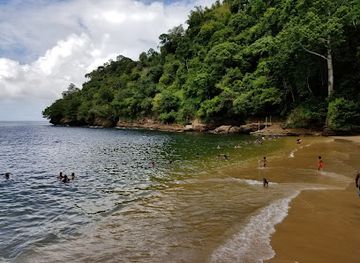
Paragrant Bay
Discover the tranquil beauty of Paragrant Bay, a coastal gem in Trinidad and Tobago, offering adventure, relaxation, and breathtaking scenery.
-
Hiking area
Balandra Basins
Experience the breathtaking beauty of Balandra Basins, a serene hiking area in Trinidad and Tobago, perfect for nature lovers and adventure seekers.
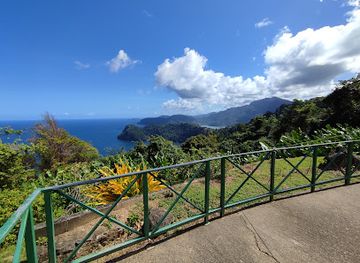

Best landmarks in St. David
Argyle Waterfall is St David’s most recognisable natural landmark, its stepped cascades marking the point where water descends through dense vegetation near Roxborough. The falls are significant not only as a visitor site but also as part of the parish’s network of forested streams and watersheds. Roxborough itself functions as St David’s principal civic landmark in a broader sense: its public buildings, commercial centre and surrounding roads anchor the inland communities of the parish. The wooded hills and cultivated slopes around the town form a distinctive landscape landmark, showing the meeting of Tobago’s forest heritage and working countryside. The wider Main Ridge is an important environmental presence, but it spans more than one part of Tobago and should be understood as an island-wide forest landscape rather than a landmark belonging solely to St David. Visitors interested in Tobago’s colonial forts and major historic architecture will need to travel outside the parish, especially towards Scarborough, rather than confusing those sites with St David’s rural landmarks.
-
Park
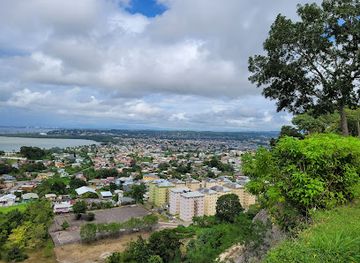
San Fernando Hill
Explore the stunning vistas and rich history at San Fernando Hill, Trinidad's premier park and tourist attraction, perfect for nature lovers and families.
-
Catholic church
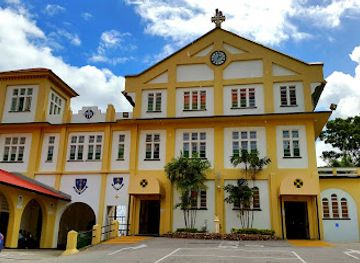
Mount St. Benedict Abbey
Experience the serene beauty and spiritual heritage of Mount St. Benedict Abbey in Saint Augustine, Trinidad, a must-visit for peace-seeking travelers.
-
Park
Chaguaramas Boardwalk
Experience the vibrant atmosphere and stunning views at Chaguaramas Boardwalk, a must-visit park and tourist attraction in Trinidad.
-
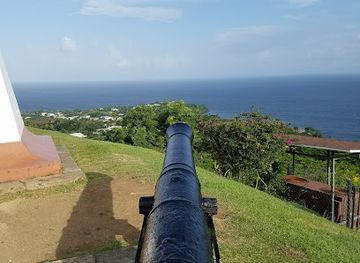
Historical landmark
Fort King George
Explore Fort King George: A Historical Landmark in Scarborough, Tobago, Rich in Heritage and Scenic Views.
Explore St. David on the map
Plan your trip on one map. See where the top cities, national parks and sights are, and book hotels and experiences in a few clicks.
Best hotels in St. David
Best restaurants in St. David
Dining in St David is shaped by Tobago’s Creole and Caribbean food traditions, local agriculture and the practical rhythm of small settlements. Around Roxborough, visitors are more likely to find informal eateries, takeaway counters, village shops and roadside sellers than a large restaurant district. Menus may include rice and peas, provisions, plantains, stewed or grilled meats, fish, callaloo and other dishes associated with Trinidad and Tobago, with availability changing according to the day and season. Fresh fruit, coconut-based preparations and locally grown cocoa reflect the parish’s agricultural surroundings. Small establishments may have limited hours and payment facilities, so it is sensible to ask locally and carry cash. More extensive restaurant choice is found in Tobago’s larger visitor centres outside St David, while the parish is best experienced through modest local dining, farm produce and community-based food stops rather than formal culinary tourism. Visitors should distinguish Tobago’s shared national and Caribbean food culture from dishes that are specifically produced in St David.
-
Restaurant
Town Restaurant & Bar
Experience the vibrant flavors of Trinidad at Town Restaurant & Bar, where local cuisine meets lively ambiance in Port of Spain.
-
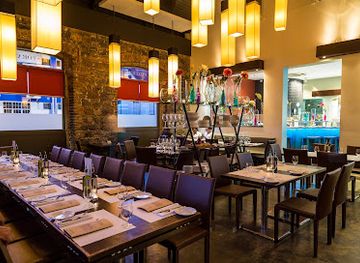
Italian
Buzo Osteria Italiana
Experience authentic Italian cuisine at Buzo Osteria Italiana in Port of Spain—where flavor meets tradition.
-
Seafood
Richard's Bake & Shark
Experience the iconic bake and shark at Richard's Bake & Shark in Maracas Bay—where fresh seafood meets stunning coastal views.
-
Japanese
Samurai Restaurant
Discover exquisite Japanese dining at Samurai Restaurant in Port of Spain - indulge in sushi and teppanyaki crafted by expert chefs.
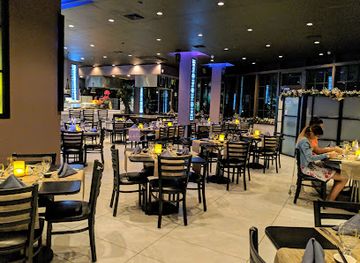
Best bars in St. David
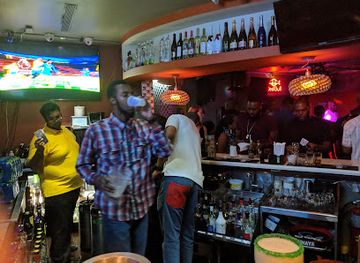
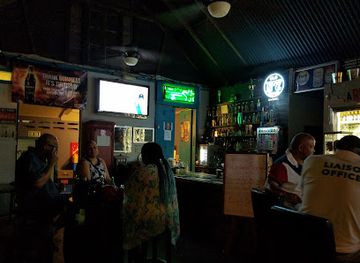
St David has a quiet evening culture rather than a concentrated nightclub scene. Social life is generally found in local rum shops, small bars, informal eateries and community settings around Roxborough and neighbouring settlements, where conversation and familiar Caribbean hospitality are more central than late-night entertainment. Some establishments serve local beer, spirits and rum-based drinks, but visitors should not assume that every venue operates late or accepts cards. Nightclubs and larger entertainment options are more strongly associated with Tobago’s busier centres outside the parish, particularly around Scarborough and the south-western resort area. In St David, evenings are better suited to a relaxed meal, a locally guided cultural encounter or an early return after a day outdoors. Arrange transport before drinking, as rural roads can be poorly lit and taxis may not be immediately available.
-
Hotel
Hilton Trinidad & Conference Centre
Discover luxury and comfort at Hilton Trinidad & Conference Centre, your gateway to the vibrant culture of Port of Spain.
-
Italian
Buzo Osteria Italiana
Experience authentic Italian cuisine at Buzo Osteria Italiana, a culinary gem in Port of Spain, Trinidad, where every dish tells a delicious story.
-
Bar
Frankie’s Bar
Discover the vibrant nightlife of Port of Spain at Frankie’s Bar, where great drinks and live music create unforgettable memories.
-
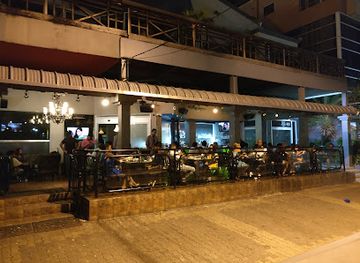
Bar
The Avenue Pub House
Experience the lively atmosphere and delightful flavors at The Avenue Pub House in the heart of Port of Spain, Trinidad.
Best nightclubs in St. David
St David has a quiet evening culture rather than a concentrated nightclub scene. Social life is generally found in local rum shops, small bars, informal eateries and community settings around Roxborough and neighbouring settlements, where conversation and familiar Caribbean hospitality are more central than late-night entertainment. Some establishments serve local beer, spirits and rum-based drinks, but visitors should not assume that every venue operates late or accepts cards. Nightclubs and larger entertainment options are more strongly associated with Tobago’s busier centres outside the parish, particularly around Scarborough and the south-western resort area. In St David, evenings are better suited to a relaxed meal, a locally guided cultural encounter or an early return after a day outdoors. Arrange transport before drinking, as rural roads can be poorly lit and taxis may not be immediately available.
-
Bar
The Avenue Pub House
Experience the vibrant nightlife at The Avenue Pub House, where delicious food and a lively atmosphere await in the heart of Port of Spain.
-
Pub
Brooklyn Bar
Discover the vibrant atmosphere at Brooklyn Bar, a popular pub in Port of Spain, perfect for enjoying drinks and mingling with locals.
-
Night club
VAS Lounge
Dive into the heart of Trinidad's nightlife at VAS Lounge, where electrifying music and vibrant energy await every night.
-
Night club
Ibiza Night Club & Lounge
Ibiza Night Club & Lounge: A hotspot for vibrant nightlife and unforgettable parties in Port of Spain, Trinidad.



Best shops in St. David
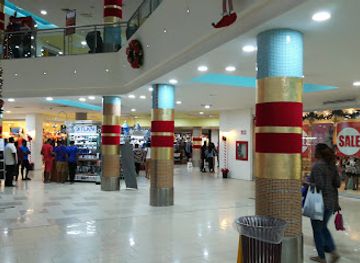
Shopping in St David is modest and local in character, with Roxborough providing the principal concentration of everyday shops, groceries, small services and seasonal produce. Roadside stalls and village vendors may offer fruit, provisions, coconut products, snacks and other foods connected with Tobago’s agricultural economy. Cocoa and chocolate products can make thoughtful souvenirs when purchased from reputable local producers, although availability varies. Visitors may also encounter handmade craft items or locally prepared goods through community events and small businesses rather than permanent specialist retail streets. For a broader selection of galleries, branded goods, craft outlets and tourism-oriented souvenirs, Scarborough and the south-western visitor centres outside St David are more practical. Carry cash for informal purchases, ask permission before photographing stalls or products, and remember that market activity can be seasonal or tied to particular community occasions rather than operating to a fixed daily schedule.
-
Shopping mall
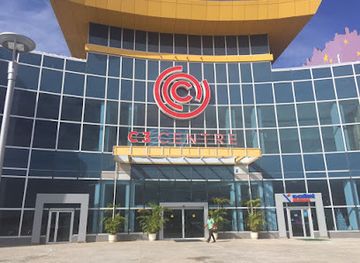
C3 Centre
Discover the vibrant shopping and dining experience at C3 Centre in San Fernando, Trinidad - a perfect blend of local culture and modern convenience.
-
Shopping mall
Trincity Mall
Explore Trincity Mall, Trinidad's vibrant shopping hub offering diverse stores, dining options, and entertainment for an unforgettable experience.
-
Shopping mall
The City of Grand Bazaar
Discover the vibrant shopping and culinary delights at the Grand Bazaar in San Juan, Trinidad, where local culture meets global brands.
-
Shopping mall
The Falls at Westmall
Shop, dine, and unwind at The Falls at Westmall, Trinidad's premier shopping destination offering a unique blend of retail and cultural experiences.
Get your free copy of our complete guide to St. David, delivered straight to you.
Everything on this page, from attractions and restaurants to essentials and local phrases, in one PDF you can read offline, print or share.
Already have an account? Sign in
Your St. David guide is ready.
We'll send it to · Not you? Sign out

Getting your guide ready…
We are putting together a fresh copy of the St. David guide. This can take up to a minute.
This can take a few moments. If your browser asks, choose Allow so the download can start. You'll find the guide in your Downloads folder.
Nothing happened? Download it again
Sorry, the guide is taking longer than usual. Please try again in a minute, or get it by email instead.
St. David essentials
Currency and Payment
Safety
Emergency Situations
Do's and Don'ts
Local Tips
From Eve
Local phrases worth knowing
You don't need to get them perfect. A few words go a long way, and locals appreciate the effort.
Basics
| English | Local | Say it |
|---|---|---|
| Hello | Hello | [Heh-loh] |
| Goodbye | Goodbye | [Good-bye] |
| Yes | Yes | [Yes] |
| No | No | [No] |
| Please/You're welcome | Please/You're welcome | [Pleez/Yor wel-kum] |
| Thank you | Thank you | [Thank yuh] |
| Excuse me/Sorry | Excuse me/Sorry | [Ex-kyoos meh/Sor-ree] |
| How are you? | How yuh doing? | [How yuh doo-ing?] |
| Fine. And you? | All good. And yuh? | [All good. And yuh?] |
| Do you speak English? | Yuh does speak English? | [Yuh dahs speek Ing-lish?] |
| I don't understand | I doh understand | [I doh un-der-stand] |
Eating & Drinking
| English | Local | Say it |
|---|---|---|
| I'd like to see the menu, please | Ah would like to see the menu, please | [Ah wud like to see de men-yu, pleez] |
| I don't eat meat | Ah doh eat meat | [Ah doh eet meet] |
| Cheers! | Cheers! | [Cheers!] |
| I would like to pay, please | Ah would like to pay, please | [Ah wud like to pay, pleez] |
Emergencies
| English | Local | Say it |
|---|---|---|
| Help! | Help! | [Help!] |
| Go away! | Go way! | [Go way!] |
| Call the Police! | Call de Police! | [Call de Po-lees!] |
| Call a doctor! | Call ah doctor! | [Call ah doc-tor!] |
| I'm lost | Ah lost | [Ah lost] |
| I'm ill | Ah sick | [Ah sik] |
Shopping
| English | Local | Say it |
|---|---|---|
| I'd like to buy... | Ah would like to buy... | [Ah wud like to buy...] |
| I'm just looking | Ah just looking | [Ah just looking] |
| How much is it? | How much it cost? | [How much it cost?] |
| That's too expensive | Dat too expensive | [Dat too ex-pens-ive] |
| Can you lower the price? | Yuh could lower de price? | [Yuh cud low-er de price?] |
Time & Numbers
| English | Local | Say it |
|---|---|---|
| What time is it? | Wha time it? | [Wha time it?] |
| It's one o'clock | It one o'clock | [It one o'clock] |
| Half past (10) | Half past ten | [Half past ten] |
| Morning | Morning | [Morning] |
| Afternoon | Afternoon | [Afternoon] |
| Evening | Evening | [Evening] |
| Yesterday | Yesterday | [Yes-ter-day] |
| Today | Today | [To-day] |
| Tomorrow | Tomorrow | [To-mor-row] |
| 1 | One | [One] |
| 2 | Two | [Two] |
| 3 | Three | [Three] |
| 4 | Four | [Four] |
| 5 | Five | [Five] |
| 6 | Six | [Six] |
| 7 | Seven | [Seven] |
| 8 | Eight | [Eight] |
| 9 | Nine | [Nine] |
| 10 | Ten | [Ten] |
Transport & Directions
| English | Local | Say it |
|---|---|---|
| Where's a/the...? | Wha de...? | [Wha de...?] |
| What's the address? | Wha de address? | [Wha de ad-dress?] |
| Can you show me (on the map)? | Yuh could show meh (on de map)? | [Yuh cud show meh (on de map)?] |
| When's the next (bus)? | When de next (bus)? | [When de next (bus)?] |
| A ticket (to ....) | One ticket (to ....) | [One tick-et (to ....)] |
History of St. David
Indigenous Tobago Before European Colonisation
Before European rule, Tobago was inhabited and visited by Indigenous peoples moving through the Lesser Antilles and the wider Caribbean. The island’s forests, rivers and fertile clearings supported fishing, hunting, gathering and cultivation. Although the surviving physical evidence is more limited than at some other Caribbean sites, Indigenous history forms an important part of Tobago’s deeper cultural landscape. The hills and waterways around modern St David were not an untouched wilderness before colonial settlement; they belonged to an established Caribbean environment shaped by human movement and use.
European Rivalry and Changing Colonial Rule
From the seventeenth century, Tobago was contested by European powers including the Dutch, Courlanders, French and British. Settlements, plantations and military claims shifted as imperial rivalry affected the island. Britain gained control under the Treaty of Paris in 1763, though French influence and later conflicts continued to shape Tobago’s political history. St David’s present-day rural character developed within this wider colonial setting, as interior valleys and uplands were connected to coastal plantations, ports and administrative centres.
Plantations, Enslavement and Emancipation
Tobago’s colonial economy was built largely on plantation agriculture, including sugar and later crops such as cotton and provisions. Enslaved Africans provided the labour that sustained the plantation system, while European landowners controlled much of the island’s political and economic power. Emancipation in the British Caribbean took effect in the 1830s, transforming labour relationships but not immediately removing economic inequality. The farms and settlements of Tobago’s interior must therefore be understood alongside the history of slavery, resistance, emancipation and the creation of Afro-Tobagonian communities.
Agriculture and the Rise of Cocoa
After the decline of some plantation enterprises, Tobago’s economy became increasingly associated with smaller farms and crops suited to its varied terrain. Cocoa gained importance during the nineteenth and early twentieth centuries, joining coconuts, sugar and food crops in the island’s agricultural story. The shaded, humid conditions of Tobago’s hills supported cocoa cultivation, and rural districts around Roxborough retained strong connections to farming. Contemporary interest in local cocoa and chocolate reflects this agricultural inheritance, even though production has changed considerably over time.
Union with Trinidad in 1889
Tobago was administratively united with Trinidad in 1889, ending its separate colonial administration and creating the territorial arrangement that eventually became Trinidad and Tobago. The union connected Tobago more closely to Trinidad’s larger economy and political institutions, although Tobago retained a distinct island identity and different social geography. St David’s rural communities were affected by changes in administration, transport and commerce, while the island continued to depend heavily on agriculture and local networks.
Independence and Tobago’s Regional Institutions
Trinidad and Tobago became independent from Britain in 1962, with Tobago remaining one of the country’s two principal islands. Debates over Tobago’s development and autonomy later contributed to the establishment of the Tobago House of Assembly in 1980, which received expanded responsibilities through subsequent legislation. St David’s communities participate in this distinct Tobagonian civic identity while remaining part of the national state. Modern tourism, conservation and heritage initiatives now sit alongside farming and community life as important influences on the parish.
St. David in Photos
Browse through our photo collection highlighting the charm and character of the destination.
Neighbouring regions of St. David
The closest regions to St. David, if you have time for more than one.
-

-

-

-

-


Swipe for more regions
Explore more
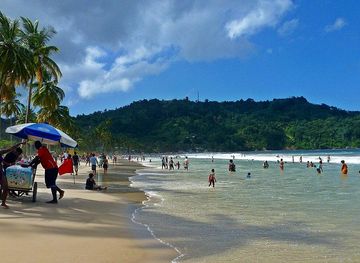
Explore more of Trinidad and Tobago
Discover Trinidad and Tobago: A Caribbean paradise where vibrant culture meets stunning natural beauty, offering unique experiences from lively festivals to serene beaches.
Explore Trinidad and Tobago