

Free Tobago Travel Guide & Mobile App
Explore Tobago with free travel guides. Discover regional history, expert tips, proposed trips, and audio guides on web or mobile app.


Discover the serene beauty of Tobago, where pristine beaches, lush rainforests, and vibrant marine life create the ultimate Caribbean escape.
Read more about Tobago
When is the best time to visit Tobago?
Best: January–March · 29–30°C| Month | High (°C) | Rainfall (mm) |
|---|---|---|
| January (best) | 29 | 60 |
| February (best) | 29 | 40 |
| March (best) | 30 | 50 |
| April | 30 | 70 |
| May | 31 | 90 |
| June | 31 | 120 |
| July | 30 | 130 |
| August | 30 | 140 |
| September | 30 | 150 |
| October | 30 | 160 |
| November | 30 | 140 |
| December | 29 | 120 |
Getting to and around Tobago
How to get there
Transportation
Top city travel guides in Tobago
The cities of Tobago, and the easiest places to base yourself.

Swipe for more cities
Destinations in Tobago
Resorts, valleys and scenic spots worth a trip of their own.
-

-

-


Swipe for more destinations
Best attractions in Tobago
Tobago offers a tapestry of natural beauty and historical intrigue that captivates every visitor. Begin your journey with the pristine beaches of Pigeon Point, where turquoise waters and powdery sands create a tropical paradise. Explore the lush Main Ridge Forest Reserve, the oldest protected rainforest in the Western Hemisphere, teeming with exotic birds and vibrant flora. Discover the island's rich history at Fort King George, offering panoramic views and a glimpse into colonial past. For underwater enthusiasts, Buccoo Reef presents a kaleidoscope of marine life and stunning coral formations, perfect for snorkeling or glass-bottom boat tours. Don't miss the enchanting Nylon Pool, a shallow crystal-clear lagoon where you can wade and soak in the sun. Whether it's the vibrant local culture in Scarborough or the serene beauty of Argyle Waterfall, Tobago promises an unforgettable blend of adventure and relaxation.
-
Tourist attraction
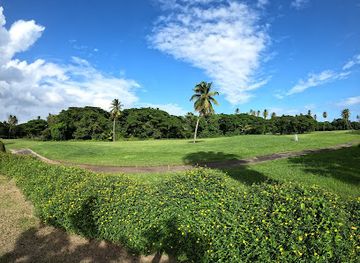
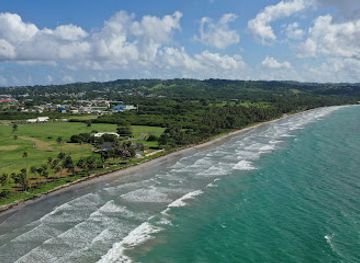
Tobago Plantations
Experience luxurious relaxation and premier golfing at Tobago Plantations, a tropical gem in the heart of Lowlands, Trinidad and Tobago.
-
Tourist attraction
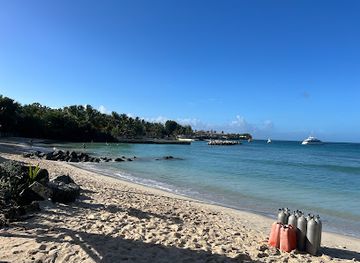
Swallow's Beach
Experience the natural beauty and tranquility of Swallow's Beach in Crown Point, Tobago, an idyllic getaway for relaxation and adventure.
-
Tourist attraction
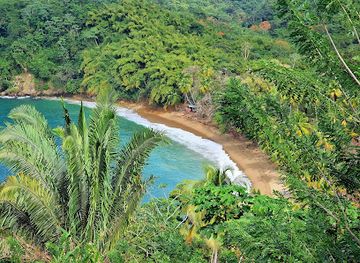
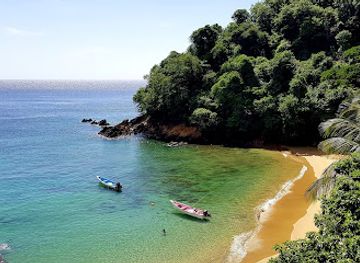
Englishman's Bay
Experience the tranquility and breathtaking beauty of Englishman's Bay, Tobago's hidden gem perfect for relaxation and adventure.
-
Nature preserve
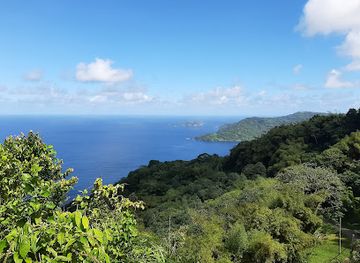
Tobago Main Ridge Forest Reserve
Explore the lush beauty of Tobago Main Ridge Forest Reserve, a UNESCO World Heritage site filled with vibrant wildlife and stunning hiking trails.
Best landmarks in Tobago
Tobago, a gem in the Caribbean, invites you to explore its rich tapestry of landmarks, each narrating a unique story. Start with the enchanting Buccoo Reef, a vibrant underwater garden perfect for snorkeling and glass-bottom boat tours. Discover the historical and architectural marvels of Fort King George, offering panoramic views and a glimpse into the island's colonial past. Delve into the lush Main Ridge Forest Reserve, the oldest protected rainforest in the Western Hemisphere, ideal for hiking and bird watching. Marvel at the majestic Argyle Waterfall, a cascading natural wonder surrounded by verdant foliage. Don't miss the picturesque Pigeon Point Beach, with its iconic jetty and crystal-clear waters, perfect for relaxation and watersports. Each landmark in Tobago promises a captivating blend of natural beauty, historical intrigue, and cultural richness.
-
Historical landmark
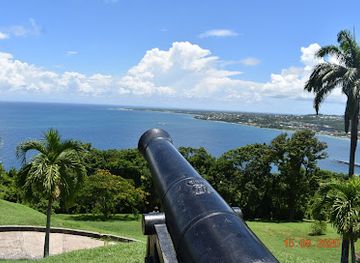
Fort King George
Discover the rich colonial history and breathtaking views at Fort King George, Tobago's premier historical landmark.
-
Tourist attraction
Tobago Plantations
Experience the perfect blend of luxury and adventure at Tobago Plantations, a premier resort and golf destination in Trinidad and Tobago.
-
Island
Tobago
Explore Tobago, a paradise of stunning beaches, rich culture, and vibrant wildlife, offering unforgettable experiences in the heart of the Caribbean.
-
National park
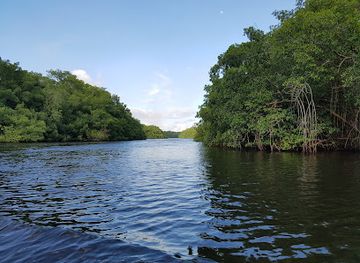
Caroni Bird Sanctuary
Immerse yourself in the serene beauty of Caroni Bird Sanctuary, Trinidad's premier destination for birdwatching and natural exploration.
Explore Tobago on the map
Plan your trip on one map. See where the top cities, national parks and sights are, and book hotels and experiences in a few clicks.
Best hotels in Tobago
Best restaurants in Tobago
Tobago's dining scene is a vibrant mosaic of flavors and cultures, offering visitors a tantalizing journey through Caribbean cuisine. Expect to savor fresh seafood delicacies like grilled lobster, conch fritters, and the island's signature dish, curried crab and dumplings, all seasoned with local spices. Street food vendors and beachside shacks serve up mouth-watering doubles, roti, and bake and shark, providing an authentic taste of Tobago's culinary heritage. For a more refined experience, elegant restaurants blend traditional recipes with contemporary twists, often accompanied by breathtaking ocean views. The island's rich cultural history is reflected in its diverse food offerings, with influences from African, Indian, European, and indigenous traditions, ensuring a dining adventure that is as varied as it is delicious.
-
Restaurant
Seahorse Restaurant & Bar
Experience exceptional Caribbean cuisine with breathtaking ocean views at Seahorse Restaurant & Bar in Black Rock, Tobago.
-
Italian
La Tartaruga
Experience authentic Italian cuisine and fine wines at La Tartaruga in beautiful Buccoo, Tobago.
-
Restaurant
Waves Restaurant + Bar
Experience exquisite dining at Waves Restaurant + Bar in Black Rock, Tobago - where culinary excellence meets stunning ocean views.
-
Italian
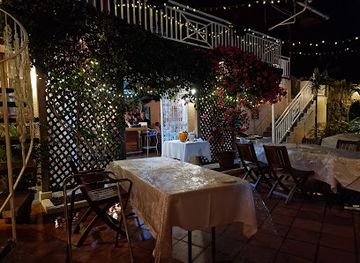
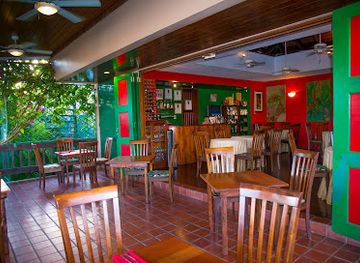
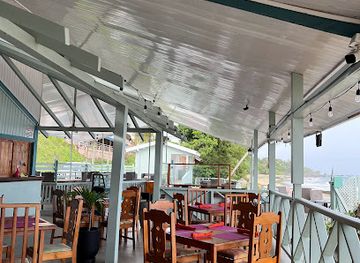
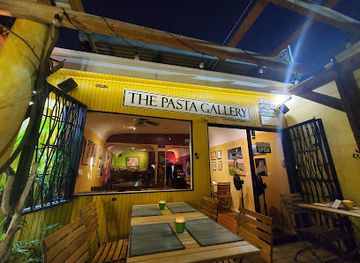
The Pasta Gallery Tobago
Discover authentic Italian cuisine at The Pasta Gallery Tobago – a culinary gem blending Italian tradition with Caribbean charm.
Best bars in Tobago
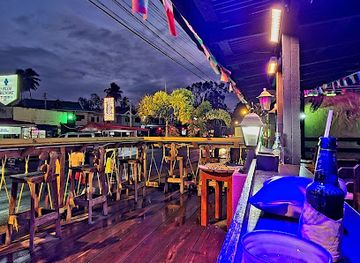
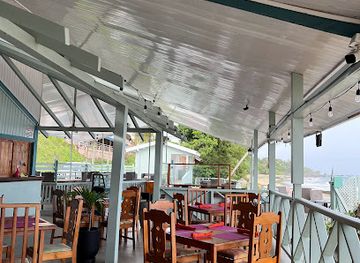
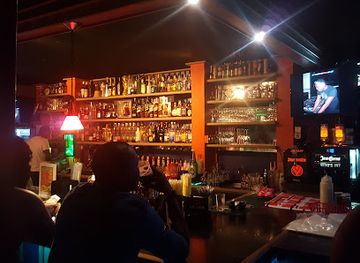
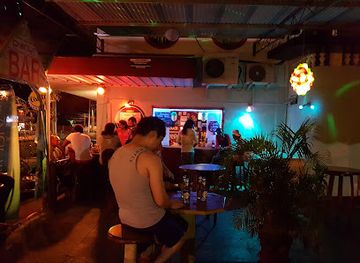
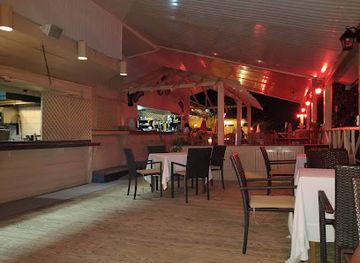
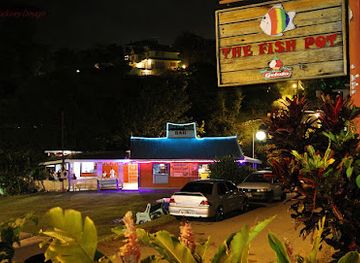
Tobago's nightlife is an intoxicating blend of vibrant rhythms, tantalizing flavors, and a warm, welcoming atmosphere that envelopes visitors in the island's unique culture. Expect to dance the night away to the pulsating beats of soca, calypso, and reggae at lively beach bars like Shade Nightclub in Bon Accord, or enjoy a more laid-back vibe at Buccoo's Sunday School, where steelpan music serenades the crowd. The island's nightlife also offers a taste of local cuisine with mouth-watering street food and exotic cocktails at hotspots like The Fish Pot and Wave Restaurant & Bar, making every night an unforgettable adventure. Whether you're looking to party until dawn or simply relax under the stars with a rum punch in hand, Tobago's nightlife scene promises an exhilarating experience.
-
Grill
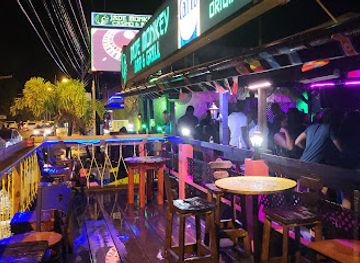
Jade Monkey Casino Bar and Grill
Discover the lively Jade Monkey Casino Bar and Grill in Crown Point - a perfect blend of gaming, delicious food, and vibrant ambiance for every tourist.
-
Bar
Waves Restaurant + Bar
Experience the vibrant flavors of the Caribbean at Waves Restaurant + Bar, Tobago's premier destination for food, drinks, and breathtaking ocean views.
-
Bar
Barcode
Discover the vibrant nightlife and delicious dining experience at Barcode, Scarborough’s top bar and event venue.
-
Bar
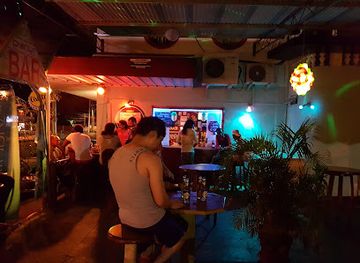
Chill Out Bar
Experience the vibrant nightlife at Chill Out Bar in Crown Point, where refreshing drinks, live music, and great company create unforgettable memories.
Best nightclubs in Tobago
Tobago's nightlife is an intoxicating blend of vibrant rhythms, tantalizing flavors, and a warm, welcoming atmosphere that envelopes visitors in the island's unique culture. Expect to dance the night away to the pulsating beats of soca, calypso, and reggae at lively beach bars like Shade Nightclub in Bon Accord, or enjoy a more laid-back vibe at Buccoo's Sunday School, where steelpan music serenades the crowd. The island's nightlife also offers a taste of local cuisine with mouth-watering street food and exotic cocktails at hotspots like The Fish Pot and Wave Restaurant & Bar, making every night an unforgettable adventure. Whether you're looking to party until dawn or simply relax under the stars with a rum punch in hand, Tobago's nightlife scene promises an exhilarating experience.
-
Grill
Jade Monkey Casino Bar and Grill
Explore the vibrant Jade Monkey Casino Bar and Grill in Crown Point for delicious food and exciting nightlife, perfect for all visitors.
-
Restaurant
Waves Restaurant + Bar
Experience the vibrant flavors and stunning views at Waves Restaurant + Bar in Tobago, your ultimate dining destination by the beach.
-
Bar
Chill Out Bar
Experience the vibrant atmosphere of Chill Out Bar in Crown Point, the perfect spot for refreshing cocktails and lively entertainment.
-
Bar
Moon Over Water
Discover Moon Over Water in Black Rock, where breathtaking views meet refreshing drinks in a serene bar atmosphere.
Best shops in Tobago
Tobago's shopping scene is a vibrant tapestry of local craftsmanship, bustling markets, and charming boutiques that offer a unique blend of the island's rich culture and stunning natural beauty. Visitors can explore the Scarborough Market for fresh produce and handmade crafts, while the enchanting village of Buccoo hosts the weekly Sunday School, a lively street market with local food, music, and souvenirs. For those seeking upscale options, the malls in Crown Point provide a mix of local and international brands. Specialty shops scattered across the island offer everything from intricate leatherwork and jewelry to aromatic local spices and vibrant batik fabrics, ensuring a delightful shopping experience that captures the essence of Tobago.
-
Shopping mall
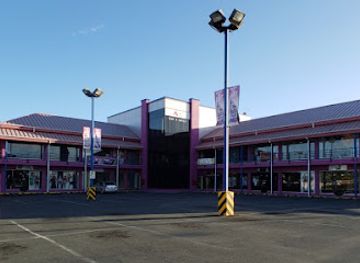
Shoppes @ Westcity
Experience shopping, dining, and entertainment like never before at Shoppes @ Westcity, Canaan's top mall destination.
-
Shopping mall
Portmall Shopping Complex
Discover the vibrant heart of Scarborough at Portmall Shopping Complex, where shopping, dining, and entertainment blend seamlessly in a tropical paradise.
-
General store
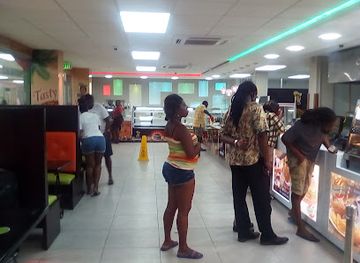
Phoebe's Variety Store
Explore the vibrant local culture and find unique treasures at Phoebe's Variety Store in Tobago, your go-to destination for all essentials and souvenirs.
-
Hardware store
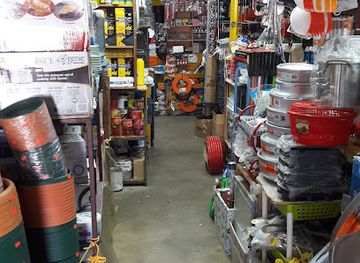
Paradise Store LTD - Tobago
Explore Paradise Store LTD in Tobago for quality home goods and hardware supplies, your essential stop for a delightful shopping experience.

Get your free copy of our complete guide to Tobago, delivered straight to you.
Everything on this page, from attractions and restaurants to essentials and local phrases, in one PDF you can read offline, print or share.
Already have an account? Sign in
Your Tobago guide is ready.
We'll send it to · Not you? Sign out

Getting your guide ready…
We are putting together a fresh copy of the Tobago guide. This can take up to a minute.
This can take a few moments. If your browser asks, choose Allow so the download can start. You'll find the guide in your Downloads folder.
Nothing happened? Download it again
Sorry, the guide is taking longer than usual. Please try again in a minute, or get it by email instead.
Tobago essentials
Currency and Payment
Safety
Emergency Situations
Do's and Don'ts
Local Tips
From Eve
Local phrases worth knowing
You don't need to get them perfect. A few words go a long way, and locals appreciate the effort.
Basics
| English | Local | Say it |
|---|---|---|
| Hello | Hello | [Hel-lo] |
| Goodbye | Bye | [Bye] |
| Yes | Yes | [Yes] |
| No | No | [No] |
| Please/You're welcome | Pleasant | [Ple-sant] |
| Thank you | Thank you | [Thank you] |
| Excuse me/Sorry | Excuse me | [Ex-cuse me] |
| How are you? | How yuh doin'? | [How yuh do-in'?] |
| Fine. And you? | I good. And yuh? | [I good. And yuh?] |
| Do you speak English? | Yuh speak English? | [Yuh speak English?] |
| I don't understand | I eh understand | [I eh un-der-stand] |
Eating & Drinking
| English | Local | Say it |
|---|---|---|
| I'd like to see the menu, please | Could I see the menu, please? | [Could I see de menu, please?] |
| I don't eat meat | I eh eat meat | [I eh eat meat] |
| Cheers! | Cheers! | [Cheers!] |
| I would like to pay, please | I want to pay, please | [I want to pay, please] |
Emergencies
| English | Local | Say it |
|---|---|---|
| Help! | Help! | [Help!] |
| Go away! | Go way! | [Go way!] |
| Call the Police! | Call de Police! | [Call de Po-lice!] |
| Call a doctor! | Call a doctor! | [Call a doc-tor!] |
| I'm lost | I lost | [I lost] |
| I'm ill | I sick | [I sick] |
Shopping
| English | Local | Say it |
|---|---|---|
| I'd like to buy... | I want to buy... | [I want to buy...] |
| I'm just looking | I just browsing | [I just brows-ing] |
| How much is it? | How much that cost? | [How much dat cost?] |
| That's too expensive | Dat too pricey | [Dat too pri-cey] |
| Can you lower the price? | Yuh could lower de price? | [Yuh could low-er de price?] |
Time & Numbers
| English | Local | Say it |
|---|---|---|
| What time is it? | Wha time it is? | [Wha time it is?] |
| It's one o'clock | It one o'clock | [It one o'clock] |
| Half past (10) | Half past ten | [Half past ten] |
| Morning | Mornin' | [Morn-in'] |
| Afternoon | Afternoon | [Af-ter-noon] |
| Evening | Evenin' | [Eve-nin'] |
| Yesterday | Yesterday | [Yes-ter-day] |
| Today | Today | [To-day] |
| Tomorrow | Tomorrow | [To-mor-row] |
| 1 | One | [One] |
| 2 | Two | [Two] |
| 3 | Three | [Three] |
| 4 | Four | [Four] |
| 5 | Five | [Five] |
| 6 | Six | [Six] |
| 7 | Seven | [Seven] |
| 8 | Eight | [Eight] |
| 9 | Nine | [Nine] |
| 10 | Ten | [Ten] |
Transport & Directions
| English | Local | Say it |
|---|---|---|
| Where's a/the...? | Where de...? | [Where de...?] |
| What's the address? | Wha de address? | [Wha de ad-dress?] |
| Can you show me (on the map)? | Yuh could show me (on de map)? | [Yuh could show me (on de map)?] |
| When's the next (bus)? | When de next (bus)? | [When de next (bus)?] |
| A ticket (to ....) | A ticket (to ...) | [A tick-et (to ...)] |
History of Tobago
Indigenous Inhabitants
Long before European colonization, Tobago was home to the indigenous Carib and Arawak peoples. They lived in harmony with nature, practicing fishing, farming, and hunting. Evidence of their presence can be found in artifacts and ancient petroglyphs scattered across the island.
The Era of European Colonization
Tobago's strategic location made it a coveted prize for European powers. The island changed hands more than 30 times among the Spanish, Dutch, French, and British between the 17th and 19th centuries. Each colonizer left a distinct mark on the island's architecture, culture, and society.
The Buccaneer Age
The 17th century saw Tobago become a hotspot for buccaneers and pirates. The island's numerous coves and inlets provided perfect hideouts for these seafaring outlaws. Legends of hidden treasure and pirate lore still permeate the island's culture today.
Fort King George
Built by the British in the 1770s, Fort King George stands as a monument to Tobago's colonial past. The fort, perched on a hill overlooking the capital city of Scarborough, features well-preserved cannons, barracks, and an old prison. Today, it houses a museum showcasing the island's history.
The Sugar Plantation Era
In the 18th and 19th centuries, sugar plantations became the backbone of Tobago's economy. Enslaved Africans were forcibly brought to work on these plantations, leaving a lasting impact on the island's demographics and culture. Many of Tobago's current residents are descendants of these enslaved people.
Emancipation and the Post-Plantation Period
The abolition of slavery in 1834 marked a significant turning point in Tobago's history. Freed slaves established their own communities and began to cultivate the land independently. This period saw the rise of small-scale agriculture and the decline of the plantation economy.
Union with Trinidad
In 1889, Tobago was administratively united with Trinidad to form the colony of Trinidad and Tobago. This union helped stabilize Tobago's economy and led to the development of infrastructure and public services. The island retained a unique identity within the twin-island nation.
Cultural Heritage and Festivals
Tobago's rich cultural heritage is celebrated through numerous festivals and events. The Tobago Heritage Festival, held annually in July, showcases traditional music, dance, and cuisine. Other notable events include the Tobago Jazz Experience and the Blue Food Festival, which highlight the island's diverse cultural influences.
Tobago Today
Modern Tobago is a vibrant blend of history and contemporary culture. Tourism has become a major industry, attracting visitors to its pristine beaches, lush rainforests, and historic sites. Despite the influx of tourists, Tobago remains committed to preserving its unique heritage and natural beauty.
Tobago in Photos
Browse through our photo collection highlighting the charm and character of the destination.
Neighbouring regions of Tobago
The closest regions to Tobago, if you have time for more than one.
-

-

-

-

-


Swipe for more regions
Explore more
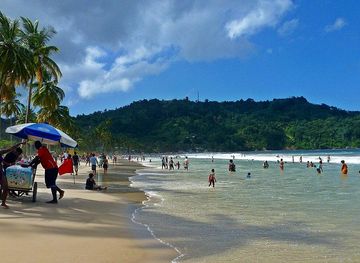
Explore more of Trinidad and Tobago
Discover Trinidad and Tobago: A Caribbean paradise where vibrant culture meets stunning natural beauty, offering unique experiences from lively festivals to serene beaches.
Explore Trinidad and Tobago