

Free St. George East Travel Guide & Mobile App
Explore St. George East with free travel guides. Discover regional history, expert tips, proposed trips, and audio guides on web or mobile app.


Explore St George East in Trinidad through Arima’s heritage, Northern Range forests, birdwatching valleys, local food and convenient Piarco access.
Read more about St. George East
When is the best time to visit St. George East?
Best: January–March · 32–33°C| Month | High (°C) | Rainfall (mm) |
|---|---|---|
| January (best) | 32 | 40 |
| February (best) | 32 | 30 |
| March (best) | 33 | 30 |
| April | 33 | 40 |
| May | 33 | 50 |
| June | 33 | 70 |
| July | 33 | 80 |
| August | 34 | 90 |
| September | 33 | 100 |
| October | 33 | 90 |
| November | 33 | 80 |
| December | 32 | 60 |
Getting to and around St. George East
How to get there
Transportation
Top city travel guides in St. George East
The cities of St. George East, and the easiest places to base yourself.
-

-

-
-
-


Swipe for more cities
Destinations in St. George East
Resorts, valleys and scenic spots worth a trip of their own.
-

-

-


Swipe for more destinations
Best attractions in St. George East
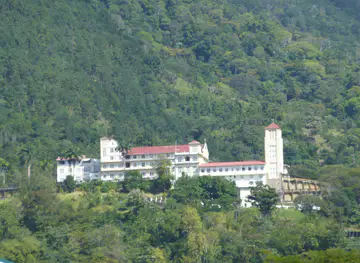
St George East combines accessible urban attractions with the forested slopes and valleys of Trinidad’s Northern Range. Arima is the main cultural centre, with links to the Santa Rosa First Peoples Community and a long history as a mission town. The Arima Valley leads towards rainforest landscapes, birdwatching sites and nature-based excursions, most notably the Asa Wright Nature Centre, where guided observation is a principal activity. The foothills also offer opportunities for short walks, scenic drives and visits to small communities, although access and conditions vary after heavy rain. Mount Saint Benedict provides a major religious and architectural visit above the western end of the corridor, while parks and heritage spaces in the towns offer easier options for visitors with limited time. Piarco and the larger East-West Corridor are primarily commercial and residential rather than sightseeing districts, but they provide useful services, accommodation and transport connections. Attractions are dispersed, so an itinerary normally works best when it combines one cultural or town visit with one carefully planned forest excursion rather than attempting to cover the entire area in a single day.
-
Tourist attraction
The Arima Dial
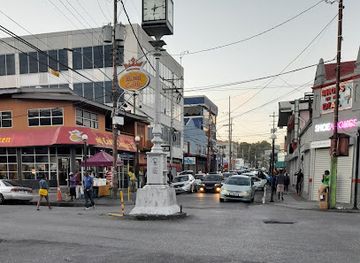
Explore the Arima Dial, a captivating historical landmark in Trinidad that connects visitors with the rich culture and history of Arima.
-
Historical place
Lopinot Historical Complex
Explore the Lopinot Historical Complex, a captivating blend of Trinidad's colonial past, rich culture, and stunning natural beauty.
-
Tourist attraction
Cleaver Woods Park
Experience the serene beauty and rich history of Cleaver Woods Park, a hidden gem in D'Abadie perfect for nature lovers and outdoor enthusiasts.
-
Public beach
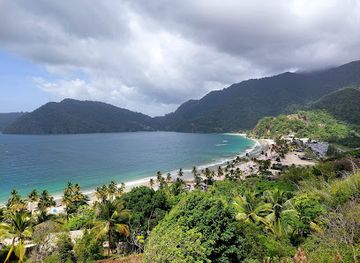
100 Steps Beach
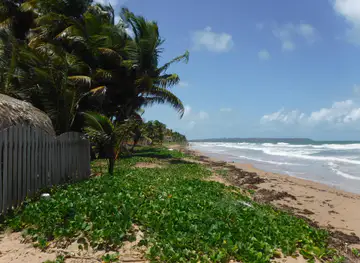
Experience the beauty of 100 Steps Beach in Las Cuevas, Trinidad, a serene paradise with stunning views and vibrant marine life.


Best landmarks in St. George East
The Santa Rosa Roman Catholic Church and the historic townscape of Arima help express the town’s long connection with Spanish mission settlement and Catholic life, although individual buildings should be viewed in the context of a changing modern centre. The Santa Rosa First Peoples Community is a landmark of cultural continuity rather than a conventional monument, linking contemporary Arima with Trinidad’s Indigenous history. Above Tacarigua, Mount Saint Benedict is one of the region’s most recognisable landmarks: its monastery, church and hillside setting are visible across much of the eastern corridor. The Northern Range itself forms St George East’s dominant natural landmark, with steep green ridges rising behind the populated plains. In the Arima Valley, forested slopes and the winding approach to nature centres create a landscape landmark of national ecological importance. Piarco’s airport is a major modern gateway and infrastructure landmark, while the broad East-West Corridor represents the region’s transformation from plantation-linked settlements into one of Trinidad’s most heavily developed urban belts.
-
Park
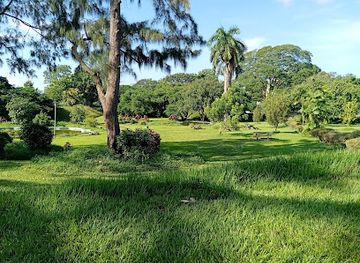
Queen's Park Savannah
Experience the vibrant culture and serene beauty of Queen's Park Savannah, the heart of Port of Spain's outdoor oasis.
-
Hotel
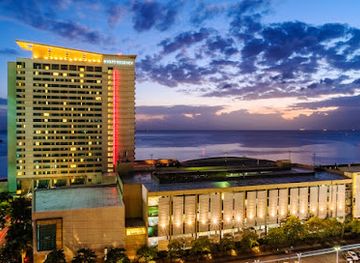
Hyatt Regency Trinidad
Discover luxurious comfort and vibrant culture at Hyatt Regency Trinidad, your perfect getaway in the heart of Port of Spain.
-
Shopping mall
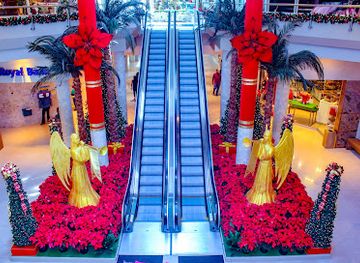
The Falls at Westmall
Discover a vibrant shopping and dining experience at The Falls at Westmall, Port of Spain's premier retail destination, featuring local culture and entertainment.
Explore St. George East on the map
Plan your trip on one map. See where the top cities, national parks and sights are, and book hotels and experiences in a few clicks.
Best hotels in St. George East
Best restaurants in St. George East
Dining in St George East reflects Trinidad and Tobago’s layered culinary history. Arima, Arouca, Tunapuna and the wider East-West Corridor offer doubles, roti, buss-up-shut, pelau, fried bake, callaloo, curry dishes and pepper-seasoned preparations, while Chinese-influenced cooking and Creole favourites are also widely represented. Small breakfast counters, street-food vendors, cafés and family-run restaurants are often more characteristic than formal dining rooms, and the busiest food areas tend to be around established town centres and transport routes. Fresh fruit, coconut-based preparations and local sweets appear seasonally, with produce from the surrounding agricultural districts entering markets and roadside stalls. Visitors should ask about spice levels, sauces and meat or seafood ingredients before ordering. Around Piarco and the larger corridor, hotel restaurants and modern casual dining provide familiar alternatives, whereas foothill establishments may have limited hours and fewer choices. Eating locally is less about one signature dish than about sampling the mixture of African, Indian, Indigenous, European and Chinese influences that defines Trinidadian food.
-
Restaurant
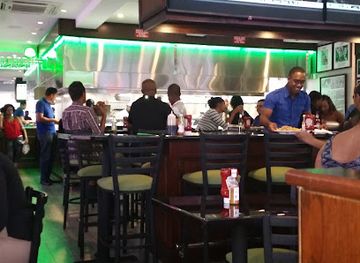
Town Restaurant & Bar
Discover culinary delights at Town Restaurant & Bar in Port of Spain – where local flavors meet international cuisine in a vibrant atmosphere.
-
Grill
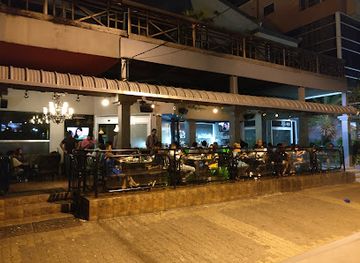
Castro's
Experience authentic Caribbean flavors at Castro's Grill in Arima – where every meal is a celebration of taste and culture.
-
Italian
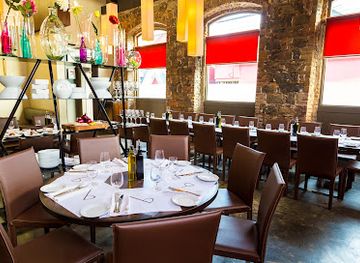
Buzo Osteria Italiana
Experience authentic Italian cuisine at Buzo Osteria Italiana in Port of Spain - where every dish tells a story.
-
Restaurant
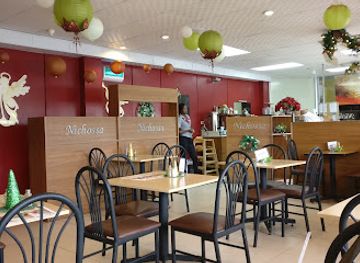
Nichossa
Discover the flavors of Trinidad at Nichossa - a top-rated restaurant in San Fernando offering delightful local and international cuisine.
Best bars in St. George East
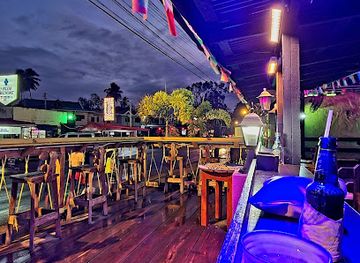
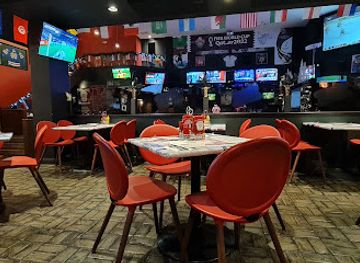
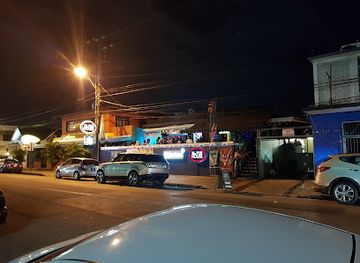
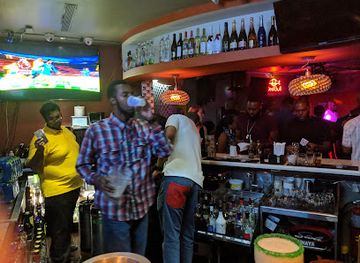
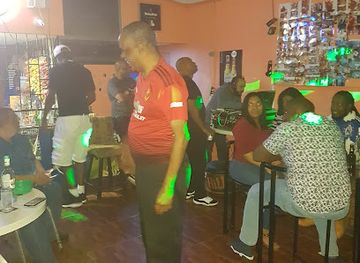
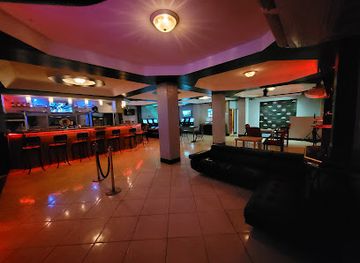
Evening life in St George East is spread through Arima, Arouca, Tunapuna and the larger roadside commercial centres rather than concentrated in one major club district. Traditional rum shops, neighbourhood bars, sports bars, cafés and casual restaurants provide much of the regular social life, while larger venues may host live music, Carnival-related events or occasional parties. Hotels and restaurants near Piarco offer a quieter option for travellers staying close to the airport. Nightlife can change considerably between weekdays and weekends, and rural foothill communities are generally quiet after dark. Visitors should use arranged taxis or trusted transport when returning from evening venues, particularly outside the busiest corridor. Music and community events are often more significant than formal nightclub culture, and local listings or accommodation staff are the best way to identify current performances without relying on outdated venue information.
-
Grill
Jade Monkey Casino Bar and Grill
Discover the lively Jade Monkey Casino Bar and Grill, where delightful cuisine meets vibrant entertainment in the heart of Crown Point.
-
Sports bar
Trotters
Discover the energetic ambiance and delicious offerings at Trotters, Port of Spain's premier sports bar for fans and foodies.
-
Bar
Frankie’s Bar
Discover Frankie’s Bar in Port of Spain, a vibrant hub for locals and tourists, offering great drinks, live music, and a taste of Trinidadian culture.
-
Bar
The Avenue Pub House
Discover the lively nightlife of Port of Spain at The Avenue Pub House, a vibrant bar offering local brews and a welcoming atmosphere.
Best nightclubs in St. George East
Evening life in St George East is spread through Arima, Arouca, Tunapuna and the larger roadside commercial centres rather than concentrated in one major club district. Traditional rum shops, neighbourhood bars, sports bars, cafés and casual restaurants provide much of the regular social life, while larger venues may host live music, Carnival-related events or occasional parties. Hotels and restaurants near Piarco offer a quieter option for travellers staying close to the airport. Nightlife can change considerably between weekdays and weekends, and rural foothill communities are generally quiet after dark. Visitors should use arranged taxis or trusted transport when returning from evening venues, particularly outside the busiest corridor. Music and community events are often more significant than formal nightclub culture, and local listings or accommodation staff are the best way to identify current performances without relying on outdated venue information.
-
Night club
VAS Lounge
VAS Lounge: Dive into Trinidad's vibrant nightlife with electrifying music, refreshing cocktails, and an energetic atmosphere that promises unforgettable memories.
-
Bar
Morgan's Hill Top Rec. Club
Discover the lively atmosphere of Morgan's Hill Top Recreation Club in Arima, where refreshing drinks and local culture blend seamlessly.
-
Lounge
Lounge 102
Experience the vibrant nightlife of Arima at Lounge 102, a lively cocktail bar known for its cool atmosphere and exciting events.
-
Night club
Ibiza Night Club & Lounge
Experience the vibrant nightlife of Trinidad at Ibiza Night Club & Lounge, where unforgettable music and dance await you in Port of Spain.


Best shops in St. George East
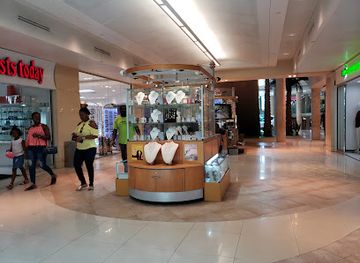
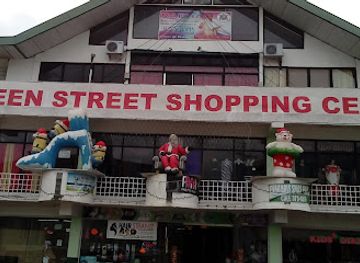
Shopping in St George East is centred on practical town commerce, markets and independent food businesses rather than a single destination retail quarter. Arima provides shops, small cafés, clothing retailers, pharmacies and everyday services around its central streets, while Arouca, Tunapuna and the East-West Corridor offer larger supermarkets, shopping complexes and a wider selection of modern retailers. Open markets and small produce sellers are useful for seasonal fruit, vegetables, herbs, spices and locally prepared foods, although trading days and stall availability vary. Visitors looking for portable regional products can consider pepper sauces, cocoa and other food items, but should check airline restrictions and packaging before buying. Craft and cultural purchases are best made respectfully through established community or cultural organisations, particularly where Indigenous motifs or symbols are involved. Piarco’s airport retail facilities are convenient for last-minute gifts, but they do not replace exploring the region’s local food shops and market culture.
-
Shopping mall
Trincity Mall
Discover Trincity Mall, Trinidad's bustling shopping hub offering diverse stores, delicious dining, and family-friendly entertainment.
-
Shopping mall
The Falls at Westmall
Explore The Falls at Westmall for a unique shopping experience with stunning views and a blend of local and international culture.
-
Shopping mall
Shops of Arima
Experience shopping like never before at the Shops of Arima, where local culture meets global brands in a vibrant atmosphere.
-
Shopping mall
East Gates Mall
Explore East Gates Mall in Trincity for an unforgettable shopping experience filled with local flavors and diverse stores.

Get your free copy of our complete guide to St. George East, delivered straight to you.
Everything on this page, from attractions and restaurants to essentials and local phrases, in one PDF you can read offline, print or share.
Already have an account? Sign in
Your St. George East guide is ready.
We'll send it to · Not you? Sign out

Getting your guide ready…
We are putting together a fresh copy of the St. George East guide. This can take up to a minute.
This can take a few moments. If your browser asks, choose Allow so the download can start. You'll find the guide in your Downloads folder.
Nothing happened? Download it again
Sorry, the guide is taking longer than usual. Please try again in a minute, or get it by email instead.
St. George East essentials
Currency and Payment
Safety
Emergency Situations
Do's and Don'ts
Local Tips
From Eve
Local phrases worth knowing
You don't need to get them perfect. A few words go a long way, and locals appreciate the effort.
Basics
| English | Local | Say it |
|---|---|---|
| Hello | Hola | [o-la] |
| Goodbye | Bye | [bai] |
| Yes | Yes | [yes] |
| No | No | [no] |
| Please/You're welcome | Pleas/You’re welcome | [pleez/yoor wel-kum] |
| Thank you | Thank you | [tank yuh] |
| Excuse me/Sorry | Excuse me/Sorry | [ex-kyoos mi/sor-ry] |
| How are you? | How yuh doing? | [how yuh doin?] |
| Fine. And you? | Good. An yuh? | [gud. an yuh?] |
| Do you speak English? | Yuh does speak English? | [yuh duz speek ing-glish?] |
| I don't understand | I eh understand | [ai eh un-der-stand] |
Eating & Drinking
| English | Local | Say it |
|---|---|---|
| I'd like to see the menu, please | Ah want to see de menu, please | [ah want to see de men-u, pleez] |
| I don't eat meat | Ah doh eat meat | [ah doh eet meet] |
| Cheers! | Cheers! | [cheers] |
| I would like to pay, please | Ah want to pay, please | [ah want to pay, pleez] |
Emergencies
| English | Local | Say it |
|---|---|---|
| Help! | Help! | [help] |
| Go away! | Go 'way! | [go 'way] |
| Call the Police! | Call de Police! | [call de po-lees] |
| Call a doctor! | Call a doctor! | [call a dok-tor] |
| I'm lost | Ah lost | [ah lost] |
| I'm ill | Ah sick | [ah sik] |
Shopping
| English | Local | Say it |
|---|---|---|
| I'd like to buy... | Ah want to buy... | [ah want to bai...] |
| I'm just looking | Ah just looking | [ah just looking] |
| How much is it? | How much it cost? | [how much it cost?] |
| That's too expensive | Dat too expensive | [dat too ex-pens-iv] |
| Can you lower the price? | Yuh could lower de price? | [yuh cud low-er de prais?] |
Time & Numbers
| English | Local | Say it |
|---|---|---|
| What time is it? | Wha time it be? | [wha time it bee?] |
| It's one o'clock | It one o'clock | [it wan o-clock] |
| Half past (10) | Half past ten | [half past ten] |
| Morning | Mornin' | [mor-nin] |
| Afternoon | Afternoon | [af-ter-noon] |
| Evening | Evening | [ee-ven-ing] |
| Yesterday | Yestaday | [yes-ta-day] |
| Today | Today | [to-day] |
| Tomorrow | Tomorrow | [to-mor-row] |
| 1 | One | [wan] |
| 2 | Two | [tu] |
| 3 | Three | [three] |
| 4 | Four | [for] |
| 5 | Five | [fiv] |
| 6 | Six | [siks] |
| 7 | Seven | [sev-en] |
| 8 | Eight | [eit] |
| 9 | Nine | [nain] |
| 10 | Ten | [ten] |
Transport & Directions
| English | Local | Say it |
|---|---|---|
| Where's a/the...? | Wha de...? | [wha de...?] |
| What's the address? | Wha de address? | [wha de ad-dress?] |
| Can you show me (on the map)? | Yuh could show me (on de map)? | [yuh cud sho mi (on de map)?] |
| When's the next (bus)? | When de next (bus)? | [when de next (bus)?] |
| A ticket (to ....) | One ticket (to ....) | [wan tik-it (to ....)] |
History of St. George East
Indigenous settlement and the Santa Rosa tradition
Long before European colonisation, Trinidad was inhabited by Indigenous peoples connected to wider Caribbean and South American networks. The communities associated today with the Santa Rosa First Peoples Community in Arima preserve an important Indigenous presence in the region. Their heritage reflects survival, adaptation and cultural renewal after centuries of colonial disruption. The annual Santa Rosa Festival, held in and around Arima, is a visible expression of this continuing identity, although its meanings are religious, cultural and communal rather than simply historical.
Spanish missions and the foundation of Arima
Spanish missionaries and colonial administrators established a stronger presence in the Northern Range foothills during the eighteenth century. Arima developed as a mission settlement and later became an important town linking the interior with the northern plains. Catholic institutions, parish traditions and the town’s street pattern reflect this history, while the survival of Indigenous communities gives Arima a cultural significance that extends beyond its role as a transport and commercial centre.
Plantations, emancipation and rural transformation
During the colonial period, sugar, cocoa, coffee and other crops shaped the lands around the Northern Range and the East-West Corridor. Estates relied first on enslaved African labour and, after emancipation, on changing systems of paid and indentured work. The plantation economy left traces in estate names, roads, churches and settlement patterns, even as many agricultural properties were later divided or absorbed by expanding towns. The region’s present mixture of housing, small cultivation and forest reflects this long transformation.
Indian indenture and a plural society
From the nineteenth century, indentured labourers from India were brought to Trinidad to work mainly on sugar estates after emancipation. Their descendants helped shape the foodways, religious life, music, businesses and family networks of the districts along the eastern corridor. African, European, Chinese, Indigenous and Indian influences developed alongside one another, creating the plural cultural environment now apparent in markets, temples, churches, festivals and everyday cuisine throughout St George East.
Roads, railways and the growth of the eastern corridor
Improved roads and the former railway system connected Arima and surrounding settlements more closely with Port of Spain and the agricultural districts to the east. Transport encouraged commerce, commuting and the growth of market towns, while later road development produced the heavily settled East-West Corridor. The region’s present concentration of housing, shops and services is therefore linked not only to recent urban expansion but also to more than a century of transport-led development.
Modern conservation in the Northern Range
As agriculture and settlement expanded, the forests and watersheds of the Northern Range became increasingly important to Trinidad’s water supply and biodiversity. Conservation initiatives, private reserves and nature centres helped establish the Arima Valley as a destination for scientific observation, education and birdwatching. The Asa Wright Nature Centre, founded in the twentieth century, became particularly influential in presenting Trinidad’s forest habitats to international naturalists while supporting wider appreciation of the island’s protected landscapes.
St. George East in Photos
Browse through our photo collection highlighting the charm and character of the destination.
Neighbouring regions of St. George East
The closest regions to St. George East, if you have time for more than one.
-

-

-
-

-


Swipe for more regions
Explore more
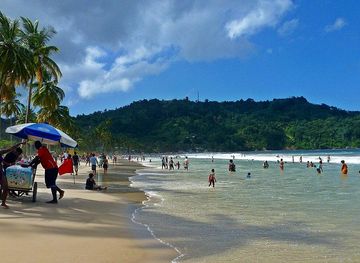
Explore more of Trinidad and Tobago
Discover Trinidad and Tobago: A Caribbean paradise where vibrant culture meets stunning natural beauty, offering unique experiences from lively festivals to serene beaches.
Explore Trinidad and Tobago