

St. Mary, Trinidad and Tobago Travel Guide
Discover the tranquil beauty and rich culture of St. Mary in Trinidad and Tobago, a perfect blend of lush nature, pristine beaches, and historic charm.
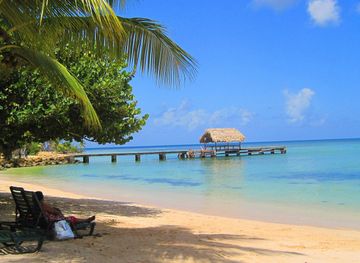
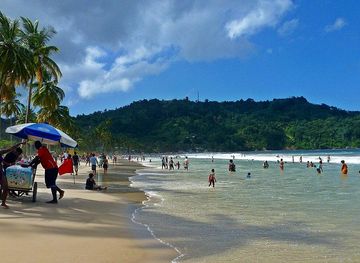
St. Mary, a picturesque village in Trinidad and Tobago, is a hidden gem that offers a unique blend of natural beauty and cultural richness. Nestled on the island of Trinidad, this serene destination is perfect for those who seek a peaceful retreat away from the hustle and bustle of city life. The village is surrounded by lush greenery, rolling hills, and pristine beaches, making it an ideal spot for nature lovers and adventure seekers alike. One of the main attractions in St. Mary is the Asa Wright Nature Centre, a haven for bird watchers and eco-tourists. This former cocoa plantation is now a protected area that offers guided tours through its rich rainforest, where you can spot a variety of exotic birds, butterflies, and other wildlife. The centre also provides comfortable accommodations, allowing visitors to immerse themselves in the natural beauty of the area. St. Mary is also home to several beautiful beaches, such as Maracas Bay and Las Cuevas Bay, where you can relax on golden sands and swim in crystal-clear waters. These beaches are perfect for picnics, sunbathing, and water sports. Don't forget to try the local delicacy, bake and shark, a delicious sandwich made with freshly caught shark, fried bread, and a variety of tasty toppings. The village's rich history is evident in its charming colonial architecture and historic sites. Take a leisurely stroll through the streets of St. Mary and admire the well-preserved buildings that tell the story of the island's past. Be sure to visit the nearby town of Arima, known for its vibrant markets and cultural festivals, where you can experience the lively spirit of Trinidad and Tobago.

Know before you go
Hi, I'm Eve. Here are a few practical things to know before exploring St. Mary.
- Visit Asa Wright Nature Centre early in the morning for the best bird-watching experience.
- Try the local bake and shark at Maracas Bay for a true taste of Trinidadian cuisine.
- Bring comfortable walking shoes for exploring the village and nearby nature trails.
- Don't miss the cultural festivals in Arima for an authentic Trinidadian experience.
- Carry sunscreen and insect repellent to stay protected while enjoying outdoor activities.
Top City Travel Guides in St. Mary
The cities of St. Mary, and the easiest places to base yourself.



Destinations in St. Mary
Resorts, valleys and scenic spots worth a trip of their own.


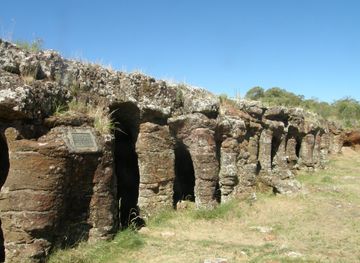
Explore St. Mary: Things to Do, Places to Eat, Hotels & More
Handpicked recommendations for top attractions, local dining, accommodations, and more

Top Attractions & Sightseeing in St. Mary
Top-rated picks
Best Attractions

Royal Botanic Gardens
Explore the stunning Royal Botanic Gardens in Port of Spain, a lush paradise featuring diverse tropical plants and beautiful landscapes for a serene escape.

San Fernando Hill
Discover breathtaking views and serene landscapes at San Fernando Hill, a top park and tourist attraction in Trinidad.

Mount St. Benedict Abbey
Experience serenity and spiritual beauty at Mount St. Benedict Abbey, a peaceful retreat nestled in tropical Trinidad.

Fort King George
Discover the historical significance and breathtaking views of Fort King George, Tobago's premier historical landmark.

Best landmarks in St. Mary
Top-rated picks
Best Landmarks

San Fernando Hill
Explore the breathtaking views and serene landscapes of San Fernando Hill, a must-visit park in Trinidad for nature lovers and families.

Chaguaramas Boardwalk
Explore the scenic Chaguaramas Boardwalk in Trinidad, a perfect blend of nature, culture, and Caribbean charm, ideal for leisurely strolls and culinary delights.

Mount St. Benedict Abbey
Experience peace and serenity at Mount St. Benedict Abbey, a tranquil retreat in Saint Augustine, Trinidad offering breathtaking views and rich spiritual heritage.

Fort King George
Explore Fort King George, a historical treasure in Tobago offering stunning views, rich history, and a glimpse into the island's colonial past.

Best restaurants in St. Mary
Top-rated picks
Best Restaurants

Toppers Restaurant & Bar
Experience the vibrant flavors of the Caribbean at Toppers Restaurant & Bar in Valsayn - where every meal is a celebration!
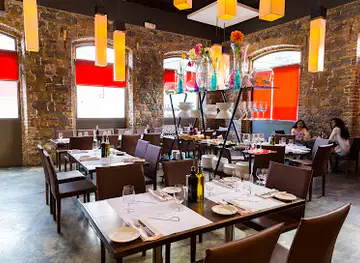
Buzo Osteria Italiana
Experience authentic Italian cuisine at Buzo Osteria Italiana in Port of Spain – where tradition meets taste.

Krave
Experience the vibrant flavors of Trinidad at Krave, where local cuisine meets international flair in an inviting setting.

Richard's Bake & Shark
Experience authentic Trinidadian cuisine at Richard's Bake & Shark—home to delicious bake and shark sandwiches by the beautiful Maracas Bay.

Best bars in St. Mary
Top-rated picks
Best Bars

Jade Monkey Casino Bar and Grill
Discover the lively Jade Monkey Casino Bar and Grill in Crown Point, a perfect blend of delicious grilled cuisine and exciting entertainment.
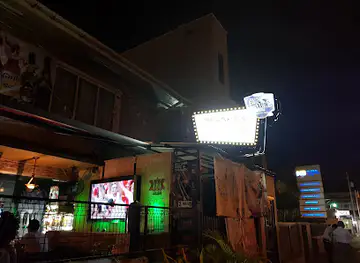
Frankie’s Bar
Experience the vibrant atmosphere, delicious cocktails, and lively entertainment at Frankie’s Bar in Port of Spain, Trinidad.
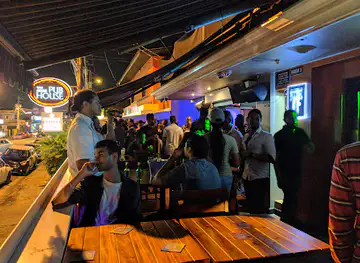
The Avenue Pub House
Experience the vibrant nightlife of Port of Spain at The Avenue Pub House, where local flavors and great drinks come together in a lively atmosphere.

Brooklyn Bar
Discover the vibrant atmosphere of Brooklyn Bar in Port of Spain, where locals and tourists gather for drinks, music, and a taste of Trinidadian nightlife.

Best nightclubs in St. Mary
Top-rated picks
Best Nightclubs

VAS Lounge
Dive into the vibrant nightlife at VAS Lounge, a premier night club in Port of Spain, offering unforgettable music and cocktails in a lively setting.

Ibiza Night Club & Lounge
Discover the electrifying nightlife at Ibiza Night Club & Lounge, where vibrant music and cocktails create unforgettable party experiences in Port of Spain.

Cabana Lounge
Discover Cabana Lounge in Port of Spain, where vibrant nightlife meets Caribbean charm, perfect for relaxation and entertainment.

Siam Nightclub
Discover the pulse of Port of Spain at Siam Nightclub, where electrifying music meets unforgettable nightlife experiences.

Best shops in St. Mary
Top-rated picks
Best Shops

Trincity Mall
Experience the ultimate shopping and dining adventure at Trincity Mall, Trinidad's premier shopping destination with diverse offerings and vibrant entertainment.

C3 Centre
Discover C3 Centre in San Fernando - a premier shopping mall offering diverse dining, entertainment, and shopping experiences for all visitors.

The City of Grand Bazaar
Discover the vibrant shopping experience at the City of Grand Bazaar in San Juan, where local culture meets diverse retail options.

The Falls at Westmall
Explore The Falls at Westmall, a vibrant shopping haven in Port of Spain offering diverse shops, dining, and entertainment for a memorable experience.

Explore St. Mary on the Map
A handpicked selection of must-see spots in St. Mary, mapped for you.
St. Mary Essentials
-
St. Mary is located in the northern part of Trinidad, Trinidad and Tobago. The nearest international airport is Piarco International Airport in Port of Spain, approximately 35 kilometers away. From the airport, you can take a taxi or rent a car to reach St. Mary. Public buses also operate from Port of Spain to St. Mary, providing an affordable option for travelers.
-
Getting around St. Mary is relatively straightforward. Taxis are widely available and are a convenient option for short trips. Public buses and maxi-taxis (shared minivans) operate routes within St. Mary and to neighboring towns. Renting a car is also a viable option if you plan to explore the surrounding areas at your own pace. Walking is practical for short distances and allows you to immerse yourself in the local atmosphere.
-
The official currency of Trinidad and Tobago is the Trinidad and Tobago Dollar (TTD). Credit cards are widely accepted in hotels, restaurants, and larger shops, but it is advisable to carry some cash for smaller establishments and local markets. ATMs are readily available in St. Mary, allowing you to withdraw local currency as needed.
-
St. Mary is generally a safe destination, but travelers should take standard precautions. Avoid walking alone at night in less populated areas and be cautious with your belongings in crowded places. Some neighborhoods in the northern part of Trinidad, including areas in Port of Spain, have higher crime rates, so it is advisable to stay informed and avoid these regions. Always use reputable taxi services and avoid displaying valuables openly.
-
In case of emergency, dial 999 for police assistance, 990 for fire services, and 811 for medical emergencies. St. Mary has local police stations and medical facilities that can provide assistance. It is highly recommended to have travel insurance that covers medical emergencies. Pharmacies are available for minor health issues and over-the-counter medications.
-
Fashion: Do dress modestly, especially when visiting religious sites. Avoid overly revealing clothing. Religion: Do respect local customs and traditions. When visiting churches, dress conservatively and be mindful of ongoing services. Public Transport: Do be polite and give up your seat to elderly passengers. Don't eat or drink on public transport. Greetings: Do greet people with a friendly 'Good day' and a handshake. Eating & Drinking: Do try local delicacies and accept food and drink offerings graciously. Don't refuse hospitality, as it may be considered impolite.
-
To experience St. Mary like a local, visit the local markets where you can purchase fresh produce and traditional goods. Engage with locals, who are often friendly and willing to share insights about the area's history and culture. Don't miss visiting the Santa Rosa First Peoples Community in nearby Arima for a unique cultural experience. For outdoor enthusiasts, hiking in the nearby Northern Range offers stunning views and a chance to explore the natural beauty of Trinidad.
When is the best time to visit St. Mary?
Useful Local Phrases for St. Mary
You don't need to speak the language perfectly. Even learning a few simple words can make conversations warmer—and locals usually appreciate the effort.
— Eve

Here are the phrases I use most often in St. Mary. Try a few—you'll be surprised how far they go! 😊
❤️
-
- HelloHola
[O-la] - GoodbyeBye
[Bai] - YesYea
[Yea] - NoNo
[No] - Please/You're welcomePleas/You welcome
[Pleas/You wel-kum] - Thank youThank you
[Thank you] - Excuse me/SorryExcuse me/Sorry
[Ex-kewz mi/Sor-ri] - How are you?How yuh doing?
[How yuh do-ing?] - Fine. And you?Fine. An yuh?
[Fine. An yuh?] - Do you speak English?Yuh does speak English?
[Yuh das speek In-glish?] - I don't understandI eh understand
[I eh un-der-stand]
- HelloHola
-
- I'd like to see the menu, pleaseI would like to see de menu, please
[I wood laik to see de men-u, pleez] - I don't eat meatI eh eat meat
[I eh eet meet] - Cheers!Cheers!
[Cheers!] - I would like to pay, pleaseI would like to pay, please
[I wood laik to pay, pleez]
- I'd like to see the menu, pleaseI would like to see de menu, please
-
- Help!Help!
[Help!] - Go away!Go away!
[Go a-way!] - Call the Police!Call de Police!
[Call de Po-lees!] - Call a doctor!Call a doctor!
[Call a doc-tor!] - I'm lostI lost
[I lost] - I'm illI sick
[I sik]
- Help!Help!
-
- I'd like to buy...I would like to buy...
[I wood laik to bai...] - I'm just lookingI just looking
[I just luk-ing] - How much is it?How much is dat?
[How much is dat?] - That's too expensiveDat too expensive
[Dat too ex-pen-siv] - Can you lower the price?Can yuh lower de price?
[Can yuh lo-er de prais?]
- I'd like to buy...I would like to buy...
-
- What time is it?Wha time it is?
[Wha taim it is?] - It's one o'clockIt one o'clock
[It wan o-clock] - Half past (10)Half past ten
[Half past ten] - MorningMornin'
[Morn-in'] - AfternoonAfternoon
[Af-ter-noon] - EveningEvening
[Eve-ning] - YesterdayYesterday
[Yes-ter-day] - TodayToday
[To-day] - TomorrowTomorrow
[To-mor-row] - 1One
[Wan] - 2Two
[Tu] - 3Three
[Tree] - 4Four
[For] - 5Five
[Faiv] - 6Six
[Siks] - 7Seven
[Sev-en] - 8Eight
[Eit] - 9Nine
[Nain] - 10Ten
[Ten]
- What time is it?Wha time it is?
-
- Where's a/the...?Wha de...?
[Wha de...?] - What's the address?Wha de address?
[Wha de ad-dress?] - Can you show me (on the map)?Can yuh show me (on de map)?
[Can yuh sho mi (on de map)?] - When's the next (bus)?When next (bus)?
[When next (bus)?] - A ticket (to ....)A ticket (to ....)
[A tik-it (to ....)]
- Where's a/the...?Wha de...?
History of St. Mary
-
St. Mary in Trinidad and Tobago traces its origins to the early colonial era when European powers, primarily the Spanish and later the British, vied for control of the Caribbean. The area was initially settled by the Spanish in the 16th century, who established small agricultural communities. The legacy of these early settlers is still evident in the architecture and cultural practices of the town.
-
The 18th and 19th centuries saw St. Mary evolve into a hub of sugar and cocoa plantations. Enslaved Africans were brought to work the fields, and their descendants form a significant part of the population today. The remnants of old plantation houses and sugar mills are scattered throughout the region, serving as poignant reminders of this era.
-
Following the abolition of slavery in 1834, St. Mary saw an influx of indentured laborers from India, China, and other parts of Asia. These new arrivals were brought in to work the plantations, and their cultural influences are still evident in the local cuisine, festivals, and religious practices. The annual Diwali celebrations in St. Mary are particularly noteworthy.
-
St. Mary is a vibrant cultural mosaic, reflecting its diverse population. African, Indian, European, and indigenous influences merge to create a unique cultural landscape. This is evident in the town's music, dance, and art. Calypso and soca music, which originated in Trinidad and Tobago, are popular here, and the town hosts an annual Carnival that attracts visitors from around the world.
-
In the 20th century, St. Mary experienced significant modernization and development. Infrastructure improvements, such as the construction of roads, schools, and healthcare facilities, have enhanced the quality of life for residents. Today, St. Mary is a bustling town that balances its rich historical heritage with contemporary growth.
-
St. Mary is not only rich in history but also boasts stunning natural landscapes. The surrounding areas are home to lush rainforests, pristine beaches, and diverse wildlife. Popular natural attractions include the Asa Wright Nature Centre, known for its birdwatching opportunities, and the Maracas Bay, a favorite spot for both locals and tourists.
Neighbouring Regions of St. Mary
The closest regions to St. Mary, if you have time for more than one.


Your all‑in‑one travel companion app
Explore expert travel guides, compare and book tours, experiences, hotels, and more—all from the palm of your hand. Download now for seamless trip planning wherever your wanderlust takes you.


Explore More of Trinidad and Tobago
Looking beyond St. Mary? Discover Trinidad and Tobago for broader travel guides, local hot-spots, and regional highlights.
Explore Trinidad and TobagoSt. Mary in Photos
Browse through our photo collection highlighting the charm and character of the destination.


The Enchanting Charm of St. Mary, Trinidad and Tobago
St. Mary, a picturesque village in Trinidad and Tobago, is a hidden gem that offers a unique blend of natural beauty and cultural richness. Nestled on the island of Trinidad, this serene destination is perfect for those who seek a peaceful retreat away from the hustle and bustle of city life. The village is surrounded by lush greenery, rolling hills, and pristine beaches, making it an ideal spot for nature lovers and adventure seekers alike. One of the main attractions in St. Mary is the Asa Wright Nature Centre, a haven for bird watchers and eco-tourists. This former cocoa plantation is now a protected area that offers guided tours through its rich rainforest, where you can spot a variety of exotic birds, butterflies, and other wildlife. The centre also provides comfortable accommodations, allowing visitors to immerse themselves in the natural beauty of the area. St. Mary is also home to several beautiful beaches, such as Maracas Bay and Las Cuevas Bay, where you can relax on golden sands and swim in crystal-clear waters. These beaches are perfect for picnics, sunbathing, and water sports. Don't forget to try the local delicacy, bake and shark, a delicious sandwich made with freshly caught shark, fried bread, and a variety of tasty toppings. The village's rich history is evident in its charming colonial architecture and historic sites. Take a leisurely stroll through the streets of St. Mary and admire the well-preserved buildings that tell the story of the island's past. Be sure to visit the nearby town of Arima, known for its vibrant markets and cultural festivals, where you can experience the lively spirit of Trinidad and Tobago.