Free Canakkale Travel Guide & Mobile App
Plan your Canakkale trip with Evendo. Get free guides to top attractions, restaurants, hotels, and bars. Web access or download the mobile app.


Canakkale blends Dardanelles views, Trojan history, Gallipoli heritage, island flavours and lively waterfront culture in north-west Turkiye for memorable sightseeing.
A City on the Strait
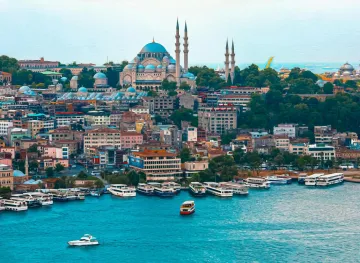
Canakkale stands on the southern shore of the Dardanelles, the narrow waterway linking the Aegean Sea with the Sea of Marmara. Ferries cross constantly towards the Gallipoli peninsula, while the waterfront promenade gives the city an open, maritime character. Fishing boats, passenger ferries and cargo vessels pass through the strait, connecting daily life with one of the world's most strategically important waterways.Read more about Canakkale
History in the Landscape
Waterfront Life and Local Flavours
When is the best time to visit Canakkale?
Best: May–June, October · 25–32°C| Month | High (°C) | Rainfall (mm) |
|---|---|---|
| January | 12 | 94 |
| February | 13 | 72 |
| March | 15 | 61 |
| April | 20 | 49 |
| May (best) | 26 | 25 |
| June (best) | 32 | 11 |
| July | 36 | 7 |
| August | 36 | 7 |
| September | 31 | 22 |
| October (best) | 25 | 53 |
| November | 19 | 75 |
| December | 14 | 104 |
Getting to and around Canakkale
How to get there
Transportation
Best attractions in Canakkale
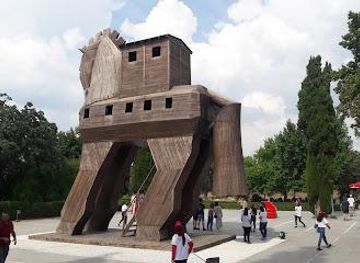
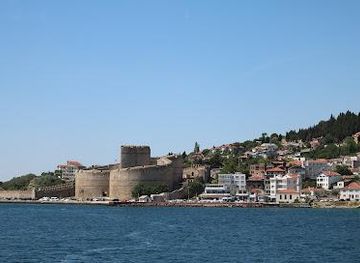
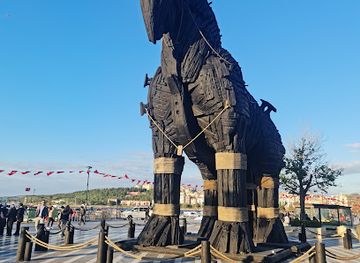
Çanakkale's principal attractions unfold around the Dardanelles waterfront and the city's associations with Troy and Gallipoli. Çimenlik Castle houses a naval and military museum within an Ottoman fortress overlooking the strait, while the nearby promenade provides views towards Kilitbahir and the European shore. The full-sized Trojan Horse displayed beside the harbour is a modern film prop, but it has become one of the city's most recognisable meeting points and a reminder of the nearby archaeological site of Troy. Aynalı Çarşı offers a traditional market atmosphere in the centre, and the Naval Museum adds context to the strait's maritime history. Ferries make the Gallipoli peninsula accessible for memorials, cemeteries and battlefield landscapes, while Kilitbahir Castle presents a striking excursion across the water. The Archaeological Museum of Troy, south-west of the city, complements the ruins with objects from the wider Troad.
-
Historical place
Ancient City of Troy
Discover the legendary Ancient City of Troy, a UNESCO World Heritage Site where history, mythology, and breathtaking landscapes converge for an unforgettable experience.
45 min drive · 25 km from city centre
-
Archaeological museum
Troy Museum
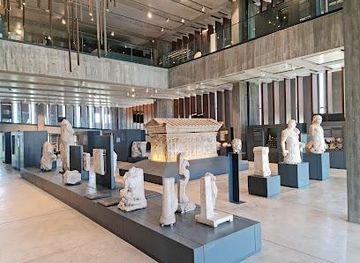
Explore the rich history of Troy at the Troy Museum, an archaeological marvel showcasing artifacts from the legendary city of Troy, where myths meet reality.
45 min drive · 25 km from city centre
-
History museum
Gallipoli Peninsula Historical National Park
Explore the Gallipoli Peninsula Historical National Park, a UNESCO site rich in history, memorials, and stunning landscapes reflecting on World War I's legacy.
24 min drive · 8.2 km from city centre
-
Kilitbahir Castle
Discover Kilitbahir Castle, a stunning historical landmark on the Dardanelles, where history and breathtaking views intertwine.
Best landmarks in Canakkale
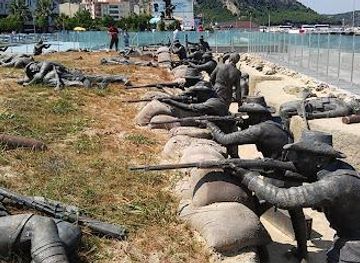
Çimenlik Castle is Çanakkale's defining historic structure, an Ottoman fortress built in 1452 to help control the Dardanelles and now associated with the city's naval history. Across the strait, the angular mass of Kilitbahir Castle forms its historic counterpart and is one of the region's most distinctive defensive monuments. In the centre, the Clock Tower marks the old commercial heart and stands near Aynalı Çarşı, whose covered-market tradition reflects the town's Ottoman trading past. The waterfront Trojan Horse is not an ancient monument but a highly visible modern symbol of the city's relationship with Troy. Nearby mosques, ferry buildings and civic streets add layers to the townscape, while the Gallipoli peninsula's cemeteries and memorials carry the solemn significance of the 1915 campaign. Together these landmarks show how trade, military strategy, religion and cultural memory have shaped the Dardanelles settlement.
-
Historical landmark
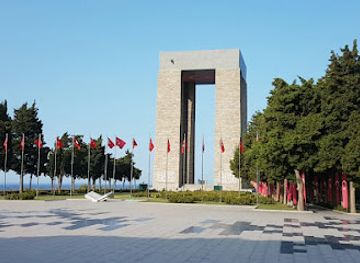
Canakkale Martyrs Monument
Experience the profound history and breathtaking views at the Canakkale Martyrs Monument, a tribute to bravery and sacrifice during the Gallipoli Campaign.
39 min drive · 19 km from city centre
-
Sculpture
Trojan Horse Statue
Discover the captivating Trojan Horse Statue in Çanakkale, a symbol of ancient myths and a must-visit for all history enthusiasts.
14 min walk · 1.1 km from city centre
-
Historical place
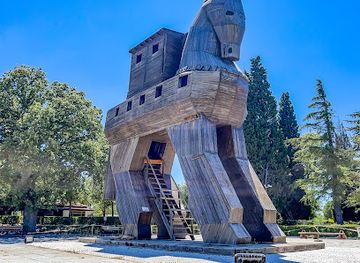
Ancient City of Troy
Explore the Ancient City of Troy, a UNESCO World Heritage site where history and myth intertwine, revealing the secrets of a legendary civilization.
45 min drive · 25 km from city centre
-
Monument
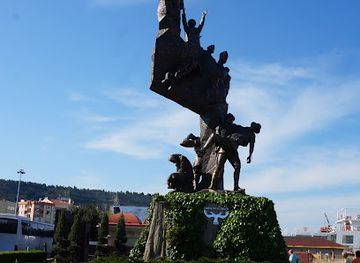
Seyit Onbaşı Anıtı
Discover the Seyit Onbaşı Anıtı, a powerful monument in Çanakkale celebrating Turkey's heroic past and offering stunning views of the Dardanelles.
8 min drive · 2.7 km from city centre
Explore Canakkale on the map
Plan your Canakkale trip on one map. See where the top attractions, landmarks, restaurants, bars and hotels are, find what's near where you're staying, and book hotels and experiences in a few clicks.
Best hotels in Canakkale
Best restaurants in Canakkale
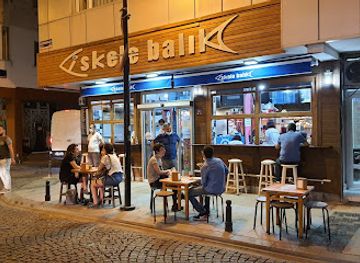
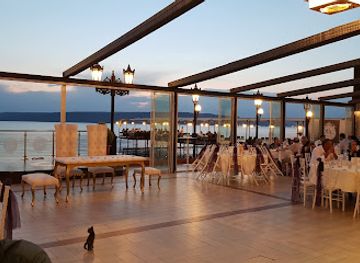
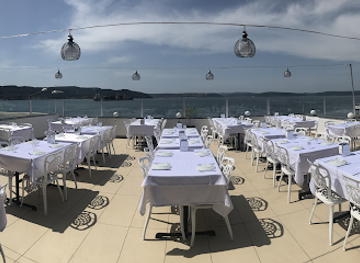
Çanakkale's dining identity is shaped by the Dardanelles, the Aegean coast and the agricultural produce of western Anatolia. Seafood is central, with sardines, seasonal fish, prawns and octopus appearing in restaurants along the waterfront and in nearby coastal districts. Meze, olive-oil dishes, seasonal vegetables and fresh bread reflect Aegean cooking, while Turkish staples such as köfte, grilled meats and pide are widely available. Çanakkale peynir helvası, a baked dessert made with cheese, semolina and sugar, is the city's best-known sweet speciality and is often sold by bakeries and traditional sweet shops. Breakfast cafés serve cheeses, olives, eggs and preserves, and the central streets offer tea, pastries and casual meals. Menus and seafood availability follow the season, so smaller local restaurants may offer a more direct sense of everyday food culture than formal dining rooms.
-
Fish & Chips
Sardalye
Experience authentic Fish & Chips at Sardalye - a top-rated fast-food destination in Çanakkale offering quality seafood at budget-friendly prices.
8 min walk · 0.6 km from city centre
-
Fish restaurant
Balıkçı 286
Discover the essence of Çanakkale at Balıkçı 286, where fresh seafood meets authentic Turkish hospitality.
8 min drive · 2.6 km from city centre
-
Fish restaurant
Yalova Restaurant
Experience fresh seafood and breathtaking views at Yalova Restaurant in Çanakkale – a true taste of Turkey's coastal charm.
12 min walk · 1.0 km from city centre
-
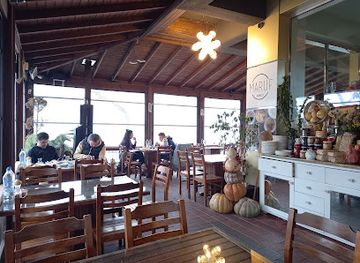
Breakfast
Maruf Kahvaltı
Discover the authentic flavors of Turkey at Maruf Kahvaltı - where every breakfast is a celebration of local culinary traditions.
10 min walk · 0.8 km from city centre
Best bars in Canakkale
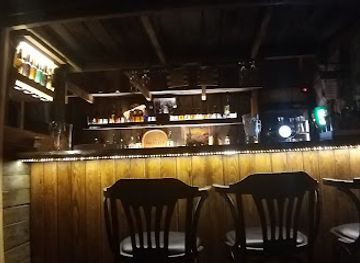
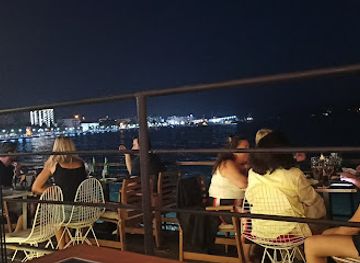
Evenings in Çanakkale are concentrated around the waterfront, the central pedestrian streets and areas near the university, with a social rhythm based more on cafés, meyhane-style dining and relaxed bars than on large nightclubs. Tea gardens and seafront cafés remain popular for watching ferries cross the Dardanelles, while restaurants and bars serve Turkish beer, wine, cocktails and spirits alongside small plates. The city has a modest live-music scene, and some venues offer contemporary Turkish music or informal performances, though nightlife changes with the university calendar and season. After dark, the waterfront is the most sociable area, while the ferry terminal and quieter residential streets are primarily transport and local-life zones rather than entertainment quarters. Visitors should dress and behave respectfully near mosques, memorials and family-oriented public spaces.
-
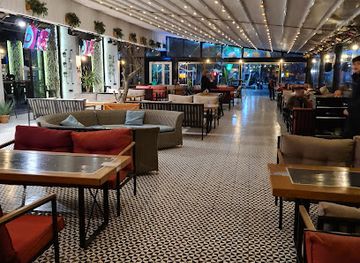
Bar
Hangover Cafe Bar
Discover the lively nightlife at Hangover Cafe Bar in Çanakkale, where great drinks meet a vibrant atmosphere.
14 min walk · 1.2 km from city centre
-
Bar
Lodos Bar
Experience the vibrant nightlife at Lodos Bar in Çanakkale, offering a delightful mix of local drinks and a friendly atmosphere.
5 min drive · 1.6 km from city centre
-
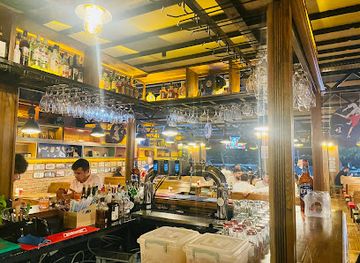
Pub
Valhalla Metal Pub
Discover the ultimate metal haven at Valhalla Metal Pub in Çanakkale, where great music meets delicious food and drinks.
10 min walk · 0.8 km from city centre
-
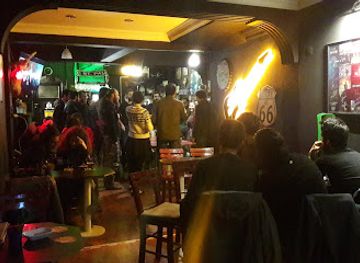
Bar
MacLeren's Doors
Experience the vibrant nightlife of Çanakkale at MacLeren's Doors, a charming bar and pub known for its delightful drinks and lively atmosphere.
10 min walk · 0.8 km from city centre
Best nightclubs in Canakkale
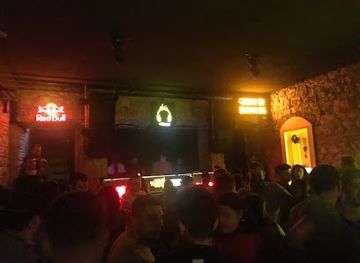
Evenings in Çanakkale are concentrated around the waterfront, the central pedestrian streets and areas near the university, with a social rhythm based more on cafés, meyhane-style dining and relaxed bars than on large nightclubs. Tea gardens and seafront cafés remain popular for watching ferries cross the Dardanelles, while restaurants and bars serve Turkish beer, wine, cocktails and spirits alongside small plates. The city has a modest live-music scene, and some venues offer contemporary Turkish music or informal performances, though nightlife changes with the university calendar and season. After dark, the waterfront is the most sociable area, while the ferry terminal and quieter residential streets are primarily transport and local-life zones rather than entertainment quarters. Visitors should dress and behave respectfully near mosques, memorials and family-oriented public spaces.
-
Bar
Lodos Bar
Discover the lively ambiance of Lodos Bar in Çanakkale, where exceptional drinks and delicious food create unforgettable experiences.
5 min drive · 1.6 km from city centre
-
Bar
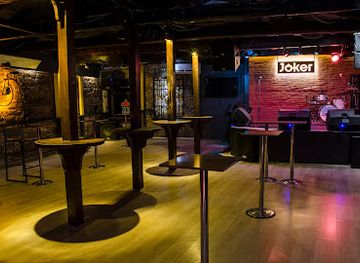
Jokers Bar Canakkale
Discover the lively ambiance of Jokers Bar in Canakkale, where cocktails, karaoke, and great vibes await travelers seeking unforgettable nights.
12 min walk · 0.9 km from city centre
-
Bar
Cosmos Bar
Discover the vibrant nightlife of Çanakkale at Cosmos Bar, where lively music and friendly faces create the perfect evening escape.
12 min walk · 0.9 km from city centre
-
 Bar
BarHelen Bar
Experience the vibrant nightlife of Çanakkale at Helen Bar, where friendly faces and refreshing drinks await you.
15 min walk · 1.2 km from city centre
Best shops in Canakkale
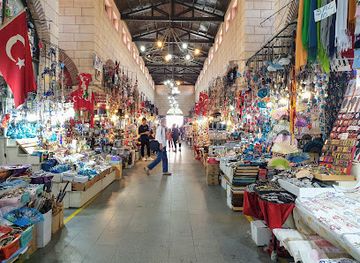
Shopping in Çanakkale is centred on the traditional streets around Aynalı Çarşı, the city's covered bazaar, and the pedestrian lanes leading towards the waterfront. Small shops sell jewellery, textiles, leather goods, ceramics, spices and everyday Turkish provisions, while bakeries and sweet shops are good places to look for peynir helvası and other regional specialities. The bazaar is more intimate than the grand markets of Istanbul, with a practical local character alongside souvenirs connected with Troy and Gallipoli. Contemporary clothing shops, cafés and supermarkets occupy the central streets, while ceramics and handmade objects reflect the region's long association with pottery and the ancient Troad. Bozcaada wines and island products may appear in specialist shops, though island-made goods are not exclusive to Çanakkale itself. Bargaining is most relevant in informal stalls and some craft shops, not in fixed-price businesses.
-
Shopping mall
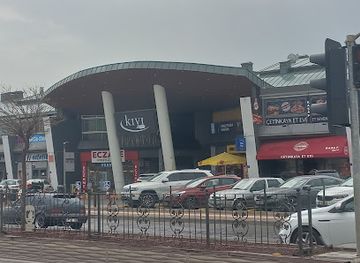
17 Burda AVM
Explore 17 Burda AVM: A premier shopping mall in Çanakkale, blending retail therapy with delightful dining and entertainment options.
6 min drive · 2.1 km from city centre
-
Shopping mall
Aynalı Çarşı
Discover the vibrant charm of Aynalı Çarşı in Çanakkale, a shopping mall blending culture, local crafts, and delicious Turkish cuisine.
6 min walk · 0.5 km from city centre
-
Shopping mall
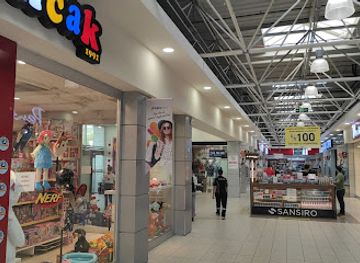
Kipa Mall
Discover a vibrant shopping experience at Kipa Mall in Çanakkale, featuring diverse stores, dining options, and family-friendly entertainment.
10 min drive · 3.2 km from city centre
-
Shopping mall
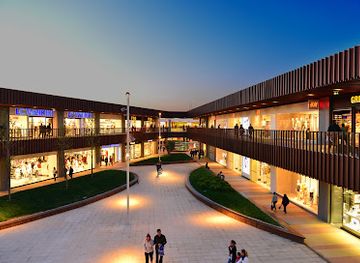
Kıyı AVM - Çanakkale
Discover the vibrant shopping experience at Kıyı AVM in Çanakkale, where retail therapy meets delightful dining and entertainment options.
6 min drive · 2.2 km from city centre
Get your free copy of our complete guide to Canakkale, delivered straight to you.
Everything on this page, from attractions and restaurants to essentials and local phrases, in one PDF you can read offline, print or share.
Already have an account? Sign in
Your Canakkale guide is ready.
We'll send it to · Not you? Sign out

Getting your guide ready…
We are putting together a fresh copy of the Canakkale guide. This can take up to a minute.
This can take a few moments. If your browser asks, choose Allow so the download can start. You'll find the guide in your Downloads folder.
Nothing happened? Download it again
Sorry, the guide is taking longer than usual. Please try again in a minute, or get it by email instead.
Canakkale essentials
Currency and Payment
Safety
Emergency Situations
Do's and Don'ts
Local Tips
From Eve
Local phrases worth knowing
You don't need to get them perfect. A few words go a long way, and locals appreciate the effort.
Basics
| English | Local | Say it |
|---|---|---|
| Hello | Merhaba | [Mer-ha-ba] |
| Goodbye | Hoşça kal | [Hosh-cha kal] |
| Yes | Evet | [Eh-vet] |
| No | Hayır | [Ha-yur] |
| Please/You're welcome | Lütfen | [Loot-fen] |
| Thank you | Teşekkür ederim | [Te-shek-kur ed-er-im] |
| Excuse me/Sorry | Özür dilerim | [Oz-ur di-le-rim] |
| How are you? | Nasılsınız? | [Na-sul-sin-iz] |
| Fine. And you? | İyiyim. Peki siz? | [Ee-yee-eem. Pe-kee siz] |
| Do you speak English? | İngilizce konuşuyor musunuz? | [Ing-ili-zje ko-noo-shu-yor mus-un-uz] |
| I don't understand | Anlamıyorum | [An-la-muh-yor-um] |
Eating & Drinking
| English | Local | Say it |
|---|---|---|
| I'd like to see the menu, please | Menüyü görmek istiyorum, lütfen | [Men-oo-yu gur-mek is-tee-yor-um, loot-fen] |
| I don't eat meat | Et yemem | [Et ye-mem] |
| Cheers! | Şerefe! | [She-re-fe] |
| I would like to pay, please | Ödemek istiyorum, lütfen | [O-de-mek is-tee-yor-um, loot-fen] |
Emergencies
| English | Local | Say it |
|---|---|---|
| Help! | Yardım edin! | [Yar-duhm ed-in] |
| Go away! | Uzaklaşın! | [Oo-zak-la-shin] |
| Call the Police! | Polisi arayın! | [Po-lee-see a-ra-yun] |
| Call a doctor! | Doktor çağırın! | [Dok-tor cha-ee-rin] |
| I'm lost | Kayboldum | [Kay-bol-dum] |
| I'm ill | Hastayım | [Has-tai-um] |
Shopping
| English | Local | Say it |
|---|---|---|
| I'd like to buy... | Satın almak istiyorum... | [Sat-un al-mak is-tee-yor-um] |
| I'm just looking | Sadece bakıyorum | [Sa-de-je ba-ku-yor-um] |
| How much is it? | Ne kadar? | [Ne ka-dar] |
| That's too expensive | Bu çok pahalı | [Boo chok pa-ha-luh] |
| Can you lower the price? | Fiyatı indirebilir misiniz? | [Fee-yat-uh in-de-re-bee-leer mis-in-iz] |
Time & Numbers
| English | Local | Say it |
|---|---|---|
| What time is it? | Saat kaç? | [Sa-at kach] |
| It's one o'clock | Saat bir | [Sa-at beer] |
| Half past (10) | On buçuk | [On boo-chook] |
| Morning | Sabah | [Sa-bah] |
| Afternoon | Öğleden sonra | [O-ler-den ah-so-ra] |
| Evening | Akşam | [A-ksham] |
| Yesterday | Dün | [Doon] |
| Today | Bugün | [Boo-gun] |
| Tomorrow | Yarın | [Ya-run] |
| 1 | Bir | [Beer] |
| 2 | İki | [Ee-kee] |
| 3 | Üç | [Ooch] |
| 4 | Dört | [Durt] |
| 5 | Beş | [Besh] |
| 6 | Altı | [Al-tuh] |
| 7 | Yedi | [Ye-di] |
| 8 | Sekiz | [Se-kiz] |
| 9 | Dokuz | [Do-kooz] |
| 10 | On | [On] |
Transport & Directions
| English | Local | Say it |
|---|---|---|
| Where's a/the...? | ... nerede? | [... ne-re-de?] |
| What's the address? | Adres nedir? | [Ad-res ne-deer?] |
| Can you show me (on the map)? | (Haritada) gösterebilir misiniz? | [(Ha-ri-ta-da) gus-te-re-bee-leer mis-in-iz] |
| When's the next (bus)? | Sonraki (otobüs) ne zaman? | [Son-ra-kee (o-to-bus) ne za-man?] |
| A ticket (to ....) | Bir bilet (....'e) | [Beer bee-let (....'e)] |
History of Canakkale
Ancient Settlements Around the Strait
The Dardanelles has been a corridor for movement between the Aegean and the Sea of Marmara since prehistory. The wider region contains settlements associated with the Early Bronze Age, including Troy on the southern side of the strait. Ancient communities benefited from agriculture, fishing and the ability to monitor maritime traffic. The city's immediate site developed later than Troy, but its position opposite the Gallipoli peninsula gave it enduring strategic importance. Greek, Persian and later Hellenistic powers all understood the value of controlling this passage between Europe and Asia.
The Troad and Classical Powers
During classical antiquity, the surrounding Troad was shaped by Greek colonisation, Persian expansion and the political influence of larger Anatolian states. Alexander the Great crossed the Dardanelles in 334 BC during his invasion of the Persian Empire, linking his campaign to the heroic memory of Troy. The region later became part of the Hellenistic world and then the Roman sphere. Troy remained an important cultural reference even as the main political centres of the area shifted. Roads, farms and ports connected the Troad to wider networks across the Aegean.
Byzantine and Ottoman Control
The Dardanelles retained its importance under the Byzantine Empire, whose rulers sought to protect Constantinople and regulate passage through the strait. Ottoman control expanded into the region in the fourteenth century, and the empire strengthened both shores with fortifications. Çimenlik Castle was built on the Asian side at Canakkale in 1452 under Sultan Mehmed II, while Kilitbahir Castle was constructed opposite it on the European shore. Their paired positions helped guard the waterway and demonstrate the strategic role that shaped the city's later development.
A Fortress Town Becomes Canakkale
Under Ottoman rule, the settlement grew around military installations, maritime trade and the movement of people across the strait. The name Canakkale is commonly associated with the area's pottery tradition, reflected in çanak, meaning earthenware or dish, and kale, meaning castle. The town's position opposite the fortifications at Kilitbahir made it a key point in the defence of the Dardanelles. Markets, workshops and ferry activity developed alongside the garrison, creating the urban foundations of the modern provincial capital.
The Gallipoli Campaign
In 1915, during the First World War, Allied forces attempted to force the Dardanelles and land on the Gallipoli peninsula. Ottoman troops defended the strait in a campaign that lasted from February 1915 into January 1916, with severe losses on all sides. The battles shaped the modern national histories of Turkiye, Australia and New Zealand, among others. Canakkale became closely associated with the campaign because of its position beside the strait, while the peninsula's cemeteries, memorials and preserved battlefields remain important sites of remembrance.
Republican Development and Cultural Memory
Following the establishment of the Republic of Turkiye in 1923, Canakkale developed as the administrative and educational centre of its province while retaining its maritime and military identity. Improved roads, ferries and regional connections strengthened its role between western Anatolia and the Gallipoli peninsula. Troy's archaeological importance and the preservation of Gallipoli sites brought a growing historical dimension to local tourism. Today, the city combines republican civic life, a university population, fishing and commerce with a public culture deeply marked by the Dardanelles and the memory of 1915.
Canakkale in Photos
Browse through our photo collection highlighting the charm and character of the destination.
Cities near Canakkale
The closest cities to Canakkale, if you have time for more than one stop.
-

-

-

-
-


Swipe for more cities