

Free Bursa Travel Guide & Mobile App
Plan your Bursa trip with Evendo. Get free guides to top attractions, restaurants, hotels, and bars. Web access or download the mobile app.


Bursa blends Ottoman heritage, silk-trade arcades and Uludağ landscapes, with grand mosques, historic baths, lively markets and celebrated İskender kebab.
First Ottoman Capital
Bursa lies on the northern foothills of Uludağ in north-western Turkiye, where fertile plains, mineral springs and mountain landscapes have shaped the city’s history. Known in antiquity as Prusa, it became the first major Ottoman capital after its conquest in 1326 and remained the dynasty’s principal political and cultural centre during the formative years of the empire. Its historic core still reflects that early importance, with monumental mosques, domed religious complexes, royal tombs, covered bazaars and traditional baths woven into the modern city.Read more about Bursa
Markets, Mosques and Silk
Mountain and Contemporary City Life
When is the best time to visit Bursa?
Best: May–June, September · 25–29°C| Month | High (°C) | Rainfall (mm) |
|---|---|---|
| January | 11 | 52 |
| February | 12 | 48 |
| March | 17 | 46 |
| April | 20 | 46 |
| May (best) | 25 | 52 |
| June (best) | 29 | 44 |
| July | 32 | 28 |
| August | 32 | 24 |
| September (best) | 27 | 38 |
| October | 21 | 63 |
| November | 15 | 71 |
| December | 12 | 62 |
Getting to and around Bursa
How to get there
Transportation
Best attractions in Bursa
Bursa’s principal sights cluster around the historic centre, where the Grand Mosque, or Ulu Cami, anchors a walk through covered bazaars, hans and the silk-trading courtyard of Koza Han. The Green Mosque and Green Tomb introduce richly decorated early Ottoman architecture, while the Muradiye Complex offers a quieter setting of gardens, tombs and religious buildings. The Bursa City Museum and Turkish and Islamic Arts Museum provide context for the city’s dynastic and commercial past, and the Tophane district brings historic tombs together with broad views across the urban plain. Beyond the centre, the timber houses and sloping lanes of Cumalıkızık reveal a village landscape tied to Bursa’s Ottoman development. Uludağ National Park supplies a contrasting mountain setting for winter sports, walking and summer recreation, reached from the city by road and cable-car connections.
-
Mosque
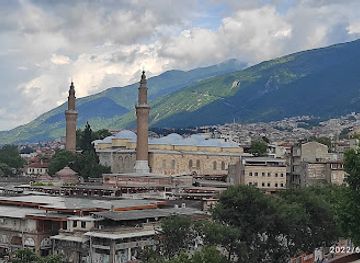
Bursa Grand Mosque
Discover the architectural splendor of Bursa Grand Mosque, a historical gem in Turkey that reflects Ottoman artistry and spiritual significance.
5 min drive · 1.7 km from city centre
-
Tourist attraction
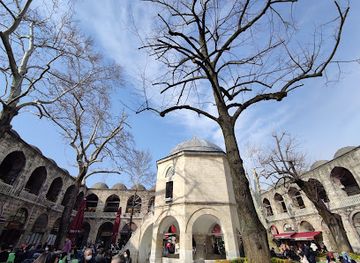
Koza Han
Explore Koza Han, a historic silk market in Bursa, where tradition meets vibrant commerce in a stunning architectural setting.
5 min drive · 1.5 km from city centre
-
Historical landmark
İnkaya Historical Plane Tree
Experience the beauty and history of the İnkaya Historical Plane Tree, an iconic landmark in Bursa that offers tranquility and cultural richness.
16 min drive · 5.5 km from city centre
-
National park
Uludag National Park
Experience the natural wonders of Uludağ National Park in Bursa, Turkey, where breathtaking landscapes and outdoor adventures await.
26 min drive · 8.5 km from city centre


Best landmarks in Bursa
Bursa’s landmarks embody the early Ottoman state and the city’s later commercial prosperity. Ulu Cami, commissioned under Sultan Bayezid I and completed in the early fifteenth century, is distinguished by its broad multi-domed interior and central fountain, while its calligraphic decoration gives the prayer hall a powerful visual identity. The Green Mosque and Green Tomb, built under Mehmed I, are associated with the restoration of Ottoman authority after the interregnum and are noted for their elaborate tilework. Koza Han represents Bursa’s silk economy through its two-storey commercial courtyard and arcaded form. In Tophane, the tombs of Osman and Orhan connect the city directly with the Ottoman dynasty’s beginnings. The Muradiye Complex and its dynastic tombs, together with historic baths and the village houses of Cumalıkızık, extend that architectural story beyond the central market quarter.
-
Mosque
Grand Mosque of Bursa
Discover the Grand Mosque of Bursa, an architectural marvel and a cultural treasure steeped in Ottoman history and artistry.
5 min drive · 1.7 km from city centre
-
Tourist attraction
Koza Han
Discover the rich heritage of Bursa at Koza Han, a historic silk bazaar offering exquisite silk products and a glimpse into traditional Turkish culture.
5 min drive · 1.5 km from city centre
-
Tourist attraction
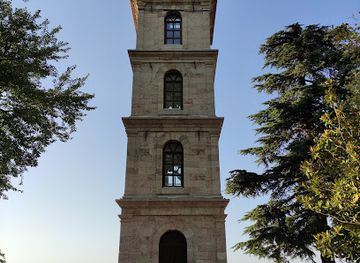
Tophane Clock Tower
Discover the Tophane Clock Tower, a historic gem in Bursa offering breathtaking views and a glimpse into the city's rich architectural heritage.
6 min drive · 2.0 km from city centre
-
National park
Uludag National Park
Experience the breathtaking beauty and adventure of Uludag National Park, a top destination for nature lovers and outdoor enthusiasts in Turkey.
26 min drive · 8.5 km from city centre
Explore Bursa on the map
Plan your Bursa trip on one map. See where the top attractions, landmarks, restaurants, bars and hotels are, find what's near where you're staying, and book hotels and experiences in a few clicks.
Neighbourhoods in Bursa
-

-

-


Swipe for more neighbourhoods
Best hotels in Bursa
Best restaurants in Bursa
Bursa’s culinary identity is closely linked to İskender kebab, in which thinly sliced döner is served over bread with tomato sauce, melted butter and yoghurt; the dish developed in the city and remains a defining local meal. Candied chestnuts, or kestane şekeri, reflect the abundance of chestnut trees around the region and are sold widely as gifts and confections. Traditional eateries around the centre serve grilled meats, soups, pide and home-style Turkish dishes, while Çekirge and other established districts add restaurants associated with the city’s thermal and hotel culture. Market streets and historic hans bring tea, pastries and simple snacks into the sightseeing experience. Bursa’s proximity to fertile agricultural land also supports seasonal fruit, vegetables and dairy products, while contemporary restaurants reinterpret regional ingredients without displacing the city’s established culinary traditions.
-
Turkish
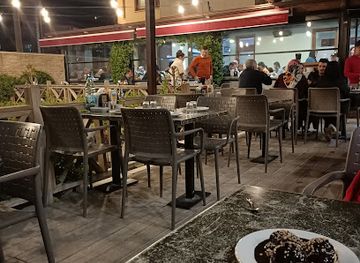
Uzan Et Mangal
Experience authentic Turkish flavors at Uzan Et Mangal - where exquisite grilled meats meet warm hospitality in Bursa.
40 min drive · 20 km from city centre
-
Kebab shop
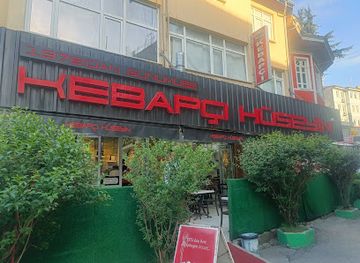
Kebapçı Hüseyin Usta
Discover the authentic taste of Turkey at Kebapçı Hüseyin Usta in Bursa—where every bite tells a story.
16 min walk · 1.3 km from city centre
-
Restaurant
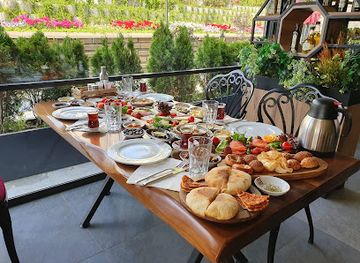
Kadim Restaurant
Experience authentic Turkish cuisine at Kadim Restaurant in Bursa - where tradition meets flavor in every dish.
23 min drive · 7.7 km from city centre
-
Turkish
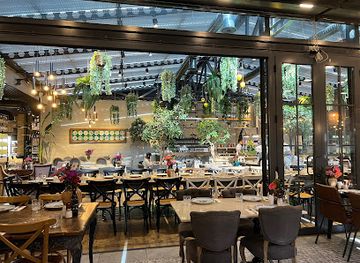
Zennup1844 I Bursa
Experience the best of Turkish cuisine at Zennup1844 in Bursa – where tradition meets culinary excellence.
23 min drive · 7.8 km from city centre
Best bars in Bursa
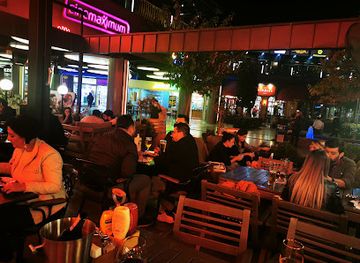
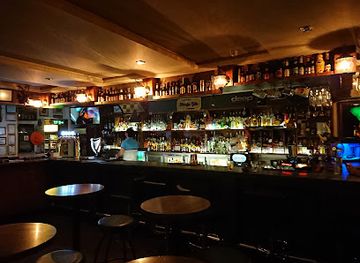
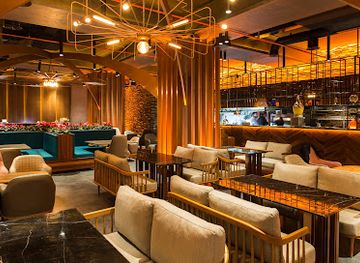
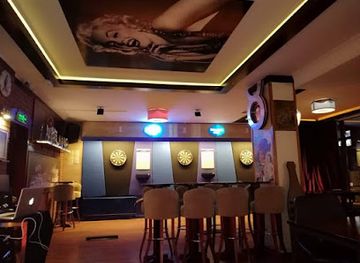
Bursa’s evening life is more measured than Istanbul’s, with activity concentrated in central cafés, restaurants, hotel bars and established entertainment areas rather than a single all-night club district. Around the city centre and university-influenced parts of Nilüfer, visitors can find modern cafés, pubs, live music and venues serving cocktails or local and international drinks. Çekirge has an evening atmosphere shaped partly by hotels, thermal facilities and restaurants, while traditional tea gardens offer a quieter way to socialise. Cultural programmes at theatres, concert halls and municipal venues provide alternatives to nightlife centred on alcohol, and seasonal performances may add music or dance to the evening calendar. Customs vary by venue, but modest public behaviour and respect for more conservative neighbourhoods are appropriate, particularly away from commercial entertainment streets.
-
Pub
Newcastle Pub
Experience the lively ambiance and delicious offerings at Newcastle Pub, a perfect spot for nightlife in Bursa.
30 min drive · 10 km from city centre
-
Pub
High Out Dart Club
Discover the vibrant atmosphere of High Out Dart Club, Bursa’s premier pub for darts, drinks, and delightful social experiences.
17 min drive · 5.5 km from city centre
-
Live music bar
Opus Live Bursa
Experience the vibrant nightlife at Opus Live Bursa, where unforgettable music meets exquisite dining in the heart of Nilüfer.
35 min drive · 15 km from city centre
-
Bar
Labelle Bar
Discover the vibrant nightlife and delicious cuisine at Labelle Bar, a perfect blend of café and restaurant in the heart of Bursa.
16 min walk · 1.3 km from city centre
Best nightclubs in Bursa
Bursa’s evening life is more measured than Istanbul’s, with activity concentrated in central cafés, restaurants, hotel bars and established entertainment areas rather than a single all-night club district. Around the city centre and university-influenced parts of Nilüfer, visitors can find modern cafés, pubs, live music and venues serving cocktails or local and international drinks. Çekirge has an evening atmosphere shaped partly by hotels, thermal facilities and restaurants, while traditional tea gardens offer a quieter way to socialise. Cultural programmes at theatres, concert halls and municipal venues provide alternatives to nightlife centred on alcohol, and seasonal performances may add music or dance to the evening calendar. Customs vary by venue, but modest public behaviour and respect for more conservative neighbourhoods are appropriate, particularly away from commercial entertainment streets.
-
Night club
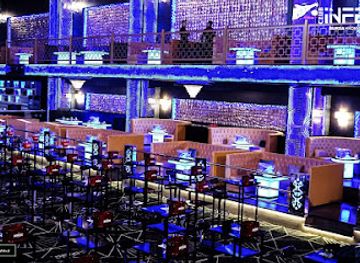
Club Inferno Mania Bursa
Discover the energetic nightlife of Bursa at Club Inferno Mania, where electrifying music and vibrant atmospheres await.
22 min drive · 7.3 km from city centre
-
Night club
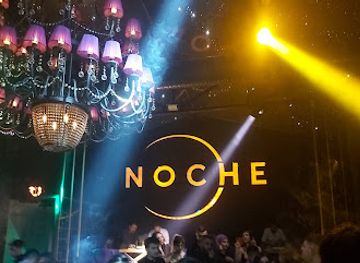
Noche Club
Explore the electrifying nightlife at Noche Club in Bursa, where music and dance create unforgettable experiences every night.
16 min drive · 5.5 km from city centre
-
Night club
Turistik Köşküm Night Club
Discover the vibrant nightlife of Bursa at Turistik Köşküm Night Club, where music, dance, and local culture come alive every night.
7 min drive · 2.3 km from city centre
-
Night club
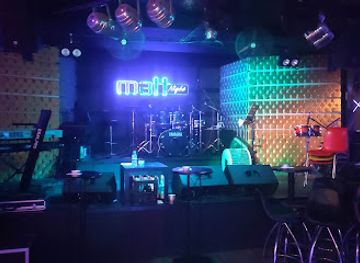
Malt Restaurant
Explore the vibrant nightlife at Malt Restaurant, a premier night club in Bursa offering a unique blend of dining and entertainment.
31 min drive · 11 km from city centre

Best shops in Bursa
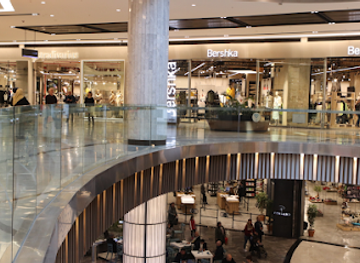
Shopping in Bursa remains closely tied to the historic market district, where the covered bazaar streets, Bedesten and Koza Han form a commercial landscape shaped by the silk trade. Koza Han is particularly associated with silk scarves, fabrics and textiles, while nearby shops sell Turkish towels, embroidered goods, jewellery, leather items and traditional gifts. The market area also offers lokum, spices, dried produce and Bursa’s celebrated candied chestnuts, making food products a practical alternative to decorative souvenirs. Modern retail centres and department stores serve contemporary local life, especially beyond the old core and in expanding districts such as Nilüfer. Visitors interested in authenticity should compare fabrics, ask about materials and distinguish handmade work from mass-produced goods. Historic hans are as important for their architecture and social atmosphere as for the items displayed in their shops.
-
Shopping mall
Sur Yapı Marka
Discover a shopping paradise at Sur Yapı Marka in Bursa, where retail therapy meets culinary delights and family fun.
22 min drive · 7.5 km from city centre
-
Shopping mall
Korupark Shopping Center
Discover a shopping oasis at Korupark Shopping Center in Bursa, where luxury meets leisure in an unforgettable retail experience.
32 min drive · 12 km from city centre
-
Shopping mall
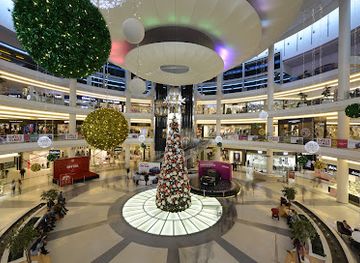
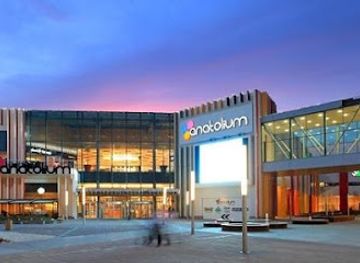
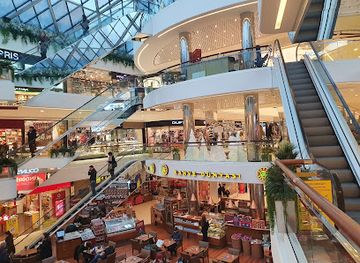
Anatolium Alışveriş Merkezi
Discover Anatolium Alışveriş Merkezi, a vibrant shopping mall in Bursa offering a blend of fashion, dining, and family-friendly entertainment options.
27 min drive · 9.1 km from city centre
-
Shopping mall
Zafer Plaza
Discover Zafer Plaza, the ultimate shopping mall experience in Bursa with diverse stores, delightful dining, and family-friendly entertainment.
5 min drive · 1.8 km from city centre
Get your free copy of our complete guide to Bursa, delivered straight to you.
Everything on this page, from attractions and restaurants to essentials and local phrases, in one PDF you can read offline, print or share.
Already have an account? Sign in
Your Bursa guide is ready.
We'll send it to · Not you? Sign out

Getting your guide ready…
We are putting together a fresh copy of the Bursa guide. This can take up to a minute.
This can take a few moments. If your browser asks, choose Allow so the download can start. You'll find the guide in your Downloads folder.
Nothing happened? Download it again
Sorry, the guide is taking longer than usual. Please try again in a minute, or get it by email instead.
Bursa essentials
Currency and Payment
Safety
Emergency Situations
Do's and Don'ts
Local Tips
From Eve
Local phrases worth knowing
You don't need to get them perfect. A few words go a long way, and locals appreciate the effort.
Basics
| English | Local | Say it |
|---|---|---|
| Hello | Merhaba | [Mer-ha-ba] |
| Goodbye | Hoşça kal | [Hosh-cha kal] |
| Yes | Evet | [Eh-vet] |
| No | Hayır | [Ha-yur] |
| Please/You're welcome | Lütfen | [Loot-fen] |
| Thank you | Teşekkürler | [Teh-shek-kuur-ler] |
| Excuse me/Sorry | Özür dilerim | [O-zur dee-leh-rim] |
| How are you? | Nasılsınız? | [Na-sul-suh-nuhz] |
| Fine. And you? | İyiyim. Siz? | [Ee-yee-yim. Siz?] |
| Do you speak English? | İngilizce konuşuyor musunuz? | [Ing-ee-leez-jeh ko-noo-shu-yor mus-unuz?] |
| I don't understand | Anlamıyorum | [An-lah-muh-yor-um] |
Eating & Drinking
| English | Local | Say it |
|---|---|---|
| I'd like to see the menu, please | Menüyü görmek istiyorum, lütfen | [Men-oo-yu gur-mek is-tee-yor-um, loot-fen] |
| I don't eat meat | Et yemem | [Eht ye-mem] |
| Cheers! | Şerefe! | [She-re-fe!] |
| I would like to pay, please | Ödemek istiyorum, lütfen | [Uh-deh-mek is-tee-yor-um, loot-fen] |
Emergencies
| English | Local | Say it |
|---|---|---|
| Help! | Yardım! | [Yar-dum] |
| Go away! | Uzaklaş! | [Oo-zak-lash] |
| Call the Police! | Polisi arayın! | [Po-li-si a-ryun] |
| Call a doctor! | Doktor çağırın! | [Dok-tor cha-ee-run] |
| I'm lost | Kayboldum | [Kai-bol-dum] |
| I'm ill | Hasta oldum | [Has-ta ol-dum] |
Shopping
| English | Local | Say it |
|---|---|---|
| I'd like to buy... | Satın almamı istiyorum... | [Sat-un al-ma-muh is-tee-yor-um] |
| I'm just looking | Sadece bakıyorum | [Sah-deh-je ba-ku-yor-um] |
| How much is it? | Ne kadar? | [Neh ka-dar] |
| That's too expensive | Çok pahalı | [Chok pa-ha-luh] |
| Can you lower the price? | Fiyatı indirebilir misiniz? | [Fiyat-uh in-de-re-bi-leer mis-in-iz] |
Time & Numbers
| English | Local | Say it |
|---|---|---|
| What time is it? | Saat kaç? | [Sa-at kach] |
| It's one o'clock | Saat bir | [Sa-at beer] |
| Half past (10) | On buçuk | [On boo-chuk] |
| Morning | Sabah | [Sa-bah] |
| Afternoon | Öğleden sonra | [Oh-leh-den ah-sor-na] |
| Evening | Akşam | [Ak-sham] |
| Yesterday | Dün | [Doon] |
| Today | Bugün | [Boo-goon] |
| Tomorrow | Yarın | [Ya-run] |
| 1 | Bir | [Beer] |
| 2 | İki | [Ee-kee] |
| 3 | Üç | [Ooch] |
| 4 | Dört | [Durt] |
| 5 | Beş | [Besh] |
| 6 | Altı | [Al-tuh] |
| 7 | Yedi | [Yeh-dee] |
| 8 | Sekiz | [Seh-keez] |
| 9 | Dokuz | [Do-kooz] |
| 10 | On | [On] |
Transport & Directions
| English | Local | Say it |
|---|---|---|
| Where's a/the...? | .... nerede? | [Neh-reh-deh] |
| What's the address? | Adres ne? | [Ad-res neh] |
| Can you show me (on the map)? | Bana gösterebilir misiniz (haritada)? | [Ba-na gur-ste-re-bi-leer mis-in-iz (ha-ree-ta-da)] |
| When's the next (bus)? | Bir sonraki (otobüs) ne zaman? | [Beer son-rah-ki (o-to-boo-s) neh za-man] |
| A ticket (to ....) | Bir bilet (....'e) | [Beer bee-let (....'e)] |
History of Bursa
Prusa and Ancient Bithynia
Bursa’s ancient predecessor, Prusa, is traditionally associated with Prusias I, the Bithynian ruler who founded or reorganised the settlement in the third century BC. Its position near fertile agricultural land and routes crossing north-western Anatolia supported growth within the Kingdom of Bithynia. The city later entered the Roman sphere and became part of the Roman and then Byzantine world, when it was known as Prusa or Prusa ad Olympum, referring to the nearby mountain later called Uludağ. Mineral springs contributed to its continuing importance, while the surrounding plain supported cultivation and trade. Although little of the ancient urban fabric remains above ground, Bursa’s geographical setting explains its enduring role as a regional centre linking inland Anatolia with the Sea of Marmara.
Byzantine Prusa and Its Springs
Under Roman and Byzantine rule, Prusa developed as a provincial settlement valued for its agricultural hinterland, strategic position and thermal waters. The city experienced the political uncertainties that affected north-western Anatolia during the late Byzantine period, including pressure from Turkic powers advancing into the region after the eleventh century. Its baths and springs remained an important part of local life, while military and commercial routes connected the settlement with Nicaea, Nicomedia and the Marmara coast. Byzantine Bursa was not the monumental city visible today, yet its topography, water culture and strategic location established foundations that the Ottomans would later expand. Remnants of earlier fortifications and archaeological traces survive unevenly amid the denser urban landscape.
The Ottoman Conquest and First Capital
Ottoman forces captured Bursa in 1326 during the reign of Orhan, after a prolonged campaign begun under his father, Osman. The city became the first major Ottoman capital and a centre from which the emerging state developed its administrative, religious and commercial institutions. Orhan commissioned major buildings, and later sultans added mosques, schools, charitable kitchens, baths, markets and caravanserais. Bursa also became an important place of dynastic burial: Osman and Orhan are commemorated in the area of Tophane, while later rulers and members of the dynasty were buried in complexes across the city. The early Ottoman monuments established architectural patterns that would later be refined in Edirne and Istanbul.
Silk, Trade and Imperial Culture
Bursa prospered as the Ottoman state expanded, benefiting from its location between Anatolia, the Marmara region and routes towards Iran. Silk production and trade became especially significant, with raw silk arriving from eastern regions and being woven or exchanged in the city’s hans. Koza Han, built in the fifteenth century, remains the clearest surviving expression of this commercial world. The city’s religious complexes also served social functions through schools, kitchens, fountains and lodging facilities, making the urban centre a network of commerce and public welfare. Bursa’s baths and thermal springs added another layer to its reputation, while its workshops, gardens and literary circles helped form an influential Ottoman cultural environment.
Earthquake, Reform and Modernisation
Bursa was severely affected by the earthquake of 1855, which damaged many buildings and prompted extensive repair and rebuilding during the late Ottoman period. Restoration altered parts of the historic centre while preserving major monuments, including the Grand Mosque and a number of early Ottoman complexes. The nineteenth century also brought administrative reforms, new transport links and changing commercial patterns. Bursa continued to depend on silk, agriculture and its thermal resources, but manufacturing began to develop alongside established crafts. The city’s built environment consequently combines monumental Ottoman structures, nineteenth-century interventions and later urban expansion rather than representing a single uninterrupted architectural period.
Industry and the Republican City
After the establishment of the Republic of Turkiye in 1923, Bursa expanded beyond its historic core and became one of the country’s important industrial centres. Textile production continued the city’s long commercial association with silk, while automotive manufacturing and related industries later transformed the economy and attracted new residents. Urban growth spread across the plain towards surrounding districts, placing pressure on agricultural land and historic neighbourhoods. At the same time, conservation projects renewed attention to the early Ottoman monuments, traditional markets and village settlements around the city. Bursa and Cumalıkızık were inscribed together on the UNESCO World Heritage List in 2014, recognising the city’s formative Ottoman urban landscape and the rural settlements that supported it.
Bursa in Photos
Browse through our photo collection highlighting the charm and character of the destination.
Cities near Bursa
The closest cities to Bursa, if you have time for more than one stop.
-

-

-

-

-


Swipe for more cities
Explore more
Explore more of Turkiye
Discover Turkiye: Where ancient history, stunning landscapes, and vibrant culture come together to create an unforgettable travel experience.
Explore Turkiye