

Cilicia, Turkiye Travel Guide
Discover Cilicia in Turkiye: A captivating blend of ancient history, natural beauty, and culinary delights, perfect for adventurers and culture enthusiasts alike.
Cilicia, nestled in the southern region of Turkiye, is a hidden gem waiting to be explored. Known for its rich history, the region was once a thriving hub for ancient civilizations, including the Romans, Byzantines, and Ottomans. The remnants of their grandeur are scattered across the landscape, offering a unique glimpse into the past. Among the must-see sights are the ancient city of Tarsus, the birthplace of Saint Paul, and the impressive ruins of Anavarza Castle, which stand as a testament to the area's strategic importance throughout history. Beyond its historical allure, Cilicia boasts stunning natural beauty. The region is home to the Taurus Mountains, which provide a breathtaking backdrop to the lush, fertile plains. Visitors can enjoy a variety of outdoor activities, from hiking and exploring hidden caves to relaxing by the pristine beaches along the Mediterranean coast. The Cennet and Cehennem (Heaven and Hell) Caves are a particular highlight, offering a mysterious and captivating experience for adventurers. The local cuisine in Cilicia is another highlight, with a variety of delicious dishes that reflect the area's diverse cultural influences. Be sure to try the regional specialties like Adana kebab, hummus, and baklava. The local markets and restaurants offer a delightful culinary journey that will tantalize your taste buds and provide a deeper connection to the region's rich heritage.

Know before you go
Hi, I'm Eve. Here are a few practical things to know before exploring Cilicia.
- Visit in spring or autumn for the best weather conditions and fewer crowds.
- Wear comfortable shoes for exploring archaeological sites and natural trails.
- Try local dishes at family-run restaurants for an authentic culinary experience.
- Hire a local guide to gain deeper insights into the historical sites and their significance.
- Stay hydrated and carry sunscreen, especially when exploring outdoor attractions.
Top City Travel Guides in Cilicia
The cities of Cilicia, and the easiest places to base yourself.


Explore Cilicia: Things to Do, Places to Eat, Hotels & More
Handpicked recommendations for top attractions, local dining, accommodations, and more

Top Attractions & Sightseeing in Cilicia
Top-rated picks
Best Attractions

Abant Gölü Milli Parkı
Experience the stunning natural beauty and adventure of Abant Gölü Milli Parkı, a national reserve perfect for hiking and nature exploration.

Cleopatra Gate
Explore Cleopatra Gate in Tarsus, a captivating historical landmark that embodies the grandeur of the Roman Empire and the legacy of Queen Cleopatra.

Kanlı Divane Ören Yeri
Explore the ancient wonders of Kanlı Divane Ören Yeri, a unique archaeological site in Mersin featuring fascinating ruins and a stunning sinkhole.

Karatepe Aslantas National Park
Explore the stunning landscapes and rich history at Karatepe Aslantas National Park, an essential stop for nature lovers and adventure seekers in Turkey.

Best landmarks in Cilicia
Top-rated picks
Best Landmarks

Galata Tower
Discover the breathtaking views and rich history at Galata Tower, a must-see historical landmark in the heart of Istanbul.

Grand Bazaar
Discover the Grand Bazaar, Istanbul's vibrant marketplace that blends rich history with a delightful shopping experience in the heart of Turkey.

Anıtkabir
Explore Anıtkabir, the majestic mausoleum of Mustafa Kemal Atatürk, a profound symbol of Turkish heritage and national pride.

Topkapi Palace Museum
Discover the opulence of the Ottoman Empire at Topkapi Palace Museum, a historic gem in Istanbul offering breathtaking architecture and rich cultural heritage.

Best restaurants in Cilicia
Top-rated picks
Best Restaurants

Nusr-Et Steakhouse Kapalıçarşı
Experience unparalleled luxury dining at Nusr-Et Steakhouse Kapalıçarşı in Istanbul's Grand Bazaar - where exquisite flavors meet sophisticated ambiance.

ANTAKYA RESTAURANT
Discover authentic Turkish flavors at Antakya Restaurant in Istanbul—where culinary tradition meets modern taste.

Old Ottoman Cafe & Restaurant
Discover the rich flavors of authentic Ottoman cuisine at Old Ottoman Cafe & Restaurant in Istanbul's historic Fatih district.

Sa Va Anatolian Breakfast House
Discover authentic Turkish breakfast at Sa Va Anatolian Breakfast House in Cihangir – where tradition meets flavor in every bite.

Best bars in Cilicia
Top-rated picks
Best Bars

Kıtır
Discover Kıtır, a delightful pub in Ankara offering a fantastic selection of local beers and authentic Turkish cuisine in a vibrant atmosphere.

Quente Beach Club
Experience bliss at Quente Beach Club in Çeşme, where sun, sea, and relaxation meet in a stunning coastal setting.
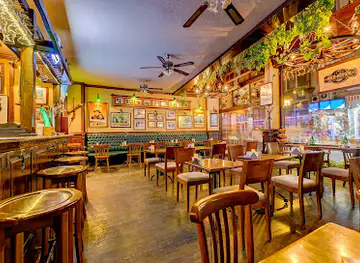
Red River Pub
Experience the vibrant atmosphere and delectable cuisine at Red River Pub, Istanbul's must-visit spot for food and sports lovers.

Balkon Restaurant & Bar
Discover the flavors of Turkey while enjoying stunning views at Balkon Restaurant & Bar in Beyoğlu, a must-visit rooftop gem in Istanbul.

Best nightclubs in Cilicia
Top-rated picks
Best Nightclubs

AURA CLUB KEMER
Discover the electrifying nightlife at AURA CLUB KEMER, where unforgettable moments and vibrant festivities await you in the heart of Kemer.

Kalisas Night Club
Experience the vibrant nightlife of Istanbul at Kalisas Night Club, where energetic music and a diverse crowd await every night.

Kiss Bar Side Turkey
Experience the vibrant nightlife at Kiss Bar in Side, Turkey - cocktails, music, and unforgettable memories await you!

PAUSE CLUB
Dive into the electric atmosphere of Pause Club in Antalya, where unforgettable nights and vibrant music await you.

Best shops in Cilicia
Top-rated picks
Best Shops

Egyptian Bazaar
Discover the vibrant flavors and rich history of Istanbul at the Egyptian Bazaar, a must-visit market for every traveler.

İstanbul Cevahir Shopping Mall
Experience the ultimate shopping and entertainment destination at İstanbul Cevahir Shopping Mall, where style meets fun in the heart of Istanbul.

ANKAmall
Explore ANKAmall, Ankara's premier shopping destination with over 200 stores, diverse dining, and entertainment options for a perfect day out.

Viaport Asia Outlet Shopping
Explore a shopper's paradise at Viaport Asia Outlet Shopping in Istanbul, featuring diverse stores, dining options, and family-friendly entertainment.

Explore Cilicia on the Map
A handpicked selection of must-see spots in Cilicia, mapped for you.
Cilicia Essentials
-
Cilicia is located in the southern part of Turkiye. The nearest major airport is Adana Şakirpaşa Airport (ADA), which is well-connected to various international and domestic destinations. From Adana, you can take a bus, taxi, or rent a car to reach Cilicia. The journey from Adana to Mersin, a central city in Cilicia, takes approximately 1 to 1.5 hours by road.
-
Within Cilicia, you can get around using a variety of transportation options. Buses and minibuses (dolmuş) are common for traveling between cities and towns. For local travel, taxis are widely available and relatively affordable. Renting a car is also a convenient option if you plan to explore more remote areas. Bicycle rentals are available in some cities for those who prefer eco-friendly transport.
-
The official currency in Turkiye is the Turkish Lira (TRY). Credit and debit cards are widely accepted in hotels, restaurants, and shops, but it is advisable to carry some cash for smaller establishments and rural areas. ATMs are readily available in most cities and towns in Cilicia. Currency exchange services can be found at airports, banks, and exchange offices.
-
Cilicia is generally a safe destination for tourists. However, it is important to take standard precautions. Avoid walking alone at night in unfamiliar areas and be cautious of your belongings in crowded places. Some neighborhoods in larger cities like Mersin and Adana may have higher crime rates; it's best to stay in well-known tourist areas and consult local advice. Always keep emergency contact numbers handy.
-
In case of emergency, dial 112 for immediate assistance. This number connects you to emergency medical services, police, and fire departments. Hospitals and medical facilities are available in major cities such as Mersin and Adana. It is recommended to have travel insurance that covers medical emergencies. Pharmacies are widely available for minor health issues.
-
Fashion: Do dress modestly, especially when visiting religious sites. Avoid wearing overly revealing clothing. Religion: Do respect local customs and traditions. Remove your shoes and cover your head when entering mosques. Public Transport: Do be respectful and give up your seat to elderly passengers. Don't eat or drink on public transport. Greetings: Do greet people with a handshake and a smile. A slight nod of the head is also a sign of respect. Eating & Drinking: Do try local delicacies and accept food offerings graciously. Don't refuse hospitality, as it is considered impolite.
-
To experience Cilicia like a local, visit local markets and bazaars where you can buy fresh produce and traditional Turkish goods. Engage with locals, as they are often friendly and willing to share stories about the area's rich history and culture. Don't miss the chance to visit historic sites such as the ancient city of Tarsus and the picturesque coastal town of Anamur. For a unique experience, take a boat tour along the Ceyhan River.
When is the best time to visit Cilicia?
Useful Local Phrases for Cilicia
You don't need to speak the language perfectly. Even learning a few simple words can make conversations warmer—and locals usually appreciate the effort.
— Eve

Here are the phrases I use most often in Cilicia. Try a few—you'll be surprised how far they go! 😊
❤️
-
- HelloMerhaba
[Mehr-bah] - GoodbyeHoşça kal
[Hosh-cha kal] - YesEvet
[Eh-vet] - NoHayır
[Hah-yuhr] - Please/You're welcomeLütfen
[Loot-fen] - Thank youTeşekkür ederim
[Teh-shehk-kur ed-er-im] - Excuse me/SorryAffedersiniz
[Ahf-feh-der-sin-iz] - How are you?Nasılsınız?
[Nah-suhl-sin-iz] - Fine. And you?İyiyim. Ya siz?
[Ee-yee-yim. Yah siz?] - Do you speak English?İngilizce biliyor musunuz?
[Eeng-ee-liz-jeh bee-lee-yor moo-sun-uz] - I don't understandAnlamıyorum
[Ahn-lah-muh-yor-um]
- HelloMerhaba
-
- I'd like to see the menu, pleaseMenüyü görebilir miyim, lütfen?
[Men-oo-yoo go-reh-bee-lir mee-yim, loot-fen?] - I don't eat meatEt yemiyorum
[Et ye-mee-yor-um] - Cheers!Şerefe!
[Sheh-reh-feh] - I would like to pay, pleaseÖdemek istiyorum, lütfen
[Oh-deh-mehk ees-tee-yor-um, loot-fen]
- I'd like to see the menu, pleaseMenüyü görebilir miyim, lütfen?
-
- Help!Yardım edin!
[Yahr-dum eh-din!] - Go away!Defol!
[Deh-fol!] - Call the Police!Polisi arayın!
[Poh-lee-see ah-rah-yin!] - Call a doctor!Doktor çağırın!
[Dok-tor chah-uh-rin!] - I'm lostKayboldum
[Kai-bol-dum] - I'm illHastayım
[Has-tah-yim]
- Help!Yardım edin!
-
- I'd like to buy...Satın almak istiyorum...
[Sah-tuhn ahl-mahk ees-tee-yor-um] - I'm just lookingSadece bakıyorum
[Sah-jeh-deh bah-kee-yor-um] - How much is it?Bu ne kadar?
[Boo neh kah-dahr?] - That's too expensiveBu çok pahalı
[Boo chohk pah-hah-luh] - Can you lower the price?Fiyatı düşürebilir misiniz?
[Fee-yah-tuh doo-she-reh-bee-lir mee-sin-iz?]
- I'd like to buy...Satın almak istiyorum...
-
- What time is it?Saat kaç?
[Sah-at kahch?] - It's one o'clockSaat bir
[Sah-at beer] - Half past (10)On buçuk
[On boo-chook] - MorningSabah
[Sah-bah] - AfternoonÖğleden sonra
[Uhr-leh-den sohn-rah] - EveningAkşam
[Ak-shahm] - YesterdayDün
[Doon] - TodayBugün
[Boo-goon] - TomorrowYarın
[Yah-rin] - 1Bir
[Beer] - 2İki
[Ee-kee] - 3Üç
[Ooch] - 4Dört
[Durt] - 5Beş
[Besh] - 6Altı
[Al-tuh] - 7Yedi
[Yeh-dee] - 8Sekiz
[Seh-keez] - 9Dokuz
[Doh-kooz] - 10On
[On]
- What time is it?Saat kaç?
-
- Where's a/the...?Nerede...?
[Neh-reh-de...?] - What's the address?Adres ne?
[Ah-dres neh?] - Can you show me (on the map)?Haritada gösterir misiniz?
[Hah-ree-tah-dah goh-ster-ir mee-sin-iz?] - When's the next (bus)?Sonraki (otobüs) ne zaman?
[Sohn-rah-kee (oh-toh-boos) neh zah-mahn?] - A ticket (to ....)Bir bilet (....)
[Beer bee-let (....)]
- Where's a/the...?Nerede...?
History of Cilicia
-
Cilicia, located in the southeastern region of modern-day Turkey, has a rich history that dates back to the Neolithic period. Archaeological evidence suggests that the area was inhabited as early as 7000 BCE. The fertile plains and strategic coastal location made it an attractive settlement for early human civilizations.
-
During the late Bronze Age, Cilicia came under the influence of the Hittite Empire. The region was known as Kizzuwatna and served as an important vassal state. It played a crucial role in the Hittite's military and trade networks, contributing to the empire’s strength and reach.
-
After the fall of the Hittite Empire, Cilicia became a battleground for various empires. The Assyrians and later the Persians conquered the region, each leaving their mark on its culture and infrastructure. The Persians, under Cyrus the Great, established Cilicia as a satrapy, integrating it into their vast empire.
-
Cilicia’s strategic importance was recognized by Alexander the Great, who conquered the region in 333 BCE during his campaign against the Persian Empire. Following Alexander’s death, Cilicia became part of the Seleucid Empire. The Hellenistic period brought Greek culture, art, and architecture to the region, which can still be seen in the ruins of ancient cities like Tarsus.
-
In 64 BCE, Cilicia was annexed by the Roman Republic and later became a Roman province. Under Roman rule, the region flourished as a center of commerce and culture. The city of Tarsus, in particular, gained prominence as a major urban center. After the division of the Roman Empire, Cilicia became part of the Eastern Roman or Byzantine Empire, continuing to thrive as a significant Christian center.
-
Between the 11th and 14th centuries, Cilicia was the heartland of the Armenian Kingdom of Cilicia. Established by Armenian refugees fleeing the Seljuk invasion, the kingdom became a beacon of Armenian culture and politics. It fostered strong ties with European Crusaders and became a vital ally in the Crusades. The kingdom eventually fell to the Mamluks in 1375.
-
Cilicia was incorporated into the Ottoman Empire in the 16th century during the reign of Sultan Selim I. The region enjoyed relative stability under Ottoman rule, serving as a key agricultural and trade hub. Ottoman influence is evident in the architecture, local customs, and administrative practices that persisted until the early 20th century.
-
Following World War I and the subsequent collapse of the Ottoman Empire, Cilicia was briefly occupied by French forces. The region was later incorporated into the Republic of Turkey in 1921. Today, Cilicia, known for its rich tapestry of historical layers, is a vibrant part of modern Turkey, attracting history enthusiasts and travelers from around the world.
Neighbouring Regions of Cilicia
The closest regions to Cilicia, if you have time for more than one.


Your all‑in‑one travel companion app
Explore expert travel guides, compare and book tours, experiences, hotels, and more—all from the palm of your hand. Download now for seamless trip planning wherever your wanderlust takes you.


Explore More of Turkiye
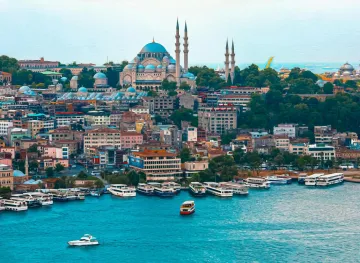
Looking beyond Cilicia? Discover Turkiye for broader travel guides, local hot-spots, and regional highlights.
Explore TurkiyeCilicia in Photos
Browse through our photo collection highlighting the charm and character of the destination.

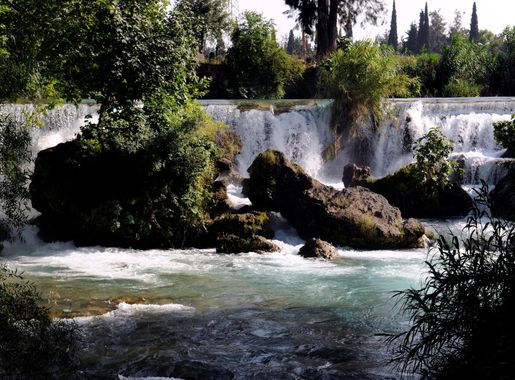
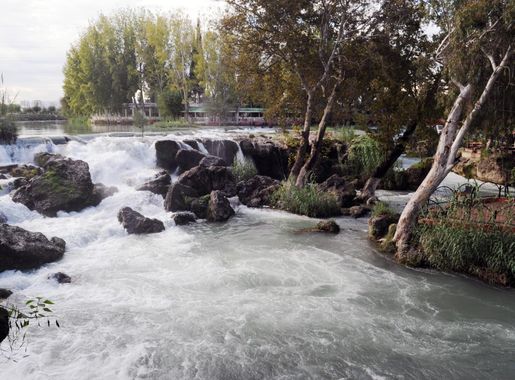


Enchanting Cilicia: A Journey Through Ancient and Natural Wonders
Cilicia, nestled in the southern region of Turkiye, is a hidden gem waiting to be explored. Known for its rich history, the region was once a thriving hub for ancient civilizations, including the Romans, Byzantines, and Ottomans. The remnants of their grandeur are scattered across the landscape, offering a unique glimpse into the past. Among the must-see sights are the ancient city of Tarsus, the birthplace of Saint Paul, and the impressive ruins of Anavarza Castle, which stand as a testament to the area's strategic importance throughout history. Beyond its historical allure, Cilicia boasts stunning natural beauty. The region is home to the Taurus Mountains, which provide a breathtaking backdrop to the lush, fertile plains. Visitors can enjoy a variety of outdoor activities, from hiking and exploring hidden caves to relaxing by the pristine beaches along the Mediterranean coast. The Cennet and Cehennem (Heaven and Hell) Caves are a particular highlight, offering a mysterious and captivating experience for adventurers. The local cuisine in Cilicia is another highlight, with a variety of delicious dishes that reflect the area's diverse cultural influences. Be sure to try the regional specialties like Adana kebab, hummus, and baklava. The local markets and restaurants offer a delightful culinary journey that will tantalize your taste buds and provide a deeper connection to the region's rich heritage.