

Free Mediterranean Region Travel Guide & Mobile App
Explore Mediterranean Region with free travel guides. Discover regional history, expert tips, proposed trips, and audio guides on web or mobile app.


Explore Türkiye’s Mediterranean Region for ancient cities, Taurus Mountain landscapes, long beaches, distinctive cuisine and historic coastal towns.
Read more about Mediterranean Region
When is the best time to visit Mediterranean Region?
Best: May, September–October · 26–31°C| Month | High (°C) | Rainfall (mm) |
|---|---|---|
| January | 15 | 180 |
| February | 16 | 150 |
| March | 19 | 110 |
| April | 23 | 80 |
| May (best) | 27 | 60 |
| June | 32 | 30 |
| July | 35 | 20 |
| August | 35 | 20 |
| September (best) | 31 | 30 |
| October (best) | 26 | 70 |
| November | 19 | 100 |
| December | 16 | 150 |
Getting to and around Mediterranean Region
How to get there
Transportation
Top city travel guides in Mediterranean Region
The cities of Mediterranean Region, and the easiest places to base yourself.
-

-
-

-

-

-


Swipe for more cities
Destinations in Mediterranean Region
Resorts, valleys and scenic spots worth a trip of their own.
-

-


Swipe for more destinations
Best attractions in Mediterranean Region
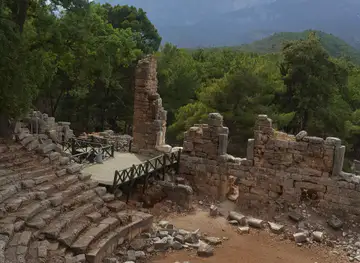
The Mediterranean Region offers an unusually broad combination of archaeological sites, beaches, mountain landscapes and living cities. Around Antalya, visitors can explore the old harbour and lanes of Kaleiçi, the Roman cities of Perge and Aspendos, and the forested ruins of Termessos. The coastal settlements of Olympos and Çıralı combine ancient remains with a protected beach environment, while the waterfalls and gorges north of the city provide shorter nature excursions. The Taurus Mountains bring opportunities for rafting in the Köprülü Canyon area, hiking, canyon walks and visits to highland villages. East of Antalya, Mersin Province adds the cave complex of Cennet and Cehennem, the sea castle opposite Kızkalesi, the Roman remains of Anemurium and the wetland habitats of the Göksu Delta. Adana and Tarsus offer urban, religious and archaeological heritage alongside a strong food culture, while Hatay is known for the historic and cultural importance of Antakya and surrounding districts. Access and opening conditions vary, particularly in areas affected by the 2023 earthquakes, so current local information matters.
-
Museum
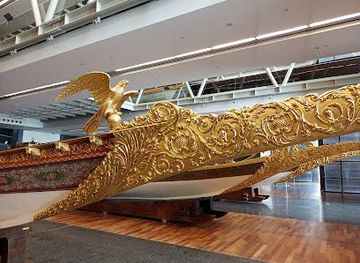
Naval Museum
Discover the rich history of Turkey's naval heritage at the stunning Naval Museum in Beşiktaş, Istanbul, where maritime tales come to life.
-
Historical place
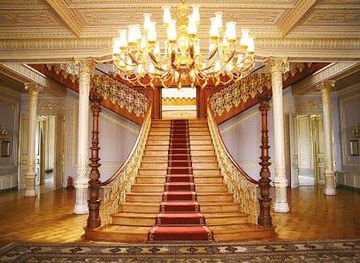
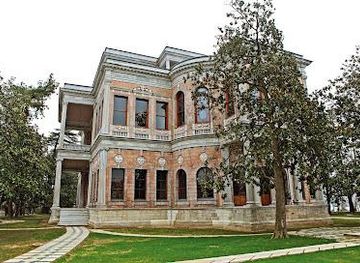
Sait Halim Pasha Mansion
Discover the elegance of Sait Halim Pasha Mansion, a historical gem on the Bosphorus, where Ottoman architecture meets stunning waterfront views.
-
Museum
Beykoz Mecidiye Pavilion (National Palaces)
Explore the enchanting Beykoz Mecidiye Pavilion, where Ottoman history meets breathtaking natural beauty in the heart of Istanbul.
-
Memorial park
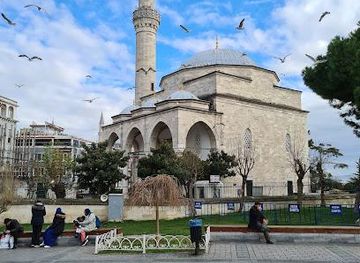
Mehmet Akif Ersoy Park
Explore the tranquil beauty and cultural significance of Mehmet Akif Ersoy Park, a serene escape in the heart of Istanbul's historic Sultanahmet.
Best landmarks in Mediterranean Region
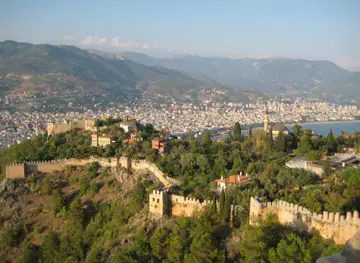
Antalya’s ancient harbour and the Ottoman-era houses of Kaleiçi form one of the region’s most recognisable urban landscapes, framed by the old city walls and the Mediterranean below. The Roman theatre at Aspendos is a landmark of imperial engineering and performance architecture, while the ruins of Termessos are distinguished by their high Taurus setting rather than monumental urban scale alone. In Mersin Province, Kızkalesi stands on a small offshore islet, its medieval fortress separated from the coast by shallow water, and the remains of Anemurium overlook the sea from a broad archaeological site. Alahan Monastery, set in the Taurus foothills, represents the region’s important Byzantine religious heritage. Tarsus’s historic core and the monumental Varda-style civic and religious architecture of Adana reflect later urban histories, although the region’s landmarks are not confined to city centres. In Hatay, Antakya’s churches, mosques, old streets and museum heritage have long symbolised the area’s layered cultural history, but the 2023 earthquakes caused extensive damage and altered access to many sites. Current conditions should be checked before making plans.
-
Historical landmark
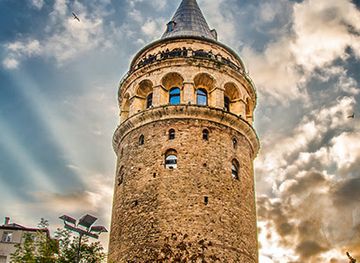
Galata Tower
Discover the stunning views and rich history of Galata Tower, Istanbul's iconic landmark that connects past and present.
-
Monument
Anıtkabir
Explore Anıtkabir, a magnificent mausoleum dedicated to Mustafa Kemal Atatürk, symbolizing Turkey's rich history and national pride.
-
Mosque
Hagia Sophia Grand Mosque
Explore the iconic Hagia Sophia Grand Mosque, a stunning blend of Byzantine and Ottoman architecture, rich in history and spiritual significance.
-
Museum
Topkapi Palace Museum
Explore the opulent Topkapi Palace Museum, a UNESCO World Heritage site that unveils the rich history and culture of the Ottoman Empire in Istanbul.


Explore Mediterranean Region on the map
Plan your trip on one map. See where the top cities, national parks and sights are, and book hotels and experiences in a few clicks.
Best hotels in Mediterranean Region
Best restaurants in Mediterranean Region
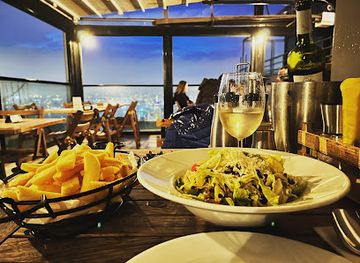
Food is one of the clearest ways to distinguish the Mediterranean Region’s provinces. Antalya’s piyaz is served with a creamy tahini dressing rather than treated simply as a bean salad, and serpme börek reflects the city’s pastry tradition. Mersin is associated with finely sliced tantuni, often served in flatbread, as well as cezerye, a sweet made with carrot, nuts and spices. Adana’s kebab is traditionally shaped from seasoned minced meat and cooked over charcoal, while the wider Çukurova plain supplies citrus, cotton, grains and vegetables. Hatay cuisine brings together rich spice blends, bulgur dishes, stuffed vegetables, breads, dips and sweets shaped by Arab, Anatolian and Mediterranean influences. Look for market breakfasts, family-run lokantas, kebab houses, fish restaurants in coastal towns, village dairy products and seasonal produce rather than relying only on resort buffets. Tea, Turkish coffee, ayran and locally produced fruit drinks accompany meals throughout the region.
-
Restaurant
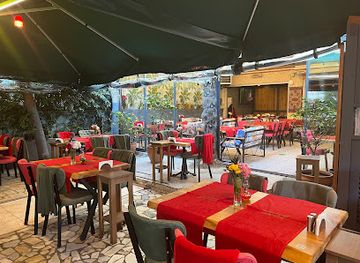
Hidden Garden
Experience a delightful blend of Turkish and European cuisines at Hidden Garden - a must-visit culinary oasis in Istanbul.
-
Turkish
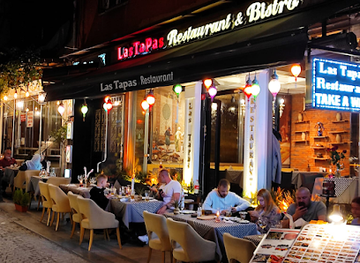
Las Tapas Restaurant
Experience authentic Turkish cuisine at Las Tapas Restaurant in Istanbul – where every meal is a celebration of flavors.
-
Turkish
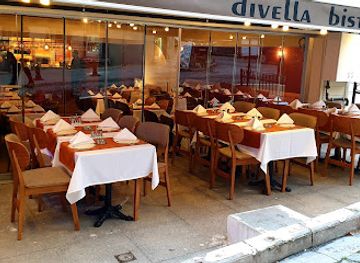
Divella Bistro Restaurant
Experience authentic Turkish flavors at Divella Bistro Restaurant in Istanbul – a culinary haven for food lovers seeking diverse Mediterranean delights.
-
Turkish
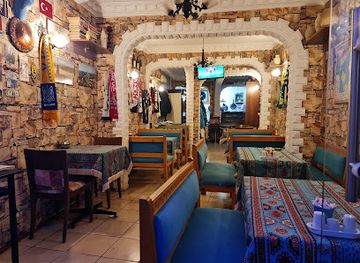
Istanbul Anatolian Cuisine
Experience authentic Turkish flavors at Istanbul Anatolian Cuisine – a culinary haven in Fatih where tradition meets taste.
Best bars in Mediterranean Region
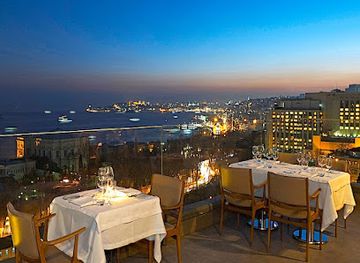
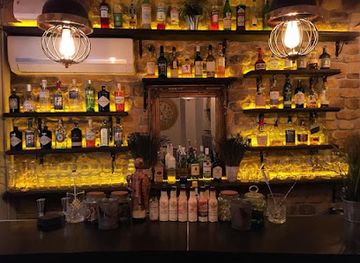
Nightlife is most developed in Antalya’s resort districts and city centre, where visitors find hotel venues, cocktail bars, live music, late-opening restaurants and seasonal clubs. Kaleiçi has a concentration of small bars and music venues in historic surroundings, although the atmosphere varies by street and time of year. Along the coast, evenings often centre on promenades, meyhane-style dining, cafés and hotel entertainment rather than a continuous club scene. Mersin and Adana have a more local urban mix of cafés, pubs, restaurants, live music and late-night food, with Adana particularly well suited to an evening built around kebab and conversation. In smaller coastal and mountain communities, nightlife is generally quieter and focuses on family restaurants, tea gardens and traditional pubs or cafés. Alcohol is available in licensed venues, but it is not necessary for engaging with the region’s evening culture.
-
Irish pub
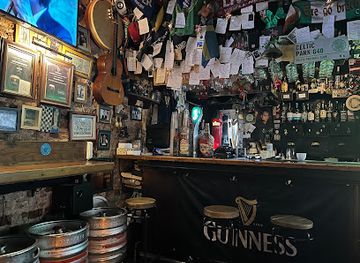
U2 Istanbul Irish Pub
Discover the lively U2 Istanbul Irish Pub, where vibrant music, hearty Irish dishes, and a welcoming atmosphere await in the heart of Beyoğlu.
-
Restaurant
Vogue Restaurant & Bar
Discover the elegance of Vogue Restaurant & Bar in Beşiktaş, where exquisite cuisine meets stunning city views for an unforgettable dining experience.
-
Bar
Balkon Restaurant & Bar
Discover the vibrant flavors of Turkish cuisine at Balkon Restaurant & Bar, a modern culinary hotspot in the heart of Beyoğlu, Istanbul.
-
Cocktail bar
Flekk
Experience the vibrant cocktail culture of Istanbul at Flekk, a stylish bar offering innovative drinks and a lively atmosphere in the heart of Beyoğlu.
Best nightclubs in Mediterranean Region
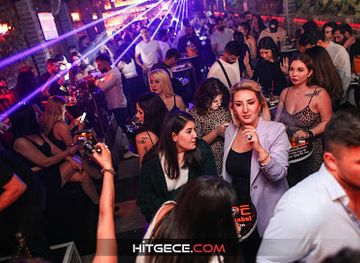
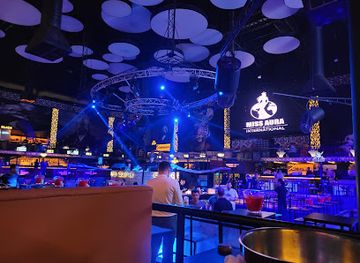
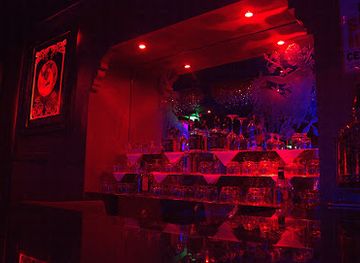
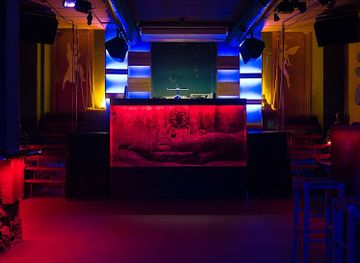
Nightlife is most developed in Antalya’s resort districts and city centre, where visitors find hotel venues, cocktail bars, live music, late-opening restaurants and seasonal clubs. Kaleiçi has a concentration of small bars and music venues in historic surroundings, although the atmosphere varies by street and time of year. Along the coast, evenings often centre on promenades, meyhane-style dining, cafés and hotel entertainment rather than a continuous club scene. Mersin and Adana have a more local urban mix of cafés, pubs, restaurants, live music and late-night food, with Adana particularly well suited to an evening built around kebab and conversation. In smaller coastal and mountain communities, nightlife is generally quieter and focuses on family restaurants, tea gardens and traditional pubs or cafés. Alcohol is available in licensed venues, but it is not necessary for engaging with the region’s evening culture.
-
Night club
Escape Club İstanbul
Discover the captivating nightlife at Escape Club İstanbul, where vibrant music and an electrifying atmosphere come alive on İstiklal Caddesi.
-
Night club
AURA CLUB KEMER
AURA CLUB KEMER: The Ultimate Nightlife Destination in Kemer, Antalya - Dance, Drink, and Celebrate!
-
Night club
Kalisas Night Club
Experience Istanbul's vibrant nightlife at Kalisas Night Club, where music, dancing, and unforgettable moments await every night.
-
Night club
Temple club
Discover the electrifying nightlife of Istanbul at Temple Club, where exceptional DJs and a vibrant crowd create unforgettable nights.
Best shops in Mediterranean Region
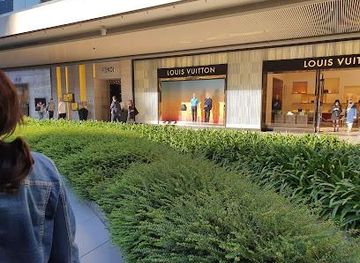
Shopping varies from resort-oriented retail in Antalya to produce markets, traditional food shops and independent high streets in Mersin, Adana and Hatay. Antalya’s Kaleiçi and central districts offer jewellery, leather, textiles, ceramics, carpets and contemporary souvenirs, but provenance and quality should be checked carefully for higher-value purchases. Mersin is a useful place to look for cezerye, citrus products, tahini-based foods and regional confectionery, while Adana’s markets and specialist food shops reflect the city’s kebab, spice and agricultural traditions. Hatay is associated with olive products, spice blends, sweets, copperware and craft traditions, although the availability of individual businesses has been affected by the earthquakes and reconstruction. Weekly markets in smaller towns are often the best places for seasonal fruit, vegetables, herbs, cheese and household goods. Bargaining can be appropriate in informal markets, but fixed-price shops, galleries and established retailers generally expect straightforward payment.
-
Shopping mall
İstanbul Cevahir Shopping Mall
Experience the ultimate shopping adventure at İstanbul Cevahir Shopping Mall, featuring global brands, local boutiques, and a variety of dining and entertainment options.
-
Shopping mall
Zorlu Center
Discover luxury shopping, fine dining, and vibrant entertainment at Zorlu Center, Istanbul's premier shopping mall.
-
Shopping mall
The Land of Legends Shopping Avenue
Discover a shopping haven at The Land of Legends Shopping Avenue in Antalya, featuring diverse shops, dining, and entertainment options for every taste.
-
Clothing store
Luxury Boutique Turkey
Explore the elegance of Luxury Boutique Turkey in Istanbul, where high-end fashion meets exquisite craftsmanship for discerning shoppers.



Get your free copy of our complete guide to Mediterranean Region, delivered straight to you.
Everything on this page, from attractions and restaurants to essentials and local phrases, in one PDF you can read offline, print or share.
Already have an account? Sign in
Your Mediterranean Region guide is ready.
We'll send it to · Not you? Sign out

Getting your guide ready…
We are putting together a fresh copy of the Mediterranean Region guide. This can take up to a minute.
This can take a few moments. If your browser asks, choose Allow so the download can start. You'll find the guide in your Downloads folder.
Nothing happened? Download it again
Sorry, the guide is taking longer than usual. Please try again in a minute, or get it by email instead.
Mediterranean Region essentials
Currency and Payment
Safety
Emergency Situations
Do's and Don'ts
Local Tips
From Eve
Local phrases worth knowing
You don't need to get them perfect. A few words go a long way, and locals appreciate the effort.
Basics
| English | Local | Say it |
|---|---|---|
| Hello | Merhaba | [Mehr-hah-bah] |
| Goodbye | Hoşça kal | [Hosh-cha kal] |
| Yes | Evet | [Eh-vet] |
| No | Hayır | [Hah-yuhr] |
| Please/You're welcome | Lütfen | [Loot-fen] |
| Thank you | Teşekkür ederim | [Teh-shehk-kur eh-deh-reem] |
| Excuse me/Sorry | Affedersiniz | [Ah-feh-dehr-see-neez] |
| How are you? | Nasılsınız? | [Nah-suhl-suhn-uhz] |
| Fine. And you? | İyiyim. Siz nasılsınız? | [Ee-yee-yeem. Sees nah-suhl-suhn-uhz] |
| Do you speak English? | İngilizce biliyor musunuz? | [Een-gee-leez-jeh bee-lee-yor moo-soon-uz] |
| I don't understand | Anlamıyorum | [Ahn-lah-muh-yor-um] |
Eating & Drinking
| English | Local | Say it |
|---|---|---|
| I'd like to see the menu, please | Menüyü görebilir miyim lütfen? | [Men-oo-yoo go-reh-bee-leer mee-yim loot-fen] |
| I don't eat meat | Et yemiyorum | [Et yeh-mee-yor-um] |
| Cheers! | Şerefe! | [Sheh-reh-feh] |
| I would like to pay, please | Ödemek istiyorum lütfen | [Oh-deh-meck ees-tee-yor-um loot-fen] |
Emergencies
| English | Local | Say it |
|---|---|---|
| Help! | Yardım edin! | [Yar-dum eh-deen] |
| Go away! | Defol! | [Deh-fohl] |
| Call the Police! | Polisi ara! | [Poh-lee-see ah-rah] |
| Call a doctor! | Bir doktora haber ver! | [Beer dok-toh-rah hah-behr vehr] |
| I'm lost | Kayboldum | [Kah-y-bol-doom] |
| I'm ill | Hastayım | [Hahs-tah-yum] |
Shopping
| English | Local | Say it |
|---|---|---|
| I'd like to buy... | Satın almak istiyorum... | [Sah-tun ahl-mak ees-tee-yor-um] |
| I'm just looking | Sadece bakıyorum | [Sah-deh-jeh bah-kee-yor-um] |
| How much is it? | Bu ne kadar? | [Boo neh kah-dar] |
| That's too expensive | Bu çok pahalı | [Boo chohk pah-hah-luh] |
| Can you lower the price? | Fiyatı indirebilir misiniz? | [Fee-yah-tuh een-dee-reh-bee-leer mee-see-neez] |
Time & Numbers
| English | Local | Say it |
|---|---|---|
| What time is it? | Saat kaç? | [Sah-aht kahch] |
| It's one o'clock | Saat bir | [Sah-aht beer] |
| Half past (10) | On buçuk | [On boo-chook] |
| Morning | Sabah | [Sah-bah] |
| Afternoon | Öğleden sonra | [Uh-leh-den sohn-rah] |
| Evening | Akşam | [Ahk-shahm] |
| Yesterday | Dün | [Doon] |
| Today | Bugün | [Boo-guhn] |
| Tomorrow | Yarın | [Yah-ruhn] |
| 1 | Bir | [Beer] |
| 2 | İki | [Ee-kee] |
| 3 | Üç | [Oohch] |
| 4 | Dört | [Durt] |
| 5 | Beş | [Besh] |
| 6 | Altı | [Ahl-tuh] |
| 7 | Yedi | [Yeh-dee] |
| 8 | Sekiz | [Seh-keez] |
| 9 | Dokuz | [Doh-kooz] |
| 10 | On | [On] |
Transport & Directions
| English | Local | Say it |
|---|---|---|
| Where's a/the...? | Nerede ...? | [Neh-reh-deh] |
| What's the address? | Adres nedir? | [Ah-dress neh-deer] |
| Can you show me (on the map)? | Bana (haritada) gösterebilir misiniz? | [Bah-nah (hah-ree-tah-dah) gohs-teh-reh-bee-leer mee-see-neez] |
| When's the next (bus)? | Bir sonraki (otobüs) ne zaman? | [Beer sohn-rah-kee (oh-toh-boos) neh zah-mahn] |
| A ticket (to ....) | Bir bilet (....) | [Beer bee-let (....)] |
History of Mediterranean Region
Prehistoric Settlements and Early Anatolian Cultures
The Mediterranean region contains evidence of human settlement stretching back to prehistory, including caves, rock shelters and early agricultural communities. The plains and river valleys around Mersin, Adana and Hatay offered fertile soils and access to the sea, while the Taurus foothills connected the coast with the Anatolian interior. Sites such as Yumuktepe near Mersin reveal successive occupation over thousands of years, illustrating the development of farming, craft production and long-distance exchange. These early settlements established patterns of habitation that later civilisations repeatedly reused along the coast and in the major river basins.
Hellenistic Kingdoms and Coastal City-States
After Alexander the Great’s conquests, much of the region became part of the Hellenistic world, although power was divided among competing kingdoms and local authorities. Pamphylia, Cilicia and the lands around ancient Antioch developed different political and cultural identities. Coastal cities prospered through agriculture, shipping and trade, while fortified settlements guarded routes across the Taurus. The period left a legacy of urban planning, theatre architecture and religious sites later expanded by Rome. Many of the ruins visible today, including those at Perge and neighbouring ancient cities, occupy landscapes shaped during this era.
Roman Pamphylia, Cilicia and Antioch
Roman rule brought roads, aqueducts, theatres, baths and monumental civic buildings to the Mediterranean coast and its hinterland. Perge became an important city in Pamphylia, Aspendos benefited from regional prosperity, and cities in Cilicia connected Anatolia with Syria and the eastern Mediterranean. Antioch, now Antakya, grew into one of the Roman Empire’s major eastern centres, renowned for its wealth and cosmopolitan population. Roman engineering remains visible at bridges, theatres, colonnaded streets and water systems throughout Antalya, Mersin, Adana and Hatay provinces.
Early Christianity and the Byzantine Era
The region was central to the spread of Christianity. Antioch was an important centre of the early church, and Christian communities developed along the coast and in the mountain valleys. Under the Byzantine Empire, existing Roman cities continued to function, although political instability, changing trade routes and Arab-Byzantine conflict altered the balance between coast and interior. Churches, monasteries and fortified settlements were established in defensible locations. The remains at places such as Alahan Monastery in Mersin Province reflect the region’s role in Byzantine religious and architectural history.
Seljuk and Medieval Turkmen Rule
From the late eleventh century, Turkish principalities and the Seljuk Sultanate of Rum gradually established control over parts of the Mediterranean hinterland and coast. Antalya became an important port under Seljuk rule, and new caravan routes linked the seaboard with central Anatolia. Later, Turkmen principalities governed different districts before the Ottoman expansion. Medieval castles, mosques, caravan routes and surviving urban structures record the interaction of Turkish, Greek, Armenian, Arab and other communities that shaped the region’s complex cultural landscape.
Ottoman Ports, Plains and Provincial Towns
Under the Ottoman Empire, Adana’s fertile plain became increasingly important for agriculture, while Mersin developed as a port connected to regional and international trade. Tarsus, Antakya and other established towns retained religious and commercial significance. Cotton, citrus, grains and other crops supported changing patterns of landholding and export. The region’s population included Muslim, Christian and Jewish communities, with particularly diverse traditions in Hatay and Cilicia. Ottoman mosques, houses, bazaars and civic buildings remain important elements of several Mediterranean towns.
The Republic, Tourism and Agricultural Transformation
The twentieth century brought new roads, ports, irrigation projects, mechanised agriculture and expanding cities. Antalya changed from a provincial port into Türkiye’s principal Mediterranean tourism centre, while greenhouse cultivation and citrus production transformed much of the coastal economy. Adana and Mersin grew as industrial, commercial and transport hubs. Hatay joined the Republic of Türkiye in 1939 after a period of separate administration under the French Mandate. Since the late twentieth century, mass tourism, migration and rapid urban development have reshaped the coast, alongside continuing efforts to protect archaeological and natural heritage.
The 2023 Earthquakes and Regional Recovery
The earthquakes of February 2023 caused profound loss and damage across southern Türkiye, with Hatay among the areas most severely affected. Antakya’s historic urban fabric, religious buildings, homes and public infrastructure suffered extensive destruction, while neighbouring districts also faced disruption. Recovery and reconstruction continue to influence access, accommodation and the appearance of historic areas. Travellers should approach affected communities with sensitivity, check current arrangements before visiting heritage sites and recognise that the region’s cultural life is continuing through a period of major change.
Mediterranean Region in Photos
Browse through our photo collection highlighting the charm and character of the destination.
Neighbouring regions of Mediterranean Region
The closest regions to Mediterranean Region, if you have time for more than one.
-

-

-

-

-


Swipe for more regions
Explore more
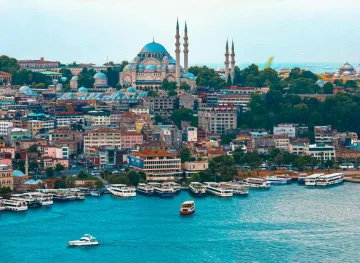
Explore more of Turkiye
Discover Turkiye: Where ancient history, stunning landscapes, and vibrant culture come together to create an unforgettable travel experience.
Explore Turkiye