Free Lycaonia Travel Guide & Mobile App
Explore Lycaonia with free travel guides. Discover regional history, expert tips, proposed trips, and audio guides on web or mobile app.


Explore Lycaonia in central Turkiye through Konya’s Seljuk heritage, Çatalhöyük’s Neolithic past, Karaman’s medieval monuments and high-plateau landscapes.
Read more about Lycaonia
When is the best time to visit Lycaonia?
Best: May–June, September · 24–28°C| Month | High (°C) | Rainfall (mm) |
|---|---|---|
| January | 9 | 30 |
| February | 10 | 35 |
| March | 14 | 40 |
| April | 18 | 45 |
| May (best) | 24 | 50 |
| June (best) | 28 | 30 |
| July | 31 | 20 |
| August | 31 | 20 |
| September (best) | 26 | 25 |
| October | 19 | 30 |
| November | 12 | 35 |
| December | 9 | 40 |
Getting to and around Lycaonia
How to get there
Transportation
Top city travel guides in Lycaonia
The cities of Lycaonia, and the easiest places to base yourself.
-

-
-

-

-

-


Swipe for more cities
Best attractions in Lycaonia
Lycaonia’s attractions range from internationally important archaeology to living religious and urban heritage. The principal experience is Konya, where the Mevlana Museum, Seljuk monuments, historic mosques and the Alaeddin Hill district introduce the region’s medieval and spiritual history. In the surrounding plain, Çatalhöyük offers a carefully interpreted encounter with Neolithic settlement, while the rural remains at Kilistra reveal how early Christian communities used the valleys south-west of Konya. Karaman provides a second focus, with its castle, mosques and links to the Karamanid dynasty. Farther towards the Taurus foothills, the Binbirkilise ruins present a more dispersed and demanding archaeological landscape of Byzantine churches and settlements. Visitors can also explore local markets, traditional food culture and the open agricultural scenery between the sites. Outdoor recreation is shaped by the plateau rather than by dense woodland or dramatic alpine terrain: scenic drives, photography, birdwatching in suitable wetland areas and short walks around ruins are more realistic than extensive marked hiking infrastructure. Distances and seasonal conditions make a planned itinerary important.
-
Historical landmark
Derinkuyu Underground City
Uncover the secrets of Derinkuyu Underground City, an ancient marvel in Cappadocia, blending rich history with stunning subterranean architecture.
-
Museum
Kaymakli Underground City
Discover Kaymakli Underground City, an ancient marvel in Cappadocia where history and adventure intertwine beneath the earth's surface.
-
National park
Köprülü Canyon National Park
Experience the breathtaking beauty and adventure of Köprülü Canyon National Park in Antalya, Turkey, a paradise for nature lovers and adventurers.
-
Hiking area
Lycian Way
Discover the breathtaking Lycian Way, a stunning hiking trail along Turkey's Mediterranean coast, rich in history and natural beauty.


Best landmarks in Lycaonia
The Mevlana Museum in Konya is Lycaonia’s most recognisable landmark, marked by its green-tiled dome and its association with Jalaluddin Rumi and the Mevlevi tradition. The Alaeddin Hill and nearby Seljuk monuments form another important urban group, recalling Konya’s role as the capital of the Sultanate of Rum. Konya’s İnce Minareli Medrese, with its elaborately carved stone portal, represents the sophistication of Seljuk architectural ornament, while the Karatay Medrese adds another major medieval monument to the city’s historic centre. In Karaman, the castle rises above the town as a visible reminder of the area’s strategic and dynastic importance, and nearby mosques and religious buildings preserve the Karamanid and Ottoman urban legacy. Çatalhöyük is a landmark of a different kind: its importance lies in the archaeological evidence of an early settled society rather than in a monumental skyline. South of Karaman, the scattered stone churches of Binbirkilise belong to the region’s Byzantine landscape and are best approached as a rural archaeological complex, not as a single preserved monument.
-
Historical landmark
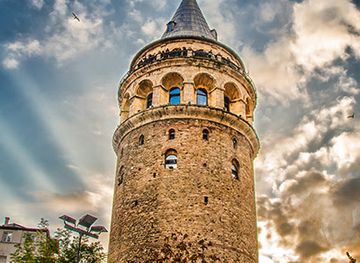
Galata Tower
Explore Istanbul's rich history and stunning views at the iconic Galata Tower, a symbol of the city's vibrant culture and architectural grandeur.
-
Mosque
Hagia Sophia Grand Mosque
Explore the Hagia Sophia Grand Mosque, a stunning blend of history and spirituality, where Byzantine architecture meets Ottoman elegance in Istanbul.
-
Museum
Topkapi Palace Museum
Explore the opulent history and breathtaking beauty of Topkapi Palace Museum in Istanbul, a UNESCO World Heritage site that enchants every visitor.
-
 Mosque
The Blue Mosque
Explore the breathtaking beauty of The Blue Mosque, a stunning architectural marvel and cultural treasure in the heart of Istanbul.
Explore Lycaonia on the map
Plan your trip on one map. See where the top cities, national parks and sights are, and book hotels and experiences in a few clicks.
Best hotels in Lycaonia
Best restaurants in Lycaonia
Konya and Karaman offer the strongest concentration of regional dining, from traditional lokantas and bakeries to modern restaurants serving central Anatolian cuisine. Konya is particularly associated with etli ekmek, a long, thin flatbread topped with seasoned meat, and fırın kebabı, traditionally slow-cooked lamb served with bread and simple accompaniments. Tirit, arasıcak dishes, soups, yoghurt-based preparations and pastries reflect the wider culinary traditions of the plateau, where wheat, lamb, dairy products and pulses are important ingredients. In Karaman, local bakeries and family-run restaurants provide a useful introduction to southern central Anatolian flavours, while village stops may focus on straightforward grilled meats, gözleme, tea and seasonal produce. Breakfasts often include cheeses, olives, eggs, bread and preserves rather than a single Lycaonian speciality. Konya’s Mevlana heritage also supports a long tradition of carefully prepared, often meat-free dishes associated with lodge cuisine, though menus vary. Markets are useful for fruit, nuts and regional provisions, but opening days and individual businesses can change.
-
Restaurant
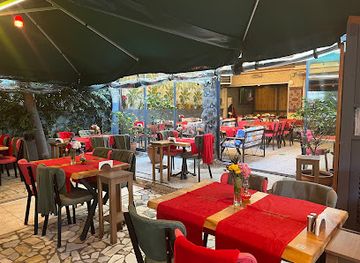
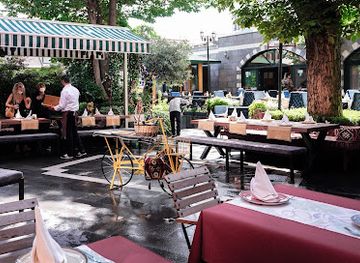
Hidden Garden
Experience the enchanting flavors of Turkey and Europe at Hidden Garden, a culinary oasis in Istanbul's vibrant heart.
-
Restaurant
Garden 1897 Restaurant
Discover culinary excellence at Garden 1897 Restaurant in Istanbul's historic Küçük Ayasofya district, where modern flavors meet traditional Turkish cuisine.
-
Turkish
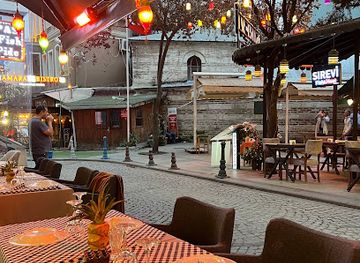
Las Tapas Restaurant
Experience authentic Turkish cuisine at Las Tapas Restaurant in Istanbul - where every dish tells a story.
-
Turkish
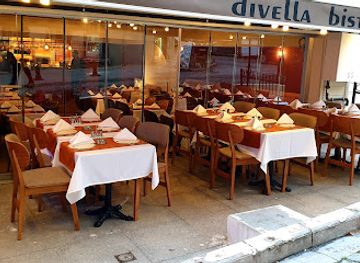
Divella Bistro Restaurant
Experience the best of Turkish and Mediterranean cuisine at Divella Bistro in Istanbul - where every meal is a celebration of flavor.
Best bars in Lycaonia
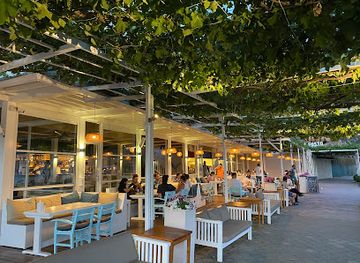
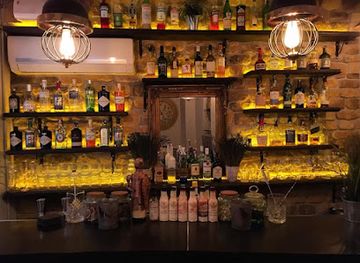
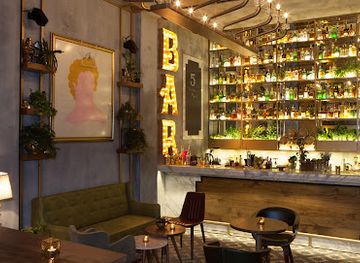
Nightlife in Lycaonia is centred on Konya and is generally more restrained than in Turkey’s coastal resorts. Tea gardens, cafés, dessert shops and restaurants provide the main evening social spaces, with modern venues concentrated around central districts and university areas. Konya’s religious character means that alcohol-focused nightlife is less prominent than in many larger Turkish cities, although licensed restaurants and some hotel venues do serve drinks. Karaman has a smaller evening scene built around cafés, restaurants and local meeting places rather than a substantial club circuit. Live cultural programmes, concerts and theatre may be available in the larger towns, but schedules are changeable and should be checked locally. In rural districts, evenings are quiet, with village cafés and family restaurants more relevant than bars. Visitors should follow local expectations around dress and behaviour near mosques, religious foundations and conservative neighbourhoods, while recognising that the region’s contemporary urban life includes a broad range of cafés and social venues.
-
Bar
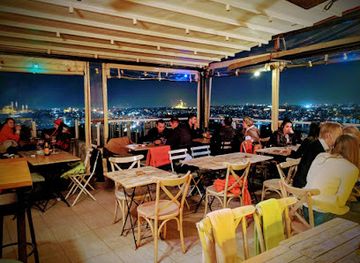
Balkon Restaurant & Bar
Experience the best of Turkish cuisine and vibrant nightlife at Balkon Restaurant & Bar, located in the heart of Beyoğlu, Istanbul.
-
Restaurant
Buzz Beach Bar
Experience the vibrant atmosphere and delicious cuisine at Buzz Beach Bar in Ölüdeniz, a must-visit culinary hotspot by the sea.
-
Cocktail bar
Flekk
Discover the vibrant atmosphere of Flekk, a premier cocktail bar in Istanbul's Beyoğlu, renowned for its innovative drinks and stylish ambiance.
-
Cocktail bar
Moretenders’ Cocktail Crib & Sushi
Discover the ultimate cocktail and sushi experience at Moretenders in Istanbul, where vibrant flavors meet stylish ambiance.
Best nightclubs in Lycaonia
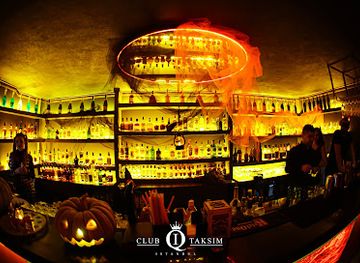
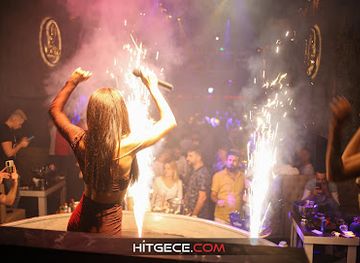
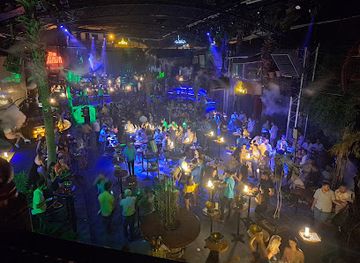
Nightlife in Lycaonia is centred on Konya and is generally more restrained than in Turkey’s coastal resorts. Tea gardens, cafés, dessert shops and restaurants provide the main evening social spaces, with modern venues concentrated around central districts and university areas. Konya’s religious character means that alcohol-focused nightlife is less prominent than in many larger Turkish cities, although licensed restaurants and some hotel venues do serve drinks. Karaman has a smaller evening scene built around cafés, restaurants and local meeting places rather than a substantial club circuit. Live cultural programmes, concerts and theatre may be available in the larger towns, but schedules are changeable and should be checked locally. In rural districts, evenings are quiet, with village cafés and family restaurants more relevant than bars. Visitors should follow local expectations around dress and behaviour near mosques, religious foundations and conservative neighbourhoods, while recognising that the region’s contemporary urban life includes a broad range of cafés and social venues.
-
Night club
Taksim Club IQ
Discover the vibrant nightlife of Istanbul at Taksim Club IQ, where electrifying music and an energetic atmosphere await every night.
-
Night club
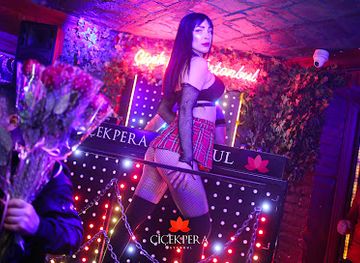
Çiçek Pera İstanbul
Discover the heart of Istanbul's nightlife at Çiçek Pera, a premier night club and event venue showcasing vibrant music and electrifying energy.
-
Night club
Dionys Club
Unleash your night at Dionys Club, Istanbul's premier night club for a vibrant nightlife experience filled with energy, music, and unforgettable memories.
-
Night club
Club areena
Discover the heart of Marmaris nightlife at Club Areena, where music, dancing, and unforgettable experiences await every party enthusiast.
Best shops in Lycaonia
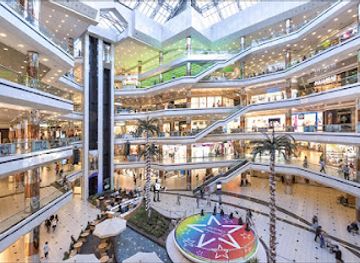
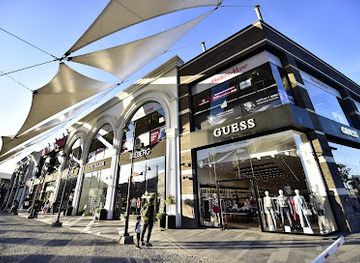
Shopping in Lycaonia is strongest in the traditional commercial quarters and covered markets of Konya and Karaman rather than in destination-scale luxury retail. Konya’s bazaars and central streets are useful for Turkish textiles, prayer beads, books, ceramics, leather goods, sweets and packaged foods, with religious and literary themes especially visible around the Mevlana district. Visitors should distinguish handmade work from factory-produced souvenirs and ask about materials and provenance when buying crafts. Karaman offers a smaller market-town experience, including local food shops, household goods, textiles and seasonal produce. Regional purchases may include dried fruit, nuts, honey, confectionery and other provisions associated with the central Anatolian pantry. Farmers’ markets and weekly bazaars are practical places to see ordinary local commerce, although their days vary by town. Modern shopping centres and national chains are available in Konya, but the most distinctive browsing is found in older commercial areas, bakeries, bookshops and independent craft retailers.
-
Bazar
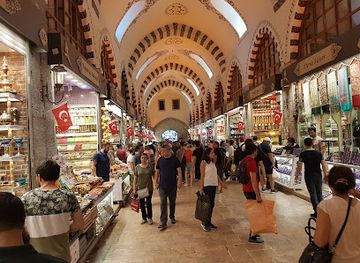
Egyptian Bazaar
Discover the rich flavors and vibrant atmosphere of Istanbul's historic Egyptian Bazaar, a must-visit for any traveler seeking authentic Turkish culture.
-
Shopping mall
İstanbul Cevahir Shopping Mall
Experience the ultimate shopping adventure at İstanbul Cevahir Shopping Mall, a must-visit destination for tourists in Istanbul with diverse shops and entertainment.
-
Shopping mall
Viaport Asia Outlet Shopping
Explore the vibrant shopping and dining experiences at Viaport Asia Outlet Shopping, a must-visit destination in Istanbul for every traveler.
-
Shopping mall
Aqua Florya
Experience the best of shopping, dining, and entertainment at Aqua Florya, Istanbul's premier shopping destination by the sea.

Get your free copy of our complete guide to Lycaonia, delivered straight to you.
Everything on this page, from attractions and restaurants to essentials and local phrases, in one PDF you can read offline, print or share.
Already have an account? Sign in
Your Lycaonia guide is ready.
We'll send it to · Not you? Sign out

Getting your guide ready…
We are putting together a fresh copy of the Lycaonia guide. This can take up to a minute.
This can take a few moments. If your browser asks, choose Allow so the download can start. You'll find the guide in your Downloads folder.
Nothing happened? Download it again
Sorry, the guide is taking longer than usual. Please try again in a minute, or get it by email instead.
Lycaonia essentials
Currency and Payment
Safety
Emergency Situations
Do's and Don'ts
Local Tips
From Eve
Local phrases worth knowing
You don't need to get them perfect. A few words go a long way, and locals appreciate the effort.
Basics
| English | Local | Say it |
|---|---|---|
| Hello | Merhaba | [mehr-HAH-bah] |
| Goodbye | Hoşça kal | [hosh-CHA kal] |
| Yes | Evet | [EH-vet] |
| No | Hayır | [HAH-yuhr] |
| Please/You're welcome | Lütfen/Rica ederim | [LOOT-fen/ree-JAH eh-DEH-rim] |
| Thank you | Teşekkür ederim | [teh-shehk-KOOR eh-DEH-rim] |
| Excuse me/Sorry | Affedersiniz/Üzgünüm | [ahf-feh-DEHR-sin-iz/OOZ-goo-noom] |
| How are you? | Nasılsınız? | [NAH-suhl-sin-iz] |
| Fine. And you? | İyiyim. Ya siz? | [ee-YEE-yim. YAH sees?] |
| Do you speak English? | İngilizce biliyor musunuz? | [een-GEE-leez-jee bee-LEE-yor moo-soo-nuz] |
| I don't understand | Anlamıyorum | [ahn-lah-MUH-yor-um] |
Eating & Drinking
| English | Local | Say it |
|---|---|---|
| I'd like to see the menu, please | Menüyü görmek istiyorum lütfen | [meh-NOO-yu GOHR-mehk ees-tee-YO-rum LOOT-fen] |
| I don't eat meat | Et yemiyorum | [et YEH-mee-yor-um] |
| Cheers! | Şerefe! | [sheh-REF-eh] |
| I would like to pay, please | Ödemek istiyorum lütfen | [oh-deh-MEK ees-tee-YO-rum LOOT-fen] |
Emergencies
| English | Local | Say it |
|---|---|---|
| Help! | Yardım edin! | [YAR-dum EH-din] |
| Go away! | Git buradan! | [git boo-RAH-dan] |
| Call the Police! | Polisi arayın! | [po-LEE-see ah-RAH-yin] |
| Call a doctor! | Bir doktor çağırın! | [beer dok-TOR chAH-uh-rin] |
| I'm lost | Kayboldum | [KAI-bol-doom] |
| I'm ill | Hastayım | [has-TAH-yim] |
Shopping
| English | Local | Say it |
|---|---|---|
| I'd like to buy... | Satın almak istiyorum... | [sah-TUHN al-MAK ees-tee-YO-rum] |
| I'm just looking | Sadece bakıyorum | [SAH-deh-jeh bah-KI-yor-um] |
| How much is it? | Bu ne kadar? | [boo NEH kah-DAHR] |
| That's too expensive | Bu çok pahalı | [boo chOK pah-HAH-luh] |
| Can you lower the price? | Fiyatı düşürebilir misiniz? | [fee-YAH-tuh doo-SHOO-reh-bee-LIR mee-sin-iz] |
Time & Numbers
| English | Local | Say it |
|---|---|---|
| What time is it? | Saat kaç? | [sah-AT kahch] |
| It's one o'clock | Saat bir | [sah-AT beer] |
| Half past (10) | On geçiyor | [on geh-JEE-yor] |
| Morning | Sabah | [sah-BAH] |
| Afternoon | Öğleden sonra | [uh-leh-DEN sohn-RAH] |
| Evening | Akşam | [AHK-shahm] |
| Yesterday | Dün | [doon] |
| Today | Bugün | [boo-GOON] |
| Tomorrow | Yarın | [YAH-rin] |
| 1 | Bir | [beer] |
| 2 | İki | [ee-KEE] |
| 3 | Üç | [OOSH] |
| 4 | Dört | [DURT] |
| 5 | Beş | [BESH] |
| 6 | Altı | [AHL-tuh] |
| 7 | Yedi | [YEH-dee] |
| 8 | Sekiz | [seh-KEEZ] |
| 9 | Dokuz | [DOH-kooz] |
| 10 | On | [ON] |
Transport & Directions
| English | Local | Say it |
|---|---|---|
| Where's a/the...? | Nerede ...? | [NEH-reh-de] |
| What's the address? | Adres nedir? | [AH-dres NEH-deer] |
| Can you show me (on the map)? | Haritada gösterebilir misiniz? | [har-EE-tah-da goh-STEH-reh-bee-LIR mee-sin-iz] |
| When's the next (bus)? | Bir sonraki (otobüs) ne zaman? | [beer sohn-RAH-kee (oh-toh-BÜS) NEH zah-MAN] |
| A ticket (to ....) | Bir bilet ( .... ) | [beer bee-LET ( .... )] |
History of Lycaonia
Neolithic Çatalhöyük, c. 7400–6000 BCE
Çatalhöyük, on the Konya Plain near Çumra, is one of the defining archaeological sites of early settled life in Anatolia. Its inhabitants lived in tightly packed mud-brick houses entered from the roof, with domestic spaces containing hearths, storage areas and wall paintings. The settlement provides evidence for farming, craft production, ritual practice and changing social relationships during the Neolithic period. Its long occupation demonstrates how communities adapted to the plateau’s watercourses, grasslands and seasonal resources. Although it predates the historical Lycaonians by millennia, Çatalhöyük is essential to understanding the deep human history of the region.
Lycaonians and the Classical Plateau
In antiquity, Lycaonia referred to a broad inland territory whose boundaries shifted according to political circumstances and differed between ancient authors. Its inhabitants were associated with a distinctive highland culture, while towns and routes connected the region to Phrygia, Cappadocia, Pisidia and Cilicia. Iconium, the predecessor of modern Konya, became the principal urban centre. The plateau was never isolated: imperial administrations, merchants, soldiers and religious communities crossed it along routes linking the Aegean interior with southeastern Anatolia. The surviving pattern of scattered settlements reflects this mixture of local traditions and wider political influence.
Roman Iconium and Early Christianity
Under Roman rule, Iconium developed as an important city of central Anatolia, benefiting from its position on overland routes and from the agricultural resources of the plain. Christianity became established in the region during the first centuries CE. Ancient accounts associate Paul of Tarsus and Barnabas with missionary journeys through Lycaonian towns, although the precise locations of some places mentioned in early Christian texts remain debated. Rock-cut settlements and churches around sites such as Kilistra preserve material evidence of Christian communities that adapted existing valleys and uplands for worship, burial and habitation.
Byzantine Frontier Settlements
During the Byzantine period, central Anatolia functioned as both an agricultural hinterland and a contested frontier zone. Communities occupied fortified heights, valleys and cultivated plains, while churches and monastic settlements multiplied in suitable rock formations. The group of ruins known as Binbirkilise, meaning ‘a thousand and one churches’, lies near modern Karaman and preserves the remains of numerous ecclesiastical buildings and settlements, though the name is symbolic rather than a literal count. These sites reveal the density of rural Christian life before the political changes that followed the Seljuk arrival.
Seljuk Konya, Eleventh to Thirteenth Centuries
After the Seljuk victory at Manzikert in 1071, Turkish power expanded across central Anatolia, and Konya eventually became the capital of the Sultanate of Rum. The city flourished as a centre of administration, scholarship, trade and architecture. Seljuk rulers commissioned caravanserais, madrasas, mosques and civic works, many of which influenced the visual character of central Turkey. Konya’s importance also grew through its connection with Mevlana Jalaluddin Rumi, whose teachings and community at the city’s lodge helped establish a lasting spiritual and literary legacy.
The Karamanids and Turkish Literary Culture
The Karamanid dynasty emerged in the southern central Anatolian highlands during the later medieval period and made Karaman one of its principal centres. The dynasty contested territory with rival Turkish powers and the weakening Seljuk order before the Ottoman conquest. Karaman is also associated with an important moment in the history of Turkish literary culture: in the late fifteenth century, Sultan Mehmed II’s decree concerning the use of Turkish in official affairs is traditionally linked with the wider Karamanid legacy, although the wording and historical context are discussed by scholars. The period left mosques, religious foundations and urban traditions across the region.
Ottoman Integration and the Modern Plateau
The Ottoman incorporation of Konya and Karaman brought the region into a large imperial system of provincial administration, taxation and long-distance trade. Konya retained importance as an agricultural and religious centre, while caravan routes gradually gave way to modern roads and railways. In the twentieth century, mechanised farming, population growth and the expansion of provincial cities transformed the plain. Contemporary Lycaonia remains shaped by this combination of intensive agriculture, historic pilgrimage and scholarship, archaeological research and the practical demands of life in a dry continental environment.
Lycaonia in Photos
Browse through our photo collection highlighting the charm and character of the destination.
Neighbouring regions of Lycaonia
The closest regions to Lycaonia, if you have time for more than one.
-

-

-

-

-


Swipe for more regions