

Free Isauria Travel Guide & Mobile App
Explore Isauria with free travel guides. Discover regional history, expert tips, proposed trips, and audio guides on web or mobile app.


Explore Isauria in Türkiye for remote Taurus landscapes, ancient mountain citadels, village routes and the archaeological remains of Isaura.
Read more about Isauria
When is the best time to visit Isauria?
Best: May, September–October · 23–29°C| Month | High (°C) | Rainfall (mm) |
|---|---|---|
| January | 10 | 75 |
| February | 11 | 65 |
| March | 16 | 55 |
| April | 20 | 50 |
| May (best) | 26 | 45 |
| June | 32 | 35 |
| July | 35 | 25 |
| August | 34 | 30 |
| September (best) | 29 | 40 |
| October (best) | 23 | 50 |
| November | 16 | 60 |
| December | 11 | 70 |
Getting to and around Isauria
How to get there
Transportation
Best attractions in Isauria
Isauria's attractions are primarily archaeological and landscape-based rather than built around conventional visitor complexes. Zengibar Kalesi, associated with ancient Isaura, is the defining site: its high position, surviving fortifications and scattered civic remains make the mountain itself part of the archaeological experience. Around Bozkır, Hadim and Taşkent, winding roads lead through limestone valleys, wooded slopes, springs and high pastures where village life remains closely connected to seasonal agriculture. The wider Taurus offers opportunities for walking, photography and geological observation, although routes may be unmarked and facilities are limited. District centres provide modest local museums or cultural displays where available, but the region's historical evidence is most often encountered in the open landscape. Late Roman and Byzantine remains occur across the broader Taurus, yet each site must be checked carefully because the ancient boundaries of Isauria were fluid. Travellers interested in early Christian architecture can consider Alahan Monastery near Mut as a separate excursion outside the core upland area, rather than treating it as an attraction within Isauria itself.
-
Tourist attraction
Apollon Temple
Explore the breathtaking Apollon Temple in Side, Turkey, a stunning historical landmark that offers a journey through ancient culture and architecture.
-
Tourist attraction
Göbeklitepe
Explore Göbeklitepe, the world's oldest temple site, and discover the origins of human civilization in beautiful Şanlıurfa, Turkey.
-
Tourist attraction
Bodrum Castle
Discover the rich history and breathtaking views at Bodrum Castle, a stunning fortress overlooking the Aegean Sea and home to the Museum of Underwater Archaeology.
-
Tourist attraction
Ihlara Valley
Explore the stunning Ihlara Valley, where lush landscapes meet ancient history in the heart of Turkey's breathtaking natural scenery.


Best landmarks in Isauria
Zengibar Kalesi is Isauria's principal landmark, occupying a commanding mountain site near Ulupınar in the Bozkır area and generally identified with the ancient city of Isaura. Its walls, gates and scattered remains are important not only for their architecture but also for the way they demonstrate how an urban centre was adapted to a steep Taurus summit. The surrounding ridge and valley system form part of the landmark, revealing why the settlement was defensible and strategically significant. The highlands around Hadim and Taşkent provide a second category of landmark: deep limestone valleys, forested slopes and elevated pastoral landscapes that explain the region's historical separateness. Ermenek, across the modern provincial boundary in Karaman, is closely connected to the wider Isaurian Taurus but should be treated as a neighbouring historical area rather than automatically included within the core guide region. Late antique churches and fortifications elsewhere in the Taurus likewise require precise location checks before being presented as Isaurian landmarks.
-
Historical landmark
Galata Tower
Experience breathtaking views and rich history at Istanbul's iconic Galata Tower, a must-see landmark for every traveler.
-
Mosque
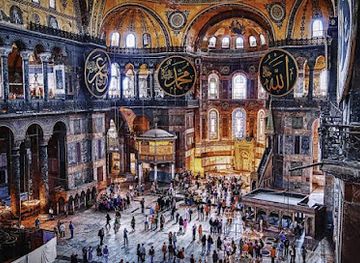
Hagia Sophia Grand Mosque
Explore the Hagia Sophia Grand Mosque, a stunning blend of Byzantine and Ottoman architecture, a must-see historical treasure in Istanbul.
-
Museum
Topkapi Palace Museum
Explore the opulence of Topkapi Palace Museum, where the splendor of the Ottoman Empire awaits in Istanbul's historic heart.
-
 Mosque
The Blue Mosque
Explore the stunning Blue Mosque in Istanbul, a must-see tourist attraction renowned for its breathtaking architecture and rich Ottoman history.


Explore Isauria on the map
Plan your trip on one map. See where the top cities, national parks and sights are, and book hotels and experiences in a few clicks.
Best hotels in Isauria
Best restaurants in Isauria
Dining in Isauria is centred on the kitchens of Bozkır, Hadim, Taşkent and other district settlements rather than on a concentrated restaurant scene. Expect Turkish home-style cooking built around seasonal vegetables, pulses, soups, rice and bulgur, grilled or stewed meat, flatbreads and yoghurt-based dishes. Mountain villages may offer local dairy products, honey, fruit preserves and simple gözleme, while roadside cafés provide tea, ayran and filling dishes suited to travellers on long drives. Menus can be modest and opening arrangements variable, so it is sensible to eat in larger settlements and carry water and snacks for archaeological excursions. The food reflects the wider cuisine of inland southern Türkiye, with local character expressed through produce, preparation and season rather than through a single dish universally identified as Isaurian. Markets and bakeries are useful places to obtain bread, fruit, cheese and other provisions before heading into the Taurus.
-
Turkish
Hanzade Terrace Restaurant
Experience authentic Turkish cuisine with stunning views at Hanzade Terrace Restaurant in Istanbul's historic Fatih district.
-
Restaurant
Hidden Garden
Experience exquisite Turkish and European flavors in a serene garden setting at Hidden Garden Restaurant in Istanbul.
-
Restaurant
Seven Hills Restaurant
Experience authentic Turkish cuisine with breathtaking views at Istanbul's renowned Seven Hills Restaurant.
-
Turkish
Divella Bistro Restaurant
Discover the flavors of Turkey at Divella Bistro Restaurant in Istanbul - where culinary tradition meets modern dining.


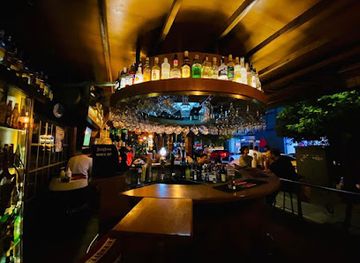
Best bars in Isauria
Isauria does not have a developed nightclub circuit or a single nightlife district. Evening life is concentrated in the tea gardens, cafés, family restaurants and modest local venues of Bozkır, Hadim, Taşkent and other district centres. Tea, coffee and conversation are more characteristic than late-night entertainment, while restaurants may remain active into the evening according to local custom. Alcohol availability varies between businesses and communities, and visitors should not assume that remote villages provide bars or licensed restaurants. In larger nearby towns, the choice may broaden to include hotel lounges and contemporary cafés, but the defining evening experience here is a quiet meal, a walk through a town centre or a view over the darkening Taurus valleys. Anyone staying in a rural area should arrange transport back to accommodation before dinner, as taxis and local services may be limited later at night.
-
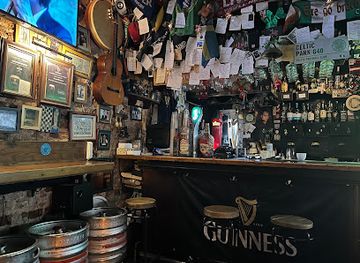
Pub
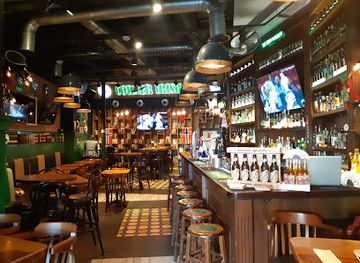
Corner Irish Pub
Discover the lively Corner Irish Pub in Istanbul, where Irish hospitality meets vibrant local culture, perfect for unwinding after a day of exploration.
-
Pub
Old English Pub Cafe & Restaurant
Discover the unique blend of English pub culture and Turkish hospitality at the Old English Pub Cafe & Restaurant in Kadıköy, Istanbul.
-
Irish pub
U2 Istanbul Irish Pub
Discover the vibrant U2 Istanbul Irish Pub, where live music meets authentic Irish cuisine in the heart of Beyoğlu, Istanbul. A must-visit for tourists!
-
Irish pub
The Harp Irish Pub
Discover The Harp Irish Pub in Kadıköy, where vibrant Irish culture meets Istanbul's lively nightlife with great food, drinks, and live music.

Best nightclubs in Isauria
Isauria does not have a developed nightclub circuit or a single nightlife district. Evening life is concentrated in the tea gardens, cafés, family restaurants and modest local venues of Bozkır, Hadim, Taşkent and other district centres. Tea, coffee and conversation are more characteristic than late-night entertainment, while restaurants may remain active into the evening according to local custom. Alcohol availability varies between businesses and communities, and visitors should not assume that remote villages provide bars or licensed restaurants. In larger nearby towns, the choice may broaden to include hotel lounges and contemporary cafés, but the defining evening experience here is a quiet meal, a walk through a town centre or a view over the darkening Taurus valleys. Anyone staying in a rural area should arrange transport back to accommodation before dinner, as taxis and local services may be limited later at night.
-
Night club
Escape Club İstanbul
Experience the electrifying nightlife at Escape Club İstanbul, where music, energy, and unforgettable moments come together in the heart of the city.
-
Night club
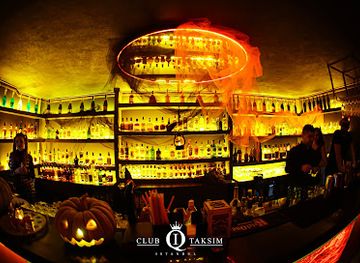
Taksim Club IQ
Discover the exhilarating nightlife of Taksim Club IQ, where live music, dancing, and vibrant energy create an unforgettable experience in Istanbul.
-
Night club
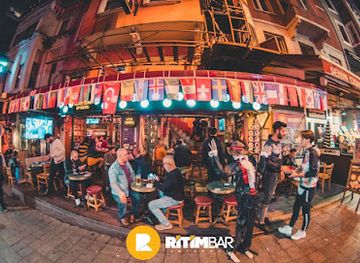
Ritim
Experience the pulse of Istanbul's nightlife at Ritim, where unforgettable music, dancing, and vibrant energy come together.
-
Night club
Çiçek Pera İstanbul
Discover the electrifying nightlife of Istanbul at Çiçek Pera, a premier night club and event venue in the heart of Beyoğlu, perfect for unforgettable nights.


Best shops in Isauria
Shopping in Isauria is local and practical, with the strongest choice found in district-town high streets, bakeries, small groceries and periodic market activity in places such as Bozkır, Hadim and Taşkent. Visitors can look for honey, village cheeses, dried produce, seasonal fruit, preserves, herbs and traditional breads, although availability depends on the time of year and individual producers. Small shops may also sell practical outdoor supplies useful for rural journeys. Craft retail is limited compared with major Turkish cities, but local textiles, simple household goods and handmade products may appear in village or town markets. Buy food and water before travelling to Zengibar Kalesi or other isolated sites, where there are no dependable shopping facilities. For broader antiques, branded goods or galleries, use a larger regional city outside Isauria rather than expecting a concentrated tourist shopping quarter in the mountain districts.
-
Bazar
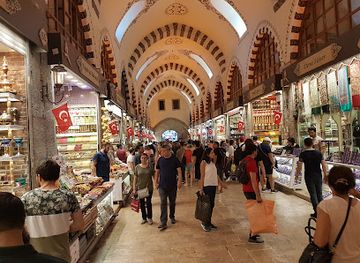
Egyptian Bazaar
Explore the Egyptian Bazaar in Istanbul - a vibrant market filled with spices, sweets, and unique treasures, perfect for every traveler.
-
Shopping mall
Venezia Mega Outlet
Explore Venezia Mega Outlet, Istanbul's top shopping destination for international brands, local delights, and an unforgettable shopping experience.
-
Shopping mall
İstinye Park Alışveriş Merkezi
Explore luxury shopping, exquisite dining, and vibrant entertainment at İstinye Park Alışveriş Merkezi in Istanbul.
-
Shopping mall
The Land of Legends Shopping Avenue
Discover a unique shopping experience at The Land of Legends Shopping Avenue in Antalya, blending luxury retail, entertainment, and culinary delights.


Get your free copy of our complete guide to Isauria, delivered straight to you.
Everything on this page, from attractions and restaurants to essentials and local phrases, in one PDF you can read offline, print or share.
Already have an account? Sign in
Your Isauria guide is ready.
We'll send it to · Not you? Sign out

Getting your guide ready…
We are putting together a fresh copy of the Isauria guide. This can take up to a minute.
This can take a few moments. If your browser asks, choose Allow so the download can start. You'll find the guide in your Downloads folder.
Nothing happened? Download it again
Sorry, the guide is taking longer than usual. Please try again in a minute, or get it by email instead.
Isauria essentials
Currency and Payment
Safety
Emergency Situations
Do's and Don'ts
Local Tips
From Eve
Local phrases worth knowing
You don't need to get them perfect. A few words go a long way, and locals appreciate the effort.
Basics
| English | Local | Say it |
|---|---|---|
| Hello | Merhaba | [mehr-HAH-bah] |
| Goodbye | Hoşça kal | [hosh-CHA kal] |
| Yes | Evet | [EH-vet] |
| No | Hayır | [HAH-yuhr] |
| Please/You're welcome | Lütfen/Rica ederim | [LOOT-fen/ree-JAH eh-DER-im] |
| Thank you | Teşekkür ederim | [teh-shehk-KOOR eh-DER-im] |
| Excuse me/Sorry | Affedersiniz/Üzgünüm | [af-feh-DER-sin-iz/OOZ-goo-noom] |
| How are you? | Nasılsınız? | [NAH-suhl-sin-iz] |
| Fine. And you? | İyiyim. Ya siz? | [EE-yee-yim. YAH siz?] |
| Do you speak English? | İngilizce biliyor musunuz? | [een-GIH-liz-jeh bee-LEE-yor moo-SOO-nuz?] |
| I don't understand | Anlamıyorum | [AHN-lah-muh-yor-um] |
Eating & Drinking
| English | Local | Say it |
|---|---|---|
| I'd like to see the menu, please | Menüyü görmek isterim lütfen | [meh-NOO-yoo GOHR-mehk ees-TEH-rim LOOT-fen] |
| I don't eat meat | Et yemiyorum | [ET yeh-MEE-yor-um] |
| Cheers! | Şerefe! | [sheh-REH-feh] |
| I would like to pay, please | Ödemek istiyorum lütfen | [OH-deh-mek ees-TEE-yor-um LOOT-fen] |
Emergencies
| English | Local | Say it |
|---|---|---|
| Help! | Yardım edin! | [YAR-duhm eh-DIN!] |
| Go away! | Defol! | [DEH-fol!] |
| Call the Police! | Polisi arayın! | [poh-LEE-see ah-RAH-yin!] |
| Call a doctor! | Bir doktor çağırın! | [beer DOHK-tor chah-IR-in!] |
| I'm lost | Kayboldum | [KAHY-bold-um] |
| I'm ill | Hastayım | [HAS-tah-yum] |
Shopping
| English | Local | Say it |
|---|---|---|
| I'd like to buy... | Satın almak istiyorum... | [sah-TUHN ahl-MAHK ees-TEE-yor-um...] |
| I'm just looking | Sadece bakıyorum | [SAH-deh-jeh bah-KIY-or-um] |
| How much is it? | Bu ne kadar? | [boo neh kah-DAR?] |
| That's too expensive | Bu çok pahalı | [boo chohk pah-HAH-luh] |
| Can you lower the price? | Fiyatı düşürebilir misiniz? | [fee-YAH-tuh DOO-sheh-reh-BI-lir MEE-sin-iz?] |
Time & Numbers
| English | Local | Say it |
|---|---|---|
| What time is it? | Saat kaç? | [sah-AT kahch?] |
| It's one o'clock | Saat bir | [sah-AT beer] |
| Half past (10) | On buçuk | [ON boo-CHOOK] |
| Morning | Sabah | [sah-BAH] |
| Afternoon | Öğleden sonra | [UR-leh-DEN SOHR-nah] |
| Evening | Akşam | [AHK-shahm] |
| Yesterday | Dün | [DUHN] |
| Today | Bugün | [boo-GOON] |
| Tomorrow | Yarın | [YAH-rin] |
| 1 | Bir | [beer] |
| 2 | İki | [ee-KEE] |
| 3 | Üç | [OOSH] |
| 4 | Dört | [DURT] |
| 5 | Beş | [BESH] |
| 6 | Altı | [AHL-tuh] |
| 7 | Yedi | [YEH-dee] |
| 8 | Sekiz | [SEH-keez] |
| 9 | Dokuz | [DOH-kooz] |
| 10 | On | [ON] |
Transport & Directions
| English | Local | Say it |
|---|---|---|
| Where's a/the...? | Nerede ...? | [NEH-reh-de ...?] |
| What's the address? | Adres nedir? | [AD-res NEH-dir?] |
| Can you show me (on the map)? | Bana (haritada) gösterebilir misiniz? | [BAH-nah (har-ee-TAH-dah) GOS-teh-reh-BI-lir MEE-sin-iz?] |
| When's the next (bus)? | Sonraki (otobüs) ne zaman? | [SON-rah-kee (oh-toh-BUS) neh ZAH-mahn?] |
| A ticket (to ....) | Bir bilet (....) | [beer bee-LET (....)] |
History of Isauria
Prehistoric Taurus Settlement
The Taurus uplands were occupied long before the name Isauria appeared in written sources. Valleys, springs and seasonal pastures provided routes and resources for communities moving between the Anatolian plateau and the Mediterranean hinterland. Archaeological evidence across the wider Taurus shows the long importance of mountain settlement, although the ancient regional name cannot be projected straightforwardly onto prehistoric populations. The enduring historical pattern is clear: difficult terrain encouraged dispersed communities, fortified positions and local control of passes rather than the dense urban networks associated with the coastal plains.
The Isaurians in Classical Sources
By the Hellenistic and Roman periods, Greek and Roman writers used Isauria for a mountainous area whose inhabitants were regarded as independent and difficult to subdue. These descriptions reflect the viewpoint of outside states as much as the realities of local society. The region's steep valleys and defensible settlements enabled local leaders to resist periodic intervention from larger powers. Isaura, generally identified with Zengibar Kalesi near Bozkır, became the principal urban centre associated with the name and demonstrates that Isauria was not simply an unorganised wilderness.
Roman Conquest and Isaura
Roman authority reached Isauria through campaigns connected with the broader consolidation of southern Anatolia. The Romans established stronger control over routes and settlements, but the region remained difficult to administer because its communities were dispersed across rugged country. Isaura's fortifications and civic remains reflect the adaptation of urban life to a mountain setting. Rather than erasing local identity, Roman rule added administrative, architectural and military layers to an existing highland society whose strategic importance came from its position between the plateau and the Mediterranean.
Isaurian Soldiers and Late Roman Power
In late antiquity, people identified as Isaurians appear prominently in the military and political history of the eastern Roman Empire. Isaurian soldiers served in imperial forces, while individuals from the region could rise to high office. The emperor Zeno, who ruled in the fifth century, is commonly associated with Isaurian origins. This prominence did not mean that the entire ancient population shared one uniform identity; it shows instead how a region once portrayed as marginal became an important source of military manpower within the Roman state.
Christianisation and Byzantine Mountain Communities
Christianity reshaped Isauria during the late Roman and Byzantine periods. Churches, monasteries and fortified settlements were established across the Taurus, often making use of defensible terraces and isolated valleys. Religious buildings connected local communities to wider networks while retaining a distinctly mountain setting. The remains associated with this period, including sites in the broader Isaurian and Cilician Taurus, illustrate how pilgrimage, farming, monastic life and military security overlapped. Many structures were repeatedly altered, so their visible remains often represent several phases rather than a single moment.
From Medieval Frontiers to Modern Mountain Districts
After Byzantine authority weakened, the Taurus became a frontier zone shaped by changing powers, migration and the growth of Turkish-speaking Muslim communities. Medieval routes and settlements were gradually incorporated into the political systems of Anatolian Turkish states and, later, the Ottoman Empire. Modern districts such as Bozkır, Hadim, Taşkent and Ermenek preserve aspects of this mountain geography, though their administrative identities are modern and should not be confused with the ancient region. Isauria survives today principally as a historical and geographical name applied to this rugged Taurus borderland.
Isauria in Photos
Browse through our photo collection highlighting the charm and character of the destination.
Neighbouring regions of Isauria
The closest regions to Isauria, if you have time for more than one.
-

-

-

-

-


Swipe for more regions
Explore more
Explore more of Turkiye
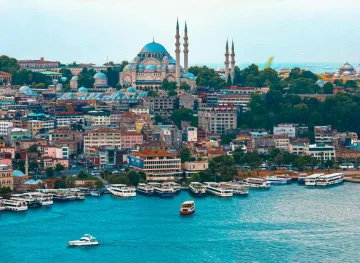
Discover Turkiye: Where ancient history, stunning landscapes, and vibrant culture come together to create an unforgettable travel experience.
Explore Turkiye