

Free Commagene Travel Guide & Mobile App
Explore Commagene with free travel guides. Discover regional history, expert tips, proposed trips, and audio guides on web or mobile app.


Explore Commagene in southeastern Türkiye for Mount Nemrut, royal monuments, Roman engineering and mountain landscapes above the Euphrates.
Read more about Commagene
When is the best time to visit Commagene?
Best: April–May, October · 21–26°C| Month | High (°C) | Rainfall (mm) |
|---|---|---|
| January | 8 | 50 |
| February | 11 | 45 |
| March | 16 | 40 |
| April (best) | 21 | 35 |
| May (best) | 26 | 30 |
| June | 31 | 25 |
| July | 35 | 20 |
| August | 34 | 20 |
| September | 30 | 25 |
| October (best) | 24 | 30 |
| November | 15 | 40 |
| December | 9 | 45 |
Getting to and around Commagene
How to get there
Transportation
Destinations in Commagene
Resorts, valleys and scenic spots worth a trip of their own.

Swipe for more destinations
Best attractions in Commagene
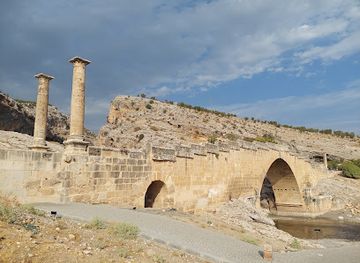
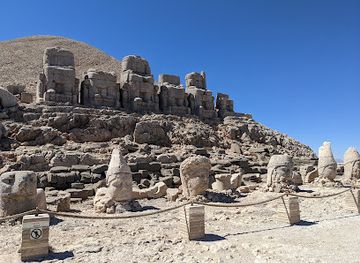
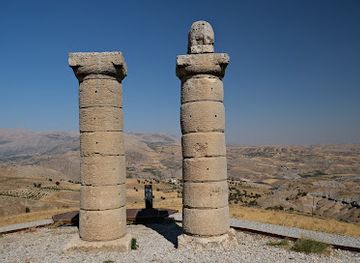
Commagene's attractions are concentrated in an archaeological landscape rather than a conventional city-centre circuit. Mount Nemrut is the central experience, combining royal sculpture, inscriptions and a high mountain setting, while Arsameia on the Nymphaios reveals the ceremonial route and political symbolism of the dynasty at a lower elevation. The Karakuş Tumulus adds a funerary monument associated with the Commagene royal family, and the Cendere Bridge shows how Roman engineers maintained movement through the deep valleys. Yeni Kale, the later fortress above the Kahta stream, introduces the medieval and Islamic history of the same strategic corridor. Near Adıyaman, Perre provides an important ancient settlement and rock-cut necropolis, making it a useful complement to the isolated mountain monuments. The Atatürk Dam reservoir and Euphrates viewpoints offer a modern geographical counterpoint to the ancient routes, while rural roads pass orchards, cultivated slopes and villages. Hiking is generally short and site-based rather than a continuous long-distance trail, but the terrain rewards visitors who are prepared for heat, exposed ground and changes in altitude.
-
Bridge
Cendere Bridge
Explore the majestic Cendere Bridge, an ancient Roman structure showcasing timeless architecture and stunning natural beauty in Adıyaman, Turkey.
-
National park
Mount Nemrut National Park
Explore the breathtaking landscapes and ancient wonders of Mount Nemrut National Park, a UNESCO World Heritage Site in Turkey.
-
Tourist attraction
Karakuş Tumulus
Explore the ancient wonders of Karakuş Tumulus, a captivating burial site in Adıyaman, Turkey, showcasing stunning sculptures and rich historical significance.
-
Lake
Lake Nemrut
Experience the breathtaking beauty of Lake Nemrut, a hidden gem in Turkey's Bitlis region, offering stunning views and outdoor adventures.

Best landmarks in Commagene
The defining landmark of Commagene is the summit sanctuary of Mount Nemrut, where immense stone heads and fragments from the statues of deities and King Antiochos I remain on the eastern and western terraces. Its importance lies in the combination of scale, altitude, royal symbolism and an unusually clear sculptural expression of Greek and Persian religious influences. Arsameia's rock reliefs and inscriptions mark another ceremonial centre of the dynasty, cut into a steep landscape above the Nymphaios. The Karakuş Tumulus is recognisable by its monumental columns and burial-mound form, while the Cendere Bridge spans a narrow gorge with a remarkably complete Roman structure. Near the Kahta stream, Yeni Kale occupies a commanding rock and represents the later defensive history of the area rather than ancient Commagene itself. At Perre, carved chambers and burial spaces preserve the physical edge of an ancient settlement near modern Adıyaman. Together these landmarks show how royal ceremony, roads, water crossings, burial practices and military control were imposed upon the same rugged terrain over many centuries.
-
 Mosque
The Blue Mosque
Discover the breathtaking Blue Mosque in Istanbul, a masterpiece of architecture and spirituality that captivates every visitor with its grandeur.
-
Castle
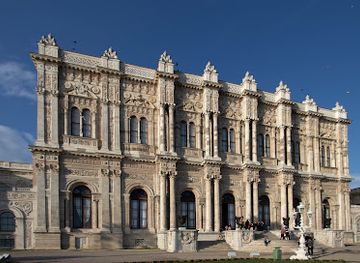
Dolmabahçe Palace
Discover the exquisite Dolmabahçe Palace in Istanbul, a stunning blend of Ottoman history and architectural grandeur overlooking the Bosphorus.
-
Historical landmark
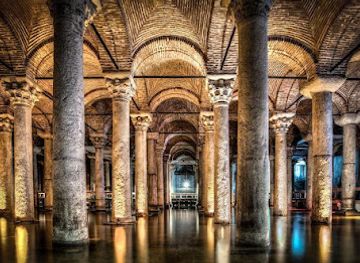
Basilica Cistern
Explore the Basilica Cistern, Istanbul's ancient underground marvel, where history, architecture, and mystery converge in a breathtaking ambiance.
-
Historical landmark
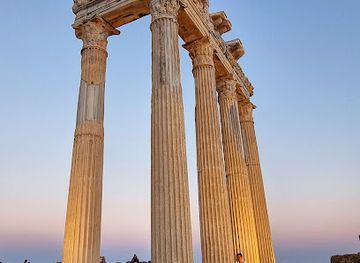
Apollon Temple
Discover the majestic Apollon Temple in Side, Antalya, a historical landmark that showcases ancient Greek architecture and rich cultural heritage.
Explore Commagene on the map
Plan your trip on one map. See where the top cities, national parks and sights are, and book hotels and experiences in a few clicks.
Best hotels in Commagene
Best restaurants in Commagene
Dining in the Commagene area is rooted in the food culture of southeastern Türkiye, with strong use of bulgur, red pepper, pulses, herbs, aubergine and grilled meat. Adıyaman and Kahta have the broadest choice of restaurants, from simple lokantas serving soups, kebabs and home-style stews to establishments specialising in regional dishes such as Adıyaman tavası and different preparations of içli köfte. Çiğ köfte is widely encountered across the southeast, although recipes and presentation vary from place to place. Flatbreads, ayran, seasonal salads and sweet pastries commonly accompany meals, while fruit, molasses and locally produced preserves reflect the agricultural economy around the Euphrates basin. Roadside tea and basic food may be available on excursion routes, but visitors should not rely on finding a full meal near remote monuments. For early starts to Mount Nemrut, arranging breakfast or carrying provisions is sensible, and a Turkish breakfast in town offers a more dependable beginning to a long archaeological day.
-
Turkish
Hanzade Terrace Restaurant
Experience authentic Turkish cuisine with breathtaking views at Hanzade Terrace Restaurant in Istanbul.
-
Restaurant
Hidden Garden
Experience the magic of Hidden Garden in Istanbul—where Turkish traditions meet contemporary culinary artistry.
-
Restaurant
Garden 1897 Restaurant
Discover culinary excellence at Garden 1897 Restaurant in Istanbul—where traditional flavors meet modern elegance amidst lush gardens.
-
Restaurant
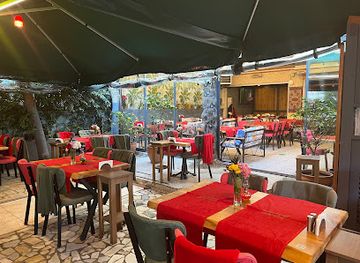
Mivan Restaurant & Cafe
Experience the best of Turkish cuisine at Mivan Restaurant & Cafe in Istanbul - where tradition meets modern dining.


Best bars in Commagene
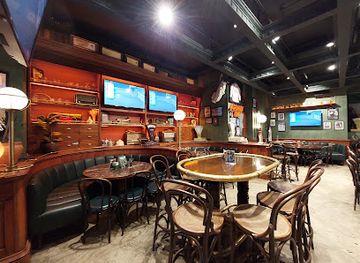
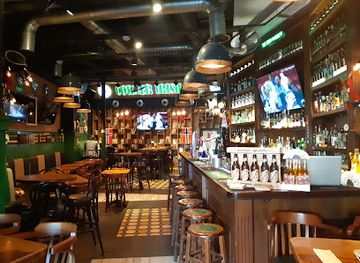
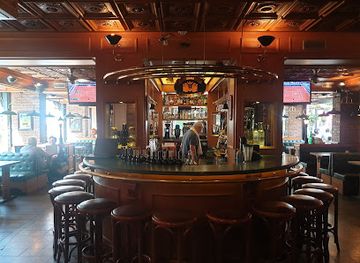
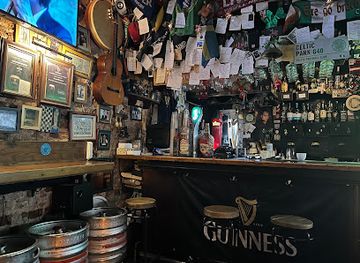
Evening life in Commagene is modest and centred on Adıyaman and Kahta rather than on a large club scene. Tea gardens, cafés, family restaurants and traditional coffeehouse-style venues provide the main social settings, while hotel restaurants and a small number of modern cafés offer quieter places to eat and talk. Alcohol availability varies by establishment and is less central to the evening than in Turkey's major western or coastal cities. After a day among the monuments, visitors are more likely to find late meals, tea and conversation than dedicated nightclubs or large live-music venues. Seasonal visitor activity can create a livelier atmosphere in Kahta during the warmer months, but opening arrangements change, particularly outside the main tourist period. Respect local customs in smaller communities, and do not confuse the darkness and silence around Mount Nemrut with a nightlife destination: the mountain is generally visited for its early morning or evening light, not after-night entertainment.
-
Pub
Celtic Irish Pub Istanbul
Experience the vibrant blend of Irish hospitality and Turkish charm at Celtic Irish Pub, a must-visit destination in Istanbul.
-
Pub
Corner Irish Pub
Experience the vibrant atmosphere and hearty fare at Corner Irish Pub, a local favorite in the heart of Istanbul's Beyoğlu district.
-
Pub
Old English Pub Cafe & Restaurant
Experience the unique blend of English pub charm and modern dining at Old English Pub Cafe & Restaurant in vibrant Suadiye, Istanbul.
-
Irish pub
U2 Istanbul Irish Pub
Discover the vibrant atmosphere of U2 Istanbul Irish Pub, where Irish culture meets Istanbul's nightlife with live music and delicious cuisine.
Best nightclubs in Commagene
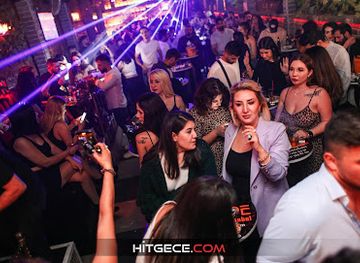
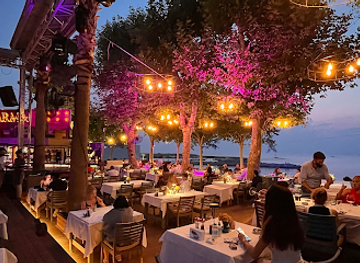
Evening life in Commagene is modest and centred on Adıyaman and Kahta rather than on a large club scene. Tea gardens, cafés, family restaurants and traditional coffeehouse-style venues provide the main social settings, while hotel restaurants and a small number of modern cafés offer quieter places to eat and talk. Alcohol availability varies by establishment and is less central to the evening than in Turkey's major western or coastal cities. After a day among the monuments, visitors are more likely to find late meals, tea and conversation than dedicated nightclubs or large live-music venues. Seasonal visitor activity can create a livelier atmosphere in Kahta during the warmer months, but opening arrangements change, particularly outside the main tourist period. Respect local customs in smaller communities, and do not confuse the darkness and silence around Mount Nemrut with a nightlife destination: the mountain is generally visited for its early morning or evening light, not after-night entertainment.
-
Night club
Escape Club İstanbul
Discover the pulse of Istanbul's nightlife at Escape Club, where electrifying music and vibrant atmosphere create unforgettable party experiences.
-
Gastropub
Karma Restaurant & Night Club
Experience the ultimate blend of fine dining and vibrant nightlife at Karma Restaurant & Night Club in Side, Antalya.
-
Disco club
Joy Club
Discover Marmaris's premier disco club, Joy Club, for an unforgettable nightlife experience filled with music, dancing, and vibrant atmosphere.
-
Night club
Kalisas Night Club
Dive into the energetic nightlife of Istanbul at Kalisas Night Club, where music, dancing, and vibrant atmosphere await you.

Best shops in Commagene
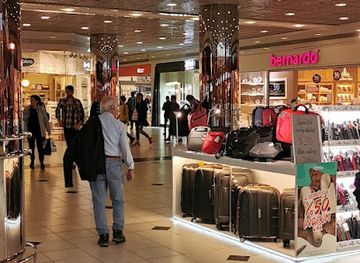
Shopping in Commagene is concentrated in Adıyaman and Kahta, where visitors find ordinary high-street shops, covered-market areas, bakeries, grocers and small businesses serving local communities rather than a specialised tourist retail district. Useful regional purchases include packaged spices, bulgur, pepper products, dried fruit, preserves, molasses and sweets, although quality and packaging should be checked before taking food abroad. Small craft and souvenir shops may sell locally themed textiles, jewellery or reproductions inspired by the Nemrut statues; buy reproductions from reputable sellers and never purchase archaeological material. Weekly markets, where operating days vary, are practical places to see seasonal produce and household goods, but they are primarily local markets rather than staged visitor attractions. Adıyaman generally offers a wider range of clothing, books and standard retail services, while Kahta is convenient for provisions before visiting the monuments. Rural archaeological sites themselves have limited shopping, so carry water and essentials from town.
-
Bazar
Egyptian Bazaar
Experience the essence of Istanbul at the Egyptian Bazaar, where vibrant colors, exotic aromas, and rich history blend seamlessly in a unique shopping adventure.
-
Shopping mall
İstanbul Cevahir Shopping Mall
Experience the ultimate shopping and entertainment destination at Istanbul Cevahir Shopping Mall, where luxury meets local charm in every corner.
-
Shopping mall
Venezia Mega Outlet
Explore the ultimate shopping experience at Venezia Mega Outlet in Istanbul, where style meets value in a picturesque setting.
-
Shopping mall
İstinye Park Alışveriş Merkezi
Explore İstinye Park, İstanbul's premier shopping destination blending luxury brands, local boutiques, and delightful dining experiences.


Get your free copy of our complete guide to Commagene, delivered straight to you.
Everything on this page, from attractions and restaurants to essentials and local phrases, in one PDF you can read offline, print or share.
Already have an account? Sign in
Your Commagene guide is ready.
We'll send it to · Not you? Sign out

Getting your guide ready…
We are putting together a fresh copy of the Commagene guide. This can take up to a minute.
This can take a few moments. If your browser asks, choose Allow so the download can start. You'll find the guide in your Downloads folder.
Nothing happened? Download it again
Sorry, the guide is taking longer than usual. Please try again in a minute, or get it by email instead.
Commagene essentials
Currency and Payment
Safety
Emergency Situations
Do's and Don'ts
Local Tips
From Eve
Local phrases worth knowing
You don't need to get them perfect. A few words go a long way, and locals appreciate the effort.
Basics
| English | Local | Say it |
|---|---|---|
| Hello | Merhaba | [mehr-HAH-bah] |
| Goodbye | Hoşça kal | [hosh-CHA kal] |
| Yes | Evet | [EH-vet] |
| No | Hayır | [HAH-yuhr] |
| Please/You're welcome | Lütfen/Rica ederim | [LOOT-fen/ree-JAH eh-DEH-rim] |
| Thank you | Teşekkür ederim | [teh-shehk-KOOR eh-DEH-rim] |
| Excuse me/Sorry | Affedersiniz/Üzgünüm | [ahf-feh-DER-sin-iz/UEZ-goon-oom] |
| How are you? | Nasılsınız? | [NAH-suhl-suhn-iz] |
| Fine. And you? | İyiyim. Ya siz? | [EE-yee-yim. YAH siz?] |
| Do you speak English? | İngilizce biliyor musunuz? | [EEN-gee-leez-jeh bee-LEE-yor moo-soo-nooz?] |
| I don't understand | Anlamıyorum | [AHN-lah-muh-yor-oom] |
Eating & Drinking
| English | Local | Say it |
|---|---|---|
| I'd like to see the menu, please | Menüyü görmek isterim lütfen | [meh-NOO-yoo GOHR-mehk ees-TEH-rim LOOT-fen] |
| I don't eat meat | Et yemiyorum | [ET yeh-MEE-yor-oom] |
| Cheers! | Şerefe! | [SHEH-reh-feh] |
| I would like to pay, please | Ödemek isterim lütfen | [OE-deh-MEK ees-TEH-rim LOOT-fen] |
Emergencies
| English | Local | Say it |
|---|---|---|
| Help! | Yardım edin! | [YAR-dum eh-DIN!] |
| Go away! | Defol! | [DEH-fol!] |
| Call the Police! | Polisi arayın! | [POH-lee-see ah-RAH-yin!] |
| Call a doctor! | Doktor çağırın! | [DOK-tor CHAH-uh-ruhn!] |
| I'm lost | Kayboldum | [KAHY-bol-doom] |
| I'm ill | Hastayım | [HAS-tah-yim] |
Shopping
| English | Local | Say it |
|---|---|---|
| I'd like to buy... | Almak istiyorum... | [AHL-mahk ees-TEE-yor-oom] |
| I'm just looking | Sadece bakıyorum | [SAH-deh-jeh bah-kee-YOHR-oom] |
| How much is it? | Bu ne kadar? | [BOO neh kah-DAR?] |
| That's too expensive | Bu çok pahalı | [BOO chohk pah-HAH-luh] |
| Can you lower the price? | Fiyatı düşürebilir misiniz? | [FEE-yah-tuh DOO-shee-reh-BEEL-eer MEE-sin-iz?] |
Time & Numbers
| English | Local | Say it |
|---|---|---|
| What time is it? | Saat kaç? | [SAH-at kahch?] |
| It's one o'clock | Saat bir | [SAH-at beer] |
| Half past (10) | On buçuk | [ON boo-CHOOK] |
| Morning | Sabah | [SAH-bah] |
| Afternoon | Öğleden sonra | [OEH-leh-DEN sohn-RAH] |
| Evening | Akşam | [AHK-shahm] |
| Yesterday | Dün | [DOON] |
| Today | Bugün | [BOO-goon] |
| Tomorrow | Yarın | [YAH-ruhn] |
| 1 | Bir | [beer] |
| 2 | İki | [EE-kee] |
| 3 | Üç | [OOSH] |
| 4 | Dört | [DERT] |
| 5 | Beş | [BESH] |
| 6 | Altı | [AHL-tuh] |
| 7 | Yedi | [YEH-dee] |
| 8 | Sekiz | [SEH-keez] |
| 9 | Dokuz | [DOH-kooz] |
| 10 | On | [ON] |
Transport & Directions
| English | Local | Say it |
|---|---|---|
| Where's a/the...? | Nerede ...? | [NEH-reh-de ...?] |
| What's the address? | Adres nedir? | [AH-dres NEH-deer?] |
| Can you show me (on the map)? | Haritada gösterebilir misiniz? | [HAH-ri-tah-dah goh-SHTER-eh-BEEL-eer MEE-sin-iz?] |
| When's the next (bus)? | Bir sonraki (otobüs) ne zaman? | [BEER sohn-RAH-kee (OH-toh-BEWS) neh ZAH-mahn?] |
| A ticket (to ....) | Bir bilet (....) | [BEER bee-LET (....)] |
History of Commagene
Earlier settlements and the Euphrates corridor
The valleys around the Euphrates and its tributaries have connected upper Mesopotamia, Anatolia and northern Syria for millennia. The region's settlement history predates the Kingdom of Commagene, with communities using fertile plains, springs and river crossings for farming, herding and exchange. Its position between major cultural zones meant that political control changed repeatedly, while routes through the mountain country remained important for movement between the Euphrates basin and the inland plateaux. The archaeological landscape therefore reflects more than one kingdom: earlier local traditions formed part of the setting in which Hellenistic and Iranian influences later developed.
The Kingdom of Commagene, c. 163 BCE–72 CE
Commagene emerged as an independent Hellenistic kingdom in the second century BCE, occupying strategically important territory between the Taurus region and the Euphrates. Its rulers drew legitimacy from a mixture of Persian ancestry, Greek royal culture and local religious traditions. The kingdom was relatively small but positioned between larger powers, including the Seleucid and Roman worlds. Its most visible legacy is the concentration of royal sanctuaries, burial monuments and inscriptions around Mount Nemrut and the Kahta valleys, where the ruling dynasty presented itself as a bridge between different political and religious traditions.
Antiochos I and the monumental royal cult
King Antiochos I, who ruled in the first century BCE, created the great sanctuary on Mount Nemrut as a funerary and religious monument for himself and his dynasty. Colossal figures representing deities and the king were arranged on eastern and western terraces, accompanied by inscriptions explaining the royal cult and ceremonial obligations. The monument's scale and remote summit location expressed both dynastic ambition and the symbolic authority of the king over a landscape linking the Euphrates to the highlands. Sculptural fragments, reliefs and inscriptions remain the defining historical signature of Commagene.
Roman influence and the end of the kingdom
Commagene's rulers navigated the rivalry between Rome and the eastern powers of the first century BCE and CE. The kingdom was annexed by the Roman emperor Vespasian in 72 CE after a political and military crisis involving its king Antiochos IV. Roman control integrated the territory into the empire's eastern frontier system, although local settlements and religious traditions continued. Roads, bridges and administrative links strengthened the region's role as a corridor, and Roman engineering is especially visible at the Cendere Bridge and in the settlement and necropolis of Perre.
Perre and the late antique landscape
Perre, near modern Adıyaman, was an important settlement on routes through the region during the Roman and late antique periods. Its water resources, urban remains and rock-cut necropolis testify to a community that supported travellers, administrators and local residents. As political and religious structures changed in late antiquity, settlement patterns also evolved, but the Euphrates corridor retained strategic value. Perre's remains broaden the historical picture beyond the royal monuments: Commagene was not only a dynastic centre but also a lived landscape of roads, burial grounds, workshops and agricultural communities.
Medieval fortresses and changing frontiers
After the Roman and Byzantine periods, the mountain routes and river valleys were contested by successive regional powers. Fortifications such as the stronghold now known as Yeni Kale reflect the continuing value of commanding the Kahta valley, although the castle's surviving appearance belongs principally to later medieval and Islamic phases rather than to the ancient kingdom itself. Seljuk and subsequent Turkic political traditions became part of the region's historical inheritance, while local settlements adapted to changing patterns of trade, administration and warfare across southeastern Anatolia.
Modern archaeology and the recognition of Nemrut
Mount Nemrut entered modern archaeological awareness in the nineteenth century, when European travellers and scholars documented its statues and inscriptions. Systematic investigation gradually clarified the importance of the Commagene royal monuments and placed them within the wider history of Hellenistic kingdoms and Roman frontier societies. Conservation and improved access made the mountain a significant cultural destination, and Mount Nemrut was inscribed on the UNESCO World Heritage List in 1987. Modern tourism now brings international attention to a landscape that remains part of Adıyaman's rural and cultural setting.
Commagene in Photos
Browse through our photo collection highlighting the charm and character of the destination.
Neighbouring regions of Commagene
The closest regions to Commagene, if you have time for more than one.
-

-

-

-

-


Swipe for more regions
Explore more
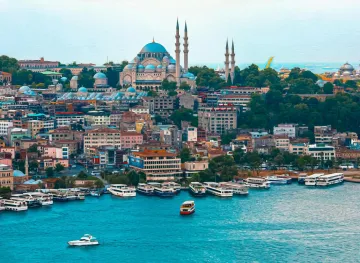
Explore more of Turkiye
Discover Turkiye: Where ancient history, stunning landscapes, and vibrant culture come together to create an unforgettable travel experience.
Explore Turkiye