

Pamphylia, Turkiye Travel Guide
Discover Pamphylia in Turkiye: A Perfect Blend of Ancient Ruins, Stunning Landscapes, and Vibrant Local Culture on the Mediterranean Coast.
Pamphylia, located on the southern coast of Turkiye, is a region steeped in history and natural beauty. This ancient land, once a bustling hub of ancient civilizations, offers a unique blend of archaeological treasures, stunning landscapes, and a vibrant local culture. From the remains of Roman cities to the pristine beaches of the Mediterranean, Pamphylia is a destination that promises an unforgettable experience. Start your journey with a visit to the ancient city of Perge, known for its well-preserved Roman ruins. Wander through the grand amphitheater, marvel at the towering columns, and imagine life in this once-thriving metropolis. Nearby, the ancient city of Aspendos boasts one of the best-preserved Roman theaters in the world, still used for performances today. Nature lovers will be enchanted by the Düden Waterfalls, where cascading waters create a serene and picturesque setting. For a mix of history and relaxation, head to the coastal town of Side. Here, ancient ruins like the Temple of Apollo stand alongside modern amenities, offering a perfect blend of the old and new. Pamphylia's coastline is dotted with beautiful beaches, ideal for sunbathing, swimming, and water sports. The region's culinary delights are not to be missed either, with fresh seafood and traditional Turkish dishes tantalizing your taste buds. Whether you're exploring ancient ruins, enjoying the natural scenery, or savoring local cuisine, Pamphylia offers a rich and diverse experience for every traveler.

Know before you go
Hi, I'm Eve. Here are a few practical things to know before exploring Pamphylia.
- Best time to visit is spring or autumn when the weather is mild and the tourist crowds are smaller.
- Wear comfortable shoes for exploring archaeological sites, as the terrain can be uneven.
- Try the local seafood at a coastal restaurant for a true taste of the region.
- Bring a hat and sunscreen, especially if you plan to spend a lot of time outdoors.
- Consider renting a car to explore the region at your own pace.
Top City Travel Guides in Pamphylia
The cities of Pamphylia, and the easiest places to base yourself.

Destinations in Pamphylia
Resorts, valleys and scenic spots worth a trip of their own.

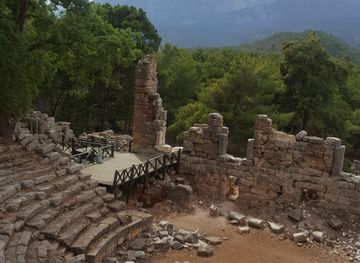
Explore Pamphylia: Things to Do, Places to Eat, Hotels & More
Handpicked recommendations for top attractions, local dining, accommodations, and more

Top Attractions & Sightseeing in Pamphylia
Top-rated picks
Best Attractions

TerraCity
Experience the ultimate shopping and dining adventure at TerraCity, Antalya's premier shopping mall featuring top brands and delightful eateries.

Aspendos Theater
Discover the awe-inspiring Aspendos Theater, a stunning Roman amphitheater that transports visitors back to ancient times with its remarkable architecture and acoustics.

Dolusu Park Kemer
Experience the ultimate fun at Dolusu Park Kemer, Turkey's premier water park, featuring thrilling slides, relaxing pools, and family-friendly attractions.

Patara Sand Dunes
Experience the breathtaking beauty and adventure of Patara Sand Dunes, a must-visit destination in Antalya, Turkey, perfect for nature lovers and hikers.

Best landmarks in Pamphylia
Top-rated picks
Best Landmarks

Anıtkabir
Explore Anıtkabir, the iconic mausoleum of Atatürk, a symbol of Turkey's rich heritage and national pride, nestled in the heart of Ankara.

Dolmabahçe Palace
Discover the grandeur of Dolmabahçe Palace, Istanbul's stunning symbol of Ottoman opulence and European architectural elegance.

Basilica Cistern
Explore the Basilica Cistern, Istanbul's mesmerizing underground reservoir, and marvel at its ancient architecture and captivating history.
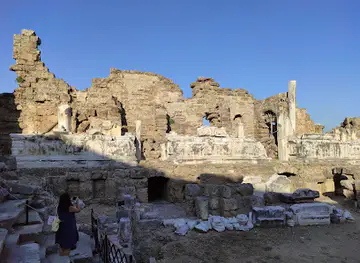
Side Ancient City
Discover the enchanting Side Ancient City, a historical landmark where ancient ruins meet the stunning Turkish coastline, perfect for every traveler.

Best restaurants in Pamphylia
Top-rated picks
Best Restaurants

Fish Home Ahhir Kapi Restaurant
Discover fresh seafood delights at Fish Home Ahhir Kapi Restaurant in Istanbul's historic Sultan Ahmet district—an unforgettable culinary journey awaits.

Mivan Restaurant & Cafe
Discover authentic Turkish cuisine in a cozy atmosphere at Mivan Restaurant & Cafe in Fatih, Istanbul - A must-visit dining destination.

Las Tapas Restaurant
Experience authentic Turkish cuisine at Las Tapas Restaurant in Istanbul - a culinary haven for food lovers seeking genuine local flavors.

Old Ottoman Cafe & Restaurant
Experience authentic Ottoman cuisine in Istanbul's historic district at Old Ottoman Cafe & Restaurant - where tradition meets taste.

Best bars in Pamphylia
Top-rated picks
Best Bars

Corner Irish Pub
Discover the spirit of Ireland in Istanbul at Corner Irish Pub, where hearty meals and lively music create an unforgettable experience.
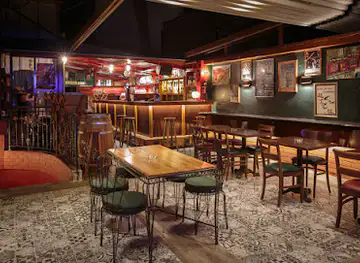
Irish Pub The James Joyce
Discover the heart of Ireland in Istanbul at The James Joyce, where authentic Irish cuisine meets a cozy pub atmosphere.

Old English Pub Cafe & Restaurant
Discover the charm of Old English Pub Cafe & Restaurant in Suadiye, where traditional British fare meets the vibrant spirit of Istanbul.
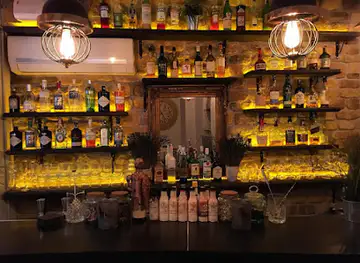
Flekk
Experience Istanbul’s nightlife at Flekk, a chic cocktail bar in Beyoğlu known for its innovative drinks and vibrant atmosphere.

Best nightclubs in Pamphylia
Top-rated picks
Best Nightclubs

Club Summer Garden
Discover the pulse of Alanya's nightlife at Club Summer Garden, where music, dance, and unforgettable memories await.

GAGA CLUB
Dive into the pulsating nightlife of GAGA Club in Antalya, where vibrant music, mesmerizing lights, and unforgettable memories await.

ROOTS
Discover the heart of Antalya's nightlife at ROOTS, a vibrant night club known for its eclectic music and lively atmosphere.

Olivia Disco & Bar
Olivia Disco & Bar: A premier nightlife experience in Antalya, where vibrant music, dancing, and an electric atmosphere await you.

Best shops in Pamphylia
Top-rated picks
Best Shops

TerraCity
Explore TerraCity, Antalya's ultimate shopping destination with diverse brands, delicious dining, and vibrant entertainment for every traveler.

The Land of Legends Shopping Avenue
Explore The Land of Legends Shopping Avenue in Antalya, where luxury shopping meets exquisite dining and captivating entertainment.

Ruby ceramics & gift shop
Explore the artistry of Turkish ceramics at Ruby Ceramics & Gift Shop in Sultanahmet, offering unique gifts and handcrafted treasures.

Soul of Anatolia
Explore the vibrant Soul of Anatolia in Istanbul, where unique souvenirs and fashion accessories await to tell the stories of Turkey.

Explore Pamphylia on the Map
A handpicked selection of must-see spots in Pamphylia, mapped for you.
Pamphylia Essentials
-
Pamphylia, located in the Antalya region of Turkiye, is accessible via Antalya Airport (AYT), which is approximately 10 kilometers from the city center. Direct flights are available from major cities in Europe and the Middle East. From the airport, you can reach Pamphylia by taxi, shuttle services, or car rentals. If you are already in Turkiye, you can also get there by intercity buses or by driving.
-
Pamphylia is well-connected with public transport options including buses and trams. The AntRay tram system is convenient for traveling within Antalya. Taxis are widely available but ensure the meter is running or agree on a fare beforehand. Car rentals are also a popular option for tourists wanting to explore the region at their own pace. For short distances, walking is often the best way to explore local sights.
-
The official currency in Turkiye is the Turkish Lira (TRY). Credit cards are widely accepted in hotels, restaurants, and larger shops. However, it is advisable to carry some cash for smaller establishments and markets. ATMs are plentiful, especially in tourist areas. Currency exchange services are available at airports, banks, and exchange offices.
-
Pamphylia is generally a safe destination for tourists. However, standard precautions should be taken. Avoid isolated areas at night and be cautious of pickpockets in crowded places like markets and public transport. There are no specific high-crime neighborhoods targeting tourists, but always stay vigilant and aware of your surroundings.
-
In case of emergencies, dial 112 for immediate assistance. Hospitals and clinics are available in the region, and most medical staff speak English. It is recommended to have travel insurance that covers medical emergencies. Pharmacies are readily available for minor health issues and over-the-counter medications.
-
Fashion: Do dress modestly, especially when visiting religious sites. Avoid wearing revealing clothing. Religion: Do respect local customs and traditions. Always cover your head when entering mosques. Public Transport: Do be respectful and give up your seat to elderly passengers. Don't eat or drink on public transport. Greetings: Do greet people with a handshake. A slight bow of the head is also a sign of respect. Eating & Drinking: Do try local delicacies and accept food offerings graciously. Don’t refuse hospitality, as it is considered impolite.
-
To experience Pamphylia like a local, visit the local markets where you can buy fresh produce and traditional Turkish goods. Engage with locals, as they are often friendly and willing to share stories about the region's history and culture. Don't miss visiting ancient ruins such as Aspendos, Perge, and Side. For a unique experience, try a traditional Turkish bath (Hamam).
When is the best time to visit Pamphylia?
Useful Local Phrases for Pamphylia
You don't need to speak the language perfectly. Even learning a few simple words can make conversations warmer—and locals usually appreciate the effort.
— Eve

Here are the phrases I use most often in Pamphylia. Try a few—you'll be surprised how far they go! 😊
❤️
-
- HelloMerhaba
[mehr-HAH-bah] - GoodbyeHoşça kal
[hosh-CHA kal] - YesEvet
[eh-VET] - NoHayır
[HAH-yur] - Please/You’re welcomeLütfen
[LOOT-fen] - Thank youTeşekkür ederim
[teh-shehk-KOOR ed-EH-rim] - Excuse me/SorryAffedersiniz
[ahf-feh-DER-sin-iz] - How are you?Nasılsın?
[NAH-suhl-suhn] - Fine. And you?İyiyim. Ya sen?
[EE-yee-yim. YAH sen?] - Do you speak English?İngilizce biliyor musun?
[een-GEE-leez-jeh bee-LEE-yor moo-SOON?] - I don't understandAnlamıyorum
[ahn-LAH-muh-yor-oom]
- HelloMerhaba
-
- I'd like to see the menu, pleaseMenüyü görmek isterim lütfen
[meh-NOO-yoo GOR-mehk ees-TEH-rim LOOT-fen] - I don't eat meatEt yemiyorum
[et YEH-mee-yor-oom] - Cheers!Şerefe!
[sheh-REF-eh] - I would like to pay, pleaseÖdemek istiyorum lütfen
[uh-DEH-mehk ees-TEE-yor-oom LOOT-fen]
- I'd like to see the menu, pleaseMenüyü görmek isterim lütfen
-
- Help!Yardım edin!
[YAR-dum eh-DEEN!] - Go away!Defol!
[DEH-fol!] - Call the Police!Polisi ara!
[POH-lee-see AH-rah!] - Call a doctor!Doktor çağır!
[DOK-tor CHAH-ur!] - I'm lostKayboldum
[KAI-bol-doom] - I'm illHastayım
[HAS-tah-yim]
- Help!Yardım edin!
-
- I'd like to buy...Satın almak istiyorum...
[sah-TUHN ahl-MAK ees-TEE-yor-oom] - I'm just lookingSadece bakıyorum
[SAH-deh-jeh bah-KEE-yor-oom] - How much is it?Bu ne kadar?
[boo NEH kah-DAR?] - That's too expensiveBu çok pahalı
[boo CHOK pah-HAH-luh] - Can you lower the price?Fiyatı düşürebilir misiniz?
[fee-YAH-tuh DOO-sheh-reh-BEE-leer MEE-sin-iz?]
- I'd like to buy...Satın almak istiyorum...
-
- What time is it?Saat kaç?
[sah-AT kahch?] - It's one o'clockSaat bir
[sah-AT beer] - Half past (10)On buçuk
[ON boo-CHUK] - MorningSabah
[sah-BAH] - AfternoonÖğle
[UR-leh] - EveningAkşam
[AHK-shahm] - YesterdayDün
[DOON] - TodayBugün
[boo-GOON] - TomorrowYarın
[YAH-rin] - 1Bir
[beer] - 2İki
[ee-KEE] - 3Üç
[OOSH] - 4Dört
[DURT] - 5Beş
[BESH] - 6Altı
[AL-tee] - 7Yedi
[YEH-dee] - 8Sekiz
[SEH-keez] - 9Dokuz
[DOH-kooz] - 10On
[ON]
- What time is it?Saat kaç?
-
- Where's a/the...?Nerede ...?
[NEH-reh-de ...?] - What's the address?Adres ne?
[AH-dres NEH?] - Can you show me (on the map)?Haritada gösterebilir misin?
[HAR-ee-tah-dah GOS-teh-reh-BEE-leer MEE-sin?] - When's the next (bus)?Sonraki (otobüs) ne zaman?
[SON-rah-kee (oh-toh-BYOOS) NEH zah-MAN?] - A ticket (to ....)Bir bilet (....)
[beer bee-LET (....)]
- Where's a/the...?Nerede ...?
History of Pamphylia
-
Pamphylia, located in the southern part of modern-day Turkiye, was established by a diverse group of settlers, including Greeks, Anatolians, and others, around the 12th century BCE. The region's name, derived from the Greek 'Pamphylos,' meaning 'of all tribes,' reflects its multicultural roots. The establishment of cities such as Side, Perge, Aspendos, and Attalia (modern-day Antalya) marked the rise of this historically significant region.
-
In the 6th century BCE, Pamphylia came under the control of the Achaemenid Persian Empire, following the conquest by Cyrus the Great. Persian rule brought administrative organization and infrastructure development. The cities of Pamphylia enjoyed a degree of autonomy, and Persian influence can still be observed in various archaeological remains, including administrative buildings and coinage.
-
Alexander the Great's conquest in 333 BCE marked the beginning of the Hellenistic period in Pamphylia. After defeating the Persian satraps, Alexander incorporated Pamphylia into his expanding empire. This era saw the flourishing of Hellenistic culture, art, and architecture. Cities like Perge and Side experienced significant growth, with the construction of theaters, stadiums, and temples that blended Greek and local styles.
-
Following the defeat of the Seleucid Empire, Pamphylia became a part of the Roman Republic in 188 BCE and later the Roman Empire. This period, known as the Pax Romana, brought peace and prosperity to the region. Roman engineering marvels, such as the aqueducts of Aspendos and the well-preserved theater in Side, are testaments to the grandeur of this era. Trade and commerce thrived, facilitated by Pamphylia's strategic location along the Mediterranean coast.
-
With the division of the Roman Empire in 395 CE, Pamphylia became part of the Eastern Roman, or Byzantine Empire. This period saw the spread of Christianity, and numerous churches and basilicas were constructed. The city of Attalia (Antalya) emerged as an important religious center. The Byzantine influence is evident in the region's architectural styles, mosaics, and religious artifacts found in various archaeological sites.
-
The Seljuk Turks conquered Pamphylia in the 11th century, bringing a new cultural and architectural influence. The city of Antalya became a prominent Seljuk port, with the construction of significant structures like the Yivli Minaret. Later, in the 15th century, the Ottoman Empire incorporated Pamphylia into its vast dominion. The Ottomans further developed the region, leaving behind mosques, baths, and caravanserais that reflect the rich cultural tapestry of Pamphylia's history.
Neighbouring Regions of Pamphylia
The closest regions to Pamphylia, if you have time for more than one.
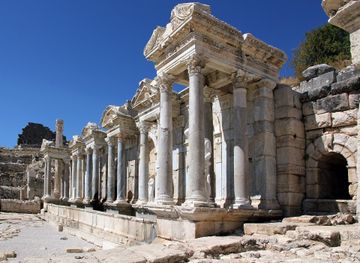


Your all‑in‑one travel companion app
Explore expert travel guides, compare and book tours, experiences, hotels, and more—all from the palm of your hand. Download now for seamless trip planning wherever your wanderlust takes you.


Explore More of Turkiye
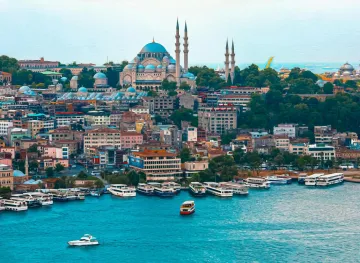
Looking beyond Pamphylia? Discover Turkiye for broader travel guides, local hot-spots, and regional highlights.
Explore TurkiyePamphylia in Photos
Browse through our photo collection highlighting the charm and character of the destination.


Pamphylia: The Ancient Gem of Turkiye
Pamphylia, located on the southern coast of Turkiye, is a region steeped in history and natural beauty. This ancient land, once a bustling hub of ancient civilizations, offers a unique blend of archaeological treasures, stunning landscapes, and a vibrant local culture. From the remains of Roman cities to the pristine beaches of the Mediterranean, Pamphylia is a destination that promises an unforgettable experience. Start your journey with a visit to the ancient city of Perge, known for its well-preserved Roman ruins. Wander through the grand amphitheater, marvel at the towering columns, and imagine life in this once-thriving metropolis. Nearby, the ancient city of Aspendos boasts one of the best-preserved Roman theaters in the world, still used for performances today. Nature lovers will be enchanted by the Düden Waterfalls, where cascading waters create a serene and picturesque setting. For a mix of history and relaxation, head to the coastal town of Side. Here, ancient ruins like the Temple of Apollo stand alongside modern amenities, offering a perfect blend of the old and new. Pamphylia's coastline is dotted with beautiful beaches, ideal for sunbathing, swimming, and water sports. The region's culinary delights are not to be missed either, with fresh seafood and traditional Turkish dishes tantalizing your taste buds. Whether you're exploring ancient ruins, enjoying the natural scenery, or savoring local cuisine, Pamphylia offers a rich and diverse experience for every traveler.