

Free Mesopotamia Travel Guide & Mobile App
Explore Mesopotamia with free travel guides. Discover regional history, expert tips, proposed trips, and audio guides on web or mobile app.


Explore Türkiye's Mesopotamia for Göbekli Tepe, stone-built Mardin, Diyarbakır's walls, ancient rivers and distinctive southeastern cuisine.
Read more about Mesopotamia
When is the best time to visit Mesopotamia?
Best: May, September–October · 22–29°C| Month | High (°C) | Rainfall (mm) |
|---|---|---|
| January | 5 | 50 |
| February | 8 | 45 |
| March | 14 | 40 |
| April | 19 | 35 |
| May (best) | 25 | 30 |
| June | 30 | 25 |
| July | 34 | 20 |
| August | 33 | 20 |
| September (best) | 29 | 25 |
| October (best) | 22 | 30 |
| November | 15 | 40 |
| December | 8 | 45 |
Getting to and around Mesopotamia
How to get there
Transportation
Destinations in Mesopotamia
Resorts, valleys and scenic spots worth a trip of their own.
-

-


Swipe for more destinations
Best attractions in Mesopotamia
Mesopotamia's attractions range from Neolithic ritual architecture to living historic cities and broad, dry river landscapes. Göbekli Tepe is the region's defining archaeological experience, while the Şanlıurfa Archaeology Museum helps place it within the wider story of prehistoric settlement. Harran combines an extensive ancient site with distinctive domed houses and an open agricultural plain. Around Mardin and Midyat, visitors can explore stone-built lanes, courtyards, churches, monasteries and craft traditions associated with Syriac communities. Diyarbakır offers museums, markets and a long urban history within its basalt walls, while the Tigris corridor leads towards Hasankeyf and other sites reshaped by dam construction. Museums in Şanlıurfa, Mardin and Diyarbakır are particularly valuable for understanding artefacts that cannot be appreciated fully in the field. Outdoor experiences are less about formal parks than about walking through escarpment towns, viewing irrigated plains, visiting river landscapes and travelling between villages and archaeological sites. Summer heat makes early starts essential, whereas spring brings greener fields and more comfortable conditions for exploring exposed ruins.
-
Museum
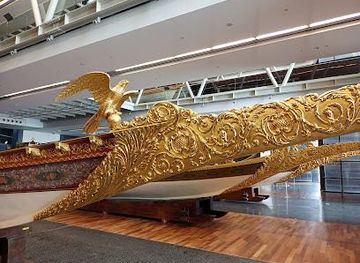
Naval Museum
Explore Turkey's rich maritime heritage at the Naval Museum in Beşiktaş, featuring fascinating exhibits and historical artifacts showcasing naval history.
-
Historical place
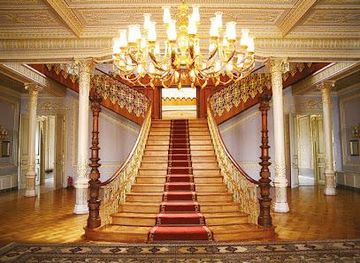
Sait Halim Pasha Mansion
Explore the majestic Sait Halim Pasha Mansion, a historical treasure in Istanbul with stunning architecture and lush gardens.
-
Museum
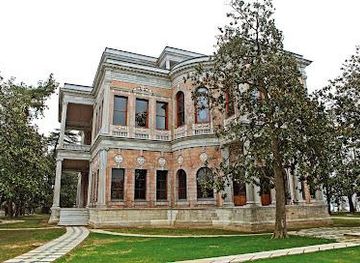
Beykoz Mecidiye Pavilion (National Palaces)
Discover the beauty and history of Beykoz Mecidiye Pavilion, a stunning Ottoman-era retreat set in the lush landscapes of Istanbul.
-
Mehmet Akif Ersoy Park
Discover the tranquil Mehmet Akif Ersoy Park in Istanbul, a serene oasis honoring the great Turkish poet amidst the historic Sultanahmet district.
Best landmarks in Mesopotamia
Göbekli Tepe is the region's most consequential landmark, its monumental T-shaped pillars representing a decisive chapter in the archaeology of early settled communities. In Şanlıurfa, the citadel, historic bazaar and Gölbaşı area form a concentrated urban landscape associated with the city's religious and commercial identity. Harran's conical-roofed houses are a distinctive architectural response to the hot plain, while Mardin's limestone hillside profile, crowned by the Deyrulzafaran Monastery outside the city and framed by historic mosques and churches, is one of southeastern Türkiye's most recognisable scenes. Midyat's carved-stone streets and Mor Gabriel Monastery reflect the endurance of Syriac Christian architectural traditions. Diyarbakır's basalt city walls and the Hevsel Gardens beside the Tigris express the city's defensive, agricultural and riverine history. Hasankeyf remains an important cultural landmark despite the transformation of its original riverside setting by the Ilısu Dam reservoir. Together these places show how religion, water, trade, defence and local stone shaped the region's built environment.
-
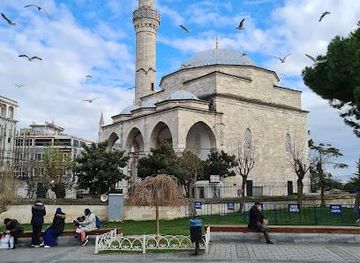
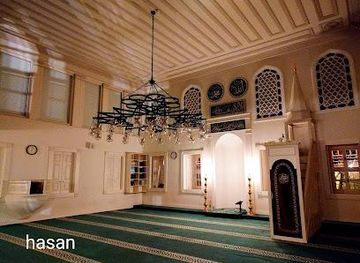
Mosque
Vaniköy Mosque
Discover the peaceful beauty of Vaniköy Mosque, an architectural gem on the Bosphorus offering tranquility and stunning views in Istanbul.
-
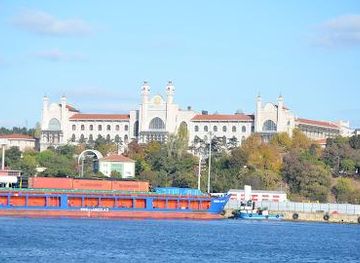
Port authority
Haydarpaşa Port
Experience the historic allure and stunning views at Haydarpaşa Port, Istanbul’s gateway to the Bosphorus.
-
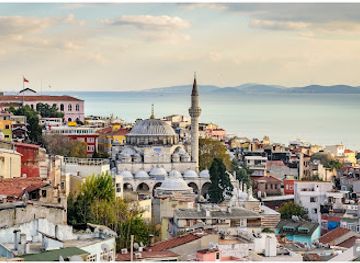
Mosque
Muradiye Cami
Explore the serene beauty and rich heritage of Muradiye Cami, a hidden gem in Beşiktaş, Istanbul, reflecting the grandeur of Ottoman architecture.
-
Building
Yerebatan Cd. No:30
Discover the enchanting Yerebatan Cistern, a Byzantine marvel hidden beneath Istanbul, where history and architecture intertwine in a serene underground oasis.


Explore Mesopotamia on the map
Plan your trip on one map. See where the top cities, national parks and sights are, and book hotels and experiences in a few clicks.
Best hotels in Mesopotamia
Best restaurants in Mesopotamia
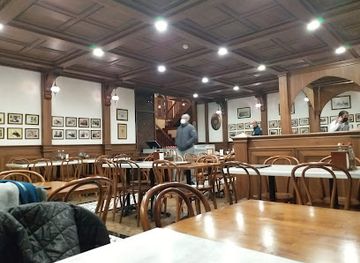
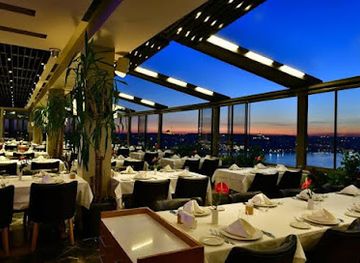
Dining in Mesopotamia is strongly regional, generous and closely tied to markets and household cooking. Şanlıurfa is known for kebabs, lahmacun, çiğ köfte traditions and the smoky heat of isot pepper, while Diyarbakır's cuisine includes grilled meats, stuffed vegetables, bulgur dishes and seasonal produce. Mardin and Midyat add specialities shaped by the area's Arabic, Kurdish, Turkish and Syriac cultural influences, including kibbeh-style dishes, spiced pastries, fruit preserves and distinctive breads. Breakfasts can be substantial, with cheeses, olives, eggs and local breads, and tea is a constant presence in cafés and courtyards. Look for bakeries, traditional lokantas, kebab restaurants, market food and family-run establishments rather than expecting a uniform fine-dining scene. The region is also noted for agricultural products including bulgur, pistachios in parts of the wider southeast, red peppers, grapes and Diyarbakır's famous large watermelons. Menus vary by town and season, so asking locally is often the best way to identify a genuinely regional dish.
-
Turkish
Hanzade Terrace Restaurant
Savor authentic Turkish flavors with stunning views at Hanzade Terrace Restaurant in Istanbul's historic Fatih district.
-
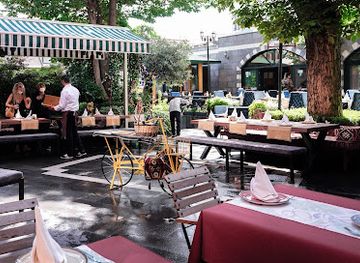
Restaurant
Garden 1897 Restaurant
Experience authentic Turkish cuisine in a serene garden setting at Garden 1897 Restaurant in Istanbul.
-
Kofta restaurant
Tarihi Sultanahmet Köftecisi Selim Usta
Experience authentic Turkish cuisine at Tarihi Sultanahmet Köftecisi Selim Usta, where every dish tells a story steeped in history and flavor.
-
Turkish
Hamdi Restaurant - Eminönü
Experience authentic Turkish cuisine at Hamdi Restaurant - Eminönü with stunning views and delightful flavors.
Best bars in Mesopotamia
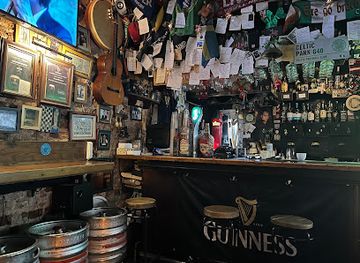
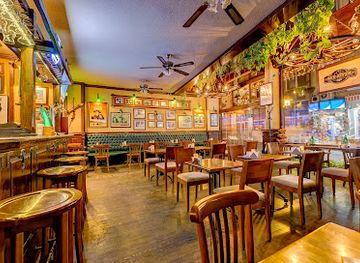
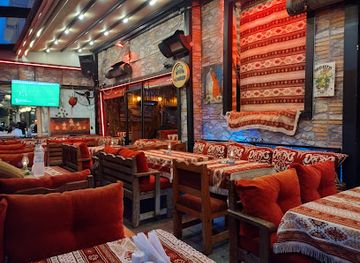
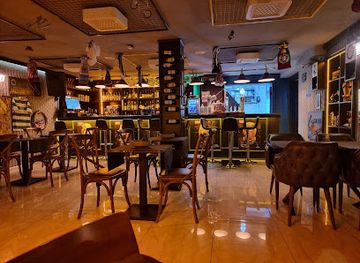
Evening life is generally centred on tea gardens, cafés, restaurants and traditional venues rather than a large nightclub circuit. Şanlıurfa's historic centre is associated with courtyard cafés and sıra gecesi, a musical and social gathering tradition that is presented in some visitor venues as well as existing in broader local contexts. Mardin and Midyat offer restaurants and hotel terraces where the emphasis is on conversation, food and views across the plain; alcohol availability varies by establishment and local custom. Diyarbakır has the region's broadest urban evening offering, including cafés, restaurants, live music and some later-opening venues. Smaller towns usually become quiet earlier, while Ramadan, religious observance and seasonal tourism can affect evening patterns. Visitors should not assume that nightlife follows the same rhythm as Istanbul or coastal resorts, and should confirm local arrangements rather than relying on national guidebook listings.
-
Irish pub
U2 Istanbul Irish Pub
Discover the lively charm of U2 Istanbul Irish Pub, where authentic Irish cuisine meets vibrant nightlife in the heart of Istanbul.
-
Restaurant
Red River Pub
Discover Red River Pub in Istanbul - a vibrant restaurant and sports bar offering delicious cuisine and a lively atmosphere for all.
-
Bar
Mitani Cafe
Discover the perfect blend of tradition and modernity at Mitani Cafe, a cozy bar in Istanbul offering hookah and delightful beverages.
-
Pub
Rounders İrish Bar
Experience a slice of Ireland in Istanbul at Rounders Irish Bar, where lively atmosphere and delicious cuisine await you.
Best nightclubs in Mesopotamia
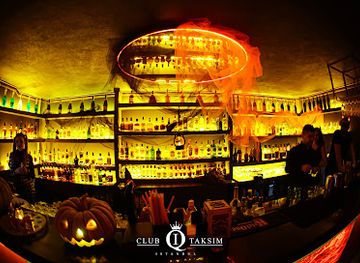
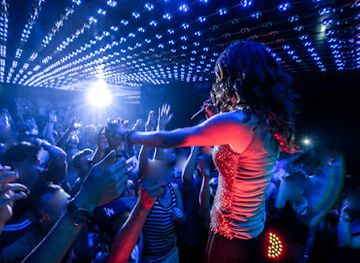
Evening life is generally centred on tea gardens, cafés, restaurants and traditional venues rather than a large nightclub circuit. Şanlıurfa's historic centre is associated with courtyard cafés and sıra gecesi, a musical and social gathering tradition that is presented in some visitor venues as well as existing in broader local contexts. Mardin and Midyat offer restaurants and hotel terraces where the emphasis is on conversation, food and views across the plain; alcohol availability varies by establishment and local custom. Diyarbakır has the region's broadest urban evening offering, including cafés, restaurants, live music and some later-opening venues. Smaller towns usually become quiet earlier, while Ramadan, religious observance and seasonal tourism can affect evening patterns. Visitors should not assume that nightlife follows the same rhythm as Istanbul or coastal resorts, and should confirm local arrangements rather than relying on national guidebook listings.
-
Night club
Escape Club İstanbul
Discover the exhilarating nightlife at Escape Club İstanbul, where electrifying music and vibrant atmosphere create unforgettable experiences.
-
Night club
Taksim Club IQ
Dive into the lively atmosphere of Taksim Club IQ, Istanbul's premier nightclub, featuring live music and vibrant dance floors.
-
Night club
Masquerade Club
Experience the vibrant nightlife of Istanbul at Masquerade Club, where music, dance, and fun come together for an unforgettable evening.
-
Night club
Love Dance Point
Discover the vibrant energy of Love Dance Point, İstanbul's premier night club for an unforgettable nightlife experience filled with music, dance, and excitement.


Best shops in Mesopotamia
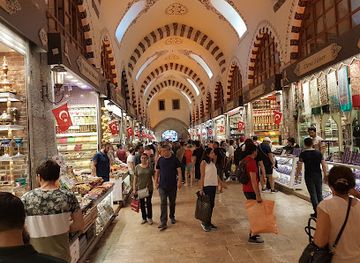
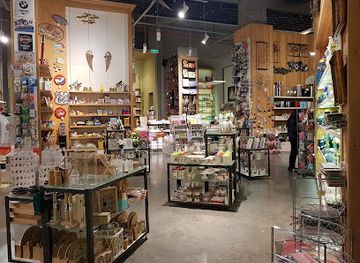
Shopping is most rewarding in the historic markets and specialist streets of the main towns. Şanlıurfa is a good place to look for isot pepper, regional sweets, copperware, woven goods and traditional fabrics, while Mardin and Midyat are associated with finely worked silver jewellery, carved stone, soaps, textiles and locally produced foods. Diyarbakır's bazaars and city shops offer copper goods, leather, dried foods and regional delicacies alongside ordinary modern retail. Markets and small food shops are useful for buying bulgur, spices, pistachios, grape products and packaged sweets, although travellers should check labelling and customs rules before carrying food internationally. Craft quality and authenticity vary, so compare items and ask about materials before purchasing. The region's larger towns also have contemporary shopping centres and national chains, but the most distinctive souvenirs tend to come from independent workshops, covered bazaars and producers selling goods connected to local culinary or craft traditions.
-
Bazar
Egyptian Bazaar
Explore the Egyptian Bazaar in Istanbul, a vibrant market filled with spices, sweets, and local delicacies, embodying the essence of Turkish culture.
-
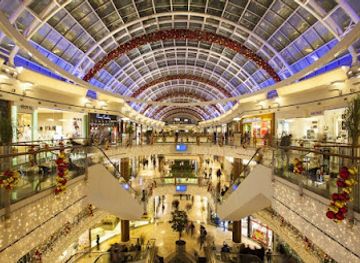
Shopping mall
Venezia Mega Outlet
Explore top brands at discounted prices at Venezia Mega Outlet, Istanbul's ultimate shopping destination for tourists and locals alike.
-
Shopping mall
Zorlu Center
Explore the luxury and culture of Zorlu Center, Istanbul's premier shopping mall featuring top brands, exquisite dining, and captivating entertainment.
-
Shopping mall
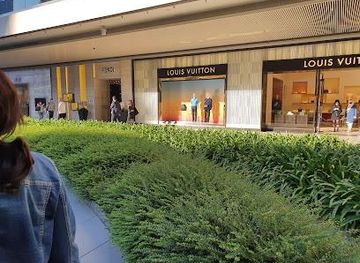
İstinye Park Alışveriş Merkezi
Discover the ultimate shopping experience at İstinye Park, Istanbul's premier destination for luxury brands, entertainment, and exquisite dining.
Get your free copy of our complete guide to Mesopotamia, delivered straight to you.
Everything on this page, from attractions and restaurants to essentials and local phrases, in one PDF you can read offline, print or share.
Already have an account? Sign in
Your Mesopotamia guide is ready.
We'll send it to · Not you? Sign out

Getting your guide ready…
We are putting together a fresh copy of the Mesopotamia guide. This can take up to a minute.
This can take a few moments. If your browser asks, choose Allow so the download can start. You'll find the guide in your Downloads folder.
Nothing happened? Download it again
Sorry, the guide is taking longer than usual. Please try again in a minute, or get it by email instead.
Mesopotamia essentials
Currency and Payment
Safety
Emergency Situations
Do's and Don'ts
Local Tips
From Eve
Local phrases worth knowing
You don't need to get them perfect. A few words go a long way, and locals appreciate the effort.
Basics
| English | Local | Say it |
|---|---|---|
| Hello | Merhaba | [mehr-HAH-bah] |
| Goodbye | Hoşça kal | [hosh-CHA kahl] |
| Yes | Evet | [EH-vet] |
| No | Hayır | [HAH-yuhr] |
| Please/You're welcome | Lütfen/Rica ederim | [LOOT-fen/ree-JAH eh-DER-im] |
| Thank you | Teşekkür ederim | [teh-shehk-KOOR eh-DER-im] |
| Excuse me/Sorry | Affedersiniz/Üzgünüm | [ah-feh-DER-sin-iz/OOZ-goo-num] |
| How are you? | Nasılsınız? | [NAH-suhl-sin-iz] |
| Fine. And you? | İyiyim. Ya siz? | [EE-yee-yim. YAH seez?] |
| Do you speak English? | İngilizce biliyor musunuz? | [een-GHEE-leez-jeh bee-LEE-yor moo-SOO-nuz?] |
| I don't understand | Anlamıyorum | [ahn-LAH-muh-yor-um] |
Eating & Drinking
| English | Local | Say it |
|---|---|---|
| I'd like to see the menu, please | Menüyü görmek isterim, lütfen | [meh-NOO-yoo GOER-mehk ees-TEH-rim, LOOT-fen] |
| I don't eat meat | Et yemiyorum | [et YEH-mee-yor-um] |
| Cheers! | Şerefe! | [sheh-REH-feh] |
| I would like to pay, please | Ödemek isterim, lütfen | [uh-DEH-mehk ees-TEH-rim, LOOT-fen] |
Emergencies
| English | Local | Say it |
|---|---|---|
| Help! | Yardım edin! | [YAR-dum eh-DIN!] |
| Go away! | Defol! | [DEH-fol!] |
| Call the Police! | Polis çağırın! | [POH-lees CHAH-uh-ruhn!] |
| Call a doctor! | Doktor çağırın! | [DOK-tor CHAH-uh-ruhn!] |
| I'm lost | Kayboldum | [KAI-bol-dum] |
| I'm ill | Hastayım | [HAS-tah-yum] |
Shopping
| English | Local | Say it |
|---|---|---|
| I'd like to buy... | Satın almak istiyorum... | [sah-TUHN ahl-MAHK ees-TEE-yor-um] |
| I'm just looking | Sadece bakıyorum | [SAH-deh-jeh bah-KI-yor-um] |
| How much is it? | Bu ne kadar? | [boo NEH kah-DAR?] |
| That's too expensive | Bu çok pahalı | [boo CHOK pah-HAH-luh] |
| Can you lower the price? | Fiyatı düşürebilir misiniz? | [fee-YAH-tuh DOO-shee-reh-bee-LIR mee-SIN-iz?] |
Time & Numbers
| English | Local | Say it |
|---|---|---|
| What time is it? | Saat kaç? | [sah-AT kahch?] |
| It's one o'clock | Saat bir | [sah-AT beer] |
| Half past (10) | On buçuk | [on boo-CHUK] |
| Morning | Sabah | [sah-BAH] |
| Afternoon | Öğleden sonra | [uh-LEH-den sohn-RAH] |
| Evening | Akşam | [ahk-SHAHM] |
| Yesterday | Dün | [doon] |
| Today | Bugün | [boo-GOON] |
| Tomorrow | Yarın | [YAH-rin] |
| 1 | Bir | [beer] |
| 2 | İki | [EE-kee] |
| 3 | Üç | [OOCH] |
| 4 | Dört | [DURT] |
| 5 | Beş | [BESH] |
| 6 | Altı | [AL-tee] |
| 7 | Yedi | [YEH-dee] |
| 8 | Sekiz | [seh-KEEZ] |
| 9 | Dokuz | [DOH-kooz] |
| 10 | On | [on] |
Transport & Directions
| English | Local | Say it |
|---|---|---|
| Where's a/the...? | Nerede bir...? | [NEH-reh-de beer...?] |
| What's the address? | Adres nedir? | [ah-DRES NEH-deer?] |
| Can you show me (on the map)? | Bana (haritada) gösterebilir misiniz? | [BAH-nah (har-ee-TAH-dah) GOES-teh-reh-bee-LIR mee-SIN-iz?] |
| When's the next (bus)? | Sonraki (otobüs) ne zaman? | [SON-rah-kee (oh-toh-BUHS) NEH zah-MAHN?] |
| A ticket (to ....) | Bir bilet (....) | [beer bee-LET (....)] |
History of Mesopotamia
Neolithic Communities and Göbekli Tepe
The upper Mesopotamian landscape contains some of the world's most important evidence for early settled and ritual life. At Göbekli Tepe, near Şanlıurfa, monumental T-shaped stone pillars were erected during the Pre-Pottery Neolithic, roughly between the tenth and eighth millennia BCE. The site predates cities and monumental architecture in the conventional sense, and has changed scholarly understanding of the relationship between communal ritual, settlement and food production. Nearby Nevalı Çori, now submerged beneath the Atatürk Dam reservoir, contributed further evidence of the period. These discoveries place southeastern Türkiye at the centre of research into the transition from mobile foraging to village life.
Harran and the Ancient City Networks
Harran occupied a strategic position on routes linking northern Mesopotamia, Syria and Anatolia. It was associated with the worship of the moon god Sin and became an important intellectual centre in the ancient and early Islamic worlds. The settlement experienced Assyrian, Hellenistic, Roman, Byzantine and Islamic phases, although surviving remains represent only part of its long history. Its distinctive traditional houses, built with conical domes, reflect local adaptation to a hot, dry environment. The archaeological site and surrounding plain show how urban life, agriculture, religion and long-distance trade were intertwined in Upper Mesopotamia.
Edessa, Nisibis and the Christian Traditions
Cities including Edessa, the ancient name of modern Şanlıurfa, and Nisibis, now Nusaybin, became important centres of Christianity and Syriac literary culture. Their position between the Roman and Persian worlds exposed them to political rivalry as well as sustained intellectual exchange. Syriac-speaking Christian communities developed churches, monasteries and schools across the region, leaving a legacy still visible in the churches and villages associated with the Syriac tradition around Mardin and Midyat. The region's religious history is layered rather than uniform, with Christian, Jewish, Islamic and older traditions all contributing to its cultural record.
The Medieval Islamic and Artuqid Cities
After the Arab conquests, Upper Mesopotamia became part of successive Islamic states and remained a frontier between major powers. Mardin and Hasankeyf reached particular prominence under the Artuqids, a Turkmen dynasty that ruled parts of northern Mesopotamia from the twelfth to the early fifteenth century. Their patronage produced mosques, madrasas, bridges, baths and richly carved stone buildings. Diyarbakır also developed as a major walled city on the Tigris, while the wider region supported caravan traffic, agriculture and scholarship. Artuqid architecture remains one of the clearest medieval signatures in the modern travel landscape.
Ottoman Rule and Regional Trade
The Ottoman incorporation of the region, completed across the sixteenth century, connected its towns to a large imperial system stretching from Anatolia to the Arab provinces. Mardin, Diyarbakır, Urfa and surrounding settlements served as administrative, commercial and agricultural centres, with markets handling grain, livestock, textiles and locally produced goods. Ottoman rule also brought new administrative structures and architectural patronage, while established religious communities continued to shape urban life. Caravan routes gradually adapted to changing political and economic conditions, but the region's position between Anatolia, Syria and Iraq remained fundamental.
Modern Borders and the Transformation of the Rivers
The twentieth century brought new national borders, changing trade patterns, population movements and major state-led development projects. The Southeastern Anatolia Project, known as GAP, introduced large dams, irrigation schemes, roads and urban infrastructure along the Euphrates and Tigris basins. It expanded agricultural potential but also submerged archaeological sites and transformed established landscapes, most visibly at Hasankeyf after the Ilısu Dam reservoir was filled. Contemporary Mesopotamia therefore combines ancient settlement patterns with modern cities, irrigated agriculture and continuing debates about heritage, water, development and cultural preservation.
Mesopotamia in Photos
Browse through our photo collection highlighting the charm and character of the destination.
Neighbouring regions of Mesopotamia
The closest regions to Mesopotamia, if you have time for more than one.
-

-

-

-

-


Swipe for more regions
Explore more
Explore more of Turkiye
Discover Turkiye: Where ancient history, stunning landscapes, and vibrant culture come together to create an unforgettable travel experience.
Explore Turkiye