

Mount Nemrut Travel Guide - Free Web & App
Your ultimate guide to Mount Nemrut. Discover top landmarks, proposed trips, and local tips. Free on the web or via the Evendo companion app.


Mount Nemrut in Türkiye reveals colossal Commagene statues, sunrise views and ancient tomb sanctuaries above eastern Anatolia near Adıyaman and Kahta.
The Mountain and Its Ancient Sanctuary
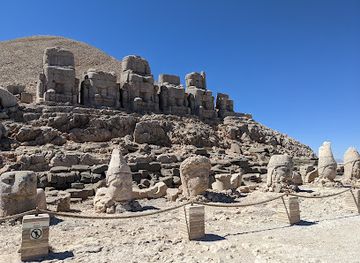
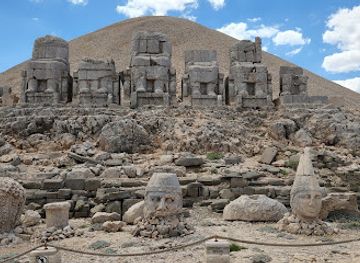
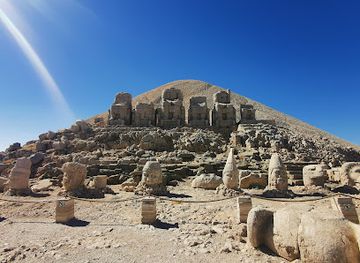
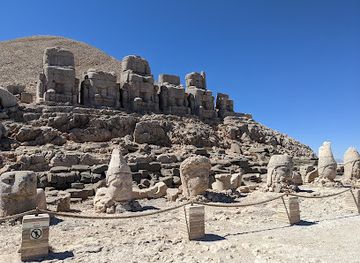
Mount Nemrut rises to about 2,150 metres in the Taurus Mountains of southeastern Türkiye, within Adıyaman Province and close to the town of Kahta. Its summit is crowned by the monumental remains of a first-century BC funerary sanctuary built for Antiochos I, ruler of the ancient Kingdom of Commagene. Seated figures of gods and kings once formed a ceremonial tableau on the eastern and western terraces; their heads, separated from the bodies by earthquakes and weathering, now lie among the stones. The scale of the statues, the remote mountain setting and the clarity of the surrounding horizons give Nemrut an atmosphere unlike that of a conventional archaeological site.Read more about Mount Nemrut
Sunrise, Sunset and the Commagene Landscape
Beyond the Summit
When is the best time to visit Mount Nemrut?
Best: June, August–September · 25–30°C| Month | High (°C) | Rainfall (mm) |
|---|---|---|
| January | 7 | 150 |
| February | 8 | 140 |
| March | 12 | 120 |
| April | 18 | 100 |
| May | 22 | 80 |
| June (best) | 28 | 60 |
| July | 30 | 50 |
| August (best) | 30 | 50 |
| September (best) | 25 | 60 |
| October | 20 | 80 |
| November | 13 | 100 |
| December | 9 | 120 |
Getting to and around Mount Nemrut
How to get there
Transportation
Best attractions in Mount Nemrut
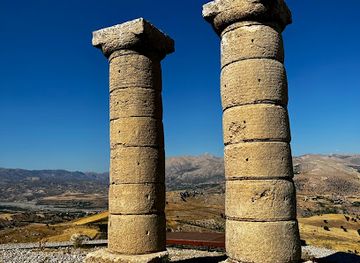
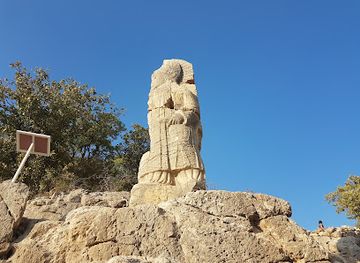
The summit terraces are Mount Nemrut's defining attraction, with colossal seated figures, royal heads and long inscribed blocks arranged on the eastern and western sides of Antiochos I's funerary sanctuary. The eastern terrace often receives the first light of day, while the western terrace offers a different arrangement of the same monumental programme and broad views across the surrounding mountains. The wider Commagene archaeological landscape adds depth to the visit: Arsameia contains a ceremonial route and reliefs associated with the royal dynasty, Karakuş is a monumental burial mound linked to the royal family, and the Cendere Bridge is a well-preserved Roman structure spanning the river gorge. Roads between these sites pass through dry uplands, valleys and settlements around the Kahta area, creating an itinerary that combines archaeology with the spacious scenery of southeastern Anatolia.
-
Historical landmark
Arsameia
Experience the rich history and breathtaking landscapes of Arsameia, a hidden gem in Turkey's Adıyaman region, perfect for history lovers and adventurers alike.
-
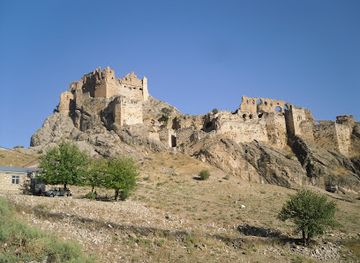
Kahta Castle
Discover the ancient allure of Kahta Castle, a historical gem offering breathtaking views and a rich tapestry of stories from the past.
-
Tourist attraction
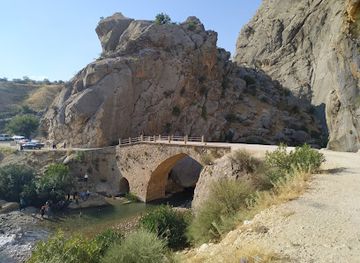
Kahta Çayı Şeytan Köprüsü
Explore the mystical Kahta Çayı Şeytan Köprüsü, a historical bridge surrounded by stunning landscapes and rich cultural heritage in Adıyaman, Turkey.
-
Fortress
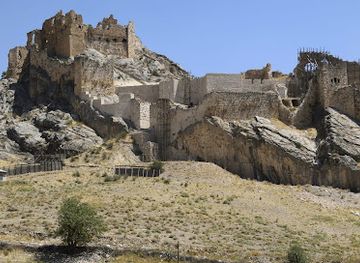
Yenikale Ruins
Discover the breathtaking Yenikale Ruins in Adıyaman, a historical fortress offering stunning views and a glimpse into Turkey's rich past.
Best landmarks in Mount Nemrut
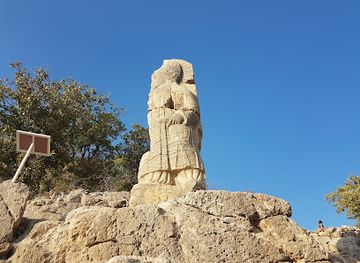
The principal landmark is the hierotheseion of Antiochos I at Mount Nemrut's summit, where enormous limestone figures of deities and royal ancestors frame the eastern and western terraces. Their detached heads, some bearing recognisable attributes and expressions, have become the defining visual symbols of Commagene. The mountain itself is also a landmark: its high, open summit gives the sanctuary an imposing setting above the surrounding Taurus landscape. In the wider area, Arsameia is marked by ceremonial reliefs and inscriptions carved into the hillside, while the Karakuş mound represents the royal burial tradition of the dynasty. The Cendere Bridge, built during the Roman period across the Cendere River, provides a contrasting example of ancient engineering and shows how the region remained important after Commagene was incorporated into Rome.
-
National park
Mount Nemrut National Park
Explore the ancient wonders of Mount Nemrut National Park, a UNESCO Heritage site featuring colossal stone heads and breathtaking landscapes in Turkey.
-
Tourist attraction
Karakuş Tumulus
Explore the majestic Karakuş Tumulus, an ancient burial site with stunning sculptures and breathtaking views in Adıyaman, Turkey.
-
Historical landmark
Arsameia
Discover the ancient wonders of Arsameia, a historical landmark in Adıyaman, Turkey, where culture and nature intertwine beautifully.
-
Cafeteria
Nemrut dağı Ziyaretçi Karşılama Merkezi
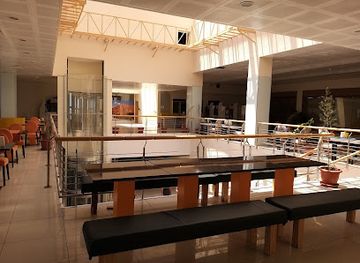
Experience local flavors and breathtaking views at Nemrut Dağı Ziyaretçi Karşılama Merkezi, your gateway to ancient wonders and scenic landscapes.
Explore Mount Nemrut on the map
Plan your trip on one map. See where the top attractions, landmarks, restaurants and hotels are, and book hotels and experiences in a few clicks.
Best hotels in Mount Nemrut
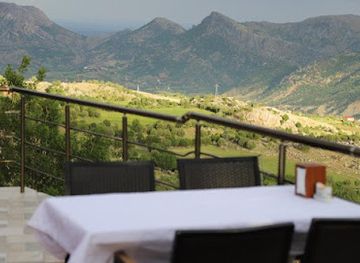
Best restaurants in Mount Nemrut
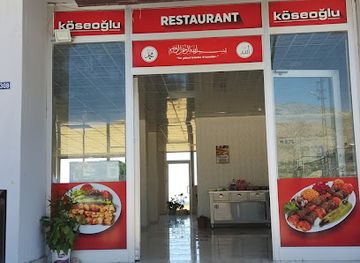
Dining facilities are concentrated in Kahta and Adıyaman rather than on Mount Nemrut itself. Regional cooking reflects southeastern Anatolian traditions, with dishes commonly based on grilled meat, bulgur, pulses, flatbreads, yoghurt, peppers and aubergines; visitors may also encounter local versions of kebabs, çiğ köfte and sweet pastries such as baklava. Breakfasts often include bread, cheese, olives, eggs and preserves, while tea is a routine part of hospitality. Small restaurants, cafés and roadside establishments in the gateway towns are the most dependable places for a cooked meal before or after a mountain excursion. Visitors travelling to the summit should carry water and provisions, especially when visiting early or late in the day, because the archaeological area has far fewer eating options than the settlements below.
-
Restaurant
Nemrut Euphrat Restaurant
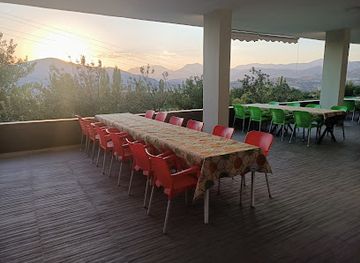
Discover authentic Turkish cuisine with stunning mountain views at Nemrut Euphrat Restaurant near Mount Nemrut.
-
 Turkish
Çiğöfteci Hasan Usta
Experience authentic Turkish cuisine at Çiğöfteci Hasan Usta in Sincik—home to delicious çiğ köfte crafted with tradition.
Best bars in Mount Nemrut
Mount Nemrut has no nightlife district and very little evening infrastructure, with most visitors returning to Kahta or Adıyaman after visiting the summit. Evening life in these towns is generally centred on tea gardens, cafés, family restaurants and traditional establishments rather than nightclubs. Tea, Turkish coffee and conversation are more characteristic of the local social atmosphere than late-night entertainment, while hotel lounges and restaurants may provide a quiet place to spend the evening. Adıyaman offers the broader choice of urban cafés and dining venues, whereas Kahta is the more convenient base for mountain excursions. Sunrise departures also mean that visitors often begin their day well before normal evening activity has ended, making practical accommodation and transport arrangements more important than a busy bar scene.
-
Restaurant
Damlacik camping restoran
Experience authentic Turkish cuisine amidst the stunning natural beauty of Damlacik at Damlacik Camping Restoran.
-
Restaurant
Nemrut Euphrat Restaurant
Discover the flavors of Turkey at Nemrut Euphrat Restaurant, located near the iconic Nemrut Mountain, offering breathtaking views and exquisite local dishes.
-
Family-friendly
.
Experience delightful family-friendly dining in Adıyaman, offering a variety of dishes in a warm and welcoming atmosphere.
-
Lodge
Çeşme Pansiyon nemrut
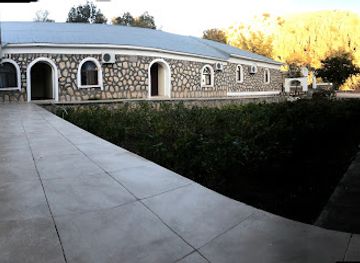
Experience the tranquil beauty of Çeşme Pansiyon, where nature meets local cuisine in the serene landscapes of Akıncılar, Adıyaman.
Best shops in Mount Nemrut
Shopping is limited at the mountain and is chiefly concentrated in Kahta and Adıyaman. Visitors may find regional food products, packaged pistachios and other southeastern specialities, textiles, prayer beads, ceramics and locally made gifts in town shops and markets, although the range and availability vary. Adıyaman's larger urban setting offers more ordinary retail choice, while Kahta is convenient for provisions before travelling into the hills. Archaeological fragments and antiquities should never be bought or removed; legitimate souvenirs should come through established retailers and have no connection with the excavation or destruction of heritage. Rural roadside stalls may sell produce or simple refreshments, but they should not be mistaken for a permanent craft market or extensive shopping district.
-
Mountain peak
Mount Nemrut
Explore Mount Nemrut, a UNESCO World Heritage Site, known for its colossal stone heads and breathtaking views, a blend of nature and ancient history.
-
National park
Mount Nemrut National Park
Explore the majestic Mount Nemrut National Park, a UNESCO World Heritage site featuring ancient statues and breathtaking views in Turkey's stunning landscape.
-
Cafeteria
Nemrut dağı Ziyaretçi Karşılama Merkezi
Explore the majestic Nemrut Dağı Visitor Center, where local flavors meet stunning mountain views in the heart of Adıyaman.
-
General store
ÇAVÇÜK MARKET
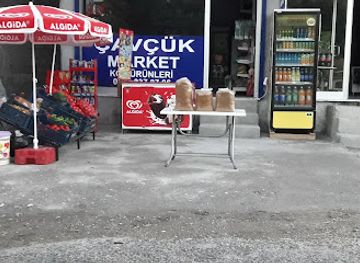
Explore Çavçük Market in Çatbahçe, Adıyaman: A charming general store with local snacks and unique crafts, perfect for every traveler.
Get your free copy of our complete guide to Mount Nemrut, delivered straight to you.
Everything on this page, from attractions and restaurants to essentials and local phrases, in one PDF you can read offline, print or share.
Already have an account? Sign in
Your Mount Nemrut guide is ready.
We'll send it to · Not you? Sign out

Getting your guide ready…
We are putting together a fresh copy of the Mount Nemrut guide. This can take up to a minute.
This can take a few moments. If your browser asks, choose Allow so the download can start. You'll find the guide in your Downloads folder.
Nothing happened? Download it again
Sorry, the guide is taking longer than usual. Please try again in a minute, or get it by email instead.
Mount Nemrut essentials
Currency and Payment
Safety
Emergency Situations
Do's and Don'ts
Local Tips
From Eve
Local phrases worth knowing
You don't need to get them perfect. A few words go a long way, and locals appreciate the effort.
Basics
| English | Local | Say it |
|---|---|---|
| Hello | Merhaba | [Mehr-hah-bah] |
| Goodbye | Hoşçakal | [Hosh-cha-kal] |
| Yes | Evet | [Eh-vet] |
| No | Hayır | [Hah-yuhr] |
| Please/You're welcome | Lütfen | [Loot-fen] |
| Thank you | Teşekkür ederim | [Teh-sheck-kur eh-deh-reem] |
| Excuse me/Sorry | Özür dilerim | [Oz-oor dee-leh-reem] |
| How are you? | Nasılsınız? | [Nah-suhl-suhn-uhz] |
| Fine. And you? | İyiyim. Siz? | [Ee-yee-eem. Sehz?] |
| Do you speak English? | İngilizce konuşuyor musunuz? | [Een-gee-leez-jeh koh-noo-shoo-yor moo-soo-nooz] |
| I don't understand | Anlamıyorum | [Ahn-lah-muh-yor-um] |
Eating & Drinking
| English | Local | Say it |
|---|---|---|
| I'd like to see the menu, please | Menüyü görmek istiyorum, lütfen | [Meh-noo-yoo gohr-mehk ees-tee-yor-um, loot-fen] |
| I don't eat meat | Et yemem | [Eht yeh-mem] |
| Cheers! | Şerefe! | [Sheh-reh-feh] |
| I would like to pay, please | Ödemek istiyorum, lütfen | [Uh-deh-mehk ees-tee-yor-um, loot-fen] |
Emergencies
| English | Local | Say it |
|---|---|---|
| Help! | Yardım! | [Yahr-duhm] |
| Go away! | Uzaklaş! | [Oo-zahk-lahsh] |
| Call the Police! | Polisi arayın! | [Poh-lee-see ah-rah-yuhn] |
| Call a doctor! | Doktor çağırın! | [Dohk-tor chah-uh-ruhn] |
| I'm lost | Kayboldum | [Kai-bohl-doom] |
| I'm ill | Hasta oldum | [Hah-stah ol-doom] |
Shopping
| English | Local | Say it |
|---|---|---|
| I'd like to buy... | Satın almak istiyorum... | [Sah-tuhn ahl-mahk ees-tee-yor-um] |
| I'm just looking | Sadece bakıyorum | [Sah-deh-jeh bah-kuh-yor-um] |
| How much is it? | Kaç lira? | [Kahch lee-rah] |
| That's too expensive | Bu fazla pahalı | [Boo fahz-lah pah-hah-luh] |
| Can you lower the price? | Fiyatı indirebilir misiniz? | [Fiyah-tuh een-dee-reh-bee-leer mee-see-neez] |
Time & Numbers
| English | Local | Say it |
|---|---|---|
| What time is it? | Saat kaç? | [Sah-aht kahch] |
| It's one o'clock | Saat bir | [Sah-aht beer] |
| Half past (10) | Saat on buçuk | [Sah-aht ohn boo-chook] |
| Morning | Sabah | [Sah-bah] |
| Afternoon | Öğleden sonra | [Owl-eh-dehn ah-soh-rah] |
| Evening | Akşam | [Ahk-shahm] |
| Yesterday | Dün | [Doon] |
| Today | Bugün | [Boo-goon] |
| Tomorrow | Yarın | [Yah-ruhn] |
| 1 | Bir | [Beer] |
| 2 | İki | [Ee-kee] |
| 3 | Üç | [Ooch] |
| 4 | Dört | [Dohrt] |
| 5 | Beş | [Besh] |
| 6 | Altı | [Ahl-tuh] |
| 7 | Yedi | [Yeh-dee] |
| 8 | Sekiz | [Seh-keez] |
| 9 | Dokuz | [Doh-kooz] |
| 10 | On | [Ohn] |
Transport & Directions
| English | Local | Say it |
|---|---|---|
| Where's a/the...? | ...nerede? | [...neh-reh-deh] |
| What's the address? | Adresi ne? | [Ah-dreh-see neh] |
| Can you show me (on the map)? | Bana gösterebilir misiniz (haritada)? | [Bah-nah gohs-teh-reh-bee-leer mee-see-neez (hah-ree-tah-dah)] |
| When's the next (bus)? | Sonraki (otobüs) ne zaman? | [Sohn-rah-kee (oh-toh-boo-s) neh zah-mahn] |
| A ticket (to ....) | Bir bilet (....'ya) | [Beer bee-let (yah)] |
History of Mount Nemrut
A Mountain Shaped by Geology
Mount Nemrut belongs to the rugged Taurus mountain system of southeastern Anatolia, a region formed through long geological processes associated with the collision and movement of major tectonic plates. Its high, exposed summit and steep surrounding terrain helped make it a visually commanding place for a royal sanctuary. The mountain's elevation also gives the site its severe climate, with cold winters, snow and strong seasonal weather that have contributed to the weathering of its stone monuments over many centuries.
The Kingdom of Commagene
Commagene emerged as a small kingdom between the Taurus Mountains and the Euphrates during the Hellenistic period. Its rulers occupied a strategic position between the Seleucid world to the west and Iranian political traditions to the east. Antiochos I, who ruled in the first century BC, presented himself as the heir to both cultural spheres. The kingdom's monuments and inscriptions reflect this deliberately blended identity, combining Greek language and artistic forms with Persian ancestry, local religious traditions and dynastic claims.
Antiochos I and the Hierotheseion
Antiochos I commissioned the summit monument as a hierotheseion, a sacred funerary complex intended to preserve his memory and associate him with the gods. The eastern and western terraces were arranged around colossal limestone figures representing deities and members of the royal dynasty. Inscriptions set out Antiochos's religious ideas and instructions for commemorative ceremonies. The sanctuary was not simply a tomb in the modern sense; it was a carefully staged expression of royal legitimacy, ancestry and divine order on one of the kingdom's most prominent mountains.
Roman Rule and the End of Commagene
Commagene was absorbed into the Roman Empire in AD 72 during the reign of Vespasian, although the dynasty and its political influence had already been shaped by the pressures of Rome and neighbouring powers. The wider region retained major strategic importance because routes across the Taurus connected interior Anatolia with the Euphrates frontier. Roman engineering survives nearby in structures such as the bridge over the Cendere River, while the summit sanctuary gradually lost its original ceremonial role as political and religious circumstances changed.
Rediscovery and Conservation
The statues and inscriptions of Mount Nemrut became the subject of modern archaeological investigation in the nineteenth century, drawing attention to the previously little-known Kingdom of Commagene. Excavation, documentation and conservation have continued under changing conditions, while exposure to frost, snow, wind and seismic activity remains an ongoing challenge. Mount Nemrut was inscribed on the UNESCO World Heritage List in 1987. Modern visits therefore take place within a landscape where archaeological access, preservation and the protection of fragile stone remains are central concerns.
Mount Nemrut in Photos
Browse through our photo collection highlighting the charm and character of the destination.
Neighbouring destination travel guides
The closest destinations to Mount Nemrut, if you have time for more than one.
-

-

-

-

-


Swipe for more destinations
Explore more

Explore more of Commagene
Explore the Ancient Kingdom of Commagene in Turkiye: Home to Mount Nemrut’s Colossal Statues and Rich Hellenistic Heritage
Explore Commagene
Explore more of Turkiye
Discover Turkiye: Where ancient history, stunning landscapes, and vibrant culture come together to create an unforgettable travel experience.
Explore Turkiye