
Pontus, Turkiye Travel Guide
Explore Pontus: Where ancient history meets natural splendor along the Black Sea coast in Turkiye.
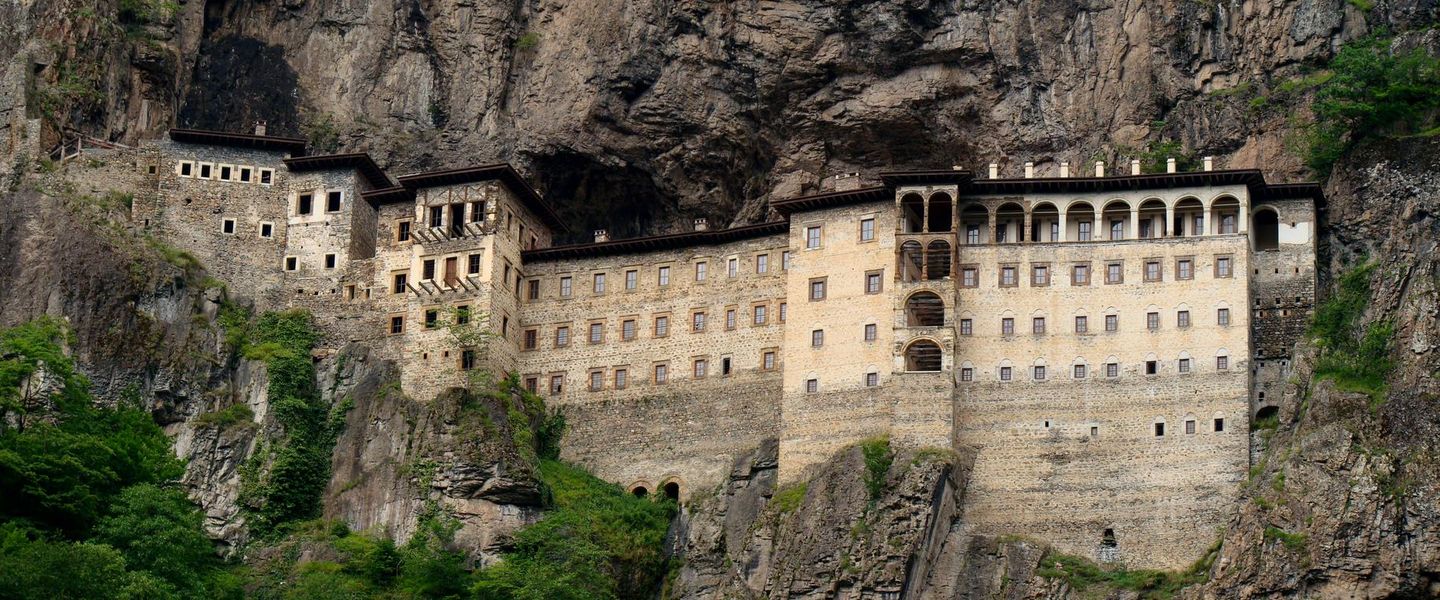
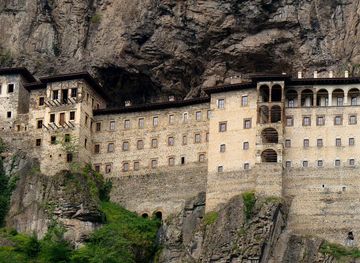
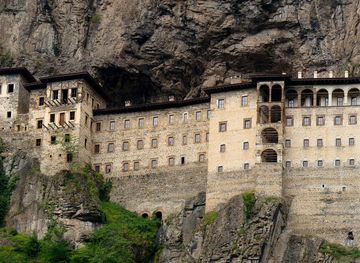
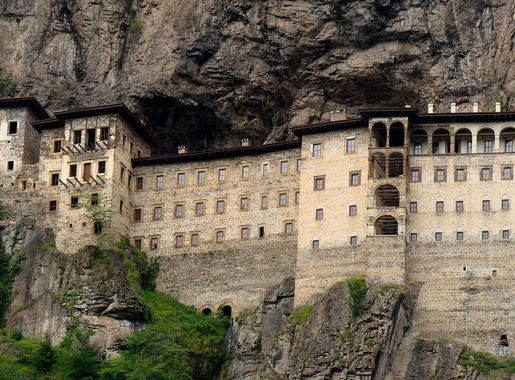
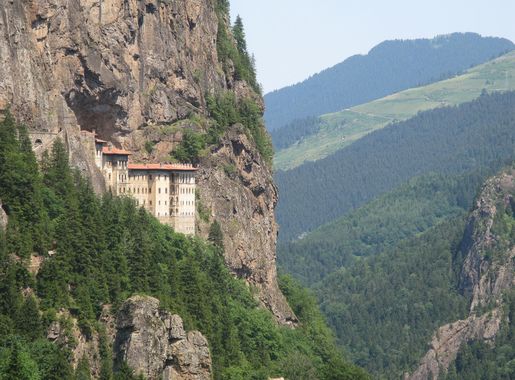
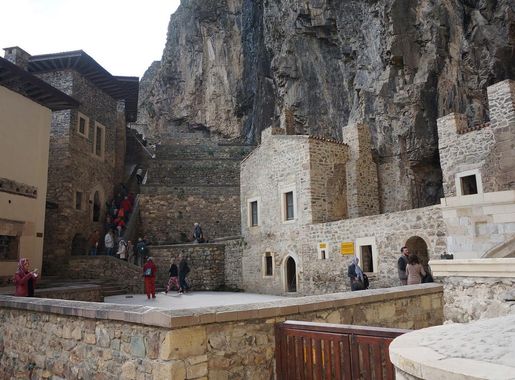
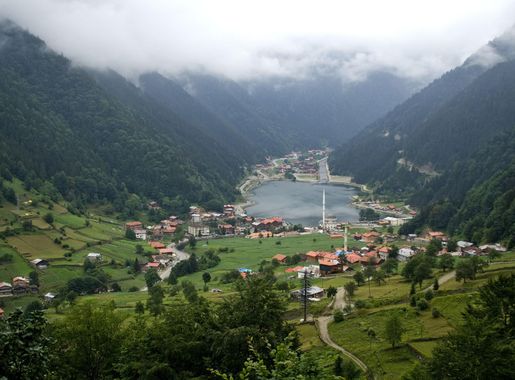
Pontus, located in the northern part of Turkiye, is a region steeped in history and natural beauty. Nestled along the Black Sea coast, this area offers a unique blend of scenic landscapes, lush mountains, and ancient ruins. The history of Pontus dates back to ancient Greek and Roman times, making it a treasure trove for history buffs and adventure seekers alike. The coastal city of Trabzon, once a major trade hub, is now a vibrant cultural center. Here, you can visit the stunning Hagia Sophia of Trabzon, a remarkable 13th-century church that showcases Byzantine architecture. A short drive away lies the Sumela Monastery, perched dramatically on a cliffside, offering breathtaking views and a glimpse into monastic life from centuries past. Nature enthusiasts will find solace in the verdant landscapes of the Pontic Mountains. The region is ideal for hiking, with trails that lead to serene lakes, dense forests, and picturesque villages. Don't miss the chance to explore Uzungöl, a beautiful lake surrounded by wooden houses and alpine meadows that create a tranquil setting perfect for relaxation. Pontus is also known for its rich culinary traditions. Sample local dishes like hamsi (anchovy), muhlama (a cheesy cornmeal dish), and the famous Turkish tea, which is an integral part of the local culture. The warm and welcoming locals will make your visit even more memorable as you delve into the charming and unspoiled beauty of Pontus.

Know before you go
Hi, I'm Eve. Here are a few practical things to know before exploring Pontus.
- Visit Sumela Monastery early in the morning to avoid crowds and enjoy the serene atmosphere.
- Pack comfortable hiking shoes for exploring the Pontic Mountains and surrounding trails.
- Try the local cuisine, especially seafood and traditional dishes like muhlama.
- Carry a light rain jacket as the weather can be unpredictable, especially near the coast.
- Learn a few basic Turkish phrases; locals appreciate the effort and it enhances your travel experience.
Top City Travel Guides in Pontus
The cities of Pontus, and the easiest places to base yourself.


Explore Pontus: Things to Do, Places to Eat, Hotels & More
Handpicked recommendations for top attractions, local dining, accommodations, and more

Top Attractions & Sightseeing in Pontus
Top-rated picks
Best Attractions

Ephesus Ancient City
Explore the majestic ruins of Ephesus Ancient City, a UNESCO World Heritage site, and experience the remnants of Roman civilization at its finest.

Library of Celsus
Experience the grandeur of the Library of Celsus, a historical landmark in Ephesus showcasing ancient Roman architecture and rich cultural heritage.

Borçka Karagöl Nature Park
Explore the breathtaking beauty of Borçka Karagöl Nature Park, a serene national reserve perfect for hiking, wildlife watching, and enjoying nature's tranquility.
Ferhat and Şirin Lovers Museum
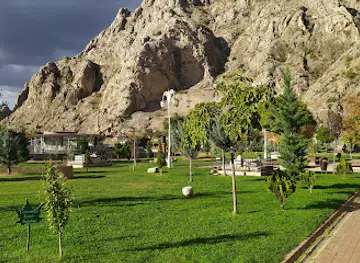
Explore the enchanting Ferhat and Şirin Lovers Museum in Amasya, where romance and culture intertwine in a captivating tale.

Best landmarks in Pontus
Top-rated picks
Best Landmarks

Grand Bazaar
Discover the rich history and vibrant culture of Istanbul at the Grand Bazaar, a shopper's paradise filled with unique treasures and delightful experiences.

Hagia Sophia Grand Mosque
Discover the breathtaking beauty and profound history of Hagia Sophia Grand Mosque, a masterpiece of Byzantine and Ottoman architecture in Istanbul.

Anıtkabir
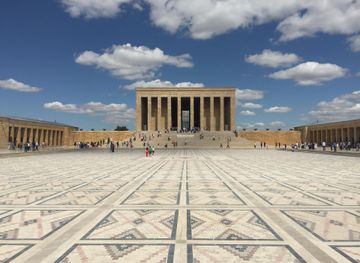
Discover Anıtkabir, the iconic mausoleum of Mustafa Kemal Atatürk, where history and national pride converge in the heart of Ankara, Turkey.

Topkapi Palace Museum
Explore the opulent history of the Ottoman Empire at Topkapi Palace Museum, Istanbul's iconic heritage site filled with treasures and breathtaking views.

Best restaurants in Pontus
Top-rated picks
Best Restaurants

Hanzade Terrace Restaurant
Experience authentic Turkish cuisine with stunning views at Hanzade Terrace Restaurant in Istanbul.

Garden 1897 Restaurant
Discover the flavors of Turkey at Garden 1897 Restaurant, where tradition meets elegance in a serene garden setting.

ANTAKYA RESTAURANT
Experience authentic Turkish and Mediterranean flavors at Antakya Restaurant in Istanbul's Fatih district.

Loti Bistro
Discover exquisite sushi and delightful drinks at Loti Bistro in Istanbul's historic Binbirdirek district – where every meal tells a story.

Best bars in Pontus
Top-rated picks
Best Bars

Loti Roof Lounge
Experience stunning views and exquisite sushi at Loti Roof Lounge, Istanbul's premier rooftop bar and restaurant.

Queb Rooftop Restaurant
Discover a culinary oasis at Queb Rooftop Restaurant, offering stunning views of Istanbul and an exquisite blend of Mediterranean and Turkish cuisine.

Amasya Yalıboyu Houses
Experience the historical beauty of Amasya Yalıboyu Houses, a stunning collection of traditional wooden homes along the river, steeped in culture and history.

Quente Beach Club
Experience the ultimate beach getaway at Quente Beach Club in Çeşme, where relaxation meets stunning Aegean views and vibrant atmosphere.

Best nightclubs in Pontus
Top-rated picks
Best Nightclubs

Escape Club İstanbul
Escape Club İstanbul: A premier night club in Beyoğlu, offering a lively atmosphere, electrifying music, and unforgettable nightlife experiences.

Taksim Club IQ
Experience the electrifying atmosphere of Taksim Club IQ, a premier nightlife destination in Istanbul, known for live music, dancing, and vibrant energy.

Ritim
Discover the vibrant nightlife of Istanbul at Ritim, a premier night club in Beyoğlu offering music, cocktails, and an unforgettable experience.

Çiçek Pera İstanbul
Dive into the exhilarating nightlife of Istanbul at Çiçek Pera, a premier club renowned for its dynamic music and vibrant atmosphere.

Best shops in Pontus
Top-rated picks
Best Shops

Torium AVM
Discover the ultimate shopping and entertainment experience at Torium AVM in Esenyurt, Istanbul – a vibrant hub for tourists and locals alike.

Forum Trabzon Shopping Center
Discover the ultimate shopping and dining experience at Forum Trabzon Shopping Center, where modern retail meets local culture.

Trabzon Cevahir Outlet
Explore the Trabzon Cevahir Outlet: A shopper's paradise with top brands and delightful dining options in Trabzon.

Fish market
Experience the lively atmosphere and fresh flavors of Batumi's celebrated Fish Market, a must-visit for seafood enthusiasts.

Explore Pontus on the Map
A handpicked selection of must-see spots in Pontus, mapped for you.
Pontus Essentials
-
Pontus is located in the northeastern part of Turkiye, along the Black Sea coast. The nearest international airport is Trabzon Airport, which is well-connected to major cities in Turkiye and some international destinations. From Trabzon, you can take a bus or rent a car to reach various towns and cities within Pontus. The journey from Trabzon to the central areas of Pontus, such as Giresun or Ordu, typically takes around 2 to 3 hours by road.
-
Transportation within Pontus is facilitated by a network of buses, minibuses (dolmuş), and taxis. Buses and minibuses are the most economical way to travel between towns and cities. For local travel within cities, taxis are readily available and relatively affordable. Car rentals are also an option for those who prefer to explore the region at their own pace. Major roads are well-maintained, but some rural areas may have challenging terrain.
-
The official currency in Turkiye is the Turkish Lira (TRY). Credit and debit cards are widely accepted in hotels, restaurants, and larger stores, but it is advisable to carry some cash, especially in smaller towns and rural areas. ATMs are available in most towns and cities, allowing you to withdraw Turkish Lira using your international cards.
-
Pontus is generally a safe region for tourists. However, as with any travel destination, it is important to take standard safety precautions. Avoid walking alone at night in unfamiliar areas and keep an eye on your belongings in crowded places. While there are no specific high-crime areas targeting tourists, it is always best to stay vigilant and aware of your surroundings.
-
In case of emergencies, dial 112 for immediate assistance. This number connects you to emergency services, including police, fire, and medical assistance. Major towns and cities have hospitals and clinics that provide medical care. It is recommended to have travel insurance that covers medical emergencies. Pharmacies are common and can provide over-the-counter medications for minor health issues.
-
Fashion: Do dress modestly, especially when visiting religious sites. Avoid wearing overly revealing clothing. Religion: Do respect local customs and traditions. Remove your shoes and cover your head when entering mosques. Public Transport: Do be respectful and offer your seat to elderly or pregnant passengers. Don't eat or drink on public transport. Greetings: Do greet people with a handshake or a slight nod. In more rural areas, locals may appreciate a more formal greeting. Eating & Drinking: Do try local delicacies and accept food offerings graciously. Don't refuse hospitality, as it is considered impolite.
-
To experience Pontus like a local, visit the local bazaars where you can purchase fresh produce and traditional Turkish goods. Engage with locals, as they are often friendly and willing to share stories about their history and culture. Don't miss visiting historical sites such as the Sumela Monastery and the ancient city of Amasya. For a unique experience, take a boat trip along the Black Sea coast to enjoy the stunning coastal scenery.
When is the best time to visit Pontus?
Useful Local Phrases for Pontus
You don't need to speak the language perfectly. Even learning a few simple words can make conversations warmer—and locals usually appreciate the effort.
— Eve

Here are the phrases I use most often in Pontus. Try a few—you'll be surprised how far they go! 😊
❤️
-
- HelloMerhaba
[Mer-ha-ba] - GoodbyeHoşça kal
[Hosh-cha kal] - YesEvet
[Eh-vet] - NoHayır
[Hah-yur] - Please/You're welcomeLütfen/Rica ederim
[Lüt-fen/Ri-ja ed-er-im] - Thank youTeşekkür ederim
[Te-she-kür ed-er-im] - Excuse me/SorryAffedersiniz/Üzgünüm
[Af-fe-der-si-niz/Üz-gün-üm] - How are you?Nasılsınız?
[Na-sıl-sı-nız] - Fine. And you?İyiyim. Ya siz?
[İ-yi-yim. Ya siz?] - Do you speak English?İngilizce biliyor musunuz?
[İn-gi-liz-je bi-li-yor mu-su-nuz?] - I don't understandAnlamıyorum
[An-la-mı-yo-rum]
- HelloMerhaba
-
- I'd like to see the menu, pleaseMenüyü görmek isterim, lütfen
[Me-nü-yü gör-mek is-te-rim, lüt-fen] - I don't eat meatEt yemiyorum
[Et ye-mi-yo-rum] - Cheers!Şerefe!
[She-re-fe] - I would like to pay, pleaseÖdemek isterim, lütfen
[Ö-de-mek is-te-rim, lüt-fen]
- I'd like to see the menu, pleaseMenüyü görmek isterim, lütfen
-
- Help!Yardım edin!
[Yar-dım e-din!] - Go away!Defol!
[De-fo-l] - Call the Police!Polisi arayın!
[Po-li-si a-ra-yın!] - Call a doctor!Bir doktor çağırın!
[Bir dok-tor ça-ğı-rın!] - I'm lostKayboldum
[Kay-bol-dum] - I'm illHastayım
[Has-ta-yım]
- Help!Yardım edin!
-
- I'd like to buy...Almak istiyorum...
[Al-mak is-ti-yo-rum] - I'm just lookingSadece bakıyorum
[Sa-de-ce ba-kı-yo-rum] - How much is it?Bu ne kadar?
[Bu ne ka-dar?] - That's too expensiveBu çok pahalı
[Bu chok pa-ha-lı] - Can you lower the price?Fiyatı düşürebilir misiniz?
[Fi-ya-tı dü-sü-re-bi-lir mi-si-niz?]
- I'd like to buy...Almak istiyorum...
-
- What time is it?Saat kaç?
[Saat ka-ch?] - It's one o'clockSaat bir
[Saat bir] - Half past (10)Onu geçiyor
[O-nu ge-chi-yor] - MorningSabah
[Sa-bah] - AfternoonÖğle
[Öğ-le] - EveningAkşam
[Ak-sham] - YesterdayDün
[Dün] - TodayBugün
[Bu-gün] - TomorrowYarın
[Ya-rın] - 1Bir
[Bir] - 2İki
[İ-ki] - 3Üç
[Üch] - 4Dört
[Dört] - 5Beş
[Beş] - 6Altı
[Al-tı] - 7Yedi
[Ye-di] - 8Sekiz
[Se-kiz] - 9Dokuz
[Do-kuz] - 10On
[On]
- What time is it?Saat kaç?
-
- Where's a/the...?Nerede bir ...?
[Ne-re-de bir ...?] - What's the address?Adres nedir?
[Ad-res ne-dir?] - Can you show me (on the map)?Bana gösterebilir misiniz (haritada)?
[Ba-na gö-ste-re-bi-lir mi-si-niz (ha-ri-ta-da)?] - When's the next (bus)?Sonraki (otobüs) ne zaman?
[Son-ra-ki (o-to-büs) ne za-man?] - A ticket (to ....)Bir bilet (....)
[Bir bi-let (....)]
- Where's a/the...?Nerede bir ...?
History of Pontus
-
Pontus, a region located along the northern coast of modern-day Turkey, traces its origins back to the Hellenistic period. It emerged as a distinct geopolitical entity following the death of Alexander the Great in 323 BCE. The territory became a kingdom under the rule of Mithridates I in the early 3rd century BCE, establishing a foundation for a rich cultural and historical legacy.
-
Mithridates VI, also known as Mithridates the Great, ruled Pontus from 120 to 63 BCE. His reign is marked by ambitious military campaigns and resistance against Roman expansion. Mithridates VI is renowned for his strategic prowess and efforts to unify the Black Sea region. His conflict with Rome culminated in the Mithridatic Wars, which significantly impacted the political landscape of Pontus.
-
Following the defeat of Mithridates VI, Pontus gradually became integrated into the Roman Empire. By 64 BCE, the region was officially annexed and transformed into a Roman province. The influence of Roman culture, architecture, and governance left a lasting imprint on Pontus, blending with its Hellenistic heritage to create a unique cultural amalgamation.
-
During the Byzantine period, Pontus experienced significant development as part of the Eastern Roman Empire. The region became an important center for trade and military operations, bolstered by its strategic location along the Black Sea. Notable Byzantine structures, such as the Sumela Monastery, were established during this era, reflecting the region's religious and cultural evolution.
-
Pontus came under the control of the Seljuk Turks in the late 11th century, marking a new chapter in its history. By the 15th century, the Ottoman Empire had absorbed the region, integrating it into their vast dominion. Under Ottoman rule, Pontus flourished as a trade hub and saw the construction of numerous mosques, bridges, and other architectural marvels that still stand today.
-
The Pontic Greeks, an ethnic Greek community, have a long-standing presence in the region. Their history is marked by periods of prosperity and hardship, especially during the Greek Genocide between 1914 and 1922. The population exchanges between Greece and Turkey in 1923 further reshaped the demographics of Pontus, leading to a significant cultural transformation.
-
In contemporary times, Pontus is known for its vibrant culture and historical sites. The region's rich heritage is preserved in its architecture, traditional music, and festivals. Modern Pontus is a testament to the diverse influences that have shaped its identity, making it a captivating destination for history enthusiasts and travelers alike.
Neighbouring Regions of Pontus
The closest regions to Pontus, if you have time for more than one.


Your all‑in‑one travel companion app
Explore expert travel guides, compare and book tours, experiences, hotels, and more—all from the palm of your hand. Download now for seamless trip planning wherever your wanderlust takes you.


Explore More of Turkiye
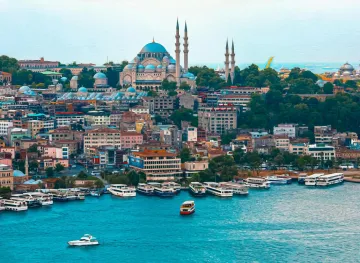
Looking beyond Pontus? Discover Turkiye for broader travel guides, local hot-spots, and regional highlights.
Explore TurkiyePontus in Photos
Browse through our photo collection highlighting the charm and character of the destination.




Pontus: The Ancient Gem of Turkiye
Pontus, located in the northern part of Turkiye, is a region steeped in history and natural beauty. Nestled along the Black Sea coast, this area offers a unique blend of scenic landscapes, lush mountains, and ancient ruins. The history of Pontus dates back to ancient Greek and Roman times, making it a treasure trove for history buffs and adventure seekers alike. The coastal city of Trabzon, once a major trade hub, is now a vibrant cultural center. Here, you can visit the stunning Hagia Sophia of Trabzon, a remarkable 13th-century church that showcases Byzantine architecture. A short drive away lies the Sumela Monastery, perched dramatically on a cliffside, offering breathtaking views and a glimpse into monastic life from centuries past. Nature enthusiasts will find solace in the verdant landscapes of the Pontic Mountains. The region is ideal for hiking, with trails that lead to serene lakes, dense forests, and picturesque villages. Don't miss the chance to explore Uzungöl, a beautiful lake surrounded by wooden houses and alpine meadows that create a tranquil setting perfect for relaxation. Pontus is also known for its rich culinary traditions. Sample local dishes like hamsi (anchovy), muhlama (a cheesy cornmeal dish), and the famous Turkish tea, which is an integral part of the local culture. The warm and welcoming locals will make your visit even more memorable as you delve into the charming and unspoiled beauty of Pontus.