

Free Southeastern Anatolia Region Travel Guide & Mobile App
Explore Southeastern Anatolia Region with free travel guides. Discover regional history, expert tips, proposed trips, and audio guides on web or mobile app.


Explore Southeastern Anatolia for Neolithic sanctuaries, basalt-walled cities, Mesopotamian landscapes, distinctive cuisine and deep cultural history.
Read more about Southeastern Anatolia Region
When is the best time to visit Southeastern Anatolia Region?
Best: April–May, October · 22–27°C| Month | High (°C) | Rainfall (mm) |
|---|---|---|
| January | 10 | 75 |
| February | 12 | 60 |
| March | 17 | 55 |
| April (best) | 22 | 50 |
| May (best) | 27 | 40 |
| June | 34 | 20 |
| July | 37 | 10 |
| August | 37 | 10 |
| September | 32 | 20 |
| October (best) | 25 | 40 |
| November | 17 | 50 |
| December | 11 | 60 |
Getting to and around Southeastern Anatolia Region
How to get there
Transportation
Destinations in Southeastern Anatolia Region
Resorts, valleys and scenic spots worth a trip of their own.

Swipe for more destinations
Best attractions in Southeastern Anatolia Region
Southeastern Anatolia’s attractions range from prehistoric sanctuaries to living urban quarters and immense river landscapes. Around Şanlıurfa, Göbekli Tepe and Karahantepe offer an introduction to the region’s Neolithic heritage, while the city’s old bazaars, traditional courtyards and Balıklıgöl provide a more contemporary encounter with its religious and commercial life. Gaziantep combines the Zeugma Mosaic Museum with culinary museums, historic markets and the remains of Zeugma beside the Euphrates. Adıyaman is the principal base for excursions to Mount Nemrut, particularly rewarding at sunrise or sunset when the summit’s statues are silhouetted against the plateau. Mardin’s stone houses, religious buildings and viewpoints overlook the Mesopotamian plain, and Diyarbakır offers basalt walls, courtyards and historic streets. Further afield, Halfeti’s reservoir excursions, Harran’s traditional beehive-shaped houses and the transformed landscape of Hasankeyf reveal the effects of river engineering and changing settlement. Museums, archaeological sites, craft quarters and food experiences are generally more significant here than purpose-built entertainment, while the open countryside rewards visitors who can travel independently and allow generous time between stops.
-
Tourist attraction
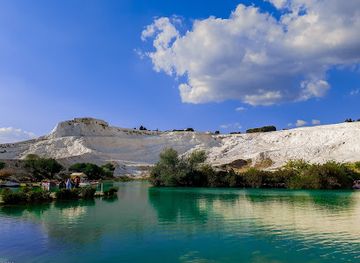
Travertines of Pamukkale
Explore the mesmerizing Travertines of Pamukkale, a unique natural wonder and historical site in Turkey renowned for its thermal springs and stunning landscapes.
-
Museum
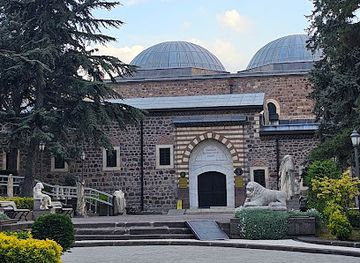
Museum of Anatolian Civilizations
Explore the Museum of Anatolian Civilizations in Ankara for an enriching experience of Turkey's rich historical tapestry through its captivating artifacts.
-
Pottery store
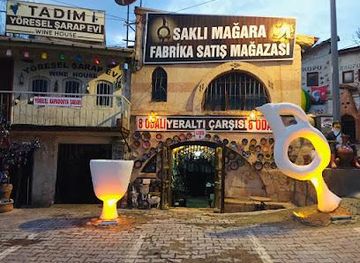
Saklı Mağara
Explore the rich heritage of Turkish pottery at Saklı Mağara in Avanos, where art meets tradition in a captivating setting.
-
Hiking club
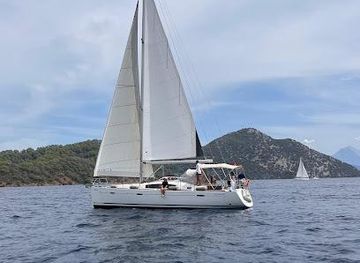
Sailing triptour
Discover the enchanting beauty of the coast with a memorable sailing tour, navigating serene waters and breathtaking landscapes with expert guidance.
Best landmarks in Southeastern Anatolia Region
The region’s most recognisable landmarks express its position between Anatolia and Mesopotamia. Mount Nemrut near Adıyaman is crowned by the weathered heads and seated figures of the Commagene sanctuary, an extraordinary high-altitude monument combining Greek, Persian and local traditions. The black-basalt walls of Diyarbakır form one of the defining urban silhouettes of southeastern Türkiye, enclosing a historic city shaped by many civilisations. Mardin’s long limestone façade, stepped streets and buildings rising above the plain create another distinctive skyline, with mosques, churches and former religious institutions integrated into the urban fabric. Şanlıurfa’s Balıklıgöl is a major sacred and civic landmark surrounded by historic buildings and pilgrimage activity. The Zeugma archaeological area on the Euphrates and the remains associated with old Hasankeyf on the Tigris represent different aspects of riverine heritage: one linked to Roman prosperity, the other to a much older settlement landscape altered by the Ilısu reservoir. Together these sites make stone, water and elevation recurring motifs of the regional landscape.
-
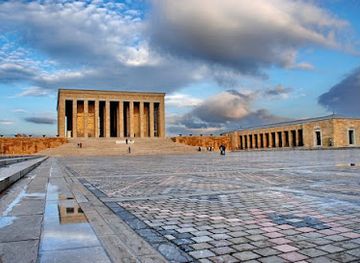
Monument
Anıtkabir
Explore Anıtkabir, the iconic mausoleum of Atatürk, where history and modernity converge in the heart of Ankara, Turkey.
-
Mosque
Hagia Sophia Grand Mosque
Discover the breathtaking Hagia Sophia Grand Mosque, a historic masterpiece in Istanbul, blending Byzantine and Islamic architecture in a captivating setting.
-
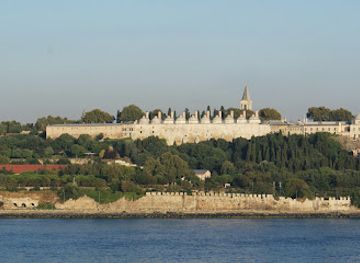
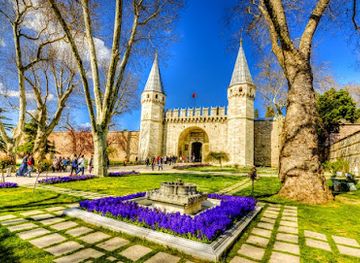
Museum
Topkapi Palace Museum
Discover the opulence of the Ottoman Empire at Topkapi Palace Museum, a UNESCO World Heritage site filled with history and breathtaking architecture.
-
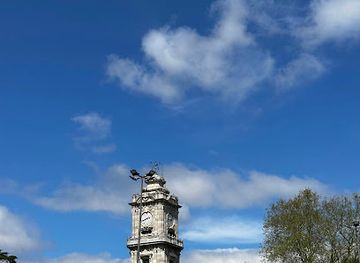
Castle
Dolmabahçe Palace
Explore the opulent Dolmabahçe Palace, a stunning blend of Ottoman and European architecture along the Bosphorus in Istanbul.
Explore Southeastern Anatolia Region on the map
Plan your trip on one map. See where the top cities, national parks and sights are, and book hotels and experiences in a few clicks.
Best hotels in Southeastern Anatolia Region
Best restaurants in Southeastern Anatolia Region
Dining in Southeastern Anatolia is deeply regional, with recipes shaped by the agricultural plains, pastoral traditions and historic links across Anatolia and Mesopotamia. Gaziantep is celebrated for pistachios, baklava, kebabs, lahmacun and richly seasoned vegetable and meat dishes, while Şanlıurfa is associated with grilled meats, spicy preparations, soups and the local çiğ köfte tradition. Mardin’s cuisine draws on bulgur, lamb, herbs, dried fruit and aromatic spices, reflecting the city’s multi-community history. Diyarbakır is known for substantial regional dishes and produce from the surrounding plain. Look for morning bakeries, kebab houses, traditional courtyard restaurants, modest lokantas and market stalls rather than expecting a single formal dining style. Pistachios, pepper pastes, pekmez, dried fruit, cheeses and sweets make useful edible purchases. Tea is commonplace, and coffee traditions vary between towns; alcohol is available in some hotels and restaurants but is less central to dining in conservative areas.
-
Turkish
Hanzade Terrace Restaurant
Experience authentic Turkish flavors amidst stunning views at Hanzade Terrace Restaurant in Istanbul.
-
Restaurant
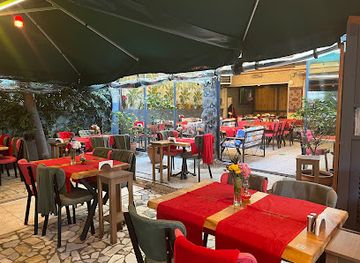
Hidden Garden
Experience culinary excellence at Hidden Garden in Istanbul, where traditional flavors meet modern fusion in a serene garden setting.
-
Restaurant
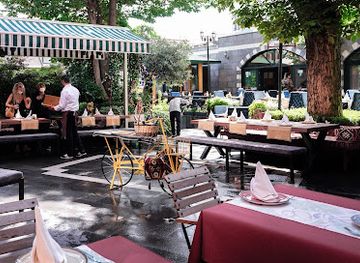
Garden 1897 Restaurant
Discover Garden 1897 Restaurant: A serene dining gem in Istanbul offering authentic Anatolian cuisine amid beautiful surroundings.
-
Restaurant
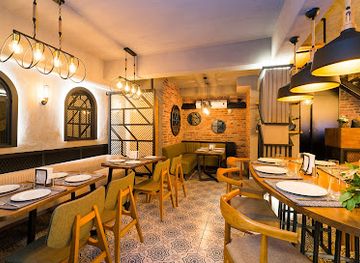
Mivan Restaurant & Cafe
Experience authentic Turkish cuisine at Mivan Restaurant & Cafe in Istanbul's Emin Sinan neighborhood, where tradition meets modern dining.

Best bars in Southeastern Anatolia Region
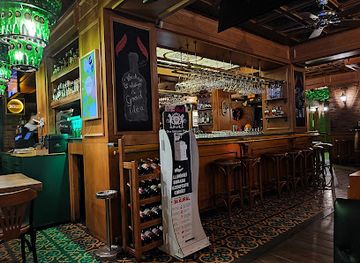
Evening life varies sharply between the region’s provincial cities and its smaller towns. Gaziantep has the broadest selection of contemporary restaurants, cafés, hotel bars and late-opening social venues, while Diyarbakır and Şanlıurfa combine cafés, tea gardens, restaurants and occasional live-music settings. Mardin’s evening appeal centres on stone courtyards, rooftop views, cafés and restaurants rather than a large nightclub scene. In smaller or more conservative communities, traditional tea houses and family-oriented eateries are more typical than bars. Alcohol availability depends on the establishment and locality, and visitors should not assume that nightlife follows the pattern of Istanbul or the Aegean coast. Check current arrangements locally, especially outside major city centres, and consider walking routes back to accommodation because rural and historic districts may have limited late transport.
-
Pub
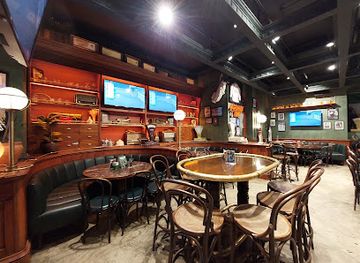
Celtic Irish Pub Istanbul
Discover Celtic Irish Pub in Istanbul - where traditional Irish charm meets the vibrant nightlife of Beyoğlu.
-
Pub
Old English Pub Cafe & Restaurant
Discover the Old English Pub Cafe & Restaurant in Kadıköy, Istanbul - a delightful fusion of traditional English cuisine and lively atmosphere.
-
Irish pub
U2 Istanbul Irish Pub
Discover the lively U2 Istanbul Irish Pub, where Irish charm meets Istanbul's nightlife, offering great food, drinks, and live music.
-
Restaurant
Red River Pub
Experience the lively spirit of Istanbul at Red River Pub, where delicious food, refreshing drinks, and sports entertainment come together in a vibrant setting.
Best nightclubs in Southeastern Anatolia Region
Evening life varies sharply between the region’s provincial cities and its smaller towns. Gaziantep has the broadest selection of contemporary restaurants, cafés, hotel bars and late-opening social venues, while Diyarbakır and Şanlıurfa combine cafés, tea gardens, restaurants and occasional live-music settings. Mardin’s evening appeal centres on stone courtyards, rooftop views, cafés and restaurants rather than a large nightclub scene. In smaller or more conservative communities, traditional tea houses and family-oriented eateries are more typical than bars. Alcohol availability depends on the establishment and locality, and visitors should not assume that nightlife follows the pattern of Istanbul or the Aegean coast. Check current arrangements locally, especially outside major city centres, and consider walking routes back to accommodation because rural and historic districts may have limited late transport.
-
Night club
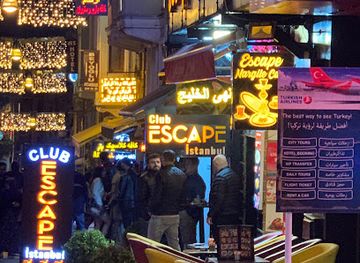
Escape Club İstanbul
Experience the electrifying nightlife at Escape Club İstanbul, where vibrant music and diverse crowds create unforgettable nights in the heart of the city.
-
Night club
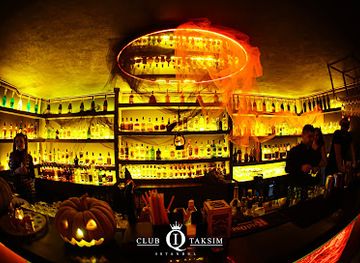
Taksim Club IQ
Dive into Istanbul's nightlife at Taksim Club IQ, where unforgettable music, vibrant atmosphere, and lively entertainment await you.
-
Night club
Ritim
Experience the vibrant nightlife of Istanbul at Ritim, a top-rated night club and bar in the heart of Beyoğlu, offering electrifying music and cocktails.
-
Night club
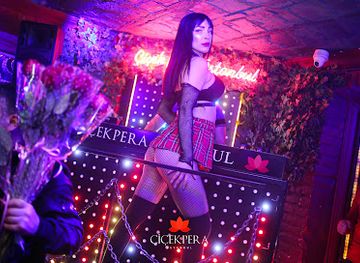
Çiçek Pera İstanbul
Discover the vibrant nightlife of Istanbul at Çiçek Pera, where music and energy collide in an unforgettable party atmosphere.

Best shops in Southeastern Anatolia Region
Shopping is strongest in the historic bazaars and market streets of Gaziantep, Şanlıurfa, Diyarbakır and Mardin. Visitors will find pistachios, pepper pastes, spices, dried fruit, baklava and other sweets, alongside copperware, hand-crafted metalwork, textiles, soaps and locally made household goods. Gaziantep is particularly associated with pistachio products and copper craftsmanship, while Mardin’s shops carry regional foods, soaps, silver-coloured metalwork and gifts linked to its stone-city setting. Şanlıurfa’s covered markets are useful for spices, fabrics and traditional produce, and Diyarbakır’s older commercial quarters retain craft and food businesses among the historic streets. Quality and prices vary, so inspect packaged foods, ask about weight and provenance, and bargain politely where bargaining is customary. Outside the main cities, small town markets and roadside produce sellers offer a more direct connection with the agricultural economy, though selection and payment facilities may be limited.
-
Shopping mall
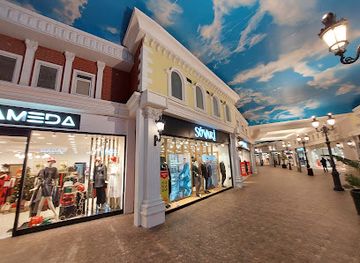
Venezia Mega Outlet
Explore Venezia Mega Outlet in Istanbul for exclusive deals on fashion, homeware, and more in a vibrant shopping atmosphere that delights every visitor.
-
Shopping mall
İstinye Park Alışveriş Merkezi
Explore the luxury and charm of İstinye Park, Istanbul's premier shopping destination with an array of global brands and local delights.
-
Shopping mall
Antalya Migros Shopping Center
Discover the Antalya Migros Shopping Center, Antalya's premier shopping destination, offering a blend of international brands and local treasures.
-
Gift shop
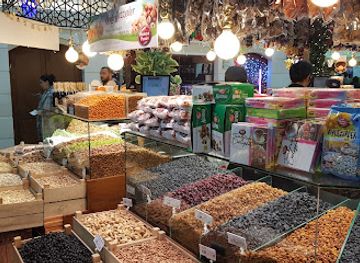
Coppersmith Bazaar
Discover the Coppersmith Bazaar, a vibrant market in Gaziantep showcasing exquisite copper crafts and local culinary delights.
Get your free copy of our complete guide to Southeastern Anatolia Region, delivered straight to you.
Everything on this page, from attractions and restaurants to essentials and local phrases, in one PDF you can read offline, print or share.
Already have an account? Sign in
Your Southeastern Anatolia Region guide is ready.
We'll send it to · Not you? Sign out

Getting your guide ready…
We are putting together a fresh copy of the Southeastern Anatolia Region guide. This can take up to a minute.
This can take a few moments. If your browser asks, choose Allow so the download can start. You'll find the guide in your Downloads folder.
Nothing happened? Download it again
Sorry, the guide is taking longer than usual. Please try again in a minute, or get it by email instead.
Southeastern Anatolia Region essentials
Currency and Payment
Safety
Emergency Situations
Do's and Don'ts
Local Tips
From Eve
Local phrases worth knowing
You don't need to get them perfect. A few words go a long way, and locals appreciate the effort.
Basics
| English | Local | Say it |
|---|---|---|
| Hello | Merhaba | [Mehr-hah-bah] |
| Goodbye | Hoşça kal | [Hohsh-jah kahl] |
| Yes | Evet | [Eh-vet] |
| No | Hayır | [Hah-yuhr] |
| Please/You're welcome | Lütfen/Rica ederim | [Lüt-fen/Ree-jah eh-deh-reem] |
| Thank you | Teşekkür ederim | [Teh-shehk-kur eh-deh-reem] |
| Excuse me/Sorry | Affedersiniz/Üzgünüm | [Ahf-feh-dehr-sin-iz/Üz-gün-üm] |
| How are you? | Nasılsınız? | [Nah-suhl-sin-iz] |
| Fine. And you? | İyiyim. Ya siz? | [Ee-yee-yim. Yah seez?] |
| Do you speak English? | İngilizce biliyor musunuz? | [Een-gee-leez-jeh bee-lee-yor moo-soo-nuz?] |
| I don't understand | Anlamıyorum | [Ahn-lah-muh-yor-um] |
Eating & Drinking
| English | Local | Say it |
|---|---|---|
| I'd like to see the menu, please | Menüyü görmek istiyorum, lütfen | [Meh-nü-yü gör-mehk ees-tee-yo-room, lüt-fen] |
| I don't eat meat | Et yemiyorum | [Et yeh-mee-yor-um] |
| Cheers! | Şerefe! | [Sheh-reh-feh!] |
| I would like to pay, please | Ödemek istiyorum, lütfen | [Öh-deh-mek ees-tee-yo-room, lüt-fen] |
Emergencies
| English | Local | Say it |
|---|---|---|
| Help! | Yardım edin! | [Yahr-dum eh-deen!] |
| Go away! | Defol! | [Deh-fol!] |
| Call the Police! | Polisi ara! | [Poh-lee-see ah-rah!] |
| Call a doctor! | Doktoru ara! | [Dohk-toh-roo ah-rah!] |
| I'm lost | Kayboldum | [Kah-y-bol-dum] |
| I'm ill | Hastayım | [Has-tah-yim] |
Shopping
| English | Local | Say it |
|---|---|---|
| I'd like to buy... | Almak istiyorum... | [Ahl-mahk ees-tee-yo-room...] |
| I'm just looking | Sadece bakıyorum | [Sah-deh-jeh bah-kee-yor-um] |
| How much is it? | Bu ne kadar? | [Boo neh kah-dahr?] |
| That's too expensive | Bu çok pahalı | [Boo chohk pah-hah-luh] |
| Can you lower the price? | Fiyatı düşürebilir misiniz? | [Fee-yah-tuh dü-shü-reh-bee-leer mee-sin-iz?] |
Time & Numbers
| English | Local | Say it |
|---|---|---|
| What time is it? | Saat kaç? | [Sah-aht kahch?] |
| It's one o'clock | Saat bir | [Sah-aht beer] |
| Half past (10) | On beş geçiyor | [On behsh geh-chee-yor] |
| Morning | Sabah | [Sah-bah] |
| Afternoon | Öğle | [Öh-leh] |
| Evening | Akşam | [Ahk-shahm] |
| Yesterday | Dün | [Dün] |
| Today | Bugün | [Boo-gün] |
| Tomorrow | Yarın | [Yah-ruhn] |
| 1 | Bir | [Beer] |
| 2 | İki | [Ee-kee] |
| 3 | Üç | [Üch] |
| 4 | Dört | [Dört] |
| 5 | Beş | [Behsh] |
| 6 | Altı | [Ahl-tuh] |
| 7 | Yedi | [Yeh-dee] |
| 8 | Sekiz | [Seh-keez] |
| 9 | Dokuz | [Doh-kooz] |
| 10 | On | [On] |
Transport & Directions
| English | Local | Say it |
|---|---|---|
| Where's a/the...? | Nerede bir...? | [Neh-reh-de beer...?] |
| What's the address? | Adres ne? | [Ah-dres neh?] |
| Can you show me (on the map)? | Bana (haritada) gösterebilir misiniz? | [Bah-nah (hahr-ee-tah-dah) gös-teh-reh-bee-leer mee-sin-iz?] |
| When's the next (bus)? | Bir sonraki (otobüs) ne zaman? | [Beer sohn-rah-kee (oh-toh-büs) neh zah-mahn?] |
| A ticket (to ....) | Bir bilet (....) | [Beer bee-let (....)] |
History of Southeastern Anatolia Region
The Neolithic landscape of Upper Mesopotamia
Southeastern Anatolia contains some of the earliest monumental sites associated with settled communities. Göbekli Tepe, near Şanlıurfa, includes T-shaped limestone pillars and circular enclosures dating mainly from the tenth and ninth millennia BCE. Nearby Karahantepe belongs to the same wider prehistoric cultural landscape. These sites have altered earlier assumptions about the relationship between ritual, communal labour and permanent settlement, showing that large ceremonial projects existed before fully urban societies developed. The wider region’s fertile river valleys and seasonal resources later supported the domestication of plants and animals, helping shape the agricultural transition across Upper Mesopotamia.
Urfa, Commagene and the ancient empires
The region stood between Anatolia and Mesopotamia and was repeatedly incorporated into larger political systems. Edessa, the ancient city associated with modern Şanlıurfa, became an important centre under the Kingdom of Osroene and later Roman influence. In the west, the Kingdom of Commagene left its most famous monument on Mount Nemrut near Adıyaman, where the funerary sanctuary of King Antiochos I combines Hellenistic and Iranian traditions. Zeugma, beside the Euphrates near modern Gaziantep, developed as a commercial and military settlement under Hellenistic and Roman rule. Its mosaics document the wealth and cultural connections of the ancient Euphrates frontier.
Medieval trade centres and religious communities
After the Arab conquests, southeastern cities became part of a succession of Islamic polities while retaining older Christian and multi-community traditions. Harran remained an important centre of learning and trade, and Mardin flourished under the Artuqids from the twelfth century, when its stone architecture, mosques and religious institutions took shape. Diyarbakır’s fortifications and urban fabric also reflect the region’s strategic position between northern Mesopotamia and Anatolia. Syriac Christian communities, Armenians, Arabs, Kurds, Turks and other groups contributed to the cultural history of the region, although population patterns changed considerably through later political upheavals.
Ottoman rule and the caravan economy
The Ottoman incorporation of the region in the early sixteenth century connected its towns to a large imperial system extending from Anatolia into Syria and Iraq. Diyarbakır became a major administrative centre, while Mardin, Urfa, Gaziantep and other towns served agricultural, craft and trading hinterlands. Caravan routes carried textiles, livestock, grain, spices and other goods, and urban markets were organised around hans, covered bazaars and craft quarters. Ottoman buildings, mosques, churches and civic structures remain visible in several historic centres, though the region’s built heritage also bears the marks of conflict, changing borders and twentieth-century demographic transformation.
The First World War and the reshaping of the borderlands
The First World War and the collapse of Ottoman rule transformed southeastern Anatolia’s political and social geography. The post-war settlement established new international borders to the south, separating communities and trading routes that had previously operated within a single imperial framework. The period also brought profound demographic upheaval and the departure or destruction of many Christian communities. During the Turkish Republic, provincial administration, roads, schools and state institutions expanded, while Kurdish, Arab, Turkish and Syriac identities continued to shape local cultural life in different ways. The modern region is therefore the product of both long continuity and major twentieth-century rupture.
The Southeastern Anatolia Project and modern transformation
From the late twentieth century, the Southeastern Anatolia Project, commonly known as GAP, brought extensive investment in dams, irrigation, energy, transport and urban infrastructure across the Tigris and Euphrates basins. It increased irrigated agriculture and altered regional economies, but also displaced settlements and submerged archaeological and historic landscapes, most visibly around the Euphrates and at Hasankeyf on the Tigris. The project helped strengthen connections between provincial cities and national markets, while debates over water management, cultural heritage, ecology and equitable development remain important to understanding the region today.
Southeastern Anatolia Region in Photos
Browse through our photo collection highlighting the charm and character of the destination.
Neighbouring regions of Southeastern Anatolia Region
The closest regions to Southeastern Anatolia Region, if you have time for more than one.
-

-

-

-

-


Swipe for more regions
Explore more
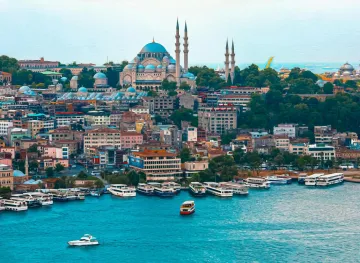
Explore more of Turkiye
Discover Turkiye: Where ancient history, stunning landscapes, and vibrant culture come together to create an unforgettable travel experience.
Explore Turkiye