

Free Eastern Anatolia Region Travel Guide & Mobile App
Explore Eastern Anatolia Region with free travel guides. Discover regional history, expert tips, proposed trips, and audio guides on web or mobile app.


Explore Eastern Anatolia’s volcanic landscapes, Lake Van, medieval ruins, mountain cities and distinctive food traditions across Türkiye’s high east.
Read more about Eastern Anatolia Region
When is the best time to visit Eastern Anatolia Region?
Best: June, August–September · 24–29°C| Month | High (°C) | Rainfall (mm) |
|---|---|---|
| January | 1 | 70 |
| February | 4 | 60 |
| March | 10 | 55 |
| April | 16 | 60 |
| May | 21 | 65 |
| June (best) | 26 | 50 |
| July | 30 | 35 |
| August (best) | 29 | 30 |
| September (best) | 24 | 40 |
| October | 17 | 50 |
| November | 9 | 60 |
| December | 2 | 65 |
Getting to and around Eastern Anatolia Region
How to get there
Transportation
Top city travel guides in Eastern Anatolia Region
The cities of Eastern Anatolia Region, and the easiest places to base yourself.

Swipe for more cities
Destinations in Eastern Anatolia Region
Resorts, valleys and scenic spots worth a trip of their own.
-

-

-


Swipe for more destinations
Best attractions in Eastern Anatolia Region
Eastern Anatolia’s attractions range from major archaeological sites to immense volcanic landscapes. Near Malatya, Arslantepe presents a long sequence of early settlement and administrative history, while the ruins of Ani near Kars reveal churches, walls and civic structures from a former medieval capital. Around Lake Van, visitors can combine Van Castle and Urartian remains with boat trips to Akdamar Island, whose tenth-century Armenian church is one of the region’s most important surviving monuments. Ağrı province offers access to Doğubayazıt and Ishak Pasha Palace, set dramatically above the plain beneath Mount Ararat. Erzurum brings Seljuk monuments and winter sport on Palandöken, while Bitlis province includes the high volcanic scenery of Nemrut Crater and the historic town of Ahlat. The Munzur landscapes around Tunceli, the upper Euphrates valleys and the open plateaux of Kars and Ardahan add opportunities for walking, wildlife observation and scenic road journeys. Facilities become sparse outside the main towns, so independent travellers should plan fuel, food and weather contingencies carefully.
-
Lake
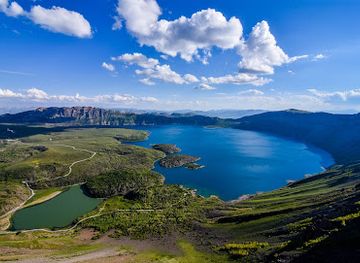
Lake Nemrut
Discover the serene beauty of Lake Nemrut, a breathtaking volcanic lake in Bitlis, Turkey, perfect for outdoor adventures and stunning photography.
-
National reserve
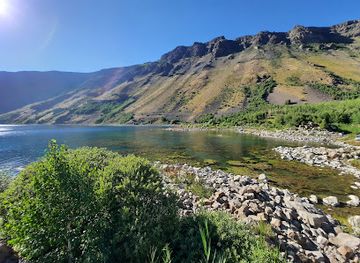
Nemrut Krateri
Discover the breathtaking beauty of Nemrut Krateri, a national reserve in Bitlis, Turkey, known for its stunning landscapes and rich biodiversity.
-
Tourist attraction
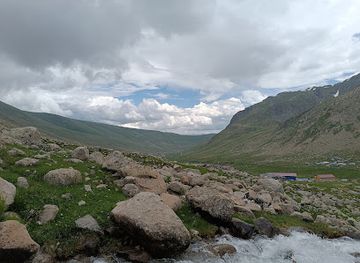
Karç Yaylası
Explore the breathtaking beauty and rich culture of Karç Yaylası, a serene highland escape in Rize, Turkey, perfect for nature lovers and adventure seekers alike.
-
Tourist attraction
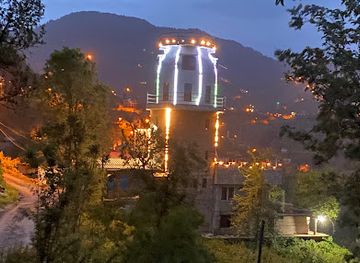
Kule, Aron Tower
Explore the stunning Kule, Aron Tower in Rize, Turkey, where history meets breathtaking views of the Black Sea and lush landscapes.
Best landmarks in Eastern Anatolia Region
Lake Van is Eastern Anatolia’s defining natural landmark, an immense high-altitude lake framed by volcanic mountains and historic settlements. Above the western shore, Van Castle preserves Urartian inscriptions and rock-cut tombs, while Akdamar Island is marked by the finely carved Armenian Church of the Holy Cross. The ruins of Ani near Kars form one of the region’s most recognisable historic landscapes, with defensive walls and ecclesiastical buildings spread across an exposed plateau. In Ağrı province, Ishak Pasha Palace combines Ottoman, Persian and local architectural influences on a mountainside above Doğubayazıt, with Mount Ararat visible across the surrounding plain in favourable conditions. Erzurum’s Çifte Minareli Medrese and Yakutiye Medrese express the city’s Seljuk and Ilkhanid heritage, while the volcanic cone and crater lakes of Nemrut near Tatvan provide a striking geological landmark. Arslantepe near Malatya is significant not for monumental scale but for its evidence of early urban administration and power.
-
Monument
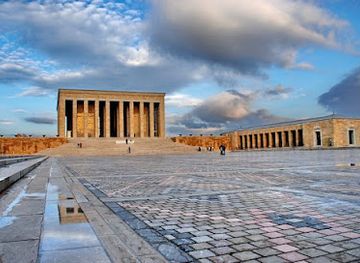
Anıtkabir
Explore Anıtkabir, the majestic mausoleum of Mustafa Kemal Atatürk in Ankara, a profound symbol of Turkish heritage and modernity.
-
Mosque
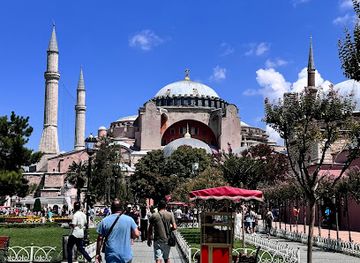
Hagia Sophia Grand Mosque
Explore the Hagia Sophia Grand Mosque, an architectural wonder in Istanbul, showcasing a rich history of Byzantine and Ottoman heritage.
-
Museum
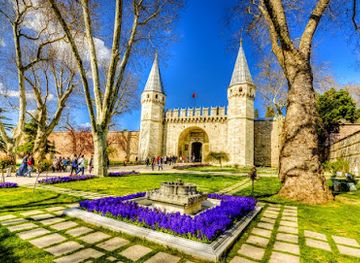
Topkapi Palace Museum
Explore the exquisite Topkapi Palace Museum, a UNESCO World Heritage site showcasing the splendor of the Ottoman Empire and its rich cultural heritage.
-
Mosque
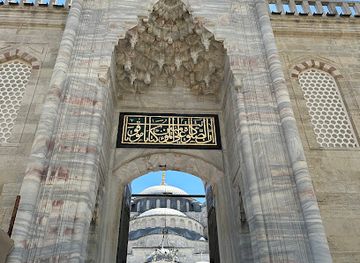
The Blue Mosque
Discover the enchanting Blue Mosque, an architectural masterpiece in Istanbul, renowned for its stunning blue tiles and rich Ottoman history.
Explore Eastern Anatolia Region on the map
Plan your trip on one map. See where the top cities, national parks and sights are, and book hotels and experiences in a few clicks.
Best hotels in Eastern Anatolia Region
Best restaurants in Eastern Anatolia Region
Dining in Eastern Anatolia is shaped by cold winters, pastoral traditions, grain, dairy and the agricultural plains around Malatya and Elazığ. Erzurum is strongly associated with cağ kebabı, in which seasoned lamb is roasted horizontally and shaved to order, while Van is known for an expansive breakfast featuring cheeses, honey, butter, eggs, breads and regional preserves. Kars has a well-regarded tradition of aged cheeses and honey, and Malatya’s apricots appear fresh, dried and in sweets during and after the harvest season. Soups, stuffed vegetables, grilled meats, flatbreads and slow-cooked dishes are common across the region, though recipes vary between provinces and communities. Provincial capitals offer the broadest choice of restaurants, cafés and bakeries; smaller towns often centre their food culture on kebab restaurants, lokantas, tea houses and family-run establishments. Alcohol availability varies by venue and locality, so visitors should check locally rather than assume a uniform dining scene.
-
Turkish
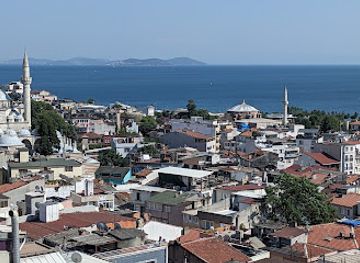
Hanzade Terrace Restaurant
Experience authentic Turkish cuisine with breathtaking views at Hanzade Terrace Restaurant in Istanbul.
-
Restaurant
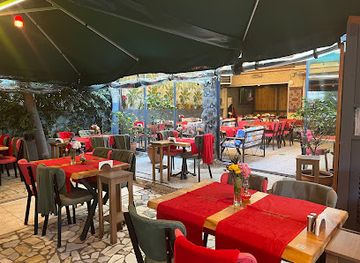
Hidden Garden
Experience exquisite dining at Hidden Garden in Istanbul – where Turkish tradition meets modern fusion flavors in a serene garden atmosphere.
-
Restaurant
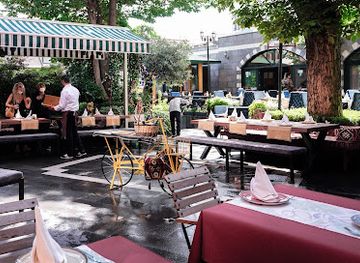
Garden 1897 Restaurant
Experience the best of Anatolian cuisine in a serene setting at Garden 1897 Restaurant in Istanbul.
-
Turkish
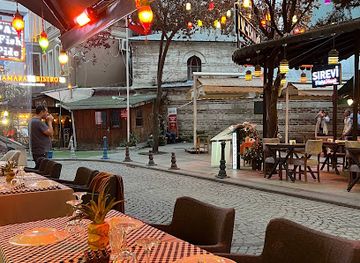
Las Tapas Restaurant
Discover authentic Turkish flavors at Las Tapas Restaurant in Istanbul - where every dish tells a story.
Best bars in Eastern Anatolia Region
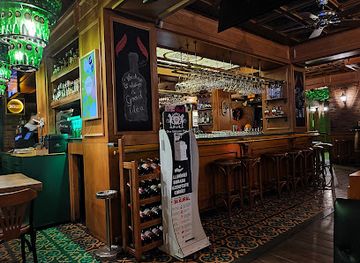
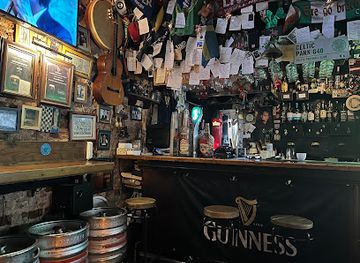
Evening life in Eastern Anatolia is generally centred on tea houses, cafés, restaurants and traditional or contemporary pubs rather than an extensive nightclub circuit. Erzurum, Van, Malatya and Elazığ have the broadest range of evening venues, including cafés frequented by students, restaurants with late meals and occasional live-music settings. Kars has a more intimate cultural atmosphere, with evenings often linked to its restaurants, historic streets and seasonal visitors exploring Ani. In smaller towns, social life usually winds down earlier and may focus on family gatherings, tea and conversation. Hotels and some urban restaurants serve alcoholic drinks, while availability is more limited in conservative districts and rural areas. Winter nightlife is particularly weather-dependent, and visitors should not expect seafront-style entertainment or large club districts outside the principal cities.
-
Pub
Celtic Irish Pub Istanbul
Experience the vibrant blend of Irish hospitality and Turkish culture at Celtic Irish Pub, a must-visit spot in Istanbul.
-
Pub
Corner Irish Pub
Discover the vibrant atmosphere of Corner Irish Pub in Istanbul, where Irish hospitality meets the lively spirit of Beyoğlu's nightlife.
-
Pub
Old English Pub Cafe & Restaurant
Experience the best of local flavors at Old English Pub Cafe & Restaurant, where comfort food meets vibrant Istanbul nightlife.
-
Irish pub
U2 Istanbul Irish Pub
Discover the vibrant U2 Istanbul Irish Pub, where Irish charm meets Istanbul nightlife with live music, hearty food, and unforgettable experiences.


Best nightclubs in Eastern Anatolia Region
Evening life in Eastern Anatolia is generally centred on tea houses, cafés, restaurants and traditional or contemporary pubs rather than an extensive nightclub circuit. Erzurum, Van, Malatya and Elazığ have the broadest range of evening venues, including cafés frequented by students, restaurants with late meals and occasional live-music settings. Kars has a more intimate cultural atmosphere, with evenings often linked to its restaurants, historic streets and seasonal visitors exploring Ani. In smaller towns, social life usually winds down earlier and may focus on family gatherings, tea and conversation. Hotels and some urban restaurants serve alcoholic drinks, while availability is more limited in conservative districts and rural areas. Winter nightlife is particularly weather-dependent, and visitors should not expect seafront-style entertainment or large club districts outside the principal cities.
-
Night club
Escape Club İstanbul
Experience the electrifying nightlife of Istanbul at Escape Club, a premier destination for unforgettable parties and vibrant atmosphere.
-
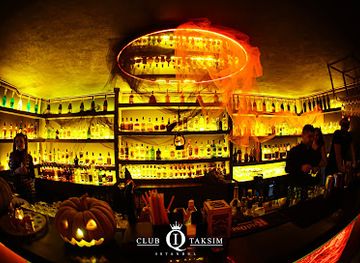
Night club
Taksim Club IQ
Experience the vibrant nightlife of İstanbul at Taksim Club IQ, where live music and dance create unforgettable memories.
-
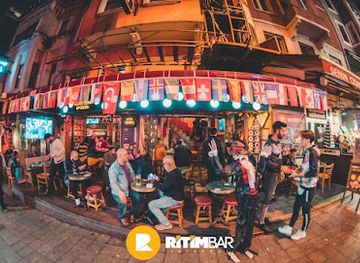
Night club
Ritim
Experience Istanbul's vibrant nightlife at Ritim, a premier night club known for its electrifying music, creative cocktails, and lively atmosphere.
-
Night club
Çiçek Pera İstanbul
Discover Istanbul's nightlife at Çiçek Pera, a vibrant night club and event venue in the heart of Beyoğlu, perfect for an unforgettable night out.


Best shops in Eastern Anatolia Region
Shopping is strongest in the region’s provincial capitals and historic market towns, where covered bazaars, food shops and independent retailers serve local residents as well as visitors. Kars is associated with regional cheeses, honey and winter provisions; Malatya with dried and fresh apricots; and Van with local food products, textiles and jewellery sold in urban markets. Erzurum’s traditional shopping quarters provide opportunities to look for copperware, prayer items, leather goods and regional foods, although quality and provenance should be checked carefully. Ahlat and other historic towns may offer carved stonework and craft traditions, while contemporary shops in Van, Malatya and Erzurum include national brands and modern shopping centres. Farmers’ markets are useful for seasonal produce, but market days vary by town. Packaged food is generally easier to transport than fragile crafts, and visitors should observe Turkish customs and export rules for antiques or archaeological objects.
-
Shopping mall
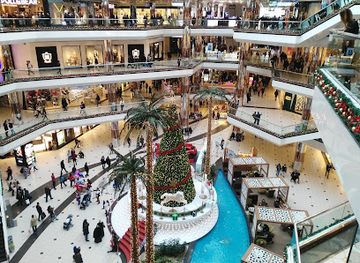
İstanbul Cevahir Shopping Mall
Discover the ultimate shopping experience at İstanbul Cevahir Shopping Mall, where luxury meets convenience in the heart of Istanbul.
-
Shopping mall
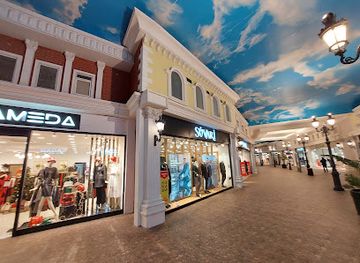
Venezia Mega Outlet
Discover incredible deals and a diverse shopping experience at Venezia Mega Outlet in Istanbul, where luxury meets affordability.
-
Shopping mall
İstinye Park Alışveriş Merkezi
Explore İstinye Park, the ultimate shopping destination in Istanbul, featuring luxury brands, diverse dining, and vibrant entertainment options.
-
Gift shop
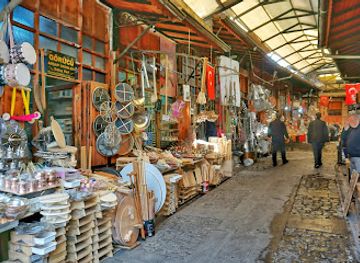
Coppersmith Bazaar
Discover the charm of Gaziantep at the Coppersmith Bazaar, a vibrant marketplace showcasing exquisite handmade copperware and crafts.

Get your free copy of our complete guide to Eastern Anatolia Region, delivered straight to you.
Everything on this page, from attractions and restaurants to essentials and local phrases, in one PDF you can read offline, print or share.
Already have an account? Sign in
Your Eastern Anatolia Region guide is ready.
We'll send it to · Not you? Sign out

Getting your guide ready…
We are putting together a fresh copy of the Eastern Anatolia Region guide. This can take up to a minute.
This can take a few moments. If your browser asks, choose Allow so the download can start. You'll find the guide in your Downloads folder.
Nothing happened? Download it again
Sorry, the guide is taking longer than usual. Please try again in a minute, or get it by email instead.
Eastern Anatolia Region essentials
Currency and Payment
Safety
Emergency Situations
Do's and Don'ts
Local Tips
From Eve
Local phrases worth knowing
You don't need to get them perfect. A few words go a long way, and locals appreciate the effort.
Basics
| English | Local | Say it |
|---|---|---|
| Hello | Merhaba | [Mɛrˈhaba] |
| Goodbye | Hoşça kal | [hoʃˈtʃa kɑl] |
| Yes | Evet | [ɛˈvɛt] |
| No | Hayır | [hɑˈjɯr] |
| Please/You're welcome | Lütfen | [ˈlʏtfɛn] |
| Thank you | Teşekkür ederim | [tɛʃɛkˈkʏɾ ɛˈdɛɾim] |
| Excuse me/Sorry | Affedersiniz | [a.fɛˈdɛɾ.sɪ.nɪz] |
| How are you? | Nasılsınız? | [nɑˈsɯ.lɯ.nɪz] |
| Fine. And you? | İyiyim, ya siz? | [ˈiː.jiːm ja sɪz] |
| Do you speak English? | İngilizce biliyor musunuz? | [ˈiŋɡɪ.lɪz.dʒɛ biˈli.jɔɾ muˈsʊ.nuz] |
| I don't understand | Anlamıyorum | [an.lɑˈmɯ.jɔɾ.ʊm] |
Eating & Drinking
| English | Local | Say it |
|---|---|---|
| I'd like to see the menu, please | Menüyü görmek isterim lütfen | [mɛˈnʏ.jyː ˈɡœr.mɛk isˈtɛ.rɪm ˈlʏtfɛn] |
| I don't eat meat | Et yemiyorum | [ɛt ˈje.mi.jɔɾ.ʊm] |
| Cheers! | Şerefe! | [ʃɛˈɾɛ.fɛ] |
| I would like to pay, please | Ödemek istiyorum lütfen | [øˈdɛ.mɛk isˈti.jɔ.ɾum ˈlʏtfɛn] |
Emergencies
| English | Local | Say it |
|---|---|---|
| Help! | Yardım edin! | [jɑˈɾdɯm ˈɛ.dɪn] |
| Go away! | Defol! | [dɛˈfɔl] |
| Call the Police! | Polisi arayın! | [poˈlɪ.sɪ aˈɾɑ.jɯn] |
| Call a doctor! | Bir doktor çağırın! | [biɾ dɔkˈtɔɾ ˈtʃɑ.ɯ.ɾɯn] |
| I'm lost | Kayboldum | [kɑjˈbɔldʊm] |
| I'm ill | Hastayım | [hɑsˈtɑ.jɯm] |
Shopping
| English | Local | Say it |
|---|---|---|
| I'd like to buy... | Satın almak istiyorum... | [sɑˈtɯn ˈaɫ.mɑk isˈti.jɔ.ɾum] |
| I'm just looking | Sadece bakıyorum | [ˈsæ.dɛ.dʒɛ bɑˈkɯ.jɔ.ɾʊm] |
| How much is it? | Bu ne kadar? | [bu nɛ ˈkɑ.dɑɾ] |
| That's too expensive | Bu çok pahalı | [bu tʃɔk pɑˈhɑ.lɯ] |
| Can you lower the price? | Fiyatı düşürebilir misiniz? | [fiˈjɑ.tɯ dyʃʊˈɾɛ.bɪˈlɪɾ ˈmi.sɪ.nɪz] |
Time & Numbers
| English | Local | Say it |
|---|---|---|
| What time is it? | Saat kaç? | [sɑˈɑt kɑtʃ] |
| It's one o'clock | Saat bir | [sɑˈɑt biɾ] |
| Half past (10) | On beş geçiyor | [on ˈbɛʃ ɡɛˈtʃi.jɔɾ] |
| Morning | Sabah | [sɑˈbɑh] |
| Afternoon | Öğleden sonra | [øˈɡlɛ.dɛn ˈsoɾ.nɑ] |
| Evening | Akşam | [ɑkˈʃɑm] |
| Yesterday | Dün | [dʏn] |
| Today | Bugün | [buˈɡʏn] |
| Tomorrow | Yarın | [jɑˈɾɯn] |
| 1 | Bir | [biɾ] |
| 2 | İki | [iˈki] |
| 3 | Üç | [yʏtʃ] |
| 4 | Dört | [dœɾt] |
| 5 | Beş | [bɛʃ] |
| 6 | Altı | [ɑlˈtɯ] |
| 7 | Yedi | [jɛˈdi] |
| 8 | Sekiz | [sɛˈkɪz] |
| 9 | Dokuz | [dɔˈkʊz] |
| 10 | On | [on] |
Transport & Directions
| English | Local | Say it |
|---|---|---|
| Where's a/the...? | Nerede...? | [nɛˈɾɛ.dɛ] |
| What's the address? | Adres ne? | [aˈdɾɛs nɛ] |
| Can you show me (on the map)? | Bana (haritada) gösterebilir misiniz? | [bɑˈnɑ (hɑˈɾɪ.tɑ.dɑ) ɡøsˈtɛ.ɾɛ.bɪˈlɪɾ ˈmi.sɪ.nɪz] |
| When's the next (bus)? | Sonraki (otobüs) ne zaman? | [soˈɾɑ.kɪ (o.tɔˈbʏs) nɛ zɑˈmɑn] |
| A ticket (to ....) | Bir bilet (....) | [biɾ biˈlɛt (....)] |
History of Eastern Anatolia Region
Prehistoric Arslantepe and Early Urban Authority
Arslantepe, near Malatya, preserves one of the most important archaeological sequences in Eastern Anatolia, extending from the sixth millennium BCE into the Iron Age. Its monumental buildings, storage facilities, seals and early weapons provide evidence for increasingly organised administration and social hierarchy. The site is particularly important for understanding the emergence of state institutions before the better-known empires of the ancient Near East. Its long occupation also demonstrates how the Malatya plain connected Anatolian communities with routes towards northern Mesopotamia and the upper Euphrates.
The Kingdom of Urartu around Lake Van
From the ninth to the sixth centuries BCE, the kingdom of Urartu made the Lake Van basin its political centre. Urartian rulers built fortified settlements, irrigation systems and monumental inscriptions across present-day Van, Bitlis, Ağrı and neighbouring areas. Van Castle, overlooking the lake, contains evidence associated with the Urartian capital of Tushpa, while other rock-cut tombs and fortresses remain scattered through the landscape. Urartu’s legacy is visible not only in ruins but also in the engineered relationship between highland agriculture, water management and defensive geography.
Persian, Hellenistic and Roman Frontier Worlds
After the fall of Urartu, Eastern Anatolia came under the influence of successive Persian, Hellenistic and Roman powers. The region’s highland routes connected the Armenian plateau, Mesopotamia, Iran and central Anatolia, making it both a corridor and a contested frontier. Roman authority was particularly important in western and southern parts of the region, although control varied across the mountains. These centuries established patterns of fortified settlement, trade and cultural exchange that continued under later Armenian, Byzantine, Persian and Islamic dynasties.
Armenian Kingdoms and Medieval Trade
Medieval Eastern Anatolia contained important Armenian political and religious centres, especially around Lake Van, Kars and the former capital of Ani. Churches, monasteries, fortresses and inscriptions recorded the development of Armenian Christian architecture and scholarship. Ani flourished as a major commercial and political centre before its decline after conquest and earthquake. The region subsequently passed through periods of Byzantine, Seljuk, Georgian and local dynastic influence, leaving a layered architectural landscape in which Christian and Muslim monuments often stand within the same historic geography.
Seljuk and Ottoman Expansion
Turkish Seljuk power expanded into Eastern Anatolia after the eleventh-century Battle of Manzikert, fought near modern Malazgirt in Muş province. Erzurum, Bitlis, Ahlat and other centres developed as fortified towns and nodes on caravan routes, while madrasas, mosques, tombs and caravanserais expressed the region’s Islamic architectural culture. Ottoman authority was consolidated gradually from the sixteenth century, particularly after competition with the Safavid Empire. Frontier administration, trade, pastoral movement and military logistics continued to shape the region’s towns and roads.
Russian Rule and the Transformation of Kars
Kars and surrounding districts were incorporated into the Russian Empire after the Russo-Turkish War of 1877–78 and remained under Russian rule until the aftermath of the First World War. The period altered the city’s appearance through planned streets, stone buildings and civic architecture, much of which survives today. Population movements and the strategic importance of the frontier also changed the region’s social composition. Kars later returned to Turkish control, but its nineteenth-century urban fabric remains one of Eastern Anatolia’s most distinctive historical legacies.
Republican Infrastructure and Regional Change
During the Turkish Republic, railways, roads, dams, schools and urban services reshaped Eastern Anatolia, connecting highland provinces more closely with western Türkiye and neighbouring countries. Agriculture, livestock, mining, public employment and seasonal migration have remained important to regional economies, while Malatya developed a major reputation for apricot production and Erzurum for winter tourism and education. Modern life exists alongside long-established pastoral and craft traditions, although depopulation from some rural districts and the growth of provincial capitals have transformed settlement patterns.
Eastern Anatolia Region in Photos
Browse through our photo collection highlighting the charm and character of the destination.
Neighbouring regions of Eastern Anatolia Region
The closest regions to Eastern Anatolia Region, if you have time for more than one.
-

-

-

-

-


Swipe for more regions
Explore more
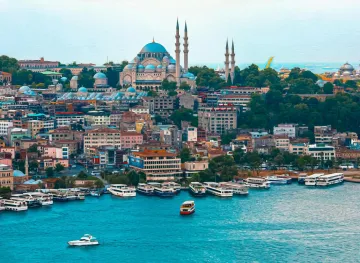
Explore more of Turkiye
Discover Turkiye: Where ancient history, stunning landscapes, and vibrant culture come together to create an unforgettable travel experience.
Explore Turkiye