

Free Mysia Travel Guide & Mobile App
Explore Mysia with free travel guides. Discover regional history, expert tips, proposed trips, and audio guides on web or mobile app.


Explore Mysia in north-western Türkiye through Pergamon, Mount Ida, Aegean olive country, Marmara shores and wetlands rich in history and wildlife.
Read more about Mysia
When is the best time to visit Mysia?
Best: May, September–October · 23–29°C| Month | High (°C) | Rainfall (mm) |
|---|---|---|
| January | 11 | 70 |
| February | 12 | 65 |
| March | 16 | 60 |
| April | 19 | 55 |
| May (best) | 25 | 50 |
| June | 30 | 40 |
| July | 33 | 35 |
| August | 33 | 35 |
| September (best) | 29 | 45 |
| October (best) | 23 | 50 |
| November | 17 | 55 |
| December | 12 | 65 |
Getting to and around Mysia
How to get there
Transportation
Top city travel guides in Mysia
The cities of Mysia, and the easiest places to base yourself.

Swipe for more cities
Best attractions in Mysia
Mysia’s attractions are spread across several distinct landscapes. In Bergama, the Pergamon Acropolis and the Asklepion form the region’s principal archaeological draw, combining Hellenistic urban planning, Roman architecture and dramatic hilltop views. The southern Marmara coast offers the remains of ancient Cyzicus near Erdek and the nearby island and shoreline scenery of the Kapıdağ Peninsula, while Daskyleion near Bandırma provides an important window onto Persian-period administration. Along the Aegean, Ayvalık and Cunda combine olive groves, waterfronts, historic stone buildings and boat excursions. Nature is equally important: Kaz Dağı offers forested mountain terrain and walking opportunities, while Lake Manyas is a major wetland for migratory and resident birds. Museums in Bergama, Balıkesir and nearby towns add context to objects found across the region. Rural markets, olive farms, traditional villages and coastal fishing communities provide quieter experiences, although access to some sites is easiest by private car and should be checked locally.
-
Park
Bursa Zoo
Discover the enchanting world of wildlife at Bursa Zoo, a family-friendly destination in the heart of Bursa, perfect for animal lovers and nature enthusiasts.
-
Park
Reşat Oyal Culture Park
Discover the beauty and tranquility of Reşat Oyal Culture Park, a cultural oasis in Bursa with lush gardens, scenic paths, and artistic displays.
-
Tourist attraction
Han Brass
Explore the rich history and stunning architecture of Han Brass, a must-see historical landmark in Bursa, Turkey, perfect for every traveler.
-
Tourist attraction
Heykel
Explore the Heykel in Bursa, a stunning sculpture honoring Atatürk, surrounded by vibrant urban life and rich Turkish history.


Best landmarks in Mysia
The most recognisable landmark of Mysia is the Pergamon Acropolis, whose steep setting above Bergama carries the remains of the Hellenistic theatre, Temple of Trajan and other monumental structures. The Asklepion, spread across the lower landscape, is distinguished by its sacred way, colonnaded spaces and association with ancient healing. Near Erdek, the ruins of Cyzicus mark the importance of a major Marmara port, although much of the ancient city remains archaeological rather than visually monumental. Daskyleion’s site near Bandırma is significant for its connection with the Achaemenid Persian administration of western Anatolia. Natural landmarks include Kaz Dağı, the modern name commonly used for the forested massif associated with ancient Mount Ida, and the wetlands of Lake Manyas. Ayvalık’s historic stone streets and Cunda’s waterfront architecture provide a later, lived-in expression of the region’s Aegean heritage, shaped by Ottoman, Greek and Republican-era population histories.
-
Monument
Anıtkabir
Explore Anıtkabir, the monumental mausoleum of Mustafa Kemal Atatürk, and immerse yourself in the rich heritage of modern Turkey.
-
Mosque
Hagia Sophia Grand Mosque
Explore the Hagia Sophia Grand Mosque, a breathtaking blend of history and architecture in the heart of Istanbul, showcasing centuries of diverse cultural heritage.
-
Museum
Topkapi Palace Museum
Discover the majestic Topkapi Palace Museum, a UNESCO World Heritage site in Istanbul, showcasing the luxurious legacy of the Ottoman Empire.
-
 Mosque
The Blue Mosque
Explore the stunning Blue Mosque in Istanbul, a symbol of Ottoman architecture and a serene spiritual haven amidst the city's vibrant culture.


Explore Mysia on the map
Plan your trip on one map. See where the top cities, national parks and sights are, and book hotels and experiences in a few clicks.
Best hotels in Mysia
Best restaurants in Mysia
Mysian dining is shaped by the meeting of Aegean, Marmara and inland Anatolian food traditions. Olive oil is central along the western coast, where dishes based on seasonal greens, artichokes, pulses, aubergines and herbs appear alongside grilled fish and other seafood. Ayvalık and Cunda are particularly associated with olive-growing landscapes, meze-style dining and breads, while inland Balıkesir is known for agricultural and livestock products, including regional cheeses and yoghurt. Around Bandırma, Erdek and the Marmara shore, fish restaurants and simple waterfront eateries make use of the local catch when available. Bergama offers traditional Turkish breakfast, kebabs, soups, pastries and regional home cooking as well as more contemporary cafés. Farmers' markets are useful for buying olive oil, olives, herbs, fruit and cheeses, but visitors should distinguish genuine local produce from items marketed broadly as Aegean specialities.
-
Restaurant
Garden 1897 Restaurant
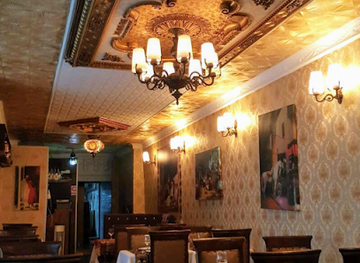
Experience authentic Turkish cuisine at Garden 1897 Restaurant in Istanbul's charming Küçük Ayasofya district.
-
Turkish
Çiya Sofrası
Experience authentic Turkish flavors at Çiya Sofrası, where regional dishes come alive in the heart of Kadıköy, Istanbul.
-
Restaurant
Uludağ Kebapçısı Cemal Cemil Usta
Discover the exquisite flavors of Turkey at Uludağ Kebapçısı Cemal Cemil Usta—home to the legendary Iskender Kebap.
-
Restaurant
Old Ottoman Cafe & Restaurant
Experience authentic Ottoman cuisine in Istanbul at Old Ottoman Cafe & Restaurant – where tradition meets flavor in every dish.


Best bars in Mysia
Nightlife in Mysia is concentrated in its larger towns and coastal resorts rather than organised around one major entertainment district. Ayvalık and Cunda have the broadest choice of evening restaurants, meze venues, waterfront cafés and small bars, with a more seasonal atmosphere in summer. Edremit, Akçay and nearby coastal settlements also offer casual seaside venues and live music, while Bandırma and Balıkesir provide year-round cafés, pubs and late-opening restaurants for residents and students. Bergama’s evenings are generally quieter, centred on traditional restaurants, tea gardens and cafés rather than clubs. In rural districts, the social rhythm is based on family restaurants, village cafés and local gatherings, and opening patterns can vary considerably outside the tourist season. Alcohol is available in licensed establishments, but it is not necessary to participate in the region’s evening culture.
-
Pub
Old English Pub Cafe & Restaurant
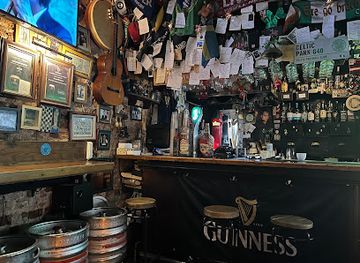
Discover the perfect blend of tradition and comfort at the Old English Pub Cafe & Restaurant in Kadıköy, İstanbul.
-
Irish pub
U2 Istanbul Irish Pub
Discover U2 Istanbul Irish Pub: The ultimate destination for authentic Irish food, live music, and vibrant nightlife in the heart of Istanbul.
-
Restaurant
Arma Restaurant
Discover the exquisite Turkish cuisine and stunning views at Arma Restaurant, a must-visit dining destination in Antalya.
-
Pub
Newcastle Pub
Experience the vibrant atmosphere and delicious offerings of Newcastle Pub in Nilüfer, Bursa, where every moment is a celebration of local culture.



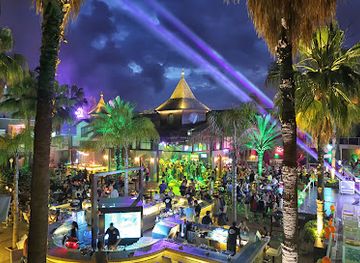
Best nightclubs in Mysia
Nightlife in Mysia is concentrated in its larger towns and coastal resorts rather than organised around one major entertainment district. Ayvalık and Cunda have the broadest choice of evening restaurants, meze venues, waterfront cafés and small bars, with a more seasonal atmosphere in summer. Edremit, Akçay and nearby coastal settlements also offer casual seaside venues and live music, while Bandırma and Balıkesir provide year-round cafés, pubs and late-opening restaurants for residents and students. Bergama’s evenings are generally quieter, centred on traditional restaurants, tea gardens and cafés rather than clubs. In rural districts, the social rhythm is based on family restaurants, village cafés and local gatherings, and opening patterns can vary considerably outside the tourist season. Alcohol is available in licensed establishments, but it is not necessary to participate in the region’s evening culture.
-
Night club
Escape Club İstanbul
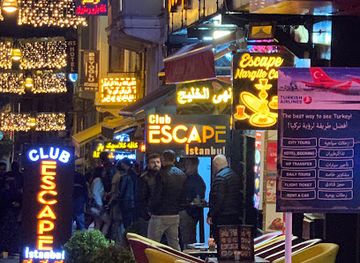
Discover the electrifying nightlife at Escape Club İstanbul, where world-class DJs and vibrant dance floors create an unforgettable experience.
-
Night club
Taksim Club IQ
Experience the heartbeat of Istanbul's nightlife at Taksim Club IQ, a premier destination for music, dancing, and vibrant atmosphere.
-
Night club
Çiçek Pera İstanbul
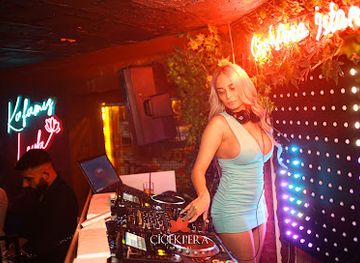
Experience the vibrant nightlife of Çiçek Pera İstanbul, where music, dance, and culture come together for an unforgettable evening.
-
Night club
Club Summer Garden
Discover the vibrant nightlife of Alanya at Club Summer Garden, where great music and an electric atmosphere create unforgettable nights.

Best shops in Mysia
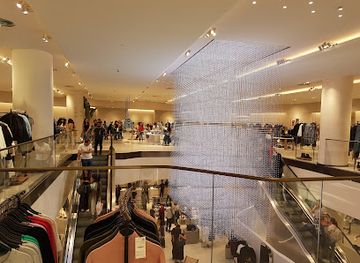
Shopping in Mysia is strongest in its market towns and coastal settlements, where agricultural products are more distinctive than large-scale retail. Ayvalık and Cunda are good places to look for olive oil, table olives, soaps, herbs, preserves and locally made foods, while Edremit and the surrounding Gulf of Edremit are closely linked to olive cultivation. Balıkesir’s markets and specialist food shops offer cheeses, honey, dried produce and other products from the inland countryside. Bergama has traditional town-centre shops, carpets, textiles, leather goods and practical Turkish craft products, although quality and provenance vary and careful comparison is sensible. Bandırma and Erdek combine ordinary high-street shopping with seasonal coastal stalls and food markets. Independent galleries, ceramic work, woven goods and small craft outlets appear across the larger visitor centres, but opening patterns can be seasonal. Supermarkets are convenient for packaged products, while farmers' markets are better for fresh local produce and conversation with sellers.
-
Bazar
Egyptian Bazaar
Explore the Egyptian Bazaar, Istanbul's vibrant market of spices, sweets, and souvenirs, steeped in rich history and culture.
-
Shopping mall
İstanbul Cevahir Shopping Mall
Discover endless shopping, dining, and entertainment at İstanbul Cevahir Shopping Mall, a premier destination in Istanbul.
-
Shopping mall
Venezia Mega Outlet
Explore Istanbul's Venezia Mega Outlet for unbeatable discounts on top international brands in a vibrant shopping environment.
-
Shopping mall
İstinye Park Alışveriş Merkezi
Discover luxury shopping, gourmet dining, and elegant design at İstinye Park, Istanbul's top shopping mall offering an unparalleled experience for visitors.



Get your free copy of our complete guide to Mysia, delivered straight to you.
Everything on this page, from attractions and restaurants to essentials and local phrases, in one PDF you can read offline, print or share.
Already have an account? Sign in
Your Mysia guide is ready.
We'll send it to · Not you? Sign out

Getting your guide ready…
We are putting together a fresh copy of the Mysia guide. This can take up to a minute.
This can take a few moments. If your browser asks, choose Allow so the download can start. You'll find the guide in your Downloads folder.
Nothing happened? Download it again
Sorry, the guide is taking longer than usual. Please try again in a minute, or get it by email instead.
Mysia essentials
Currency and Payment
Safety
Emergency Situations
Do's and Don'ts
Local Tips
From Eve
Local phrases worth knowing
You don't need to get them perfect. A few words go a long way, and locals appreciate the effort.
Basics
| English | Local | Say it |
|---|---|---|
| Hello | Merhaba | [Mehr-hah-bah] |
| Goodbye | Hoşça kal | [Hosh-cha-kahl] |
| Yes | Evet | [Eh-vet] |
| No | Hayır | [Hah-yuhr] |
| Please/You’re welcome | Lütfen | [Lüt-fen] |
| Thank you | Teşekkür ederim | [Teh-shehk-kur eh-deh-reem] |
| Excuse me/Sorry | Affedersiniz | [Ah-feh-dehr-see-neez] |
| How are you? | Nasılsınız? | [Nah-suhl-suhn-uhz] |
| Fine. And you? | İyiyim. Ya siz? | [Ee-yee-yim. Yah seez?] |
| Do you speak English? | İngilizce biliyor musunuz? | [Eeng-gee-leez-jeh bee-lee-yor moo-soo-nuz?] |
| I don't understand | Anlamıyorum | [Ahn-lah-muh-yor-uhm] |
Eating & Drinking
| English | Local | Say it |
|---|---|---|
| I’d like to see the menu, please | Menüyü görmek istiyorum, lütfen | [Meh-nü-yü gör-mehk ees-tee-yo-rum, lüt-fen] |
| I don't eat meat | Et yemem | [Et ye-mem] |
| Cheers! | Şerefe! | [Sheh-reh-feh] |
| I would like to pay, please | Ödemek istiyorum, lütfen | [Öh-deh-mehk ees-tee-yo-rum, lüt-fen] |
Emergencies
| English | Local | Say it |
|---|---|---|
| Help! | Yardım edin! | [Yahr-duhm eh-deen!] |
| Go away! | Defol! | [Deh-fohl!] |
| Call the Police! | Polisi arayın! | [Poh-lee-see ah-rah-yuhn!] |
| Call a doctor! | Bir doktora çağırın! | [Beer dok-toh-rah chah-uh-ruhn!] |
| I’m lost | Kayboldum | [Kah-ybohl-doom] |
| I’m ill | Hastayım | [Has-tah-yim] |
Shopping
| English | Local | Say it |
|---|---|---|
| I’d like to buy... | Satın almak istiyorum... | [Sah-tuhn ahl-mahk ees-tee-yo-rum] |
| I’m just looking | Sadece bakıyorum | [Sah-deh-jeh bah-kih-yor-um] |
| How much is it? | Bu ne kadar? | [Boo neh kah-dahr?] |
| That’s too expensive | O çok pahalı | [Oh chok pah-hah-luh] |
| Can you lower the price? | Fiyatı düşürebilir misiniz? | [Fee-yah-tuh dü-sheh-reh-bee-leer mee-see-niz?] |
Time & Numbers
| English | Local | Say it |
|---|---|---|
| What time is it? | Saat kaç? | [Sah-at kahch?] |
| It’s one o'clock | Saat bir | [Sah-at beer] |
| Half past (10) | On buçuk | [On boo-chook] |
| Morning | Sabah | [Sah-bah] |
| Afternoon | Öğleden sonra | [Öh-leh-den sohn-rah] |
| Evening | Akşam | [Ahk-shahm] |
| Yesterday | Dün | [Dün] |
| Today | Bugün | [Boo-gün] |
| Tomorrow | Yarın | [Yah-rin] |
| 1 | Bir | [Beer] |
| 2 | İki | [Ee-kee] |
| 3 | Üç | [Üch] |
| 4 | Dört | [Dört] |
| 5 | Beş | [Besh] |
| 6 | Altı | [Ahl-tuh] |
| 7 | Yedi | [Yeh-dee] |
| 8 | Sekiz | [Seh-keez] |
| 9 | Dokuz | [Doh-kuz] |
| 10 | On | [Ohn] |
Transport & Directions
| English | Local | Say it |
|---|---|---|
| Where's a/the...? | Nerede bir...? | [Neh-reh-de beer...?] |
| What's the address? | Adres nedir? | [Ad-res neh-deer?] |
| Can you show me (on the map)? | Bana (haritada) gösterebilir misiniz? | [Bah-nah (hah-ree-tah-dah) gohs-teh-reh-bee-leer mee-see-niz?] |
| When's the next (bus)? | Bir sonraki (otobüs) ne zaman? | [Beer sohn-rah-kee (oh-toh-büs) neh zah-mahn?] |
| A ticket (to ....) | Bir bilet (....) | [Beer bee-let (....)] |
History of Mysia
Bronze Age Mysia and Early Anatolian Kingdoms
Mysia occupied a strategically important part of north-western Anatolia, between the Marmara and Aegean seas and the interior plateau. Its early history belongs to the wider world of Bronze Age Anatolia, whose peoples traded metals, ceramics, livestock and agricultural goods across the region. The precise identity and boundaries of the ancient Mysians remain matters of historical interpretation, but archaeological landscapes around the southern Marmara and Aegean hinterland demonstrate long-established settlement. The region’s position between the Troad, Lydia, Phrygia and Bithynia ensured that later powers repeatedly competed for its routes, plains and harbours.
Persian Rule and Daskyleion
After the Achaemenid Persian expansion into Anatolia, Mysia became part of the Persian imperial system. Daskyleion, near modern Bandırma, served as an important satrapal centre, allowing Persian officials to administer western Anatolian territories. Excavations have revealed administrative and religious evidence associated with the Achaemenid period, including inscriptions and objects reflecting the region’s multicultural character. Persian rule did not erase local traditions; instead, it connected Mysian communities to a larger imperial network extending from Anatolia towards Mesopotamia and the Iranian plateau.
Hellenistic Kingdoms and the Rise of Pergamon
Following the campaigns of Alexander the Great and the struggles among his successors, much of Mysia became associated with the Hellenistic Kingdom of Pergamon. Under the Attalid dynasty, Pergamon developed into a major political, artistic and intellectual centre. Its acropolis, monumental theatre, temples and library embodied the kingdom’s rivalry with other Hellenistic powers. The Attalids also sponsored settlements, roads and sanctuaries across their territory. Their rule left one of the clearest architectural legacies in the region, even though later Roman rebuilding altered many of the surviving monuments.
Cyzicus and the Southern Marmara
Cyzicus, on the southern Marmara coast near modern Erdek, was one of the region’s most influential ancient cities. Situated on a strategic peninsula and supported by maritime trade, it issued its own coinage and maintained connections across the Aegean, Black Sea and Propontis, the ancient name for the Sea of Marmara. The city survived political changes and remained important under Roman rule, although earthquakes, coastal change and later settlement contributed to its decline. Its remains illustrate the maritime dimension of Mysia, complementing the inland and hilltop centres associated with Pergamon.
Roman Mysia and the Cult of Asclepius
Rome incorporated the Pergamene kingdom into its eastern Mediterranean empire in 133 BC, and Mysian cities subsequently became part of the Roman provincial order. Pergamon retained great prestige, especially through the sanctuary of Asclepius, the healing god. The Asklepion developed into a substantial medical and religious complex with colonnades, treatment spaces, a theatre and sacred springs. Roman roads and administration strengthened links between coastal ports, inland settlements and imperial centres. The period also brought monumental construction, urban expansion and the spread of Christianity, which gradually changed the religious landscape.
Byzantine Transformation and the Christian Landscape
During the Byzantine era, towns and countryside in Mysia were integrated into the eastern Roman, later Byzantine, world. Christianity reshaped urban institutions, burial practices and sacred architecture, while coastal and inland communities experienced periods of prosperity, warfare and demographic change. Pergamon remained an important regional centre, although its role differed from that of the Hellenistic kingdom. Earthquakes and shifting political frontiers affected settlements around the Marmara and Aegean shores. The region’s later churches, fortifications and religious traditions reflect the enduring importance of western Anatolia in the history of Eastern Christianity.
Turkmen Principalities and Ottoman Incorporation
From the late medieval period, Turkic principalities expanded across western Anatolia as Byzantine authority contracted. The Karesi principality became particularly important around Balıkesir and the southern Marmara, before its territories were incorporated into the Ottoman state in the fourteenth century. Ottoman administration connected towns, villages, ports and agricultural districts through waqfs, roads and market networks. Mosques, baths, bridges and traditional townscapes in the wider region belong to this period of political consolidation. Olive cultivation, grain production, animal husbandry and maritime exchange continued to shape local life.
Population Changes and the Modern Region
The late Ottoman and early Republican periods brought major demographic and economic changes to Mysia’s coastal and inland communities. Wars, migration and the 1923 population exchange transformed many settlements, particularly along the Aegean shore, while new arrivals contributed to the food traditions, architecture and commercial life of towns such as Ayvalık and nearby Cunda. Railways, roads, mining, agriculture and tourism later altered regional connections. Today, the ancient name survives chiefly through archaeology and historical geography, while modern provincial identities in Balıkesir, İzmir, Çanakkale and neighbouring areas provide the practical framework for travel.
Mysia in Photos
Browse through our photo collection highlighting the charm and character of the destination.
Neighbouring regions of Mysia
The closest regions to Mysia, if you have time for more than one.
-

-

-

-

-


Swipe for more regions
Explore more
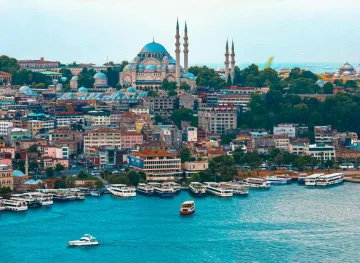
Explore more of Turkiye
Discover Turkiye: Where ancient history, stunning landscapes, and vibrant culture come together to create an unforgettable travel experience.
Explore Turkiye