

Marmara Region, Turkiye Travel Guide
Explore the Marmara Region in Turkiye: A unique blend of history, culture, and nature, connecting continents and offering unforgettable experiences.
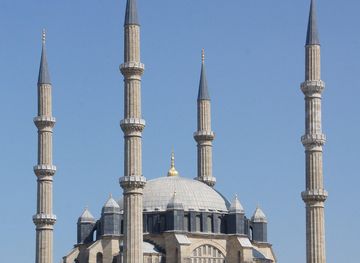
The Marmara Region in Turkiye is a vibrant blend of history, culture, and natural beauty. This region is named after the Sea of Marmara, which connects the Black Sea to the Aegean Sea. The region is known for its rich historical heritage, being home to ancient civilizations and empires. Marmara is also the gateway between Europe and Asia, making it a melting pot of cultures and traditions. Istanbul, the crown jewel of the Marmara Region, is a city that straddles two continents. Here, you can explore the iconic Hagia Sophia, the majestic Blue Mosque, and the bustling Grand Bazaar. The Bosphorus Strait offers stunning views and a unique opportunity to cruise between continents. Beyond Istanbul, the region boasts charming towns like Bursa, known for its thermal baths and green landscapes, and Edirne, famous for its impressive Ottoman architecture. The Marmara Region is also a paradise for nature lovers. The Princes' Islands offer a peaceful retreat from the city, with their serene beaches and car-free streets. The Yalova region is well-known for its hot springs and scenic waterfalls. Whether you are a history buff, a culture enthusiast, or a nature seeker, the Marmara Region has something for everyone. Its diverse attractions and warm hospitality make it a must-visit destination in Turkiye.

Know before you go
Hi, I'm Eve. Here are a few practical things to know before exploring Marmara Region.
- Visit Istanbul's historical sites early in the morning to avoid crowds.
- Take a ferry ride on the Bosphorus for the best views of the city.
- Try the local cuisine, especially the famous Turkish delight and baklava.
- Wear comfortable shoes as you will do a lot of walking, especially in Istanbul.
- Plan a day trip to the Princes' Islands for a peaceful escape from the city.
Top City Travel Guides in Marmara Region
The cities of Marmara Region, and the easiest places to base yourself.


Destinations in Marmara Region
Resorts, valleys and scenic spots worth a trip of their own.

Explore Marmara Region: Things to Do, Places to Eat, Hotels & More
Handpicked recommendations for top attractions, local dining, accommodations, and more

Top Attractions & Sightseeing in Marmara Region
Top-rated picks
Best Attractions

VIALAND Tema Park
Experience thrilling rides and family fun at VIALAND Theme Park, Istanbul's premier amusement destination for all ages.

Beyazit Square
Discover the vibrant history and culture of Istanbul at Beyazit Square, where the past and present beautifully intertwine in a lively urban setting.

Istanbul Archaeological Museums
Explore the Istanbul Archaeological Museums, a treasure trove of ancient artifacts and a gateway to Turkey's rich historical heritage, perfect for every traveler.

Maiden's Tower
Discover the allure of Maiden's Tower, a historic landmark offering captivating views and rich tales from Istanbul's storied past.

Best landmarks in Marmara Region
Top-rated picks
Best Landmarks

Galata Tower
Discover the breathtaking views and rich history at Galata Tower, an iconic landmark in Istanbul, combining stunning architecture and cultural significance.

Hagia Sophia Grand Mosque
Explore the Hagia Sophia Grand Mosque, a historical landmark in Istanbul showcasing stunning architecture and a rich cultural tapestry.

The Blue Mosque
Discover the breathtaking beauty of The Blue Mosque, a stunning example of Ottoman architecture and a must-see for any visitor to Istanbul.

Dolmabahçe Palace
Discover the grandeur of Dolmabahçe Palace in Istanbul—an architectural marvel showcasing the opulence of the Ottoman Empire along the Bosphorus.

Best restaurants in Marmara Region
Top-rated picks
Best Restaurants

Hanzade Terrace Restaurant
Savor authentic Turkish cuisine with breathtaking views at Hanzade Terrace Restaurant in Istanbul.
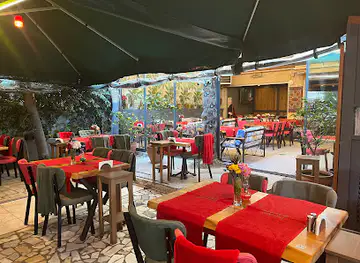
Hidden Garden
Experience Istanbul's Hidden Garden: A unique fusion restaurant offering exquisite Turkish and European cuisine amidst lush greenery.

Garden 1897 Restaurant
Discover exquisite Turkish cuisine amidst tranquil gardens at Garden 1897 Restaurant in Istanbul's historic Küçük Ayasofya.

Mivan Restaurant & Cafe
Discover authentic Turkish flavors at Mivan Restaurant & Cafe in Fatih—where tradition meets modernity amid breathtaking views.

Best bars in Marmara Region
Top-rated picks
Best Bars

360 Istanbul
Discover the stunning views and exquisite flavors of Turkish cuisine at 360 Istanbul, the premier rooftop dining experience in Beyoğlu.

The Marmara Pera
Discover breathtaking views and vibrant atmosphere at The Marmara Pera, an exquisite hotel and rooftop bar in Istanbul's Beyoğlu district.

Corner Irish Pub
Experience the lively atmosphere and authentic flavors at Corner Irish Pub in the heart of Istanbul, where tradition meets modern nightlife.

U2 Istanbul Irish Pub
Discover the lively atmosphere of U2 Istanbul Irish Pub, where authentic Irish cuisine meets vibrant live music in the heart of Istanbul.

Best nightclubs in Marmara Region
Top-rated picks
Best Nightclubs

Escape Club İstanbul
Experience the pulsating nightlife of Istanbul at Escape Club, a premier destination for unforgettable parties and vibrant music.

Taksim Club IQ
Taksim Club IQ: Istanbul's premier nightlife venue, where unforgettable memories are made on the dance floor.

Sortie
Experience the vibrant nightlife of Istanbul at Sortie, a luxurious nightclub with stunning Bosphorus views and electrifying music.

Ritim
Experience the vibrant nightlife of Istanbul at Ritim, a premier night club and bar in Beyoğlu, where music and dance create unforgettable memories.

Best shops in Marmara Region
Top-rated picks
Best Shops

Egyptian Bazaar
Explore the vibrant Egyptian Bazaar in Istanbul: a historic market bursting with spices, sweets, and local crafts, perfect for every traveler.

Mall of Istanbul
Discover the ultimate shopping experience at Mall of Istanbul, where fashion meets fun in the heart of Turkey's vibrant capital.

İstanbul Cevahir Shopping Mall
Explore İstanbul Cevahir Shopping Mall: A premier shopping destination in the heart of Istanbul with over 200 stores and exciting entertainment options.

Marmara Park
Discover Marmara Park, Istanbul's largest shopping mall, offering endless shopping, dining, and entertainment opportunities in a vibrant atmosphere.

Explore Marmara Region on the Map
A handpicked selection of must-see spots in Marmara Region, mapped for you.
Marmara Region Essentials
-
The Marmara Region is well-connected by air, road, and sea. The main gateway is Istanbul Airport (IST), one of the largest international airports in the world. Sabiha Gökçen Airport (SAW) on the Asian side of Istanbul also serves many international and domestic flights. High-speed trains connect Istanbul to other major cities in the region such as Bursa and Edirne. Ferries operate between Istanbul and coastal cities like Bandirma and Yalova.
-
Public transportation in the Marmara Region is extensive and efficient. Istanbul has a comprehensive metro, tram, and bus network. Intercity buses and trains connect various cities and towns. Taxis and ride-sharing services like Uber are also widely available. Renting a car can be convenient for exploring rural areas and smaller towns. Ferries are a popular mode of transport for crossing the Bosphorus and traveling to the Princes' Islands.
-
The official currency is the Turkish Lira (TRY). Credit cards are widely accepted in hotels, restaurants, and shops in urban areas. However, it is advisable to carry some cash, especially when traveling to smaller towns or rural areas. ATMs are plentiful, particularly in cities and tourist areas.
-
The Marmara Region is generally safe for tourists, but like any major tourist destination, it is wise to take standard precautions. Avoid carrying large sums of cash and keep an eye on your belongings in crowded places. Areas like Taksim Square and Istiklal Avenue in Istanbul can be hotspots for pickpocketing. Avoid walking alone late at night in unfamiliar neighborhoods.
-
In case of emergency, dial 112 for immediate assistance. Istanbul has numerous hospitals and clinics with English-speaking staff. Pharmacies are widely available and can provide over-the-counter medications. It is advisable to have travel insurance that covers medical emergencies. The police are generally helpful to tourists and can be reached at 155.
-
Fashion: Do dress modestly, especially when visiting religious sites. Avoid overly revealing clothing. Religion: Do respect local customs and traditions. Remove your shoes and cover your head when entering mosques. Public Transport: Do be respectful and give up your seat to elderly passengers. Don't eat or drink on public transport. Greetings: Do greet people with a handshake. A slight bow of the head is also a sign of respect. Eating & Drinking: Do try local delicacies and accept food offerings graciously. Don't refuse hospitality, as it is considered impolite.
-
To experience the Marmara Region like a local, visit traditional markets like the Grand Bazaar and Spice Bazaar in Istanbul. Engage with locals, as they are often friendly and willing to share stories about their culture and history. Don’t miss exploring the charming neighborhoods of Kadıköy and Beşiktaş in Istanbul. For a unique experience, take a ferry ride on the Bosphorus and enjoy the stunning views of the city from the water.
When is the best time to visit Marmara Region?
Useful Local Phrases for Marmara Region
You don't need to speak the language perfectly. Even learning a few simple words can make conversations warmer—and locals usually appreciate the effort.
— Eve

Here are the phrases I use most often in Marmara Region. Try a few—you'll be surprised how far they go! 😊
❤️
-
- HelloMerhaba
[mehr-HAH-bah] - GoodbyeHoşça kal
[HOSH-chah KAL] - YesEvet
[EH-vet] - NoHayır
[HAH-yuhr] - Please/You're welcomeLütfen/Rica ederim
[LOOT-fen/REE-jah EH-deh-rim] - Thank youTeşekkür ederim
[teh-sheh-KOOR eh-DEH-rim] - Excuse me/SorryAffedersiniz/Özür dilerim
[ah-feh-DER-sin-iz/Ö-zur dee-LEH-rim] - How are you?Nasılsınız?
[NAH-suhl-sin-iz] - Fine. And you?İyiyim. Ya siz?
[EE-yee-yim. YAH seez?] - Do you speak English?İngilizce biliyor musunuz?
[een-GEE-leez-jeh BIL-ee-yor moo-sunuz?] - I don't understandAnlamıyorum
[AHN-lah-muh-yor-um]
- HelloMerhaba
-
- I'd like to see the menu, pleaseMenüyü görebilir miyim lütfen?
[meh-NOO-yoo GO-reh-BIL-ir MEE-yim LOOT-fen?] - I don't eat meatEt yemiyorum
[ET YE-mee-yor-um] - Cheers!Şerefe!
[sheh-REH-feh] - I would like to pay, pleaseÖdemek istiyorum lütfen
[öh-DEH-mehk ees-tee-YOR-um LOOT-fen]
- I'd like to see the menu, pleaseMenüyü görebilir miyim lütfen?
-
- Help!Yardım edin!
[YAR-dum EH-din!] - Go away!Defol!
[DEH-fol!] - Call the Police!Polisi arayın!
[po-LEE-see AH-rah-yeen!] - Call a doctor!Bir doktor çağırın!
[beer dok-TOR CHAH-uh-rin!] - I'm lostKayboldum
[KAHY-bol-dum] - I'm illHastayım
[HAS-tah-yim]
- Help!Yardım edin!
-
- I'd like to buy...Satın almak istiyorum...
[SAH-tuhn AHL-mahk ees-tee-YOR-um] - I'm just lookingSadece bakıyorum
[SAH-deh-jeh bah-KI-yor-um] - How much is it?Bu ne kadar?
[boo NEH kah-DAR?] - That's too expensiveBu çok pahalı
[boo CHOK pah-HAH-luh] - Can you lower the price?Fiyatı düşürebilir misiniz?
[fee-YAH-tuh doo-SHEH-reh-BIL-ir MEE-sin-iz?]
- I'd like to buy...Satın almak istiyorum...
-
- What time is it?Saat kaç?
[sah-AT KAHCH?] - It's one o'clockSaat bir
[sah-AT beer] - Half past (10)Onu geçiyor
[OH-noo GEH-chee-yor] - MorningSabah
[sah-BAH] - AfternoonÖğleden sonra
[ÖH-leh-den SON-rah] - EveningAkşam
[AK-sham] - YesterdayDün
[DÜN] - TodayBugün
[boo-GÜN] - TomorrowYarın
[YAH-rin] - 1Bir
[beer] - 2İki
[EE-kee] - 3Üç
[ÜCH] - 4Dört
[DÖRT] - 5Beş
[BESH] - 6Altı
[AL-tuh] - 7Yedi
[YEH-dee] - 8Sekiz
[SEH-keez] - 9Dokuz
[DOH-kooz] - 10On
[ON]
- What time is it?Saat kaç?
-
- Where's a/the...?Nerede...?
[NEH-reh-de...?] - What's the address?Adres nedir?
[AD-res NEH-dir?] - Can you show me (on the map)?Bana (haritada) gösterebilir misiniz?
[BAH-nah (HAH-ree-tah-dah) GÖS-teh-reh-BIL-ir MEE-sin-iz?] - When's the next (bus)?Sonraki (otobüs) ne zaman?
[SON-rah-kee (OH-toh-BÜS) NEH ZAH-mahn?] - A ticket (to ....)Bir bilet (....)
[beer bee-LET (....)]
- Where's a/the...?Nerede...?
History of Marmara Region
-
The Marmara Region is home to Istanbul, which was originally founded as Byzantium around 660 BCE by Greek colonists. The city’s strategic location along the Bosphorus Strait made it a crucial trade and military hub. Byzantium later became the capital of the Eastern Roman Empire, known as Constantinople, and played a pivotal role in the spread of Christianity and the preservation of classical knowledge.
-
The Marmara Region is also the cradle of the Ottoman Empire. Osman I, the founder of the Ottoman dynasty, began his conquests in the early 14th century in this region. Bursa, located in the Marmara Region, was the first major capital of the empire. The Ottomans expanded rapidly, capturing Constantinople in 1453, which marked the end of the Byzantine Empire and established Istanbul as their new capital.
-
One of the most significant and tragic events in the Marmara Region’s history is the Gallipoli Campaign during World War I. In 1915, Allied forces attempted to seize control of the Dardanelles Strait to open a sea route to Russia. The campaign resulted in heavy casualties on both sides and is remembered for its profound impact on national consciousness in Turkey, Australia, and New Zealand.
-
The Marmara Region played an essential role in the aftermath of World War I and the Turkish War of Independence. The Treaty of Lausanne, signed in 1923 in the Swiss city but heavily influencing the Marmara Region, established the boundaries of the modern Turkish Republic. Istanbul remained a crucial cultural and economic center in the newly formed nation.
-
Throughout its history, the Marmara Region has been a melting pot of various cultures, religions, and ethnicities. From the Romans and Byzantines to the Ottomans and modern Turks, the region has seen a blend of Greek, Armenian, Jewish, and Balkan influences. This diverse heritage is reflected in the region’s architecture, culinary traditions, and cultural festivals.
-
In the 20th and 21st centuries, the Marmara Region has become Turkey’s industrial and economic powerhouse. Cities like Istanbul, Bursa, and Izmit have developed into major centers of commerce, industry, and finance. The region's strategic location, bridging Europe and Asia, continues to make it a focal point for trade and international business.
Neighbouring Regions of Marmara Region
The closest regions to Marmara Region, if you have time for more than one.


Your all‑in‑one travel companion app
Explore expert travel guides, compare and book tours, experiences, hotels, and more—all from the palm of your hand. Download now for seamless trip planning wherever your wanderlust takes you.


Explore More of Turkiye
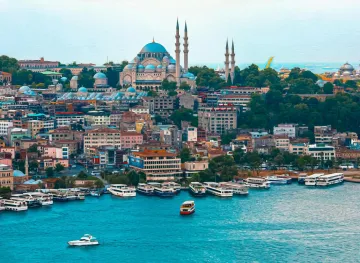
Looking beyond Marmara Region? Discover Turkiye for broader travel guides, local hot-spots, and regional highlights.
Explore TurkiyeMarmara Region in Photos
Browse through our photo collection highlighting the charm and character of the destination.

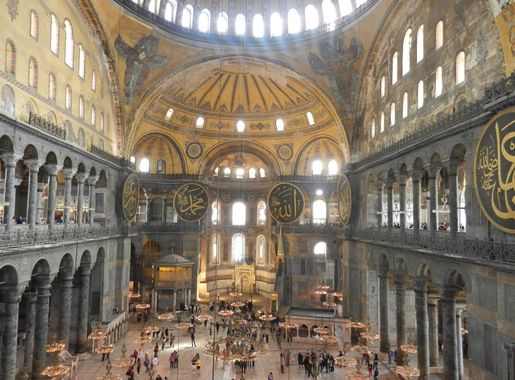


Marmara Region: The Crossroads of Continents and Cultures
The Marmara Region in Turkiye is a vibrant blend of history, culture, and natural beauty. This region is named after the Sea of Marmara, which connects the Black Sea to the Aegean Sea. The region is known for its rich historical heritage, being home to ancient civilizations and empires. Marmara is also the gateway between Europe and Asia, making it a melting pot of cultures and traditions. Istanbul, the crown jewel of the Marmara Region, is a city that straddles two continents. Here, you can explore the iconic Hagia Sophia, the majestic Blue Mosque, and the bustling Grand Bazaar. The Bosphorus Strait offers stunning views and a unique opportunity to cruise between continents. Beyond Istanbul, the region boasts charming towns like Bursa, known for its thermal baths and green landscapes, and Edirne, famous for its impressive Ottoman architecture. The Marmara Region is also a paradise for nature lovers. The Princes' Islands offer a peaceful retreat from the city, with their serene beaches and car-free streets. The Yalova region is well-known for its hot springs and scenic waterfalls. Whether you are a history buff, a culture enthusiast, or a nature seeker, the Marmara Region has something for everyone. Its diverse attractions and warm hospitality make it a must-visit destination in Turkiye.