

Free Troad Travel Guide & Mobile App
Explore Troad with free travel guides. Discover regional history, expert tips, proposed trips, and audio guides on web or mobile app.


Explore the Troad in Turkiye for Troy, Assos, Aegean villages, olive groves, archaeological sites and the historic Dardanelles coast.
Read more about Troad
When is the best time to visit Troad?
Best: May–June, September · 24–30°C| Month | High (°C) | Rainfall (mm) |
|---|---|---|
| January | 9 | 55 |
| February | 10 | 49 |
| March | 14 | 45 |
| April | 19 | 40 |
| May (best) | 24 | 35 |
| June (best) | 30 | 25 |
| July | 33 | 20 |
| August | 33 | 25 |
| September (best) | 28 | 30 |
| October | 21 | 40 |
| November | 15 | 45 |
| December | 11 | 50 |
Getting to and around Troad
How to get there
Transportation
Top city travel guides in Troad
The cities of Troad, and the easiest places to base yourself.

Swipe for more cities
Best attractions in Troad
The Troad’s attractions are spread across an archaeological and coastal landscape rather than concentrated in one city. Troy and the Troy Museum form the essential historical core, presenting both the celebrated Bronze Age settlement and the many later communities that occupied the site. In the south, Assos combines a hilltop acropolis, the Temple of Athena, ancient walls and theatre remains with a historic village overlooking the Aegean. Alexandria Troas, near Dalyan, offers a quieter encounter with the remains of a substantial Hellenistic and Roman port. Çanakkale provides museums, a waterfront and practical access to the region, while smaller towns such as Ezine, Bayramiç and Geyikli lead into farmland, olive country and traditional food production. The western coast brings swimming coves, fishing settlements and views towards the Aegean islands, and Bozcaada adds vineyards, beaches and a distinct island culture just offshore. Visitors interested in nature can explore rural footpaths and wooded uplands, although facilities are more limited than in established resort areas.
-
Mosque
Hagia Sophia Grand Mosque
Discover the breathtaking Hagia Sophia Grand Mosque, a historic masterpiece showcasing Istanbul's rich cultural heritage and architectural brilliance.
-
Mosque
The Blue Mosque
Explore the architectural marvel of The Blue Mosque, a UNESCO World Heritage site in Istanbul, showcasing stunning blue tiles and rich Ottoman history.
-
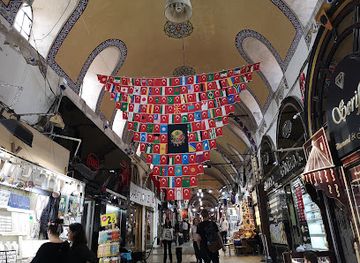
Bazar
Grand Bazaar
Discover the vibrant charm of the Grand Bazaar, Istanbul's historic marketplace filled with treasures, culture, and unforgettable experiences.
-
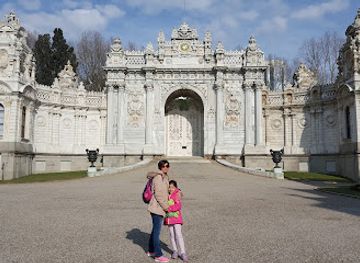
Castle
Dolmabahçe Palace
Explore Dolmabahçe Palace, the epitome of Ottoman opulence, blending European and Turkish architectural styles along the Bosphorus in Istanbul.
Best landmarks in Troad
Troy’s archaeological mound at Hisarlık is the Troad’s most recognisable landmark, representing a sequence of fortified settlements rather than a single surviving city. The reconstructed defensive elements and layered remains make the site significant both archaeologically and symbolically. At Assos, the Temple of Athena occupies a high acropolis above the Aegean and is one of the peninsula’s most memorable ancient silhouettes; the surrounding walls and historic settlement reinforce the connection between landscape and architecture. Alexandria Troas is marked by the remains of a major ancient port city, including monumental masonry scattered through the countryside near Dalyan. In Çanakkale, the waterfront and Dardanelles shoreline express the region’s continuing maritime importance, while the Kilitbahir fortress across the strait is a nearby Ottoman landmark on the European shore rather than part of the Troad itself. Bozcaada’s castle, standing beside its harbour, is a prominent island landmark associated with the Troad coast, while the peninsula’s olive groves, open plains and Aegean headlands provide a natural setting for its built heritage.
-
Historical landmark
Galata Tower
Explore the iconic Galata Tower, a historical landmark in Istanbul offering stunning views and a glimpse into the city’s rich past.
-
Monument
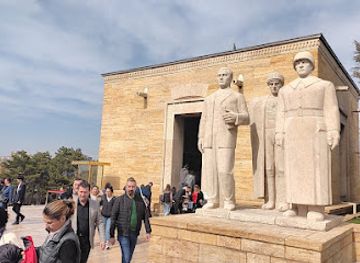
Anıtkabir
Explore Anıtkabir, an architectural marvel and the resting place of Mustafa Kemal Atatürk, symbolizing Turkey's national pride and heritage.
-
Mosque
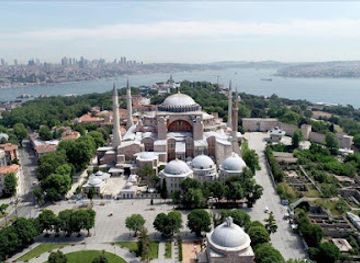
Hagia Sophia Grand Mosque
Explore the majestic Hagia Sophia Grand Mosque, a stunning fusion of history and architecture in the heart of Istanbul, where past and present converge.
-
 Museum
Topkapi Palace Museum
Discover the opulent history of the Ottoman Empire at Topkapi Palace Museum, a must-visit heritage attraction in Istanbul.

Explore Troad on the map
Plan your trip on one map. See where the top cities, national parks and sights are, and book hotels and experiences in a few clicks.
Best hotels in Troad
Best restaurants in Troad
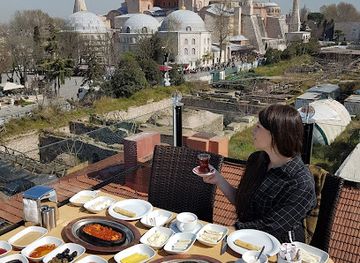
Food in the Troad reflects its position between the Aegean coast and the agricultural interior. Olive oil, herbs, seasonal vegetables, seafood and locally produced dairy are central to everyday cooking, with grilled fish and meze particularly common in coastal settlements. Ezine cheese is the region’s best-known food product and is often served at breakfast or alongside bread, olives and preserves. Çanakkale and the surrounding districts are also associated with peynir helvası, a sweet made with cheese, semolina and sugar. In villages and market towns, look for home-style dishes, gözleme, soups, fresh produce and regional pastries rather than a heavily formalised restaurant scene. Assos, Geyikli and Bozcaada have more coastal dining, while Çanakkale offers the broadest choice of cafés and restaurants. Local olive oil and wine from Bozcaada are notable purchases, though the island’s viticulture should be understood as a distinct island tradition within the wider Troad landscape.
-
Turkish
Hanzade Terrace Restaurant
Experience authentic Turkish cuisine and breathtaking views at Hanzade Terrace Restaurant in Istanbul's historic Fatih district.
-
Restaurant
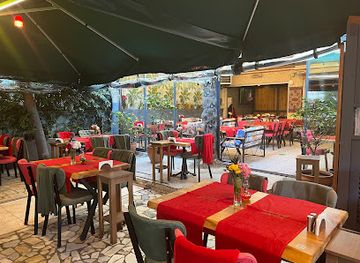
Hidden Garden
Experience Istanbul's culinary delights at Hidden Garden - where traditional flavors meet modern elegance amidst lush surroundings.
-
Restaurant
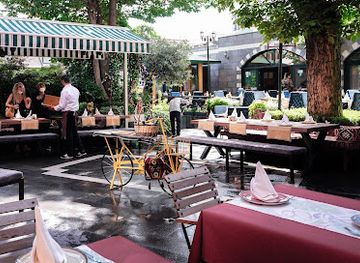
Garden 1897 Restaurant
Discover authentic Turkish flavors in an elegant setting at Garden 1897 Restaurant in Istanbul's historic Küçük Ayasofya district.
-
Restaurant
Seven Hills Restaurant
Experience authentic Turkish cuisine with breathtaking views at Seven Hills Restaurant in Istanbul.

Best bars in Troad
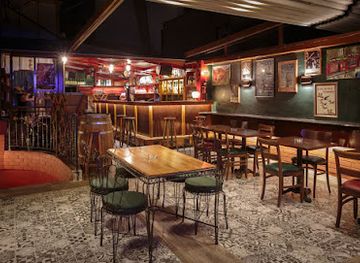
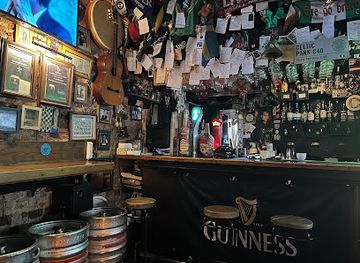
Evening life in the Troad is generally relaxed and social rather than centred on large nightclubs. Çanakkale has the widest choice of waterfront cafés, restaurants, tea gardens and bars, with activity concentrated around the central waterfront and adjoining streets. In Assos and other southern coastal settlements, evenings tend to revolve around seafood restaurants, small bars and hotel terraces, with the atmosphere becoming quieter outside the main summer season. Bozcaada has a more developed holiday nightlife, including wine-focused venues, cafés and late-opening bars in its historic town, although schedules vary through the year. In smaller inland towns, traditional tea houses, family restaurants and local cafés are more representative than club culture. Alcohol is available in many tourist areas, but it is not necessary for enjoying the region’s evening life; sunset walks, ferry-side cafés and long meals are equally characteristic ways to spend the night.
-
Pub
Celtic Irish Pub Istanbul
Experience the vibrant charm of Celtic Irish Pub in Istanbul, where Irish hospitality meets local flavor in a lively atmosphere.
-
Pub
Corner Irish Pub
Discover the vibrant atmosphere and authentic Irish cuisine at Corner Irish Pub in Istanbul's bustling Beyoğlu district.
-
Irish pub
Irish Pub The James Joyce
Enjoy traditional Irish food and drinks in the heart of Istanbul at The James Joyce, a vibrant Irish pub with live music and a warm atmosphere.
-
Irish pub
U2 Istanbul Irish Pub
Discover the vibrant atmosphere of U2 Istanbul Irish Pub, where Irish culture meets Turkish hospitality in the heart of Istanbul.


Best nightclubs in Troad
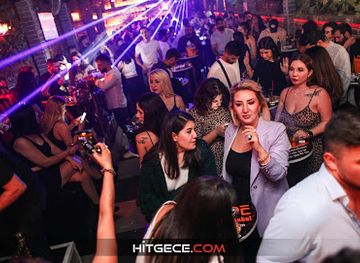
Evening life in the Troad is generally relaxed and social rather than centred on large nightclubs. Çanakkale has the widest choice of waterfront cafés, restaurants, tea gardens and bars, with activity concentrated around the central waterfront and adjoining streets. In Assos and other southern coastal settlements, evenings tend to revolve around seafood restaurants, small bars and hotel terraces, with the atmosphere becoming quieter outside the main summer season. Bozcaada has a more developed holiday nightlife, including wine-focused venues, cafés and late-opening bars in its historic town, although schedules vary through the year. In smaller inland towns, traditional tea houses, family restaurants and local cafés are more representative than club culture. Alcohol is available in many tourist areas, but it is not necessary for enjoying the region’s evening life; sunset walks, ferry-side cafés and long meals are equally characteristic ways to spend the night.
-
Night club
Escape Club İstanbul
Experience the electrifying nightlife of Istanbul at Escape Club, a premier destination for dance, music, and unforgettable memories.
-
Night club
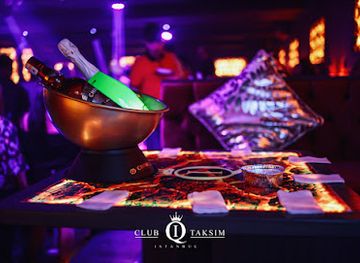
Taksim Club IQ
Discover Istanbul's premier nightlife hotspot at Taksim Club IQ, where live music and vibrant energy create unforgettable nights.
-
Night club
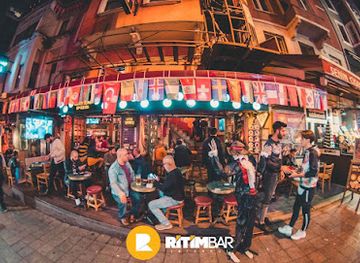
Ritim
Experience the vibrant nightlife of Istanbul at Ritim, a premier night club in Beyoğlu, offering unforgettable music, cocktails, and a lively atmosphere.
-
Night club
Çiçek Pera İstanbul
Discover the heart of Istanbul's nightlife at Çiçek Pera, where vibrant music and unforgettable performances await.

Best shops in Troad
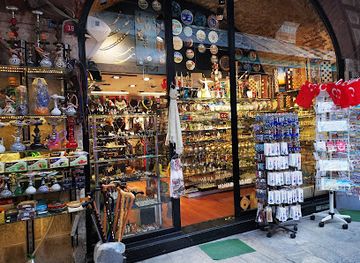
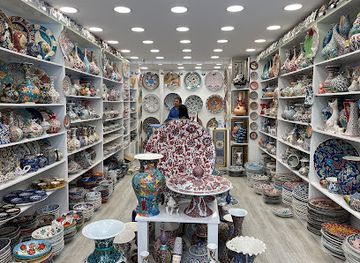
Shopping in the Troad is strongest in Çanakkale, market towns and island settlements rather than in large purpose-built retail centres. Çanakkale’s central streets and markets are useful for olive oil, Ezine cheese, regional sweets, dried produce, preserves and everyday Turkish food products. Weekly markets in smaller towns provide seasonal fruit and vegetables, household goods and locally made foods, although market days should be checked locally. Around Assos, Geyikli and Ayvacık, independent shops and village producers sell olive oil, soaps, woven items and small craft products. Bozcaada is known for its wine culture and offers bottles, local specialities and island-made gifts, subject to transport and customs considerations. Look for ceramics, textiles and handmade objects where provenance is clear, and avoid buying antiquities or archaeological fragments: exporting cultural property from Turkiye is illegal and serious.
-
Shopping mall
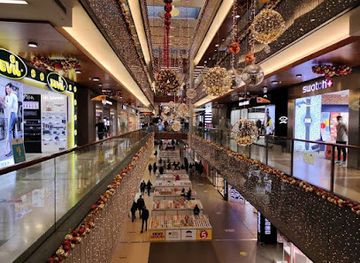
TerraCity
Discover TerraCity in Antalya, a vibrant shopping mall offering a blend of retail, dining, and entertainment experiences for every visitor.
-
Shopping mall
The Land of Legends Shopping Avenue
Explore a vast array of shops, dining, and entertainment at The Land of Legends Shopping Avenue in Antalya, a must-visit destination for every traveler.
-
Shopping mall
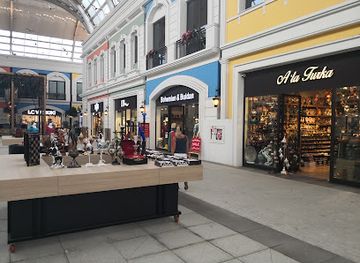
Arasta Bazaar
Discover the charm of Arasta Bazaar in Istanbul, where culture meets commerce in a delightful shopping experience, just steps from iconic landmarks.
-
Gift shop
Ruby ceramics & gift shop
Explore Ruby Ceramics & Gift Shop in Sultanahmet for authentic Turkish ceramics and unique gifts that reflect the rich heritage of Istanbul.
Get your free copy of our complete guide to Troad, delivered straight to you.
Everything on this page, from attractions and restaurants to essentials and local phrases, in one PDF you can read offline, print or share.
Already have an account? Sign in
Your Troad guide is ready.
We'll send it to · Not you? Sign out

Getting your guide ready…
We are putting together a fresh copy of the Troad guide. This can take up to a minute.
This can take a few moments. If your browser asks, choose Allow so the download can start. You'll find the guide in your Downloads folder.
Nothing happened? Download it again
Sorry, the guide is taking longer than usual. Please try again in a minute, or get it by email instead.
Troad essentials
Currency and Payment
Safety
Emergency Situations
Do's and Don'ts
Local Tips
From Eve
Local phrases worth knowing
You don't need to get them perfect. A few words go a long way, and locals appreciate the effort.
Basics
| English | Local | Say it |
|---|---|---|
| Hello | Merhaba | [mehr-hah-bah] |
| Goodbye | Hoşça kal | [hosh-chah kahl] |
| Yes | Evet | [eh-vet] |
| No | Hayır | [hah-yuhr] |
| Please/You’re welcome | Lütfen | [loot-fen] |
| Thank you | Teşekkür ederim | [teh-shehk-kur eh-deh-reem] |
| Excuse me/Sorry | Affedersiniz | [ahf-feh-dehr-see-neez] |
| How are you? | Nasılsınız? | [nah-suhl-suhn-uhz] |
| Fine. And you? | İyiyim. Siz nasılsınız? | [ee-yee-yeem. seez nah-suhl-suhn-uhz] |
| Do you speak English? | İngilizce biliyor musunuz? | [een-gee-leez-jeh bee-lee-yor moo-soo-nooz] |
| I don't understand | Anlamıyorum | [ahn-lah-muh-yor-uhm] |
Eating & Drinking
| English | Local | Say it |
|---|---|---|
| I’d like to see the menu, please | Menüyü görmek isterim, lütfen | [meh-new-yoo gohr-mehk ees-teh-reem, loot-fen] |
| I don't eat meat | Et yemiyorum | [et yeh-mee-yor-uhm] |
| Cheers! | Şerefe! | [sheh-reh-feh] |
| I would like to pay, please | Ödemek istiyorum, lütfen | [uh-deh-mehk ees-tee-yor-uhm, loot-fen] |
Emergencies
| English | Local | Say it |
|---|---|---|
| Help! | Yardım edin! | [yahr-duhm eh-deen] |
| Go away! | Defol! | [deh-fohl] |
| Call the Police! | Polisi ara! | [poh-lee-see ah-rah] |
| Call a doctor! | Bir doktora çağırın! | [beer dok-toh-rah chah-uh-ruhn] |
| I’m lost | Kayboldum | [kye-bol-doom] |
| I’m ill | Hastayım | [has-tah-yuhm] |
Shopping
| English | Local | Say it |
|---|---|---|
| I’d like to buy... | Satın almak istiyorum... | [sah-tuhn ahl-mahk ees-tee-yor-uhm] |
| I’m just looking | Sadece bakıyorum | [sah-deh-jeh bah-kee-yor-uhm] |
| How much is it? | Bu ne kadar? | [boo neh kah-dahr] |
| That’s too expensive | Bu çok pahalı | [boo chohk pah-hah-luh] |
| Can you lower the price? | Fiyatı düşürebilir misiniz? | [fee-yah-tuh doo-sheh-reh-bee-leer mee-see-neez] |
Time & Numbers
| English | Local | Say it |
|---|---|---|
| What time is it? | Saat kaç? | [sah-at kach] |
| It’s one o'clock | Saat bir | [sah-at beer] |
| Half past (10) | On buçuk | [on boo-chook] |
| Morning | Sabah | [sah-bah] |
| Afternoon | Öğleden sonra | [uh-leh-den sohn-rah] |
| Evening | Akşam | [ahk-shahm] |
| Yesterday | Dün | [doon] |
| Today | Bugün | [boo-goon] |
| Tomorrow | Yarın | [yah-ryn] |
| 1 | Bir | [beer] |
| 2 | İki | [ee-kee] |
| 3 | Üç | [ooch] |
| 4 | Dört | [duhrt] |
| 5 | Beş | [besh] |
| 6 | Altı | [ahl-tuh] |
| 7 | Yedi | [yeh-dee] |
| 8 | Sekiz | [seh-keez] |
| 9 | Dokuz | [doh-kooz] |
| 10 | On | [on] |
Transport & Directions
| English | Local | Say it |
|---|---|---|
| Where's a/the...? | Nerede ...? | [neh-reh-deh] |
| What’s the address? | Adres ne? | [ah-dress neh] |
| Can you show me (on the map)? | Haritada gösterebilir misiniz? | [hah-ree-tah-dah goh-steh-reh-bee-leer mee-see-neez] |
| When's the next (bus)? | Bir sonraki (otobüs) ne zaman? | [beer sohn-rah-kee oh-toh-boos neh zah-mahn] |
| A ticket (to ....) | Bir bilet (....) | [beer bee-let] |
History of Troad
Bronze Age Troy and the Troad
The settlement at Hisarlık, identified with ancient Troy, was occupied in successive phases from the early Bronze Age onwards. Its position near the Dardanelles gave it access to maritime routes linking the Aegean with the Sea of Marmara and the Black Sea. Different layers show changing fortifications, houses, crafts and trading connections. The city described in the Iliad belongs to the region’s long cultural memory, although archaeology presents a more complex history than the epic narrative. Troy’s importance lies both in its own development and in the evidence it provides for the movement of people and goods through north-western Anatolia.
Greek Colonies and Coastal Trade
From the first millennium BC, Greek-speaking communities established or developed settlements along the Troad coast and nearby islands. Assos became an important city on the southern shore, while other ports connected the peninsula with Lesbos, the Aegean and wider Anatolian networks. These communities were shaped by local Anatolian traditions as well as Greek political, religious and artistic practices. The surviving temples, theatres, defensive walls and harbour remains demonstrate how coastal settlements depended on maritime trade and the agricultural resources of the peninsula.
Persian, Macedonian and Hellenistic Rule
The Troad occupied a strategic position during the period of Persian influence in western Anatolia and the campaigns associated with Macedon. After Alexander the Great, the region became part of the Hellenistic world, with cities rebuilt or expanded according to new political and urban models. Alexandria Troas, founded in the late fourth century BC, grew into a major port and settlement near the Aegean approaches. Its ruins, including monumental public structures, reflect the ambition of Hellenistic rulers to control trade and movement across the region.
Roman Ports and Roads
Under Roman rule, the Troad formed part of the province of Asia and benefited from imperial roads, administration and maritime commerce. Alexandria Troas became one of the region’s principal ports, and Assos remained an important urban centre. Troy also retained symbolic value within Roman culture, which associated the city with stories about the ancestry of Rome. Aqueducts, baths, theatres and roads connected settlements to wider imperial systems, while farming and local production continued to support urban life.
Byzantine Continuities and Change
The Troad remained connected to the eastern Roman, or Byzantine, world after the division of the Roman Empire. Its settlements experienced changing fortunes as trade routes shifted and political control was contested. Christian communities, churches and defensive structures formed part of the medieval landscape, while some earlier cities gradually declined or were abandoned. The peninsula’s strategic proximity to the Dardanelles ensured that it continued to matter militarily and geographically, even when individual ancient ports no longer held their former importance.
Turkish Settlement and Ottoman Rule
Turkish political control developed in the region during the late medieval period, followed by incorporation into the Ottoman state. New settlements, mosques, markets, baths and agricultural arrangements altered the appearance of the old Troad without erasing its earlier layers. The Dardanelles became an important imperial waterway, while farming, olive cultivation, fishing and local trade sustained communities across the peninsula. Modern villages and towns retain elements of this Ottoman-era inheritance in their street plans, buildings and food traditions.
Modern Archaeology and Regional Identity
Excavations at Troy, Assos and other sites transformed international understanding of the Troad from the nineteenth century onwards. Archaeologists debated the relationship between epic tradition and material evidence, while successive excavations revealed that Troy was a multi-period settlement rather than a single event frozen in time. The opening of the Troy Museum has strengthened interpretation of the wider landscape by presenting finds in their regional context. Today, archaeology sits alongside active agriculture, coastal tourism and the contemporary life of Çanakkale and the peninsula.
Troad in Photos
Browse through our photo collection highlighting the charm and character of the destination.
Neighbouring regions of Troad
The closest regions to Troad, if you have time for more than one.
-

-

-

-

-


Swipe for more regions
Explore more
Explore more of Turkiye
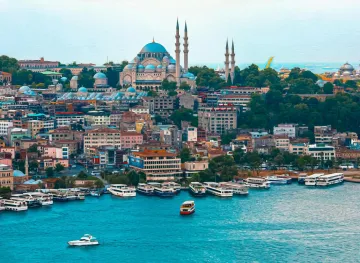
Discover Turkiye: Where ancient history, stunning landscapes, and vibrant culture come together to create an unforgettable travel experience.
Explore Turkiye