

Free Thrace Travel Guide & Mobile App
Explore Thrace with free travel guides. Discover regional history, expert tips, proposed trips, and audio guides on web or mobile app.


Explore Thrace in Türkiye for Ottoman Edirne, vineyard landscapes, Black Sea forests, Aegean beaches and distinctive Balkan-influenced cuisine.
Read more about Thrace
When is the best time to visit Thrace?
Best: May–June, September · 23–27°C| Month | High (°C) | Rainfall (mm) |
|---|---|---|
| January | 9 | 56 |
| February | 10 | 51 |
| March | 14 | 48 |
| April | 19 | 45 |
| May (best) | 23 | 42 |
| June (best) | 27 | 39 |
| July | 28 | 36 |
| August | 28 | 37 |
| September (best) | 25 | 40 |
| October | 20 | 47 |
| November | 14 | 54 |
| December | 11 | 58 |
Getting to and around Thrace
How to get there
Transportation
Top city travel guides in Thrace
The cities of Thrace, and the easiest places to base yourself.
-

-


Swipe for more cities
Best attractions in Thrace
Thrace offers a varied set of attractions spread across historic cities, agricultural countryside, forested hills and two contrasting coastlines. Edirne is the principal cultural destination, with Ottoman mosques, covered bazaars, bridges, museums and river landscapes that can be explored largely on foot. The Kırkpınar oil-wrestling tradition adds an important living dimension to the city's heritage. In Tekirdag province, the Marmara coast, Şarköy vineyards and Mürefte's wine country provide a slower rural and culinary itinerary, while Marmara Ereğlisi preserves traces of the ancient settlement of Perinthos. Kirklareli province combines the historic town of Vize with the Strandzha foothills, Dupnisa Cave and the İğneada floodplain forests, where walking and birdwatching are more significant than conventional sightseeing. Along the Saros Gulf and around Enez, beaches, wetlands and open coastal landscapes appeal to visitors seeking swimming, fishing and nature. The region's attractions are not concentrated in one resort or city; they are linked by roads across a broad borderland where archaeology, Ottoman history, agriculture and protected habitats continually overlap.
-
Mosque
Selimiye Mosque
Discover the breathtaking Selimiye Mosque in Edirne, a UNESCO World Heritage Site showcasing the pinnacle of Ottoman architectural brilliance.
-
Museum
Health Museum Complex
Explore Turkey's medical history at the Health Museum Complex in Edirne, where ancient meets modern in a fascinating journey through healthcare.
-
Tourist attraction
Ethnological Museum of Thrace
Uncover the essence of Thrace at the Ethnological Museum, showcasing the rich cultural heritage through artifacts and traditions.
-
Tourist attraction
Muradiye Mosque
Discover the breathtaking Muradiye Mosque in Edirne, a stunning example of Ottoman architecture and a beacon of cultural heritage.

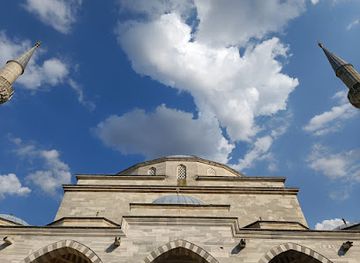
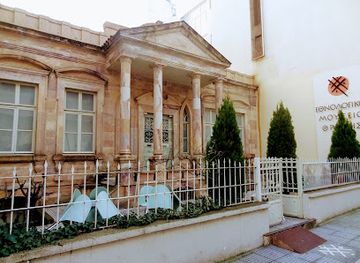
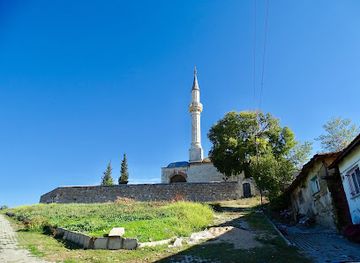
Best landmarks in Thrace
The Selimiye Mosque in Edirne is Thrace's defining architectural landmark. Designed by the Ottoman architect Sinan for Sultan Selim II, its great dome and four slender minarets dominate the city and represent the sophistication of sixteenth-century Ottoman architecture. The Üç Şerefeli Mosque, the Old Mosque and the surrounding historic complex add earlier stages of Ottoman development, while the Meriç and Tunca bridges connect the city to its river landscape. Beyond Edirne, Vize's historic religious buildings and surviving ancient theatre reflect the town's Roman and Byzantine importance, and the Sokollu Mehmed Pasha Mosque in Lüleburgaz illustrates the reach of Ottoman civic architecture across the region. Enez, near the mouth of the Meriç, preserves the setting of ancient Ainos and later fortifications. On the natural side, the İğneada floodplain forests and the broad wetlands around their waterways are among Thrace's most distinctive geographical landmarks, while the vineyards and coastal slopes around Şarköy create a recognisable cultural landscape shaped by farming and the Marmara shore.
-
Historical landmark
Galata Tower
Explore the historic Galata Tower, an iconic landmark in Istanbul offering breathtaking panoramic views and rich heritage.
-
Monument
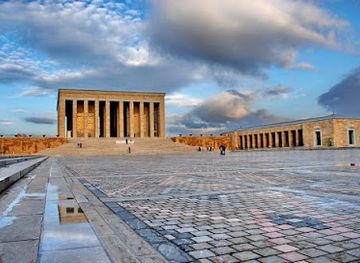
Anıtkabir
Discover Anıtkabir, the majestic mausoleum of Mustafa Kemal Atatürk, a must-visit landmark in Ankara steeped in history and national pride.
-
Mosque
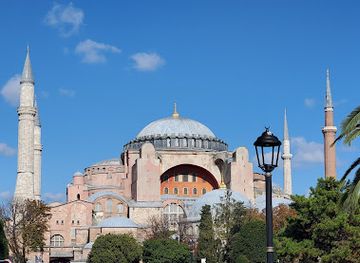
Hagia Sophia Grand Mosque
Explore the Hagia Sophia Grand Mosque, an architectural wonder that beautifully embodies the rich history and cultural diversity of Istanbul.
-
Museum
Topkapi Palace Museum
Discover the majestic history of the Ottoman Empire at Topkapi Palace Museum, featuring stunning architecture and priceless artifacts in Istanbul.
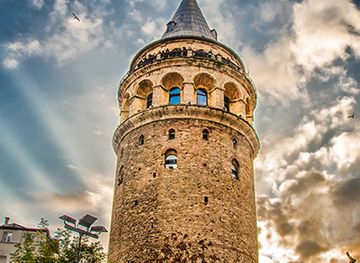
Explore Thrace on the map
Plan your trip on one map. See where the top cities, national parks and sights are, and book hotels and experiences in a few clicks.
Best hotels in Thrace
Best restaurants in Thrace
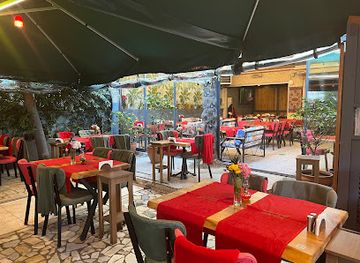
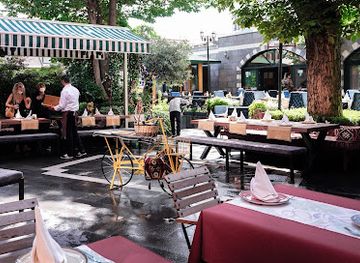
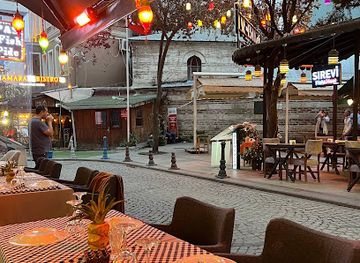
Thracian food reflects Türkiye's Balkan connections, fertile farmland and Marmara coastline. Edirne is particularly associated with tava ciğeri, thinly sliced and fried liver traditionally served with peppers and accompaniments, while the city is also known for almond paste and other confectionery. Tekirdag has its own celebrated style of köfte, and the province's coastal and vineyard districts offer cheeses, olives, seasonal produce and locally made wines. Hardaliye, a non-alcoholic fermented grape drink flavoured with sour cherries and mustard seed, is a regional speciality often associated with Kirklareli and neighbouring areas. Look for village breakfasts, bakeries, pastry shops, market stalls, family restaurants and traditional lokantas alongside contemporary dining in the larger towns. Fish and seafood appear along the Marmara, Saros and Black Sea coasts, though menus depend on season and catch. Farmers' markets are useful places to encounter peppers, sunflower products, fruit, honey and dairy from the surrounding countryside.
-
Turkish
Hanzade Terrace Restaurant
Discover authentic Turkish flavors with breathtaking views at Hanzade Terrace Restaurant in Istanbul.
-
Restaurant
Hidden Garden
Experience exquisite dining at Hidden Garden - where traditional Turkish flavors meet modern culinary artistry in Istanbul's serene oasis.
-
Restaurant
Garden 1897 Restaurant
Discover authentic Turkish flavors at Garden 1897 Restaurant in Istanbul - where tradition meets modern elegance amidst serene gardens.
-
Turkish
Las Tapas Restaurant
Experience authentic Turkish flavors at Las Tapas Restaurant in Istanbul – where tradition meets modern culinary artistry.
Best bars in Thrace
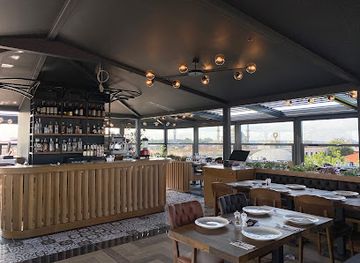
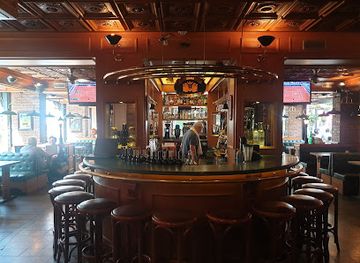
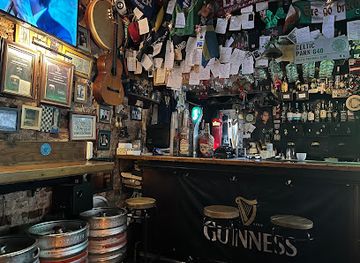
Nightlife in Thrace is generally social and low-key rather than centred on a large club scene. Edirne has the broadest choice of cafés, meyhanes, restaurants and bars, with evening activity around central streets and student-oriented areas, while Tekirdag offers seafront cafés, restaurants and bars overlooking the Sea of Marmara. In Şarköy and Mürefte, wine tasting and relaxed dinners are more characteristic than late-night entertainment. Kirklareli's evening life focuses on cafés, taverns and places serving local drinks and food, with occasional live music rather than a defining nightclub district. Rural towns and coastal villages may become quieter outside the summer season. Visitors should check current arrangements locally, particularly in smaller settlements, and remember that modest dress and considerate behaviour remain appropriate near mosques, family venues and residential neighbourhoods.
-
Cafe
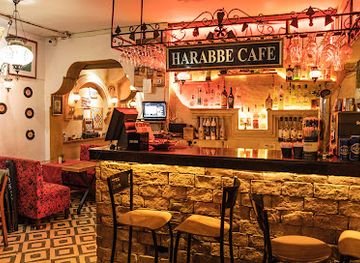
Harab'be Cafe
Discover the vibrant atmosphere of Harab'be Cafe in Istanbul, where traditional flavors meet modern café culture, perfect for relaxation and socializing.
-
Restaurant
Loti Roof Lounge
Experience stunning views and exquisite sushi at Loti Roof Lounge, Istanbul's premier rooftop dining destination.
-
Pub
Old English Pub Cafe & Restaurant
Discover the unique blend of British pub culture and Turkish flavors at the Old English Pub Cafe & Restaurant in Kadıköy, Istanbul.
-
Irish pub
U2 Istanbul Irish Pub
Discover the heart of Irish culture in Istanbul at U2 Istanbul Irish Pub, where live music and delicious food create an unforgettable experience.
Best nightclubs in Thrace
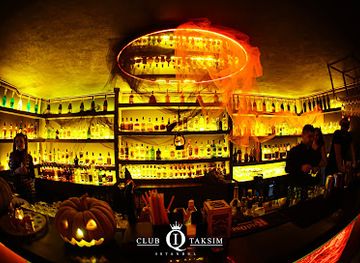
Nightlife in Thrace is generally social and low-key rather than centred on a large club scene. Edirne has the broadest choice of cafés, meyhanes, restaurants and bars, with evening activity around central streets and student-oriented areas, while Tekirdag offers seafront cafés, restaurants and bars overlooking the Sea of Marmara. In Şarköy and Mürefte, wine tasting and relaxed dinners are more characteristic than late-night entertainment. Kirklareli's evening life focuses on cafés, taverns and places serving local drinks and food, with occasional live music rather than a defining nightclub district. Rural towns and coastal villages may become quieter outside the summer season. Visitors should check current arrangements locally, particularly in smaller settlements, and remember that modest dress and considerate behaviour remain appropriate near mosques, family venues and residential neighbourhoods.
-
Night club
Taksim Club IQ
Immerse yourself in the pulsating nightlife of Istanbul at Taksim Club IQ, where vibrant music and exhilarating atmosphere come together for an unforgettable experience.
-
Night club
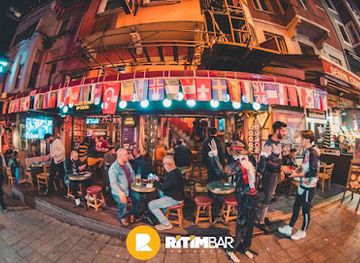
Ritim
Discover the exhilarating nightlife at Ritim Night Club in Istanbul, where vibrant music and a lively atmosphere await you.
-
Night club
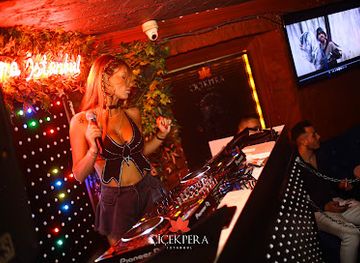
Çiçek Pera İstanbul
Discover the electric nightlife of Istanbul at Çiçek Pera, where vibrant music and an energetic atmosphere await every night.
-
Night club
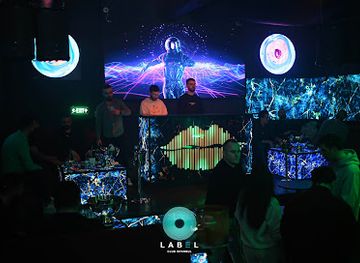
Label Club
Experience the electrifying nightlife of Istanbul at Label Club, where unforgettable DJ performances and vibrant energy await every night.
Best shops in Thrace
Shopping in Thrace is strongest in historic town centres, covered markets, food shops and regular local markets rather than large luxury retail districts. Edirne's Arasta and Bedesten market areas are useful for browsing traditional goods, textiles, souvenirs and regional foods near the principal mosques. The city is also a good place to buy almond paste, local confectionery, cheeses and packaged versions of its famous culinary specialities. Tekirdag and Kirklareli have everyday high streets, shopping centres and municipal markets serving local residents, with seasonal fruit, vegetables, olives, honey and dairy products. Around Şarköy and Mürefte, visitors can look for wines and vineyard products, although availability and opening arrangements vary by producer. Craft and antique shops appear in older town quarters, while village markets offer a more direct glimpse of regional commerce. Choose food products that are properly packaged for travel, and treat archaeological objects as protected heritage rather than souvenirs.
-
Shopping mall
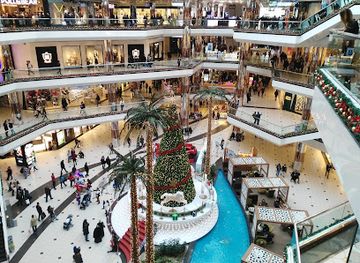
İstanbul Cevahir Shopping Mall
Experience shopping like never before at İstanbul Cevahir Shopping Mall, a vibrant retail hub filled with shops, dining, and entertainment options to delight every visitor.
-
Shopping mall
The Land of Legends Shopping Avenue
Discover a shopping paradise at The Land of Legends Shopping Avenue, where luxury meets leisure in the heart of Antalya.
-
Shopping mall
Novacity Alışveriş Merkezi
Discover the ultimate shopping and dining experience at Novacity Alışveriş Merkezi in Erdemli, Mersin, where modernity meets local charm.
-
Shopping mall
Terkos Pasajı
Experience the vibrant shopping scene at Terkos Pasajı, Istanbul's hub for fashion, food, and unique finds in the heart of Beyoğlu.

Get your free copy of our complete guide to Thrace, delivered straight to you.
Everything on this page, from attractions and restaurants to essentials and local phrases, in one PDF you can read offline, print or share.
Already have an account? Sign in
Your Thrace guide is ready.
We'll send it to · Not you? Sign out

Getting your guide ready…
We are putting together a fresh copy of the Thrace guide. This can take up to a minute.
This can take a few moments. If your browser asks, choose Allow so the download can start. You'll find the guide in your Downloads folder.
Nothing happened? Download it again
Sorry, the guide is taking longer than usual. Please try again in a minute, or get it by email instead.
Thrace essentials
Currency and Payment
Safety
Emergency Situations
Do's and Don'ts
Local Tips
From Eve
Local phrases worth knowing
You don't need to get them perfect. A few words go a long way, and locals appreciate the effort.
Basics
| English | Local | Say it |
|---|---|---|
| Hello | Merhaba | [Mer-ha-ba] |
| Goodbye | Hoşça kal | [Hosh-cha kal] |
| Yes | Evet | [Eh-vet] |
| No | Hayır | [Hah-yur] |
| Please/You're welcome | Lütfen/Rica ederim | [Lut-fen/Ree-ja eh-de-rim] |
| Thank you | Teşekkür ederim | [Teh-sheh-kur eh-de-rim] |
| Excuse me/Sorry | Affedersiniz/Üzgünüm | [Af-feh-der-sin-iz/Uz-gun-um] |
| How are you? | Nasılsınız? | [Nah-sil-sin-iz] |
| Fine. And you? | İyiyim. Ya siz? | [Ee-yee-yim. Yah siz?] |
| Do you speak English? | İngilizce biliyor musunuz? | [In-gi-liz-je bee-lee-yor moo-sun-uz] |
| I don't understand | Anlamıyorum | [An-la-mı-yo-rum] |
Eating & Drinking
| English | Local | Say it |
|---|---|---|
| I'd like to see the menu, please | Menüyü görmek isterim, lütfen | [Meh-nu-yu gör-mek is-te-rim, lut-fen] |
| I don't eat meat | Et yemiyorum | [Et ye-mi-yo-rum] |
| Cheers! | Şerefe! | [She-re-fe] |
| I would like to pay, please | Ödemek istiyorum, lütfen | [Ö-de-mek is-ti-yo-rum, lut-fen] |
Emergencies
| English | Local | Say it |
|---|---|---|
| Help! | Yardım edin! | [Yar-dım e-din] |
| Go away! | Defol! | [De-fo-l] |
| Call the Police! | Polisi arayın! | [Po-li-si a-ra-yın] |
| Call a doctor! | Doktor çağırın! | [Dok-tor cha-ı-rın] |
| I'm lost | Kayboldum | [Kay-bol-dum] |
| I'm ill | Hastayım | [Has-ta-yım] |
Shopping
| English | Local | Say it |
|---|---|---|
| I'd like to buy... | Almak istiyorum... | [Al-mak is-ti-yo-rum] |
| I'm just looking | Sadece bakıyorum | [Sa-de-ce ba-kı-yo-rum] |
| How much is it? | Bu ne kadar? | [Bu ne ka-dar] |
| That's too expensive | Bu çok pahalı | [Bu chock pa-ha-lı] |
| Can you lower the price? | Fiyatı düşürebilir misiniz? | [Fee-yah-tı dü-she-re-bi-lir mi-sin-iz] |
Time & Numbers
| English | Local | Say it |
|---|---|---|
| What time is it? | Saat kaç? | [Sa-at kach] |
| It's one o'clock | Saat bir | [Sa-at bir] |
| Half past (10) | On buçuk | [On boo-chuk] |
| Morning | Sabah | [Sa-bah] |
| Afternoon | Öğleden sonra | [Ö-le-den son-ra] |
| Evening | Akşam | [Ak-sham] |
| Yesterday | Dün | [Dün] |
| Today | Bugün | [Bu-gün] |
| Tomorrow | Yarın | [Ya-rın] |
| 1 | Bir | [Bir] |
| 2 | İki | [Ee-kee] |
| 3 | Üç | [Üch] |
| 4 | Dört | [Dört] |
| 5 | Beş | [Besh] |
| 6 | Altı | [Al-tı] |
| 7 | Yedi | [Yeh-dee] |
| 8 | Sekiz | [Seh-kiz] |
| 9 | Dokuz | [Do-kuz] |
| 10 | On | [On] |
Transport & Directions
| English | Local | Say it |
|---|---|---|
| Where's a/the...? | Nerede...? | [Ne-re-de] |
| What's the address? | Adres nedir? | [Ad-res ne-dir] |
| Can you show me (on the map)? | Bana (haritada) gösterebilir misiniz? | [Ba-na (ha-ri-ta-da) gös-te-re-bi-lir mi-sin-iz] |
| When's the next (bus)? | Sonraki (otobüs) ne zaman? | [Son-ra-ki (o-to-büs) ne za-man] |
| A ticket (to ....) | Bir bilet (....) | [Bir bi-let] |
History of Thrace
Thracian Kingdoms and Early Settlements
Long before the region became part of Türkiye, European Thrace was inhabited by Thracian communities whose political organisation varied between local kingdoms and tribal territories. Archaeological remains, burial mounds and settlement evidence indicate sustained occupation of the plains and river valleys. Greek colonies developed along parts of the Marmara and Aegean-facing coasts, linking the interior to maritime trade. The ancient landscape was not culturally uniform: Thracian peoples interacted with Greek settlers and, later, Roman and Byzantine authorities. Their legacy survives most clearly through archaeology and the region's enduring position as a crossroads between the Balkans and the Aegean.
Roman and Byzantine Thrace
Roman rule brought Thrace into a wider imperial system of roads, fortified settlements, agriculture and trade. Coastal and inland centres, including Perinthos at modern Marmara Ereğlisi and Ainos at modern Enez, became important nodes in regional communications. The area remained strategically significant during the Byzantine period because it protected approaches to Constantinople from the west. Fortifications, churches and settlement remains around places such as Vize and Enez reflect centuries of military pressure and religious change. Although much of the ancient road network has disappeared beneath later development, the region's towns still occupy the same strategically valuable corridor.
Edirne and the Ottoman Capital
The Ottomans captured Adrianople, known today as Edirne, in the fourteenth century and made it their principal European capital before the conquest of Constantinople in 1453. The city became a centre of administration, military organisation, religious patronage and court culture. Its major mosques, bridges, baths, markets and charitable complexes date from this period and later Ottoman centuries. Selimiye Mosque, built for Sultan Selim II in the sixteenth century, is the most celebrated expression of this architectural legacy. Edirne remained a vital imperial city even after the capital moved east, maintaining close connections with the Balkans.
Wars and Borderland Change
From the late eighteenth century through the nineteenth and early twentieth centuries, Thrace was repeatedly affected by conflict between the Ottoman Empire, Russia and Balkan states. Edirne changed hands during the Balkan Wars, and the region's frontier settlements experienced military occupation, displacement and political uncertainty. Railways and improved roads increased the strategic value of the corridor linking Istanbul with Europe. The visible result is a layered borderland history in which Ottoman monuments stand alongside military sites, modern memorials and communities shaped by successive migrations.
Migration and Population Exchange
The upheavals surrounding the end of the Ottoman Empire and the establishment of the Turkish Republic transformed Thrace's population. Muslim communities from the Balkans settled in towns and villages, while many Christian residents departed through wartime displacement, bilateral agreements and the 1923 population exchange. These movements altered patterns of landholding, agriculture, language and cuisine. Balkan-origin families remain an important part of the social history of Edirne, Tekirdag and Kirklareli, and their influence can be recognised in local dishes, village traditions, music and architectural details.
The Republican Border Region
Under the Republic of Türkiye, Thrace developed as an agricultural, industrial and transport corridor adjoining Bulgaria and Greece and facing the Sea of Marmara. Edirne retained its role as a cultural and administrative centre, while Tekirdag grew through port activity, manufacturing and connections to Istanbul. Vineyards, grain farming, sunflower cultivation and livestock remain important, alongside food processing and logistics. At the same time, coastal tourism and nature conservation have expanded, particularly around the Saros Gulf, the Strandzha forests and the İğneada wetlands.
Thrace in Photos
Browse through our photo collection highlighting the charm and character of the destination.
Neighbouring regions of Thrace
The closest regions to Thrace, if you have time for more than one.
-

-

-

-

-


Swipe for more regions
Explore more
Explore more of Turkiye
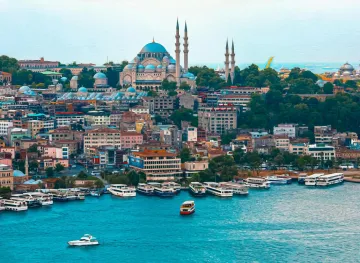
Discover Turkiye: Where ancient history, stunning landscapes, and vibrant culture come together to create an unforgettable travel experience.
Explore Turkiye