

Babalua Beach Travel Guide - Free Web & App
Your ultimate guide to Babalua Beach. Discover top landmarks, proposed trips, and local tips. Free on the web or via the Evendo companion app.




Babalua Beach in the Turks and Caicos Islands offers clear water, pale sand, reef scenery and a quieter Providenciales escape near Turtle Cove.
A Low-Key Coastal Landscape
Babalua Beach lies on the western side of Providenciales in the Turks and Caicos Islands, a relatively quiet stretch of coast away from the busier resort concentration around central Grace Bay. Its appeal is the combination of pale sand, clear Caribbean water and a more local, lightly developed atmosphere. The beach is best understood as a natural shoreline rather than a fully serviced resort beach, so visitors should expect limited facilities and bring what they need for a few hours beside the sea.Read more about Babalua Beach
Water, Reefs and Open Coast
Using Babalua as a Base
When is the best time to visit Babalua Beach?
Best: June–July, September · 32°C| Month | High (°C) | Rainfall (mm) |
|---|---|---|
| January | 29 | 54 |
| February | 29 | 42 |
| March | 30 | 36 |
| April | 30 | 30 |
| May | 31 | 22 |
| June (best) | 32 | 14 |
| July (best) | 32 | 11 |
| August | 32 | 11 |
| September (best) | 32 | 14 |
| October | 31 | 22 |
| November | 30 | 30 |
| December | 30 | 42 |
Getting to and around Babalua Beach
How to get there
Transportation
Best attractions in Babalua Beach
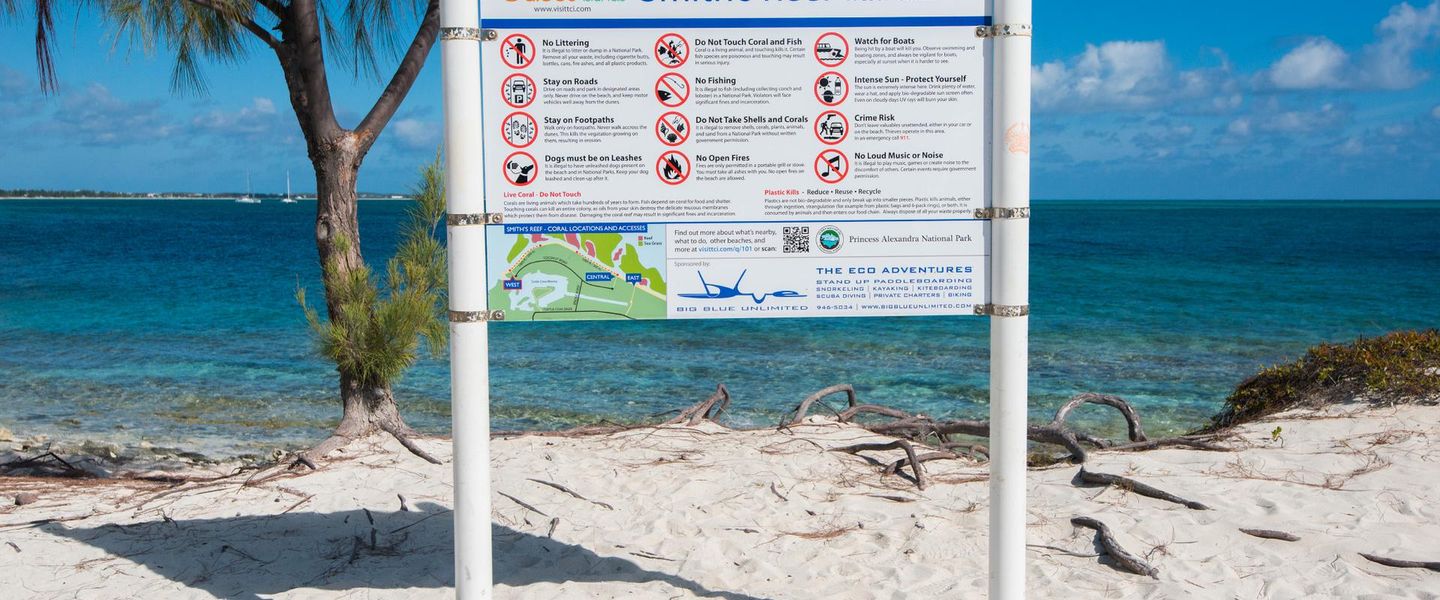
The principal attraction is Babalua Beach itself, where pale sand and clear shallows create a quieter alternative to the more intensively developed beaches of central Providenciales. The western setting is suited to shoreline walks, landscape photography, gentle wading when conditions allow and observing the contrast between open coast, limestone terrain and shallow marine habitats. Nearby areas of Providenciales broaden the itinerary: Turtle Cove provides a base for marine excursions and access to Smith’s Reef, while Blue Hills offers a more settled coastal neighbourhood with local services and a different view of the island’s shoreline. Farther west, the broader Northwest Point area is valued for its undeveloped coastal character and protected natural surroundings, although access, roads and permitted activities should be checked locally. Babalua is therefore best approached as one element in a west-Providenciales exploration rather than as a beach resort with a large cluster of attractions.
-
Boat tour agency
Big Blue Collective
Explore the natural wonders of the Turks & Caicos Islands with Big Blue Collective - your gateway to unforgettable water adventures.
-
 Resort hotel
The Sands at Grace Bay
Discover the ultimate Caribbean getaway at The Sands at Grace Bay, where luxury meets stunning natural beauty in the heart of Turks and Caicos.
-
Park and Garden
The Bight Park
Explore the beauty and tranquility of The Bight Park, a serene oasis in the heart of the Turks and Caicos Islands, perfect for relaxation and outdoor adventures.
-
Island
Little Water Cay (Iguana Island)
Explore Little Water Cay, a stunning island paradise in Turks and Caicos, home to the endangered rock iguana and breathtaking natural beauty.
Explore Babalua Beach on the map
Plan your trip on one map. See where the top attractions, landmarks, restaurants and hotels are, and book hotels and experiences in a few clicks.
Best hotels in Babalua Beach
Best restaurants in Babalua Beach
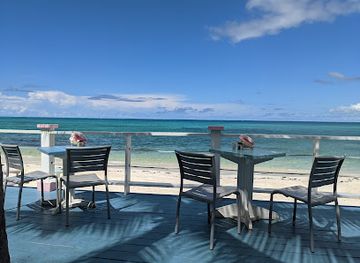
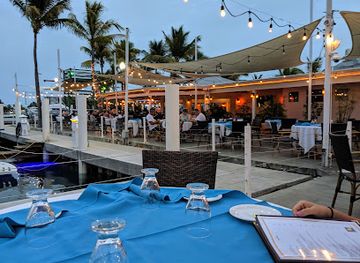
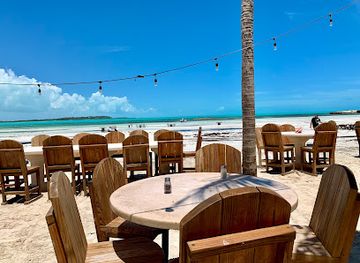
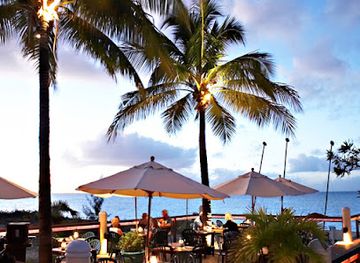
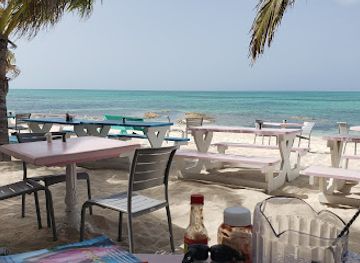
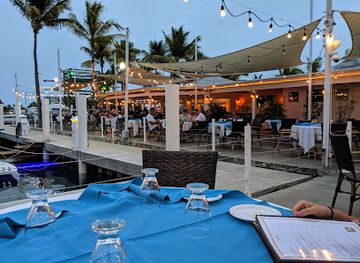
There is no substantial restaurant district on Babalua Beach itself, so visitors normally eat in the established parts of Providenciales. Turtle Cove, Grace Bay and Blue Hills offer the island’s main concentration of restaurants, cafés, bars and takeaway options, while larger supermarkets and food shops make self-catering practical for visitors staying in villas or apartments. The local dining identity draws on Caribbean cooking, seafood, conch, grilled dishes and familiar international food shaped by the islands’ tourism economy; menus and availability vary between establishments. Fresh conch is traditionally associated with the Turks and Caicos Islands, but visitors should choose legally supplied, responsibly sourced seafood where possible. Anyone spending time at this relatively quiet beach should bring water and provisions rather than relying on finding food beside the sand.
-
Restaurant
Da Conch Shack
Experience authentic island cuisine at Da Conch Shack—where fresh seafood meets stunning Caribbean views.
-
Restaurant
Mango Reef Restaurant & Bar
Discover exquisite dining at Mango Reef Restaurant & Bar in Turks and Caicos—where fresh seafood meets breathtaking ocean views.
-
Restaurant
Bugaloos
Discover Bugaloos: A top dining spot in Turks & Caicos offering fresh seafood and Caribbean flavors amidst stunning ocean views.
-
Restaurant
Hemingway's on the Beach
Experience exquisite Caribbean cuisine with breathtaking views at Hemingway's on the Beach in Grace Bay.
Best bars in Babalua Beach
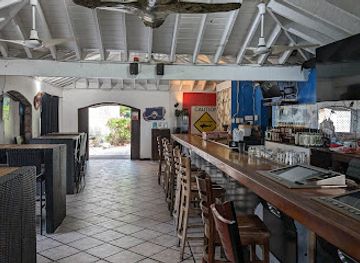
Babalua Beach has no established nightlife scene, and its appeal after sunset is the quiet of a lightly developed western shoreline rather than music venues or late-night entertainment. Visitors seeking an evening drink or a more social atmosphere generally travel to Turtle Cove, Grace Bay or other populated areas of Providenciales, where hotel bars, restaurants and local establishments provide the territory’s principal evening options. Entertainment can be seasonal and relatively relaxed, with dining, conversation and occasional live music more characteristic than a concentrated nightclub district. Arrange transport before drinking, as distances between accommodation, restaurants and beaches can be significant and roadside conditions are not designed for casual late-night walking.
-
Restaurant
Da Conch Shack
Experience the authentic flavors of the Caribbean at Da Conch Shack, where every bite is a taste of paradise.
-
Restaurant
Mango Reef Restaurant & Bar
Experience the vibrant flavors and breathtaking views at Mango Reef Restaurant & Bar in Turks & Caicos, a dining gem for every traveler.
-
American
Danny Buoy's
Experience the vibrant atmosphere and delicious American cuisine at Danny Buoy's in Grace Bay, Turks & Caicos - your perfect dining destination!
-
Restaurant
Sharkbite Bar & Grill
Discover the flavors of the Caribbean at Sharkbite Bar & Grill, where fresh seafood meets breathtaking views in the heart of Turks & Caicos.
Best nightclubs in Babalua Beach
Babalua Beach has no established nightlife scene, and its appeal after sunset is the quiet of a lightly developed western shoreline rather than music venues or late-night entertainment. Visitors seeking an evening drink or a more social atmosphere generally travel to Turtle Cove, Grace Bay or other populated areas of Providenciales, where hotel bars, restaurants and local establishments provide the territory’s principal evening options. Entertainment can be seasonal and relatively relaxed, with dining, conversation and occasional live music more characteristic than a concentrated nightclub district. Arrange transport before drinking, as distances between accommodation, restaurants and beaches can be significant and roadside conditions are not designed for casual late-night walking.
-
Lounge
Shisha Lounge TCI
Discover the vibrant nightlife at Shisha Lounge TCI, where relaxation meets entertainment with exotic shisha flavors and live music.
-
Bar
Blu Bar & Lounge
Experience the vibrant nightlife of Grace Bay at Blu Bar & Lounge, where cocktails, karaoke, and good vibes come together.
-
Bar
Gymbar
Experience the vibrant nightlife at Gymbar in Kew Town Settlement, where locals and tourists gather for refreshing drinks and great company.
-
Bar
Blue Diamond
Experience the vibrant nightlife at Blue Diamond, the ultimate bar in Turks & Caicos for cocktails, music, and unforgettable memories.


Best shops in Babalua Beach
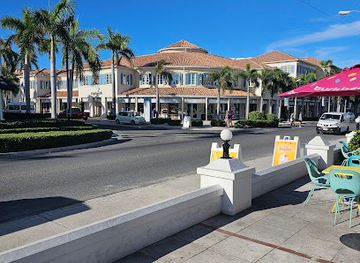
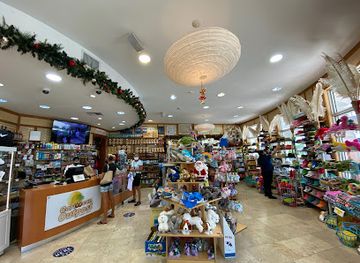
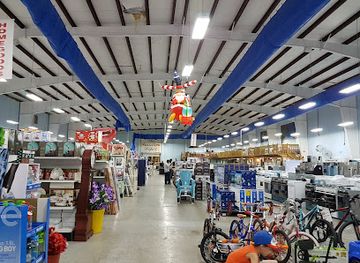
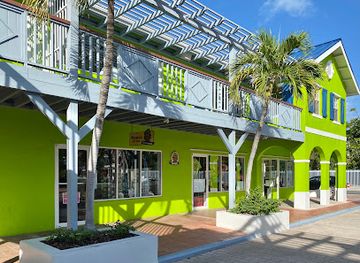
Shopping at Babalua Beach is effectively limited to the experience of the shoreline itself, with no recognised retail centre or permanent market on the sand. Visitors can buy provisions, beach essentials, crafts, clothing and souvenirs in the populated parts of Providenciales, particularly around Grace Bay and other established visitor areas. Supermarkets are useful for water and picnic supplies, while galleries, resort shops and independent sellers offer locally themed art, jewellery and island gifts; the range changes between businesses and seasons. Regional products associated with the Turks and Caicos Islands include salt, artwork inspired by the sea and locally made food items, although visitors should check provenance rather than assume every souvenir is locally produced. Plan purchases before travelling to this quieter western beach.
-
Gift shop
House of Unicorn
Discover unique souvenirs and local crafts at the House of Unicorn, Grace Bay's charming gift shop offering island-inspired treasures.
-
Souvenir Shop
Caribbean Outpost
Explore Caribbean Outpost for authentic souvenirs and local crafts reflecting the beauty and culture of the Turks and Caicos Islands.
-
Discount shop
Kishco
Explore Kishco in Turks & Caicos for amazing deals on local goods, souvenirs, and everyday essentials, all in a friendly shopping environment.
-
Gift shop
Mama's Gift Shop
Discover unique souvenirs and local crafts at Mama's Gift Shop in Grace Bay, Turks & Caicos Islands—a treasure trove of island culture.
Get your free copy of our complete guide to Babalua Beach, delivered straight to you.
Everything on this page, from attractions and restaurants to essentials and local phrases, in one PDF you can read offline, print or share.
Already have an account? Sign in
Your Babalua Beach guide is ready.
We'll send it to · Not you? Sign out

Getting your guide ready…
We are putting together a fresh copy of the Babalua Beach guide. This can take up to a minute.
This can take a few moments. If your browser asks, choose Allow so the download can start. You'll find the guide in your Downloads folder.
Nothing happened? Download it again
Sorry, the guide is taking longer than usual. Please try again in a minute, or get it by email instead.
Babalua Beach essentials
Currency and Payment
Safety
Emergency Situations
Do's and Don'ts
Local Tips
From Eve
Local phrases worth knowing
You don't need to get them perfect. A few words go a long way, and locals appreciate the effort.
Basics
| English | Local | Say it |
|---|---|---|
| Hello | Hello | [heh-LO] |
| Goodbye | Goodbye | [guhd-BYE] |
| Yes | Yes | [yehs] |
| No | No | [noh] |
| Please/You're welcome | Please/You're welcome | [pleez/yoor WEL-kuhm] |
| Thank you | Thank you | [thank yoo] |
| Excuse me/Sorry | Excuse me/Sorry | [ehk-SKYOOZ me/saw-REE] |
| How are you? | How are you? | [hao ahr yoo?] |
| Fine. And you? | Fine. And you? | [fahyn. and yoo?] |
| Do you speak English? | Do you speak English? | [doo yoo speek ING-glish?] |
| I don't understand | I don't understand | [eye dohnt uhn-der-STAND] |
Eating & Drinking
| English | Local | Say it |
|---|---|---|
| I'd like to see the menu, please | I'd like to see the menu, please | [ahyd lahyk too see the MEH-nyoo, pleez] |
| I don't eat meat | I don't eat meat | [eye dohnt eet meet] |
| Cheers! | Cheers! | [cheers] |
| I would like to pay, please | I would like to pay, please | [eye wood lahyk too pey, pleez] |
Emergencies
| English | Local | Say it |
|---|---|---|
| Help! | Help! | [help] |
| Go away! | Go away! | [goh uh-WAY] |
| Call the Police! | Call the Police! | [kawl the puh-LEES] |
| Call a doctor! | Call a doctor! | [kawl uh DOK-tur] |
| I'm lost | I'm lost | [ahym lost] |
| I'm ill | I'm ill | [ahym il] |
Shopping
| English | Local | Say it |
|---|---|---|
| I'd like to buy... | I'd like to buy... | [ahyd lahyk too by] |
| I'm just looking | I'm just looking | [ahym juhst LOOK-ing] |
| How much is it? | How much is it? | [hao muhch iz it?] |
| That's too expensive | That's too expensive | [thats too ek-SPEN-siv] |
| Can you lower the price? | Can you lower the price? | [kan yoo LOH-wur the prys?] |
Time & Numbers
| English | Local | Say it |
|---|---|---|
| What time is it? | What time is it? | [waht tyme iz it?] |
| It's one o'clock | It's one o'clock | [its wuhn uh-KLOK] |
| Half past (10) | Half past (10) | [haf past (10)] |
| Morning | Morning | [MAWR-ning] |
| Afternoon | Afternoon | [AF-ter-NOON] |
| Evening | Evening | [EE-ven-ing] |
| Yesterday | Yesterday | [YES-ter-day] |
| Today | Today | [to-DAY] |
| Tomorrow | Tomorrow | [toh-MOR-oh] |
| 1 | 1 | [wuhn] |
| 2 | 2 | [too] |
| 3 | 3 | [three] |
| 4 | 4 | [fohr] |
| 5 | 5 | [fahyv] |
| 6 | 6 | [siks] |
| 7 | 7 | [sev-uhn] |
| 8 | 8 | [eyt] |
| 9 | 9 | [nahyn] |
| 10 | 10 | [ten] |
Transport & Directions
| English | Local | Say it |
|---|---|---|
| Where's a/the...? | Where's a/the...? | [whehrz uh/the] |
| What's the address? | What's the address? | [wahts the uh-DRES] |
| Can you show me (on the map)? | Can you show me (on the map)? | [kan yoo show mee (on the map)?] |
| When's the next (bus)? | When's the next (bus)? | [wenz the nekst (bus)?] |
| A ticket (to ....) | A ticket (to ....) | [uh TIH-kit (to ....)] |
History of Babalua Beach
Limestone Islands and Shallow Seas
Babalua Beach forms part of Providenciales, a low-lying limestone island shaped by marine processes, exposed coastal shelves and extensive shallow banks. The sand and clear water that define the shoreline are products of this wider geological setting rather than a single historic event. Across Providenciales, limestone terrain, saline ponds, wetlands and mangrove areas have influenced where people could settle, travel and cultivate land. Babalua itself has remained a coastal landscape rather than a major urban centre, and its significance lies primarily in its relationship with the island’s natural environment.
Lucayan Settlement and Maritime Life
Before European colonisation, the Turks and Caicos Islands were inhabited by Lucayan communities, whose lives were closely connected with the sea, shallow banks and island resources. Archaeological evidence across the islands records this earlier presence, although Babalua Beach is not generally identified as one of the territory’s principal archaeological sites. The western coast of Providenciales nevertheless belongs to the same maritime landscape in which fishing, gathering and movement between islands were fundamental. Visitors should distinguish the documented Lucayan heritage of the archipelago from claims about specific remains at Babalua.
Colonial Settlement and the Salt Economy
European activity brought changing patterns of settlement and commerce to the Turks and Caicos Islands. For several centuries, salt production became especially important in the southern islands, notably Grand Turk and Salt Cay, where shallow saline ponds could be worked for export. Providenciales developed more slowly and retained a largely rural character, with farming, livestock, fishing and small-scale maritime activity shaping local life. Babalua Beach was not a major saltworks or colonial port, but its wider island setting reflects the territory’s long dependence on coastal resources and movement by sea.
Providenciales and the Growth of Tourism
Providenciales changed substantially during the late twentieth century as roads, an international airport, villas, resorts and marine tourism expanded. Grace Bay became the island’s principal tourism district, while western and northern coastal areas generally remained less intensively developed. Babalua Beach belongs to this quieter side of Providenciales, where access to the sea is valued without the concentrated resort infrastructure found farther east. Contemporary interest in the beach is therefore connected to the island’s broader tourism history: visitors seek clear water and coastal scenery while local planning and conservation continue to shape how sensitive shorelines are used.
Babalua Beach in Photos
Browse through our photo collection highlighting the charm and character of the destination.
Cities in Babalua Beach
The towns and cities of Babalua Beach, and the easiest places to base yourself.
-

-

-

-

-

-


Swipe for more cities
Neighbouring destination travel guides
The closest destinations to Babalua Beach, if you have time for more than one.
-

-

-

-

-


Swipe for more destinations
Explore more

Explore more of Turks and Caicos Islands
Discover the pristine beaches, luxurious resorts, and vibrant culture of Turks and Caicos Islands, a tropical paradise in the Atlantic Ocean.
Explore Turks and Caicos Islands